
Game review
Veilbreak
7 / 10
- Developer
- Wolfs Moon Studios
- Publisher
- Wolfs Moon Studios
- Released
- 4 June 2026
- Platforms
- Windows
- Genre
- RPG, Indie
- Monetisation
- paid
- Players
- false
The short version
Biggest strengths
- Fast, satisfying turn-based combat built around a Veteran Experience system that longtime fans consistently praised as the studio's most refined yet
- A deep, rewarding crafting loop tied directly to combat loot, repeatedly credited with removing the need to grind for money or gear
- A distinctive six-character roster with real build variety, letting players tailor a four-person party to their preferred playstyle
Biggest weaknesses
- One detailed, critical reviewer found the dialogue atrocious and the story barebones, citing character motivations and plot logic that repeatedly don't add up
- At roughly $25, the price drew explicit pushback from at least one reviewer as high for what's ultimately another entry in an established RPG Maker formula
- Reviews are dominated by longtime fans of the developer's back catalog, making it hard to judge how the game lands for someone with no prior familiarity with the studio
Who it's for: Returning fans of Wolfs Moon Studios' RPG Maker JRPGs and players who enjoy classic turn-based combat and crafting loops, not recommended for players seeking sharp, well-edited dialogue or a AAA-scale narrative
Our recommendation: recommended
7 / 10
Veilbreak released in full on Steam on June 4, 2026, from solo-driven studio Wolfs Moon Studios, a dark fantasy JRPG built in RPG Maker in which the protagonist steals a ritual stone, inadvertently opens the world to invading creatures from beyond the Veil, and assembles a party to seal the rifts and survive what's now hunting him. Its 20-review English pool sits at Positive (19 up, 1 down, 95%), and the reviews describe a studio with a devoted, returning fanbase who consider this a refined, if familiar, entry in a long-running formula, against one detailed dissenting voice who found the writing genuinely weak.
Combat and the studio's Veteran Experience progression system draw the pool's most consistent and specific praise, with longtime fans repeatedly framing this as the developer's most polished iteration yet. One detailed reviewer, a self-described veteran of "nearly all" of Shane Crawford's turn-based games, called the free-attack-or-heal swift-action system in combat genuinely engaging, and noted "the enemy appearances are different this time and some of your abilities are too which is refreshing," estimating "about 40 plus hours" for a completionist playthrough. Another reviewer specifically credited "less" skills overall but a design where "the ones you get you will use them all," a deliberate streamlining several other reviewers echoed as an improvement over the developer's earlier games. A third reviewer, comparing this release directly against the studio's other titles, called it "essentially 'Monsters & Men' (gameplay-wise), but with a different story, great dialogues, perfectly balanced and versatile party members, more (and different) equipment options, an intelligently streamlined crafting system and an even more improved Veteran Experience system."
The crafting loop earned its own specific, repeated praise for how tightly it ties into combat loot rather than functioning as a separate grind. One reviewer wrote that "the enemies give lots of loot and the crafting enables you to make awesome weapons and equipment," adding "I really haven't had to use much money for gear or potions, that is so nice not having to grind forever just to get the stuff you need." Another reviewer specifically praised the game for not requiring "foraging/fishing" side-systems, calling the crafting itself a highlight even among a back catalog they'd played "for years now." A separate reviewer summarized the loop as "easy to follow and maintain," noting "all crafting materials are available from monster drops, and the weapons and armour crafted are worth the effort."
The developer's visible presence and responsiveness came up specifically and repeatedly enough to count as a real, corroborated strength rather than incidental flattery. One reviewer noted "the developer is hands on and quick to reply and fix any issues that arise," calling that "a rarity from other rpg developers." A separate reviewer independently made the same point almost verbatim, praising the developer for "constantly checking the discussion group" and "immediately" fixing "any possible bugs," a level of active post-launch support that stood out across a genre not always known for it.
Against that near-unanimous positive consensus sits one long, specific, and worth-taking-seriously dissent. That reviewer called the dialogue "atrocious," the story "barebone," and walked through a detailed sequence of party members joining the group with what they felt was little narrative justification, writing that new companions "just join" the party without meaningful conflict or explanation despite circumstances that would seem to call for it. That same reviewer flagged the roughly $25 asking price directly, calling the game "overpriced for what it offers" and contrasting it with a much cheaper alternative they felt delivered more value. It's a single dissenting voice against nineteen positive ones, but it's detailed and specific rather than vague, and it points at a real tension in the pool: the positive reviews come almost entirely from players already invested in the developer's prior catalog, several explicitly cross-referencing their reviews of the studio's other games, which makes it genuinely hard to judge how the writing and pacing land for someone coming in cold.
That split is worth taking at face value rather than resolving in either direction, since both readings are consistent with the same evidence: a small, prolific solo studio that has iterated combat and crafting systems across multiple releases until longtime fans consider this entry the most refined yet, while the narrative scaffolding around those systems remains, by at least one detailed account, thin enough to actively undercut the experience for a reader paying close attention to plot logic.
The party's six-character roster, with only four active slots at a time, also drew specific, repeated praise as a meaningful design choice rather than padding. One reviewer noted the game "has only 6 characters, but a great variety of options to customise them, meaning it should suit many play styles," a sentiment echoed by multiple other reviewers who described experimenting with different four-person combinations across a playthrough. That smaller, tighter roster stands in contrast to some genre entries that pad out a large cast with underdeveloped characters, and several reviewers framed it as evidence of a developer who would rather balance six well-realized party members than ship twelve forgettable ones.
Taken together, Veilbreak is a well-executed, if unmistakably formulaic, RPG Maker JRPG that clearly delivers exactly what Wolfs Moon Studios' returning fanbase came for: fast, rewarding turn-based combat, a satisfying crafting loop, and a genuinely attentive developer. Newcomers to the studio should treat the near-unanimous praise with the context that it's coming overwhelmingly from established fans, and should weigh the one detailed complaint about dialogue and story quality seriously before paying the full asking price. For anyone who already enjoys the developer's earlier work, it's an easy recommendation; for everyone else, it's a solid but familiar genre entry rather than a must-play discovery.
Pros and cons
Pros
- Fast, satisfying turn-based combat built around a Veteran Experience system that longtime fans consistently praised as the studio's most refined yet
- A deep, rewarding crafting loop tied directly to combat loot, repeatedly credited with removing the need to grind for money or gear
- A distinctive six-character roster with real build variety, letting players tailor a four-person party to their preferred playstyle
- A developer widely praised as unusually responsive, actively present in the Steam discussion board and quick to patch reported issues
Cons
- One detailed, critical reviewer found the dialogue atrocious and the story barebones, citing character motivations and plot logic that repeatedly don't add up
- At roughly $25, the price drew explicit pushback from at least one reviewer as high for what's ultimately another entry in an established RPG Maker formula
- Reviews are dominated by longtime fans of the developer's back catalog, making it hard to judge how the game lands for someone with no prior familiarity with the studio
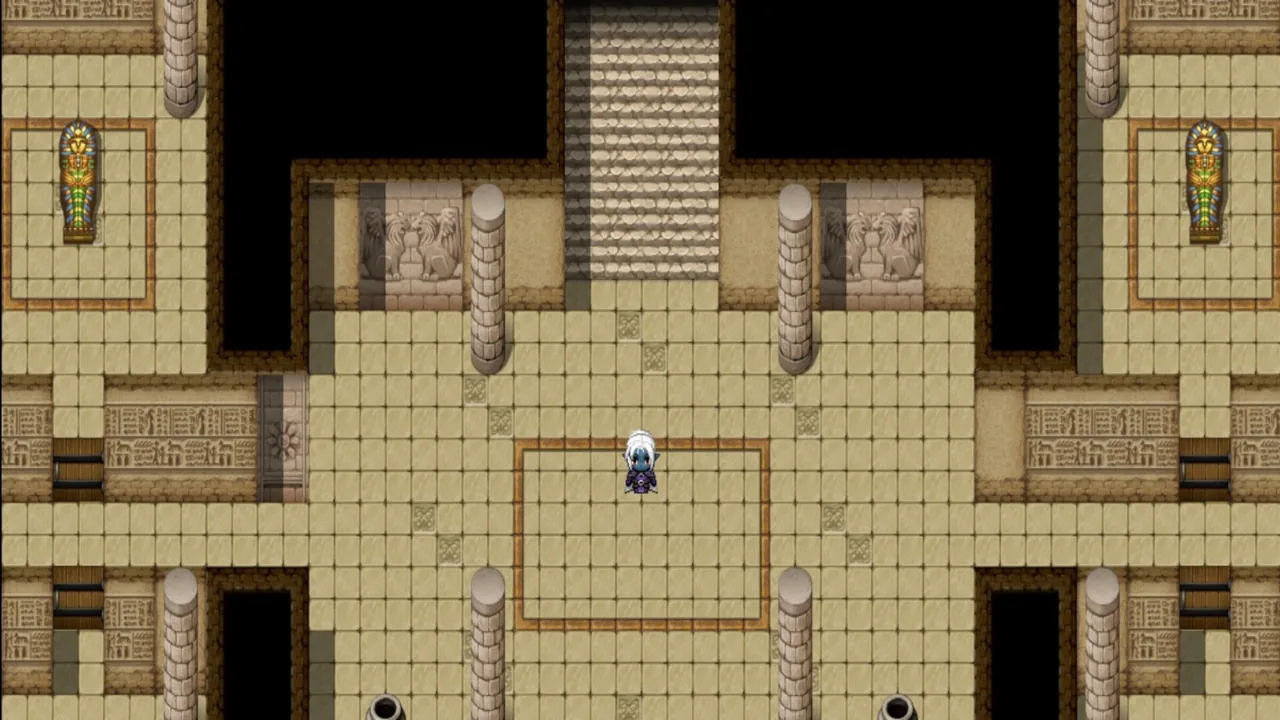
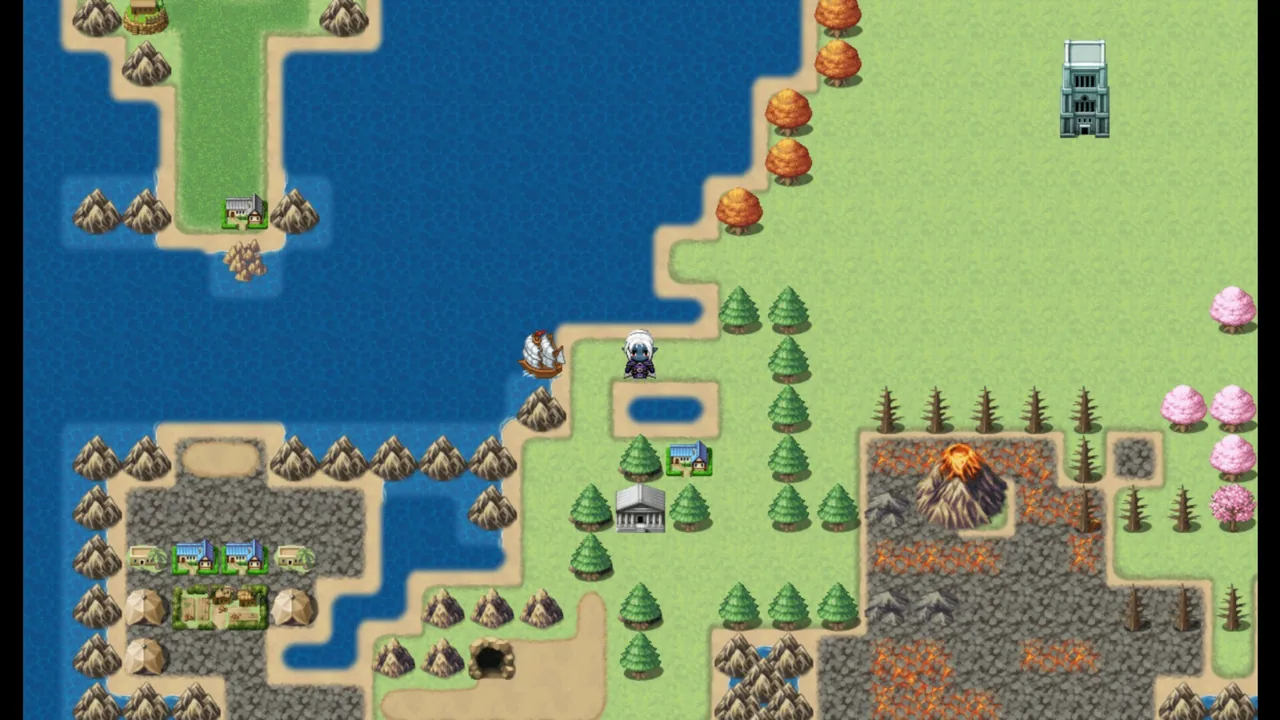
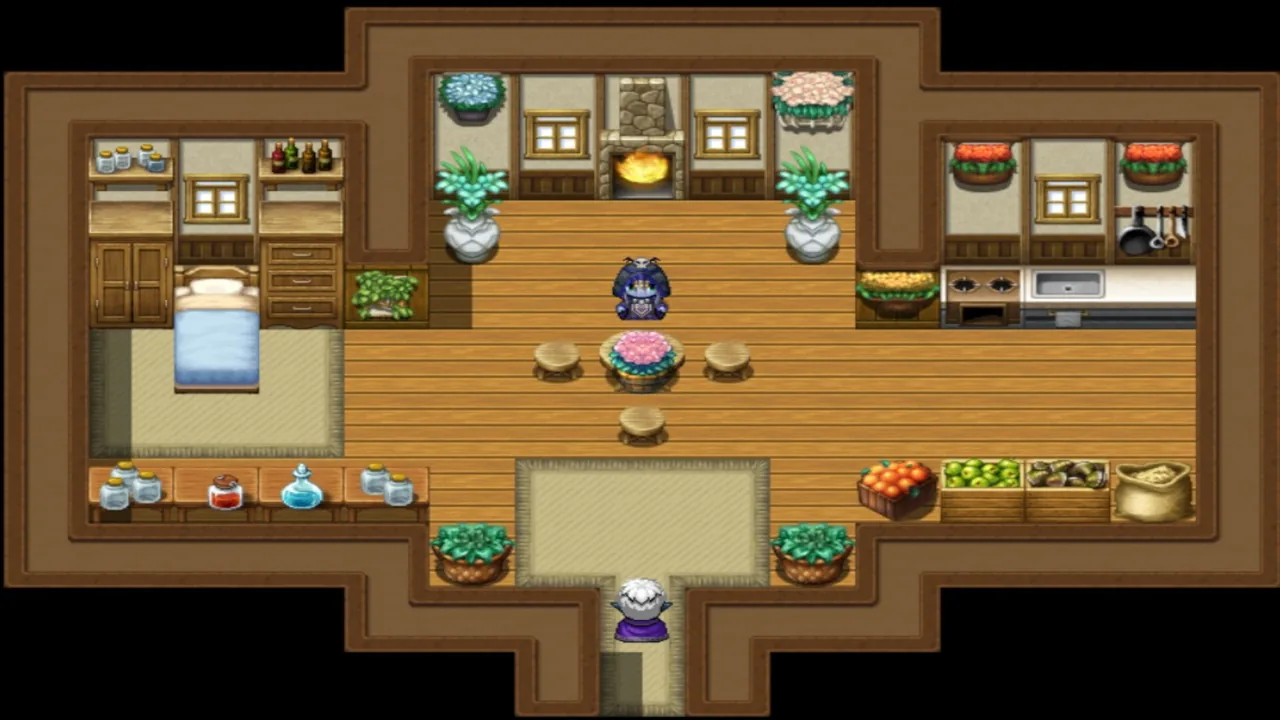
- A fairly conventional, unremarkable JRPG Maker presentation that doesn't distinguish itself visually or structurally from the genre's well-worn template
Screenshots
-
VeilbreakImage: Wolfs Moon Studios via Steam -
VeilbreakImage: Wolfs Moon Studios via Steam -
VeilbreakImage: Wolfs Moon Studios via Steam