Game review
TROUBLESHOOTER: Abandoned Children
7.5 / 10
- Developer
- Dandylion
- Publisher
- Dandylion
- Released
- 23 April 2020
- Platforms
- Windows
- Genre
- Tactical RPG
- Monetisation
- One-time purchase, paid DLC content packs available separately
- Players
- Single-player only
The short version
TROUBLESHOOTER: Abandoned Children is a turn-based tactical RPG from Dandylion, a six-person Korean development studio, fusing XCOM-style grid combat with Final Fantasy Tactics-influenced character progression across "Season 1" of an intended longer story. Released 23 April 2020, it has quietly accumulated 3,453 English-language Steam reviews and a Very Positive score around 93% — the kind of number a game earns not from hype but from years of a genuinely devoted playerbase. This review's read of both sides of that sample is dominated by scale most games never see: reviewers logging 1,600, 4,500, even over 9,000 hours, describing a mastery system deep enough that veteran players still discover unexpected combinations after thousands of hours in. Set against that depth, one specific and unusually well-documented complaint recurs constantly: the English translation, which multiple reviewers compare directly to the internet's most infamous mistranslation meme. What makes this review's sample distinctive above almost anything else, though, is the developer itself — reviewers repeatedly note Dandylion personally responding to nearly every single review with a substantive, non-copy-pasted reply, a level of engagement this review's research did not find precedent for elsewhere in the genre.
Biggest strengths
- The Mastery system draws sustained, specific praise for genuine build depth — reviewers with thousands of hours logged still describe discovering new combinations, a rare claim this deep into a game's lifespan
- Content volume is exceptional for the price: reviewers report 100+ hours from the main campaign's 47 missions alone, before touching any paid DLC
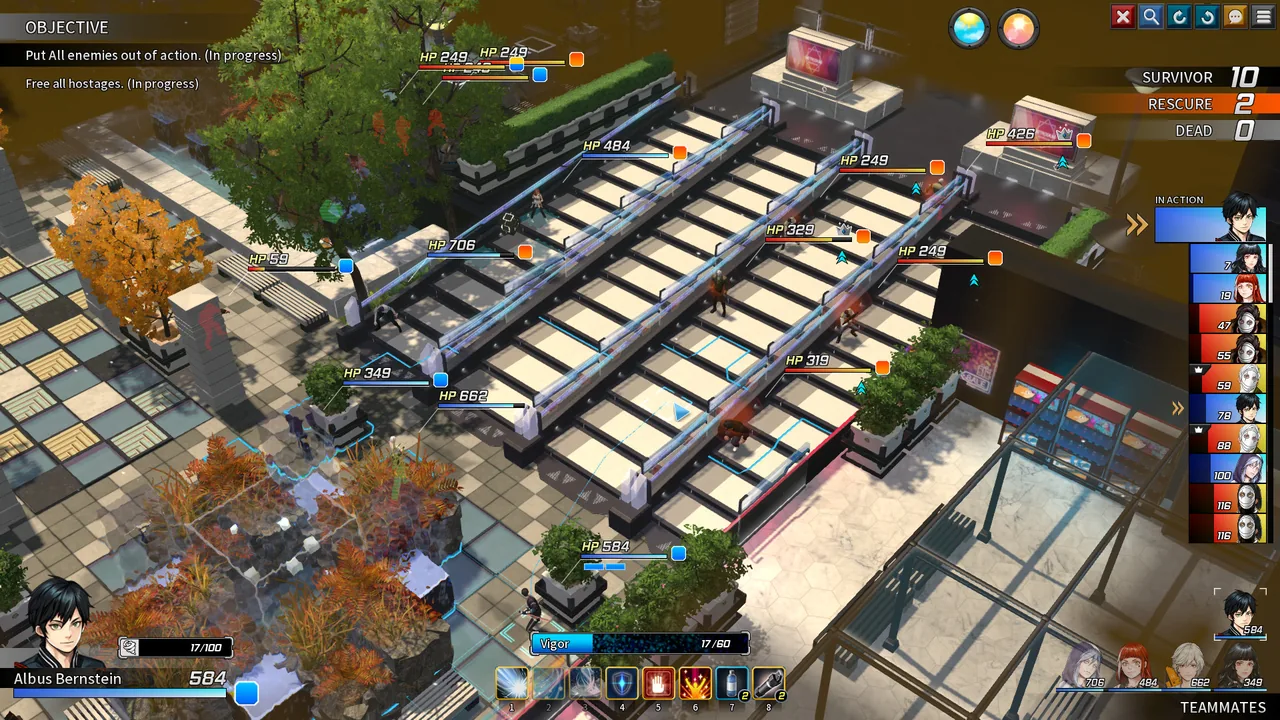
- Combat is repeatedly compared favourably to XCOM, with several reviewers specifically praising fair enemy design — enemies operate under the same systems the player does, rather than getting scripted advantages
Biggest weaknesses
- Translation quality is this review's most consistently repeated complaint, with multiple reviewers independently comparing it to Zero Wing-level mistranslation — affecting not just dialogue but skill descriptions, a functional problem rather than just an immersion one
- Pacing is described as genuinely glacial by reviewers who otherwise love the game, a deliberate consequence of the story being written as only the first of many planned episodes
- The systems are complex enough that several reviewers describe needing wiki lookups to understand hidden, poorly-documented stat interactions rather than being able to reason through them from in-game information alone
Who it's for: SRPG veterans with patience for a slow opening and rough localisation, drawn to genuinely deep, long-term build customisation and a small studio worth supporting directly; less suited to players who want a polished, fast-paced introduction or pristine English writing.
Our recommendation: One of the deepest, most content-rich tactical RPGs available at this price, held back only by its translation and a glacial early pace — worth the patience for anyone serious about the genre.
7.5 / 10
Introduction
TROUBLESHOOTER: Abandoned Children is what happens when a six-person Korean studio sets out to fuse XCOM's tense, fair-fight grid tactics with Final Fantasy Tactics' deep character-building systems, then keeps supporting the result for years after launch. Developed and self-published by Dandylion, it released 23 April 2020 as "Season 1" of an intentionally longer story, and now sits at NZ$35.99 with 3,453 English-language Steam reviews — Very Positive at roughly 93%. This is a review sample this review found genuinely unusual to read through: reviewers with 1,600, 4,500, even over 9,000 hours logged, describing a game they're still actively engaged with years after purchase. This review reads a substantial share of both the negative and positive samples to understand what earns that kind of long-term devotion, and what keeps it from an even higher score.
Depth that rewards thousands of hours, not just dozens
The clearest throughline in this review's positive sample is the Mastery system, and what makes the praise credible is who's giving it. A reviewer with 80,732 minutes logged — over 1,345 hours — described balancing "physical vs. ESP damage, hit chance, critical hit chance, speed" across builds that "play and feel very different to each other, even for the same class." That's not early-game enthusiasm; that's a veteran still finding the system worth engaging with deep into their relationship with the game. Content volume backs this up structurally: one reviewer reported over 100 hours from the main campaign's 47 missions across seven chapters alone, without touching any of the paid DLC content packs — an exceptional ratio for a NZ$35.99 asking price. Combat itself draws consistent, specific comparison to XCOM, with several reviewers praising fair enemy design specifically: enemies operate under the same tactical systems the player does, rather than receiving the scripted advantages that undercut the tension in weaker entries in the genre.
A developer relationship this review found no real precedent for
The single most unusual theme in this review's entire sample isn't about the game's mechanics at all — it's about the studio behind it. Multiple reviewers independently describe Dandylion personally responding to nearly every review posted, and specifically note these aren't templated, copy-pasted replies. One reviewer, with a mere 8 minutes of playtime logged at time of review, wrote: "I have never seen, ever, a review section in which the developer has responded to each and every review. On top of that, they aren't copy pasted responses." Another, with far deeper investment at over 4,164 hours logged, credited that "constant discourse between the players and the developers" with fostering real goodwill within the community. For a genre where player-developer communication often means quarterly patch notes at best, this level of direct, sustained engagement from a team of six is a genuinely distinctive finding, and it plainly shapes how forgiving this review's sample is toward the game's rougher edges elsewhere.
The translation problem, documented specifically
Set against all of that goodwill, this review's clearest and most consistently repeated complaint is translation quality, and reviewers describe it with unusual specificity rather than vague frustration. One reviewer with 320 upvotes on their review — a strong signal the community agrees — wrote plainly: "Bad Translation. Not mediocre. Bad. We're talking Zero Wing level stuff here sometimes," invoking the internet's most infamous mistranslation meme as a direct comparison point. Crucially, that reviewer specified the problem extends beyond dialogue immersion into function: skill descriptions themselves are affected, meaning the translation issue can genuinely obscure how a system actually works rather than just reading awkwardly. Another reviewer, with 4,531 hours logged — an enormous investment that makes their continued frustration notable rather than dismissible — called the translation quality bad enough to "completely break immersion." The theme summary this review drew on separately notes the situation has been improving through community translation tools, but the base game's own text remains the recurring, specific pain point in this sample.
Pacing built for a longer story than this chapter tells
The other major, credible complaint concerns pacing, and reviewers who raise it are careful to explain why rather than simply calling the game slow. A reviewer with 9,464 hours logged — among the highest playtime in the entire sample — described the pacing as "GLACIAL... Absurdly slow," directly attributing this to the game being written as only the first episode of a planned longer arc rather than a complete, self-contained story. That context matters: a slow burn intended to set up future seasons reads differently than pacing that's simply misjudged, though it's a fair question whether a player buying "Season 1" today should have to wait through a deliberately unhurried opening for content that may arrive in future entries. Related complaints about gatekept masteries requiring specific boss farms, and a progression system some reviewers describe as "turning 300 different knobs that each make a 3% difference" while a hidden, undocumented combination makes a 50% difference, point at the same underlying tension: depth this real inevitably comes with an opacity cost, and Dandylion hasn't fully solved documenting it clearly in-game.
Final Verdict
TROUBLESHOOTER: Abandoned Children earns its Very Positive standing through a rare combination: a tactical system with genuine, thousands-of-hours-deep build complexity, an exceptional content-to- price ratio, and a developer relationship with its community that this review found no real precedent for elsewhere in the genre. Its translation quality is a real, specific, and well-documented weakness rather than a minor gripe, and its pacing asks real patience of players expecting a self-contained story rather than the opening chapter of something longer. For SRPG veterans willing to accept rough English text and a slow start in exchange for genuine long-term depth — and for players who want to support a small studio that has clearly earned its community's trust — this is one of the most substantial tactical RPGs available at its price point.
Pros and cons
Pros
- The Mastery system draws sustained, specific praise for genuine build depth — reviewers with thousands of hours logged still describe discovering new combinations, a rare claim this deep into a game's lifespan
- Content volume is exceptional for the price: reviewers report 100+ hours from the main campaign's 47 missions alone, before touching any paid DLC
- Combat is repeatedly compared favourably to XCOM, with several reviewers specifically praising fair enemy design — enemies operate under the same systems the player does, rather than getting scripted advantages
- The developer's community engagement is this review's most unusual finding: reviewers repeatedly describe substantive, individualised replies to nearly every review rather than templated responses, fostering goodwill this review's research found little precedent for
Cons
- Translation quality is this review's most consistently repeated complaint, with multiple reviewers independently comparing it to Zero Wing-level mistranslation — affecting not just dialogue but skill descriptions, a functional problem rather than just an immersion one
- Pacing is described as genuinely glacial by reviewers who otherwise love the game, a deliberate consequence of the story being written as only the first of many planned episodes
- The systems are complex enough that several reviewers describe needing wiki lookups to understand hidden, poorly-documented stat interactions rather than being able to reason through them from in-game information alone
- UI and Steam Deck support draw real complaints, particularly around crafting menu navigation, and character unlock pacing is slow enough that some reviewers report 15-plus hours before accessing a full team roster
Screenshots
-
TROUBLESHOOTER: Abandoned ChildrenImage: Dandylion via Steam -
TROUBLESHOOTER: Abandoned ChildrenImage: Dandylion via Steam -
TROUBLESHOOTER: Abandoned ChildrenImage: Dandylion via Steam -
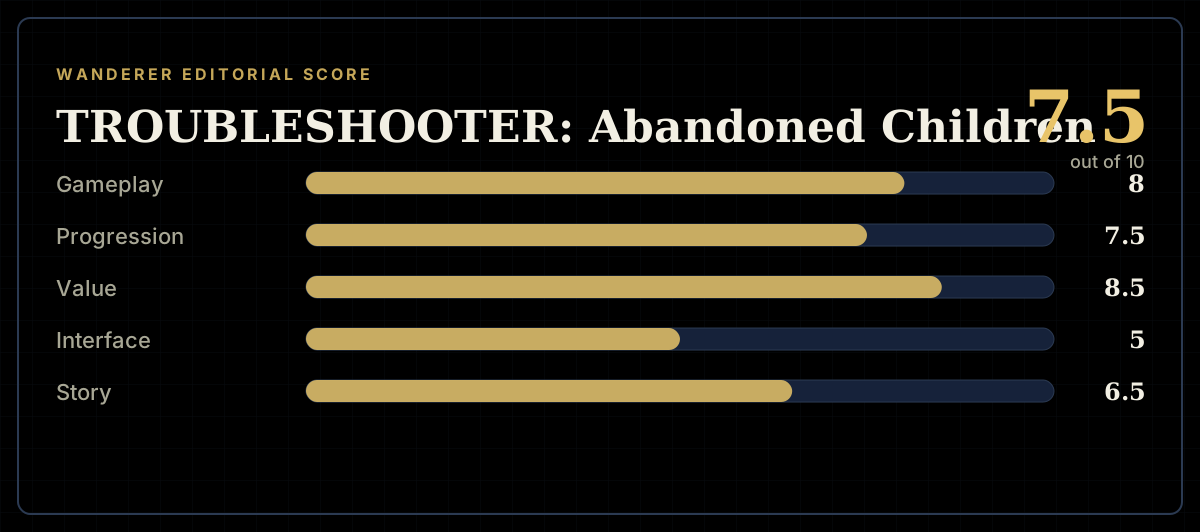
How the review scores each part of the gameWanderer Editorial -
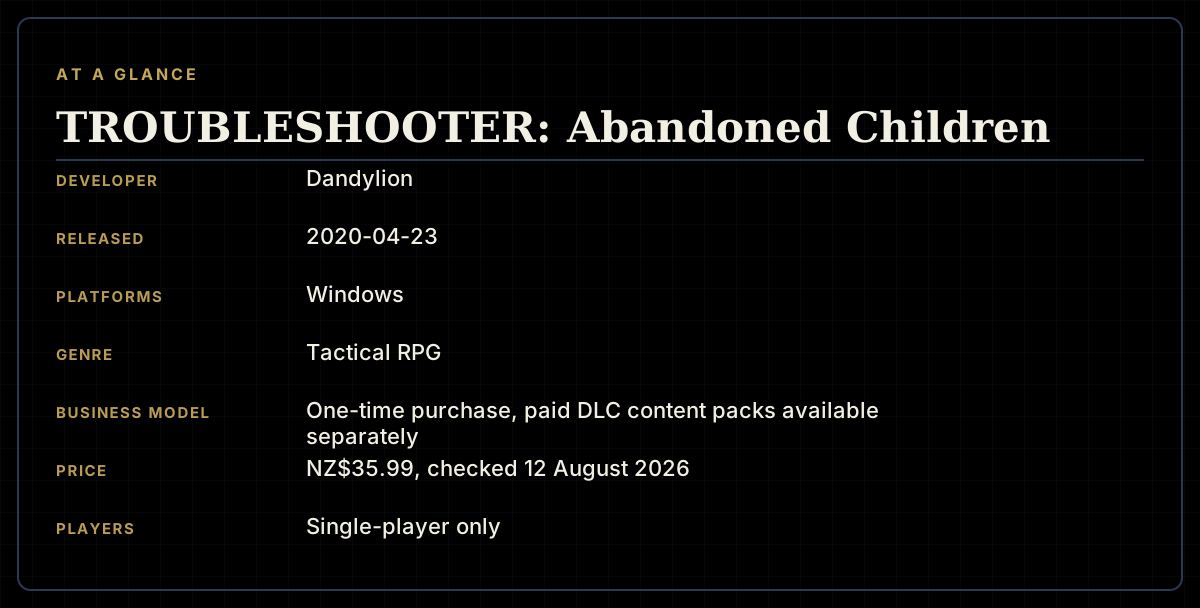
The essentials at a glanceWanderer Editorial -
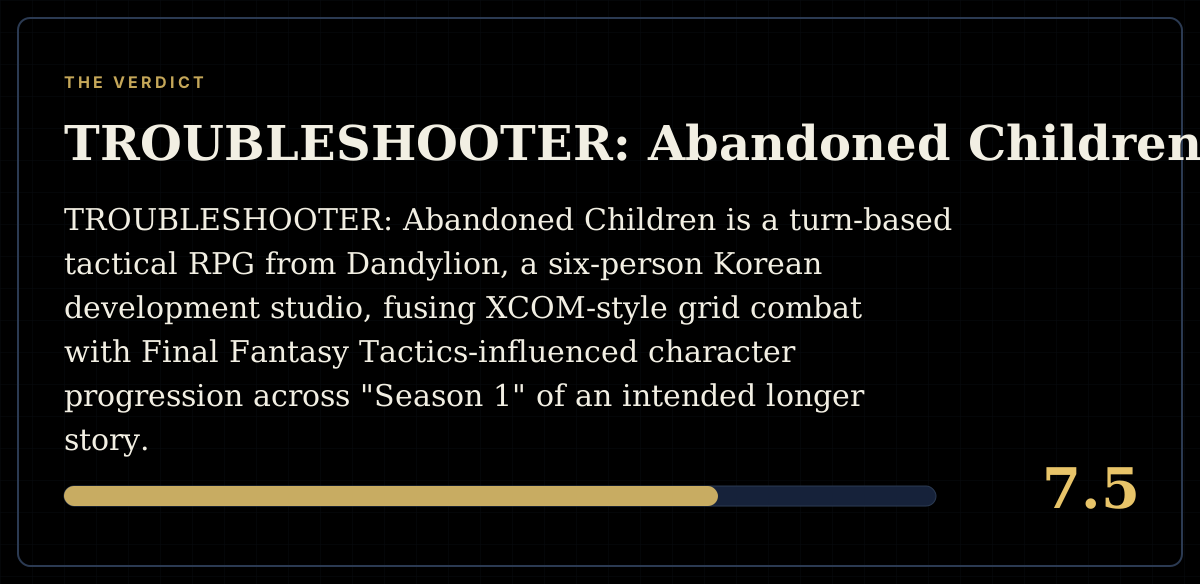
The short versionWanderer Editorial