Game review
The Witness
8 / 10
- Developer
- Thekla, Inc.
- Publisher
- Thekla, Inc.
- Released
- 26 January 2016
- Platforms
- Windows, macOS, Linux
- Genre
- Puzzle
- Monetisation
- One-time premium purchase; no DLC, no in-app purchases
- Players
- Single-player only; no online, co-op or PvP modes
The short version
The Witness drops players on a mysterious, uninhabited island covered in hundreds of line-drawing puzzle panels, offers no tutorial, and trusts them to work out its rules purely through careful observation. Reviewers here are unusually self-aware about how divisive that design is, with several independently describing the exact same split: "people who adore the game, and people who hate it," as one puts it, often correlating directly with whether a player came in expecting a story-driven adventure like Myst rather than a game that is, structurally, hundreds of interconnected puzzles and very little else.
For the players it clicks with, the praise is intense and specific — reviewers describe genuine "aha moments" repeated dozens of times over a 20-to-60-hour campaign, and multiple detailed reviews single out how cleverly later puzzle types recontextualize everything learned earlier. For the players it doesn't click with, the most common specific complaint isn't difficulty itself but a lack of reward: solving a puzzle simply opens the next puzzle, with no story progression or mechanical payoff to punctuate the effort. A separate, concrete accessibility gap is worth flagging directly: despite advertising captions, several puzzles require audio cues that aren't transcribed in subtitles, making those specific puzzles unsolvable for hearing-impaired players.
Biggest strengths
- Genuinely inventive puzzle design, where a small set of core rules is reintroduced and recontextualized in progressively surprising ways across hundreds of individual puzzles
- A confident, no-tutorial design that trusts players to learn entirely through observation, which reviewers who connect with the game describe as central to its appeal rather than a flaw
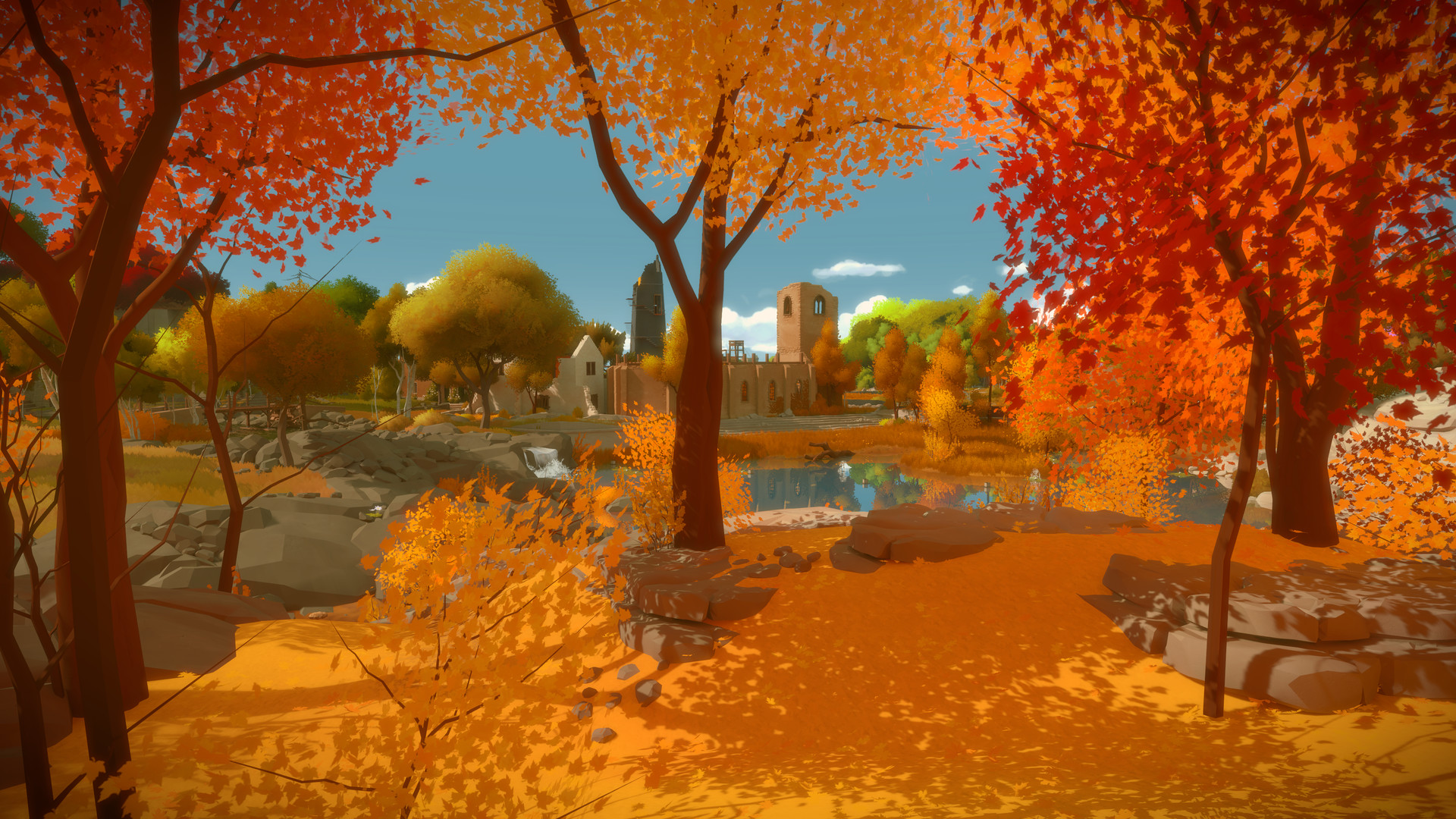
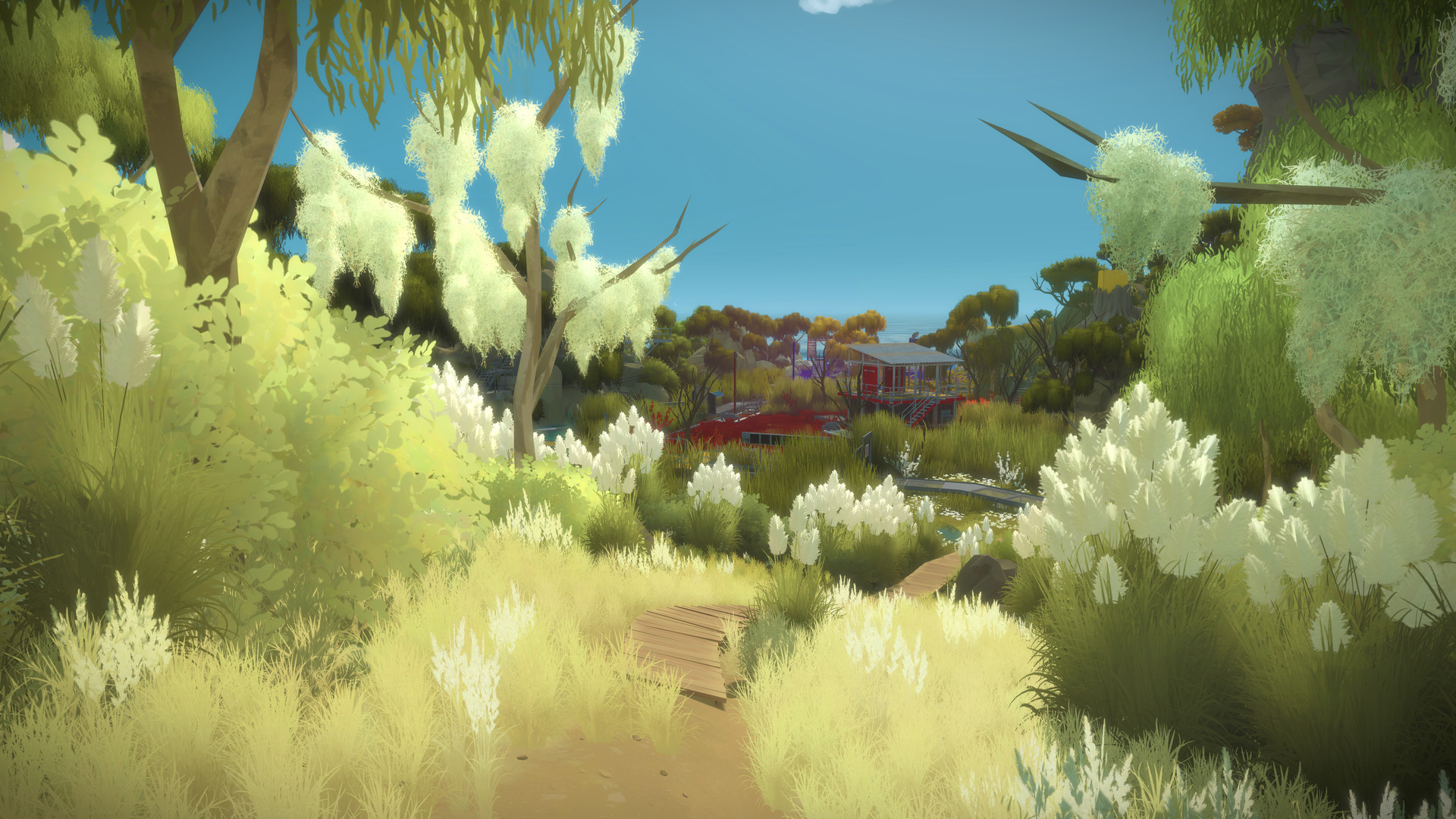
- A beautiful, atmospheric open island to explore between puzzles, with reviewers praising the art direction and sense of place even among those less taken with the puzzles themselves
Biggest weaknesses
- A specific, concrete accessibility gap: despite the game advertising captions, several puzzles rely on audio cues that aren't transcribed in subtitles, rendering those particular puzzles unsolvable for hearing-impaired players
- A recurring, specific complaint from reviewers who bounced off the game: solving a puzzle's only reward is another puzzle, with no story beats or mechanical progression to punctuate the effort
- The game is frequently, and inaccurately, compared to Myst in marketing and word of mouth, setting expectations for adventure-game elements the design simply doesn't deliver
Who it's for: Puzzle enthusiasts who want a genuinely difficult, no-hand-holding design and don't need a strong narrative or frequent mechanical rewards. Less suited to players expecting a story-driven adventure in the vein of Myst, or players who rely on captions, since a specific, documented accessibility gap affects some puzzles directly.
Our recommendation: A genre landmark worth the price for puzzle enthusiasts specifically — go in knowing this is hundreds of line puzzles and very little else, and check the audio-puzzle accessibility gap first if captions matter to you.
8 / 10
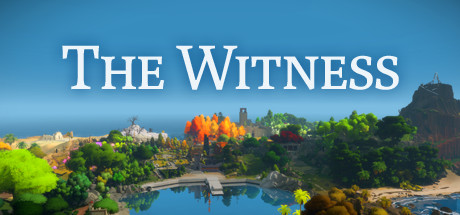
Jonathan Blow followed up Braid with The Witness, a self-published puzzle game set on a mysterious island covered in hundreds of line-drawing panels, and what makes this review sample unusually valuable is how consistently and articulately reviewers on both sides describe exactly why the game does or doesn't work for them. This isn't a case of vague praise against vague complaint — it's a genuinely well-reasoned split.
A landmark, self-published follow-up to Braid
The Witness arrived years after Blow's breakout hit Braid, and reviewers frequently note the sizable gap between the two, some describing years of anticipation before this game's eventual 2016 release. Unlike many high-profile indie follow-ups, it was self-published by Blow's own studio, Thekla, Inc., rather than routed through a larger publisher — a detail reviewers with industry awareness occasionally cite as relevant context for why the game feels so uncompromising in its design choices, with no apparent pressure to soften its no-tutorial approach or add more conventional reward structures for a wider audience.
A design that trusts the player completely
The core mechanic is simple to state and endlessly varied in practice: draw a single continuous line through a maze-like grid according to rules that are never explained in text, only demonstrated through the puzzles themselves. "It's a no-tutorial kind of game," the single most upvoted review in this sample states, adding that "each puzzle type is introduced gradually so you can get the hang of it before tackling the complex stuff, but you must thrive in self-teaching to get that far." Reviewers who connect with that design describe genuine, repeated "aha moments" — one review frames the entire game around exactly that feeling, comparing it directly to the best individual puzzle-solving moments in Blow's earlier game Braid, "but The Witness wants you to feel that a hundred times."
An honest, self-aware account of the divide
What stands out across this sample is how directly reviewers name the split rather than simply disagreeing past each other. "There is a general dichotomy I have noticed when people talk about The Witness," one review states. "There are people who adore the game, and there are people who hate it." Several reviewers on the negative side are candid about exactly why, and it's rarely about difficulty alone. "I wish there were a 'mixed' option for recommending this game," one writes, describing the game as clearly well-crafted while still not personally enjoyable. Another, a self-described fan of Blow's earlier work, writes plainly: "this game was never 'fun' for me. It was repetitive to the point of being monotonous and frustrating. There was never any 'ah-ha'" — almost a direct inversion of the positive reviewers' central praise, describing the same core loop from the opposite side of the same experience.
A specific complaint about reward structure, and a real accessibility gap
Beyond the broader divide, one specific critique recurs often enough to treat as a real structural limitation rather than personal taste: solving a puzzle's only reward is unlocking the next puzzle, with no story beats, mechanical growth, or narrative payoff along the way. "You will not be rewarded for completing puzzles," one reviewer summarizes bluntly. Separately, and more concretely, this review flags a specific, checkable accessibility gap worth stating clearly: one detailed reviewer reports that despite the game listing captions as a feature, several puzzles depend on audio cues that go untranscribed in the subtitle track, making those specific puzzles "unbeatable" for hearing-impaired players. That's a concrete, documented gap rather than a general difficulty complaint, and worth knowing about directly before purchase for anyone who relies on captions.
What the completion data confirms
The Witness ships with an unusually sparse achievement schema — just two entries in total, rather than the dozens common in most games this size. One tracks reaching the game's ending, and it sits at only 18.9% of the owning playerbase; the other tracks a much harder optional challenge mode, completed by just 5.4%. That's a striking, independently verifiable confirmation of what reviewers describe directly: this is a genuinely difficult game that a large majority of buyers never finish, and its hardest optional content is completed by only a small fraction of even those who do. The minimal achievement list itself is also a small, telling design choice, consistent with a developer uninterested in the usual completionist-bait structure many other games lean on.
Beyond the puzzles: audio logs and a wider thematic layer
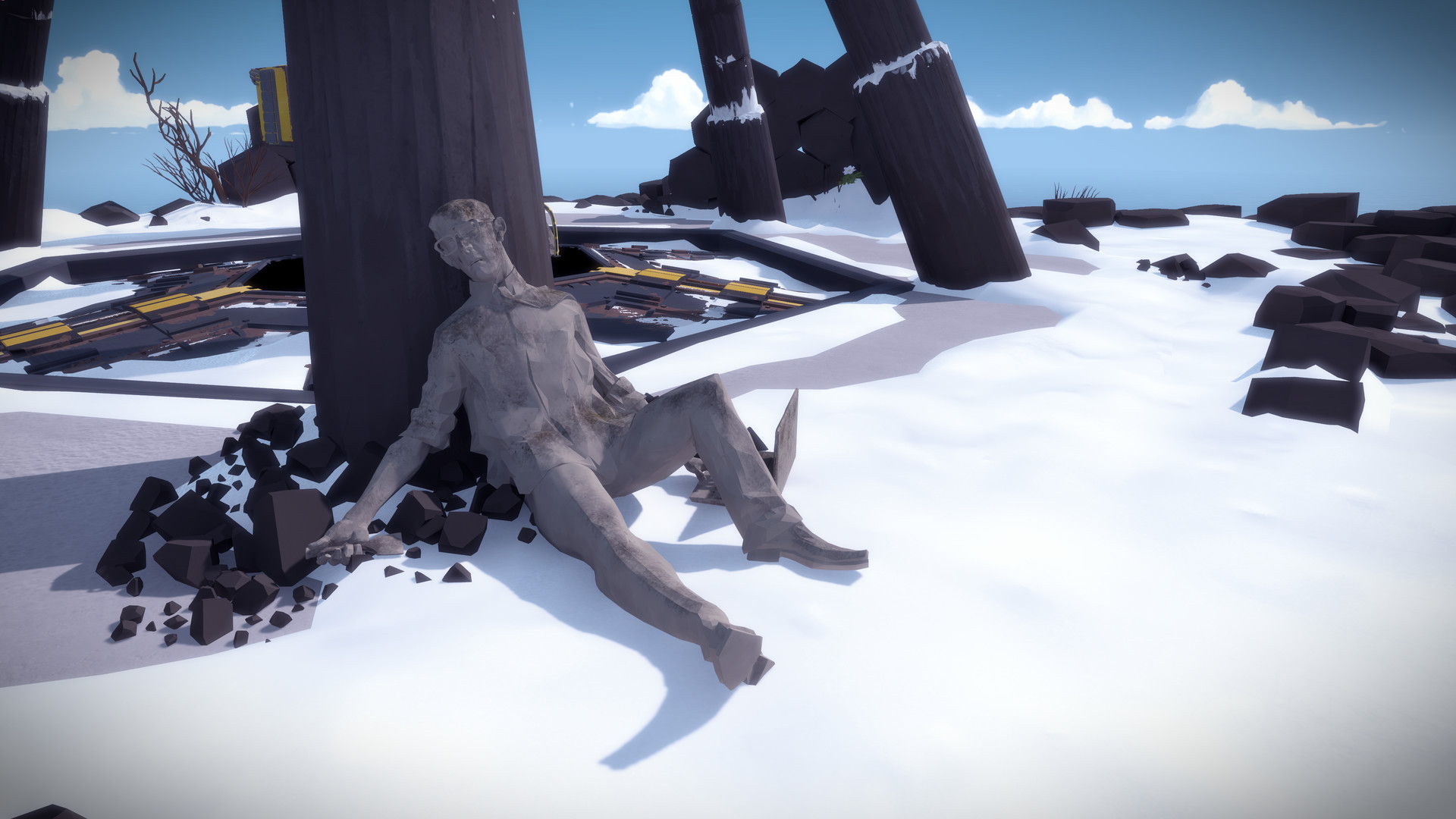
It's worth noting that The Witness isn't purely mechanical. Scattered around the island are audio recordings and hidden environmental scenes touching on philosophy, science and religion, offering an optional thematic layer for players willing to seek it out, alongside occasional recreations of famous historical quotations on the nature of understanding. Reviewers who engage with this side of the game describe it as reinforcing the core puzzle design's central theme — learning to see patterns that were there all along — rather than functioning as a separate narrative layer bolted onto the puzzles. It's genuinely optional, though, and several reviewers note they finished the game's main puzzle content without seeking most of it out, which is worth knowing if narrative content specifically is a purchase consideration.
Where it lands
The Witness earns its reputation as a genre landmark through puzzle design reviewers on both sides of its divide agree is genuinely inventive and lovingly crafted, built on a no-hand-holding philosophy that either clicks powerfully or grates immediately depending on what a given player wants from their reward loop. The recurring "no payoff beyond the next puzzle" critique and the specific, documented audio-captioning accessibility gap are concrete enough to weigh seriously rather than dismiss as taste. For puzzle enthusiasts specifically drawn to observation-based design over narrative reward, this remains close to essential — just go in with accurate expectations about exactly what kind of game it is.
Pros and cons
Pros
- Genuinely inventive puzzle design, where a small set of core rules is reintroduced and recontextualized in progressively surprising ways across hundreds of individual puzzles
- A confident, no-tutorial design that trusts players to learn entirely through observation, which reviewers who connect with the game describe as central to its appeal rather than a flaw
- A beautiful, atmospheric open island to explore between puzzles, with reviewers praising the art direction and sense of place even among those less taken with the puzzles themselves
- Real, substantial length for a puzzle game, with completionist playthroughs commonly reported in the 20-to-60-hour range
- Reviewers on both sides of the game's divide describe it as clearly a labor of love, crafted with real attention to detail rather than a cynical or rushed production
Cons
- A specific, concrete accessibility gap: despite the game advertising captions, several puzzles rely on audio cues that aren't transcribed in subtitles, rendering those particular puzzles unsolvable for hearing-impaired players
- A recurring, specific complaint from reviewers who bounced off the game: solving a puzzle's only reward is another puzzle, with no story beats or mechanical progression to punctuate the effort
- The game is frequently, and inaccurately, compared to Myst in marketing and word of mouth, setting expectations for adventure-game elements the design simply doesn't deliver
- A high asking price for what is, structurally, a single mechanic explored at length rather than a varied gameplay package
- At least one reviewer reports specific late-game mechanics becoming effectively unplayable for them due to unspecified accessibility barriers, separate from the documented audio-caption gap
Screenshots
-
The WitnessImage: Thekla, Inc. via Steam -
The WitnessImage: Thekla, Inc. via Steam -
The WitnessImage: Thekla, Inc. via Steam -
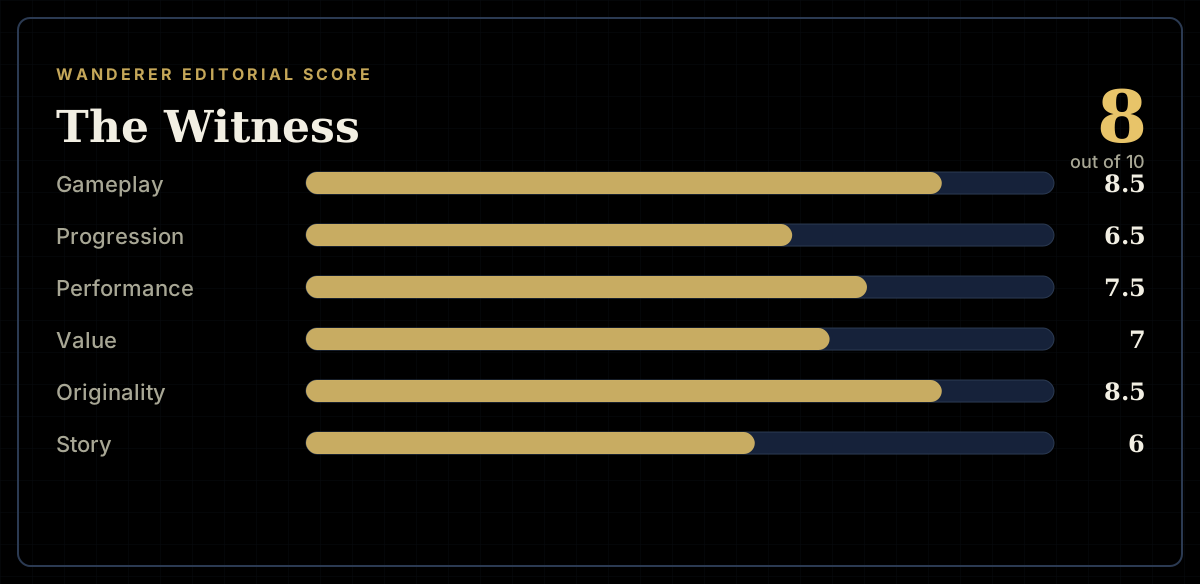
How the review scores each part of the gameWanderer Editorial -
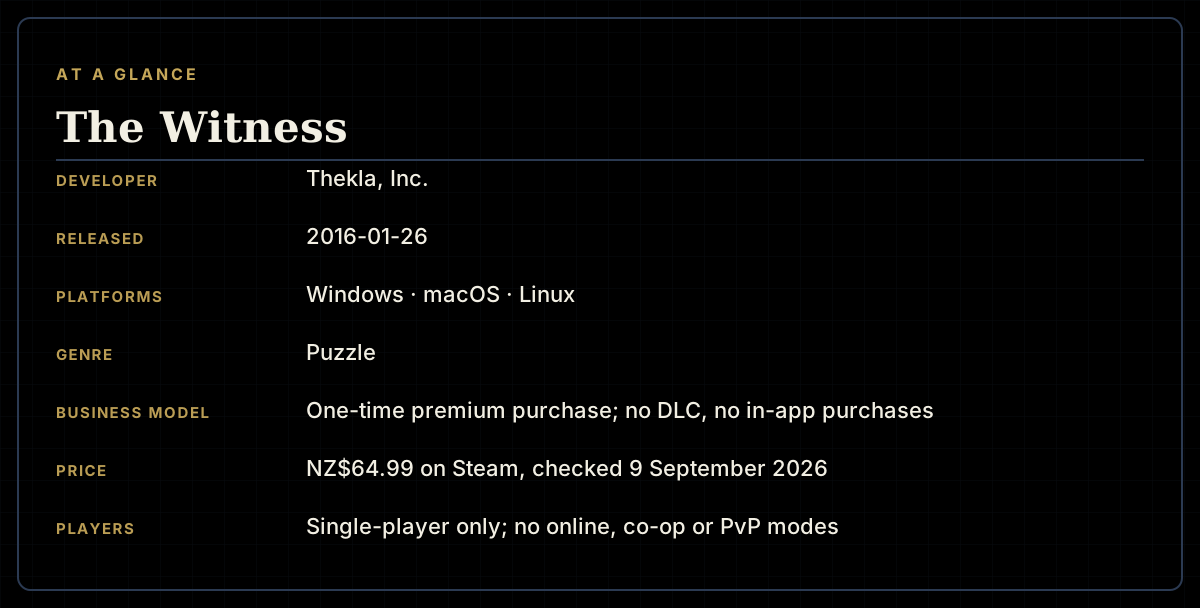
The specsWanderer Editorial -
The short versionWanderer Editorial