Game review
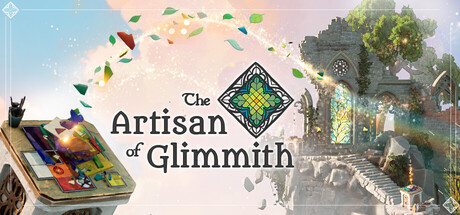
The Artisan of Glimmith
7 / 10
- Developer
- Lunarch Studios
- Publisher
- Lunarch Studios, 983 Interactive
- Released
- 17 March 2026
- Platforms
- Windows
- Genre
- Puzzle
- Monetisation
- One-time purchase
- Players
- Single-player
The short version
The Artisan of Glimmith, released 17 March 2026, tasks players with dividing over a thousand handcrafted grid puzzles into coloured regions to restore a kingdom's stained-glass windows. Reviewers overwhelmingly credit it with refining and streamlining the same team's earlier Islands of Insight into a tighter, purely puzzle-focused experience with an enormous amount of content for the price. Set against that praise is a genuinely serious and well-documented technical problem, recurring crashes, including reports of full system crashes, alongside needlessly heavy GPU demands for what is fundamentally a 2D logic game, that a significant number of players say gets in the way of otherwise excellent puzzle design.
Biggest strengths
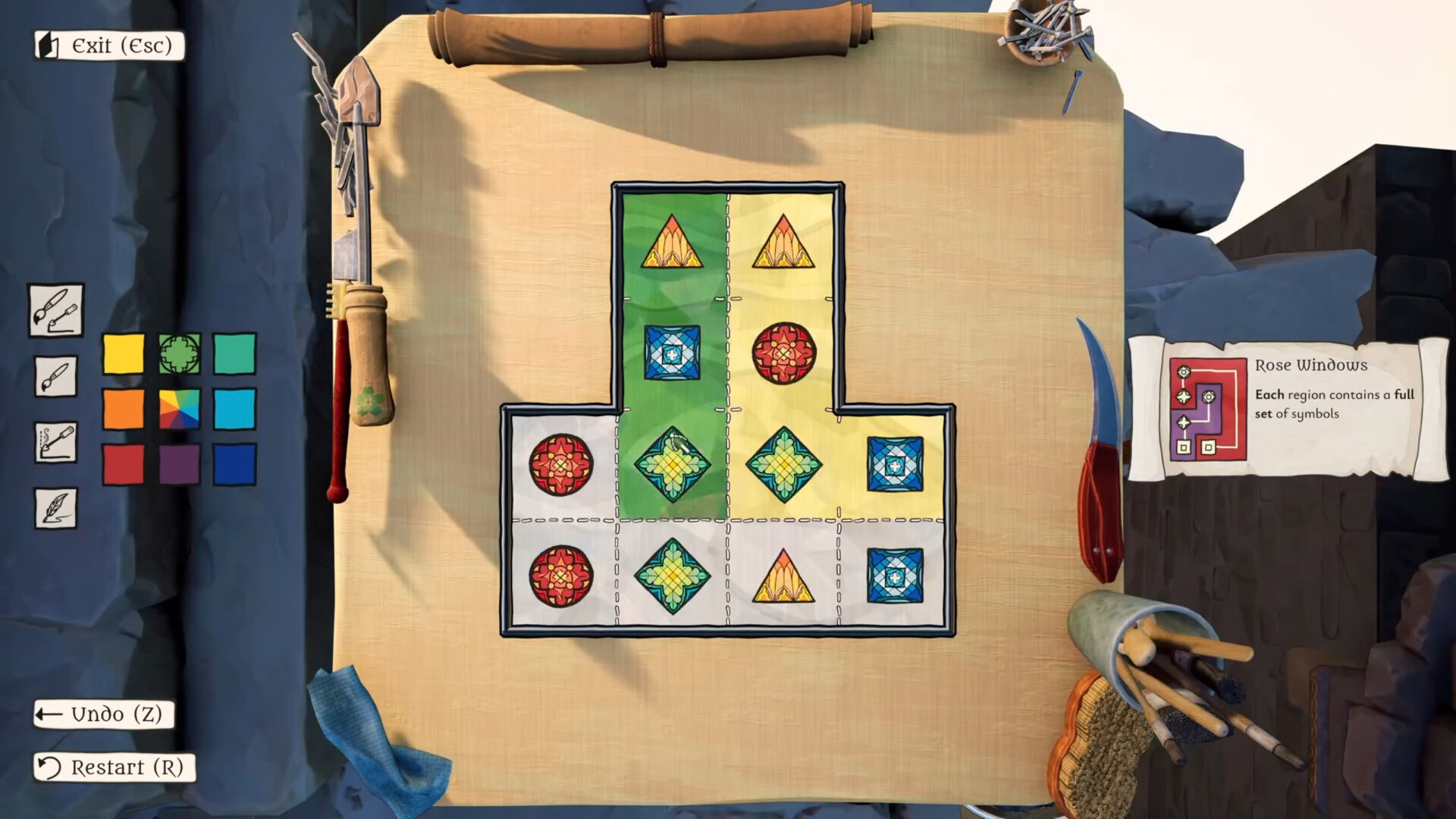
- Well over a thousand handcrafted region-division puzzles built from roughly 20 to 28 combinable rule sets earn consistent praise for their logical rigour, incremental difficulty curve, and a "no guessing required" design philosophy backed by an in-puzzle error-checking hint tool
- An enormous amount of content for the asking price, with several reviewers reporting 50 or more hours to fully complete the game and still finding fresh puzzle combinations near the end
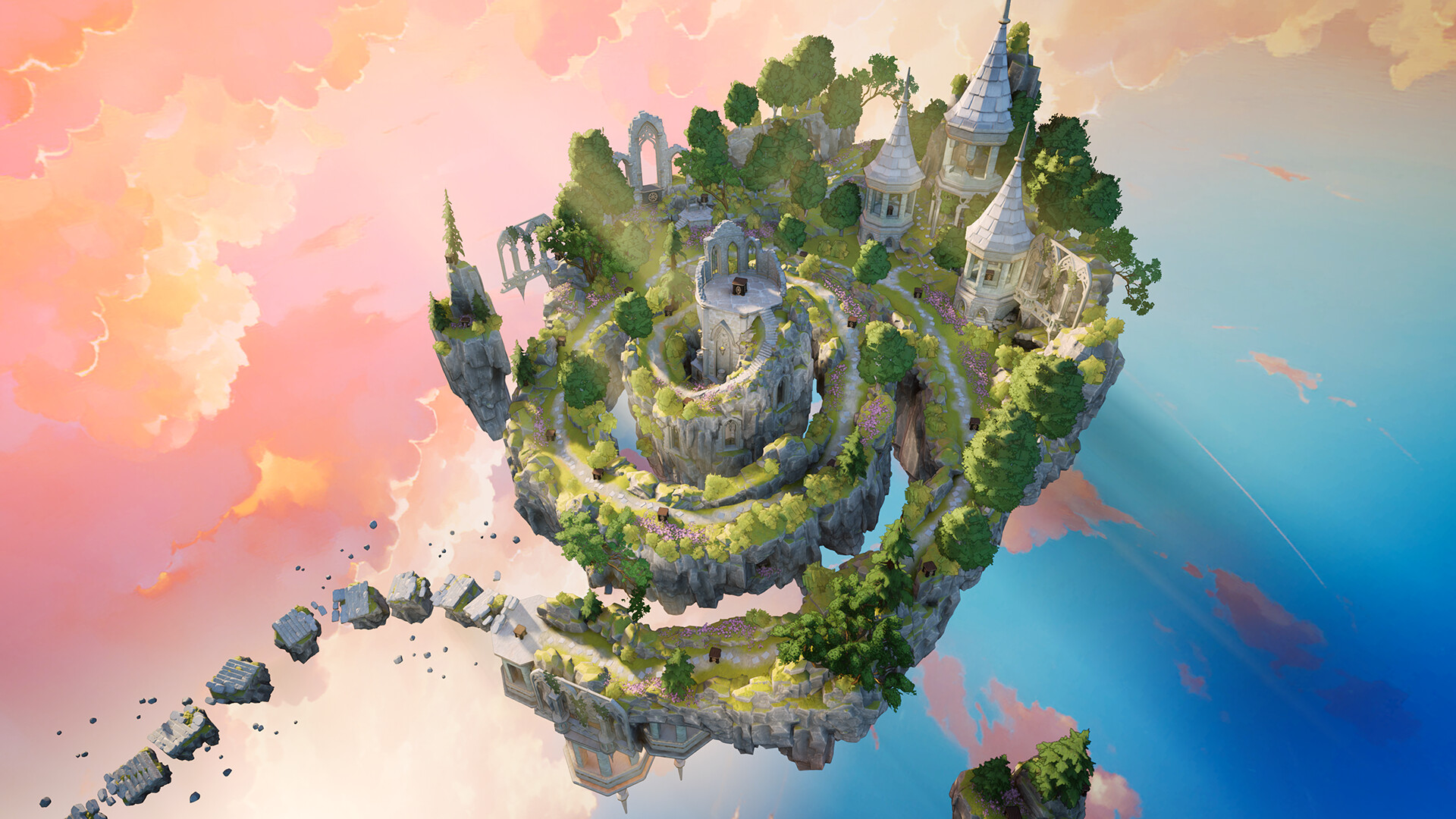
- A calm, atmospheric presentation, soothing music, glowing stained-glass windows that fill in as puzzles are completed, and a diorama-style overworld, draws repeated praise for its relaxing, "flow state" quality
Biggest weaknesses
- A meaningful cluster of reviews report the game crashing frequently, with several describing full system crashes or blue screens that persisted across multiple troubleshooting attempts, and at least two reviewers reporting lost hours of save progress as a result
- The game is reported as surprisingly demanding on GPU hardware for a fundamentally 2D puzzle experience, with reviewers citing high fan noise, heat, and frame-rate struggles even at lowered settings, traced by several to an always-rendered 3D overworld
- Several detailed reviews argue the puzzle count is padded well past what's needed, with too many simple early-game puzzles and a significant number of "filler" boards that dilute the stronger, more inventive late-game content
Who it's for: Fans of handcrafted logic and grid-division puzzles in the vein of The Witness or Nikoli-style pencil puzzles, and anyone who enjoyed Islands of Insight but wanted its puzzle design without the MMO trappings.
Our recommendation: An outstanding puzzle collection for genre fans who can tolerate a demanding, occasionally unstable 3D overworld wrapped around otherwise excellent 2D puzzles, though players with older or modest hardware should check the discussion boards for the crash reports first.
7 / 10
The Artisan of Glimmith hands the player a grid, a set of rules, and a kingdom's worth of shattered stained-glass windows to restore, one region-division logic puzzle at a time. Released 17 March 2026 by Lunarch Studios, the team behind Islands of Insight, it arrived as a deliberately leaner follow-up: no MMO servers, no open-world traversal, just handcrafted logic puzzles wrapped in a diorama-style overworld. Its Overwhelmingly Positive review sample makes clear the puzzle design itself is a genuine success, but a meaningful and well-documented thread of technical complaints, up to and including reports of full system crashes, means this is a more complicated recommendation than the headline score suggests.
Puzzle design that earns its comparisons to The Witness
The core loop, dividing a grid into coloured regions according to rules that combine and stack as new areas unlock, is the game's clear strength across this review sample. Reviewers repeatedly praise how cleanly new mechanics are introduced through simple tutorial puzzles before being layered together in increasingly demanding combinations, with one especially detailed review calling the puzzle design "exceptional" and noting the studio's known puzzle-community collaborators give it real pedigree over generic, computer-generated alternatives. The game's built-in error-checking tool, which confirms whether a partial solution is still valid without giving away the answer, draws specific praise for letting players tackle difficult puzzles with confidence rather than fear of wasted time. At over a thousand puzzles for a mid-range price, several reviewers explicitly call the value proposition "obscene" or "exceptional," with completion times commonly cited in the 25 to 50-plus hour range.
A serious, recurring crash problem
Set against that praise is a specific and repeated technical complaint that shows up across a striking number of reviews, including several written by players who otherwise clearly loved the puzzle design. Multiple reviewers describe frequent crashes, ranging from failures to launch a save file to, in a handful of detailed reports, full system crashes and blue screens that persisted through multiple attempted fixes and were still present on later builds. One reviewer notes the developer has publicly attributed these crashes to Unreal Engine or to individual player systems, a response that reviewer and others found unconvincing given how many separate, unrelated systems reported the same failures. At least two reviews specifically describe losing hours of save progress to crashes or corruption, a serious consequence for a game this content-dense. It's not a universal experience, the large majority of the review sample doesn't mention crashing at all, but the cluster of detailed, specific reports is large enough to be a real risk factor rather than an isolated fluke.
Surprisingly heavy for a 2D puzzle game
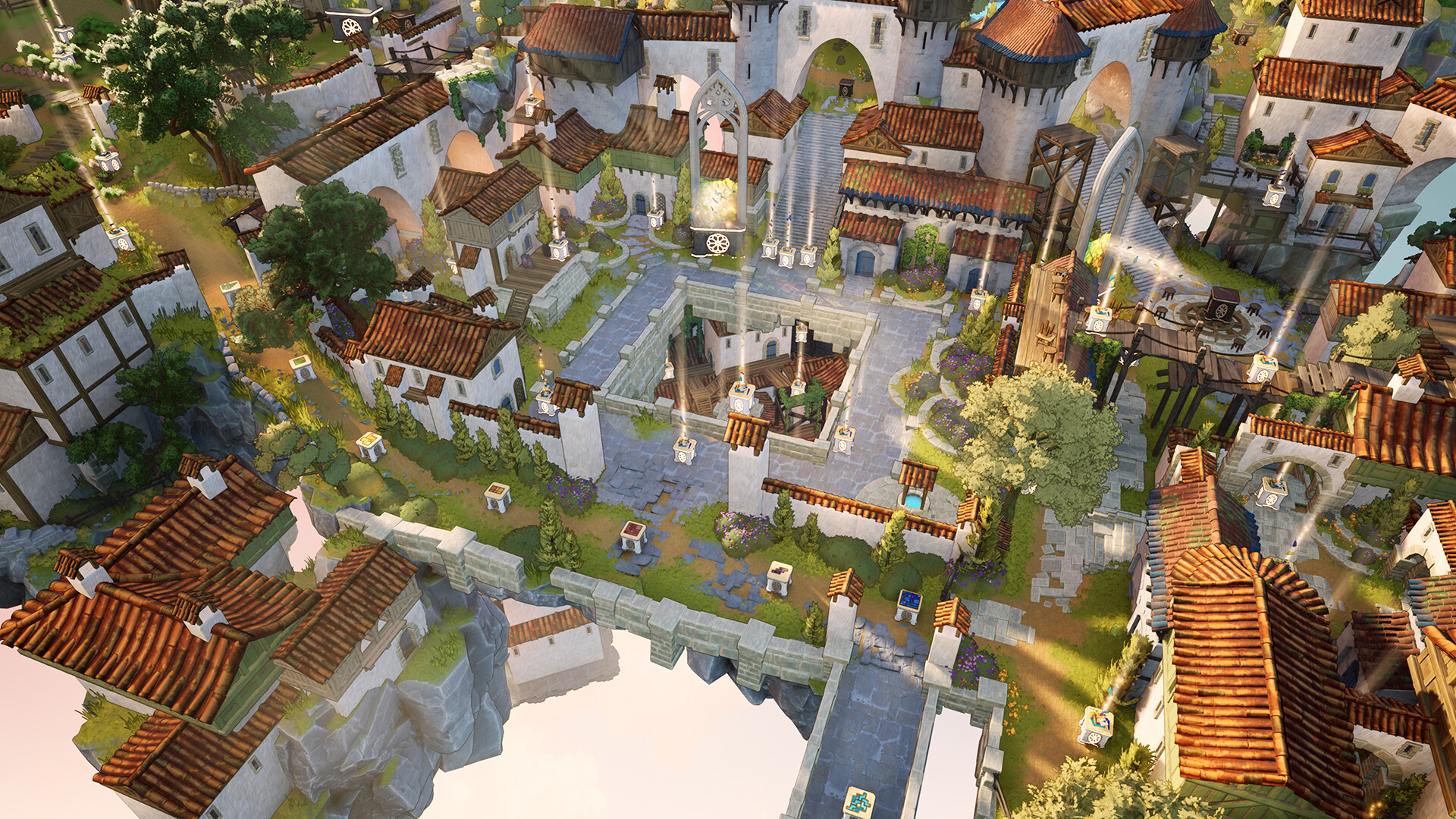
A closely related and even more consistently repeated complaint concerns performance. Multiple reviewers describe the game as running unexpectedly hot and demanding for what is, at its core, a 2D logic puzzle, tracing the issue to an always-rendered 3D overworld that keeps animating and rendering particle effects even while a puzzle is open on screen. Several reviewers report needing to drop graphics settings to minimum just to maintain a stable frame rate, with one noting their laptop's fans spin up as though running a much more demanding game. This isn't a universal complaint, several other reviewers report smooth performance including on Steam Deck, but it's specific and consistent enough, including from players with capable modern hardware, to be a real caveat for anyone on older or more modest systems.
Content-rich, but not everyone wants that much of it
A smaller but recurring critique concerns the sheer volume of puzzles rather than their individual quality. Several detailed reviews, including some from reviewers who otherwise recommend the game, argue the puzzle count of well over a thousand is padded past the point of enjoyment, with too many simple early-game boards and enough repetitive "filler" puzzles scattered throughout to dilute the genuinely inventive late-game content. One long, critical-but-positive review compares this directly and unfavourably to the studio's earlier Islands of Insight, arguing that game had the same tendency to prioritise puzzle quantity over curation. A separate, consistent complaint concerns the hidden-puzzle mechanic within the 3D overworld, some puzzles are tucked out of immediate view and require careful camera repositioning to locate, which multiple reviewers describe as tedious and at odds with a store-page trailer that several felt implied freer, first-person-style exploration rather than the fixed-angle isometric camera actually in the game.
Small interface gaps that add friction
A handful of smaller but specific interface complaints round out the critical thread. Several reviewers wish for richer note-taking tools, the game currently offers only single-colour marks and hand-drawn annotations for tracking deductions on larger boards, and more than one detailed review notes that any hand-drawn notes are discarded the moment a puzzle is closed, which stings most on exactly the difficult puzzles a player is most likely to step away from and return to later. Keyboard rebinding is also flagged as absent, with WASD hard-bound to key names rather than physical key positions, a specific frustration for players on non-QWERTY layouts. None of these are described as dealbreakers on their own, but reviewers who raise them do so as evidence that the interface, while generally clean and functional, hasn't been polished quite as thoroughly as the puzzle design underneath it.
Final Verdict
The Artisan of Glimmith succeeds completely at the thing its predecessor sometimes struggled with: delivering handcrafted, rigorously logical puzzle design without unnecessary systems getting in the way. Its enormous puzzle count, thoughtful difficulty curve, and calm presentation earn it a clear recommendation for genre fans, and the value for price is genuinely hard to beat. But a specific, well-documented cluster of crash reports and consistently heavy performance demands for what should be a lightweight 2D game are real, not theoretical, risks, and the puzzle count itself draws credible criticism for bloat even from happy players. Worth buying for the puzzle design alone, but players on older hardware, or anyone who's been burned by unstable Unreal Engine releases before, should read the discussion boards before diving in.
Pros and cons
Pros
- Well over a thousand handcrafted region-division puzzles built from roughly 20 to 28 combinable rule sets earn consistent praise for their logical rigour, incremental difficulty curve, and a "no guessing required" design philosophy backed by an in-puzzle error-checking hint tool
- An enormous amount of content for the asking price, with several reviewers reporting 50 or more hours to fully complete the game and still finding fresh puzzle combinations near the end
- A calm, atmospheric presentation, soothing music, glowing stained-glass windows that fill in as puzzles are completed, and a diorama-style overworld, draws repeated praise for its relaxing, "flow state" quality
Cons
- A meaningful cluster of reviews report the game crashing frequently, with several describing full system crashes or blue screens that persisted across multiple troubleshooting attempts, and at least two reviewers reporting lost hours of save progress as a result
- The game is reported as surprisingly demanding on GPU hardware for a fundamentally 2D puzzle experience, with reviewers citing high fan noise, heat, and frame-rate struggles even at lowered settings, traced by several to an always-rendered 3D overworld
- Several detailed reviews argue the puzzle count is padded well past what's needed, with too many simple early-game puzzles and a significant number of "filler" boards that dilute the stronger, more inventive late-game content
- Locating puzzles hidden within the fixed-camera 3D overworld is repeatedly described as tedious and unintuitive, undercutting a trailer that implied freer first-person exploration than the actual isometric, non-rotatable camera allows
Screenshots
-
The Artisan of GlimmithImage: Lunarch Studios via Steam -
The Artisan of GlimmithImage: Lunarch Studios via Steam -
The Artisan of GlimmithImage: Lunarch Studios via Steam