Game review
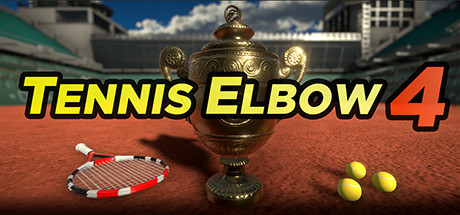
Tennis Elbow 4
7.5 / 10
- Developer
- Mana Games
- Publisher
- Mana Games
- Released
- 23 January 2026
- Platforms
- Windows, Mac
- Genre
- Indie, Simulation, Sports
- Monetisation
- One-time purchase
- Players
- Online and local multiplayer, singles and doubles, alongside a deep single-player career mode
The short version
Tennis Elbow 4, the successor to solo developer Mana Games' long-running Tennis Elbow 2013, left early access on 23 January 2026 after years of iteration. Its review sample is overwhelmingly positive and unusually passionate for a niche sports sim, with reviewer after reviewer, several claiming decades of real-world tennis experience, calling its shot-timing and positioning system the closest thing to actual tennis they've played. That enthusiasm is consistently paired with an equally consistent set of complaints: animations reviewers describe as stuck somewhere around the PS2 era, a control scheme with a genuinely steep learning curve that several reviewers openly admit took them hours to click with, and a career-mode AI that a meaningful minority feel leans on cheap, one-dimensional tactics like relentless serve-and-volley rather than realistic play.
Biggest strengths
- Ball physics, spin, and shot variety described by a wide range of reviewers, including several self-identified lifelong tennis players, as the most realistic simulation of the sport available on any platform, right down to surface-specific bounce behaviour
- An unusually deep career mode spanning junior and pro tours, singles and doubles, with a granular attribute system covering forehand, backhand, serve types, volleys, and stamina that reviewers say genuinely shapes how each match plays out
- Sixty total difficulty levels across six base tiers with ten sublevels each, letting players dial in a precise challenge and scale it up gradually as their own skills improve
Biggest weaknesses
- Animations are one of the sample's most consistent complaints, described repeatedly as stiff, outdated, or "PS2-era," even by reviewers who otherwise rate the game extremely highly
- A genuinely steep learning curve built around holding a button through a charge-and-release timing window rather than more familiar swing controls, which several reviewers say took them multiple hours, or repeated attempts across different sessions, before it clicked
- A recurring complaint in career mode specifically is that AI opponents lean heavily on serve-and-volley tactics that some reviewers describe as disproportionately effective regardless of an opponent's rated skill in that area, making certain matchups feel less like a fair simulation and more like a fight against a specific exploit
Who it's for: Tennis fans and simulation enthusiasts willing to invest real time in learning a demanding, unforgiving control scheme in exchange for what the sample repeatedly calls the most realistic tennis physics on the market, rather than players looking for a pick-up-and-play arcade experience.
Our recommendation: One of the most consistently well-reviewed sports simulations on Steam for those who stick with it, but the sample is honest that the payoff comes only after clearing a real learning curve, and players who bounce off the controls in the first hour are unlikely to be won over by sticking it out much longer.
7.5 / 10
Tennis Elbow 4 is the work of one developer, Mana Games, continuing a project that began with the well-regarded Tennis Elbow 2013 and spent years in early access before reaching a full 1.0 release on 23 January 2026. It arrives into a genre that, by the account of its own review sample, has been starved of a serious simulation option for years, and the reaction from players who've stuck with it borders on evangelical. What's just as consistent, though, running through even the most glowing five-star reviews, is an admission that getting to that enjoyment takes real, sometimes frustrating, effort.
Physics reviewers keep comparing to the real thing
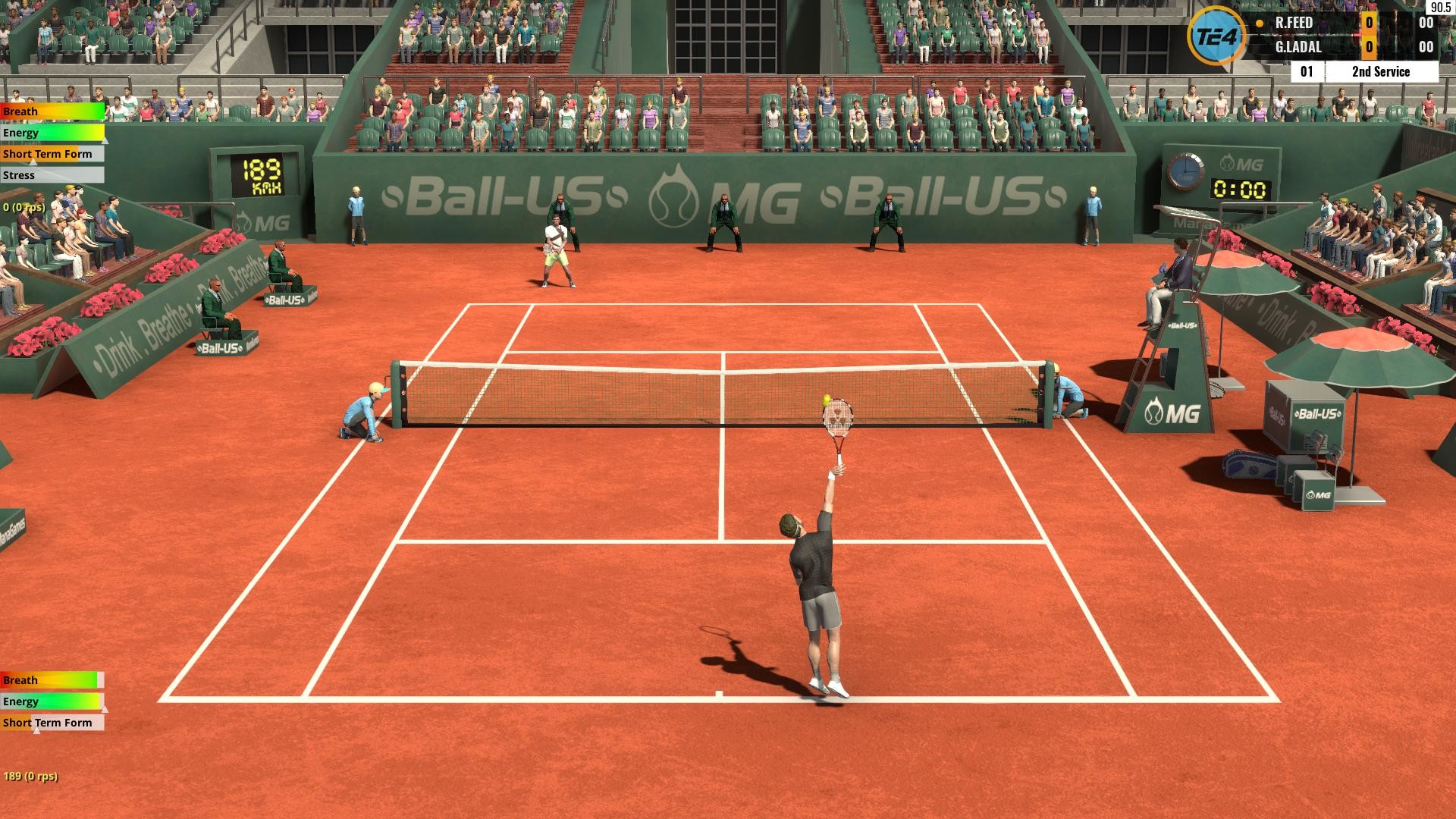
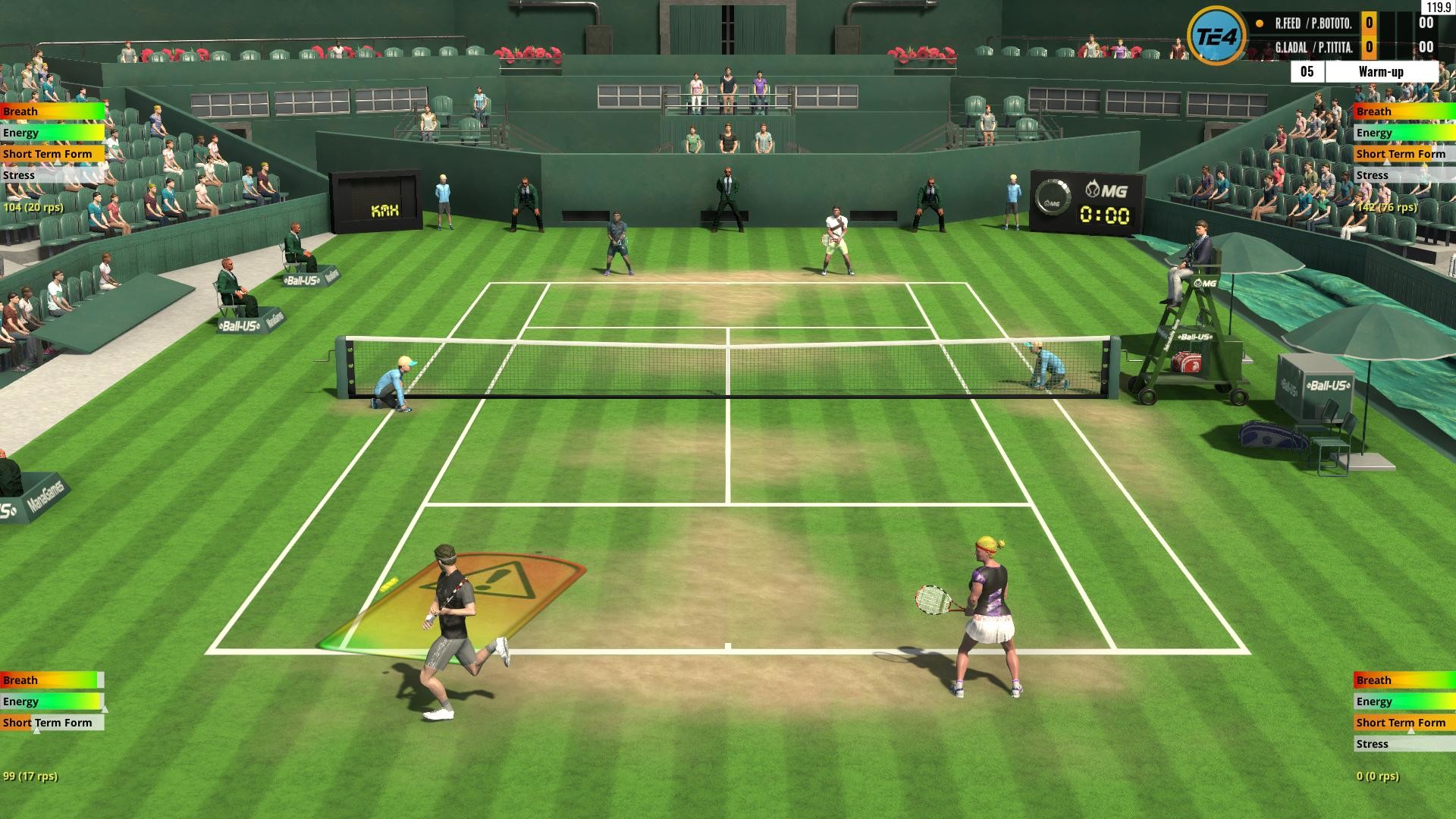
The single most repeated claim across the positive portion of the sample, made independently by dozens of separate reviewers, several of whom describe playing competitive or recreational tennis for decades, is that Tennis Elbow 4's ball physics and shot construction feel closer to actual tennis than anything else available, including far bigger-budget competitors like Top Spin 2K25 and AO Tennis. Reviewers describe rallies that unfold based on positioning, timing, and shot selection rather than reflexes alone, surface-specific bounce and speed differences between grass, hard court, clay, and carpet, and a risk-reward system where a well-executed aggressive shot can win a point outright but a mistimed one just as easily sails long. Multiple reviewers explicitly frame this as the game's entire reason to exist: strip away the presentation and what's underneath is, in their words, unmatched by any other tennis title on the market.
A career mode built for the long haul
The career mode draws some of the sample's most detailed praise. Players can start as a junior as young as 13 or 14 with low stats and work up through futures and challenger events toward the pro tour, tracking a wide spread of attributes, forehand and backhand power, precision and consistency, serve types, volleys, stamina, and more, that visibly shape how a player performs on court. Reviewers describe attribute decay forcing them to keep training and competing to maintain their level, tight three-set matches decided by narrow margins, and a genuine sense of stakes building over a season that stretches across real tournament calendars. Combined with sixty total difficulty levels split across six base tiers and ten sublevels each, several reviewers highlight the ability to dial in an opponent that's exactly challenging enough, then ratchet it up gradually as their own skills improve, as one of the career mode's best design decisions.
Presentation the sample can't stop apologizing for
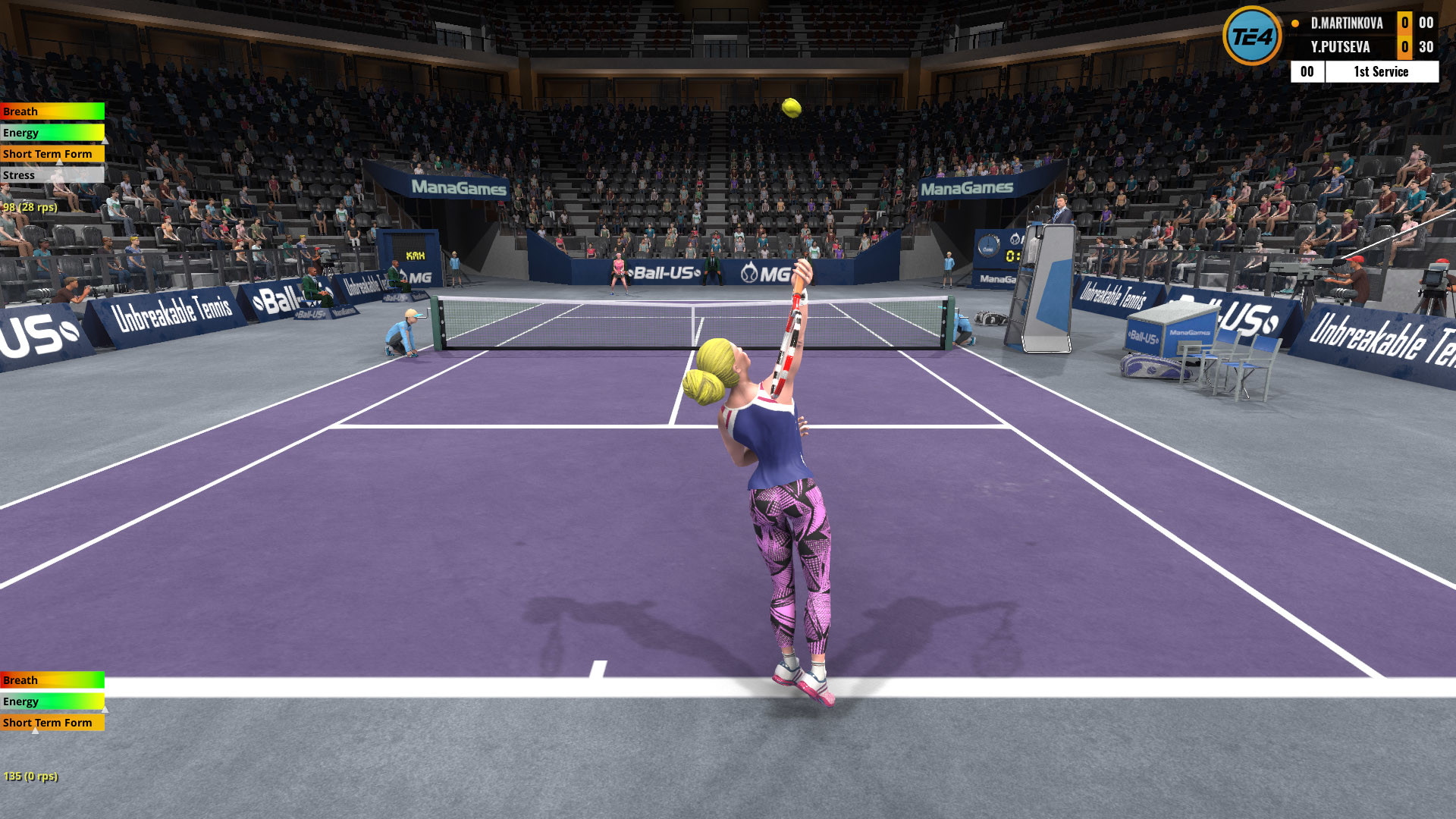
Set against all of that is a presentation layer that a large share of even the most positive reviews openly criticize. Animations are repeatedly described as stiff, dated, or reminiscent of PS2-era sports titles, and the default menus and UI, particularly the World Tour calendar screen, are called cluttered and unintuitive, with one reviewer comparing it to navigating a dense spreadsheet of tournaments most of which the player can't even enter yet. Several reviewers note that community mods, most prominently one called XKT, meaningfully improve the experience by adding real player rosters, licensed-style courts and scoreboards, and additional animation sets, to the point where trying the mod is treated as close to mandatory advice by a significant portion of the sample. Reviewers are also consistent that none of this holds the core gameplay back once a player looks past it, but it's clearly the first hurdle new players have to clear.
A control scheme that has to be learned, not guessed
The negative portion of the sample is dominated by one recurring theme: the controls are difficult to pick up, and the game does little to ease players into them. Several reviewers describe a charge-and-release timing system, where holding a button determines shot power and releasing it at the right moment determines accuracy, as unintuitive on first contact, particularly for players used to more conventional swing-timing controls in other sports games. More than one review describes spending an hour or more just trying to understand basic aiming before deciding whether to continue, and default controller bindings come in for specific criticism, with several reviewers recommending new players remap keys immediately rather than fight the defaults. This isn't a universal complaint, plenty of reviewers say the curve, while real, pays off within a few hours, but it's frequent and consistent enough across both positive and negative reviews to treat as a genuine barrier to entry rather than a one-off gripe.
Career-mode AI and a handful of technical complaints
A more specific complaint recurs among a meaningful minority of critical reviewers: AI opponents in career mode, they say, lean disproportionately on serve-and-volley tactics regardless of how that opponent is actually rated in net play, turning certain matchups into a repeatable, frustrating pattern rather than a believable simulation of a real player's tendencies. A smaller number of reviewers also report technical issues, most notably controller configuration conflicts with Steam's own input override system causing crashes on launch for a small number of players, and one review describing prolonged troubleshooting with limited resolution from support before eventually seeking a refund. These reports are a minority within the sample rather than the dominant experience, but worth flagging for anyone planning to play primarily with a controller.
Final Verdict
Tennis Elbow 4 is what happens when a genre is left almost entirely to one dedicated developer for over a decade: an unusually deep, physics-first simulation that a wide swath of reviewers, including many with real competitive tennis experience, describe as the best the genre has ever offered, wrapped in a presentation and control scheme that ask a lot of anyone not already sold on that promise. Its review sample earns that Very Positive standing honestly, not by hiding its rough edges but by consistently arguing they're worth pushing through. At NZ$29.99 on sale, with a deep career mode, full online and local multiplayer, and one of the most active mod scenes of any indie sports title, it's an easy recommendation for tennis fans prepared to spend a few frustrating hours before it clicks. Players hoping for something that plays well straight out of the box should expect that early climb to be real.
Pros and cons
Pros
- Ball physics, spin, and shot variety described by a wide range of reviewers, including several self-identified lifelong tennis players, as the most realistic simulation of the sport available on any platform, right down to surface-specific bounce behaviour
- An unusually deep career mode spanning junior and pro tours, singles and doubles, with a granular attribute system covering forehand, backhand, serve types, volleys, and stamina that reviewers say genuinely shapes how each match plays out
- Sixty total difficulty levels across six base tiers with ten sublevels each, letting players dial in a precise challenge and scale it up gradually as their own skills improve
- Extensive, actively used mod support, most notably the community XKT mod, which adds real player rosters, licensed-style courts, and scoreboards that many reviewers treat as close to essential
- Built by a single developer widely praised across the sample for being personally responsive to player questions and bug reports
Cons
- Animations are one of the sample's most consistent complaints, described repeatedly as stiff, outdated, or "PS2-era," even by reviewers who otherwise rate the game extremely highly
- A genuinely steep learning curve built around holding a button through a charge-and-release timing window rather than more familiar swing controls, which several reviewers say took them multiple hours, or repeated attempts across different sessions, before it clicked
- A recurring complaint in career mode specifically is that AI opponents lean heavily on serve-and-volley tactics that some reviewers describe as disproportionately effective regardless of an opponent's rated skill in that area, making certain matchups feel less like a fair simulation and more like a fight against a specific exploit
- Default controller bindings and menu navigation are singled out by multiple reviewers as unintuitive, with some recommending new players rebind controls immediately rather than struggle with the defaults
- A handful of reviewers report technical issues around launch, including crashes tied to controller configuration conflicts with Steam's own input overrides, though these appear to affect a minority of the sample rather than being a widespread pattern
Screenshots
-
Tennis Elbow 4Image: Mana Games via Steam -
Tennis Elbow 4Image: Mana Games via Steam -
Tennis Elbow 4Image: Mana Games via Steam