
Game review
Survivors: Island Adventure
6 / 10
- Developer
- G5 Entertainment AB
- Publisher
- G5 Entertainment AB
- Released
- 13 January 2026
- Platforms
- Windows
- Genre
- Adventure, Casual
- Monetisation
- Free-to-play with in-game currency purchases
- Players
- Single-player only
The short version
Survivors: Island Adventure strands a plane-crash survivor on a mysterious tropical island and tasks them with rebuilding a camp, uncovering a hidden backstory, and clearing hidden-object and match-3 puzzle levels to progress. It's a free-to-play port of a mobile title from G5 Entertainment, a studio with a long back catalogue of similar hybrid casual games, and its Very Positive Steam rating reflects a lot of reviewers who simply find it a relaxing, low-effort way to pass time. The review sample's recurring complaint is exactly what that description implies: it plays like a phone game because it is one, timers and energy-gated monetisation included, and several reviewers who otherwise enjoy the core loop say those systems fit far more awkwardly on a PC screen with nowhere to put the phone down.
Biggest strengths
- Free to download and play, with several reviewers explicitly recommending it on the strength of that alone as a low-stakes way to spend idle time
- A cozy, low-pressure tone that multiple reviewers single out as ideal for playing alongside something else, like watching TV, without needing full attention
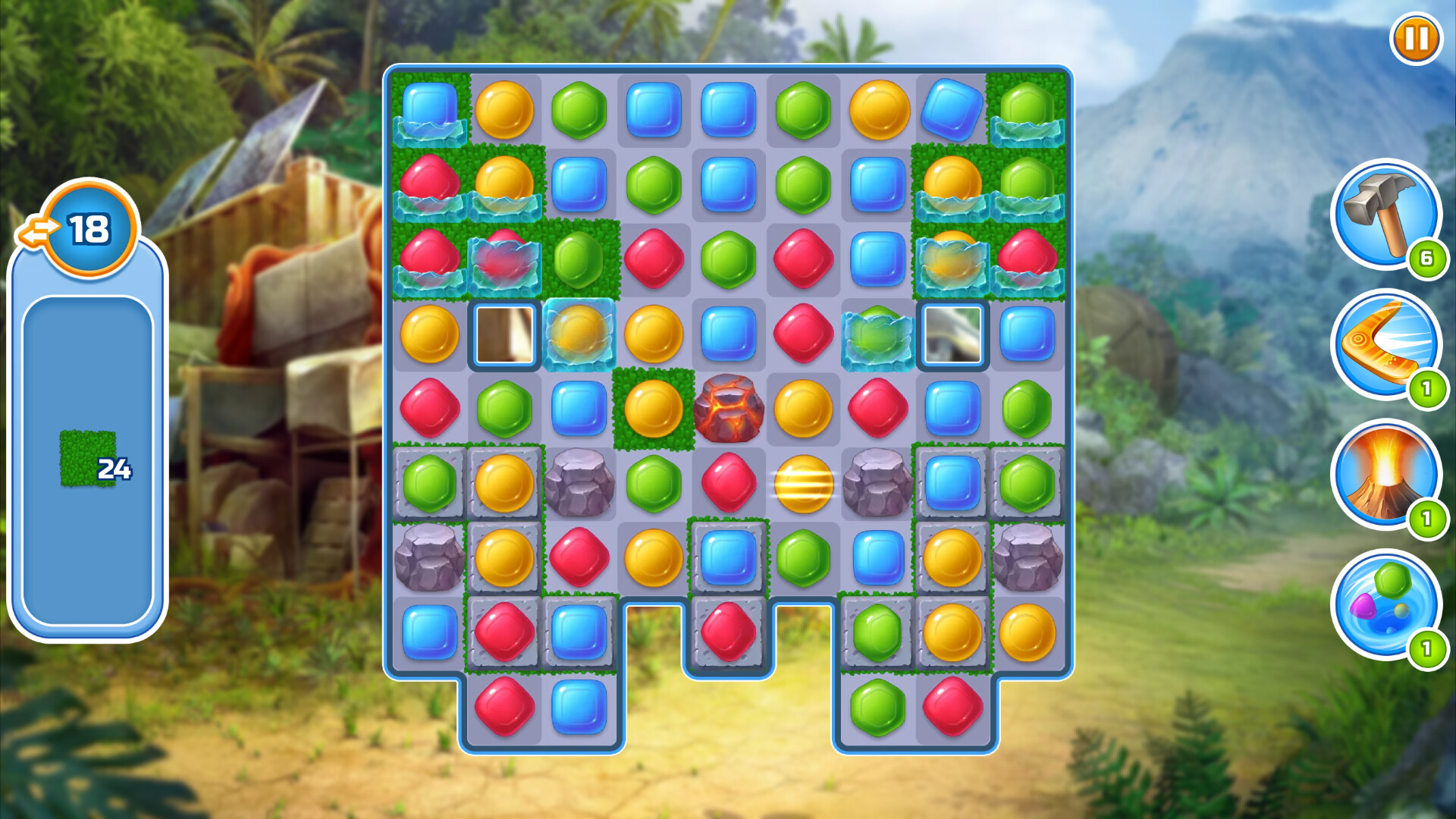
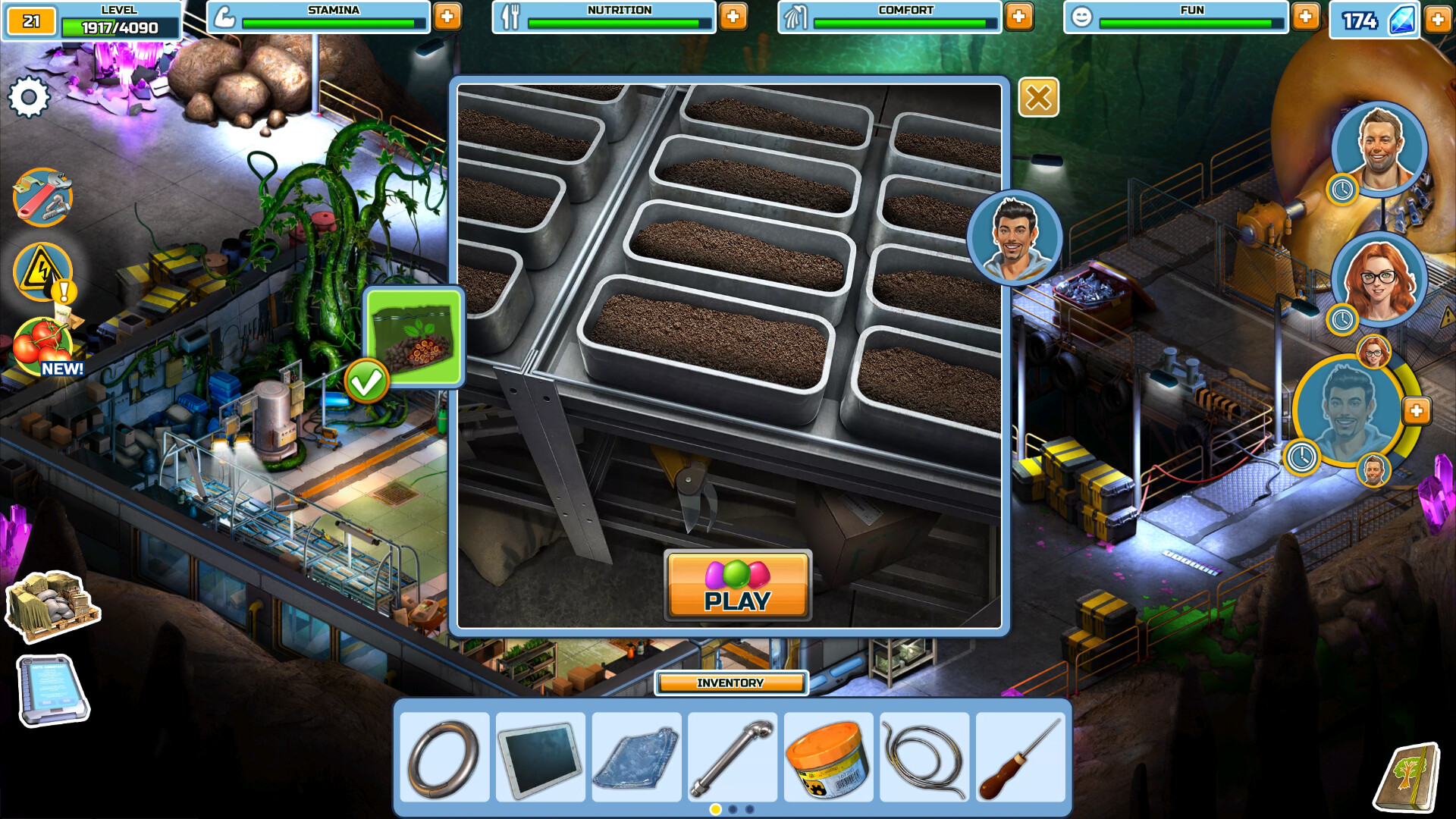
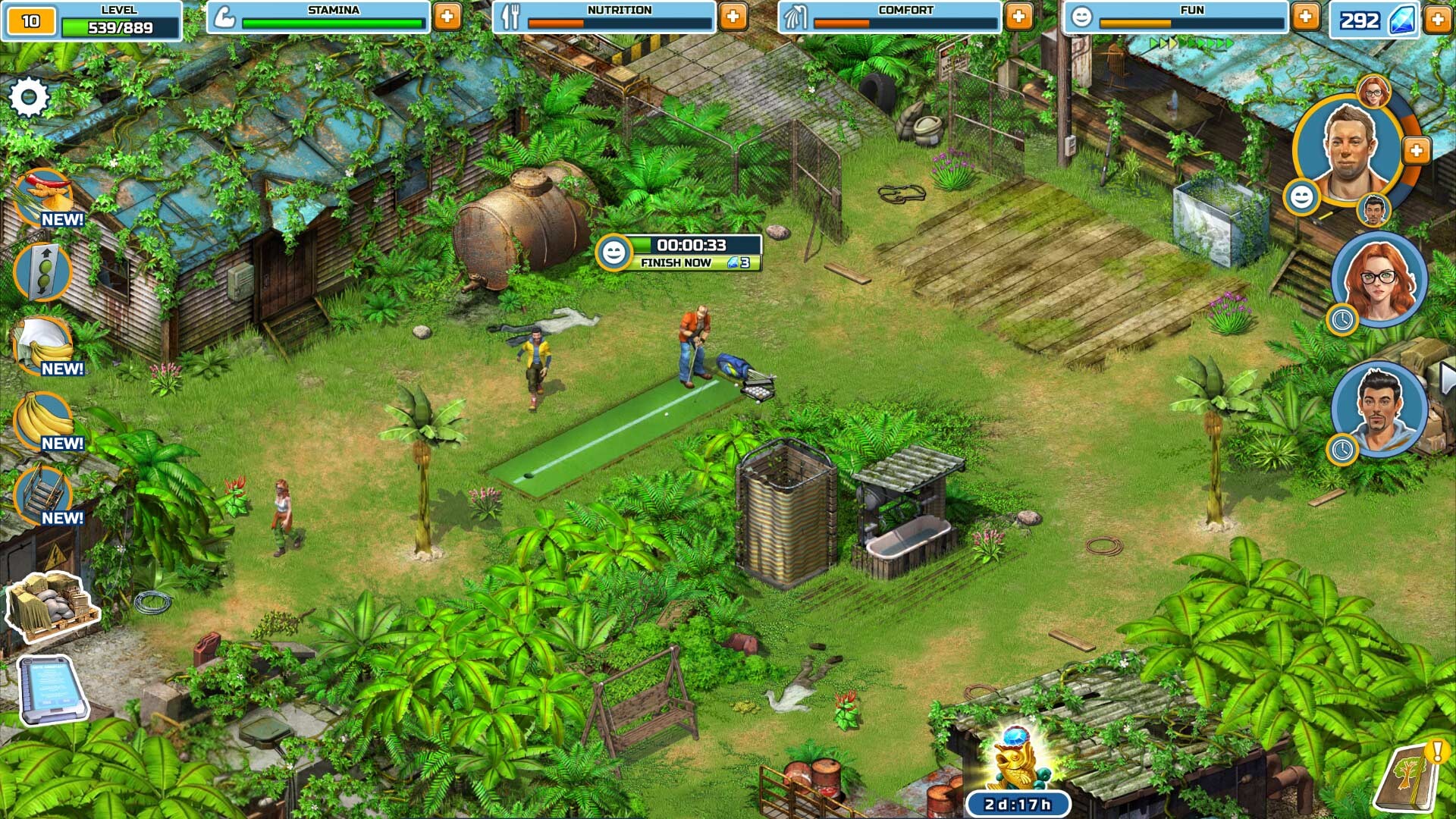
- A functional hybrid of hidden-object exploration, match-3 puzzles, and light camp-building and crafting that several reviewers say keeps the format from feeling purely repetitive
Biggest weaknesses
- The dominant complaint across the sample: the game is a largely unmodified mobile port, and reviewers repeatedly note it's missing basic PC quality-of-life conveniences, like the ability to skip end-of-level bonus animations, that are standard even in mobile match-3 competitors
- Time-gating and monetisation systems that multiple reviewers describe as the game's central friction point, with tasks and resource timers designed to slow progress and nudge players toward spending real money on in-game currency to speed things up
- Repetitive core gameplay, with several reviewers wishing for puzzle variety beyond the match-3 minigame that gates nearly every quest objective, and one describing the format as growing "boring after a while"
Who it's for: Fans of relaxing hidden-object and match-3 hybrids who don't mind free-to-play pacing and the option to spend real money to skip waiting, rather than players looking for a substantial or original survival or base-building game.
Our recommendation: Worth trying since it costs nothing, but go in expecting a straightforward mobile game experience, including its time-gating and monetisation prompts, rather than a PC-native survival or puzzle game.
6 / 10
Survivors: Island Adventure opens with a plane crash and a stranded protagonist facing down a mysterious tropical island, jungle ruins and all. From there, it settles into a familiar formula for anyone who's spent time with mobile hidden-object games: explore hand-painted scenes hunting for cleverly hidden items, clear match-3 puzzle boards to progress the story, and slowly rebuild a survival camp with resources earned along the way. Developer and publisher G5 Entertainment has built an entire back catalogue on this exact hybrid, and the free-to-play port's Very Positive Steam debut suggests the formula still works for plenty of players, even as its own review sample spends a lot of time pointing out the seams left over from its mobile origins.
A relaxing, low-stakes loop
The single most repeated word across the positive side of the sample is some variant of "relaxing" or "cozy." Reviewers describe it as ideal background entertainment, the kind of game you play with one eye on a TV show, and several specifically praise the survival-mystery narrative for giving the hidden-object and match-3 grind a reason to keep going beyond the mechanics themselves. The camp-building and light crafting layered on top get credit for adding just enough variety to keep the format from feeling purely repetitive, and it's clearly landed with a wide audience — playtime figures in the sample range from a few hours up to hundreds, with one reviewer logging nearly 600 hours.
The mobile port problem
Where the sample turns critical, it turns critical on one consistent point: this plays exactly like the phone game it started life as, in ways that don't always suit a PC. Multiple reviewers specifically call out the lack of an option to skip end-of-level bonus animations, contrasting it unfavourably with basic quality-of-life features long standard in mobile match-3 competitors like Candy Crush. Window resizing is flagged as broken by at least one reviewer. And several note that a game clearly designed around short mobile sessions doesn't translate cleanly to sitting at a desktop, where the appeal of picking it up for thirty seconds between other tasks simply doesn't exist in the same way.
Timers, gems, and the monetisation nudge
The sample's most substantive complaint concerns the free-to-play systems underneath the puzzle loop. Reviewers describe task and resource timers explicitly designed to slow progress, creating repeated moments where the game offers to sell premium currency to skip the wait. One detailed critical review calls this out directly as "mobage" monetisation logic applied without adjustment to a PC storefront, and even many of the game's positive reviews mention the same friction as a caveat rather than a dealbreaker — advice along the lines of "fun if you don't let yourself get caught in the money grabber" recurs more than once. It's not a hidden mechanic by any means, since the game is free to install in the first place, but the sample is consistent that the pressure to spend is a real and recurring part of playing it rather than an optional side note.
Puzzle variety and a few rough edges
Beyond the headline complaints, a handful of reviewers wish for puzzle types beyond the match-3 minigame that gates most quest objectives, with one specifically noting the repetition sets in once the initial novelty of the survival setting wears off. A separate reviewer flags a genuine accessibility gap: some hidden-object items are difficult to spot without any kind of highlight or hint system, a problem they say compounds for players with limited eyesight. There's also a note of uncertainty in the sample about ongoing support, with at least one reviewer observing that the mobile version this is ported from doesn't appear to have received meaningful updates in some time.
Weighing the free-to-play trade-off
It's worth separating two different questions the sample tends to blur together: whether the game is fun, and whether its monetisation is fair. On the first, the answer from most reviewers is a genuine yes, at least for the specific audience already drawn to hidden-object and match-3 hybrids — the setting is likeable, the mystery narrative gives the loop a sense of forward motion, and enough reviewers return for dozens or hundreds of hours that the core appeal clearly holds up over time for the right player. On the second, opinions land closer to resigned tolerance than enthusiasm. Several reviewers explicitly frame their recommendation around self-discipline, essentially telling other players the game is worth it only if you can resist the spending prompts, which is a notably different endorsement than saying the systems themselves are well designed. That distinction matters for anyone deciding whether to install it: the game genuinely works as advertised for free, but the version of the experience without occasional friction toward spending doesn't really exist here.
Final Verdict
Survivors: Island Adventure does what it sets out to do: give players a free, low-pressure hidden-object and match-3 hybrid with just enough survival-camp dressing and story to hold attention across dozens or hundreds of hours, if the format is one you already enjoy. Its Very Positive rating is earned by exactly that audience. What keeps it from being an easy universal recommendation is how plainly its own reviewers describe it as an unmodified mobile experience on PC, complete with the timers, monetisation nudges, and missing conveniences that come with that territory. Since it costs nothing to try, there's little risk in seeing whether the format works for you — just go in with clear eyes about what a free-to-play mobile port actually means once it's running on your desktop instead of your phone.
Pros and cons
Pros
- Free to download and play, with several reviewers explicitly recommending it on the strength of that alone as a low-stakes way to spend idle time
- A cozy, low-pressure tone that multiple reviewers single out as ideal for playing alongside something else, like watching TV, without needing full attention
- A functional hybrid of hidden-object exploration, match-3 puzzles, and light camp-building and crafting that several reviewers say keeps the format from feeling purely repetitive
- A reasonably engaging survival-mystery narrative that a few reviewers credit with pulling them through levels they might otherwise have found tedious, gradually revealing the island's backstory
- Real staying power for some players, with several reviewers logging well over 100 hours, including outliers well past 250 hours
Cons
- The dominant complaint across the sample: the game is a largely unmodified mobile port, and reviewers repeatedly note it's missing basic PC quality-of-life conveniences, like the ability to skip end-of-level bonus animations, that are standard even in mobile match-3 competitors
- Time-gating and monetisation systems that multiple reviewers describe as the game's central friction point, with tasks and resource timers designed to slow progress and nudge players toward spending real money on in-game currency to speed things up
- Repetitive core gameplay, with several reviewers wishing for puzzle variety beyond the match-3 minigame that gates nearly every quest objective, and one describing the format as growing "boring after a while"
- At least one reviewer flags a specific accessibility gap: hidden-object items can be difficult to spot without any highlight or assist option, a problem they say is worse for players with limited eyesight
- A handful of reviewers note the underlying mobile game the port is based on appears to have gone without meaningful updates for an extended period, raising doubts about how actively the PC version will be supported going forward
Screenshots
-
Survivors: Island AdventureImage: G5 Entertainment AB via Steam -
Survivors: Island AdventureImage: G5 Entertainment AB via Steam -
Survivors: Island AdventureImage: G5 Entertainment AB via Steam