Game review
Streets of Rage 4
7.5 / 10
- Developer
- Dotemu, Guard Crush, Lizardcube
- Publisher
- Dotemu
- Released
- 30 April 2020
- Platforms
- Windows, macOS, Linux
- Genre
- Beat 'Em Up
- Monetisation
- Premium one-time purchase, with one paid expansion (Mr. X Nightmare DLC, July 2021) adding characters and modes; no in-game purchases
- Players
- Local and online co-op for up to four players, added to macOS and Linux support in November 2020
The short version
Streets of Rage 4 is a genuinely loving, hand-drawn revival of a series that had been quiet for 26 years, and its soundtrack and art direction earn essentially uncontested praise across the review sample. What keeps it from a top-tier score is real, specific and repeated combat friction — the removal of the forward dash from Streets of Rage 3, "super armor" on enemies that shrugs off hits, and a September 2020 balancing patch several long-time players say made an already-demanding game measurably harder in a way they didn't ask for.
Biggest strengths
- Hand-drawn character and stage art draws close to unanimous praise across the review sample, including from reviewers otherwise critical of the combat changes
- The soundtrack is repeatedly singled out as one of the best of the whole revival wave of retro games, blending the series' classic composers with newer talent
- Local and online four-player co-op is well supported, and a November 2020 update brought full macOS and Linux compatibility on top of the original Windows release
Biggest weaknesses
- The forward dash present in Streets of Rage 3 was removed, and multiple longtime reviewers independently cite the resulting loss of momentum and mobility as a real step back for the series' flow
- "Super armor" on many enemies and bosses — attacks that visibly connect but don't interrupt the enemy — is a specific, repeated complaint from reviewers who otherwise like the combat system
- A September 2020 balancing patch, confirmed through the developer's own dated update history, measurably raised the game's difficulty; several reviews describe this as changing a game they'd already fallen in love with rather than tuning an unfinished one
Who it's for: Series veterans who grew up on the Mega Drive originals will get the most out of the callbacks and challenge, but the hand-drawn presentation and approachable co-op make it a fair entry point for players who've never touched a Streets of Rage game before.
Our recommendation: Buy it for the soundtrack and art alone if nothing else — just know the combat leans harder into precise, punishing execution than the original trilogy, especially after the 2020 balance patch, and budget a short campaign length against that expectation.
7.5 / 10
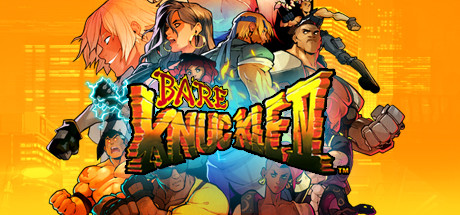
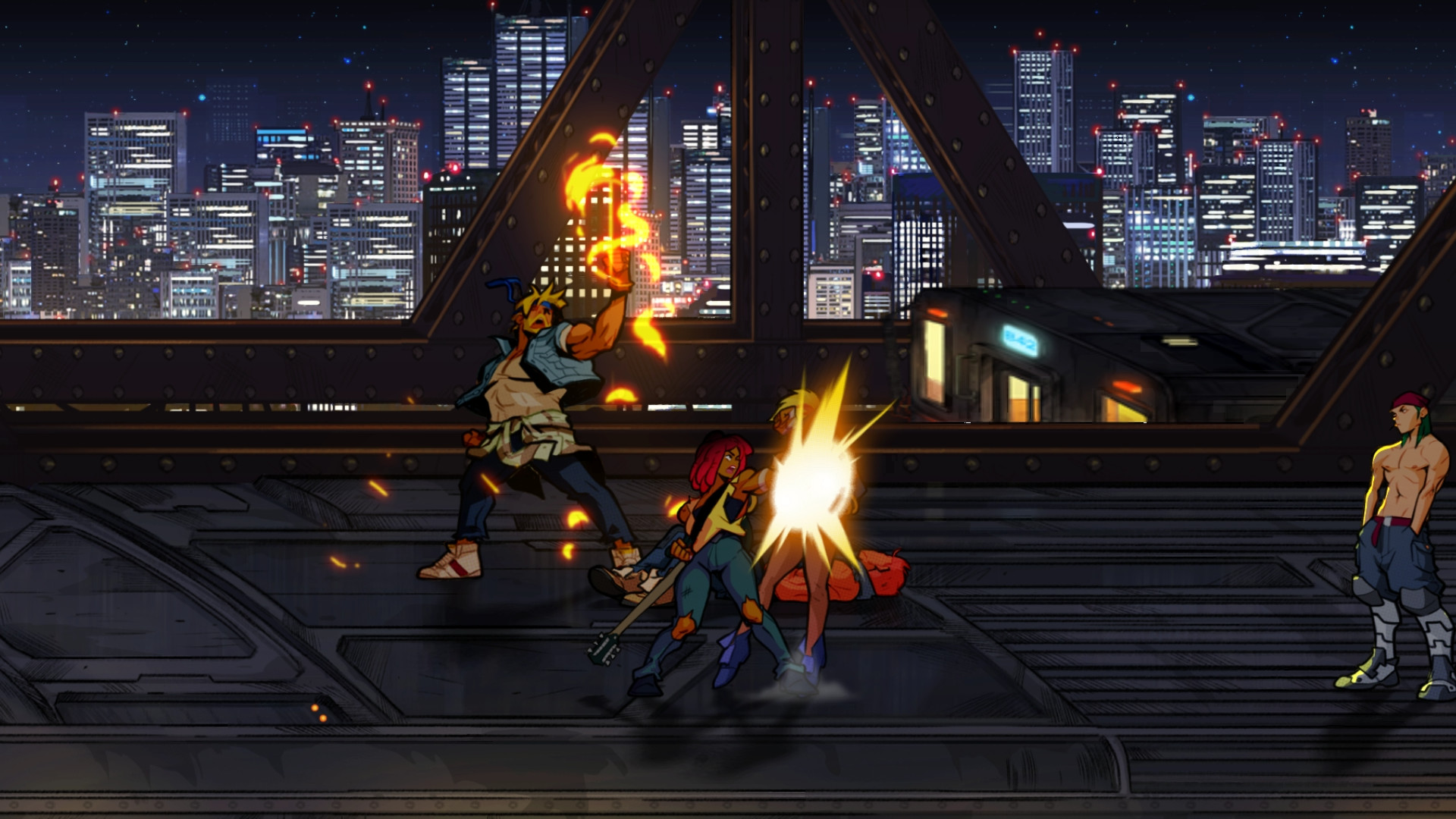
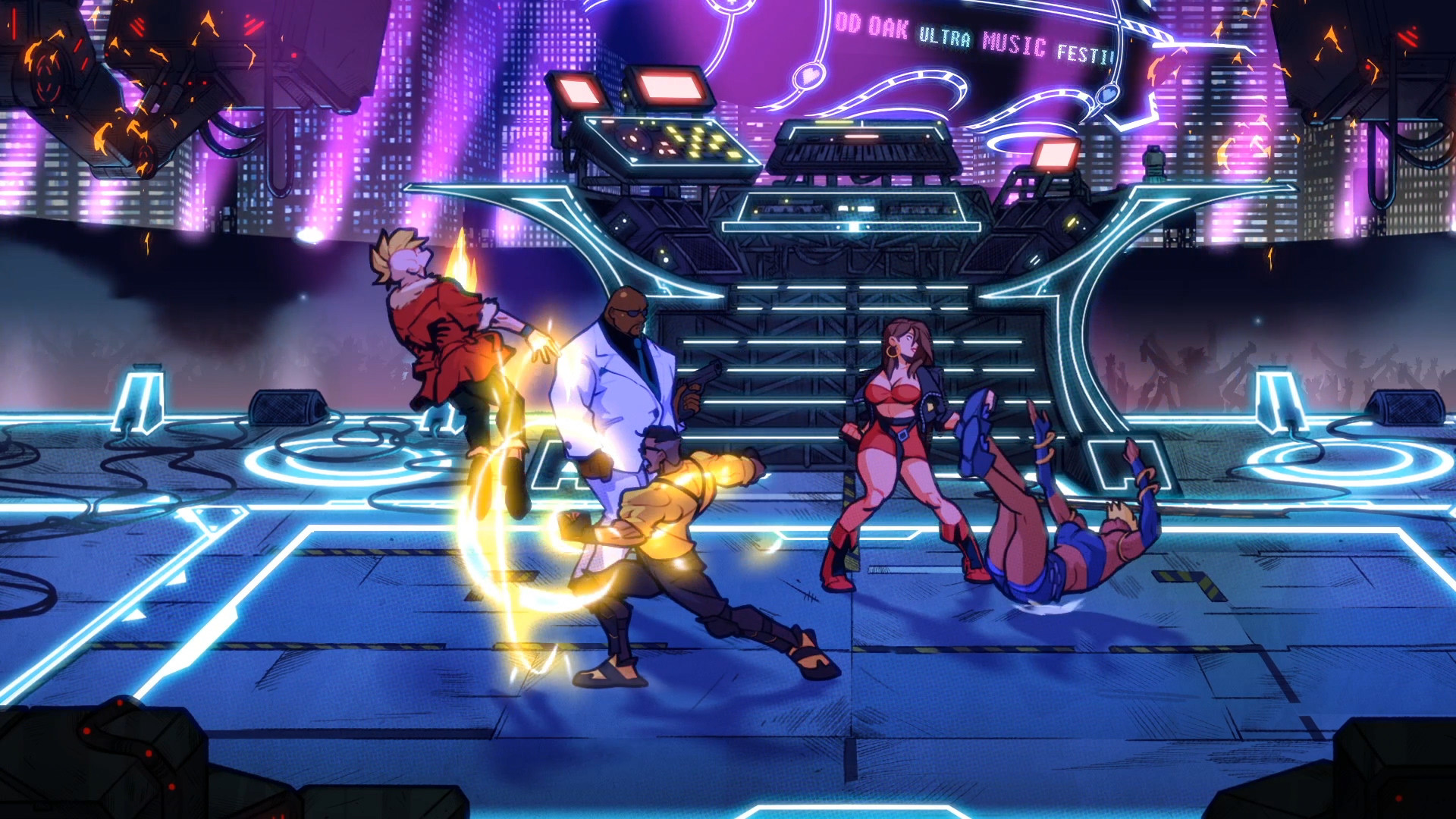
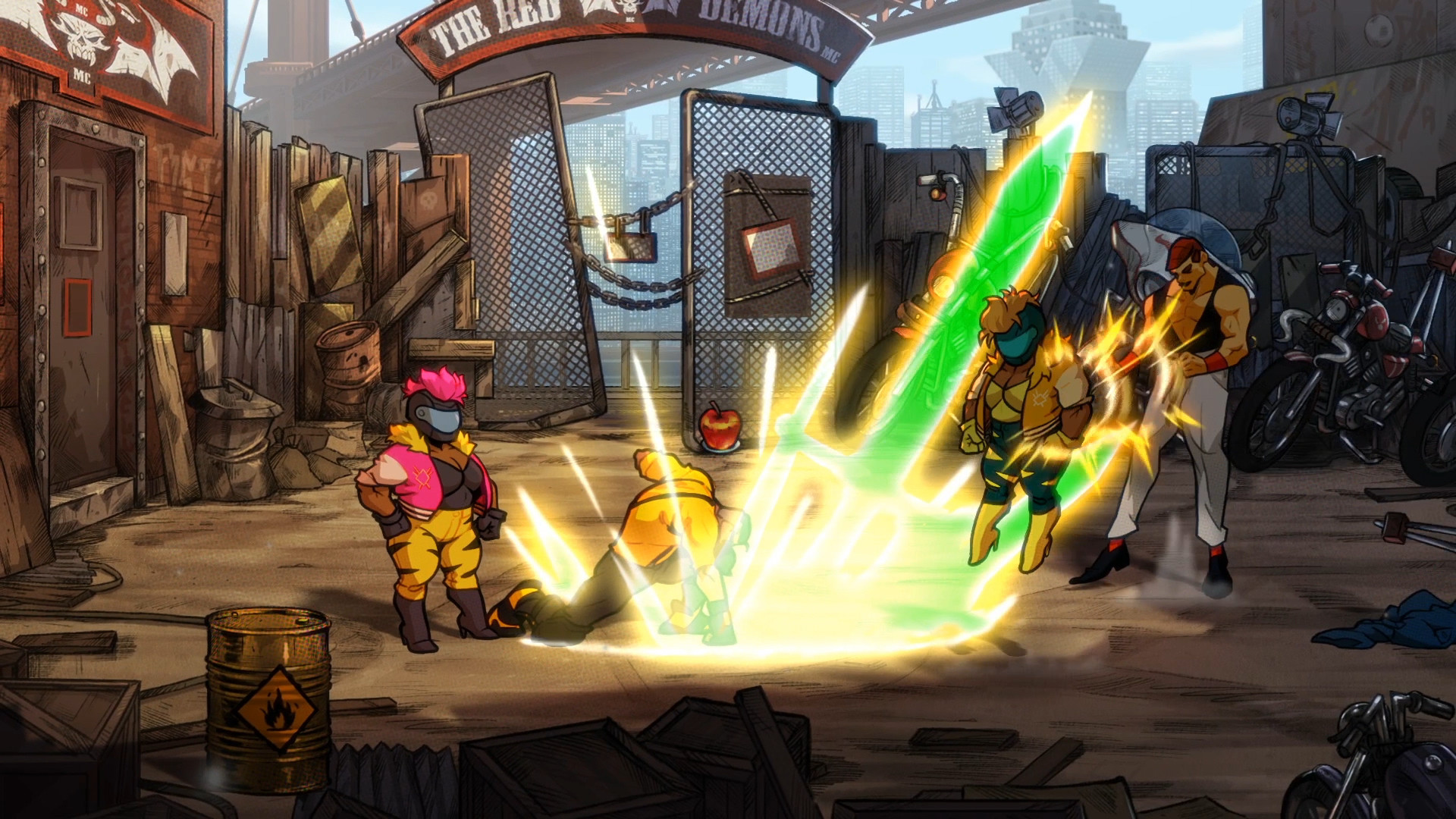
Streets of Rage went quiet for 26 years after its third Mega Drive entry, long enough that a fan-made remake project became the series' de facto continuation for an entire generation of players. Dotemu, Guard Crush and Lizardcube's official revival landed in April 2020 with a hand -drawn art style that was a genuine gamble against decades of pixel-art nostalgia, and the review sample's verdict on that gamble is about as close to unanimous as Steam reviews get: it worked, and worked well enough that even reviewers unhappy with other changes still praise the art and music without qualification.
What nearly everyone agrees on
The soundtrack draws some of the most consistent, specific praise in the whole review sample — reviewers repeatedly call it a highlight of 2020's entire wave of retro revivals, blending several of the series' original composers with newer contributors. The hand-drawn presentation gets the same treatment: stages, character animation and boss design are singled out by name across dozens of reviews, including several written by players who go on to spend most of the rest of their review criticising the combat. That's a meaningful signal — art and music surviving intact through otherwise sharply critical reviews suggests Dotemu genuinely nailed that half of the revival, whatever else is debated.
The friction longtime fans keep naming
The combat criticism, where it exists, is specific and repeated rather than vague. Multiple independent reviewers cite the removal of the forward dash present in Streets of Rage 3 as a real loss of momentum and mobility, arguing it makes movement feel more restrictive than the series historically allowed. A second, equally specific complaint targets "super armor" on many enemies and bosses — attacks that visibly land without interrupting the enemy's own action, which several reviewers describe as feeling like the game is fighting back against its own combo system rather than rewarding it.
The most concrete flashpoint, though, is dated and verifiable: a balancing patch in September 2020, confirmed directly through the developer's own update history, measurably raised the game's difficulty. Several reviews describe this specifically as changing a game they'd already fallen for rather than fixing a broken one — a distinct complaint from ordinary "this game is too hard" feedback, since it's grounded in a documented before-and-after rather than a single playthrough's frustration. A handful of reviewers go further and point to the free, fan-made Streets of Rage Remake and to the independently developed Fight'N Rage as offering faster, looser movement they prefer over the official sequel's more deliberate pacing.
Co-op as the format the genre was built for
Beat 'em ups have always been a genre best played with company, and Streets of Rage 4 treats that seriously rather than as an afterthought — up to four players can brawl through the campaign locally or online, and a later update specifically added new co-op modes alongside a new playable character, showing the developers kept investing in the shared-screen experience rather than shipping it once and moving on. Reviewers who played primarily solo and reviewers who played primarily in co-op describe meaningfully different experiences of the same combat friction discussed above — several say the super-armor and pacing complaints matter far less once you're coordinating combos with a second or third player, since the social chaos of co-op naturally forgives rougher edges that stand out more starkly in a quiet solo run.
A short campaign backed by real support
Length is the other recurring theme: several reviewers describe the main campaign as a fun but brief few hours, with the deepest replay value locked behind score-attack runs and the game's hardest Mania difficulty rather than the main story path. Steam's global achievement data backs that shape up directly — story-related goals are cleared by the large majority of the playerbase, while achievements tied to no-death clears and top difficulty settings sit under 4% completion. That's a normal curve for an arcade-style beat 'em up built around replayable challenge rather than a sign the deeper content is broken or unreachable, but it does mean casual players shouldn't expect dozens of hours from the story alone.
To Dotemu's credit, support after launch was real rather than a single patch and done: a steady cadence of numbered patches through 2020, full macOS and Linux compatibility added that November, a paid Mr. X Nightmare expansion with new playable characters in mid-2021, and a further free content update as late as March 2023 — nearly three years after launch. That's a genuinely different commitment level than most revival titles show once the launch window closes.
A roster built to be replayed differently, not just replayed
One place the design genuinely earns its keep against the short-campaign complaint is roster depth. The base game's core cast plays distinctly enough that reviewers describe switching characters as changing the actual combat puzzle rather than just reskinning the same moveset, and post-launch support widened that further: retro pixel-art versions of classic characters from earlier games were unlocked as free content, and the Mr. X Nightmare expansion added new playable fighters with their own move sets on top of that. Several detailed reviews specifically credit this roster growth with giving them a reason to keep returning long after the main story campaign itself was finished, which is a more honest source of the game's replay value than the score-attack and Mania-difficulty modes alone.
Verdict
Streets of Rage 4 succeeds completely at the harder half of its pitch — hand-drawn art and a soundtrack that reviewers across the board call one of the best of its era — and draws real, specific, dated criticism on the other half from longtime fans who miss Streets of Rage 3's mobility and resent a difficulty patch that changed the game they'd bought. Both things are true at once. It's a confident, lovingly made revival that rewards series veterans willing to adapt to its more deliberate combat rhythm more than it perfectly recreates what came before.
Pros and cons
Pros
- Hand-drawn character and stage art draws close to unanimous praise across the review sample, including from reviewers otherwise critical of the combat changes
- The soundtrack is repeatedly singled out as one of the best of the whole revival wave of retro games, blending the series' classic composers with newer talent
- Local and online four-player co-op is well supported, and a November 2020 update brought full macOS and Linux compatibility on top of the original Windows release
- Post-launch support was real and sustained: a steady patch cadence through 2020, a paid Mr. X Nightmare expansion in mid-2021, and a further free content update as late as March 2023
- Playable and enjoyable for newcomers to the series thanks to accessible controls, even though its deepest rewards are aimed at veterans chasing high scores and no-death clears
Cons
- The forward dash present in Streets of Rage 3 was removed, and multiple longtime reviewers independently cite the resulting loss of momentum and mobility as a real step back for the series' flow
- "Super armor" on many enemies and bosses — attacks that visibly connect but don't interrupt the enemy — is a specific, repeated complaint from reviewers who otherwise like the combat system
- A September 2020 balancing patch, confirmed through the developer's own dated update history, measurably raised the game's difficulty; several reviews describe this as changing a game they'd already fallen in love with rather than tuning an unfinished one
- The main campaign is short by modern standards, and several reviewers say the deepest replay value is locked behind score-attack and Mania-difficulty play most casual players won't pursue — reflected in achievement data showing story-related goals cleared by the large majority of players but hardcore no-death and top-rank achievements earned by under 4%
- A handful of reviewers unfavourably compare it to the free, fan-made Streets of Rage Remake and to Fight'N Rage, both cited as offering faster, more fluid movement than the official sequel
Screenshots
-
Streets of Rage 4Image: Dotemu via Steam -
Streets of Rage 4Image: Dotemu via Steam -
Streets of Rage 4Image: Dotemu via Steam -
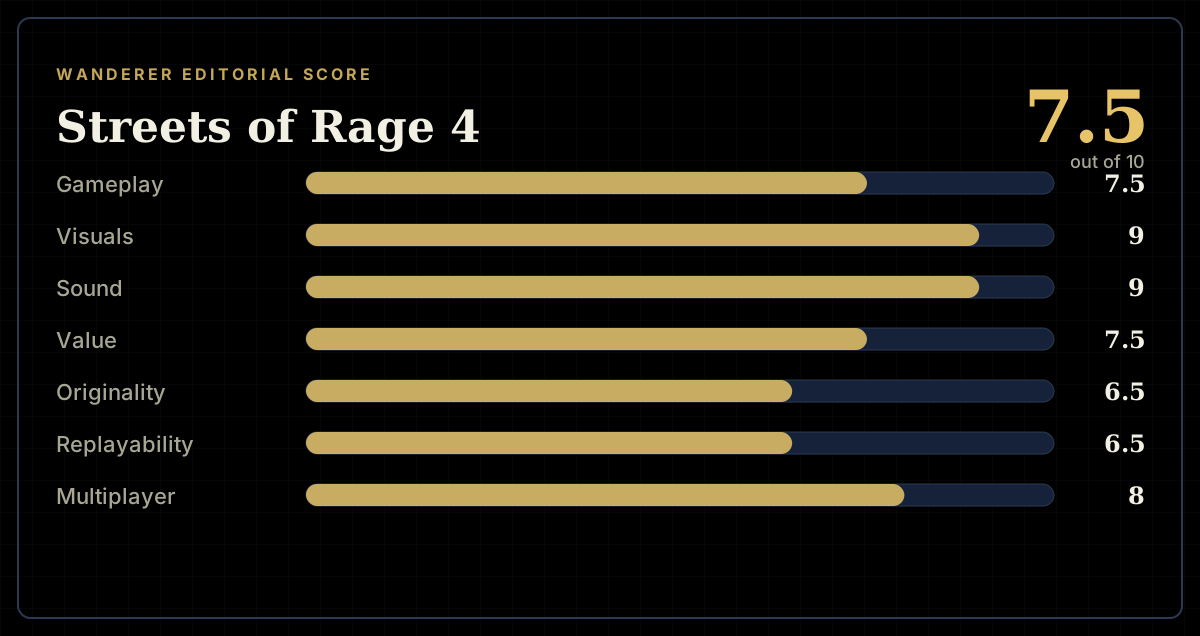
How the review scores each part of the gameWanderer Editorial -
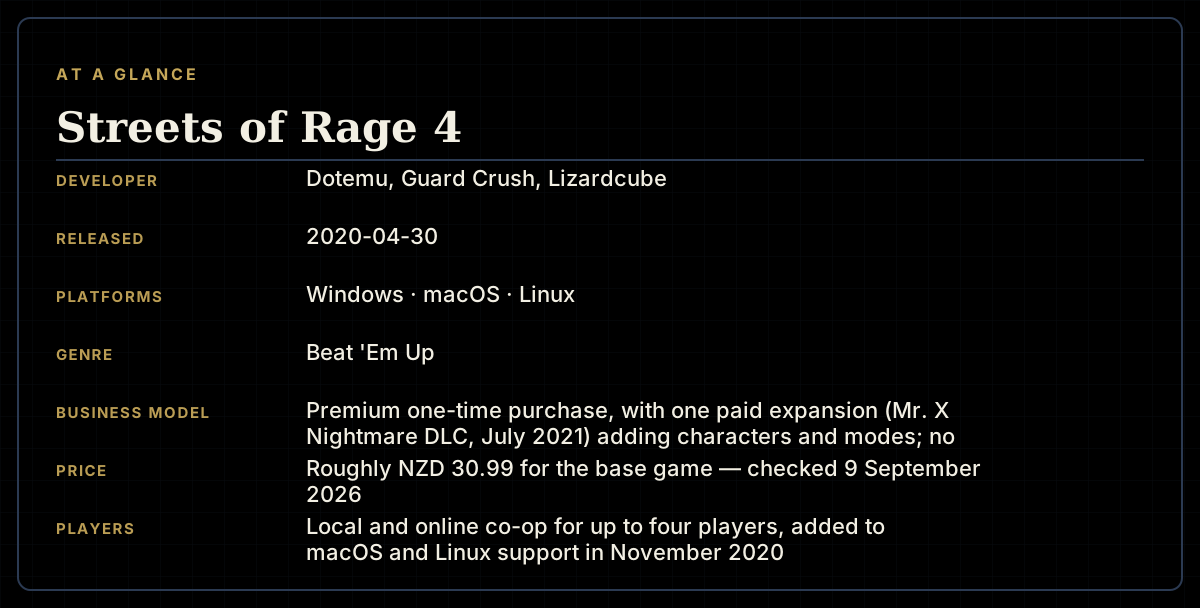
At a glanceWanderer Editorial -
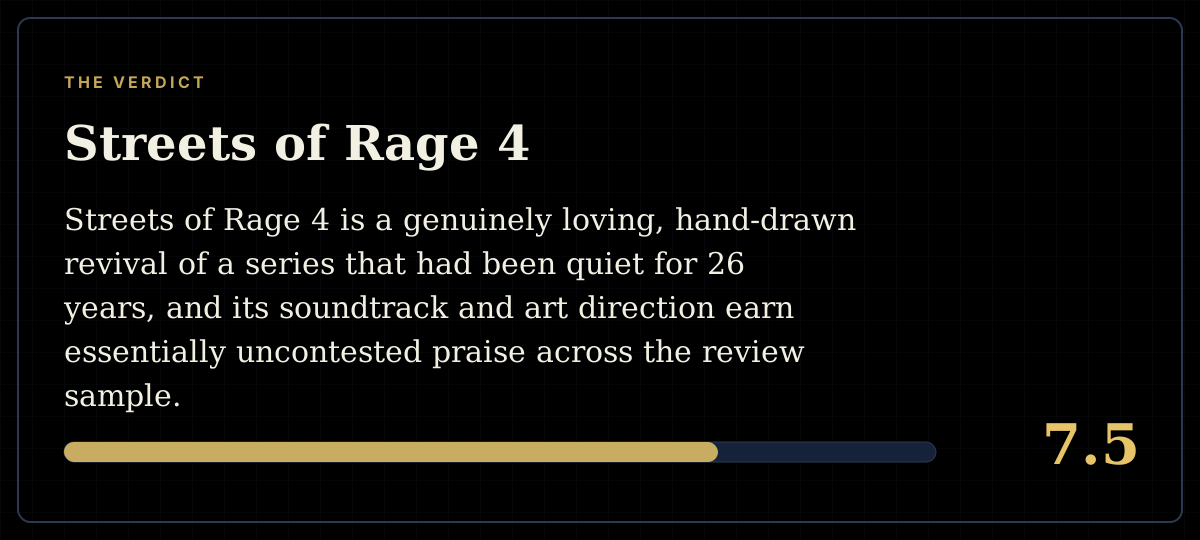
The short versionWanderer Editorial