Game review
Spinera
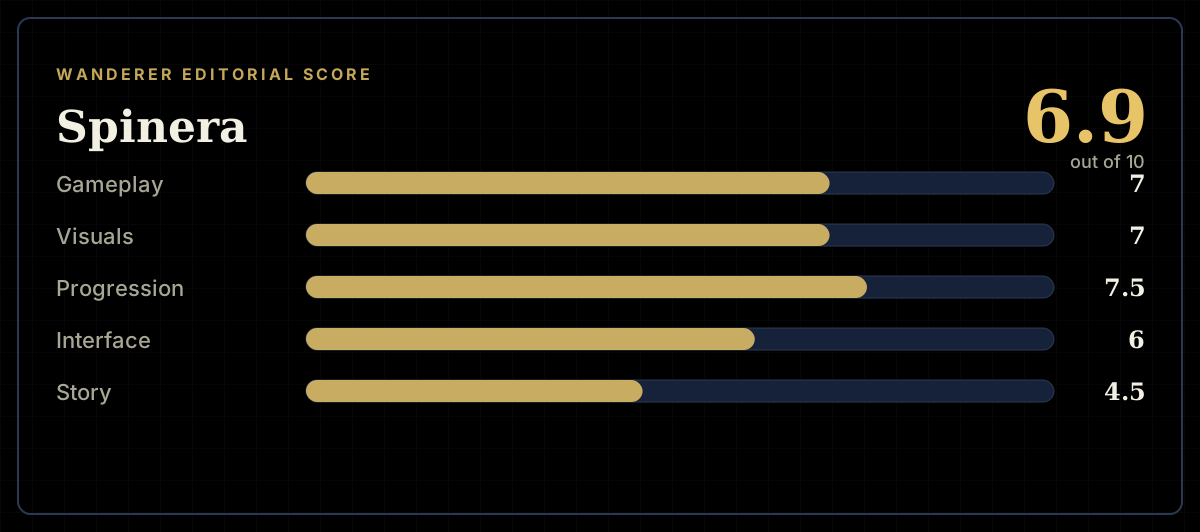
6.9 / 10
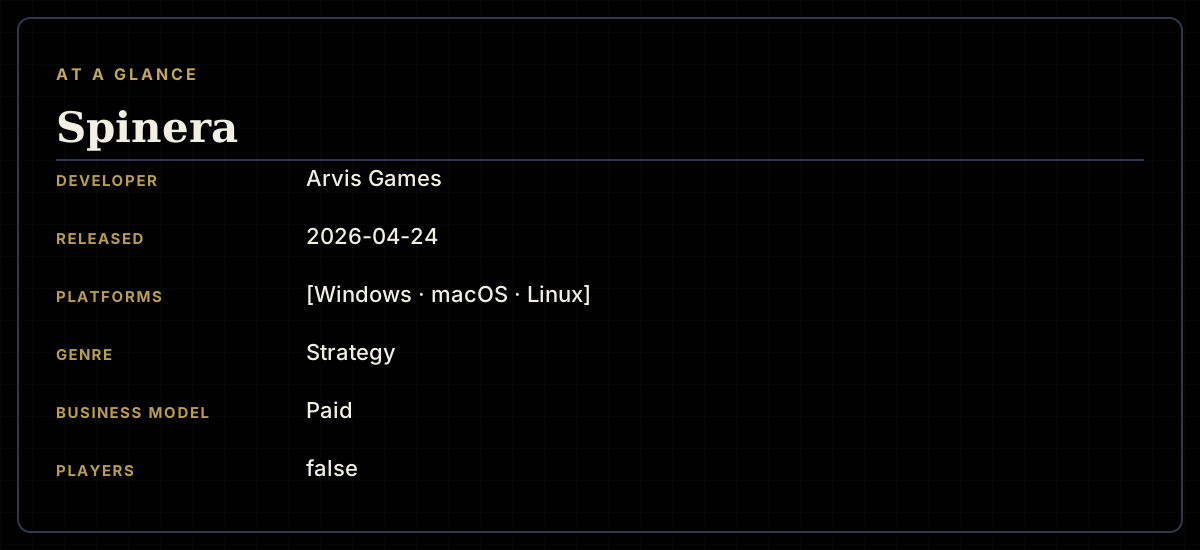
- Developer
- Arvis Games
- Publisher
- Arvis Games
- Released
- 24 April 2026
- Platforms
- [Windows, macOS, Linux]
- Genre
- Strategy
- Monetisation
- Paid
- Players
- false
The short version
Spinera fuses civilization-building with slot-machine roguelike mechanics into something genuinely novel and, at its best, hard to put down, but a combat system stripped down between demo and launch and serious late-game slowdown keep it from fully delivering on that premise.
Biggest strengths
- A genuinely novel hybrid: civilization-building strategy layered onto slot-machine spin mechanics, deeper than the premise suggests once its systems click
- Distinct leaders, tech trees, and wonders create real build variety, with many reviewers describing runs that unfold in noticeably different directions
- A tight, addictive core loop well suited to short sessions, repeatedly compared favorably to Balatro for its rewarding just-one-more-spin pull
Biggest weaknesses
- The pre-launch demo's more tactical combat system was stripped down for release, replaced with a pure-chance mechanic that a significant share of reviewers call a clear downgrade
- Severe late-game performance issues, with numerous reviewers reporting multi-minute freezes as scores climb into the billions in later eras
- Balance problems around specific resource types and leader abilities that let some strategies snowball far beyond others
Who it's for: Fans of Balatro-style luck-and-strategy roguelites who also enjoy 4X civilization games, looking for something that compresses both into short, replayable runs.
Our recommendation: Buy on sale
6.9 / 10
Civilization, minus the micromanagement
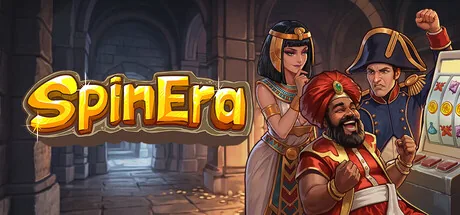
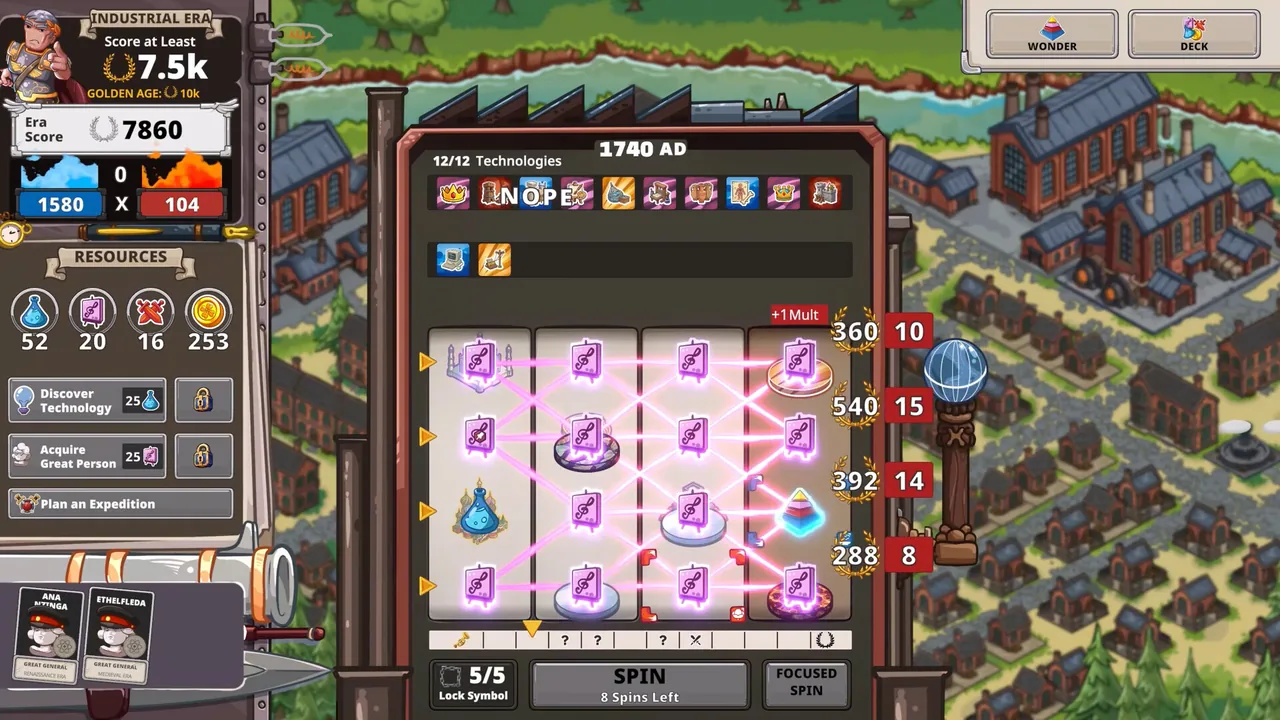
Spinera, released April 24, 2026 by solo studio Arvis Games, takes the broad shape of a 4X civilization game, picking a leader, researching technology, raising wonders, advancing through historical eras, and replaces almost all of its decision-making with a slot machine. Every turn comes down to a spin: symbols land, resources flow, wars are won or lost, and the player's job is choosing which symbols to keep, remove, or upgrade between pulls rather than managing units or tiles directly. It launched to a Mostly Positive reception, 133 reviews and roughly 77% positive, a solid but noticeably more mixed showing than the strongest indie debuts this lane has covered.
Deeper than the elevator pitch
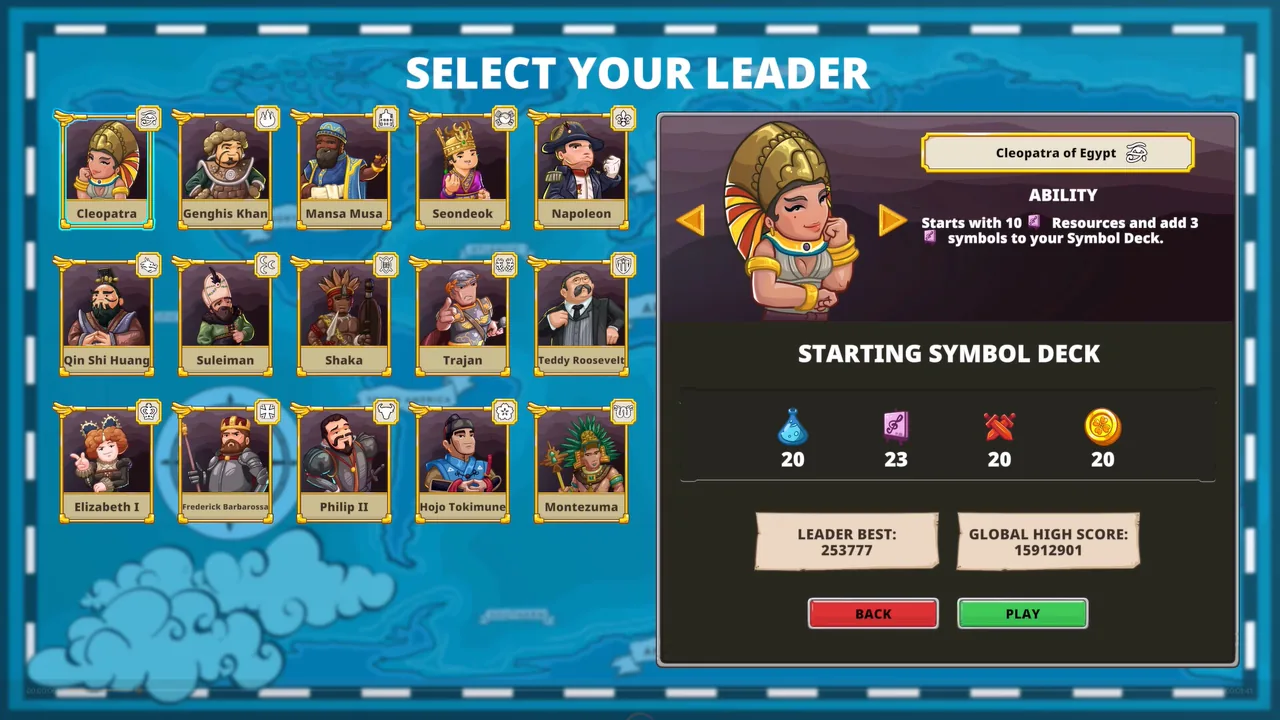
The reviewer consensus, repeated constantly across the English and Chinese-language samples, is that Spinera is far more strategic than "civilization but gambling" makes it sound. Reviewers describe adjusting both drop rates and meta-resources as they progress, building toward specific symbol combinations and wonder synergies that meaningfully change how a run plays out. Several explicitly invoke Balatro as the closest comparison, not for its mechanics but for the way small, legible choices compound into satisfying, sometimes explosive payoffs. One reviewer put it bluntly: despite expecting a simple slot-spinning toy, they found mechanics that "allow for diverse and strategic gameplay styles." Chinese-language reviews echo this heavily, repeatedly describing the appeal as realizing that the slot machine isn't a gimmick but the actual resource-management core, and that different leaders and tech paths produce meaningfully different runs rather than reskins of the same strategy.
A combat system that got smaller, not bigger
The most substantial and specific complaint in the review sample concerns combat. Multiple reviewers who played the pre-launch demo and Next Fest build describe a more tactical combat system, reportedly involving unit composition choices like archer-heavy builds, that was stripped out for the 1.0 release and replaced with what amounts to a pure success-rate roll. Several Chinese-language reviews are pointed about this, quoting the developer's own patch notes describing the change as making combat "faster-paced and more engaging" while arguing the opposite happened, that reducing war to a probability check removed one of the more interesting decision points the demo had. It's a rare case where reviewers who followed a game through its pre-launch testing period feel the shipped version is a regression from what they'd already been enjoying, not merely an unfinished sequel to it.
When the machine can't keep up with the multiplier
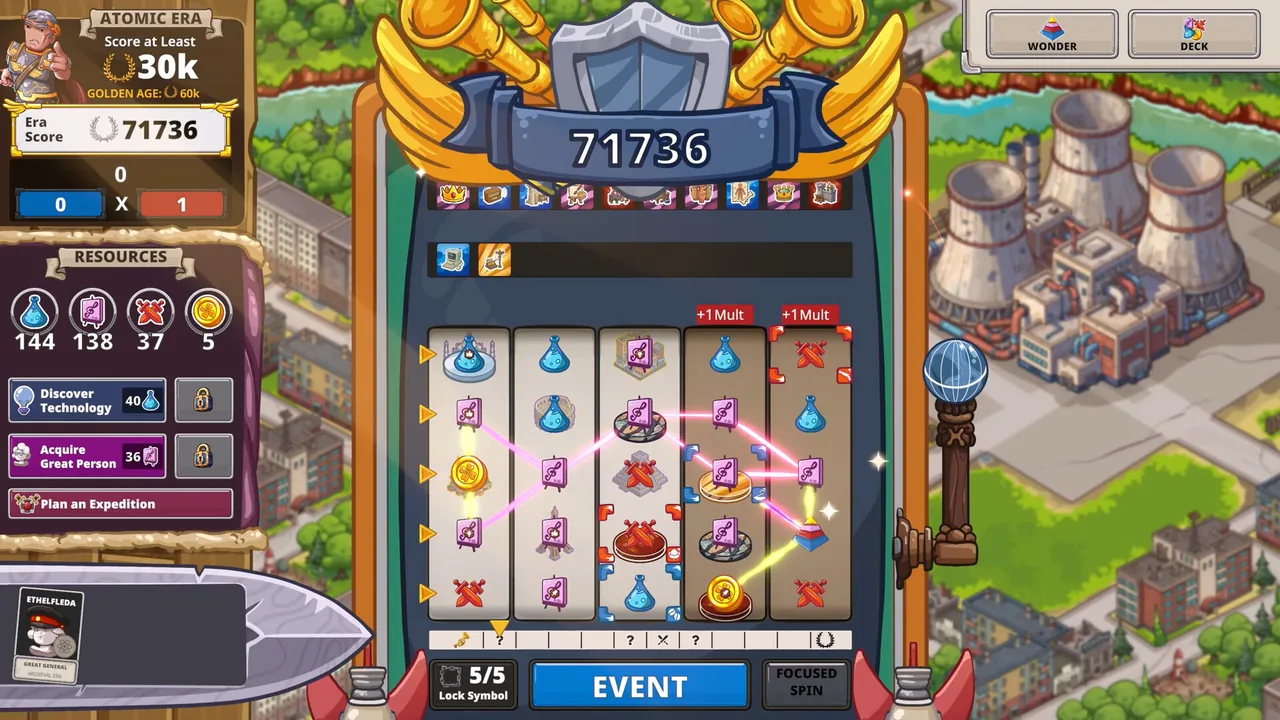
The other dominant complaint, showing up across English, Simplified Chinese, Traditional Chinese, Korean, and Japanese reviews alike, is performance. As runs stretch into later historical eras and scores climb into the hundreds of millions or billions, reviewers consistently report the game grinding to a halt during spin resolution, waits of several minutes in the more extreme accounts, as every individual bonus and multiplier is calculated one at a time. One reviewer described leaving to use the bathroom mid-calculation and returning to find it still resolving; another reported crashes tied to symbol removal breaking the settlement animation entirely. This isn't a rare edge case in the sample, it's the second most common complaint after the combat downgrade, and it directly undercuts the payoff moments the loop is built around, since the biggest, most satisfying scores are exactly the ones that grind the game to a halt.
Balance still finding its footing
A smaller but recurring thread concerns balance: certain resource types and leader kits, particularly military-focused builds, are described as able to snowball far ahead of alternatives, and a few reviewers note that great-person or wonder options with nominally similar stat bonuses turn out wildly unequal in practice once other systems are factored in. The developer has been visibly active addressing this, with hotfix and balance patches landing within days of launch and continuing through May 2026, and several reviewers specifically credit that responsiveness as a reason for their positive score even where they flag real problems. It reads as a small, attentive team still tuning a genuinely unusual system rather than one that's stopped listening.
Replayability is there, if you can push through the friction
Most of the sample, especially the extensive Chinese-language reviews, describes strong replay value: different leaders, tech routes, and wonder combinations producing noticeably different runs, and a steady sense of new synergies to discover even after a dozen or more playthroughs. A minority dissent, though, including the review most critical of the game overall, argues that once the systems are understood there's limited reason to keep playing, with no achievement tied to completing a run and diminishing novelty once the winning patterns are found. Both things can be true depending on how deep a given player wants to dig into build optimization versus how quickly they burn out on any single system.
A presentation that plays it safe
Visually, Spinera keeps things simple: clean, readable iconography for its slot symbols and resources, a bright and approachable art style for its leaders, and enough visual flair on big wonder payoffs to make the good spins feel rewarding even before the number itself resolves. It's not a game chasing spectacle, and reviewers rarely mention the presentation one way or the other, which in context reads as a sign it does its job without getting in the way. Where the interface draws more comment is in its information density during the mid-to-late game, once several resource types, tech paths, and active wonder effects are all running simultaneously, a few reviewers note it takes real effort to track what's actually driving a given spin's outcome, though most consider that complexity a feature once the game's systems click rather than a genuine failure of legibility.
The verdict
Spinera takes a genuinely odd premise, a slot machine standing in for a civilization game's turns, and makes it work more often than not, with real strategic depth hiding behind the spinning reels. But a combat system visibly worse than the one testers already liked, and performance that buckles under exactly the big scoring moments the game is designed to produce, keep it from being an easy recommendation at full price. Worth a look for Balatro fans craving something stranger, ideally once a few more optimization passes land.
Pros and cons
Pros
- A genuinely novel hybrid: civilization-building strategy layered onto slot-machine spin mechanics, deeper than the premise suggests once its systems click
- Distinct leaders, tech trees, and wonders create real build variety, with many reviewers describing runs that unfold in noticeably different directions
- A tight, addictive core loop well suited to short sessions, repeatedly compared favorably to Balatro for its rewarding just-one-more-spin pull
- An actively responsive developer shipping regular balance and stability patches since launch
Cons
- The pre-launch demo's more tactical combat system was stripped down for release, replaced with a pure-chance mechanic that a significant share of reviewers call a clear downgrade
- Severe late-game performance issues, with numerous reviewers reporting multi-minute freezes as scores climb into the billions in later eras
- Balance problems around specific resource types and leader abilities that let some strategies snowball far beyond others
- Thin long-term hooks: no achievement for completing a full run and limited incentive to replay once the systems are understood, according to a minority of reviewers
Screenshots
-
SpineraImage: Arvis Games via Steam -
SpineraImage: Arvis Games via Steam -
SpineraImage: Arvis Games via Steam -
How the review scores each part of the gameWanderer Editorial -
Key facts at a glanceWanderer Editorial -
The short versionWanderer Editorial