Game review
Shining Force II
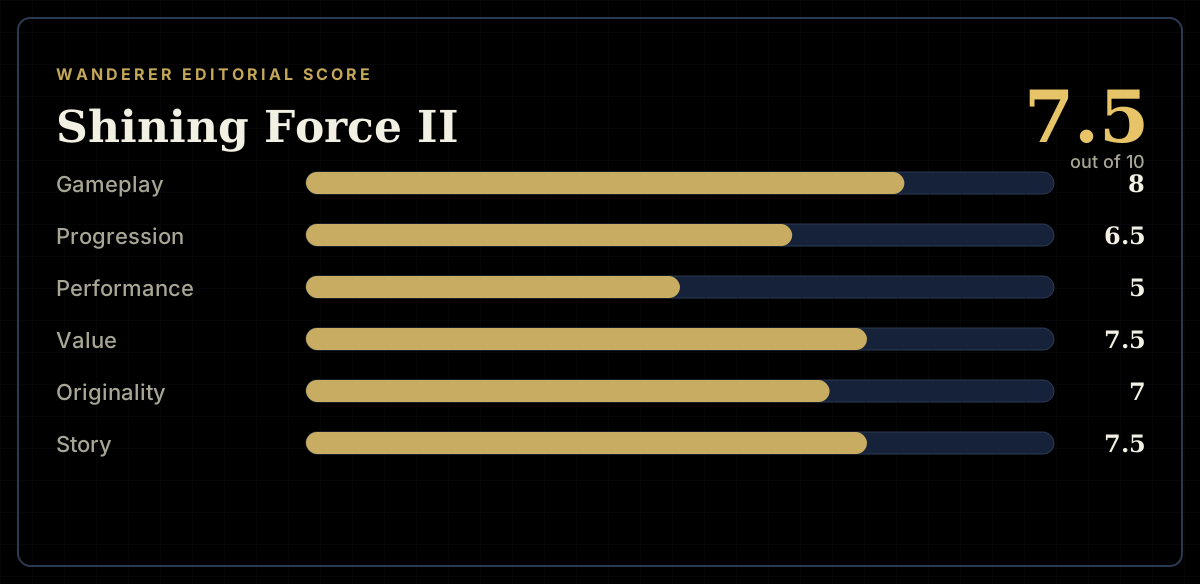
7.5 / 10
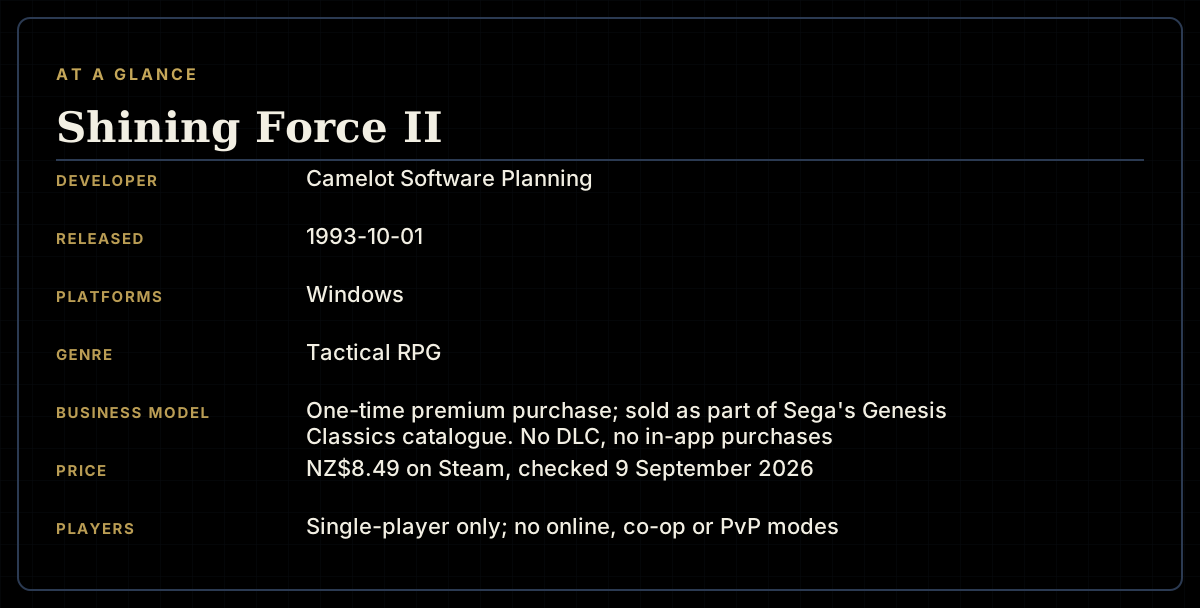
- Developer
- Camelot Software Planning
- Publisher
- SEGA
- Released
- 1 October 1993
- Platforms
- Windows
- Genre
- Tactical RPG
- Monetisation
- One-time premium purchase; sold as part of Sega's Genesis Classics catalogue. No DLC, no in-app purchases
- Players
- Single-player only; no online, co-op or PvP modes
The short version
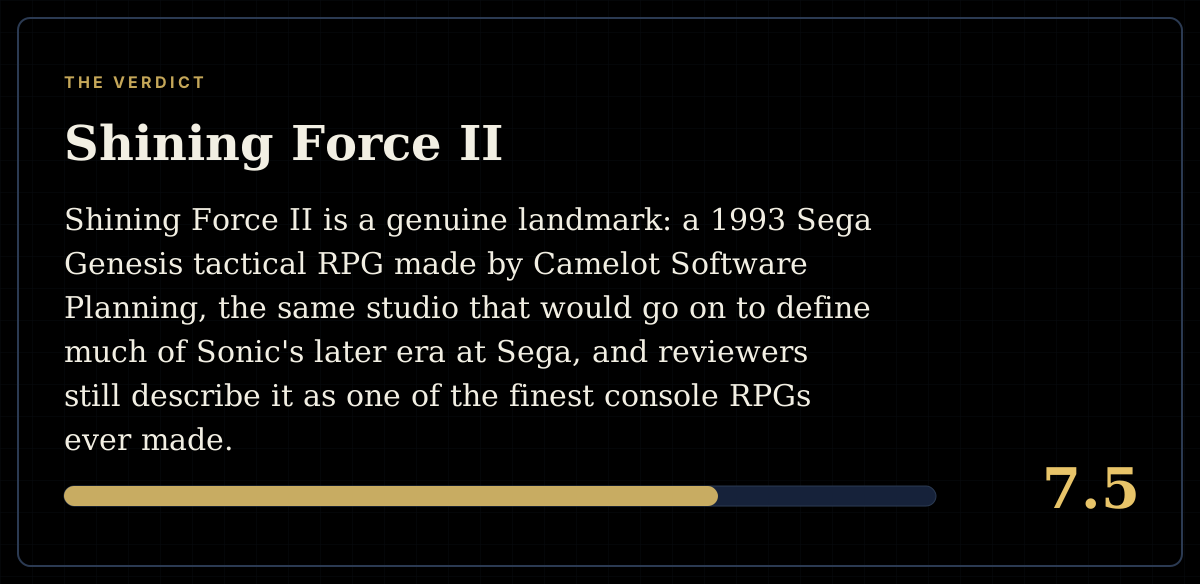
Shining Force II is a genuine landmark: a 1993 Sega Genesis tactical RPG made by Camelot Software Planning, the same studio that would go on to define much of Sonic's later era at Sega, and reviewers still describe it as one of the finest console RPGs ever made. A detailed, technically literate review lays out exactly what improved over the original Shining Force — smarter shops, automatic inventory overflow between party members, faster battle pacing — and credits the game's full-map random encounters with keeping the pacing tight rather than padded.
The same detailed review is just as precise about this specific Steam release's real shortcomings: it's sold as emulated Genesis Classics content with two separate launcher options, one of which has a specific, reported crash bug, and a genuine risk of silently breaking saves if a player mixes the emulator's own save states with the game's in-game saves. A separate, specific regional difference is also flagged — the Western version disabled the ability to search treasure chests mid-battle, a real content change from the original Japanese release.
Biggest strengths
- Widely regarded as one of the best console RPGs of its era, with reviewers consistently calling it a genre landmark that still holds up
- Real, specific engine improvements over the original Shining Force: smarter equipment shops that show who can use an item, automatic inventory overflow to other party members, and a faster, more responsive battle pace
- Deep, well-regarded worldbuilding and lore that expands meaningfully on the first game's setting, recommended by at least one reviewer as the best entry point into the wider Shining series
Biggest weaknesses
- This Steam release is sold as emulated Genesis Classics content with two separate launcher options; one offers more features but reportedly lags for many players, while the more stable option has a specific, reported crash bug that occurs on a second visit to the main menu
- A detailed reviewer describes a genuine risk of silently broken saves if a player mixes the emulator's own save states with the game's in-game saving system, recommending players commit to one method and never cross between them
- A specific, checkable regional content difference: the Western release disabled the ability to search treasure chests during battle encounters, a genuine content change from the original Japanese version reviewers say removed access to some items and ambush events
Who it's for: Tactical RPG fans and Genesis-era retro gamers who want one of the genre's genuine classics. Less suited to players who need a modern, polished port free of emulation-specific quirks, or who aren't willing to read a manual for an old-school game with minimal in-game guidance.
Our recommendation: An essential purchase for tactical RPG fans and retro gamers — just read the digital manual first, stick to one save method consistently, and know which launcher option actually works reliably for you.
7.5 / 10
Before Camelot Software Planning became best known for its long run co-developing Sonic titles alongside Sega, the studio built its reputation on Shining Force II, a 1993 Genesis tactical RPG that reviewers still describe in unqualified terms decades later: "one of the best games of the Genesis era," as one puts it, praising "solid mechanics, art, and music." This Steam release sells that same game as part of Sega's Genesis Classics catalogue, and the small but detailed review sample available makes clear both why the reputation holds up and where this specific version shows its age.
A genuine sequel improvement, explained in detail
The most valuable review in this sample is written by someone who clearly knows the series' mechanical history in depth, tracing Shining Force II back through two earlier Game Gear entries before crediting this specific game with real, concrete engine improvements: shops now clearly indicate which characters can equip a given item, a hero's inventory automatically overflows to other party members rather than blocking pickups, and a contextual interaction button removes menu friction during exploration. "It will be hard to come back to SF1 after this," the same reviewer concludes. A separate reviewer adds useful structural context: unlike typical JRPGs with frequent, small random encounters, this game's random battles unfold across the full tactical map, so the encounter rate is kept deliberately rare — a specific design choice that keeps pacing tight rather than padding the campaign with repetitive fights.
Real lore and a strong recommendation as a series starting point
Beyond mechanics, reviewers credit the game's worldbuilding specifically. One detailed review notes Shining Force II "tells a bit more lore of the World of Runes compared to SF1," giving a clearer picture of the setting's three demon lords and its wider history, and specifically recommends this entry as "a great starter point" for anyone wanting to explore the Shining series' lore before trying other entries — useful, practical guidance for newcomers deciding where to begin with an old, multi-entry franchise.
Real, specific problems with this particular release
Where this review earns its caution isn't the underlying game but the specific way it's sold on Steam. As emulated Genesis Classics content, the release offers two separate launcher options — one with more features that reportedly lags for many players, and a simpler alternative that lacks online and Workshop support but is otherwise more stable, except for one specific, reported bug: it crashes on a second visit to the main menu, meaning players need to fully quit the game after saving rather than returning to the menu to save again later in the same session. More seriously, the same detailed reviewer describes a genuine risk of silently broken saves if a player mixes the emulator's own save-state system with the game's in-game saving — recommending players commit to one method exclusively rather than switching between them mid-playthrough. Sound emulation is described as merely functional rather than a faithful recreation of the original hardware's audio.
A specific, checkable content difference from the original release
One more detail worth flagging directly: the same detailed reviewer notes the Western release of Shining Force II disabled the ability to search treasure chests during battle encounters, a deliberate change from the original Japanese version that removed access to some items and ambush events. It's described as "nothing important" overall, but it's a specific, checkable content difference worth knowing about for anyone comparing this version against accounts of the original Japanese release or older fan translations.
Difficulty tiers, and no achievement data to check them against
The game offers four difficulty settings, and the same detailed reviewer who covered the launcher and save issues also did the legwork of comparing them directly: enemy AI behaves almost identically across all four, but the top "Super" difficulty gives enemies a flat +25% bonus to their attack stat, making that single number the real lever behind the harder settings rather than any change in enemy tactics or positioning. That's a useful, concrete data point for anyone choosing a difficulty going in, since it means the choice is really about damage math rather than a smarter opponent. Steam's own achievement statistics would normally offer an independent way to check how that difficulty curve plays out across the wider playerbase, but this release has no achievement schema at all — querying it directly returns an empty result — so unlike several other older titles in this catalogue, there's no completion-rate data available to corroborate or complicate the reviewer's account here. That absence is worth stating plainly rather than glossing over.
Who actually made it, and a quiet piece of Sega history
Steam's own store listing credits "SEGA" as both developer and publisher, with no mention of Camelot Software Planning in the platform's metadata itself — worth flagging directly, since it's Camelot's well-documented, independently verifiable development work that gives this specific release its historical significance. The studio's Shining Force II was made years before Camelot became closely associated with Sega's Sonic titles, or before Camelot's founders' earlier work on the Genesis-era RPG scene more broadly, and the detailed reviewer in this sample name-checks that lineage directly when explaining why the game holds up as more than a nostalgia piece. It's a small but useful reminder that a platform's own developer credit doesn't always tell the full story of who actually built a game, particularly for a catalogue release this old.
Where it lands
Shining Force II earns its landmark reputation honestly — genuine mechanical refinement over its predecessor, meaningful lore expansion, and pacing choices that still read as thoughtful more than three decades later. The specific, detailed technical concerns with this particular Steam release — launcher instability, a real save-corruption risk, and a documented regional content change — are concrete enough to take seriously rather than dismiss as ordinary old-game jank, and following the detailed advice available (pick one save method, use the more stable launcher, read the manual first) goes a long way toward avoiding them. For tactical RPG fans and retro gamers alike, this remains close to essential.
Pros and cons
Pros
- Widely regarded as one of the best console RPGs of its era, with reviewers consistently calling it a genre landmark that still holds up
- Real, specific engine improvements over the original Shining Force: smarter equipment shops that show who can use an item, automatic inventory overflow to other party members, and a faster, more responsive battle pace
- Deep, well-regarded worldbuilding and lore that expands meaningfully on the first game's setting, recommended by at least one reviewer as the best entry point into the wider Shining series
- Full-map random encounters kept intentionally rare rather than small, frequent skirmishes, a specific design choice reviewers credit with keeping the pacing tight
- Extremely cheap for a genuine, historically significant classic, with reviewers consistently saying the price is a non-issue relative to the quality on offer
Cons
- This Steam release is sold as emulated Genesis Classics content with two separate launcher options; one offers more features but reportedly lags for many players, while the more stable option has a specific, reported crash bug that occurs on a second visit to the main menu
- A detailed reviewer describes a genuine risk of silently broken saves if a player mixes the emulator's own save states with the game's in-game saving system, recommending players commit to one method and never cross between them
- A specific, checkable regional content difference: the Western release disabled the ability to search treasure chests during battle encounters, a genuine content change from the original Japanese version reviewers say removed access to some items and ambush events
- Sound emulation is described as merely functional rather than accurate to the original hardware
- As an old-school 16-bit RPG, in-game guidance is minimal, with at least one reviewer specifically recommending new players read the included digital manual before starting
Screenshots
-
Shining Force IIImage: SEGA via Steam -
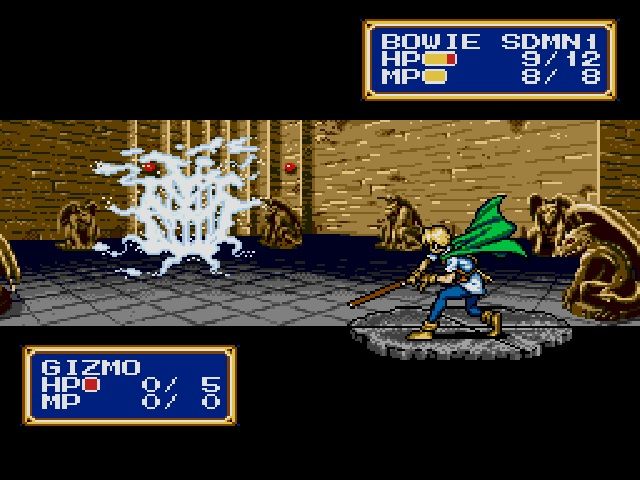
Shining Force IIImage: SEGA via Steam -
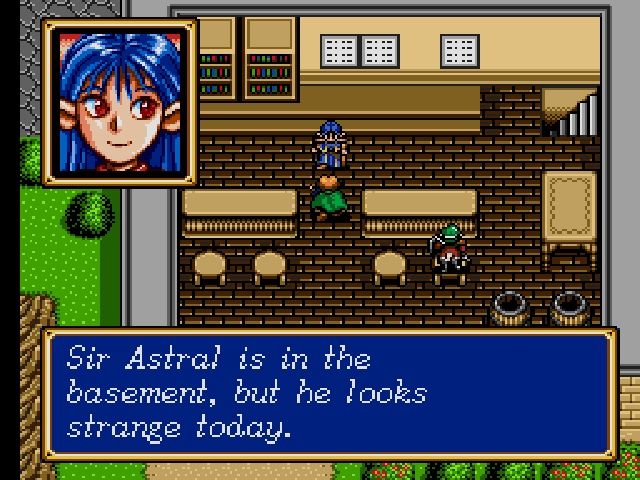
Shining Force IIImage: SEGA via Steam -
How the review scores each part of the gameWanderer Editorial -
The specsWanderer Editorial -
The short versionWanderer Editorial