
Game review
False Skies
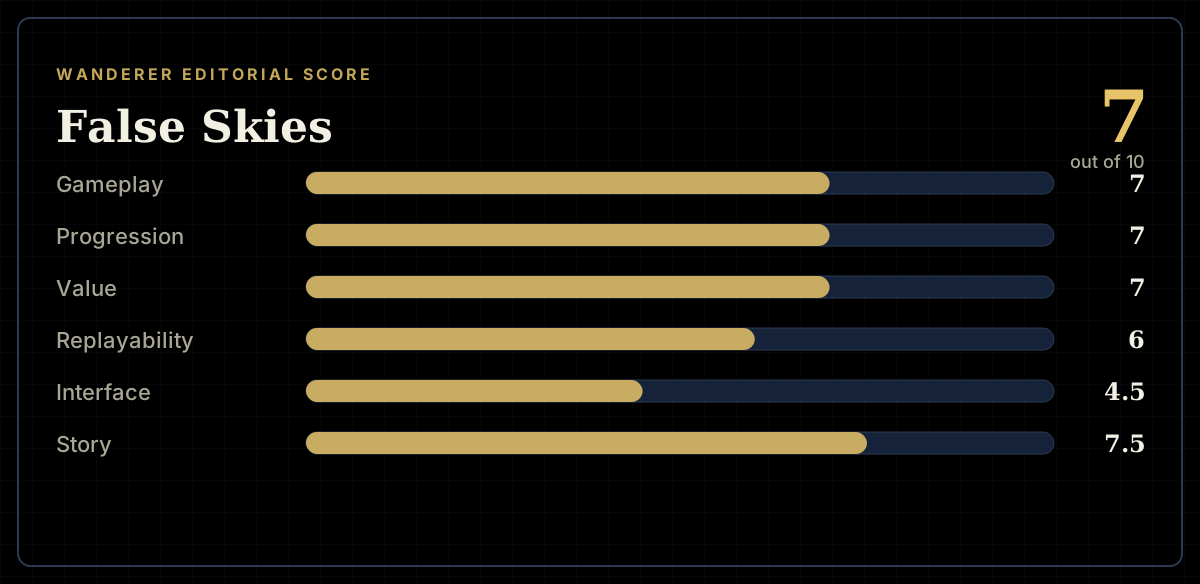
7 / 10
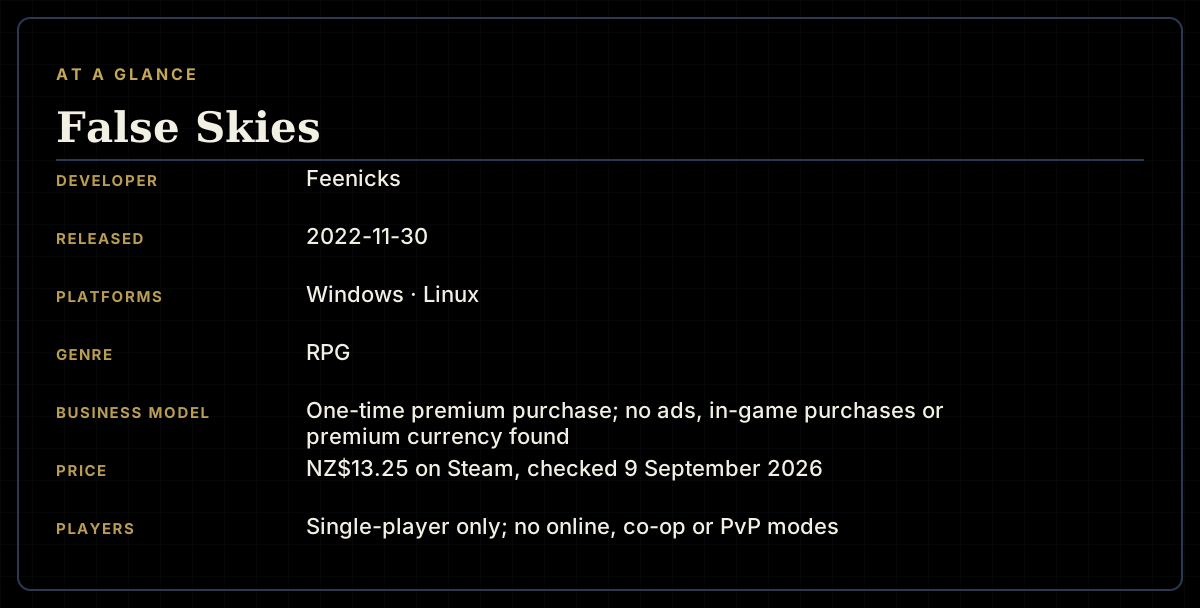
- Developer
- Feenicks
- Publisher
- Feenicks
- Released
- 30 November 2022
- Platforms
- Windows, Linux
- Genre
- RPG
- Monetisation
- One-time premium purchase; no ads, in-game purchases or premium currency found
- Players
- Single-player only; no online, co-op or PvP modes
The short version
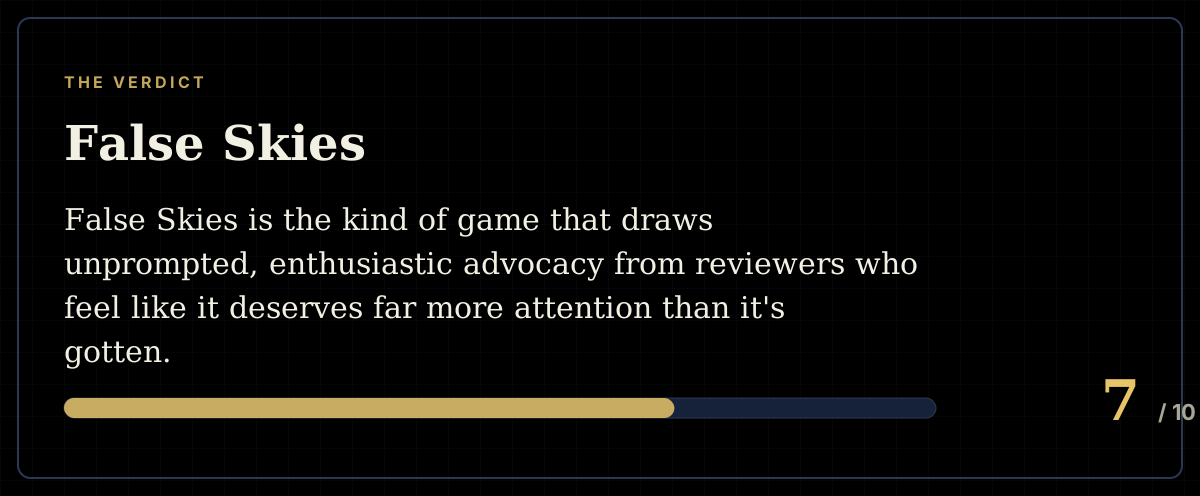
False Skies is the kind of game that draws unprompted, enthusiastic advocacy from reviewers who feel like it deserves far more attention than it's gotten. A solo-developed, Game Boy Color-styled JRPG structured like Dragon Quest III — a brief tour of the world before you're set loose to explore 40 to 60 hours of dungeons, towns and a genuinely deep class-stacking system — it earns real, specific praise from reviewers who don't hand out "one of the best I've played this year" lightly. The worldbuilding and class design are ambitious enough that more than one review specifically drops the usual "for an indie" qualifier entirely.
What holds a meaningful share of players back is pacing and interface. Several detailed reviews describe extensive backtracking across a large, sprawling map, vague objective guidance that leaves players unsure where to go next, and late-game difficulty spikes that punish careful, thorough players almost as much as reckless ones. The game is built on OHRRPGCE, an older freeware RPG-construction engine, which explains both its genuine old-school charm and real limitations reviewers raise independently: no control remapping, and no meaningful graphics or resolution options beyond toggling fullscreen.
Biggest strengths
- A deep, genuinely rewarding class-stacking system that reviewers repeatedly cite as the game's standout mechanical strength, with real build variety across a full playthrough
- Ambitious, well-realised worldbuilding and story from a solo developer that multiple reviewers say holds up without needing an "impressive for an indie" qualifier
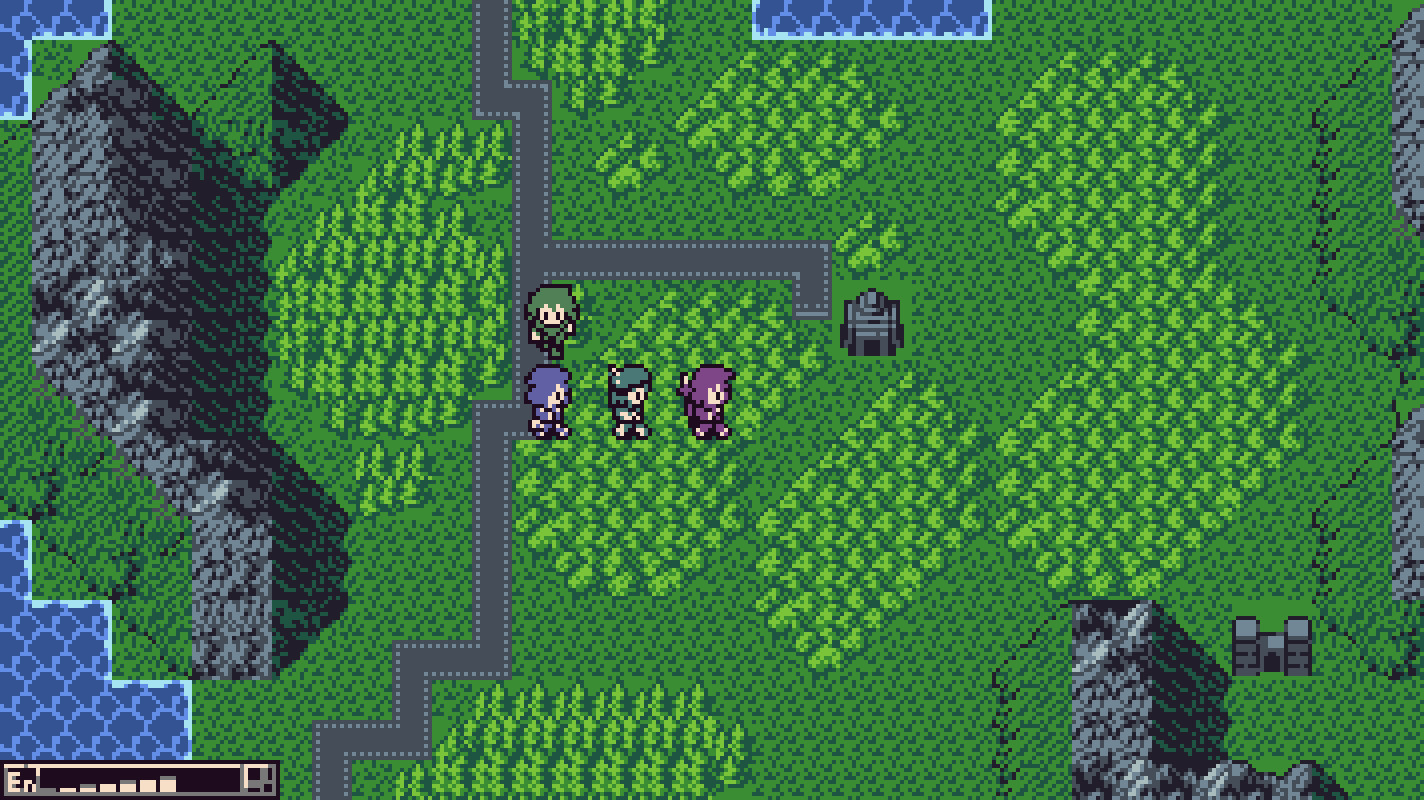
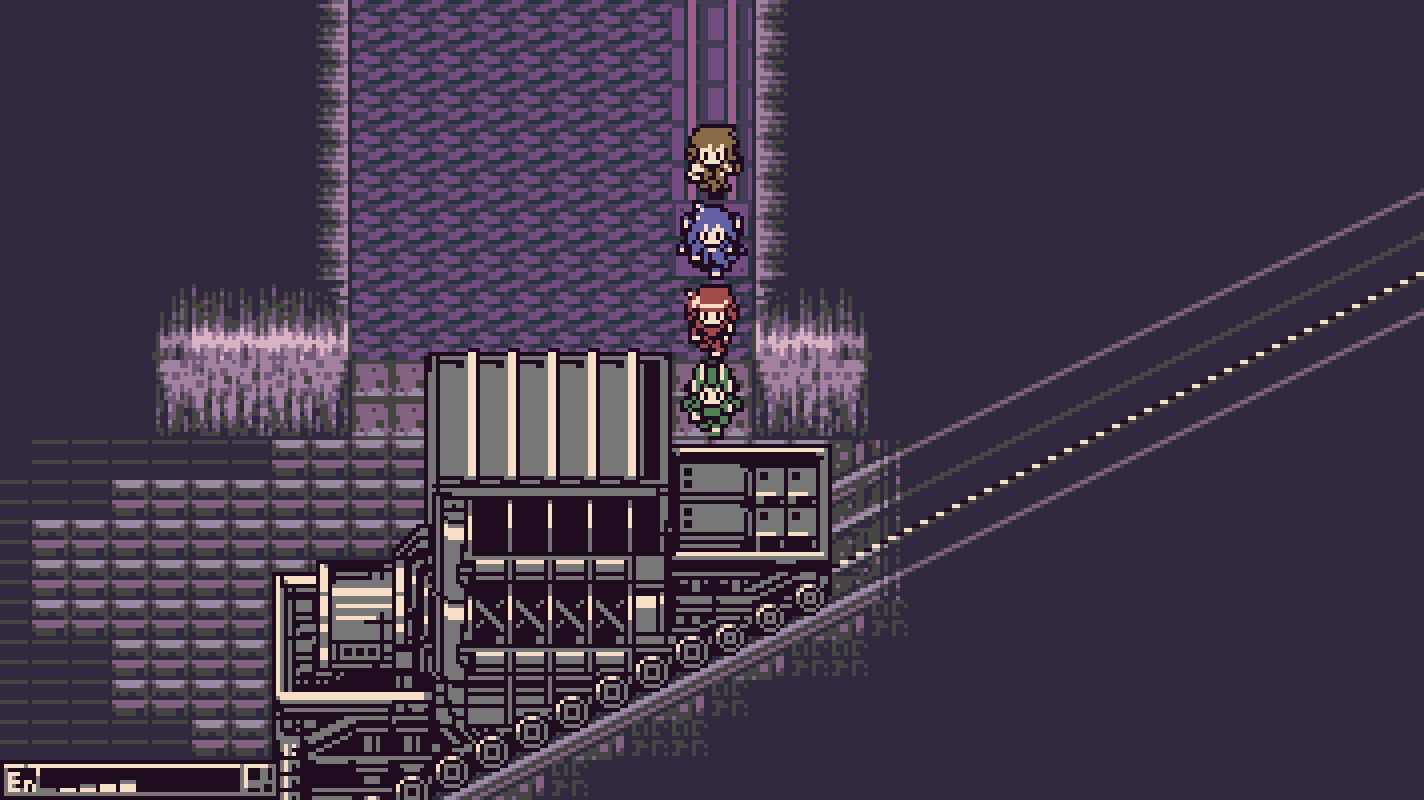
- A convincing, consistent Game Boy Color aesthetic with genuinely catchy music
Biggest weaknesses
- Multiple detailed reviews describe extensive backtracking across a large map, sometimes sending players to already-visited locations only to be redirected elsewhere, a pattern one reviewer dubs "RPG whiplash"
- Objective guidance is criticised as vague enough that reviewers say the game is too obscure to find walkthroughs or community help for when stuck
- Built on the OHRRPGCE freeware engine, which brings real, reviewer-documented limitations: no control remapping (keyboard-only, arrow keys plus spacebar/enter/ctrl) and no meaningful graphics or resolution settings beyond a fullscreen toggle
Who it's for: Fans of classic Dragon Quest-style JRPGs who want genuine depth and are willing to tolerate real backtracking and some interface roughness for a long, substantive single-player campaign. Less suited to players who need clear objective markers or want to finish an RPG in under twenty hours.
Our recommendation: A genuinely excellent value pick for classic-JRPG fans specifically, but know before buying that the back half asks real patience of the player, and the controls won't be customisable to your preference.
7 / 10
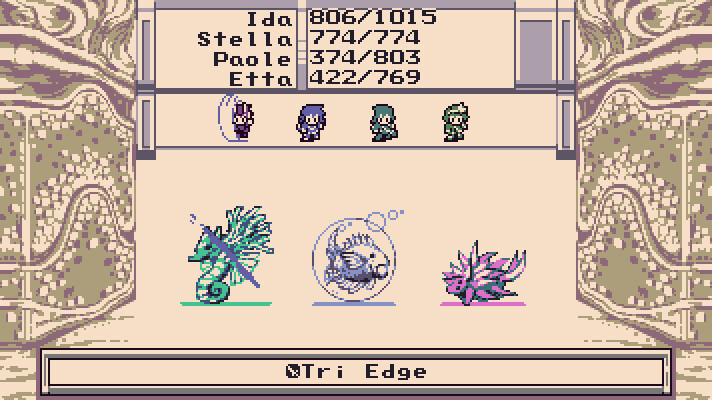
False Skies opens the way Dragon Quest III does: a brief guided tour of its world and systems, then you're set loose from an inn to chart your own path across dozens of towns and dungeons. What follows, according to reviewers who've put real time into it, is a genuinely ambitious 40-to-60 hour JRPG built by a single developer, with a class-stacking system deep enough that more than one reviewer specifically drops the usual "impressive for an indie" qualifier and just calls it one of the best RPGs they played that year. That's a strong claim, and this review's research into the review base backs it up as a real, repeated sentiment rather than an outlier.
A class system and world worth the advocacy
The praise for False Skies is specific rather than generic. Reviewers single out the class-stacking system — mixing and layering character classes for real build variety — as the standout mechanical strength, and more than one describes the worldbuilding and story as genuinely ambitious for a solo project, engaging even while acknowledging it isn't groundbreaking by genre standards. The Game Boy Color-styled presentation is consistently called convincing rather than merely nostalgic, and the soundtrack draws specific, repeated praise — one reviewer's only complaint about the music is that it's hard to find outside the game itself. Several reviewers say the difficulty curve, when played thoroughly, felt fair rather than grindy, crediting dungeon design that rewards full exploration with enough resources to avoid needing to farm encounters separately.
Where the pacing loses people
Set against that praise is a real, specific structural complaint: backtracking. Multiple detailed reviews describe long walks to a distant location only to be redirected somewhere else, sometimes repeatedly, with one reviewer naming it "RPG whiplash syndrome" directly. A related complaint is about direction — several reviewers say the game doesn't clearly signal what to do next across its many towns and dungeons, and because the game is genuinely obscure, there's no community walkthrough or FAQ to fall back on when stuck, unlike better-known genre entries. Difficulty spikes compound the frustration for some: reviewers describe specific fights where enemies can counter-attack multiple times per round, hit for a large share of a party's health in one attack, and where fleeing a battle is only possible after every enemy has already acted that round. Steam's own achievement data is consistent with a real drop-off from this combination — only around 6.5% of players ever reach the game's first ending, a steep decline from the roughly 80% who complete an early milestone.
An engine that explains its own limits
False Skies is built on OHRRPGCE, an older freeware engine for constructing retro-styled RPGs, and that choice explains a lot about the game's specific character — both its genuine old-school charm and the interface limitations reviewers independently converge on. There's no way to remap controls, which stay fixed to arrow keys plus spacebar, enter and control; and graphics options don't extend meaningfully past choosing fullscreen or a large, non-resizable window. One reviewer specifically warns players sensitive to visual jitter during movement to be cautious, comparing the game unfavourably on this specific point to other retro-styled RPGs built on more modern engines. None of this is presented by reviewers as evidence of neglect — the developer's own patch history shows meticulous, ongoing attention to smaller issues — but it is a real, structural ceiling the engine choice puts on how much polish the interface can ever receive.
A developer who kept coming back
Whatever the interface limitations, False Skies' support record is genuinely impressive for a solo project. Ten separate rounds of documented fixes and small balance changes span from December 2022 through August 2025 — nearly three years — addressing specific, granular issues: fixed encounter placements, corrected class abbreviations, closed exploits that let players repeat certain fights indefinitely, and even minor spelling corrections in dialogue text. That's the kind of patch cadence that suggests a developer still actively playing and refining their own game years after release, a meaningfully different picture than several other small RPGs this fleet has reviewed this session.
Under-discovered before, and still now
One recurring thread across reviews is a kind of frustrated advocacy — reviewers who feel the game simply hasn't found the audience its quality deserves. One of the earliest, most detailed reviews on the Steam page opens by explaining the reviewer doesn't usually bother reviewing well-received games, but felt compelled to make an exception here specifically because False Skies had only two other reviews at the time and wasn't getting the attention they thought it warranted; that same reviewer mentions having already completed the game once before on itch.io, where it was originally available, before buying it again on Steam. That pattern — genre fans discovering the game, loving it, and specifically trying to boost its visibility rather than just leaving a rating — recurs often enough across the review base to be worth naming as its own small phenomenon, distinct from ordinary positive word of mouth.
Where it lands
False Skies earns the enthusiastic advocacy its reviewers give it: a genuinely deep class system, a convincing aesthetic, and an ambitious, well-realised world built by one person and refined for years afterward. Real backtracking-heavy pacing, vague direction, and engine-inherited interface limits are documented, specific costs rather than nitpicks, and they're serious enough that a meaningful share of players don't finish the game. A seven reflects genuine, substantial quality that asks real patience of the player in return.
Pros and cons
Pros
- A deep, genuinely rewarding class-stacking system that reviewers repeatedly cite as the game's standout mechanical strength, with real build variety across a full playthrough
- Ambitious, well-realised worldbuilding and story from a solo developer that multiple reviewers say holds up without needing an "impressive for an indie" qualifier
- A convincing, consistent Game Boy Color aesthetic with genuinely catchy music
- 40 to 60 hours of content that reviewers say isn't padded out with mindless grinding, at a price several specifically call an excellent value for the amount delivered
- A meticulous, multi-year patch record — ten separate rounds of bug fixes and small balance changes stretching from December 2022 through August 2025 — showing real, sustained attention from a solo developer well past launch
Cons
- Multiple detailed reviews describe extensive backtracking across a large map, sometimes sending players to already-visited locations only to be redirected elsewhere, a pattern one reviewer dubs "RPG whiplash"
- Objective guidance is criticised as vague enough that reviewers say the game is too obscure to find walkthroughs or community help for when stuck
- Built on the OHRRPGCE freeware engine, which brings real, reviewer-documented limitations: no control remapping (keyboard-only, arrow keys plus spacebar/enter/ctrl) and no meaningful graphics or resolution settings beyond a fullscreen toggle
- Several reviewers report sharp, specific difficulty spikes in places, including enemies capable of multiple counter-attacks per round and fights where fleeing is only possible after every enemy has already acted
- Steam's own achievement data shows only around 6.5% of players ever reach the game's first ending, consistent with reviewers who say the game's length and pacing cause a real share of players to give up before finishing
Screenshots
-
False SkiesImage: Feenicks via Steam -
False SkiesImage: Feenicks via Steam -
False SkiesImage: Feenicks via Steam -
How the review scores each part of the gameWanderer Editorial -
The specsWanderer Editorial -
The short versionWanderer Editorial