
Game review
Critternauts
7 / 10
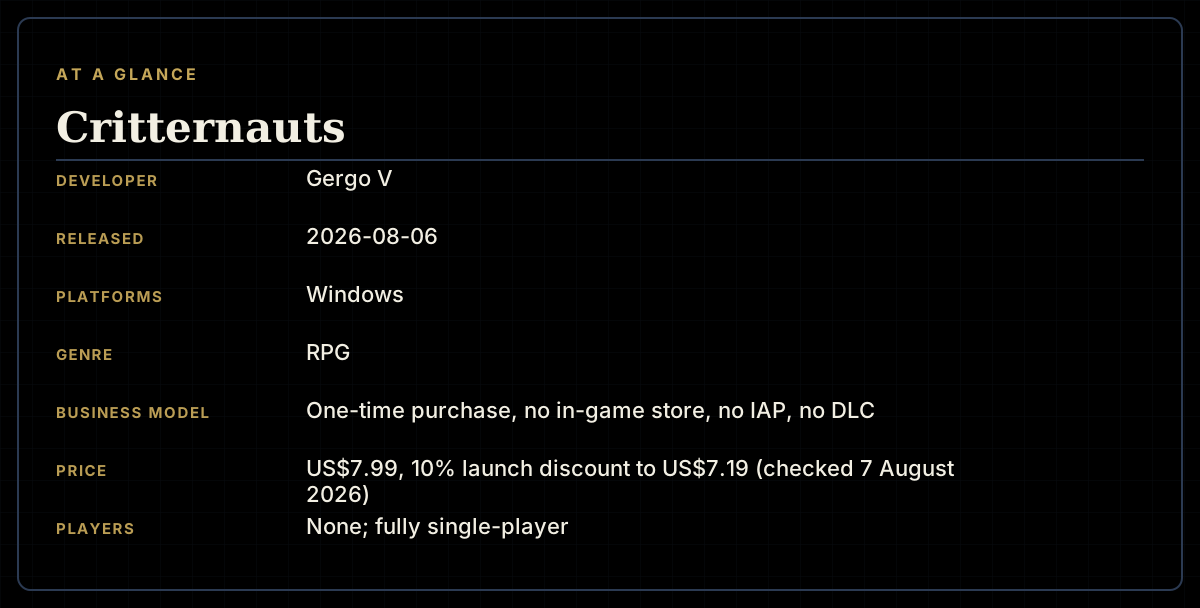
- Developer
- Gergo V
- Publisher
- Gergo V
- Released
- 6 August 2026
- Platforms
- Windows
- Genre
- RPG
- Monetisation
- One-time purchase, no in-game store, no IAP, no DLC
- Players
- None; fully single-player
The short version
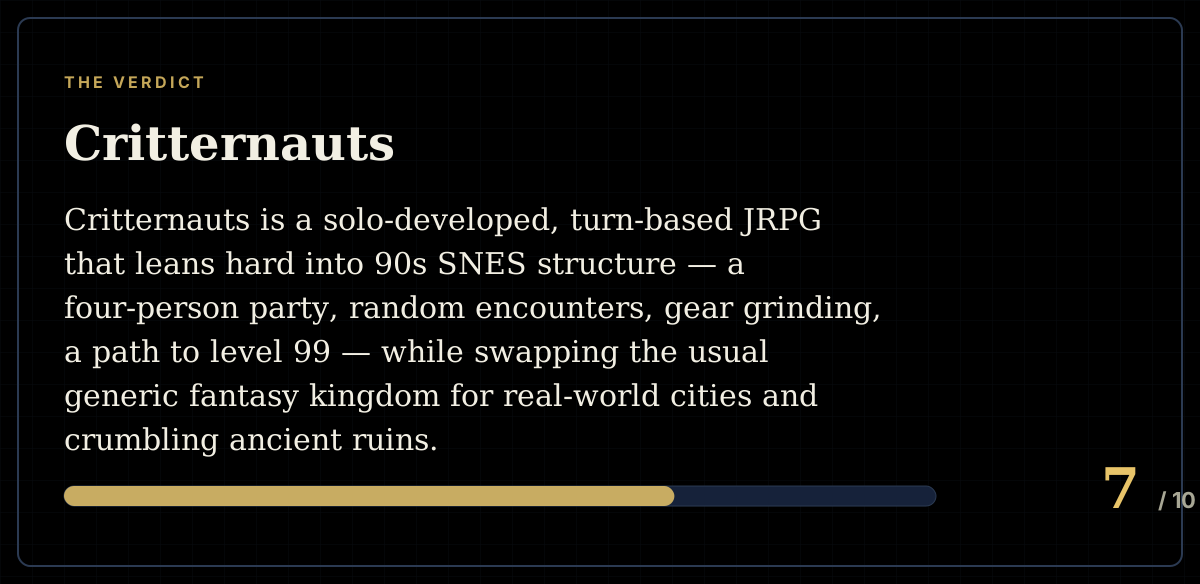
Critternauts is a solo-developed, turn-based JRPG that leans hard into 90s SNES structure — a four-person party, random encounters, gear grinding, a path to level 99 — while swapping the usual generic fantasy kingdom for real-world cities and crumbling ancient ruins. This review is written on the game's actual launch day, and the honest thing to report first is that its public review corpus is currently empty: zero Steam user reviews, zero community discussion threads, no press coverage found. That is not a gap in this review's research; it is the current state of the game's reception, because there hasn't been time for one to form yet.
What follows is an assessment of what the developer has actually built and documented — a public free demo that predates the full release by nearly three months, a detailed pre-launch FAQ, and a Steam page whose stated scope (15 major zones, 50-plus side quests, a metroidvania-style traversal-unlock loop, three rival factions chasing the same mystery) is unusually specific for a first release from a single developer.
Biggest strengths
- A free, standalone demo has existed since 16 May 2026, covering the real opening mission rather than a stripped-down teaser, so the purchase decision doesn't have to be made blind
- Unusually specific scope for a solo project on record: 15 major zones, over 50 side quests including character-specific arcs, hundreds of skills, weapons, armour and accessories, and a level cap of 99
- A genuinely distinctive hook for the genre — modern real-world cities (Tokyo, London) and ancient ruins (Greece, Egypt) standing in for the usual invented fantasy map, with three rival factions racing the party to the same secret
Biggest weaknesses
- No public verdict exists yet. Zero Steam user reviews, zero community discussion threads, and no press coverage were found at the time of this review, so nothing here about bugs, balance, difficulty tuning or how the promised 15-20 hours actually plays has been independently confirmed
- Windows only, with no Mac or Linux support and no controller category listed on the store page — worth checking directly before assuming couch or Steam Deck play is comfortable
- English is the only supported language on the store listing, which will shut out a chunk of the international audience this genre usually draws
Who it's for: JRPG fans who grew up on SNES-era party-based combat and don't mind a real-world modern setting instead of generic fantasy, and who are comfortable buying into a solo developer's first release before any outside reception exists to lean on.
Our recommendation: Play the free demo first — it has existed since May and covers the game's actual opening mission, so there is no need to buy blind. The underlying design is sound and the price is low, but this review cannot yet tell you how it holds up over 15-20 hours, because nobody's review corpus can, on launch day.
7 / 10
Most launch-day reviews lean on early reception to do half the work — a review-bombing wave, a viral bug, a chorus of "this feels just like X." Critternauts, a turn-based JRPG built by a single developer under the name Gergo V, launched on Steam on 6 August 2026, and as of this writing its entire public review corpus is nothing. Zero Steam user reviews. Zero community discussion threads. No press coverage this review could locate anywhere. That's not this review failing to find reception — it's the honest state of a game that has existed as a purchasable product for less than a day. So this is a different kind of review: an assessment of what's actually been built and documented, written plainly about what can and can't be known yet.
A familiar shape with one real twist
Strip away the setting and Critternauts is built from recognisable parts: a party of four, turn-based combat, random encounters, a levelling curve that runs all the way to 99, and gear you find and equip across weapons, armour and accessories. That's the SNES-era JRPG template, deliberately — the developer's own pre-launch posts describe wanting to "capture that specific feeling of 90s SNES classics" from the earliest dev diary in March 2026.
The twist is where it's set. Instead of an invented fantasy kingdom, the party's global journey runs through modern, real-world locations — Tokyo, London — and crumbling ancient ruins in Greece and Egypt, with the story built around uncovering what connects "dangerous critters" to old myths hiding under a contemporary surface. It's a smaller structural swing than it sounds, since the combat underneath is still classic turn-based JRPG mechanics, but it's a genuinely different flavour for a genre that defaults to invented geography almost without exception, and it gives the four-party premise a hook that doesn't rely on the combat system alone to stand out.
Backtracking with a mechanical reason to exist
The more interesting design decision, on paper, is the traversal layer stacked on top of that classic structure. Major bosses — described in the store listing as "critters" — teach the party new skills on defeat, and those skills double as keys back into earlier zones: areas that were blocked on a first pass become reachable once you've earned the ability that opens them. That's a metroidvania borrow, and it's a smart one for this genre specifically, because it gives backtracking an actual mechanical justification instead of asking players to revisit old zones purely because a sidequest marker showed up there. Whether the pacing of those unlocks is well judged — too sparse and it reads as padding, too generous and the "previously unreachable" framing stops meaning anything — is exactly the kind of thing that needs real playtime and a real audience to settle, and neither exists yet for this game.
Scope that's unusually specific for a first release
Solo developers describing their own game's scope tend toward vague, aspirational language. The Critternauts store page doesn't: 15 major zones with "hundreds of locations," a stated 15-20 hour main story with "significantly more" for players chasing everything, over 50 side quests including character-specific arcs tied to individual party members' backstories, and hundreds of discrete skills, items, weapons, armour and accessories to track down. Twenty-nine Steam achievements are built in, and the earliest ones are marked hidden — a small but deliberate choice that suggests some thought went into not spoiling story beats through the achievement list itself, which is more care than plenty of far larger releases bother with.
None of that scope is independently verified by outside play yet. It's what's documented, stated plainly by the person who built it, and it's specific enough — figures, not just adjectives — to be worth taking at face value rather than dismissing as marketing. The gap between "documented scope" and "confirmed, well-paced 15-20 hours" is precisely the gap this review can't close on day one, and it would be dishonest to pretend otherwise.
The part every review of this game has to be honest about
This review checked everywhere a review corpus for a game like this would normally exist: Steam's own review API returns zero results for both the full release and its standalone demo. The game's Steam discussions forum shows zero active topics. A general web search turns up nothing beyond the store page itself. That's not unusual for a brand-new solo release on its actual launch date — it's simply too early for a playerbase large enough to generate any of that yet.
What that means practically: nothing here can speak to bugs, difficulty balance, whether the "15-20 hours" estimate holds up in practice, or how stable the game is on a range of hardware. The developer's own most recent pre-launch post, dated 2 August 2026, describes still "meticulously hunting down bugs, balancing battles, gear and spells" days before release — an honest, ordinary thing for a solo developer to say before launch, and also a plain signal that some rough edges on day one wouldn't be surprising. Anyone buying at launch should go in expecting the normal shape of a small indie release: a real chance of early patches, and no crowd-sourced verdict yet to lean on.
Value, and a way to check before buying
On the numbers alone, this is a low-risk purchase: US$7.99 (currently US$7.19 at a 10% launch discount) for a stated 15-20 hour campaign, one-time purchase, no in-game store, no DLC, no subscription. Whatever's in the box on 6 August 2026 is the whole game.
More importantly, there's a genuinely useful way to sidestep the entire "no reviews yet" problem: a free, standalone demo has been publicly available since 16 May 2026 — not a stripped-down slice, but the game's actual opening mission, played through shortly after its prologue. That demo has sat untouched by any Steam review activity either, which says less about its quality than about how few people have found this game yet, but it does mean anyone curious doesn't need to take the store page's word for how the combat and exploration actually feel. That's the single best piece of advice this review can give: play the demo before deciding, because it removes the exact uncertainty a launch-day review can't close on its own.
Final verdict
Critternauts is a solidly conceived, unusually well-documented JRPG from a single developer, built on a recognisable SNES-style foundation with a real point of difference in its real-world setting and a metroidvania-flavoured backtracking loop that gives its exploration actual purpose. The price is low, the scope is specific rather than vague, and a genuine free demo has existed for months rather than being thrown together for launch week.
What keeps this from a higher score isn't anything specific the game does wrong — it's that nothing here has been tested against an actual audience yet. No bug reports, no balance complaints, no praise, no backlash: the review corpus this genre normally leans on for a second opinion simply doesn't exist on day one. That's not a mark against the design itself, but it is a real gap this review won't paper over with invented confidence.
Worth trying, with the demo doing the risk-reduction that a launch-day review can't do alone. Players who want that same feeling of a hand-built world worth exploring at your own pace, backed by progression systems designed to reward patience rather than punish curiosity, may also want to look at Wanderer.
Pros and cons
Pros
- A free, standalone demo has existed since 16 May 2026, covering the real opening mission rather than a stripped-down teaser, so the purchase decision doesn't have to be made blind
- Unusually specific scope for a solo project on record: 15 major zones, over 50 side quests including character-specific arcs, hundreds of skills, weapons, armour and accessories, and a level cap of 99
- A genuinely distinctive hook for the genre — modern real-world cities (Tokyo, London) and ancient ruins (Greece, Egypt) standing in for the usual invented fantasy map, with three rival factions racing the party to the same secret
- A metroidvania-style traversal loop layered onto classic JRPG structure: boss-taught skills open previously blocked areas, giving backtracking a mechanical reason to exist rather than padding playtime
- Aggressively priced at US$7.99 (US$7.19 at launch) for a stated 15-20 hour campaign, with no IAP, no DLC and no storefront extras of any kind — whatever you get is the whole game
Cons
- No public verdict exists yet. Zero Steam user reviews, zero community discussion threads, and no press coverage were found at the time of this review, so nothing here about bugs, balance, difficulty tuning or how the promised 15-20 hours actually plays has been independently confirmed
- Windows only, with no Mac or Linux support and no controller category listed on the store page — worth checking directly before assuming couch or Steam Deck play is comfortable
- English is the only supported language on the store listing, which will shut out a chunk of the international audience this genre usually draws
- A one-person team means post-launch bug fixing and balance passes depend entirely on one developer's bandwidth; the pre-launch FAQ mentions ongoing "bug hunting" and last-minute balance work, which is honest but also means launch-day rough edges are plausible
- Mechanically conservative at its core — a four-party, turn-based, random-encounter JRPG is a known shape, and the real-world setting is what's new here rather than the combat system itself
Screenshots
-
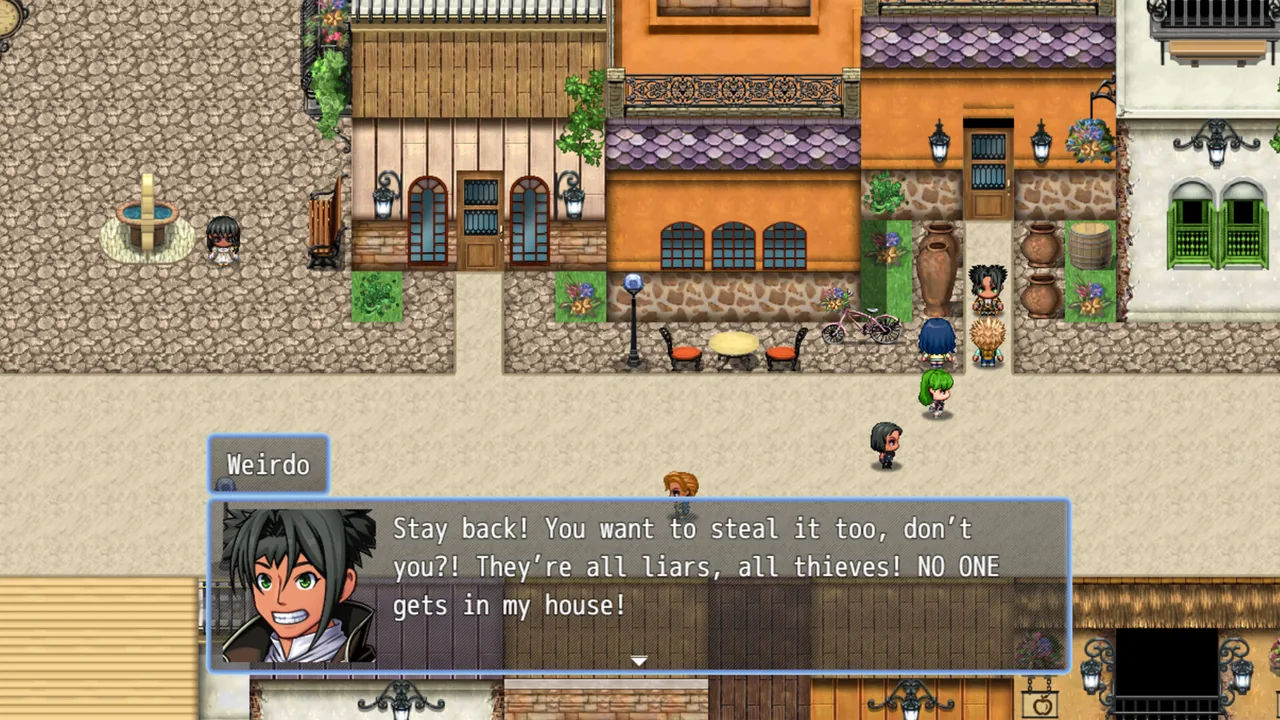
CritternautsImage: Gergo V via Steam -
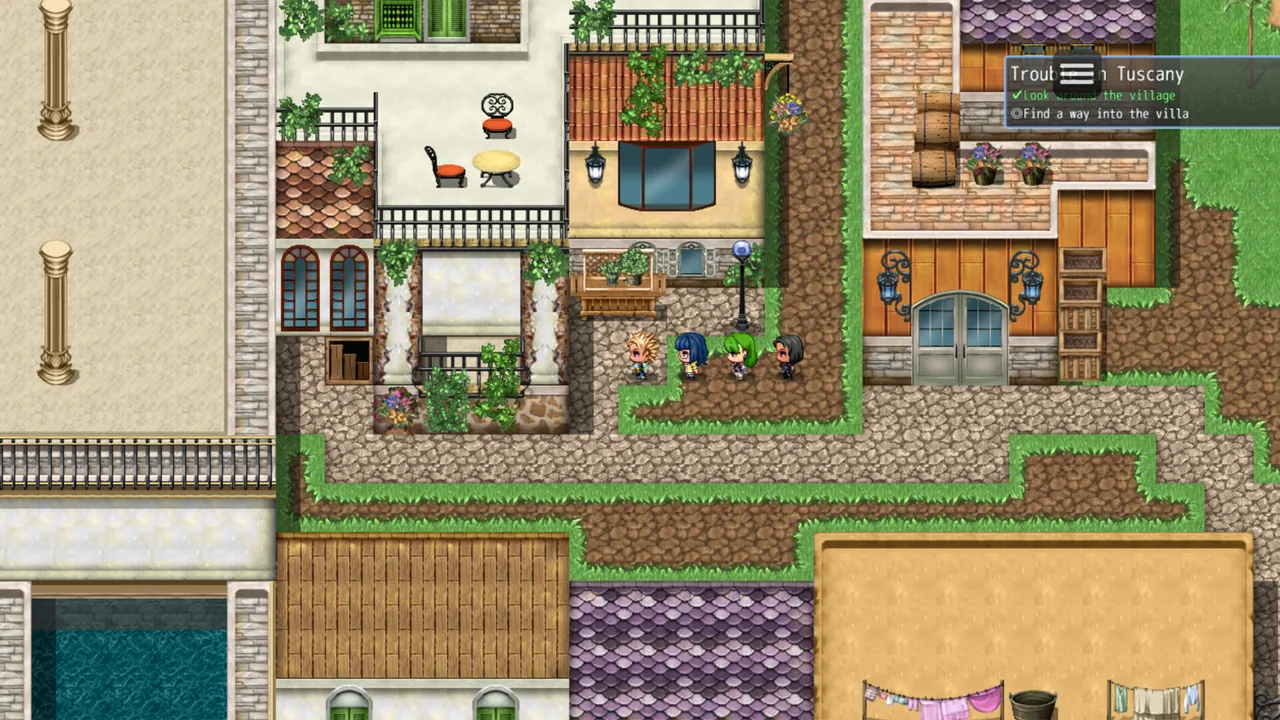
CritternautsImage: Gergo V via Steam -
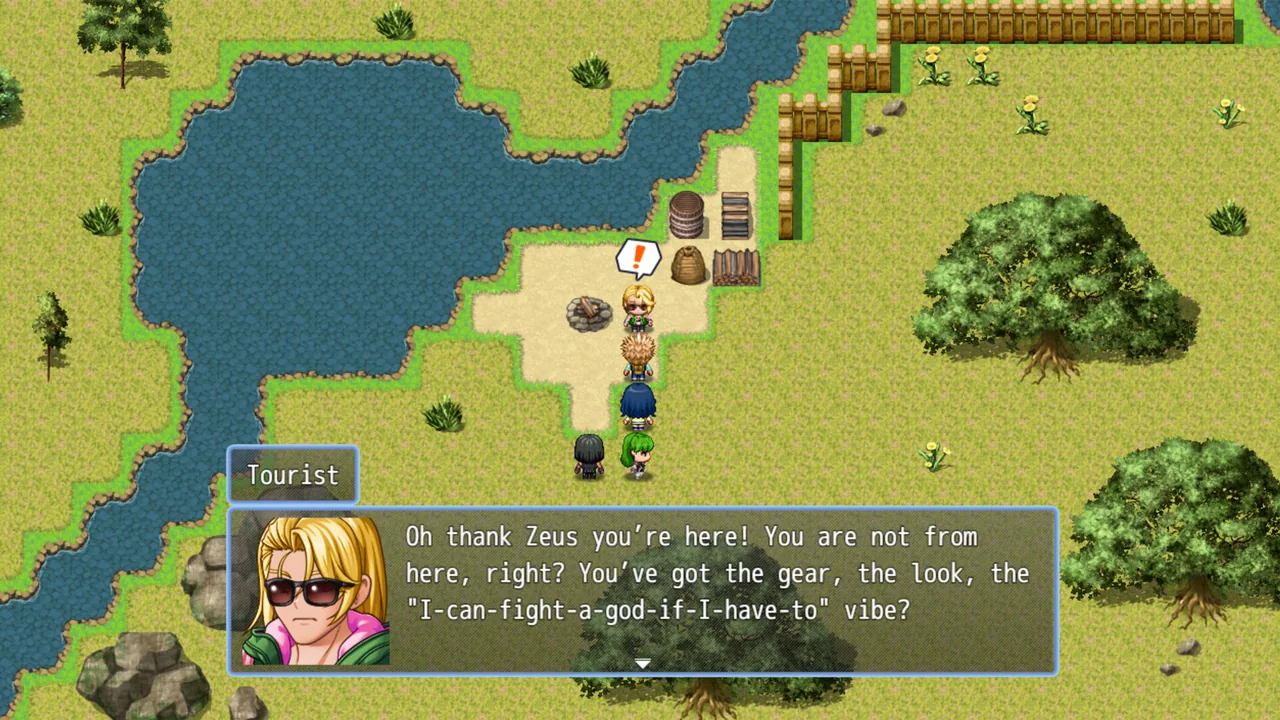
CritternautsImage: Gergo V via Steam -
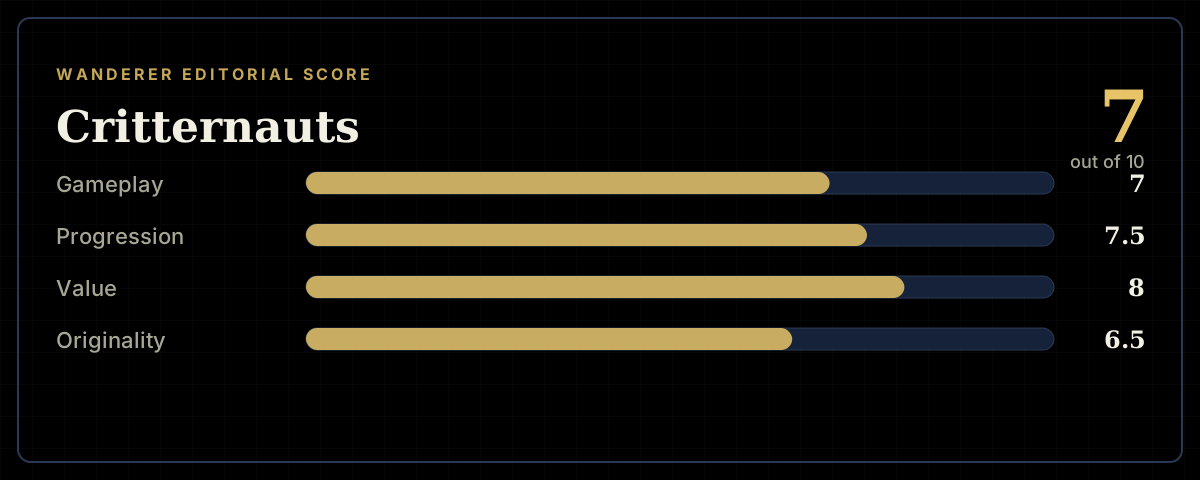
How the review scores each part of the gameWanderer Editorial -
The game at a glanceWanderer Editorial -
The short versionWanderer Editorial