Game review
Shell of the Coward
6 / 10
- Developer
- Jacquey Arthur
- Publisher
- Jacquey Arthur
- Released
- 3 August 2026
- Platforms
- Windows
- Genre
- Turn-Based Roguelike RPG
- Monetisation
- One-time purchase, no in-game store
- Players
- Single-player only
The short version
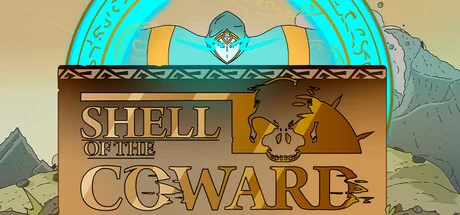
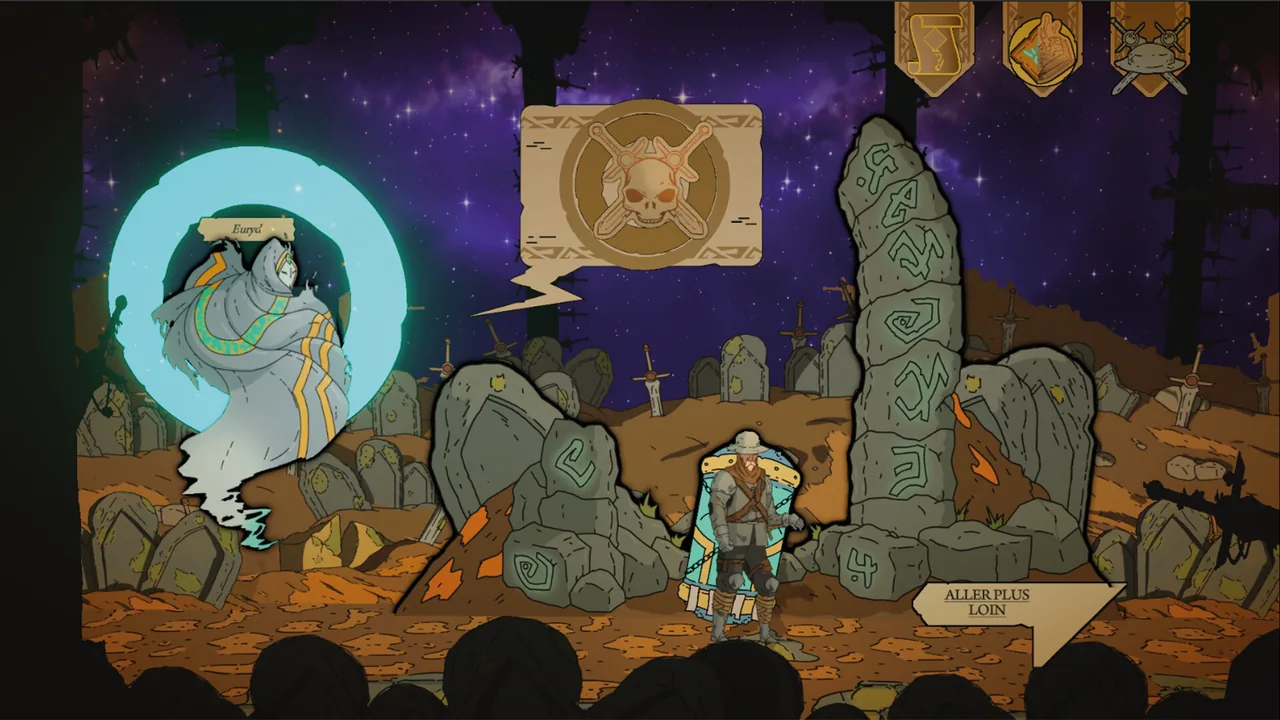
Shell of the Coward is a turn-based roguelike RPG developed and self-published by solo developer Jacquey Arthur, released on Steam on 3 August 2026 for NZ$15.75. It sends the player through a side-scrolling dungeon escorting a spirit called the Anathema under the "Curse of Return" — a rule where moving backward fills a curse gauge and raises the run's difficulty, forcing every retreat to be a deliberate, costly decision rather than a free reset. Nine days after launch it has no meaningful Steam review corpus to draw on — the storefront reports zero reviews at the time of writing — so this review reads the game through its own store page, its hand-drawn comic-book presentation, its class and rune systems, and the small amount of outside press coverage that exists, rather than through player sentiment that simply hasn't accumulated yet.
Biggest strengths
- The curse-gauge retreat penalty is a genuinely uncommon hook for the genre — it turns a normally cost-free decision (backing off from a bad fight) into a resource players must actively manage
- Hand-drawn 2D comic-book art gives the game a distinct visual identity at a budget price point, the kind of presentation choice that usually costs more than NZ$15.75 buys
- A reasonably deep class and rune-upgrade structure for a solo-developed release, with over a dozen unlockable classes visible in the game's own achievement list
Biggest weaknesses
- Released with essentially no player review base to verify any of its claims against — this is a read of the design on paper, not a confirmed player consensus
- The game's own achievement data (a very small tracked population) shows most players unlocking only the earliest one or two classes and 0% completion on several advanced ones, consistent with a game that is either genuinely difficult or not yet holding attention long-term — the tiny sample size means neither can be confirmed
- No controller support is listed on the store page, unusual for a 2026 release and a real gap for players who prefer a pad for turn-based combat
Who it's for: Roguelike fans drawn to a genuinely novel core mechanic and willing to buy in before a community verdict exists; less suited to anyone who wants to check reviews first, since there currently aren't any to check.
Our recommendation: An intriguing, mechanically distinctive small-budget roguelike that is too new for anyone to have judged yet — the retreat-penalty hook is worth a look at this price, with the caveat that this reflects a design read rather than a verified community consensus.
6 / 10
Introduction
Shell of the Coward is a turn-based roguelike RPG from solo developer Jacquey Arthur, self-published on Steam on 3 August 2026 for NZ$15.75. Its premise is small and specific: the player has sworn to protect a spirit called the Anathema and must escort it through a dungeon under the weight of the "Curse of Return," never quite able to fully turn back from what lies ahead. Nine days into its release, the game's own storefront reports zero user reviews — a genuine market-adoption data point in itself for a paid release this far past launch — so this review works from the game's own description, screenshots and mechanics, and a small amount of outside press coverage, rather than from a player consensus that hasn't formed yet.
A retreat penalty that actually changes decisions
The one idea Shell of the Coward is built around is worth taking seriously on its own terms. In most turn-based dungeon crawlers, backing away from a bad fight costs nothing but a few extra turns — it is the safe, free option, and experienced players lean on it constantly. Here, moving backward fills a curse gauge that raises the difficulty of the rest of the run, which converts retreat from a free action into a resource decision with lasting consequences. That is a genuinely uncommon design choice for the genre, and it is the kind of single sharp idea that can carry a small, solo-developed release much further than its budget would otherwise suggest. Whether it holds up across a full run — whether the difficulty curve it produces feels fair rather than punishing, and whether players find ways to game it — is exactly the kind of question a review corpus normally answers and this one currently cannot.
Class structure and presentation
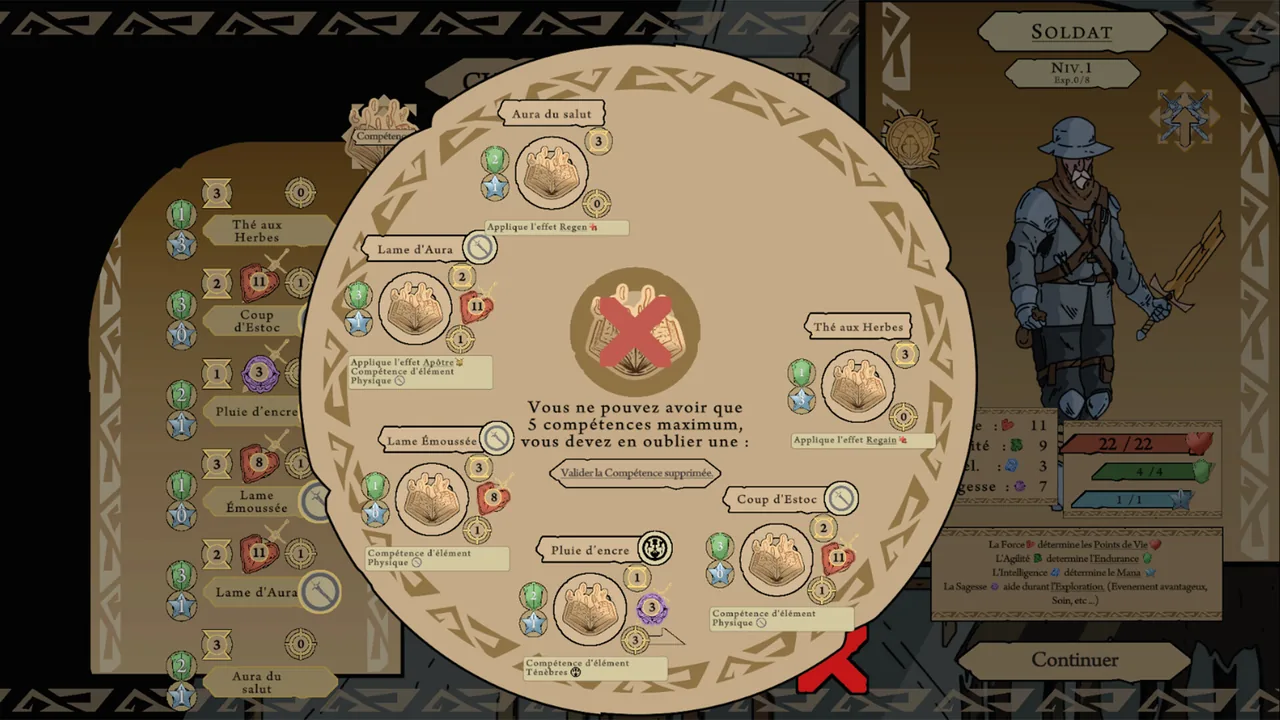
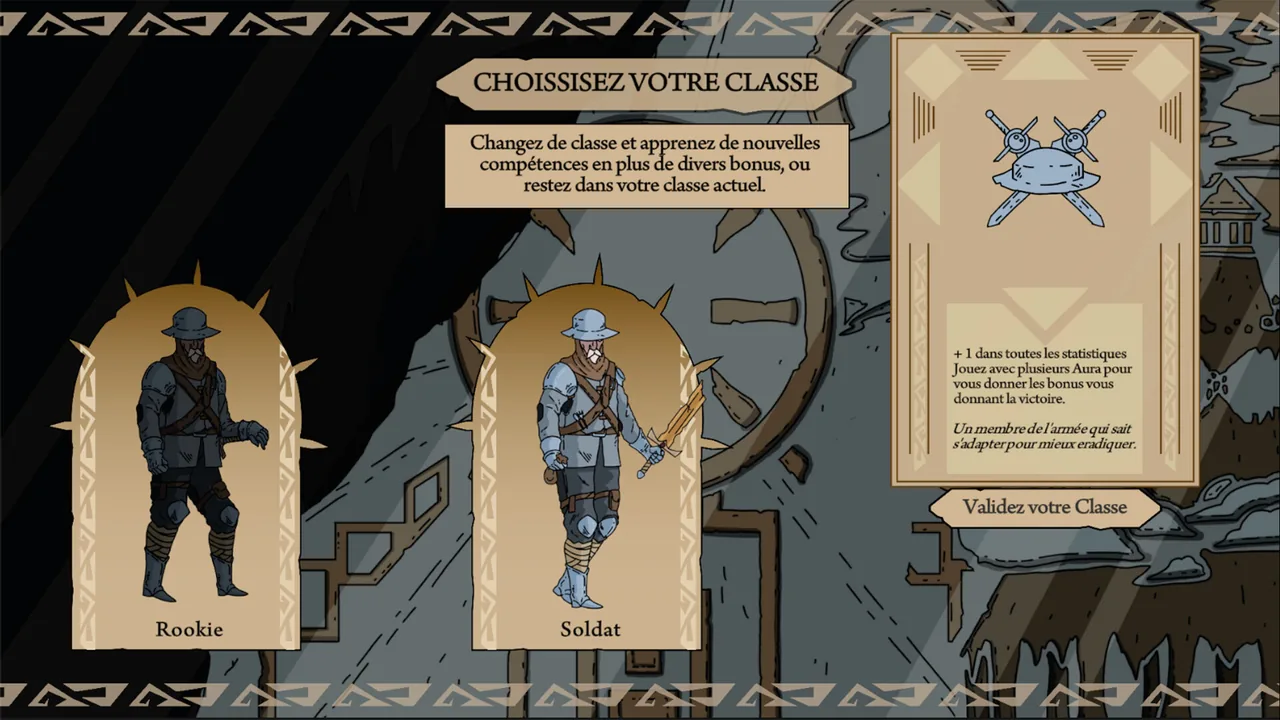
Underneath the curse mechanic sits a fairly conventional but reasonably deep roguelike skeleton: class selection, rune upgrades that modify how a run plays, and skills discovered during runs rather than chosen upfront. The game's own achievement list is a useful window into the shape of this system even without review data — it names well over a dozen distinct classes, from Lancer and Soldier through Shadow Druid, Paladin, Illusionist, Necromancer, Pestilence and Fairy Trainer, suggesting a genuine breadth of build variety for a one-person project. The hand-drawn, comic-book visual style is the other clear strength worth calling out on its own merits: it gives the game a distinct identity that doesn't read as a budget compromise, which matters more than usual at a NZ$15.75 price point where players reasonably expect some visual corner-cutting.
What the (very small) numbers can and can't tell us
Steam's global achievement data offers one more thread, and it needs to be read carefully rather than over-interpreted. The tracked population behind these percentages is small enough that individual players visibly move the numbers — Lancer and Soldier class unlocks sit around 61%, several other early unlocks cluster in the 15–40% range, and a run of advanced classes and Anathema variants sit at a flat 0%. Read generously, that's simply what a brand-new release with a handful of players looks like: most people have tried the accessible early options, nobody's gone deep yet. Read less generously, it could suggest the loop doesn't yet hold attention long enough for players to reach the later content. With a sample this small, this review can state the shape of the data honestly without pretending it resolves the question either way.
Final Verdict
Shell of the Coward has the one thing hardest to manufacture in a crowded genre — a genuinely different central mechanic — wrapped in art that gives it real visual character for its price. What it doesn't yet have is anyone else's word for whether the rest of the game supports that idea across a full playthrough: no meaningful review base, a tiny tracked player population, and only a single piece of outside press coverage exist to check this review's read against. That's not a knock on the design itself, which reads as thoughtful and specific rather than generic. It is a genuine reason for a cautious buyer to wait for a community verdict to form, and a genuine reason for a curious roguelike fan willing to take a small bet on an interesting idea to go in now, while it's still this new.
Pros and cons
Pros
- The curse-gauge retreat penalty is a genuinely uncommon hook for the genre — it turns a normally cost-free decision (backing off from a bad fight) into a resource players must actively manage
- Hand-drawn 2D comic-book art gives the game a distinct visual identity at a budget price point, the kind of presentation choice that usually costs more than NZ$15.75 buys
- A reasonably deep class and rune-upgrade structure for a solo-developed release, with over a dozen unlockable classes visible in the game's own achievement list
- 43 Steam achievements built around meaningful unlocks (classes, Anathema variants, boss rewards) rather than padding, giving the roguelike meta-progression a visible shape
Cons
- Released with essentially no player review base to verify any of its claims against — this is a read of the design on paper, not a confirmed player consensus
- The game's own achievement data (a very small tracked population) shows most players unlocking only the earliest one or two classes and 0% completion on several advanced ones, consistent with a game that is either genuinely difficult or not yet holding attention long-term — the tiny sample size means neither can be confirmed
- No controller support is listed on the store page, unusual for a 2026 release and a real gap for players who prefer a pad for turn-based combat
- A single-mechanic hook this central needs the rest of the game — combat variety, class balance, dungeon variety — to carry the middle and late game, and there isn't yet outside verification that it does
Screenshots
-
Shell of the CowardImage: Jacquey Arthur via Steam -
Shell of the CowardImage: Jacquey Arthur via Steam -
Shell of the CowardImage: Jacquey Arthur via Steam -
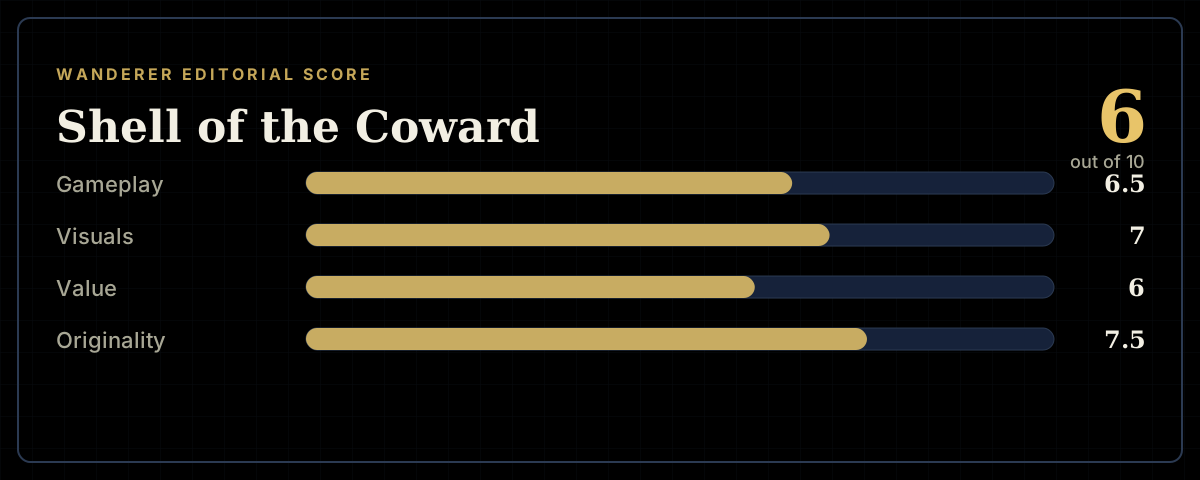
How the review scores each part of the gameWanderer Editorial -
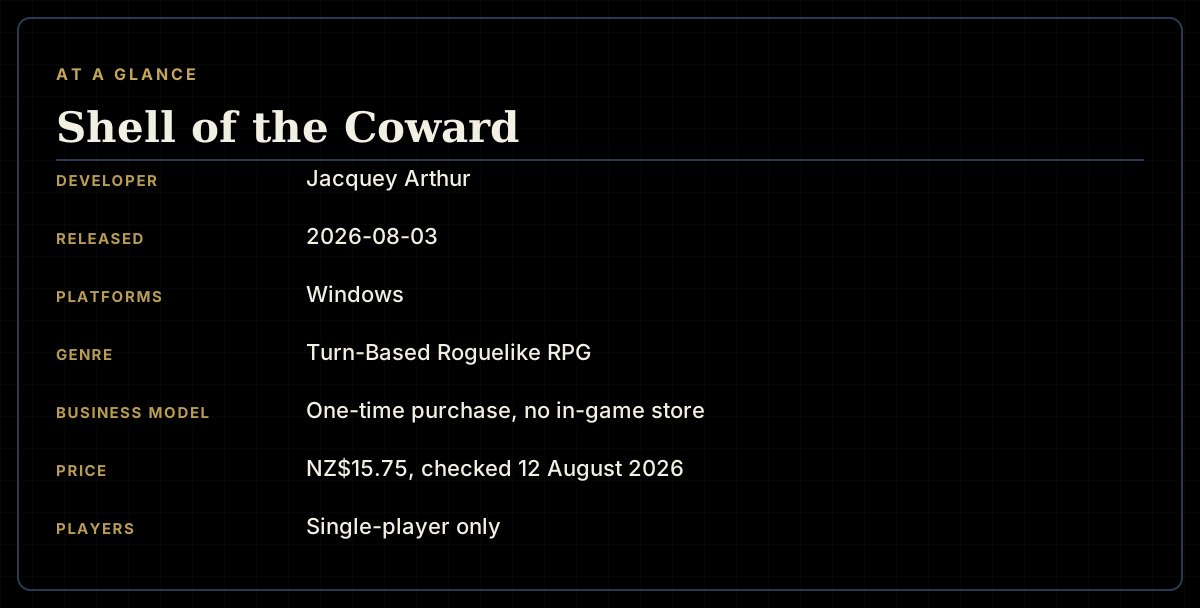
The essentials at a glanceWanderer Editorial -
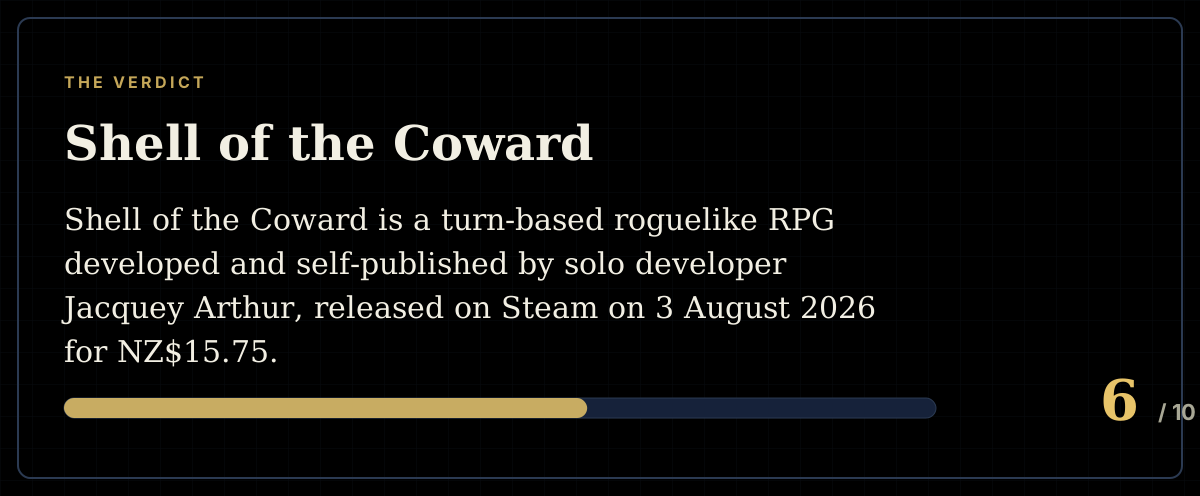
The short versionWanderer Editorial