
Game review
Sewer Crawler Review
6.1 / 10
- Developer
- Gromi Momi
- Publisher
- Gromi Momi
- Released
- 7 September 2026
- Platforms
- ["Windows"]
- Genre
- Strategy
A Solo Developer's Handcrafted Sewer-Themed Roguelike Auto-Battler
Sewer Crawler is a single-player roguelike auto-battler built entirely by one developer, Gromi Momi, who states outright on the store page that "every system, unit, and asset was handcrafted from scratch." The pitch: crawl through a grimy underground sewer system across six explorable levels per run, recruiting an army of distinct units, hunting for artifacts and equipment, and building team synergies through traits that combine in increasingly elaborate ways before each battle resolves automatically. It released on September 7, 2026 for $1.99, with five patches following in the first week — a modest, low-friction package from a developer clearly still actively iterating.
The sewer setting gives the game a scrappy, unglamorous identity that several reviewers specifically call out as more distinctive than the theme initially suggests, with slime enemies and underground vermin standing in for the usual fantasy-dungeon roster. Playtimes in the review sample range from roughly four to eight and a half hours, suggesting the run structure holds attention well past a single sitting even at its low asking price.
A Small But Unanimously Positive Review Pool
Sewer Crawler has drawn 10 total Steam reviews, all of them positive — a perfect record, if a modest sample size, with all 4 English-language reviews also unanimously recommending it. One reviewer frames the achievement in explicitly contemporary terms: "In the era of vibecoding to see someone doing it all from the scratch is impressive" — a direct, complimentary reference to the developer's own disclosed handcrafted, non-AI-assisted production process, as stated on the store page. The same reviewer praises the sewer theme's tone — "green, dark, not too scary" — and singles out the slime unit models specifically as well-realized.
Others echo the same throughline: solid mechanical depth wrapped in unpretentious presentation. "The teambuilding is fun, and there are a lot of different combos to try out, as well as various ways to shape your team," one reviewer writes, while another calls the mix of "exploring, gearing up and autobattle... really nice and makes it fun to play."
Deep Team-Synergy Building Carries the Experience
The core draw, according to every reviewer who engaged with it at length, is the team-construction layer: traits that create synergies across units, special items that buff individual fighters or the whole roster, and shop upgrades that let players lean further into a chosen build. One reviewer describes a particularly memorable moment discovering that a late run's final battle pits the player's army against a mirror of their own build: "Realizing that the last battle was against my own build, gave me quite a scare... That's an interesting game design." The same reviewer notes the penalty for losing a fight is genuinely harsh, adding real tension to run decisions, and describes hunting for a ninth unit to complete a necromancer-themed build focused on summoned skeletons.
Multiple reviewers independently confirm this depth holds up across repeat playthroughs, with traits, items, and unit combinations offering enough variety that "you can always try something else" even after a successful run. That necromancer build in particular draws specific praise: fielding a battlefield "full of summoned skeletons" by round's end is exactly the kind of emergent payoff that makes an auto-battler's synergy systems feel worth chasing, and it's the sort of build-defining moment that a $1.99 release rarely delivers this convincingly.
Tedious Exploration and Thin Onboarding Undercut the Battle Layer
The recurring complaint concerns the exploration segments between battles rather than the auto-battles themselves. "The exploration, on the other hand, becomes tedious very quickly. You'll walk slowly through the same few rooms, some of which are annoying maze-like structures, making passing through them feel like a slog," one reviewer writes, adding that "the movement controls aren't particularly great either, which kills the fun of platforming." Jumping puzzles draw similar criticism from a second reviewer who admits to "really sucking at the jumping puzzles" while still enjoying the overall loop.
Onboarding is another sore point: "the game explains very little, so prepare for some trial and error," with one reviewer specifically requesting that artifact and equipment descriptions be shown before a choice is locked in, rather than requiring players to learn item effects only after committing to them across many runs. That same reviewer's workaround — keeping personal notes on item effects between runs — says as much about the missing in-game documentation as any direct complaint could, and it's the kind of low-cost fix (a tooltip, essentially) that a five-patch first week suggests is well within reach for a developer already shipping fixes this fast.
Verdict
Sewer Crawler is a genuinely impressive one-developer effort — a synergy-rich auto-battler with real tactical depth, memorable design touches like a build-mirroring final boss, and a distinctive sewer setting that earns its own identity rather than coasting on generic dungeon trappings. Its exploration segments and unrefined movement controls are the clear weak point, turning traversal between fights into a slog that the tight battle systems don't quite make up for, and the game could stand to explain its own systems more clearly up front. At $1.99, though, it's an easy, low-risk recommendation for auto-battler and roguelike fans willing to push through some rough traversal for a well-built team-building core — and for a genuinely solo project with a handcrafted asset list and a developer already five patches deep into post-launch support, it's a promising foundation to keep an eye on as the rough edges get sanded down.
Screenshots
-
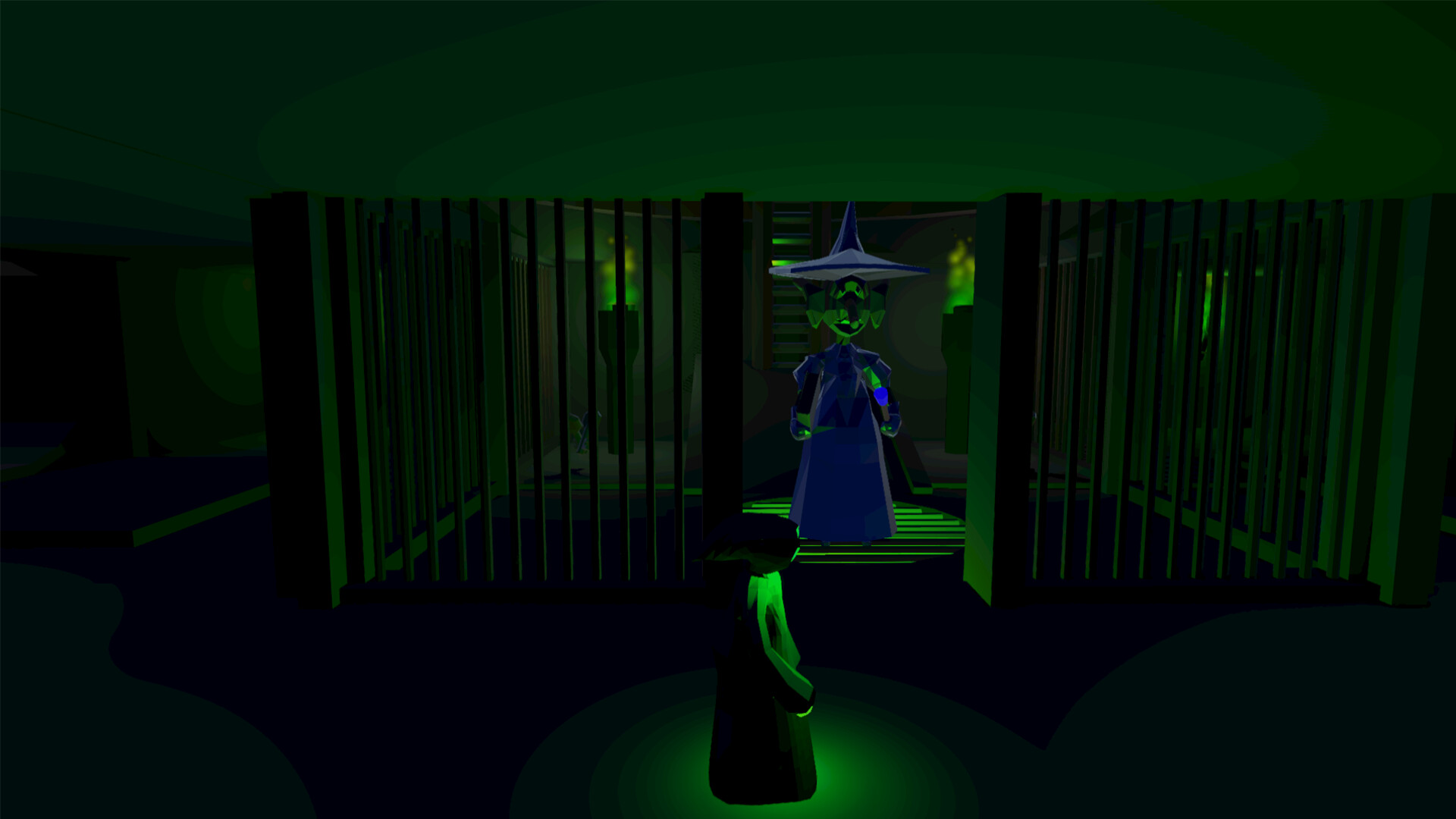
A wary encounter with a robed figure guarding a gated passage deep in the sewers.Image: Gromi Momi via Steam -
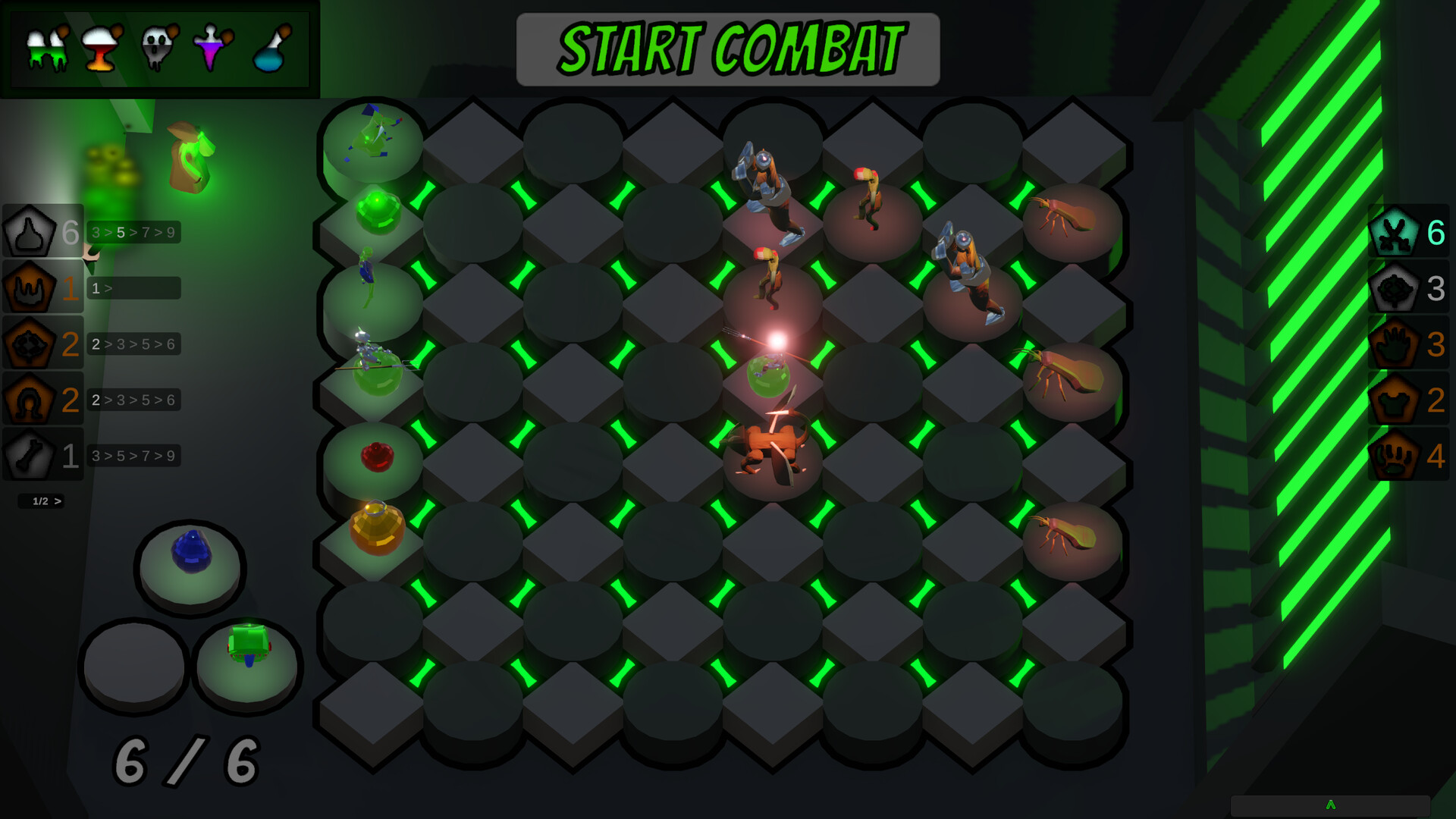
The auto-battle grid, with the player's slime-themed roster squared off against armored foes and vermin.Image: Gromi Momi via Steam -
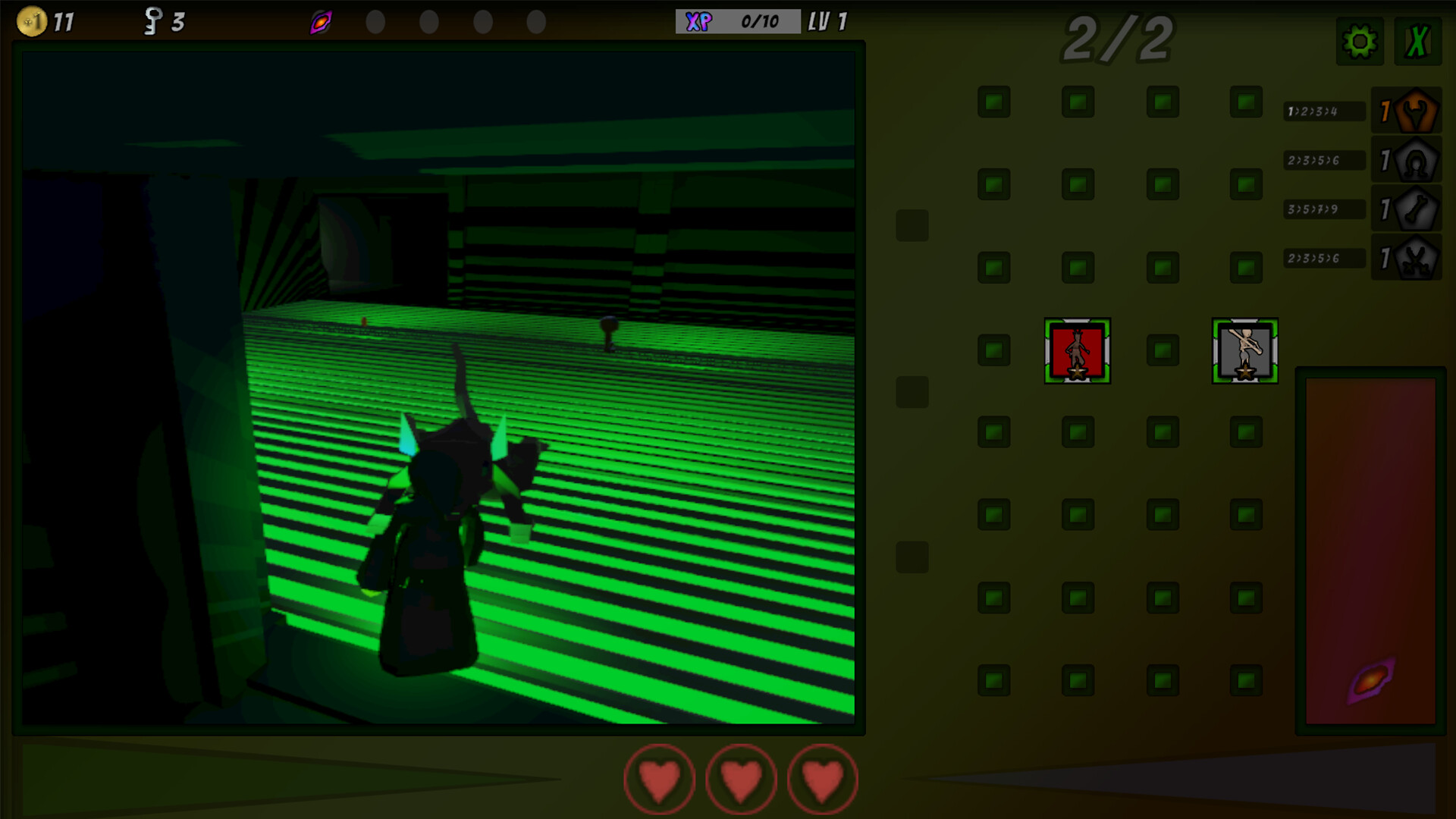
Exploring a sewer corridor with the team-synergy trait grid open, tracking gold, keys, and XP.Image: Gromi Momi via Steam