
Game review
Marsupilami 2 - Salsa Palombia Review
7.4 / 10
- Developer
- Ocellus Studio
- Publisher
- Microids
- Released
- 3 September 2026
- Platforms
- ["Windows"]
- Genre
- Platformer
A Sequel That Actually Listened to the First Game's Complaints
The original Marsupilami platformer landed as a charming but slight package — reviewers loved its Donkey Kong Country-inspired bounce and flow but routinely finished it in a handful of hours and wished for more. Salsa Palombia is Ocellus Studio's direct answer to that complaint, and it shows in nearly every design decision. The premise is pure Saturday-morning-cartoon nonsense in the best way: the Mummy Queen has returned from the Land of the Dead with a cursed melody that sends every animal in Palombia into uncontrollable dance, and it's up to the Marsupilamis — Franquin's famous long-tailed jungle creatures, originally a Spirou et Fantasio side character before headlining their own comics and cartoons — to track the source of the tune across four distinct worlds, from tangled jungle to a bustling city, before facing the Queen in a final showdown.
One reviewer who put over seven hours into the game frames the jump from the first title plainly: "The first Marsupilami game was great despite being ridiculously short and super easy... this one? Hoo boy, did the devs listen to the complaints." That reviewer clocked the main campaign at around five hours and full 100% completion closer to twelve, a meaningful step up from the three-and-a-half-hour clear time reported for the original. Length alone wouldn't matter if the extra content were padding, but the consensus across the review pool — a perfect 23-for-23 in English, 37 of 38 positive across all languages — is that the added time comes from genuinely denser, more varied level design rather than filler.
Three Marsupilamis, Three Distinct Movesets
The biggest structural change from the first game is how the three playable Marsupilami now differentiate themselves. Where the original largely treated its cast as skins on the same moveset, Salsa Palombia gives each character its own dedicated ability: the yellow Marsupilami can air-dash into a hovering float reminiscent of Dixie Kong, the orange one gets a double jump and can safely bounce off enemies that would normally hurt other characters, and the purple one curls into a spike-proof ball that can smash through certain obstacles outright. Reviewers draw the Donkey Kong Country Tropical Freeze comparison constantly and for good reason — the dynamic camera, the emphasis on momentum-driven platforming, and the modestly raised difficulty curve over the first game all point at the same lineage, filtered through the Marsupilami's own considerably weirder cast and setting.
Crucially, switching between characters isn't just about combat convenience — the level design is built around it. Certain routes and hidden levels are only reachable by picking the right Marsupilami for a given obstacle, which rewards players who experiment with switching mid-level rather than settling on a favorite and sticking with it. Local split-screen co-op, shared-screen play, and Steam Remote Play Together all make the four worlds playable with a second player, and one reviewer specifically praises it as one of the few genuinely good local co-op platformers worth recommending to a partner, alongside another who describes playing it with their four-year-old, who became fixated on the final boss fight — a strong sign the tone lands with exactly the family audience Microids is clearly aiming at.
Salsa Mode Divides the Room
The headline new feature is Salsa mode, which replaces the time-trial mode from the first game with something more rhythm-focused: each level hides a set of musical notes that must all be collected within a single unbroken combo to earn full marks. It's an ambitious swap, and reviewers are largely positive about the concept — one calls it "a much better replacement for the time trials from the first game" — but the execution draws the review pool's single most consistent complaint. As one reviewer puts it, "the strict requirements for all three notes take the fun of said mode down by a lot... a single break of your combo at the wrong time spells doom for the attempt, even if you nail everything afterwards." That reviewer suggests it would work better as an optional prestige badge in the vein of a Crash Bandicoot platinum relic rather than a baseline 100% requirement, and it's hard to disagree — Salsa mode is at its best when treated as an optional flex for players chasing full completion, not a mandatory hurdle for anyone just enjoying the main campaign.
Where the Budget Shows
For all the praise, several of the more detailed reviews are candid about where Salsa Palombia's resources ran thinner than its ambitions. One reviewer notes that "many of them are just assets from the first game," referring to enemy and character designs, while acknowledging that reusing solid foundations isn't inherently a problem. Another, more experienced with the platformer genre broadly, writes about feeling "the friction between what the devs wanted to do and the resources available to them," pointing specifically at moments where boss animations don't quite sync with their own musical cues — a small but noticeable seam in a game otherwise built around rhythm and flow as its central hook. None of this derails the experience; it's the kind of nitpick that surfaces specifically because the rest of the game is polished enough that seams stand out when they appear. A patch on September 15, less than two weeks after launch, addressed general bug fixes, suggesting Ocellus Studio is still actively supporting the release.
Verdict
Salsa Palombia takes the clearest lesson from its predecessor — be more, not just be pretty — and applies it thoroughly. Three genuinely distinct Marsupilami, a longer and more varied four-world campaign, real boss fights, and strong local co-op support add up to a platformer that earns its Donkey Kong Country Tropical Freeze comparisons far more than the original did. Salsa mode's punishing combo requirements are a real design misstep for full completion, and a few seams show where the budget didn't quite stretch as far as the ambition, but neither issue undercuts a campaign that critics and players alike describe as tight, colorful, and full of momentum. For $24.99, it's an easy recommendation for anyone who grew up on Rare's or Retro's DKC games, solo or with a second player on the couch.
Screenshots
-
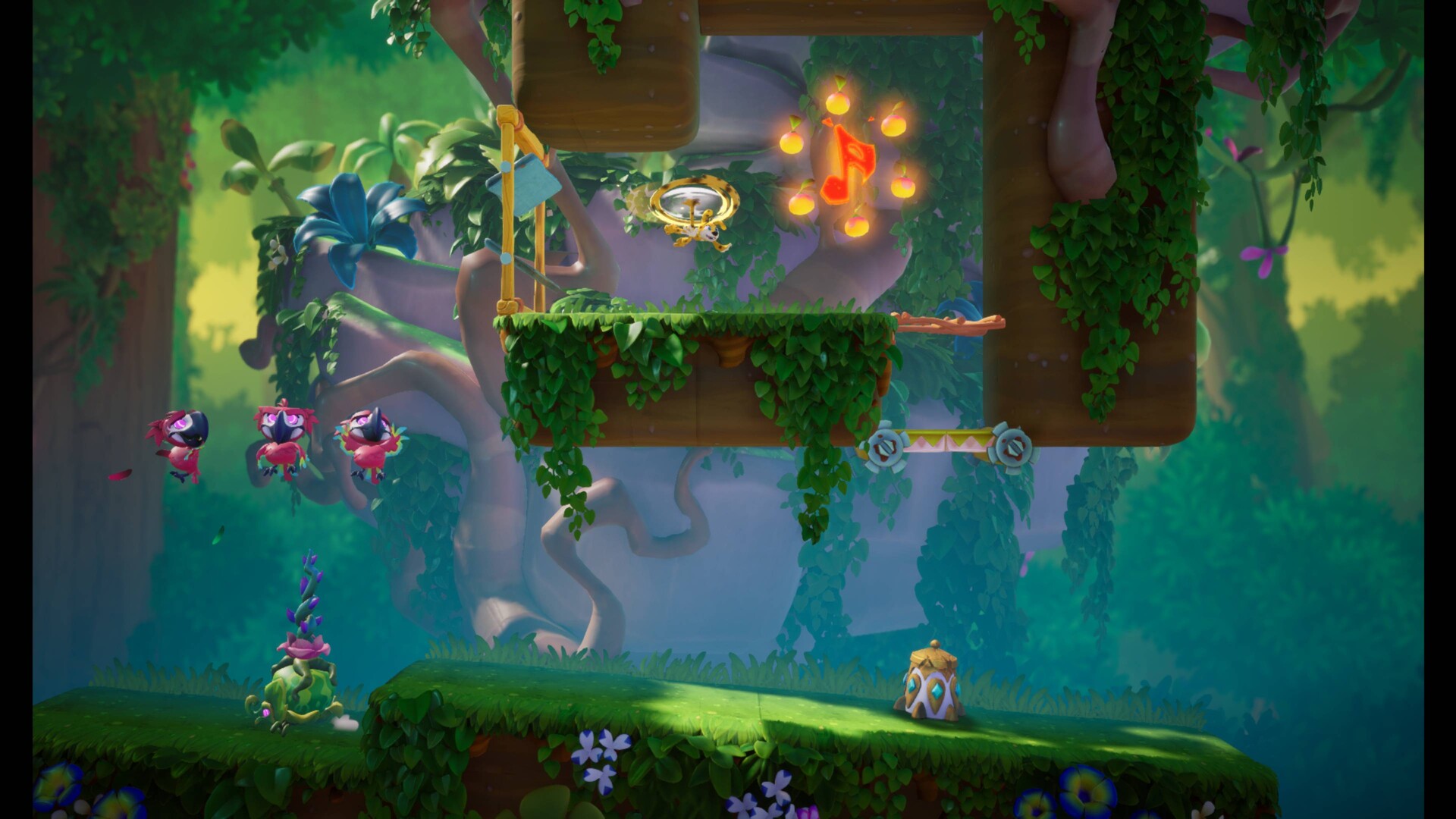
Salsa mode's musical note collectibles are tucked into tricky platforming routes throughout the jungle world.Image: Ocellus Studio via Steam -
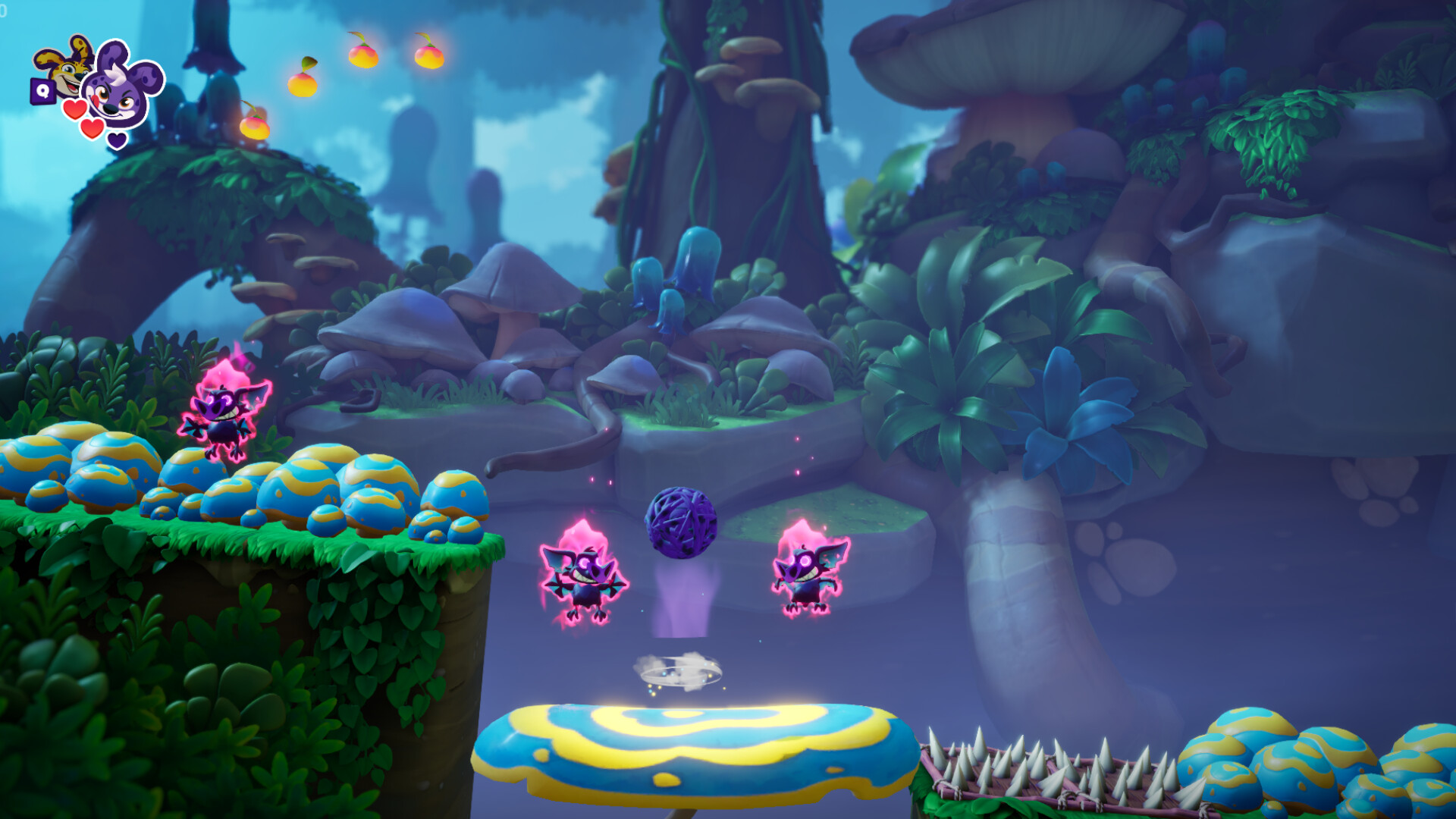
The purple Marsupilami's spike-proof ball form is one of three distinct movesets built around the game's level design.Image: Ocellus Studio via Steam -
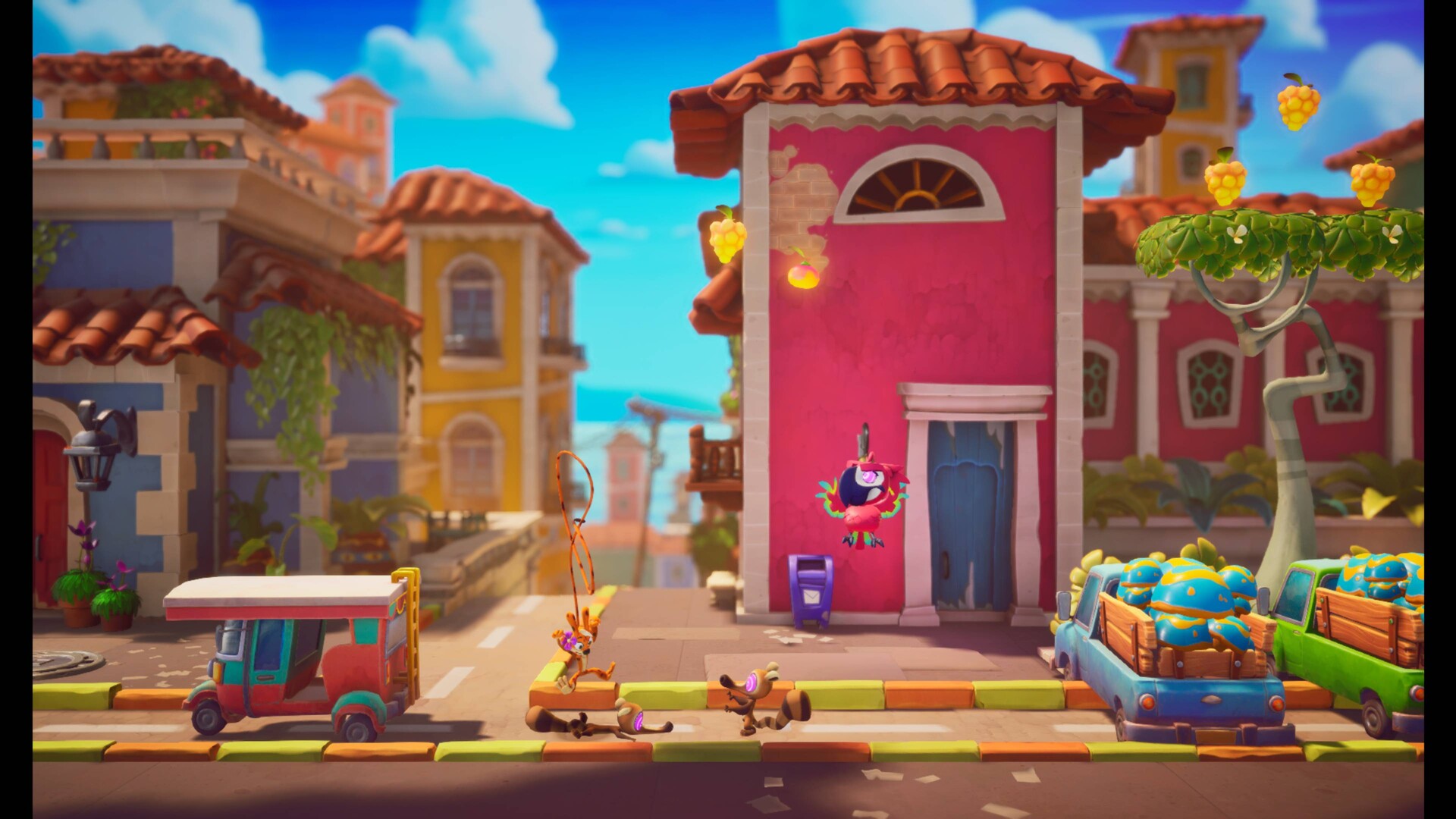
The bustling city world shows off the cursed dance premise in full, with possessed animals hauled off by the truckload.Image: Ocellus Studio via Steam