Game review
Rune Legacy Idle
4.5 / 10
- Developer
- Mume Games
- Publisher
- Mume Games
- Released
- 20 November 2025
- Platforms
- Windows
- Genre
- Idle RPG
- Monetisation
- One-time purchase, no in-game store
- Players
- Online co-op and PvP duels
The short version
Rune Legacy Idle is an Old School RuneScape-flavoured idle RPG from solo/small studio Mume Games, layering skill training, monster-hunting and gear progression onto the Melvor Idle template with the addition of online co-op and PvP duels. Released 20 November 2025 for NZ$7.39, it carries a small, honestly mixed review base — Mixed at roughly 57% positive across 98 English-language reviews, all 43 negatives read for this piece. The core loop draws genuine praise: nicer character and monster art than most of the genre, an enjoyable OSRS-style skill spread, and multiplayer features few idle RPGs attempt at all. But this review's read of the negative sample finds one problem dominating everything else: a broken save and cloud-sync system that has been erasing hours, and in several documented cases hundreds of hours, of player progress since launch day. The developer acknowledged the issue within a week and has since shipped at least two dedicated save-system updates, yet reviews as recent as April and May 2026 still report losing progress to the same failure. A second, related problem compounds it — because save data is stored client-side, the game's advertised PvP leaderboards are reported as easy to cheat, undermining the exact feature meant to set it apart from its rivals.
Biggest strengths
- Character, monster and environment art draw specific, repeated praise as more polished than Melvor Idle, the genre's dominant reference point, with several reviewers naming the visuals as the clearest reason to prefer this game over that one
- Online co-op and PvP duels are real, functioning multiplayer features that almost no direct competitor in the OSRS-style idle RPG space attempts at all
- The underlying skill-training and monster-hunting loop draws genuine enjoyment from reviewers who haven't been affected by the save bug, several logging 500-plus hours and recommending it
Biggest weaknesses
- Twenty of the 43 English negative reviews read for this piece explicitly report losing progress to save failures or rollbacks, several describing hundreds of hours and multiple dozens of character levels erased without warning
- The problem has not been resolved by the developer's repeated fix attempts — reviews from as late as April and May 2026, five to six months after launch and after at least two dedicated save updates, still report the same category of data loss
- Because progress is stored client-side, multiple reviewers report rampant, undetected cheating on the game's PvP leaderboards and duels, directly undermining the feature this review's pros list credits as the game's most distinctive selling point
Who it's for: Idle-RPG fans specifically drawn to genuine co-op and PvP who are willing to tolerate a real risk of losing progress; a poor fit for anyone who wants the genre's core promise — reliable, trustworthy progress while away — to actually hold.
Our recommendation: A game with a genuinely likeable core loop and features its closest rival lacks, crippled by an unresolved, months-long data-loss bug that strikes at an idle game's most basic promise. Wait for confirmation the save system is actually fixed before spending money on it.
4.5 / 10
Introduction
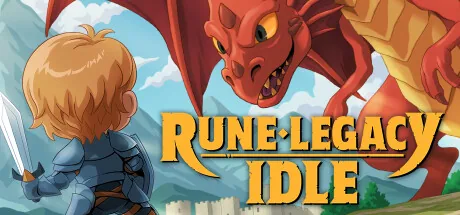
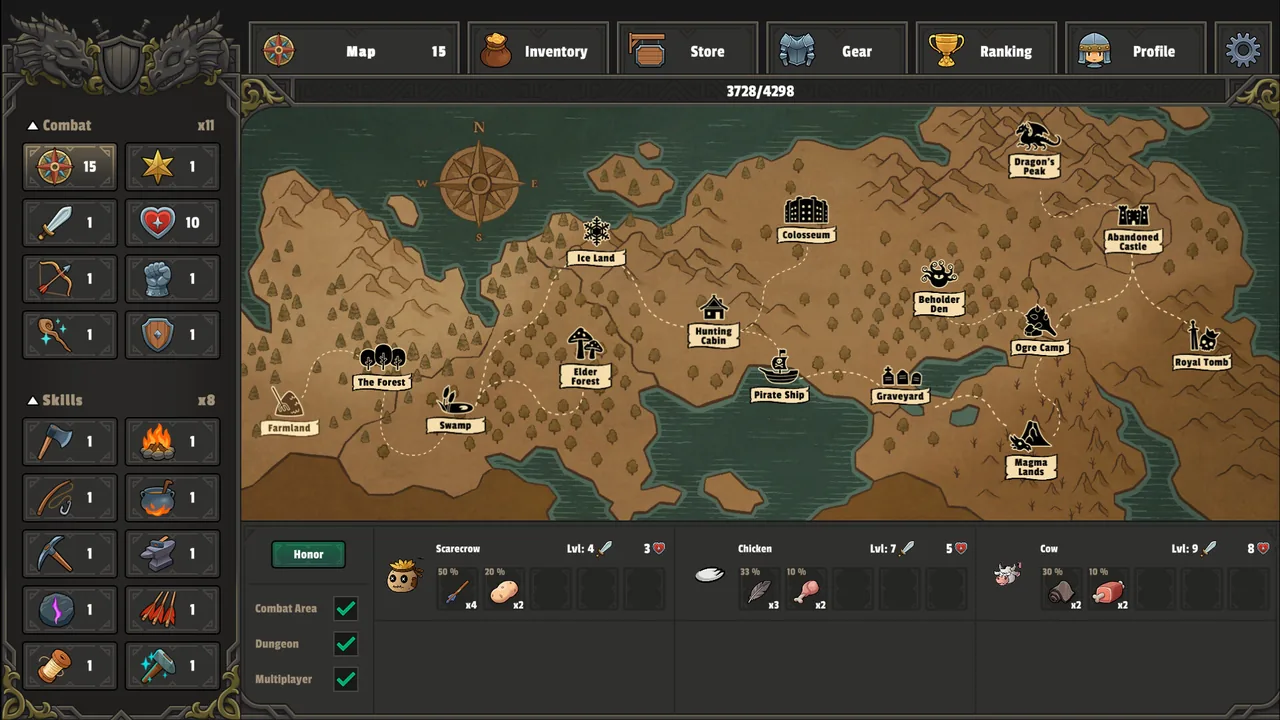
Rune Legacy Idle sets out to do what a handful of idle RPGs have tried since Melvor Idle became the genre's reference point: take the Old School RuneScape skilling formula — train combat and gathering skills side by side, fight increasingly dangerous monsters, gear up with crafted equipment — and build a standalone idle game around it. Developed and published by Mume Games, it released 20 November 2025 for NZ$7.39 and adds something most of its direct rivals don't attempt: real online co-op and PvP duels. It carries a small but honestly split review base — Mixed at roughly 57% positive across 98 English-language Steam reviews, all 43 of the negative ones read in full for this piece. What that reading finds is a game with a genuinely likeable core underneath a single, severe, unresolved technical failure that a reader deciding whether to buy needs to know about before anything else.
A loop reviewers genuinely enjoy — when it works
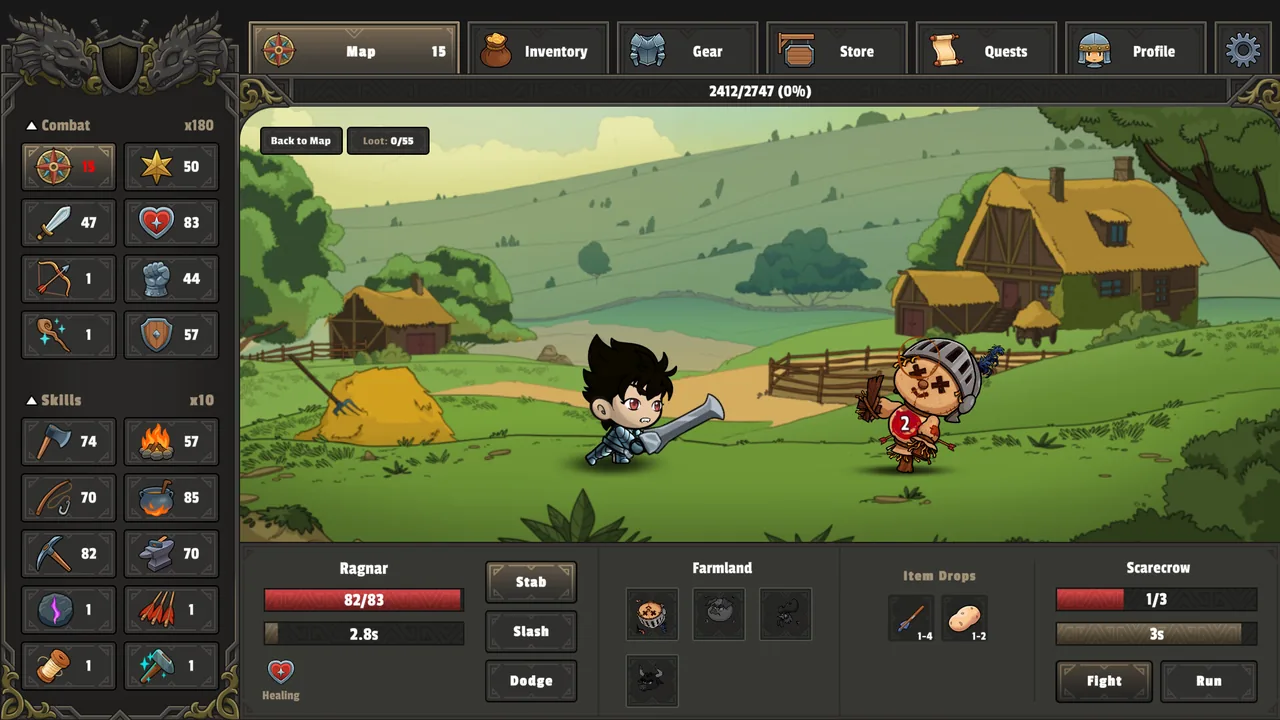
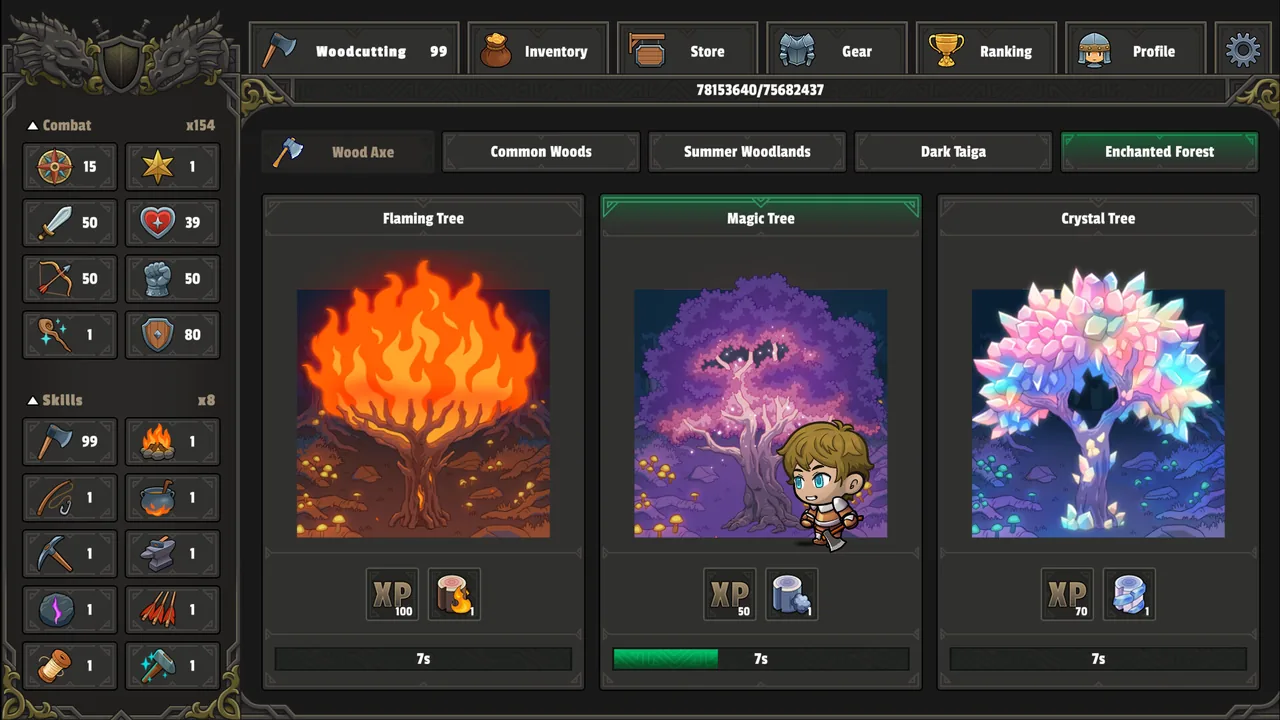
Strip away the technical problems for a moment and the reviews describe a solid entry in a crowded genre. Several reviewers who logged serious time — one at 657 hours, another at 556 — call it a pretty direct Melvor Idle-alike with one clear advantage: proper character, monster and environment art, rather than the icon-and-text presentation Melvor Idle itself has always used. "It's exactly what it looks like, an OSRS-like idle game, with plenty of number-go-up addictive fun," reads one positive review, adding that it looks "pretty good" compared to the genre's text-heavy standard. The co-op and PvP duel systems are real, working features, not just marketing copy — multiple reviewers confirm playing cooperatively with friends and partners, which is genuinely uncommon in this specific idle-RPG niche. Early in the game's life, several reviewers also credited the developer with being visibly active on Discord, replying to bug reports and flagging known issues rather than going quiet.
The save system: the problem that defines this review
Here's where the picture turns. Of the 43 English-language negative reviews read for this piece, 20 — just under half — explicitly describe losing progress to a broken save or cloud-sync system, and the scale involved is not trivial. One reviewer reports losing hours after 63 hours of straight AFK progress. Another, at 1,687 hours invested, writes simply: "I loved this game... but I got hit by the not saving." A third, further along at 2,273 hours, downgraded their own earlier review after continued data loss despite initially being more forgiving. Character levels in the 60s reset to the high 30s. A week of progress vanished, twice, for one reviewer who says it happened once even after a dedicated save-system update was supposed to have fixed it. This isn't a minor inconvenience for an idle game specifically — the entire genre's value proposition is that time invested, including time spent away from the keyboard, is safe and cumulative. A save system that periodically erases that time isn't a rough edge, it's a failure of the core premise.
To the developer's credit, this wasn't ignored. Steam's news feed shows a public "Save Issues Disclaimer" posted six days after launch, followed the next day by a dedicated "Save System Rework," then further "Bug Fix" updates in December 2025 and a second dedicated "Save Update #2" in January 2026 — four separate patches specifically targeting this one problem inside two months. That's a real, sustained response, not developer silence. What this review's sample makes clear is that it hasn't worked: reviews dated as late as April and May 2026, months after that second save-specific update, still report exactly the same category of failure. One reviewer explicitly notes losing progress "after the save update fix," checking the game every few hours specifically because they no longer trust the save indicator. Whatever has been attempted, the fundamental promise — that progress made in an idle game stays made — has not been restored for a meaningful share of this review's negative sample, five to six months on.
A second problem the first one makes worse
Rune Legacy Idle advertises online PvP duels and leaderboards as a headline feature, one of its genuinely distinguishing selling points against Melvor Idle and the genre's other single-player entries. The same client-side data storage implicated in the save failures creates a second, directly related problem here: several reviewers report that because progress lives on the player's own machine rather than being properly server-authoritative, editing stats, gold and items is straightforward, and leaderboard rankings are consequently full of players who have simply given themselves trillions of gold and maxed stats rather than earned them. "Great visuals, but unfortunately no content to progress towards... people are cheating their way to trillions of gold, items, and max stats," reads one review, echoed by several others who specifically cite this as their reason for uninstalling a game they otherwise enjoyed. A December 2025 "Anti-Cheat System" update suggests the developer recognised the problem, but reviews into 2026 continue to raise it, and it undermines exactly the feature this review's positive sample credits as the game's clearest point of difference.
What the numbers say about how far players actually get
Steam's global achievement data corroborates the pattern the reviews describe rather than contradicting it. Rune Legacy Idle ships 67 achievements; the easiest sits at 92.2%, but the median across all 67 is just 8.8%, and 36 of them — more than half — sit under 10%. That's a steep early cliff, consistent with a playerbase that starts strong and then drops away in large numbers, which lines up with a game whose most damaging bug strikes at the exact point where a player has invested enough hours to have something real to lose. It's worth treating this cautiously given the game's overall size — a Mixed-rated, 125-review release likely has a tracked achievement population in the low hundreds — but the shape of the drop-off is a second, independent data point pointing the same direction as the written reviews.
Final Verdict
Rune Legacy Idle gets the hard part right: a genuinely enjoyable OSRS-style skilling loop, better art than the genre leader it's chasing, and real co-op and PvP that almost nothing else in this specific niche offers. What it gets wrong is more fundamental than any of that can compensate for — a save system that has been losing player progress since launch day, that the developer has visibly and repeatedly tried to fix without succeeding as of reviews from as recently as May 2026, on a game whose entire genre exists to make time investment feel safe. Layer on a PvP feature undermined by client-side cheating and the case for buying today is weak, however good the underlying idea is. This is a game to watch rather than buy — check its recent reviews again before spending money, and buy in only once players report the save system has actually held for them, not just that another update claims to have fixed it.
Pros and cons
Pros
- Character, monster and environment art draw specific, repeated praise as more polished than Melvor Idle, the genre's dominant reference point, with several reviewers naming the visuals as the clearest reason to prefer this game over that one
- Online co-op and PvP duels are real, functioning multiplayer features that almost no direct competitor in the OSRS-style idle RPG space attempts at all
- The underlying skill-training and monster-hunting loop draws genuine enjoyment from reviewers who haven't been affected by the save bug, several logging 500-plus hours and recommending it
- The developer responded to the save crisis quickly — a public disclaimer within a week of launch, a "Save System Rework" six days later, and continued dedicated save-fix updates through January 2026 — rather than staying silent
Cons
- Twenty of the 43 English negative reviews read for this piece explicitly report losing progress to save failures or rollbacks, several describing hundreds of hours and multiple dozens of character levels erased without warning
- The problem has not been resolved by the developer's repeated fix attempts — reviews from as late as April and May 2026, five to six months after launch and after at least two dedicated save updates, still report the same category of data loss
- Because progress is stored client-side, multiple reviewers report rampant, undetected cheating on the game's PvP leaderboards and duels, directly undermining the feature this review's pros list credits as the game's most distinctive selling point
- Achievement completion data shows a steep drop-off consistent with players abandoning the game early: the median completion rate across 67 achievements is just 8.8%, with 36 sitting under 10%, against a single early achievement at 92.2%
Screenshots
-
Rune Legacy IdleImage: Mume Games via Steam -
Rune Legacy IdleImage: Mume Games via Steam -
Rune Legacy IdleImage: Mume Games via Steam -
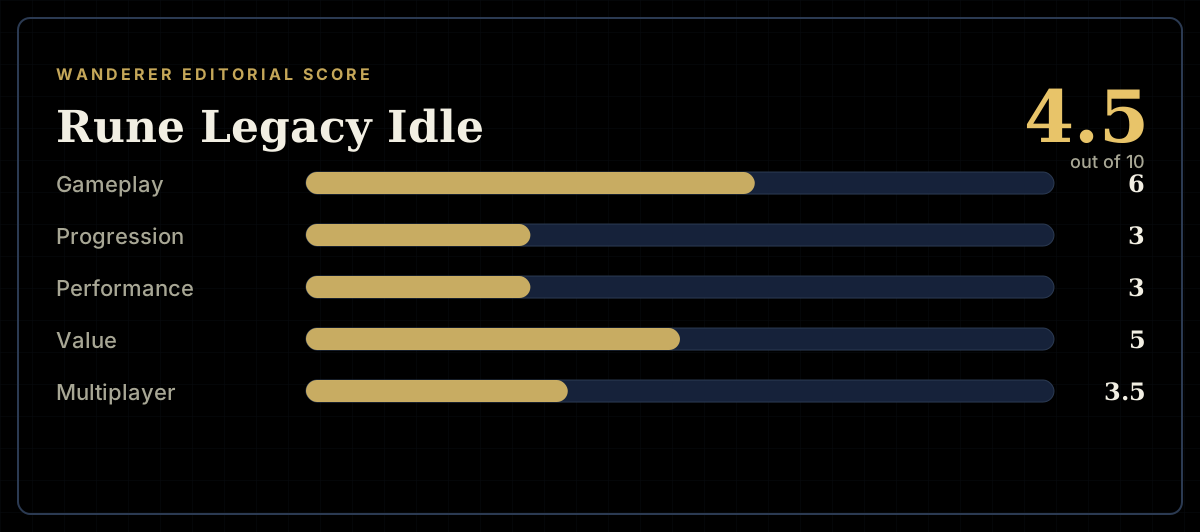
How the review scores each part of the gameWanderer Editorial -
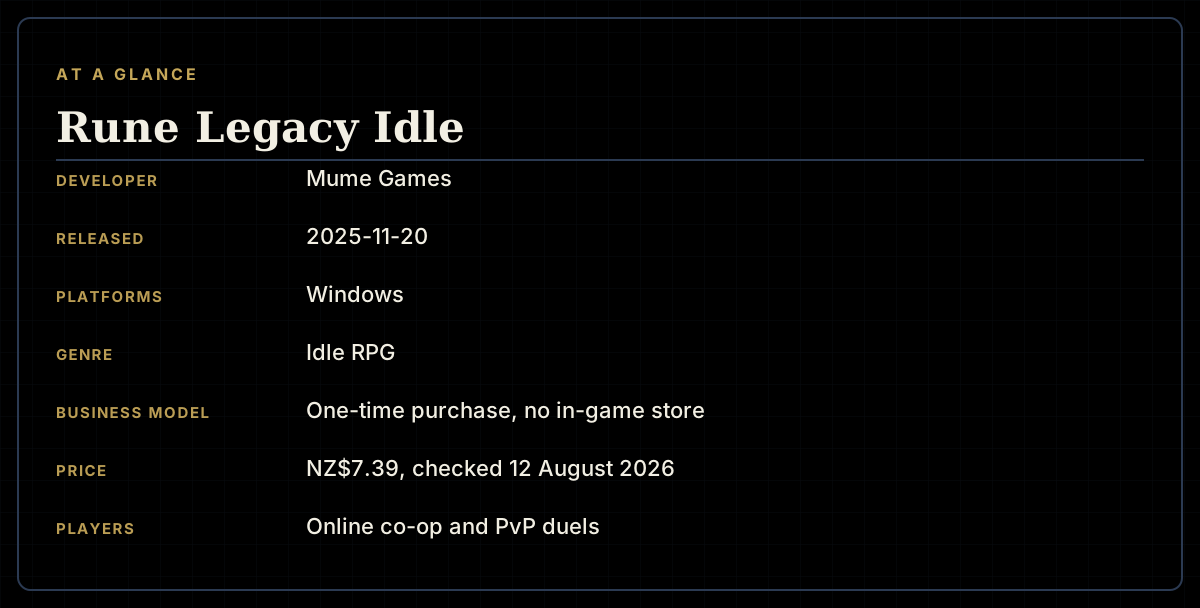
The essentials at a glanceWanderer Editorial -
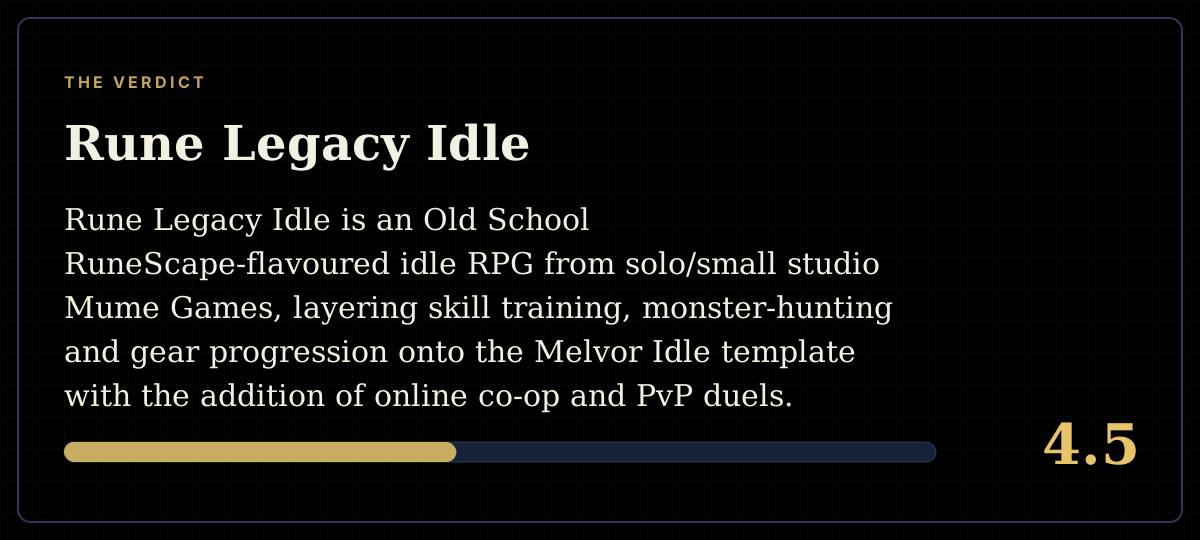
The short versionWanderer Editorial