Game review
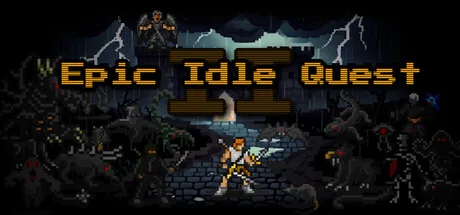
Epic Idle Quest II
6.5 / 10
- Developer
- PynkPanther
- Publisher
- PynkPanther
- Released
- 12 May 2026
- Platforms
- Windows, Linux
- Genre
- Idle RPG, Dungeon Crawler
- Monetisation
- One-time purchase, no DLC, no in-app purchases
- Players
- Optional PvP duels, cross-platform leaderboards and seasonal ladders; the core loop is single-player
The short version
Epic Idle Quest II sends a DOS-pixel-styled adventurer into elemental dungeon runs, gathering 100+ gear pieces, pets and cosmetic skins across a seasonal ladder with optional PvP. Released 12 May 2026 by the small studio PynkPanther, it sits Mixed across a genuinely tiny 10-review sample, all read here. Launch-week reviews focus on server instability, which a multi-server rework patch addressed within eight days; the more durable, still-current criticism, made in the most detailed review this game has received, is that its itemisation and inventory system demand active babysitting that undercuts its own "idle" branding — a case of solid game design fighting an inaccurate label rather than a case of a bad game.
Biggest strengths
- The itemisation system is unusually deep for the price, with five equipment tiers, elemental weaknesses and resistances, and multiple ways to reforge, temper, upgrade, attune and enhance gear, according to a detailed 183-hour review that maps the whole system
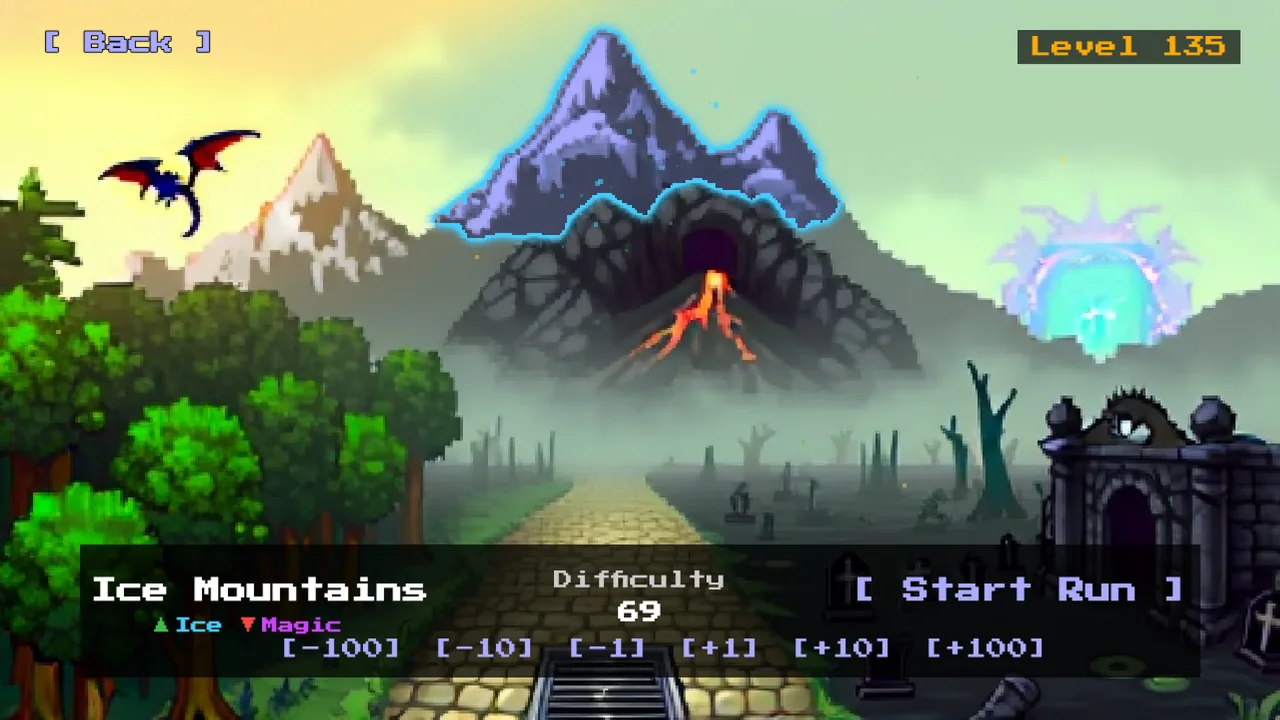
- A genuine live-service structure sits underneath the loot loop, with a two-month competitive season, leaderboard-based cosmetic rewards, and a persistent Eternal Realm for characters once their season ends
- PynkPanther responded to launch-week server instability with a dedicated multi-server rework patch within eight days, and continued shipping balance and performance fixes through the game's first season
Biggest weaknesses
- Multiple reviewers, including its most positive and most detailed ones, report the game isn't idle enough: a small inventory fills quickly, the loot filter is a purchasable scroll rather than a free setting, and a battle cap can silently halt offline progress
- Launch week specifically drew reports of frequent server disconnections, with one Russian reviewer citing five or six drops in fifteen minutes before a stability patch landed
- There is no automation beyond the battles themselves and a best-equipment toggle, so getting real value from a run means periodically returning to sort loot and re-equip rather than leaving it running unattended
Who it's for: Fans of loot-driven pixel RPGs with real itemisation depth who don't mind checking in regularly; a poor fit for anyone who wants a genuinely hands-off idle game that keeps working while minimised for hours at a time.
Our recommendation: A cheap, competently designed pixel dungeon crawler with a real seasonal ladder behind it — just go in expecting an actively managed loot game rather than a background idler.
6.5 / 10
Introduction
Epic Idle Quest II sends a DOS-throwback pixel adventurer on repeated dungeon runs against elemental enemy rosters, collecting gear, pets and cosmetic skins along a seasonal ladder with optional PvP duels. Released 12 May 2026 by the small studio PynkPanther, it sits Mixed across a genuinely tiny sample of 10 reviews — all of it read for this piece. That size deserves stating plainly rather than dressed up with a percentage that implies more certainty than a ten-review sample can support: this is a small, live-service pixel RPG, still actively running its first seasons, and its review base reflects exactly that stage of life.
A surprisingly deep loot game
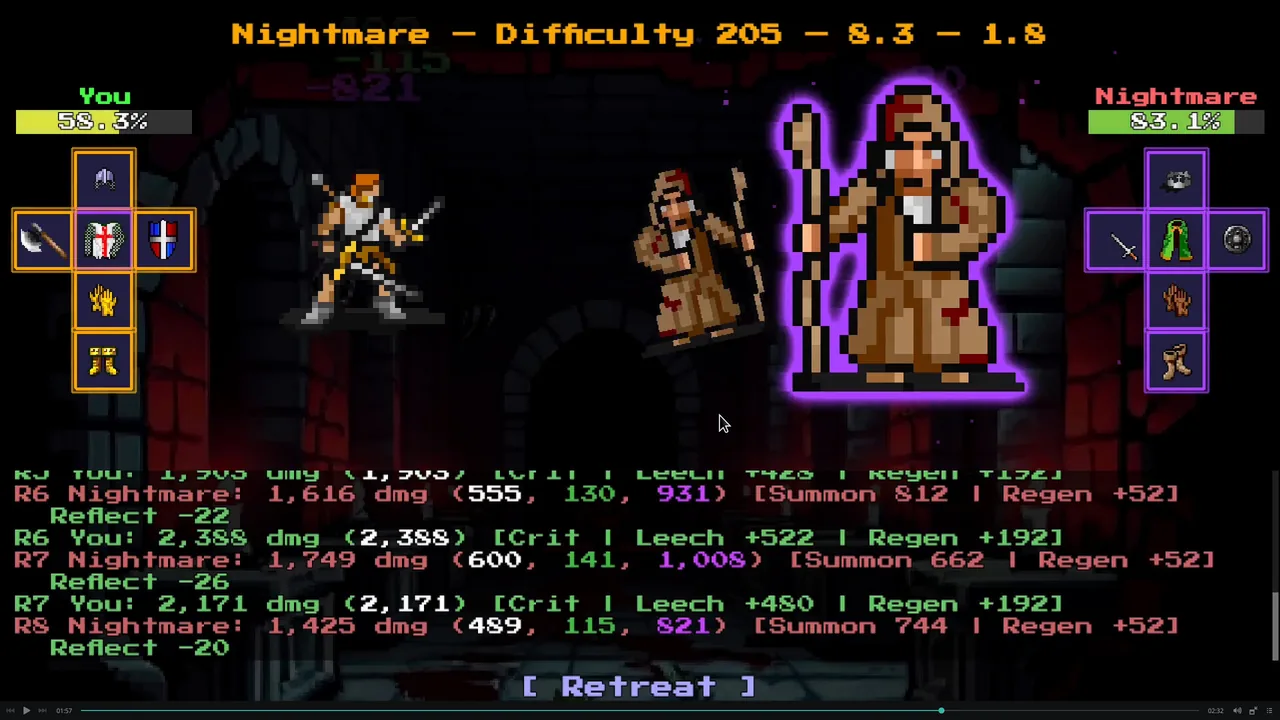
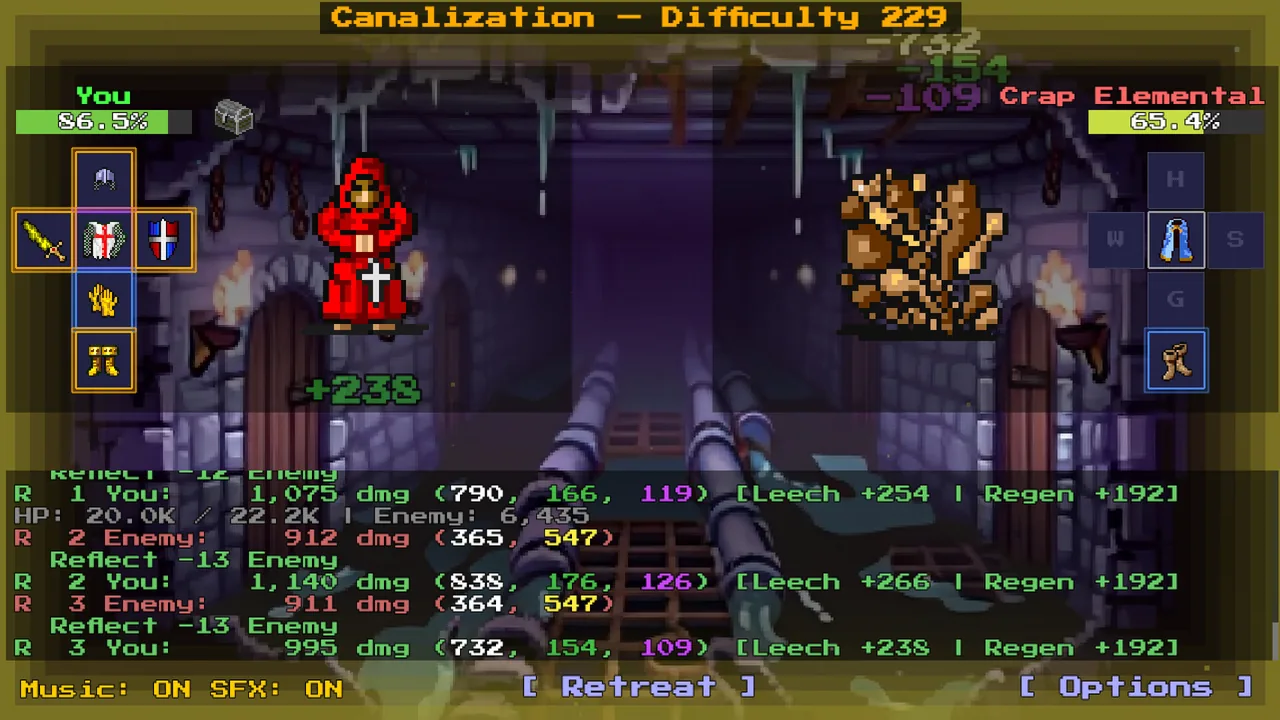
The single most useful source in this entire review corpus is a 183-hour review that reads less like a Steam comment and more like a design document, methodically working through every system the game offers: five equipment rarities from basic to epic, six gear slots, elemental damage and resistance interactions, a Smith who can reforge, temper, upgrade, attune or enhance any piece once each, a Merchant who refreshes stock every five runs, and a pet-taming system layered on top of collectible character skins. That's a genuinely substantial itemisation system for a NZ$4.79 game, and the reviewer — despite ultimately giving the game a thumbs-down — is explicit that "game design is fine." The seasonal structure backs that up: a two-month Temporal Realm season ran double-XP conditions for new characters through leaderboard-driven cosmetic rewards, with characters graduating into a permanent Eternal Realm once their season closes. For a small indie release, that's a real live-service skeleton, not a coat of paint.
The complaint that actually matters
Where this game runs into trouble is its own branding. The dominant, recurring criticism — voiced by its most positive reviewers as readily as its most negative ones — is that it isn't especially idle. One 201-hour reviewer who says outright "I love this game" still leads with the complaint that "it's not very idle when you need to babysit loot," pointing to a Loot Filter that exists only as a purchasable scroll rather than a free setting, and a battle cap that can silently stop offline progress in a way tied to how the game detects a minimised window. The 183-hour review goes further, laying out exactly why: there's no automation beyond the auto-battles themselves and a toggle to auto-equip better gear, so getting real value out of a run means periodically returning to sort a small inventory, sell loot, check the Merchant and head back out — "too much of a time sink to deserve the 'idle' in its title," in that reviewer's own words. A third English reviewer puts a number on it directly: the game only idles for about 500 fights before it needs a check-in, "about an hour total," concluding plainly that "if your thinking this is an idle game its not really."
This is worth taking seriously as a genre-fit problem rather than dismissing as nitpicking. A player who buys an "idle" game expecting to leave it running for a full day is buying something different from what's on offer, and three independent reviewers converging on the same specific mechanic — the loot filter scroll and the battle cap — makes it a design choice worth flagging clearly rather than a one-off gripe.
Launch-week stability, and a quick response
The other cluster of early criticism was about server reliability rather than design. A Russian reviewer reported five or six connection drops in fifteen minutes of play during launch week, and one English review called the game "unplayable" due to server instability at the same point. Both complaints belong specifically to the game's first eight days: PynkPanther shipped a "Multi-Server Rework & QoL Tweaks" patch on 20 May, and the technical complaints do not recur in any review posted afterward, including the extensively detailed 183-hour review written in early August, which raises design concerns but never mentions stability. Some confusion is understandable here, too — more than one reviewer was surprised the single-player mode still depends on a server connection at all, which is worth knowing going in rather than discovering through lag.
Steam's achievement data lines up with a normal, honestly grindy progression curve rather than anything alarming: reaching level 10 sits at 64%, level 25 drops to 33%, and completing 100 runs sits at 19% — a gradual, expected decline rather than the kind of cliff that would suggest players are bouncing off broken systems.
Value
At well under five dollars, with no in-app purchases and a genuine season's worth of content behind it, value sentiment is consistently positive even from reviewers with real complaints about the idle framing. Reviewers across the sample independently describe it as worth the price, and the sheer system depth documented in the longest review — for a purchase this cheap — is a meaningfully strong argument on its own.
Final Verdict
Epic Idle Quest II is a well-constructed small pixel RPG that happens to be selling itself under the wrong label. The itemisation, the seasonal ladder and the pet system are all more substantial than a five-dollar price tag usually buys, and the developer's response to launch-week server problems was fast and apparently effective. What holds it back is a genre mismatch its own players keep pointing out: this asks for regular attention in a way "idle" doesn't usually promise, and buyers who go in expecting a true background game are the ones most likely to come away disappointed. Go in expecting an actively managed loot crawler with idle elements rather than the reverse, and there's a genuinely well-made game here for the price.
Pros and cons
Pros
- The itemisation system is unusually deep for the price, with five equipment tiers, elemental weaknesses and resistances, and multiple ways to reforge, temper, upgrade, attune and enhance gear, according to a detailed 183-hour review that maps the whole system
- A genuine live-service structure sits underneath the loot loop, with a two-month competitive season, leaderboard-based cosmetic rewards, and a persistent Eternal Realm for characters once their season ends
- PynkPanther responded to launch-week server instability with a dedicated multi-server rework patch within eight days, and continued shipping balance and performance fixes through the game's first season
- Cheap even by idle-genre standards, with reviewers independently calling it worth the asking price despite their other complaints
Cons
- Multiple reviewers, including its most positive and most detailed ones, report the game isn't idle enough: a small inventory fills quickly, the loot filter is a purchasable scroll rather than a free setting, and a battle cap can silently halt offline progress
- Launch week specifically drew reports of frequent server disconnections, with one Russian reviewer citing five or six drops in fifteen minutes before a stability patch landed
- There is no automation beyond the battles themselves and a best-equipment toggle, so getting real value from a run means periodically returning to sort loot and re-equip rather than leaving it running unattended
- Some reviewers were confused to find the game requires a server connection even in its single-player mode, with lag or drops affecting solo play as well as PvP
Screenshots
-
Epic Idle Quest IIImage: PynkPanther via Steam -
Epic Idle Quest IIImage: PynkPanther via Steam -
Epic Idle Quest IIImage: PynkPanther via Steam -
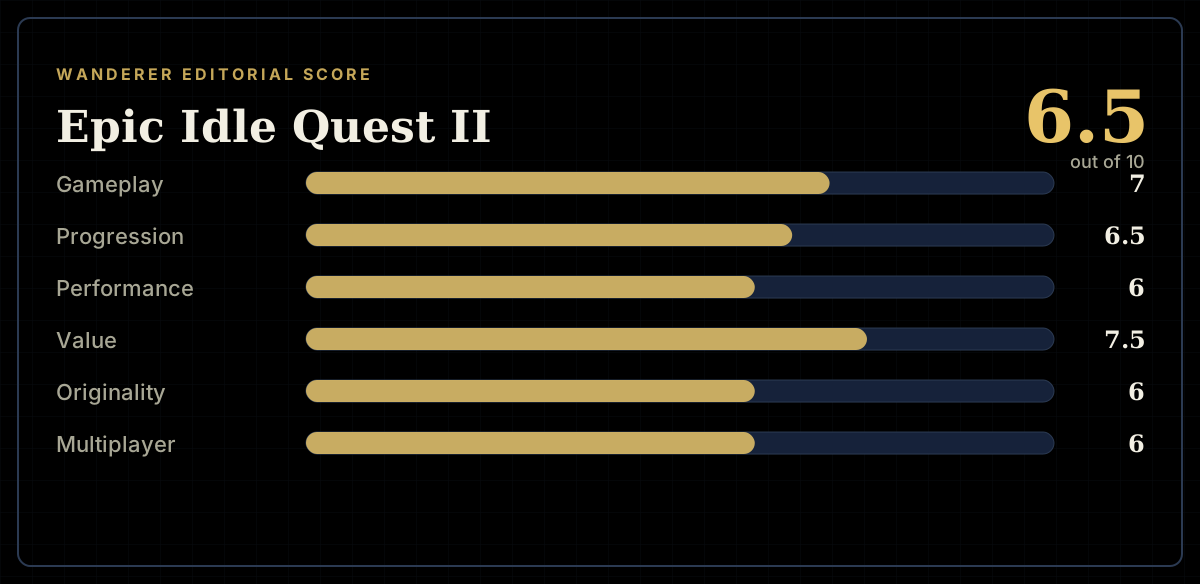
How the review scores each part of the gameWanderer Editorial -
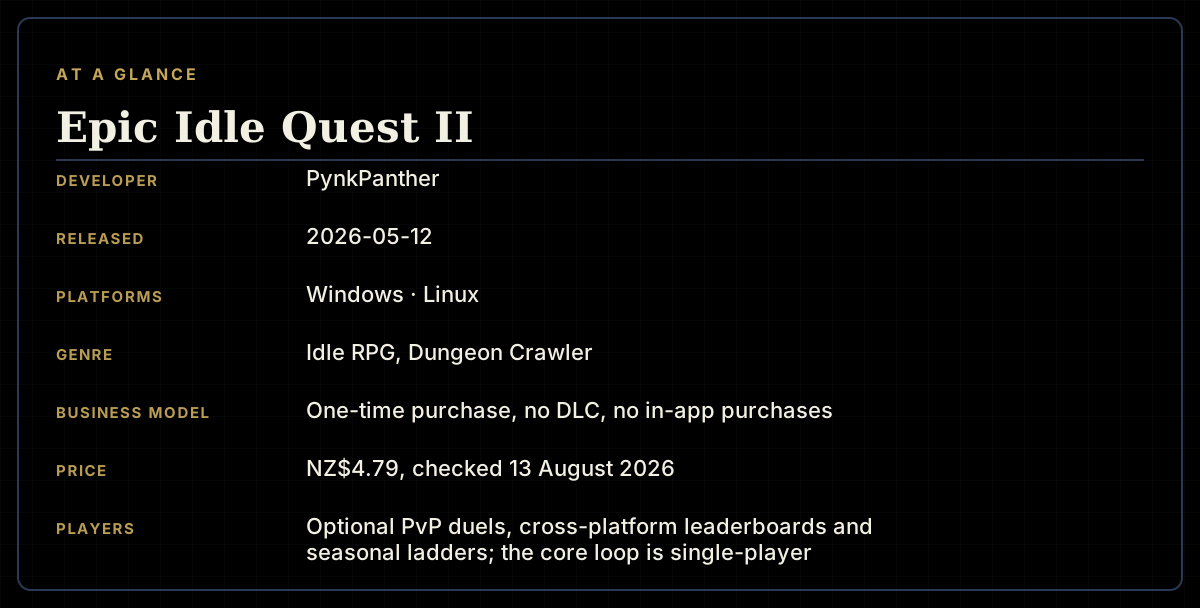
The essentials at a glanceWanderer Editorial -
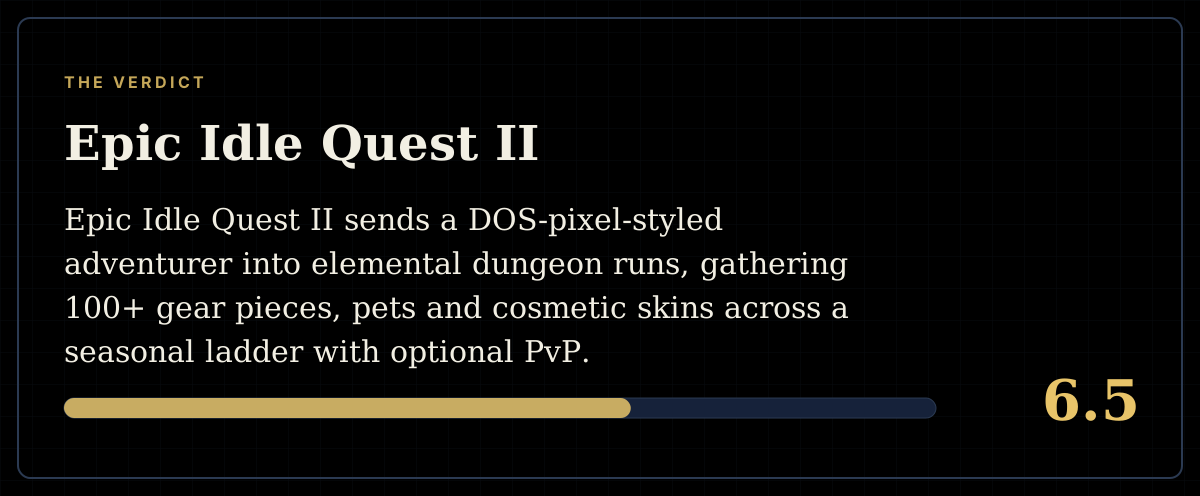
The short versionWanderer Editorial