
Game review
Book of Yog Idle RPG
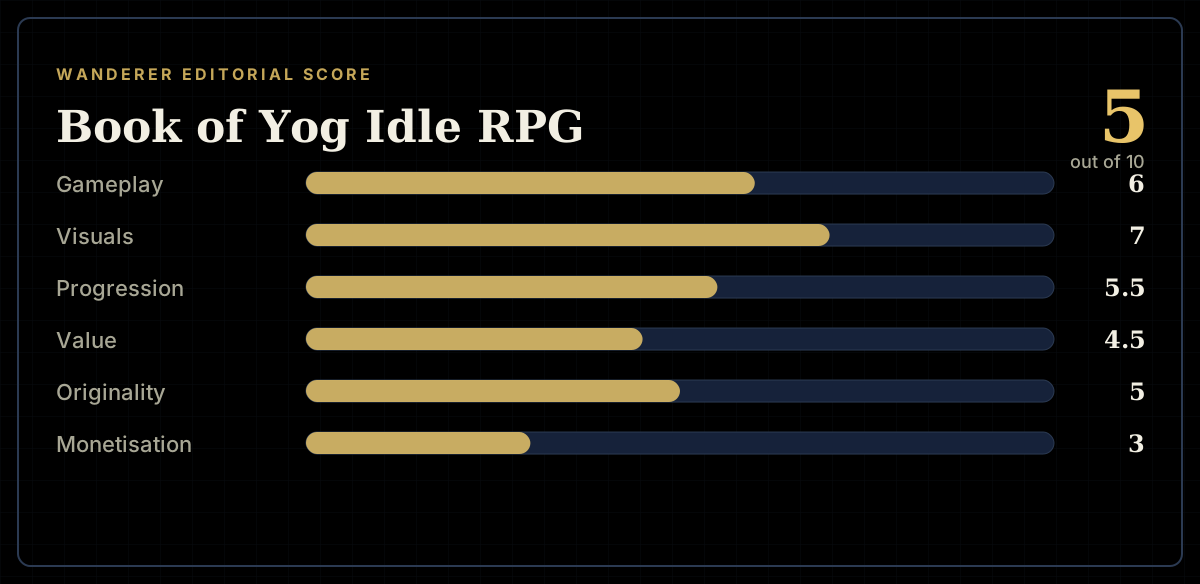
5 / 10
- Developer
- Yuanqi Studio (元气工作室)
- Publisher
- Yuanqi Studio (元气工作室)
- Released
- 29 July 2022
- Platforms
- Windows
- Genre
- Idle RPG
- Monetisation
- Free-to-play with a character gacha system as its central monetisation mechanic, sold through Steam as a series of seasonal currency-and-item bundles rather than a single storefront currency purchase
- Players
- Listed as Multi-player and MMO on its store page, though the core loop is a single-player hero-collection and idle-progression system with kingdom development layered on top
The short version
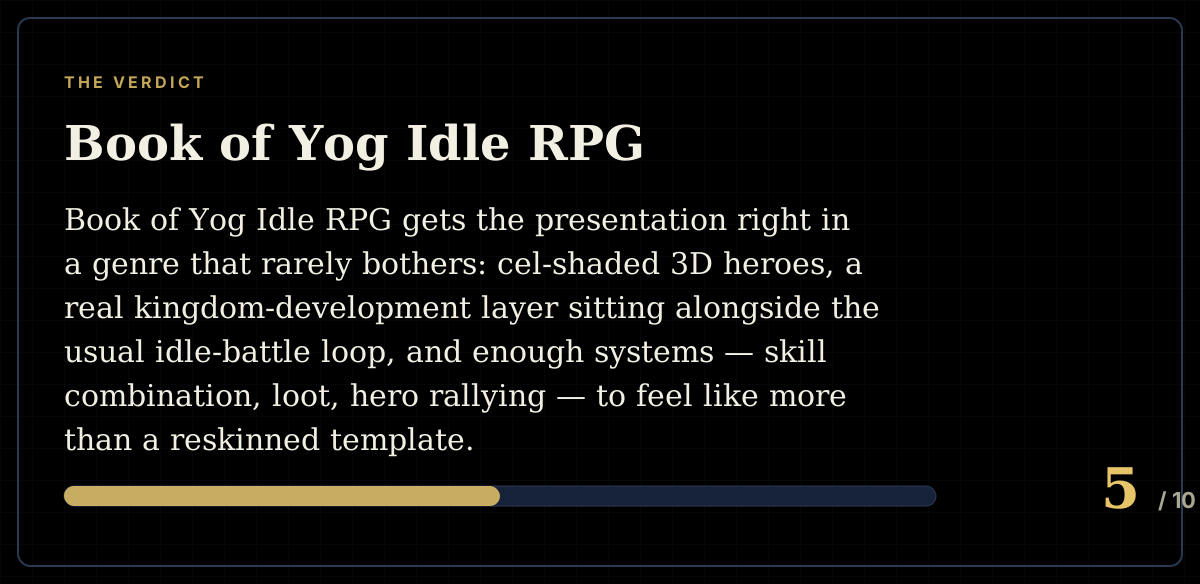
Book of Yog Idle RPG gets the presentation right in a genre that rarely bothers: cel-shaded 3D heroes, a real kingdom-development layer sitting alongside the usual idle-battle loop, and enough systems — skill combination, loot, hero rallying — to feel like more than a reskinned template. The trouble sits underneath all of that, in the gacha math. Top-tier SS heroes land at roughly a 0.2% pull rate with a 500-pull hard pity, and the game's own developers say heroes can be earned through normal play while a meaningful slice of its community reports thousands of pulls without landing what they wanted. Both things can be true at once, but the gap between them is exactly where a genre this dependent on trust tends to lose players.
Biggest strengths
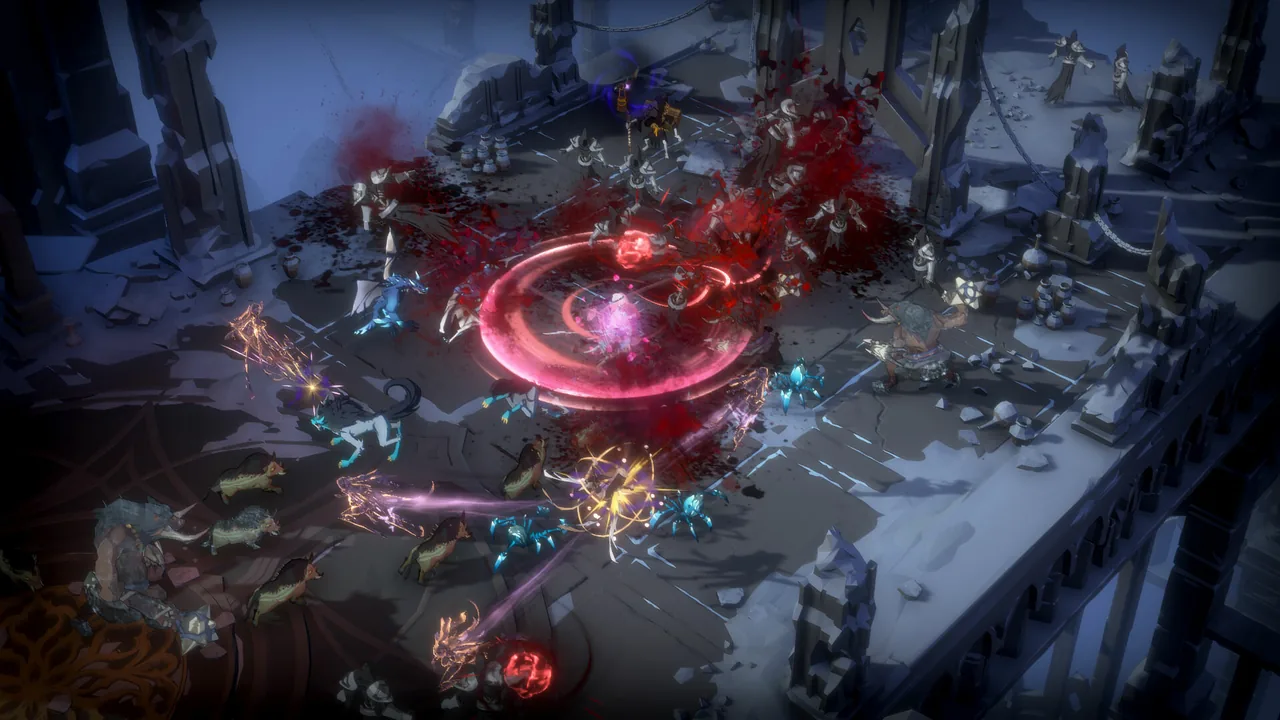
- Cel-shaded 3D presentation is a genuine step above the flat sprite-and-menu template most idle RPGs settle for
- Kingdom-development systems sit on top of the usual auto-battle idle loop rather than replacing it, giving offline progress somewhere concrete to go
- Dozens of heroes and hundreds of skills give the collection layer real breadth, and skill combination lets players build toward a specific team rather than just stacking one stat
Biggest weaknesses
- The top SS hero rarity sits at roughly a 0.2% pull rate, and community reports of well over a thousand pulls without landing a wanted SS character are common enough to be a recurring discussion topic rather than an outlier complaint
- The developer's own messaging — that heroes and materials come easily through normal play — sits uncomfortably against player accounts of the actual grind required to compete without spending, a gap that shows up directly in negative Steam reviews
- Steam's own review sample explicitly and repeatedly calls out heavy monetisation pressure (reviews reference "疯狂搞氪金" — roughly "crazy about pushing microtransactions" — among the game's most direct English and Chinese complaints)
Who it's for: Idle RPG and gacha players who enjoy kingdom-builder trappings and can treat the top hero tier as a long-shot bonus rather than a goal, not players looking for a fair, grindable path to every character in the roster.
Our recommendation: Worth trying at no cost for the presentation and the free-to-play core loop, but go in with eyes open about what the SS gacha actually costs in time or money, and don't judge the game's fairness by its own marketing copy.
5 / 10
Most idle RPGs settle for a flat sprite standing in front of a menu of numbers. Book of Yog doesn't: its heroes are rendered in cel-shaded 3D with real character design work behind them, and that alone puts it a visible step ahead of most of the free-to-play idle crowd it's competing against. Underneath the presentation is a fairly ambitious structure for the genre — rally a roster of heroes, develop a kingdom, combine skills and loot to build toward specific team compositions — rather than the single flat power-number climb the genre usually offers. Four years after its 2022 launch, Yuanqi Studio is still pushing seasonal content packs, which is its own kind of evidence that the game has a real, paying audience.
What the idle loop actually offers
The core structure will be familiar to anyone who's played a modern gacha idle game: heroes fight automatically, resources and loot accumulate whether or not you're watching, and progress continues offline in the genre's usual style. What separates Book of Yog from the more generic entries is the kingdom-development layer sitting alongside that loop — a second axis of progression that gives idle time somewhere concrete to go beyond just a bigger damage number. Hundreds of skills and a genuine combination system mean team-building has real depth on paper, and the range of available heroes is wide enough that different players can plausibly end up with different favourite squads rather than everyone converging on one optimal team.
Where the trust breaks down
The game's central mechanic for actually acquiring most of that roster is a gacha pull, and this is where the review has to spend most of its attention, because it's where the review sample spends most of its attention. The top SS hero rarity pulls at approximately a 0.2% rate, backed by a 500-pull hard pity that guarantees an SS eventually — a standard-shaped gacha system on paper, similar in structure to plenty of mobile games that get away with it. What turns this into a genuine sticking point is the gap between the developer's own framing and what players routinely report. Yuanqi Studio's messaging is that heroes, skill tomes, materials and loot can all be reasonably earned through normal play without heavy spending. Community discussion tells a different story: reports of well over a thousand pulls — in some accounts, over two thousand — without landing a specific wanted SS character are common enough on the game's own Steam forums to be a recurring topic rather than a rare complaint, and at least one piece of outside gacha-game coverage has gone as far as asking, in its own headline, whether this is "the worst gacha of all time."
That's a strong claim and not one this review can independently verify — gacha economies are notoriously hard to judge fairly from outside, and a single unlucky pull streak reads very differently from a systemic problem. But the pattern shows up inside Book of Yog's own Steam review text too, in language as blunt as reviews get: complaints translate to things like "garbage game, crazy about pushing microtransactions" and "a gacha game that sells stats — SP character skill damage multipliers run ten times higher than SS, don't recommend playing without spending money." When a game's own paying community is describing the gap between free-to-play and paying characters in those terms, that's a more reliable signal than any single outside opinion piece, regardless of how sharp its headline is.
It's worth being transparent about the limits of this particular research: Steam's public review sample for Book of Yog returns only a small handful of readable review texts despite the storefront listing thousands of aggregate ratings, likely because the bulk of its audience reviews through channels this analysis can't fully access. The pattern above is drawn from what text is available plus community discussion threads, not a large, statistically complete sample — worth knowing before treating any single complaint as universal, even as the throughline across sources stays consistent.
Presentation carries a lot of weight
None of this erases what the game does well. The cel-shaded art style holds up, hero designs are distinctive enough to want to collect on their own merits independent of raw power, and a kingdom layer genuinely gives idle time a second purpose beyond watching one number climb. Steam's own aggregate score sits in Mixed territory rather than Overwhelmingly Negative, and a meaningful share of players clearly find enough here to keep playing years after launch — this isn't a dead or abandoned game, and it isn't reflexively hated by everyone who tries it.
The bottom line on value
Book of Yog costs nothing to install, and the free-to-play core loop — auto-battling, kingdom development, the heroes available without paying — is real enough to be worth a look on its own terms. Where it asks for real judgment is the gacha layer specifically: a 0.2% top-tier rate with a 500-pull pity is steep even by the genre's own loose standards, and the distance between "you can earn this through normal play" and what a meaningful slice of the community actually experiences is the single thing worth knowing before investing real time, let alone real money. Players who can treat SS heroes as a long-shot bonus rather than a goal will find a well-presented, reasonably deep idle RPG underneath. Players hoping the marketing copy about easy free progression holds up under scrutiny should read their own patience for gacha odds carefully before getting invested.
Pros and cons
Pros
- Cel-shaded 3D presentation is a genuine step above the flat sprite-and-menu template most idle RPGs settle for
- Kingdom-development systems sit on top of the usual auto-battle idle loop rather than replacing it, giving offline progress somewhere concrete to go
- Dozens of heroes and hundreds of skills give the collection layer real breadth, and skill combination lets players build toward a specific team rather than just stacking one stat
- Genuinely free to install and play, with no mandatory spend gating access to the core loop
Cons
- The top SS hero rarity sits at roughly a 0.2% pull rate, and community reports of well over a thousand pulls without landing a wanted SS character are common enough to be a recurring discussion topic rather than an outlier complaint
- The developer's own messaging — that heroes and materials come easily through normal play — sits uncomfortably against player accounts of the actual grind required to compete without spending, a gap that shows up directly in negative Steam reviews
- Steam's own review sample explicitly and repeatedly calls out heavy monetisation pressure (reviews reference "疯狂搞氪金" — roughly "crazy about pushing microtransactions" — among the game's most direct English and Chinese complaints)
- At least one Steam review describes the client entering repeated reconnection loops that prevent play, a stability complaint that shouldn't still be showing up years after a 2022 launch
Screenshots
-

Book of Yog Idle RPGImage: 元气工作室 via Steam -
Book of Yog Idle RPGImage: 元气工作室 via Steam -

Book of Yog Idle RPGImage: 元气工作室 via Steam -
How the review scores each part of the gameWanderer Editorial -
The short versionWanderer Editorial