Game review
Riviera: The Promised Land
7 / 10
- Developer
- Sting
- Publisher
- Sting
- Released
- 16 July 2024
- Platforms
- Windows
- Genre
- JRPG, Visual Novel, Adventure
- Monetisation
- One-time purchase, no in-game store
- Players
- Single-player only
The short version
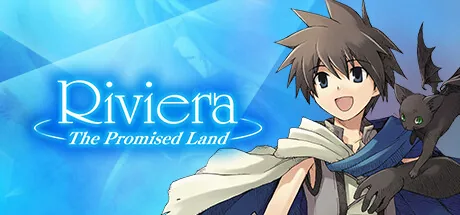
Riviera: The Promised Land is a Steam remaster of Sting's 2002 cult-classic JRPG, structured closer to a choose-your-own-adventure visual novel than a traditional role-playing game, sending an angel tasked with ending the world into a story of doubt, discovery and screen-by-screen exploration. Developed and self-published by Sting, the original creators, it released on Steam on 16 July 2024. Its 71 English-language Steam reviews sit at Very Positive, roughly 90.1%, and this review reads all 7 available negative reviews alongside the top positives to find genuine, long-running fan devotion to the underlying game running into real, specific frustration with how this particular remaster handled its art.
Biggest strengths
- The choose-your-own-adventure structure draws deep, specific affection from longtime fans, who describe genuine surprises, minigames and QTEs hidden behind screen-by-screen exploration that reward repeated playthroughs
- Multiple reviewers describe Riviera as a personal favourite JRPG from childhood, returning to confirm it holds up decades later rather than relying purely on nostalgia
- The narrative's tone and world-building draw real praise for atmosphere and character writing, with reviewers specifically crediting its distinctive setting and central moral question
Biggest weaknesses
- The most consistent, specific complaint concerns AI-upscaled backgrounds and sprites, which multiple reviewers independently describe as looking worse than the original art, with one specifically asking for an option to revert to the lower-resolution original visuals
- A handful of reviewers report technical audio issues, including sound and voice work cutting in and out during play
- Several reviewers, including fans of the game, flag the price as steep for a remaster of a game that originated on the WonderSwan Color handheld over two decades ago, recommending a sale purchase over full price
Who it's for: JRPG fans nostalgic for early-2000s handheld role-playing games and choose-your-own- adventure narrative structures; a poor fit for anyone wanting traditional exploration or turned off by visibly AI-upscaled visuals.
Our recommendation: A genuinely beloved cult classic worth experiencing for its narrative structure and charm, best bought on sale given a steep price for an older game and real, specific complaints about its visual remastering.
7 / 10
Introduction
Riviera: The Promised Land first released on the WonderSwan Color in 2002, later reaching wider audiences through GBA and PSP ports, and this Steam version brings Sting's own remaster of that cult classic to PC for the first time. An angel tasked with bringing about the end of the world to purge it of demons instead begins to question the mission, exploring a choose-your-own-adventure structure where each screen hides items, encounters, minigames and quick-time events rather than a traditionally explorable map. Sting, the original developer, released it on Steam on 16 July 2024. Reading all 7 available English-language negative reviews alongside the top positives, out of a Very Positive corpus (roughly 90.1% across 71 reviews), finds a genuinely beloved game running into a real, specific problem with how this particular version was remastered.
A cult classic that earns real, lasting devotion
The affection in this review's sample is unusually personal and specific. One reviewer's account, carrying 621 minutes logged, opens with a simple, effective joke: "10 year old me in 2004: Failing the QTEs. 30 year old me in 2024: Still failing the QTEs. The game was charming and fun back then and it still is today." Another, with over 2,600 minutes, called it "probably still is my favourite JRPG," while a third bought the remaster explicitly hoping its success might bring further Sting remasters — specifically Knights in the Nightmare — to Steam. The choose-your-own-adventure structure draws its own detailed praise: one reviewer described a game where "the main path is set, but each screen is littered with things to poke at" for funny scenes, power-ups, items and minigames, adding real replay value beyond a single playthrough. This is the shape of a genuine cult classic being rediscovered and validated by its own longtime audience, not merely nostalgia talking.
Remaster art that a real share of fans reject
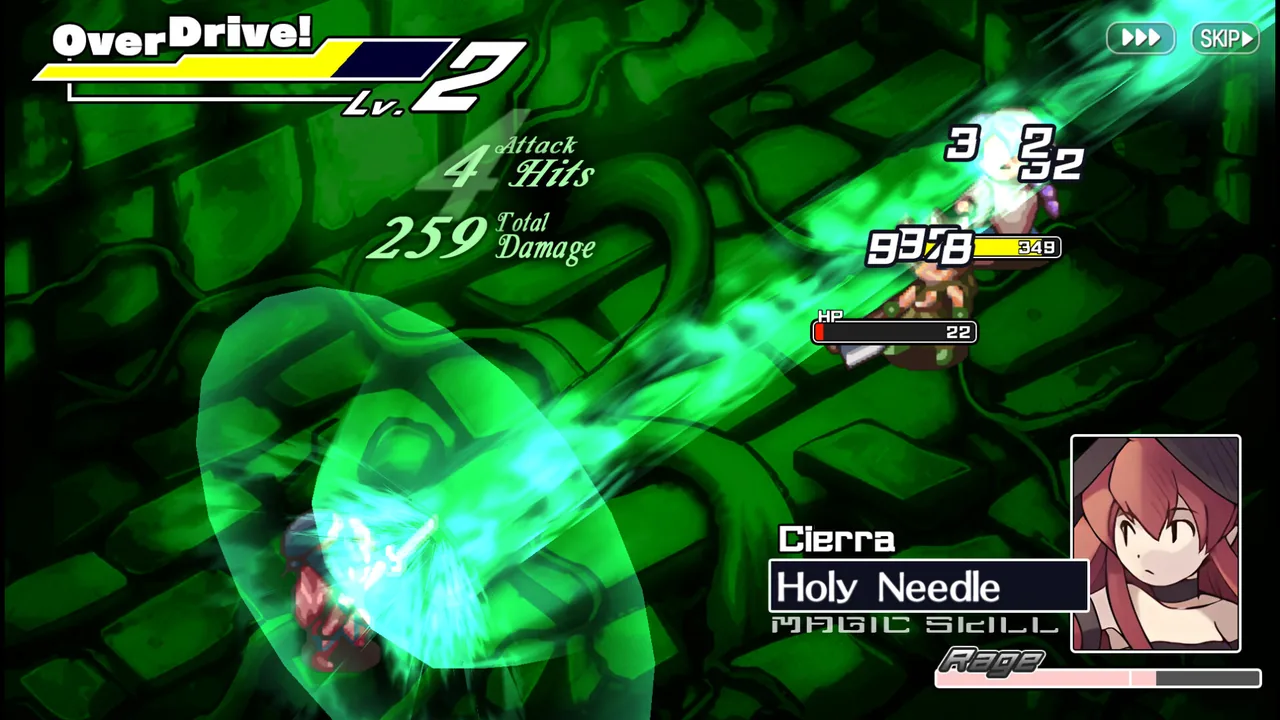
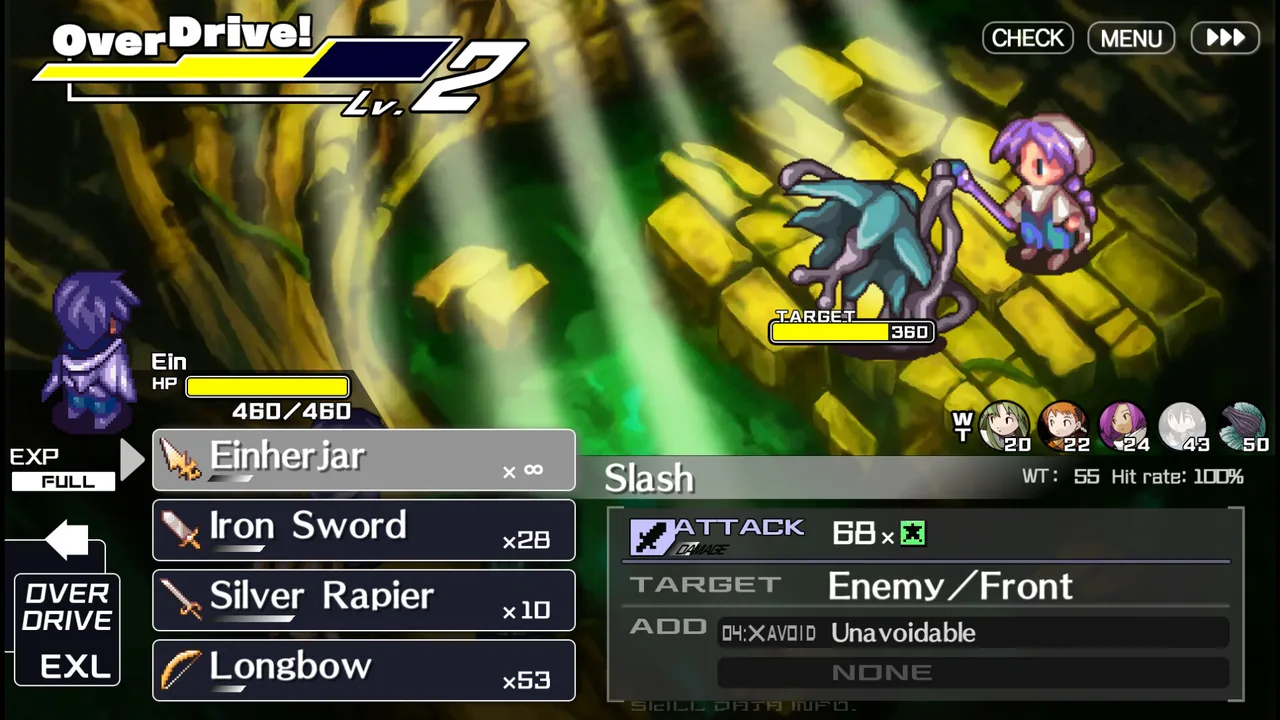
Set against that affection, the most consistent and specific complaint in this review's sample concerns how the remaster's visuals were produced. Multiple reviewers independently describe AI-upscaled backgrounds and battle sprites as a genuine downgrade rather than a modernisation — one wrote plainly, "AI-upscaled backgrounds look bad. I'd rather have an option to play with lower res original backgrounds." Another, a two-time finisher of the original game, said the reupscale was "super ugly" and made the game "look awful," specifically noting even the store thumbnail looked "half-baked." A third reviewer detailed a specific art regression: an enemy vampire's recoloured portrait rendered notably worse than the source material, despite acknowledging Sting had genuinely "fixed a ton of bad gameplay bugs" in the same release. This isn't a disclosed AI-content situation in the sense this library usually tracks — there's no AI Generated Content Disclosure on the store page — but the underlying player reaction is the same: visibly AI-processed art reads as a quality regression to fans who know and love the source material closely enough to notice.
A structure and price worth setting expectations around
Independent of the art question, a smaller cluster of complaints concerns the game's fundamental structure and cost. One reviewer estimated the experience as "80% Visual Novel, 10% item collecting... 10% combat," a useful, specific breakdown for anyone expecting a more traditional JRPG. Multiple reviewers, including committed fans, flag the price as steep given the game's origins on a early-2000s handheld system, with more than one explicitly recommending a sale purchase over full price. A smaller number of reviewers report audio bugs, including voice and music cutting in and out during play.
Final Verdict
Riviera: The Promised Land is a genuine, well-earned cult classic, and this review's sample shows a rare thing — longtime fans returning after two decades to confirm the game holds up rather than merely remembering it fondly. What holds this remaster back from a stronger score is entirely within Sting's control: a visible AI-upscaling pass on backgrounds and sprites that a real, specific share of its own devoted fanbase says makes the game look worse rather than better, sitting alongside a price several of those same fans feel is steep for what's ultimately a faithful rerelease of a 2002 handheld game. For JRPG history and choose-your-own-adventure structure fans, this is well worth experiencing — ideally at a discount, and with realistic expectations about the art.
Pros and cons
Pros
- The choose-your-own-adventure structure draws deep, specific affection from longtime fans, who describe genuine surprises, minigames and QTEs hidden behind screen-by-screen exploration that reward repeated playthroughs
- Multiple reviewers describe Riviera as a personal favourite JRPG from childhood, returning to confirm it holds up decades later rather than relying purely on nostalgia
- The narrative's tone and world-building draw real praise for atmosphere and character writing, with reviewers specifically crediting its distinctive setting and central moral question
- As a direct release from Sting, the original developer, reviewers express genuine hope that its success could bring further Dept. Heaven series remasters to Steam
Cons
- The most consistent, specific complaint concerns AI-upscaled backgrounds and sprites, which multiple reviewers independently describe as looking worse than the original art, with one specifically asking for an option to revert to the lower-resolution original visuals
- A handful of reviewers report technical audio issues, including sound and voice work cutting in and out during play
- Several reviewers, including fans of the game, flag the price as steep for a remaster of a game that originated on the WonderSwan Color handheld over two decades ago, recommending a sale purchase over full price
- The game's heavy visual-novel structure, with reviewers estimating combat as a comparatively small share of playtime, is a genuine mismatch for anyone expecting a more traditional, exploration-driven JRPG
Screenshots
-
Riviera: The Promised LandImage: Sting via Steam -
Riviera: The Promised LandImage: Sting via Steam -
Riviera: The Promised LandImage: Sting via Steam -
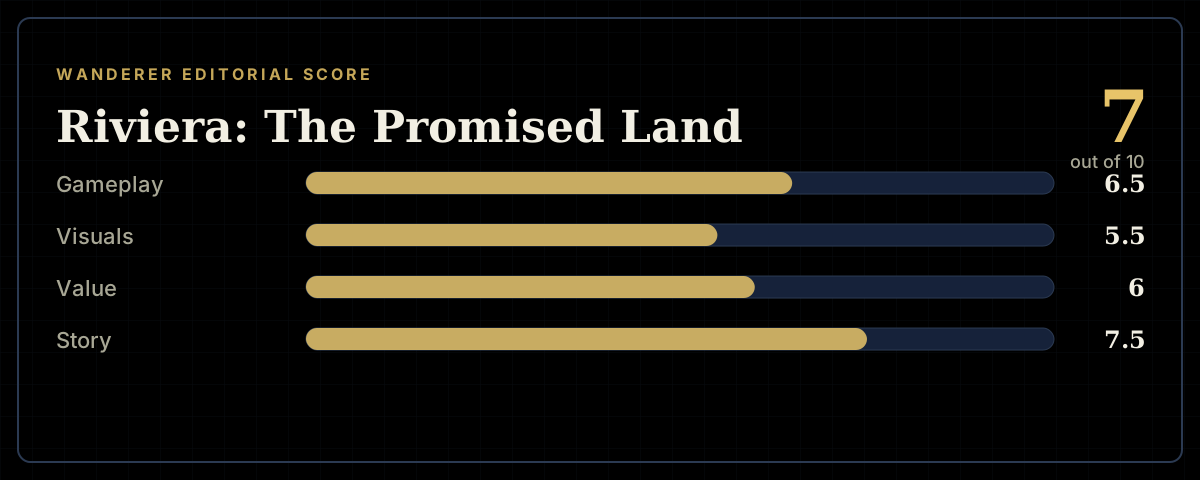
How the review scores each part of the gameWanderer Editorial -
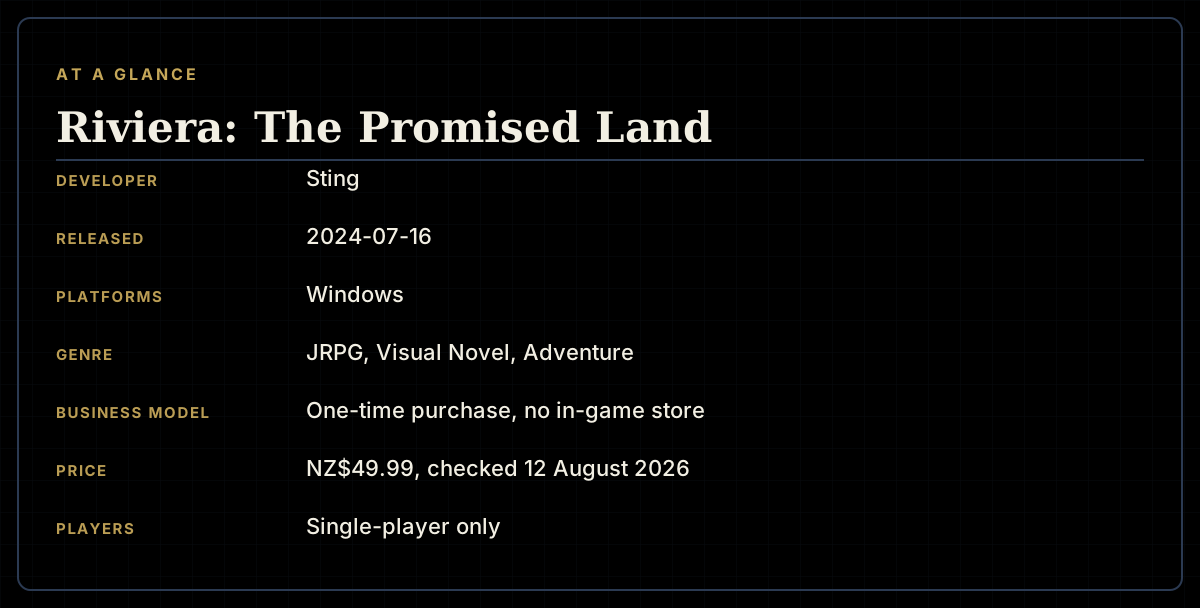
The essentials at a glanceWanderer Editorial -
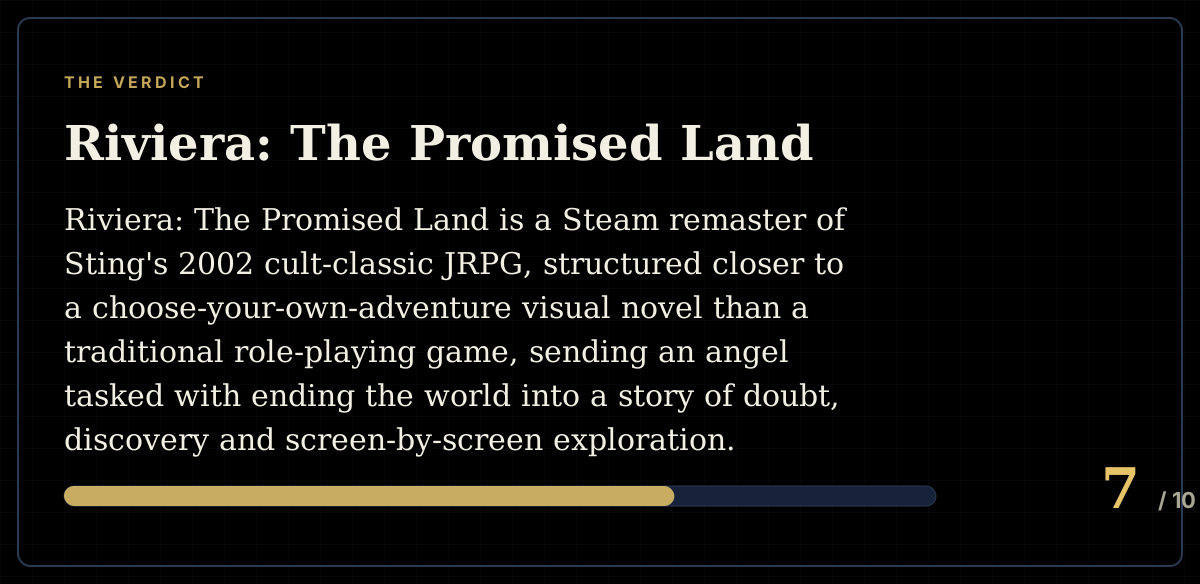
The short versionWanderer Editorial