Game review
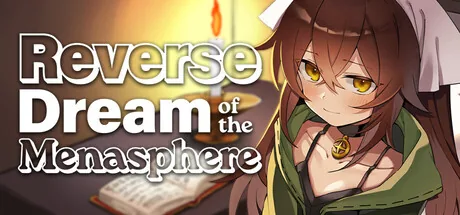
Reverse Dream of the Menasphere
6.5 / 10
- Developer
- Crazy Nirin
- Publisher
- Kagura Games
- Released
- 12 June 2026
- Platforms
- Windows
- Genre
- Adventure, RPG
- Monetisation
- paid
- Players
- false
The short version
Biggest strengths
- Turn-based combat with genuinely flexible skill trees that can be respecced at no cost, rewarding experimentation with different party builds against varied boss attack patterns
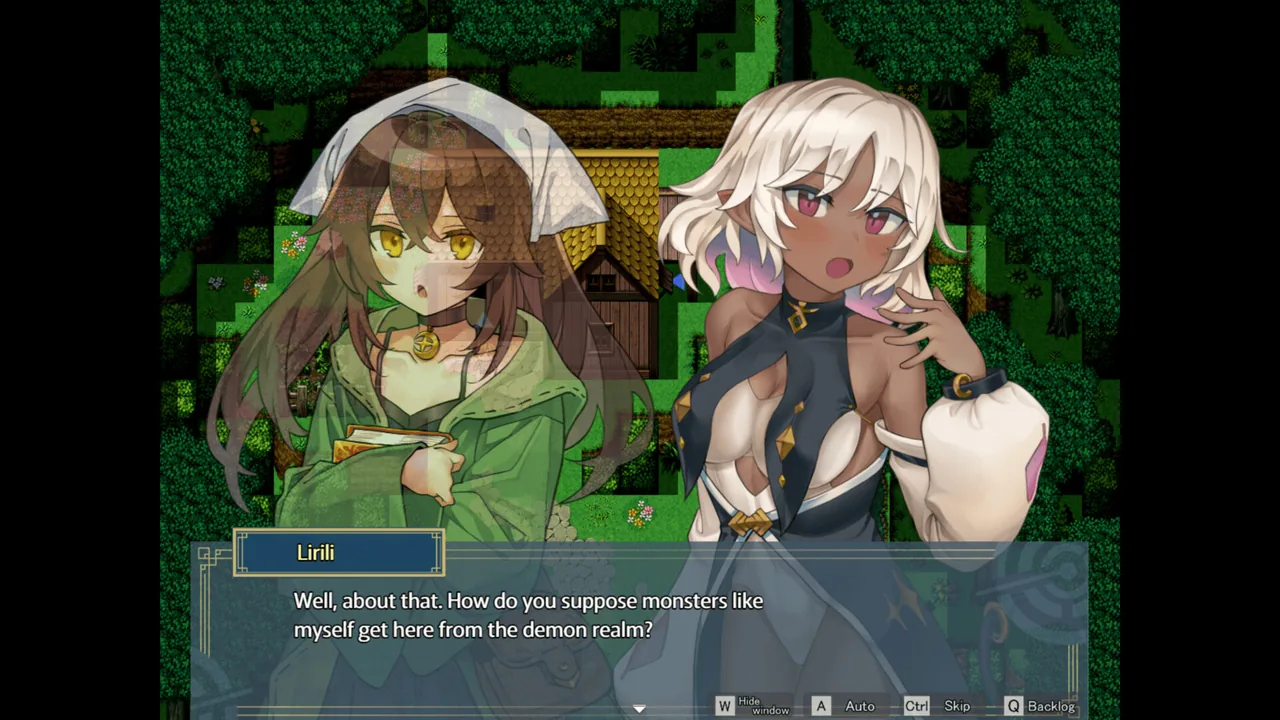
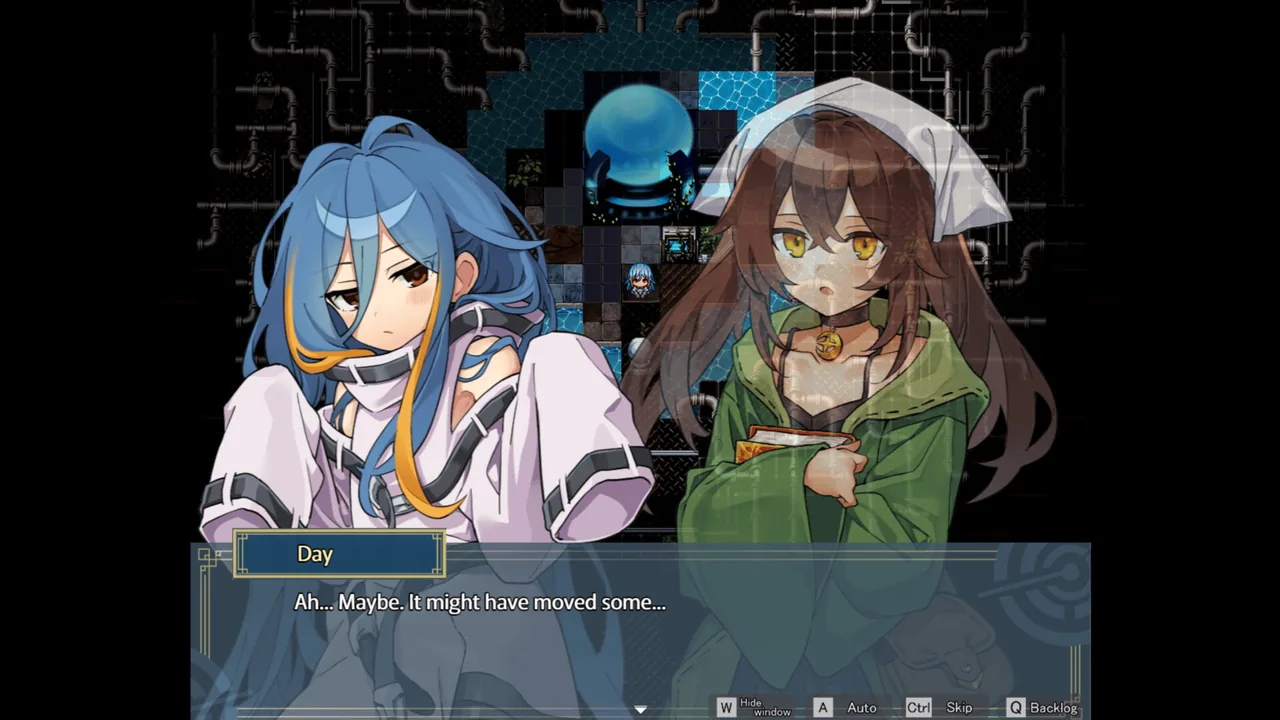
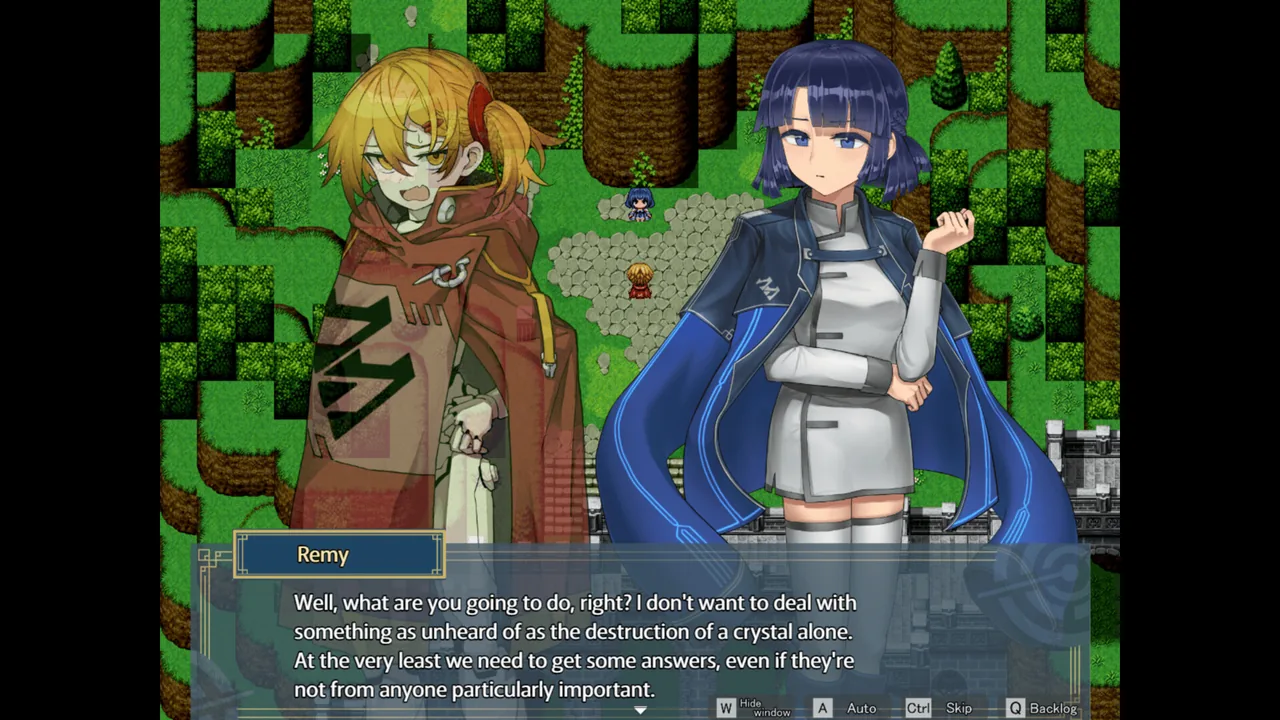
- Expressive, detailed anime-style character art that reviewers say gives its cast distinct, memorable identities beyond their combat roles
- Four adjustable difficulty settings that let players lean toward story and content or toward tactically demanding combat as they prefer
Biggest weaknesses
- Dense, guideless maze-and-puzzle dungeon design with no in-game map, which multiple reviewers said becomes disorienting and can block story progression at some of the game's most important moments
- A steep difficulty spike in navigation specifically, rather than combat, with at least one reviewer needing outside video guides to get through a late-game area
- A modest total volume of intimate content relative to the game's overall playtime, according to one detailed reviewer, though most felt the amount was reasonable for the asking price
Who it's for: Fans of doujin fantasy JRPGs with adult content who enjoy genre-savvy turn-based combat and character-driven harem storytelling, and who can tolerate old-school, guideless dungeon navigation without a map
Our recommendation: recommended with caveats
6.5 / 10
A familiar setup, played with real craft
Reverse Dream of the Menasphere follows a magic researcher born unable to cast spells in a world where magic defines everything, pulled into a quest to stop a monster invasion after a chance encounter with a succubus who, despite being a monster herself, wants to help stop it. It's a well-worn doujin H-RPG premise, but reviewers consistently credit the execution over the concept. One detailed reviewer summarized the appeal plainly: "the game succeeds by combining engaging storytelling with satisfying character progression and strategic combat," specifically praising how the protagonist's bond with his sister anchors the story's emotional stakes even as the party and its conflict grow larger around them.
Combat that rewards actual thought
A recurring, specific point of praise concerns how seriously the game treats its turn-based combat system relative to genre expectations. One reviewer, comparing it favorably to other titles in the space, wrote that the game's "battle design [is] steady enough that it doesn't feel like an indie H-RPG," specifically calling out freely-respecable skill trees that let players adapt their builds to individual boss attack patterns without being punished for experimenting. A separate English-language reviewer echoed the same point: "Battles reward thoughtful planning rather than simple button pressing, especially during major boss encounters that often require adaptation to unique attack patterns and mechanics." That's a genuinely useful signal for players weighing whether this is a game built primarily around its adult content with combat as filler, or one where the RPG half is taken seriously in its own right, and the review pool consistently lands on the latter.
A cast built to be memorable
Character writing and art direction draw similarly consistent praise. One reviewer highlighted the protagonist's sister specifically as a standout, noting she "boasts remarkable popularity" among fans and that "party banter events scattered throughout dungeons evoke the skit systems of classic JRPGs, carefully depicting the companions' personalities and relationships." Another reviewer praised the broader visual presentation in similar terms: "Character artwork is detailed and expressive, helping important story moments carry greater emotional impact... ensuring that each major character has a distinct identity." Combined, these reviews describe a cast built with real intention rather than interchangeable harem archetypes, a distinction that matters in a subgenre where character writing quality varies widely.
Dungeons that ask a lot of patience
The clearest, most consistently repeated criticism in the pool concerns navigation rather than combat or writing. One reviewer put it starkly: "there is no map, no guide, almost no record of your progress... The level design always has multiple layers which [are] blocked by puzzle[s], you need to explore back and forth through hidden routes and hard to notice connectors." Another reviewer described hitting a specific wall late in the game: "I stuck in the 'Explore the Demon Realm' the 'Snow and Volcano level.' Like what the hell am I supposed to do here... Either too dark or the way is blend into the background," adding that they ultimately needed an outside video guide to get through it. This is a specific, mechanically grounded complaint rather than a vague difficulty gripe, and it's serious enough that both reviewers who raised it explicitly connected it to blocking story progress at key moments, including the game's climax.
Content volume in proportion to a full RPG
Because this is an adult-tagged RPG, disclosed on its own Steam store page under Sexual Content, Hentai, and Nudity tags, it's worth addressing how reviewers characterize that content specifically. One detailed reviewer offered a balanced take: "H-scenes are pure-love/harem themed, progressively unlocked through rising affection... If there is room for improvement, it would be that the total number of H-scenes feels modest relative to the RPG's playtime. At this price point it is arguably sufficient, but players prioritizing volume may find it lacking." That's a useful, specific expectation-setting note: this reads as a full JRPG with adult content woven into its relationship progression, rather than an adult title with a JRPG wrapped around it, which should inform who picks it up and why.
Accessibility options that broaden its appeal
One structural strength worth calling out on its own is the game's difficulty flexibility. Multiple difficulty tiers let players lean toward a smoother story-focused experience or a more demanding tactical one, which one reviewer specifically praised as letting "those interested primarily in the story... enjoy a smoother journey, while players seeking more demanding battles can choose settings that require greater tactical consideration." Given how much frustration the pool's navigation complaints generate, that difficulty flexibility at least ensures combat itself doesn't compound the friction for players already fighting with the map.
Pricing that matches a full-length RPG, not a short vignette
At $12.99, Reverse Dream of the Menasphere sits comfortably within the doujin H-RPG genre's typical range, and reviewers who tracked their playtime closely suggest it delivers a genuinely full adventure rather than a short, content-thin experience padded around a handful of scenes. The reviewer who most extensively catalogued the game's systems, combat depth, exploration pacing, and difficulty options ultimately framed it as a strong overall value proposition specifically because those systems hold up across a full campaign rather than existing only to bridge one intimate scene to the next. That's a meaningfully different value pitch than many genre peers, where reviewers often note the RPG half feels like an afterthought; here, several reviewers explicitly credit the combat and exploration loop as worth engaging with on its own terms, adult content aside.
Verdict
Reverse Dream of the Menasphere is a doujin fantasy H-RPG that earns its Positive reception through real craft in places genre peers often skimp on: thoughtful, adaptable turn-based combat, a cast written with genuine distinct personality, and adult content that's proportionate to and integrated with a full story rather than the entire point of the package. Its clearest weakness is specific and repeated: guideless, disorienting maze-and-puzzle dungeon navigation that several reviewers say actively blocks progress at the story's most important moments. Worth picking up for fans of doujin JRPGs with adult content who don't mind occasionally reaching for an outside guide, but players who want smooth, frustration-free exploration should go in with that expectation set.
Pros and cons
Pros
- Turn-based combat with genuinely flexible skill trees that can be respecced at no cost, rewarding experimentation with different party builds against varied boss attack patterns
- Expressive, detailed anime-style character art that reviewers say gives its cast distinct, memorable identities beyond their combat roles
- Four adjustable difficulty settings that let players lean toward story and content or toward tactically demanding combat as they prefer
- A story-first structure where character relationships, particularly between the protagonist and his sister, are treated as the emotional core rather than an afterthought to the game's adult content
Cons
- Dense, guideless maze-and-puzzle dungeon design with no in-game map, which multiple reviewers said becomes disorienting and can block story progression at some of the game's most important moments
- A steep difficulty spike in navigation specifically, rather than combat, with at least one reviewer needing outside video guides to get through a late-game area
- A modest total volume of intimate content relative to the game's overall playtime, according to one detailed reviewer, though most felt the amount was reasonable for the asking price
- No meaningful post-game content once the main story concludes, according to at least one reviewer
Screenshots
-
Reverse Dream of the MenasphereImage: Kagura Games via Steam -
Reverse Dream of the MenasphereImage: Kagura Games via Steam -
Reverse Dream of the MenasphereImage: Kagura Games via Steam