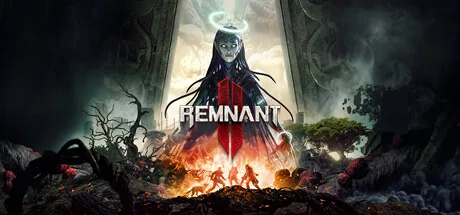
Game review
Remnant II
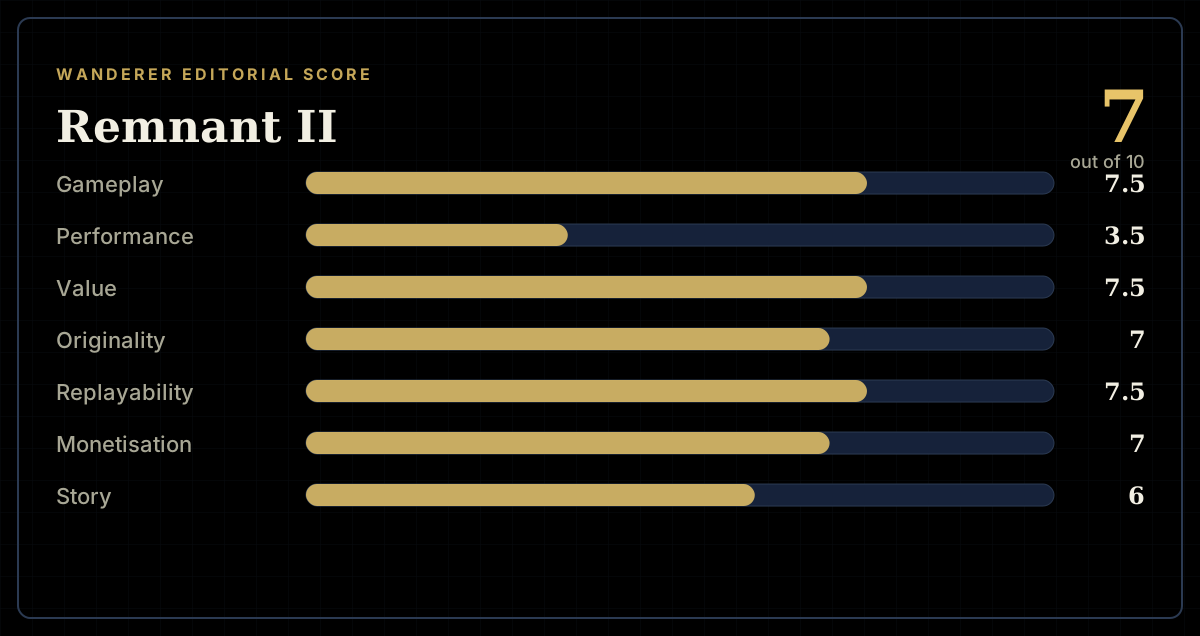
7 / 10
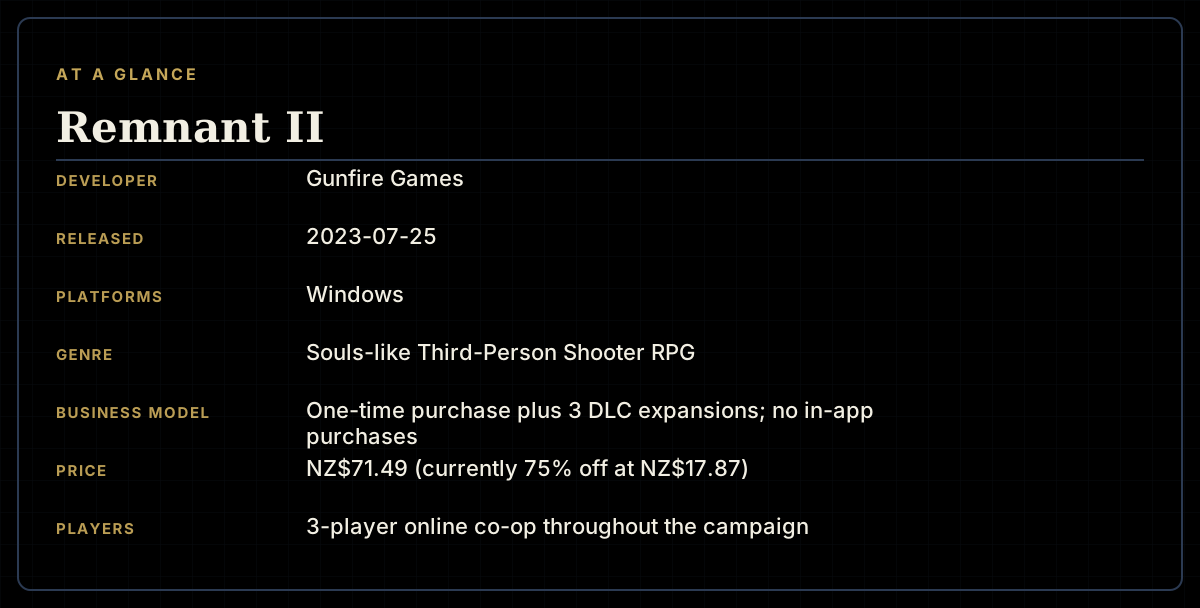
- Developer
- Gunfire Games
- Publisher
- Arc Games, THQ Nordic
- Released
- 25 July 2023
- Platforms
- Windows
- Genre
- Souls-like Third-Person Shooter RPG
- Monetisation
- One-time purchase plus 3 DLC expansions; no in-app purchases
- Players
- 3-player online co-op throughout the campaign
The short version
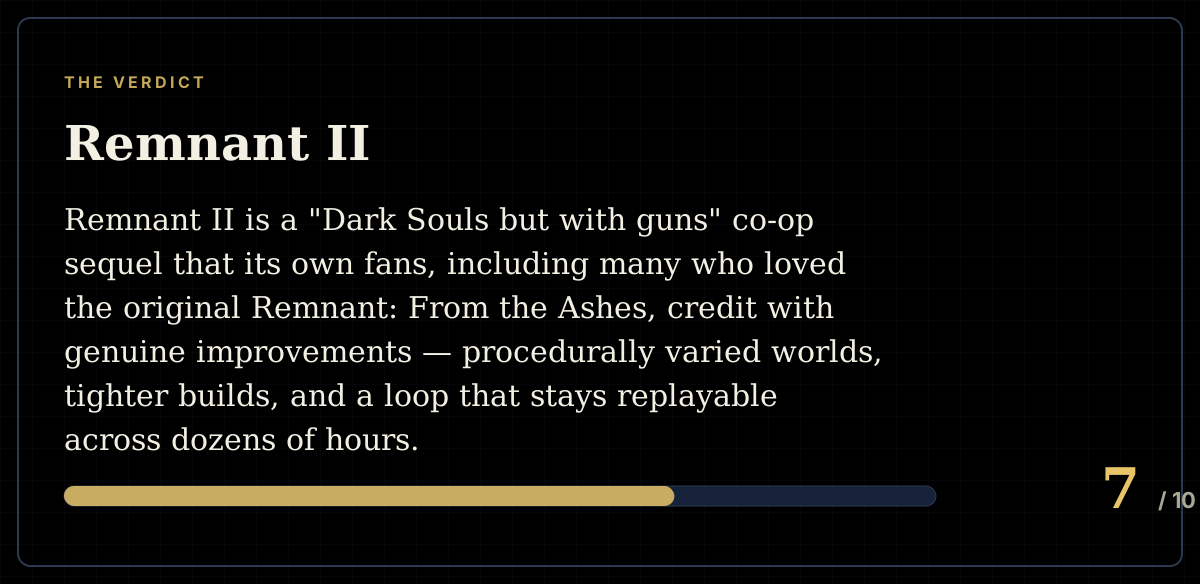
Remnant II is a "Dark Souls but with guns" co-op sequel that its own fans, including many who loved the original Remnant: From the Ashes, credit with genuine improvements — procedurally varied worlds, tighter builds, and a loop that stays replayable across dozens of hours. What dragged its launch reception down was performance, and specifically how the studio framed it: "built with DLSS in mind" became a phrase reviewers quoted back sarcastically, treating it as an admission that the game shipped needing upscaling technology just to run acceptably on capable hardware. Combined mentions of DLSS, FSR, upscaling and optimisation dominate the negative reviews from launch. Three years and multiple patches later, recent sentiment (82%) sits close to the 84.6% lifetime score, and a healthy achievement completion curve suggests most buyers who start the game keep playing it.
Biggest strengths
- Genuinely well-loved core loop — procedurally varied worlds, deep class/build variety and tight three-player co-op that longtime fans call a real improvement on the first game
- Currently 75% off at NZ$17.87, a strong price for a large, replayable RPG with three DLC expansions
- Recent English sentiment (82% over the last 100 reviews) sits close to the 84.6% lifetime score, showing the game has stabilised well past its rocky launch
Biggest weaknesses
- Launched with a performance profile that reviewers say required DLSS/FSR upscaling for acceptable frame rates even on capable hardware, with the studio's own marketing language ("built with DLSS in mind") widely mocked as cover for unfinished optimisation
- Post-launch balance patches applied to a cooperative, PvE-focused game drew complaints from reviewers who felt it was being tuned like a competitive PvP title
- Some hidden content is criticised as obscure enough that most players resort to community wikis rather than in-game discovery
Who it's for: Souls-like and co-op RPG fans who want a genuinely distinctive gun-and-magic hybrid — go in aware of the launch-era performance reputation, and check your hardware against current benchmarks first.
Our recommendation: Buy, especially at the current discount; performance has improved since launch but was a real issue worth knowing about.
7 / 10
The pitch
Remnant II is Gunfire Games' sequel to 2019's sleeper hit Remnant: From the Ashes — a souls-like built around guns rather than melee, with worlds procedurally reassembled from hand-crafted pieces so each run through a realm plays out differently. It supports three-player co-op throughout the full campaign.
The gameplay isn't the argument
Reviewers on both sides of this game's mixed launch agree on the core loop. "Literally just remnant 1 with Nothing but upgrades, improvements, and great additions, It is phenomenal," reads the most-upvoted positive review, from a 143-hour player. Another: "Remnant: From the Ashes was one of the most slept on games and seeing that Remnant 2 has gotten the spotlight it deserves makes me happy. Think dark souls but with guns." The addictive, replayable structure — different worlds, classes and builds each run — draws consistent praise even from reviewers frustrated by other parts of the game.
The specific controversy: "built with DLSS in mind"
What actually dominates the negative-review corpus is performance, and specifically the framing Gunfire Games used to explain it. "Having upscaling is great. But requiring upscaling for playable performance on high end GPUs is a joke," reads one of the most-upvoted negative reviews, from launch day. Reviewers repeatedly quote and mock the same marketing line: "'Built with DLSS in mind.' Translation, we didn't even bother to optimize the game," reads a 517-vote review. Another, even blunter: "'Developed with upscaling in mind' is a crutch and lazy excuse for ba[d performance]." Combined mentions of DLSS, FSR, upscaling, performance and optimisation appear across a large share of the negative corpus — this wasn't a minor complaint among many, it was the dominant one at launch, treating a marketing phrase as an admission that the game shipped unfinished on the optimisation side.
Secondary frustrations: balance changes and secret-hunting design
A smaller but repeated complaint concerns post-launch balance patches applied to what's meant to be a cooperative, PvE-focused game. "I love this game, and I want to recommend it to everyone, but I cannot tell you how tiring it is to be so excited for a game only to have Devs treat a PVE game like a PVP [balance target]," reads a 247-vote review from over a year after launch. A separate thread criticises the game's hidden-content design: "Too much 'secret' stuff you google anyway, so secret is 'secret'. The game doesn't respect your time," reflecting frustration that genuinely obscure puzzle-gated content mostly gets solved via community wikis rather than in-game discovery.
Where sentiment sits now
Recent English review sentiment — the 100 most recent reviews, spanning late July to August 2026 — runs 82% positive, close to the 84.6% lifetime score. The performance controversy was most acute at launch in mid-2023; three years and several patches later, sentiment has stabilised rather than continued declining. Achievement data shows healthy, sustained engagement: the median across 65 achievements is 32.8%, with even a demanding world-boss achievement sitting at 70.6%, suggesting most buyers who start the game make real progress through it.
Value
At its current 75%-off price of NZ$17.87, this is an easy value proposition — a large, replayable co-op RPG with three DLC expansions available, for a fraction of its NZ$71.49 launch price. Monetisation itself draws no complaints in this corpus; the frustration is entirely technical and balance-related, not about predatory design.
Verdict
Remnant II earns real, sustained affection for its core loop — procedurally varied worlds, tight co-op and a genuinely distinctive "souls but with guns" identity that reviewers who loved the first game say this one built on rather than repeated. Its real, well-documented failing was a launch performance profile that required upscaling technology just to run acceptably, treated by its own audience as an admission of unfinished optimisation rather than a genuine feature. On sale, and years past that rocky start, this is a strong pick for co-op souls-like fans.
Pros and cons
Pros
- Genuinely well-loved core loop — procedurally varied worlds, deep class/build variety and tight three-player co-op that longtime fans call a real improvement on the first game
- Currently 75% off at NZ$17.87, a strong price for a large, replayable RPG with three DLC expansions
- Recent English sentiment (82% over the last 100 reviews) sits close to the 84.6% lifetime score, showing the game has stabilised well past its rocky launch
- Healthy, sustained engagement per achievement data (median 32.8% across 65 achievements)
Cons
- Launched with a performance profile that reviewers say required DLSS/FSR upscaling for acceptable frame rates even on capable hardware, with the studio's own marketing language ("built with DLSS in mind") widely mocked as cover for unfinished optimisation
- Post-launch balance patches applied to a cooperative, PvE-focused game drew complaints from reviewers who felt it was being tuned like a competitive PvP title
- Some hidden content is criticised as obscure enough that most players resort to community wikis rather than in-game discovery
- Story and tone draw more mixed reactions than the core gameplay, with some longtime fans preferring the original's atmosphere
Screenshots
-
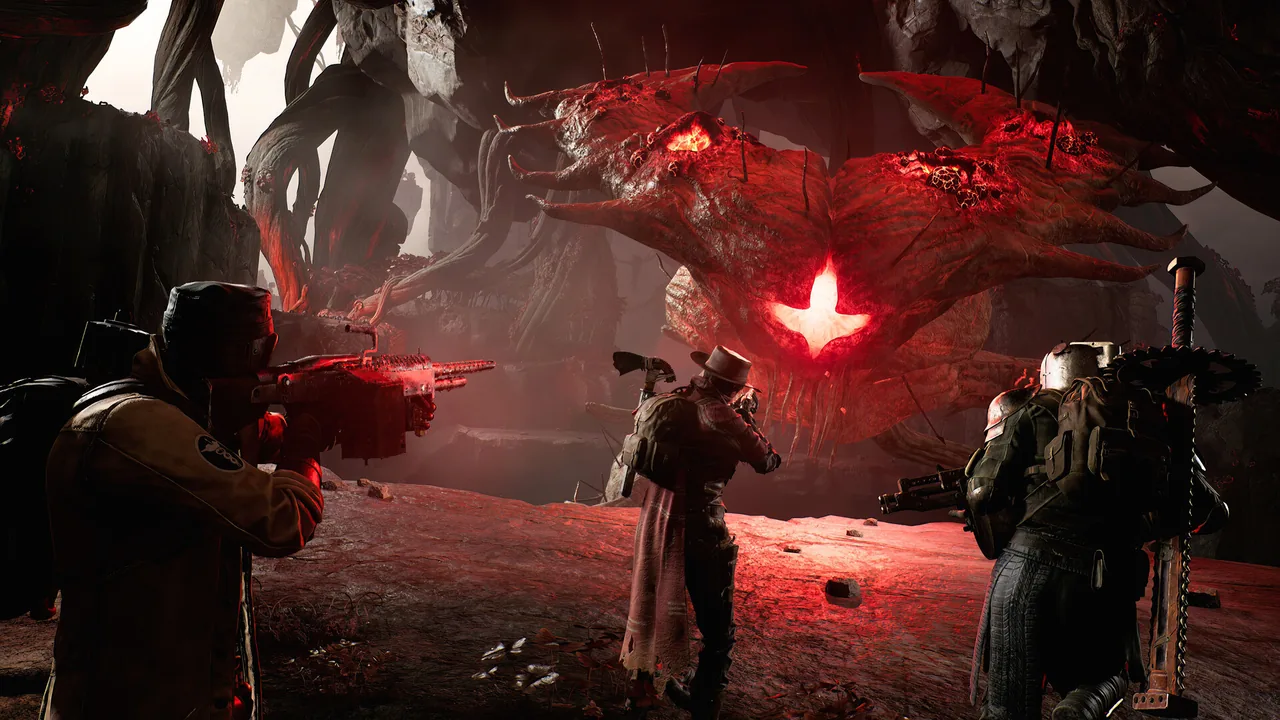
REMNANT II®Image: Arc Games via Steam -
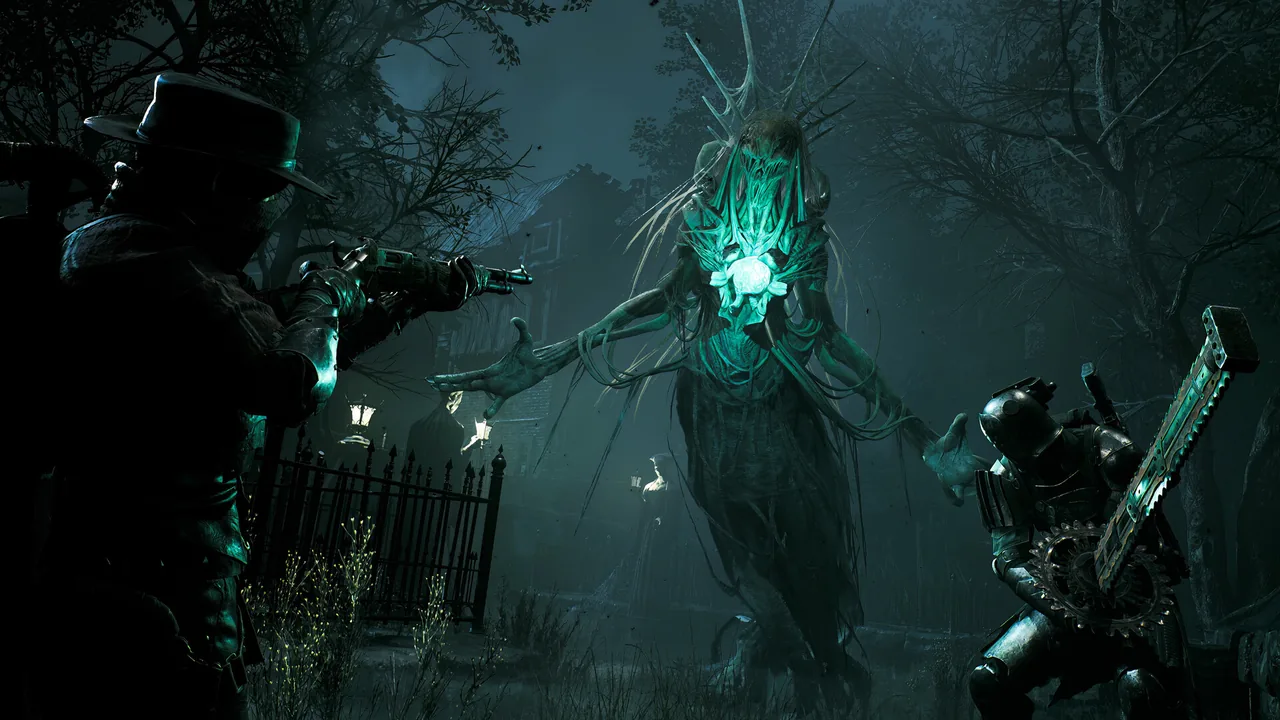
REMNANT II®Image: Arc Games via Steam -
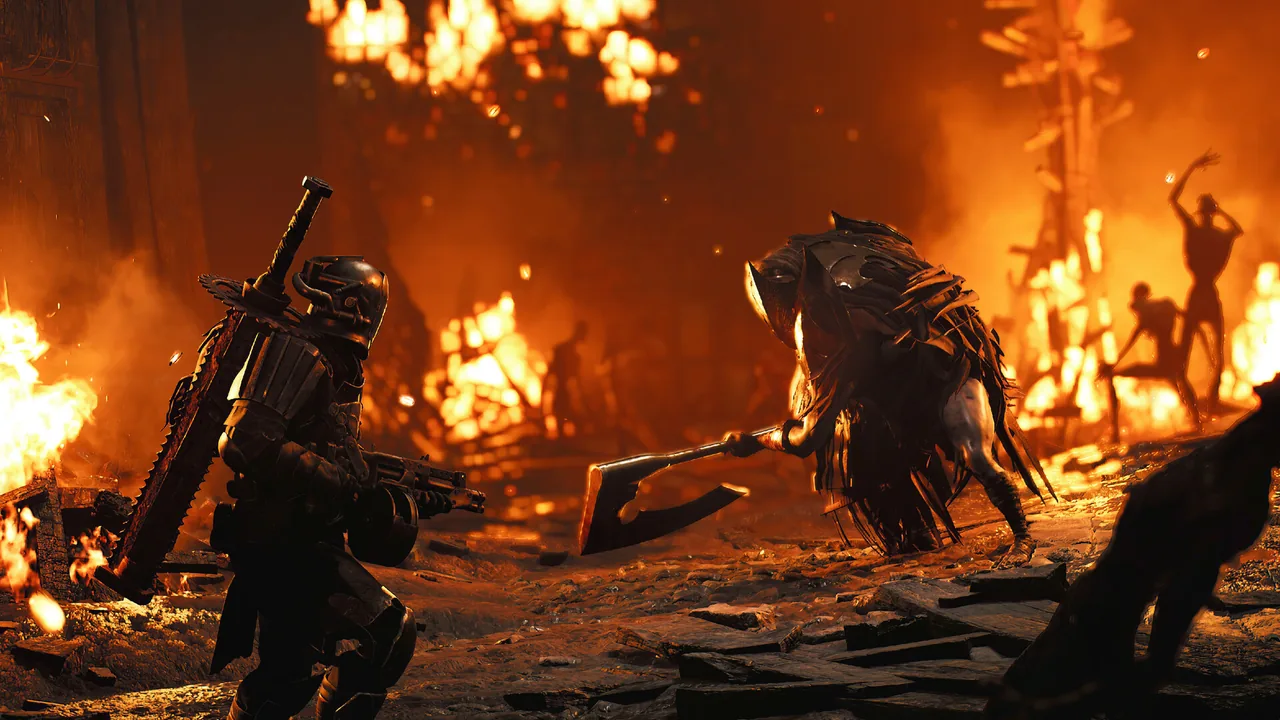
REMNANT II®Image: Arc Games via Steam -
How the review scores each part of the gameWanderer Editorial -
The game at a glanceWanderer Editorial -
The short versionWanderer Editorial