Game review
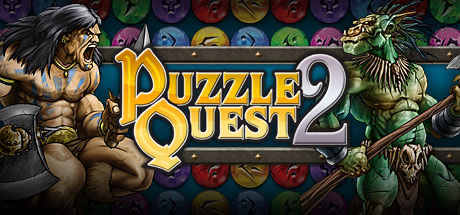
Puzzle Quest 2
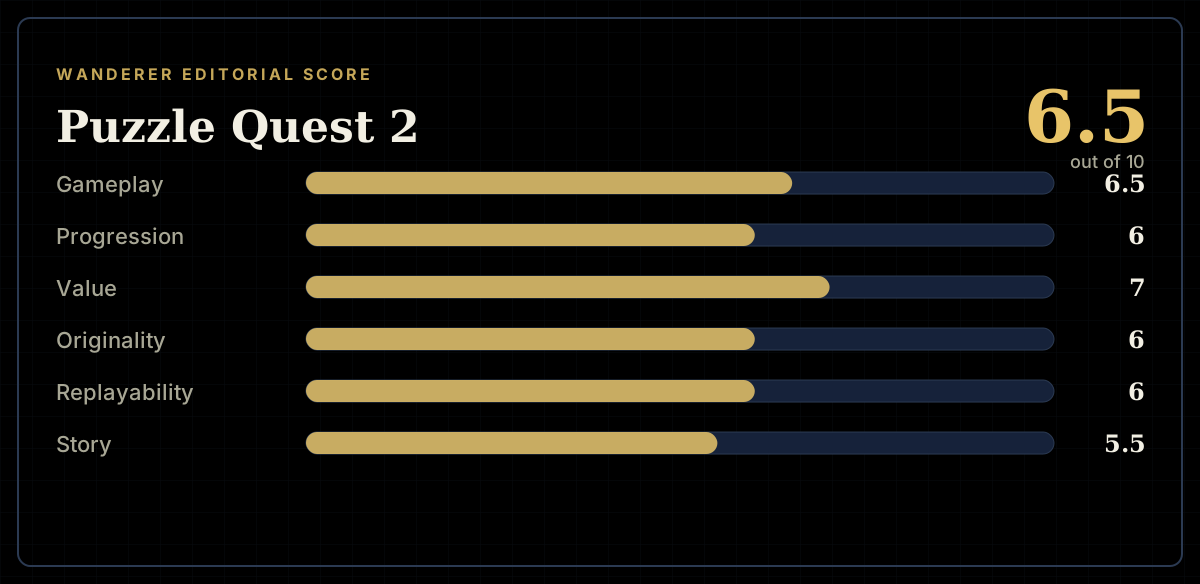
6.5 / 10
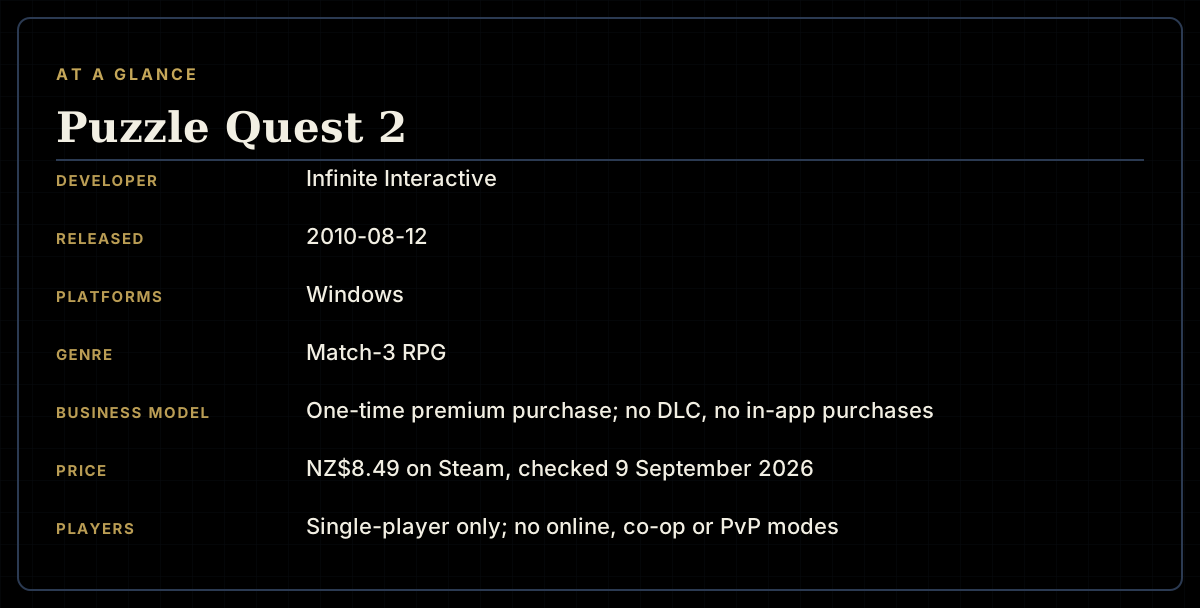
- Developer
- Infinite Interactive
- Publisher
- D3 Publisher
- Released
- 12 August 2010
- Platforms
- Windows
- Genre
- Match-3 RPG
- Monetisation
- One-time premium purchase; no DLC, no in-app purchases
- Players
- Single-player only; no online, co-op or PvP modes
The short version
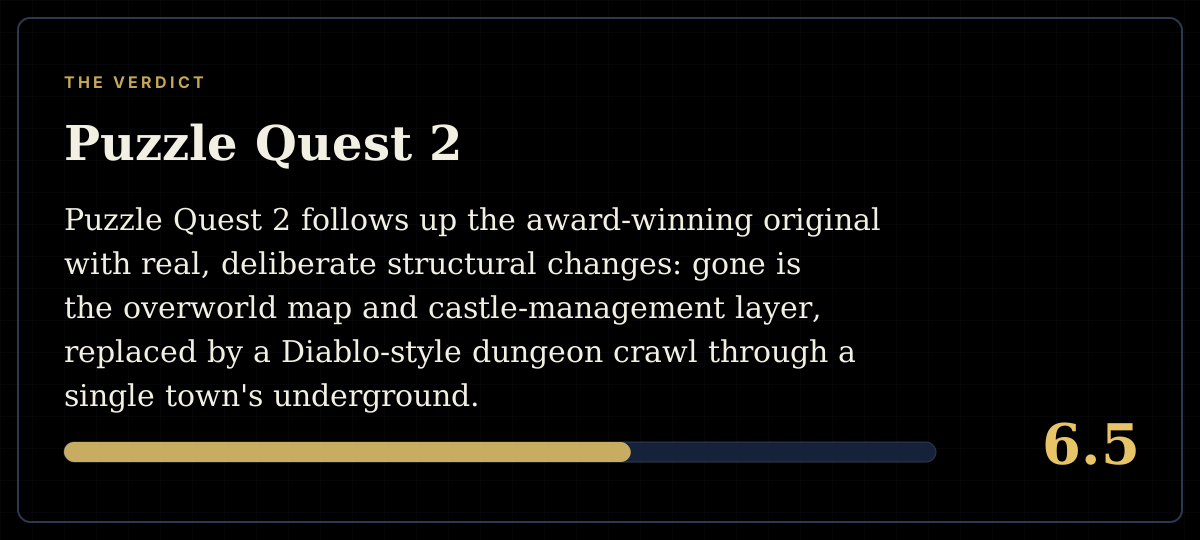
Puzzle Quest 2 follows up the award-winning original with real, deliberate structural changes: gone is the overworld map and castle-management layer, replaced by a Diablo-style dungeon crawl through a single town's underground. Reviewers who loved the first game are split on whether that's an evolution or a downgrade, and the split is specific rather than vague — this isn't a simple "sequel isn't as good" complaint, it's a detailed argument about what got lost when the format changed.
A real, independently corroborated critical thread argues the new structure trades meaningful progression for repetitive trash-mob combat — "hordes of rats after hordes of rats," as one reviewer puts it — with enemies taking longer to kill as the game progresses without becoming more interesting to fight. A smaller but genuine counter-camp argues the mana and weapon system changes are a real, worthwhile evolution rather than a reskin, giving the sequel its own identity rather than just repeating the first game's formula.
Biggest strengths
- Genuine gameplay evolution in its mana and weapon systems, which a real share of reviewers argue gives the sequel its own distinct identity rather than functioning as a reskinned repeat of the original formula
- Solid core match-3 RPG mechanics that reviewers say remain fundamentally sound even when critical of the surrounding structure
- Achievement data shows a healthy main-story completion rate (nearly 88% of tracked players), suggesting most buyers who start the campaign do see it through
Biggest weaknesses
- A real, independently corroborated structural complaint: the removal of the original's overworld map and castle-building layer in favor of a single dungeon crawl is described by multiple reviewers as a loss of meaningful, visible progression
- Multiple reviewers describe combat becoming repetitive specifically because of an overabundance of low-stakes "cannon fodder" trash encounters, with one describing it plainly as fighting "hordes of rats after hordes of rats after hordes of rats"
- A detailed reviewer reports enemies taking progressively longer to defeat as the game continues without becoming meaningfully more challenging or interesting, describing a specific pacing problem rather than intended difficulty scaling
Who it's for: Match-3 RPG fans who want a dungeon-crawler structure over the original's overworld/ kingdom-management format, and who don't mind more repetitive combat pacing in exchange. Less suited to fans of the original Puzzle Quest specifically hoping for more of the same format.
Our recommendation: A reasonable, cheap pickup for match-3 RPG fans on its own terms, but original Puzzle Quest fans should know this is a real structural departure, not simply "more of the same, but newer."
6.5 / 10
Few sequels invite as much direct, detailed comparison to their predecessor as this one. Puzzle Quest 2 arrives with a real structural decision at its core, and reviewers who played the award-winning original are split on whether it paid off. Gone is the overworld map and castle management that anchored the first game's sense of a kingdom being built and defended; in its place is a single town's dungeon depths, explored Diablo-style, room by room. It's not a small tweak — reviewers describe it as a genuinely different game wearing the same core match-3 combat system, and the reaction to that change is where most of the real disagreement in this review sample lives.
A structural departure with real costs, per detailed reviewers
The most consistent complaint across this game's critical reviews concerns what that structural change cost the series. One review puts the trade-off memorably: instead of "battling warlords across the lands, building your castle and taming ferocious beasts," this sequel offers "hordes of rats after hordes of rats after hordes of rats in someone's damp basement." That's not just a taste complaint — a separate, detailed review backs it up mechanically, describing "80% of battles" as low-stakes cannon fodder, no overworld map, no main base, and pacing across the board (walking speed, combat animations, unskippable messages) reported as roughly three times slower than the original. A third reviewer reports a related, specific pacing problem: enemies take progressively longer to defeat as the game continues without becoming more interesting or difficult to fight, describing a mismatch between time investment and engagement rather than intended difficulty scaling.
A real counter-argument for the changes
Set against that critique is a genuine, differently argued position: several reviewers credit the sequel's mana and weapon system overhaul as a real, worthwhile evolution rather than a surface- level reskin. "It doesn't feel like a recycled version of the first game at all, while still having the same basic gameplay," one review states, specifically praising how the mana changes make becoming overpowered harder to achieve than in the original — a meaningful rebalancing of a system some earlier reviewers considered exploitable. This isn't a minority view dismissing the structural complaints above so much as a genuinely separate axis of evaluation: reviewers broadly agree the format changed significantly, and disagree specifically on whether the underlying combat systems improved enough to justify it.
Context: a course correction from a worse predecessor
Worth knowing for context: Puzzle Quest 2 didn't follow the original directly — it arrived after Puzzle Quest: Galactrix, a sci-fi spinoff one detailed reviewer describes bluntly as "the complete mess." Read against that history, this sequel reads less as an unforced structural gamble and more as a deliberate return to "the tried-and-tested Puzzle Quest formula," even if the specific new direction it took (the dungeon-crawl replacing the overworld) still divides opinion on its own terms. The same reviewer adds detail to the side-content complaint above: castle building, mount training and item creation from the original were replaced with what they call "laughably easy" door-unlocking and trap-disarming minigames, and reports the new story is "completely unrelated" to the first game's and thin enough that they skipped it outright.
A late-game monotony specific to the new weapon system
The same detailed account also identifies a specific problem with the sequel's headline addition — the new weapon system some reviewers praise as a genuine evolution. Early on, it's described as opening real new strategic options, but by the late game it's reported to flatten into a repetitive routine: build up weapon points, unleash them, end the fight within a few turns, repeat. That's a useful middle position between the two camps described above — the weapon system genuinely does add something new, but its long-term depth may be thinner than its early impression suggests, according to at least one reviewer who played long enough to notice the pattern settle in.
What the completion data suggests
Steam's own achievement data offers a useful data point on how the finished product actually plays out for most buyers. The main story-completion achievement sits at a strong 87.8% of the tracked playerbase — notably healthy, and consistent with several reviewers' accounts of playing the game through to completion even while voicing real complaints along the way. The curve declines more steeply for deeper completionist goals (several sit under 1%), a fairly typical shape rather than evidence of players abandoning the game early. Read together with the reviews, this suggests the repetitive-combat complaints above describe real friction within an otherwise completable, engaging core loop rather than a game most buyers simply give up on.
Where it lands
Puzzle Quest 2 is best understood as a genuine structural experiment rather than a straightforward sequel, and reviewers' disagreement over whether that experiment succeeded is specific and well-argued on both sides. The complaints about repetitive trash combat and lost overworld progression are real and independently corroborated enough to weigh seriously, especially for fans coming from the original expecting more of the same format. But the underlying match-3 RPG core remains sound, the mana and weapon changes earn genuine praise from a real share of reviewers, and most buyers who start the campaign, per the achievement data, do see it through to the end. Judged against the misstep that preceded it in Puzzle Quest: Galactrix, this is a real recovery — just not, per its own predecessor's most devoted fans, a full return to form.
Pros and cons
Pros
- Genuine gameplay evolution in its mana and weapon systems, which a real share of reviewers argue gives the sequel its own distinct identity rather than functioning as a reskinned repeat of the original formula
- Solid core match-3 RPG mechanics that reviewers say remain fundamentally sound even when critical of the surrounding structure
- Achievement data shows a healthy main-story completion rate (nearly 88% of tracked players), suggesting most buyers who start the campaign do see it through
- Cheap and accessible, a low-risk purchase for genre fans curious about a specific, well-known entry in the match-3 RPG lineage
- Self-aware developer humor evident in achievement naming, a small but telling sign of a team that didn't take the project entirely seriously in a good way
Cons
- A real, independently corroborated structural complaint: the removal of the original's overworld map and castle-building layer in favor of a single dungeon crawl is described by multiple reviewers as a loss of meaningful, visible progression
- Multiple reviewers describe combat becoming repetitive specifically because of an overabundance of low-stakes "cannon fodder" trash encounters, with one describing it plainly as fighting "hordes of rats after hordes of rats after hordes of rats"
- A detailed reviewer reports enemies taking progressively longer to defeat as the game continues without becoming meaningfully more challenging or interesting, describing a specific pacing problem rather than intended difficulty scaling
- Slower overall pacing is a recurring complaint — walking speed, combat animations and unskippable messages are all described as noticeably slower than the original game
- Reduced dialogue and plot compared to the original, with one detailed reviewer contrasting it directly against the earlier game's stronger narrative framing
Screenshots
-
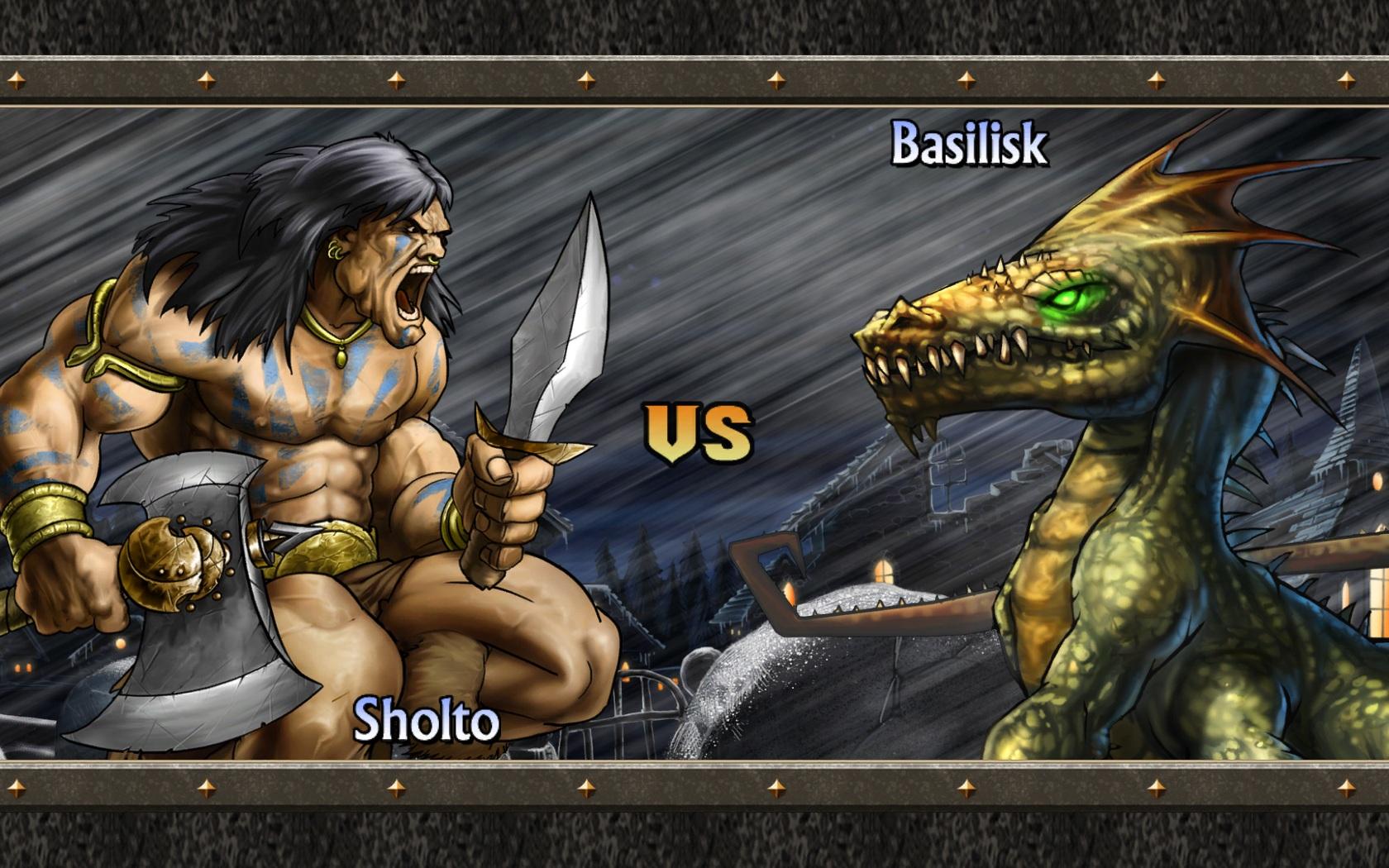
Puzzle Quest 2Image: D3 Publisher via Steam -
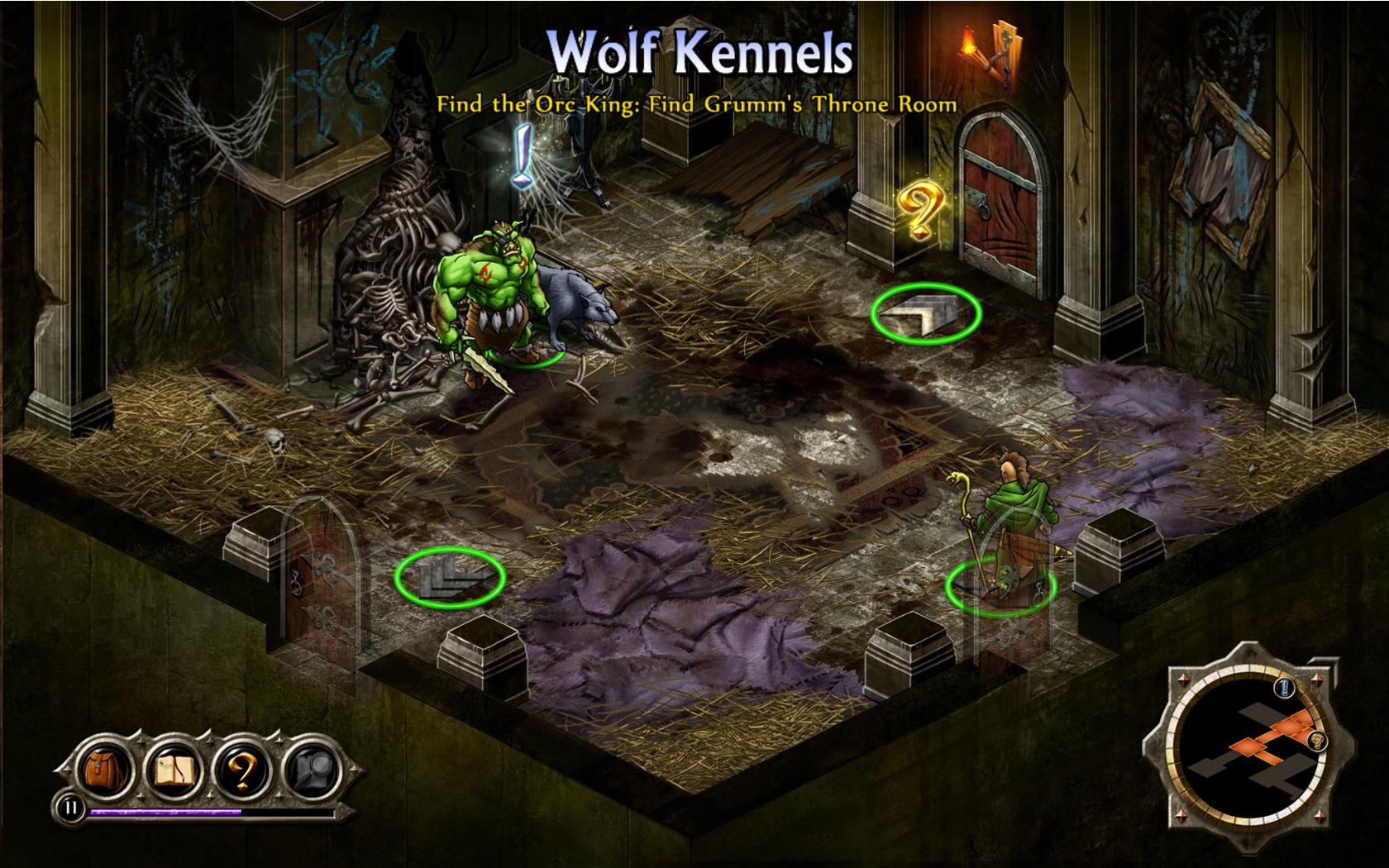
Puzzle Quest 2Image: D3 Publisher via Steam -
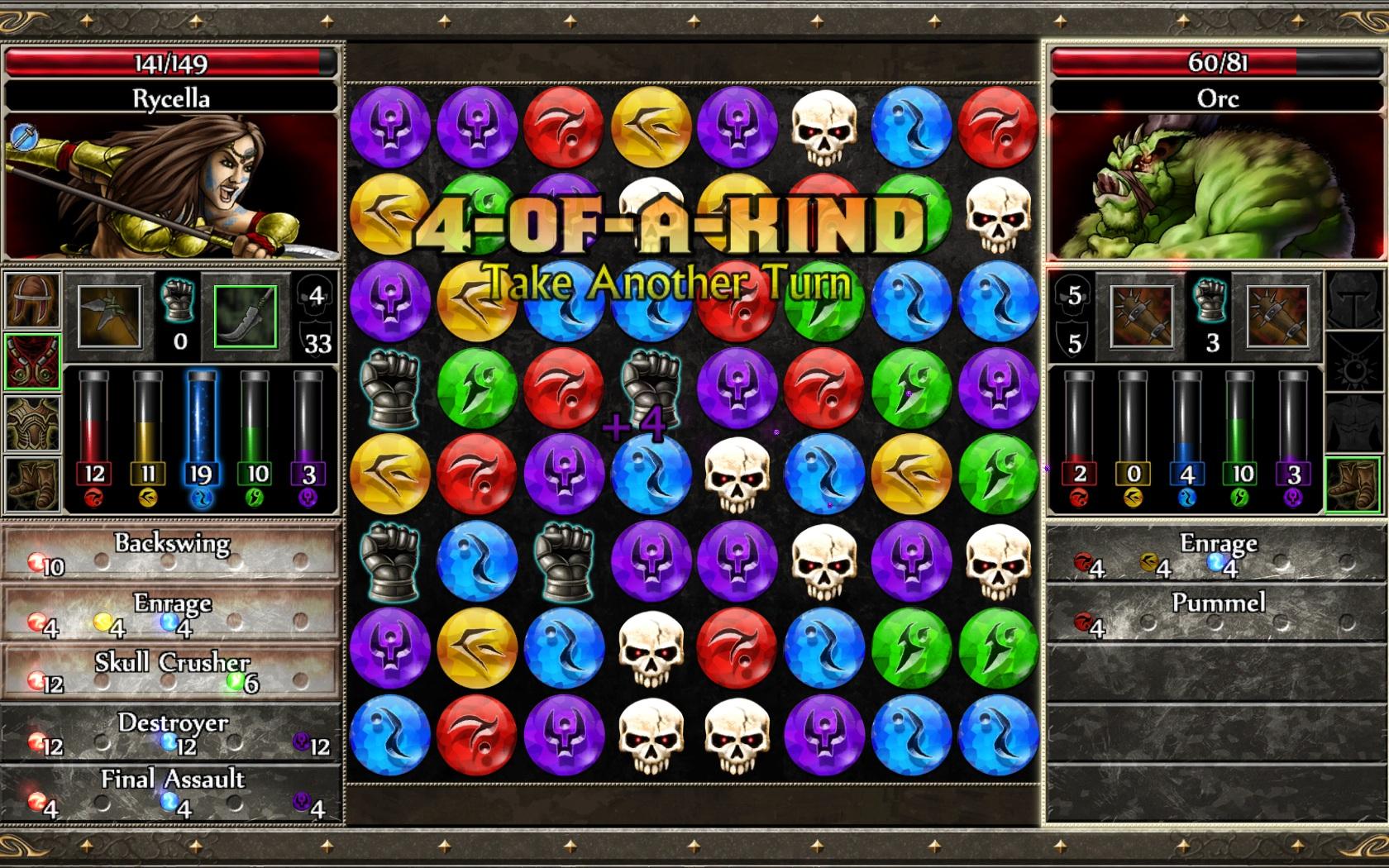
Puzzle Quest 2Image: D3 Publisher via Steam -
How the review scores each part of the gameWanderer Editorial -
The specsWanderer Editorial -
The short versionWanderer Editorial