
Game review
Pro Cycling Manager 26 Review
5.5 / 10
- Developer
- Cyanide Studio
- Publisher
- Nacon
- Released
- 15 June 2026
- Platforms
- ["Windows"]
- Genre
- Sports Management Simulation
- Monetisation
- Paid
- Players
- Online multiplayer
The short version
Pro Cycling Manager 26 delivers modest visual and simulation improvements wrapped around a divisive new automated season planner and a long list of AI and breakaway behaviors that longtime players say have gone unfixed for years, making this a hard sell for series veterans and a merely adequate entry point for newcomers curious about the genre.
Biggest strengths
- Improved graphics and a genuinely detailed simulation layer make individual stages look and feel better than recent entries
- Rider-focused career mode still lets you follow a single cyclist's rise through the peloton, a feature longtime fans return for every year
- The core loop remains, for now, the only game on PC offering this level of professional cycling management detail
Who it's for: Cycling management diehards who follow the sport closely and can tolerate persistent AI quirks in exchange for unmatched genre depth.
Our recommendation: Skip unless you're new to the series or specifically want this year's detailed simulation and graphics updates; recent-version owners should wait to see whether the new planning system gets patched into shape.
5.5 / 10
Twenty-Plus Years of Managing the Peloton
Cyanide Studio's Pro Cycling Manager series has occupied a genre of one for over two decades: no other PC title lets players run a professional cycling team with this level of detail, from recruiting riders and negotiating sponsorships to setting stage-by-stage tactics across a full season calendar stretching from the cobbles of the spring classics to the mountains of the Tour de France. Pro Cycling Manager 26 continues that tradition as the latest annual entry, and for players stepping into the series for the first time, it remains a reasonably approachable way into a genre that has essentially no competition. New players describe getting hooked quickly, managing a small squad through their first grand tour, learning to read a rider's stamina bar, and slowly working out which of the game's many systems, training, transfers, sponsorship, actually move the needle on results.
The series has always split its audience between two overlapping modes: a full general-manager career where the player runs an entire roster's season, and Pro Cyclist mode, which narrows the focus to a single rider's career, climbing from domestique to team leader over successive seasons. Both remain present in the 26th edition, and both draw returning players back every year specifically for the chance to pick up where a prior save left off, or start a new rider from scratch with a fresh set of career ambitions. That structural continuity, more than any single new feature, is likely the series' strongest asset at this point: a large and loyal player base that has followed specific virtual riders and teams across a decade or more of annual releases.
A Rebuilt Season Planner Splits the Community
This year's headline change is a reworked season-planning system built around assigning race categories and objectives, intended to let the game's assistant logic generate a rider's calendar with less manual click-work than before. The reaction from the existing player base has been sharply divided. Some newer or more casual players describe it as a genuine quality-of-life improvement, freeing them from tediously scheduling every race for every rider by hand and letting the simulation handle logistics while they focus on race-day tactics. A large and vocal contingent of longtime players, several with save files or Steam accounts dating back to entries from 2008, describe the opposite experience: a planner that took real control away from them, forces choosing an entire year's race calendar upfront with too little flexibility to adjust later, and in the words of multiple reviewers, replaced a system they had mastered over years with automated logic that frequently produces confusing or counterproductive scheduling decisions.
The complaints go beyond a simple preference for the old system. Several players who specifically identify as long-time "career mode" managers describe the new planner as effectively taking their job away from them, an experience one summarized as feeling like their entire management role had been handed to buggy automation they can't fully override. Others report more concrete technical problems: assigned objective combinations not registering correctly, training schedules falling out of sync with the races a rider has actually been entered into, and roster-wide "in form" bonuses failing to line up with manually adjusted plans. Cyanide has apparently acknowledged the rocky rollout and promised fixes, but as of the reviews surveyed here, a meaningful share of the community considers the new system not yet fit for purpose, with several reviewers recommending prospective buyers wait for patches before committing.
Detailed Simulation, Same Old Race-Day Quirks
Away from the planner, this year's most tangible upgrades are visual and simulation-focused: improved rider models, better weather and lighting effects on mountain stages in particular, and an expanded "detailed simulation" layer that adds more granular in-race modeling. Reviewers who watch races play out rather than simulate through them generally credit these changes as real, visible improvements over the last several entries, and several specifically call out mountain stages as looking and feeling noticeably better than in prior versions.
Those improvements sit uneasily alongside race-day AI behavior that a significant number of veteran players describe as effectively unchanged, and in some specific respects, actually worse than in recent editions. Breakaway dynamics draw the heaviest criticism: multiple long-time players report that attacks and escapes in the style of the sport's most dominant real-world riders are functionally impossible to replicate, with the peloton reliably reeling in even substantial leads in the final kilometers regardless of the composition or stamina of the breakaway group. AI rubber-banding around climbs and King of the Mountain sprints comes up repeatedly as a specific, long-documented issue that reviewers say has persisted across multiple release years without a real fix. Several players with hundreds of hours in the series describe races collapsing into the same predictable patterns stage after stage, bunch sprints between favorites, puncheurs, or pure sprinters, regardless of the tactical setup a player attempts, which several reviewers say saps the strategic depth the series is nominally built around.
A Loyal but Increasingly Frustrated Fanbase
What comes through most clearly across this year's reception is a fanbase that has stuck with the series for a very long time, in several cases citing entries from 2008 or earlier, and is growing visibly frustrated with a perceived pattern of incremental annual releases that don't meaningfully address longstanding complaints. Specific recurring issues named this year include energy and stamina mechanics that reviewers say apply inconsistently between the player's team and AI-controlled riders, team dynamics and domestique support that several players describe as barely functional, and reports of teammates working against the player's own tactical instructions during a race. A handful of reviewers also flag stability problems, including crashes during extended play sessions, and note that the mod-supporting workshop, an important part of how the community has historically patched around the base game's shortcomings, was reportedly affected by scheduling changes around this year's launch window.
Not every voice is negative. A meaningful minority of reviewers describe Pro Cycling Manager 26 as, despite its flaws, still the only credible way to get a deep professional cycling management fix on PC, and several first-time players report a genuinely enjoyable, bug-light introduction to the series with no major complaints. But the balance of detailed, specific, long-form criticism from players with the most series history, several explicitly comparing this entry unfavorably to Pro Cycling Manager 25 or even earlier releases, suggests this particular year's changes have landed closer to a lateral step than a forward one for the audience that matters most to the franchise's continued health.
Verdict
Pro Cycling Manager 26 is a mixed entry in a series that has long coasted on having no real competition in its genre. The visual and simulation-layer upgrades are real and appreciated by the players who notice them, and the underlying appeal, running a professional cycling team or a single rider's career across a full grand-tour calendar, remains as distinctive as ever for anyone discovering it for the first time. But this year's reworked season planner has proven genuinely divisive among the series' most dedicated players, several of whom describe it as removing rather than streamlining the manual control they valued, and long-documented AI and breakaway issues remain unresolved for at least another annual cycle. Newcomers curious about cycling management with no other real option on PC will likely still find plenty to enjoy here, but longtime fans weighing whether to upgrade from a recent installment have real, specific reasons to wait for patches, or simply sit this year out.
Pros and cons
Pros
- Improved graphics and a genuinely detailed simulation layer make individual stages look and feel better than recent entries
- Rider-focused career mode still lets you follow a single cyclist's rise through the peloton, a feature longtime fans return for every year
- The core loop remains, for now, the only game on PC offering this level of professional cycling management detail
Screenshots
-
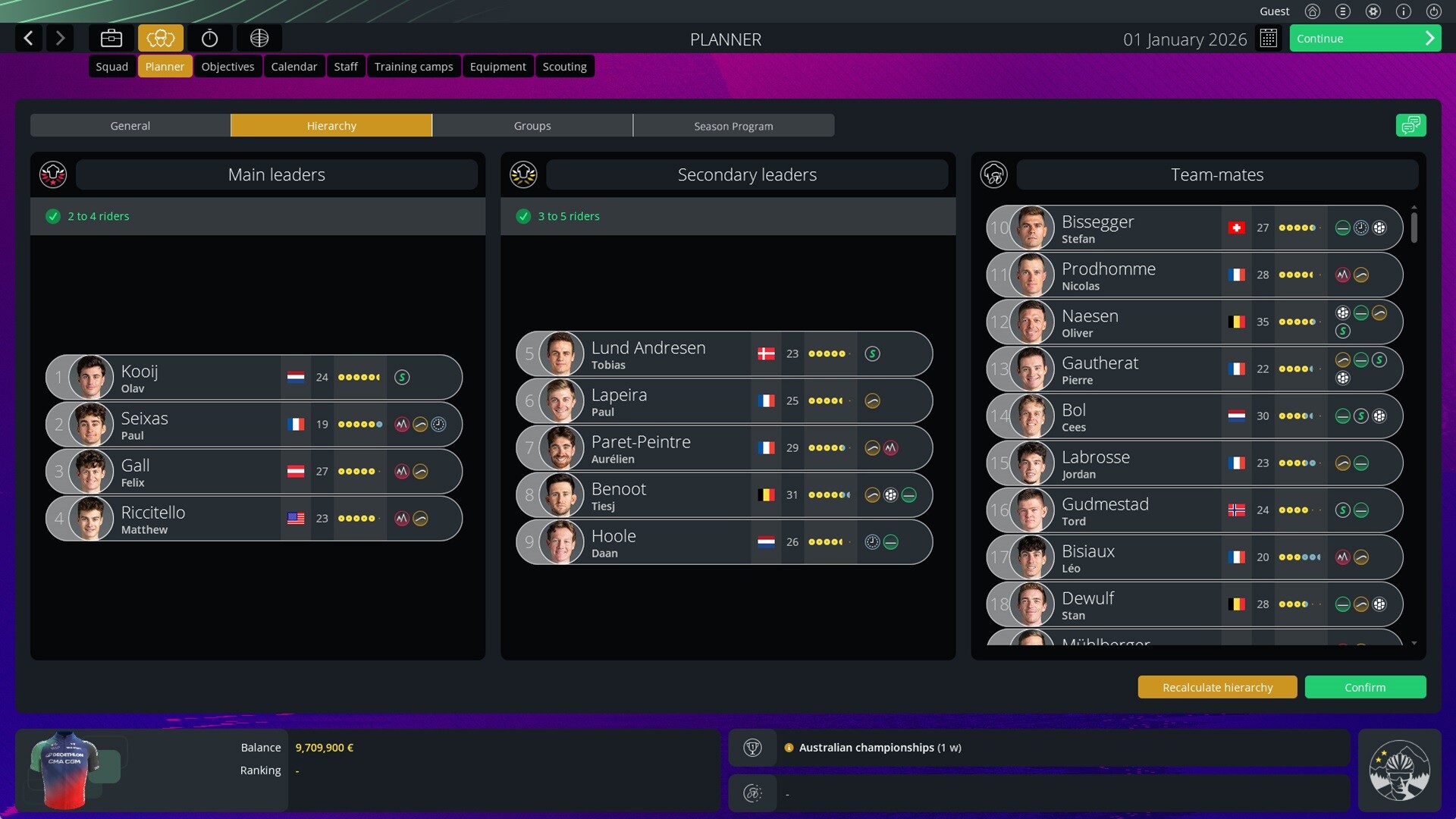
The planner assigns riders to leadership roles, part of this year's reworked season-planning systemImage: Cyanide Studio -
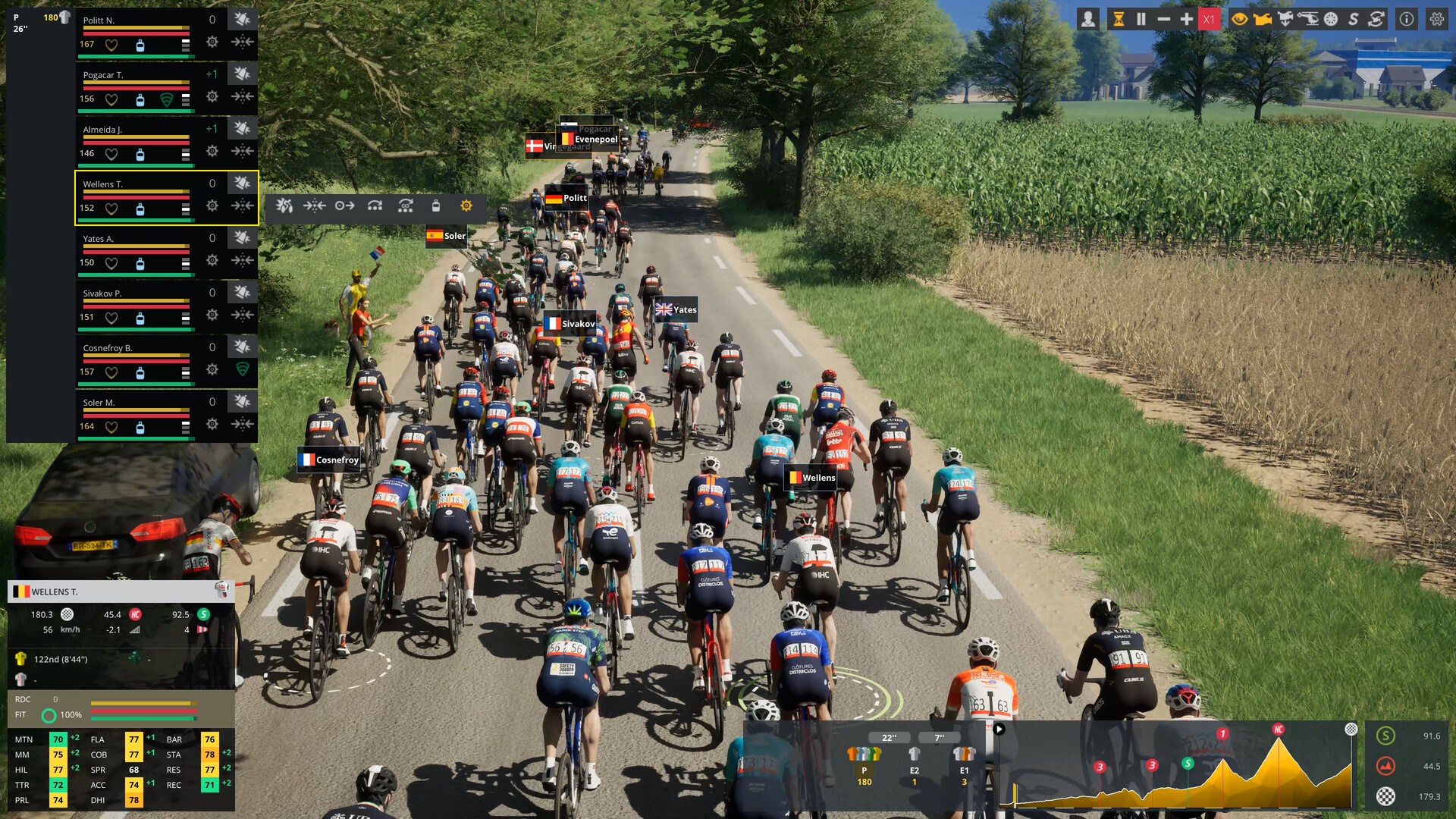
This year's detailed simulation and graphics updates are most visible during in-race stage viewingImage: Cyanide Studio -
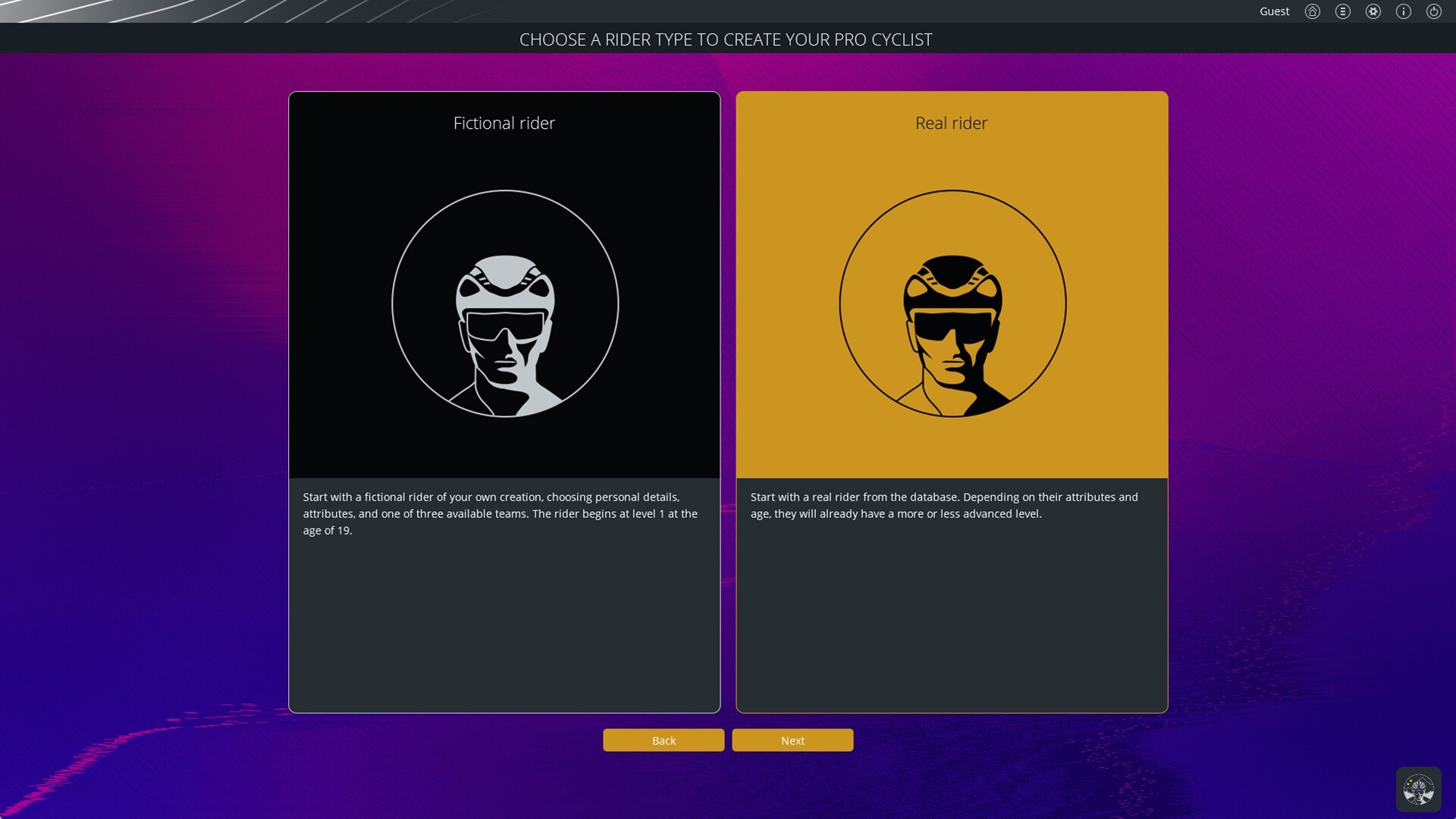
Pro Cyclist mode lets players start a single rider's career from scratch, fictional or based on a real cyclistImage: Cyanide Studio -
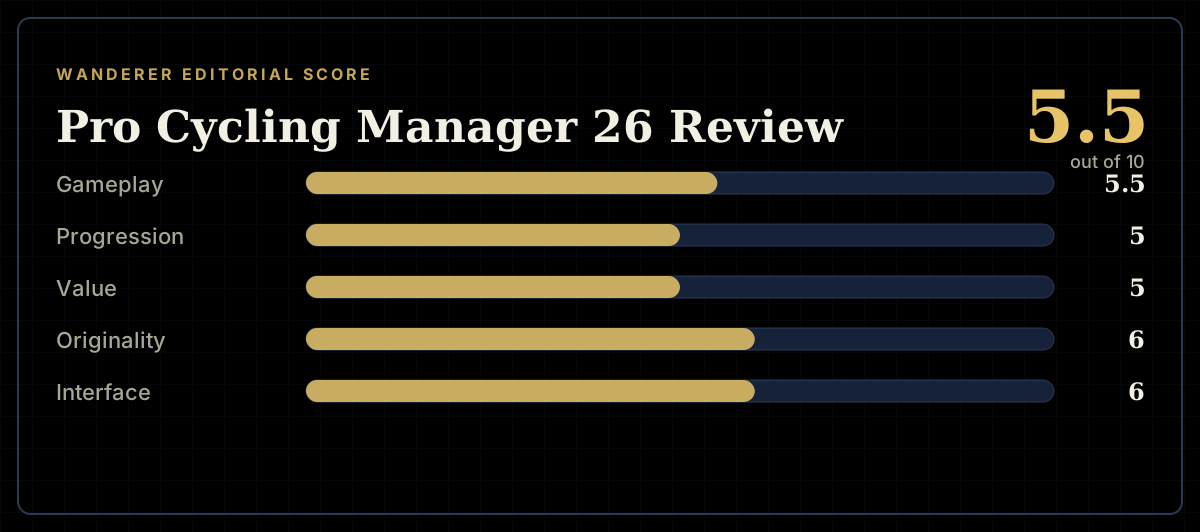
How the review scores each part of the gameWanderer Editorial -
The short versionWanderer Editorial