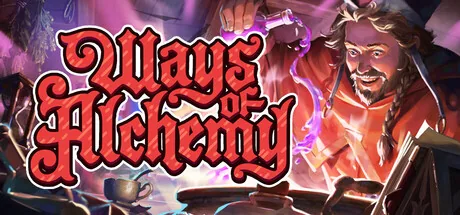
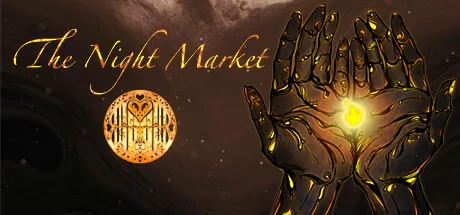
A card-based Cultist Simulator-inspired alchemy sim that genre fans on both sides of the aggregate respect, undercut by a real mid-game grind wall, real save-corruption bugs, and offset by unusually active, near-weekly developer patching since launch.
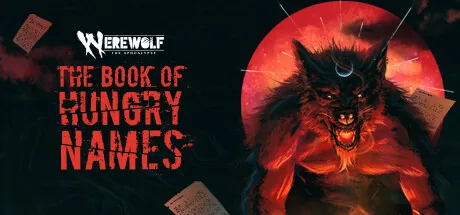
A densely written, well-regarded text-based RPG set in the World of Darkness, praised by its own fanbase as the strongest Choice of Games entry yet, undercut by a near-total absence of a save system, day-one paid DLC gating two playable tribes, and a tonal choice that splits its review base sharply.
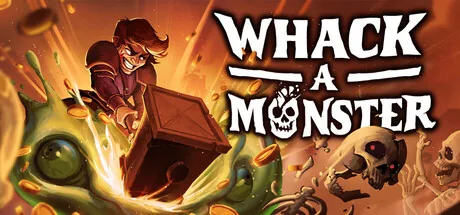
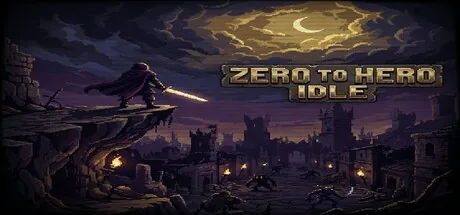
A three-hour clicker RPG that is better designed than it needs to be, including the rare courtesy of building the autoclicker into the game instead of expecting you to install one. The problem isn't the length or the price — it's that the skill tree eventually out-damages every weapon you spent the game collecting.
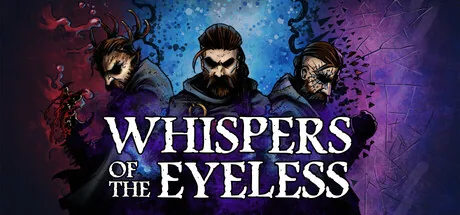
A dark fantasy strategy RPG that flips Darkest Dungeon's premise — you're the cult building up to destroy the hamlet, not the party defending it — wrapped in some of the most striking art in the genre and undercut by a tutorial that still can't explain its own systems more than a year after launch.
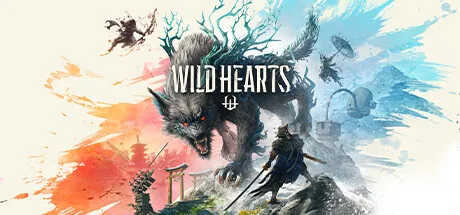
A genuinely inventive Monster Hunter rival, launched at a premium price in a state so broken that its own launch-week reviews accused EA of "buy now, patch later" — and, seven months on, EA reportedly considered ending support altogether, a story Steam's own aggregated press coverage keeps returning to years later.
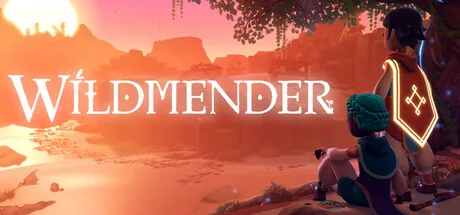
A charming desert gardening-survival hybrid, genuinely loved for restoring a wasteland into bloom and hugging frogs along the way, undercut by an unpopular mandatory data-collection agreement at launch and a development pace that appears to have stopped roughly 16 months in while reviewers were still asking for polish.
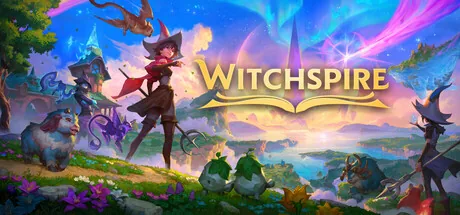
An open-world witch adventure that swaps the usual survival toolbox for spellwork — spirit jumps instead of ladders, conjured forests instead of chopped trees, familiars instead of tames. Seven weeks into Early Access, the magic system is the best reason to be here; the world around it hasn't caught up yet.
Eighteen years old, still getting raids in 2026, and still the clearest example in the genre of a genuinely good game strapped to a business model its own players have been publicly begging it to change since before some of them could drive.
MachineGames' sequel brings B.J. Blazkowicz's fight against a Nazi-occupied America to Steam with genuinely praised gunplay and presentation, sitting Very Positive across nearly 50,000 reviews — undercut by a real, remarkably consistent "step down from The New Order" complaint about cutscene-heavy pacing and underdeveloped new characters, and by a specific, dateable technical incident this review can confirm: an August 2018 patch that broke previously-working video memory handling, which the developer then hotfixed within roughly five days.
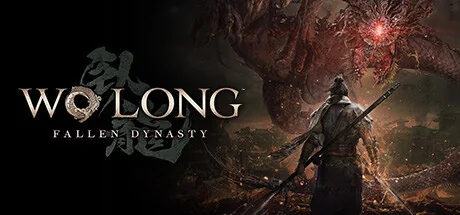
Team Ninja's fantastical Three Kingdoms take on the Nioh formula has real fans of its deflect-driven combat, but this review's negative sample is dominated by a catastrophic launch PC port — fps drops tied to specific in-game actions, including crashes on deathblows — that remained a proportionally large complaint well over a year after release.
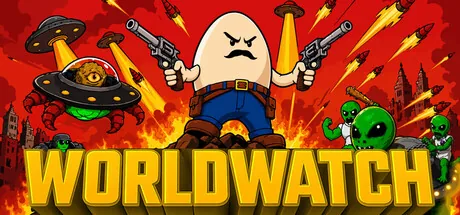
A satirical survivors-like about incompetent superheroes causing more damage than the threats they're fighting, backed by an unusually rapid Early Access update cadence — reviewed from a small, currently spotless but geographically narrow sample, with the caveats that honestly deserves.
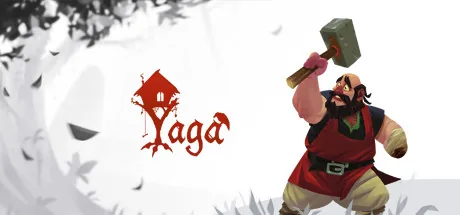
A hand-drawn Slavic-folklore action RPG about a one-handed, cursed blacksmith, still Very Positive on Steam seven years on -- but critics and players have agreed, with striking consistency since launch week, that the art, story and Romanian folk soundtrack are carrying a combat and crafting system that never got fixed.
A gorgeous Edo-period fantasy action RPG with three distinct heroes and fluid combat, whose shallow run variation draws real roguelite complaints -- and whose launch was upended a week in when its publisher abandoned the project, not the small developer some angry reviews initially blamed.
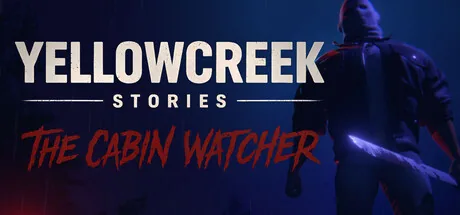
A first-person, no-combat stealth slasher where a masked killer hunts by noise, light and movement rather than a script — built for one intense sitting, released day one with a single verified user review and a demo that had already been public for five and a half months.
A 3D coin-pusher arcade game wrapped around a lich army-building RPG layer, released November 2023 after its solo developer publicly paused production over the Unity pricing controversy, and still receiving support patches in August 2026.
A free text-based idle RPG with more than 3,000 branching story actions and a genuinely active five-year development history, buried behind one of the least welcoming first hours the genre has to offer.
A dad taught himself to code so his 8-year-old son could have a game where he "finds cool swords and fights monsters forever" — a genuinely sweet origin story wrapped around a standard-issue idle RPG that its own early players are split on once the swords run out.
A solo-developed, Portal-inspired puzzle game built to show off path-traced lighting, adding a genuinely clever dual-dimension twist — undercut for a consistent share of players by floaty movement physics and a portal gun that lacks Portal's own funnelling.
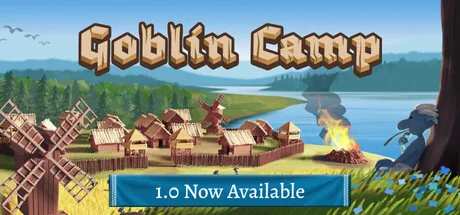
A calm, procedurally generated Finnish-mythology city-builder about goblins, water and the turning of the seasons — recently out of two years of Early Access, and still short on the reasons to keep watching after your first winter.
A genuinely well-regarded text-based interactive novel with real fans of its writing and world, undercut by an undisclosed cliffhanger ending — this is Book 1 of an unfinished series, a fact the store page doesn't state plainly — plus real grammar errors and a romance structure some players didn't sign up for.
A solo-developed PS1-era survival horror throwback with genuine retro charm, undercut by a slow opening act, real launch-day bugs, and a short 1-2 hour runtime — offset by unusually fast, sustained developer patching that this review verified independently.
A cheap, ad-free phone-and-tablet design sim with real depth in its spec sheets and zero monetisation tricks — but a Steam score that only tells the truth once you split its mostly-German audience (90% positive) from its much cooler English-language corpus (60%, Mixed).
A free isometric shoot-'em-up roguelite about gunning down "long forgotten employees" through procedurally generated caves — a tiny, likeable proof of concept with real chaos-shooter charm, undercut by thin content and at least one run-ending bug.