Game review
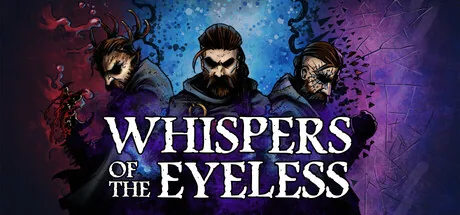
Whispers of the Eyeless
6.5 / 10
- Developer
- Venris, Evil Gingerbread Studio
- Publisher
- Anshar Publishing
- Released
- 17 March 2026
- Platforms
- Windows
- Genre
- Dark Fantasy Strategy RPG
- Monetisation
- One-off premium purchase. Two optional cosmetic add-ons exist — a soundtrack and an artbook — and neither affects gameplay
- Players
- None. Single-player only, with no leaderboard, co-op or shared-progress feature
The short version
Whispers of the Eyeless takes the base-management-through-dungeon-crawling shape of Darkest Dungeon and inverts its morality: you play the cult, recruiting disciples and awakening Dead Gods to bring down a fallen city rather than defending one. The art and atmosphere are genuinely excellent and get near-universal praise even from players who otherwise bounced off the game, and the villain-led framing gives its story real distinctiveness in a crowded genre. What keeps it from being a clear recommendation is a tutorial and UI that still leave players confused about core systems ten hours in, and a combat layer several reviewers describe as RNG-heavy and under-explained rather than tactically deep — complaints that show up in reviews written well after the 1.0 launch, not just leftover Early Access grumbling.
Biggest strengths
- The art direction and atmosphere are consistently singled out as the game's strongest asset, even in otherwise negative reviews
- Playing the cult rather than the defenders is a genuinely fresh inversion of the Darkest Dungeon formula, and the writing, lore and voice acting built around it land well
- Post-launch support has been real rather than nominal — a Patch 1.1 major update landed in May 2026, two months after the 1.0 release, alongside a hotfix days later
Biggest weaknesses
- Multiple reviewers report still being confused about core mechanics after ten or more hours, and this complaint appears in reviews dated well after the March 2026 1.0 launch, not just during Early Access
- Combat is repeatedly described as RNG-heavy and unbalanced rather than tactically rewarding, with specific complaints about evasion math not behaving as displayed
- At least two distinct, reproducible technical issues are reported post-launch: a load-in crash tied to certain hardware and a bug where tabbing out of the game corrupts the session
Who it's for: Players who want a Darkest Dungeon-adjacent base-and-party management loop with a genuinely strong dark fantasy narrative hook, and who are willing to push through a rough onboarding process to get to it.
Our recommendation: Worth it for the atmosphere and the villain's-eye framing if you're prepared to fight the tutorial for the first several hours; players who bounce hard off unclear mechanics should wait for further UI passes before buying in.
6.5 / 10
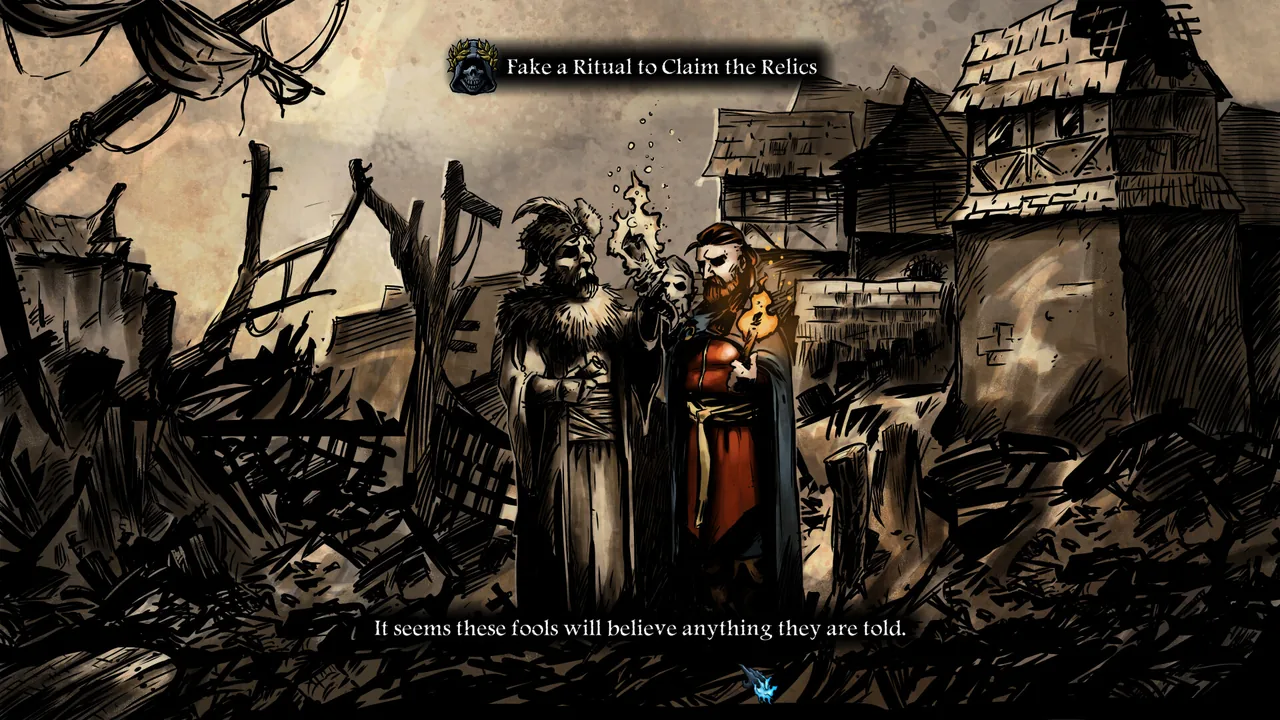
Darkest Dungeon spawned a small industry of games about managing a roster of traumatised adventurers against an encroaching darkness. Whispers of the Eyeless takes that shape and turns it inside out: you're not the hamlet's last line of defence, you're the reason it needs one. As the First Prophet, the game casts you as the villain from the outset — recruiting disciples, commanding them in combat, and working to awaken three Dead Gods (Wrath, Desire and Madness) in order to bring the fallen city fully under your cult's control. It's a genre with a lot of Darkest Dungeon-shaped entries by now, and the villain's-eye framing is one of the more interesting inversions to come out of it.
What the game gets right
Almost every account of Whispers of the Eyeless, positive or negative, agrees on one thing: the art direction is excellent. Players who otherwise walked away disappointed still describe the presentation as "mesmerizing," "outstanding" and dripping in atmosphere, and it's rare for a review this mixed to have such unanimous agreement on any single point. The writing and lore built around the cult premise get similarly consistent praise — good story, strong voice acting, a sense that the world and its Dead Gods were built with real care, and a tone that leans into Call of Cthulhu-adjacent cosmic horror rather than generic grimdark set dressing.
The 1.0 exit from Early Access in March 2026 wasn't the end of active development, either. A major Patch 1.1 landed in May, followed by a hotfix days later, and the developer has kept communicating with the community through news posts and convention appearances since. That's a meaningfully different picture from a studio that ships 1.0 and moves on, and it matters for a game whose most persistent complaints are the kind that patches can actually fix.
Where it keeps losing players
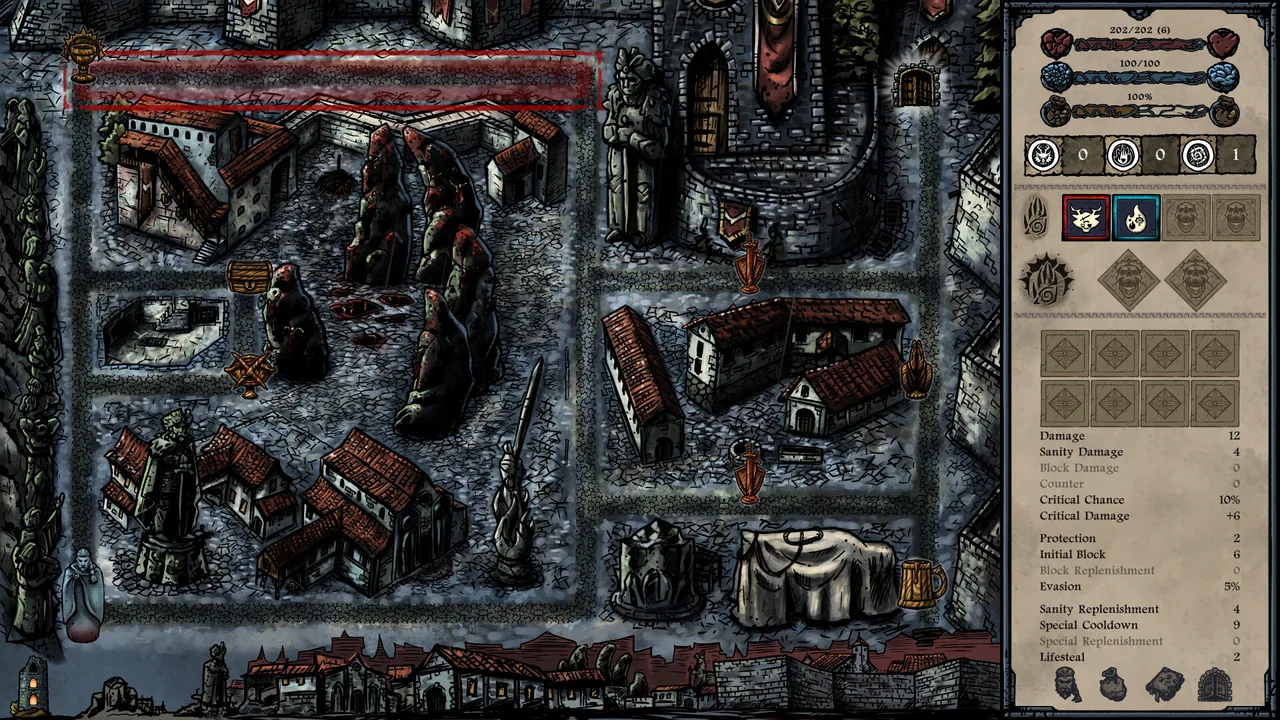
The trouble is that those complaints are still showing up well after launch, not just as leftover Early Access noise. A significant and recurring thread across the review sample — dated from shortly after the 1.0 release through mid-2026 — describes a game whose core systems remain genuinely hard to parse. One reviewer with over 1,100 hours logged still describes taking around ten hours before understanding what they were actually doing, with "zero help and zero meaningful instructions" along the way. Another calls out "long, long, long cut scenes that don't illuminate any aspect of what's happening or what I'm doing." For a strategy RPG whose appeal depends on players actually engaging with its systems, an onboarding process this consistently criticised — over a year after the game's Early Access debut and months after 1.0 — is a real structural problem rather than launch-week rough edges.
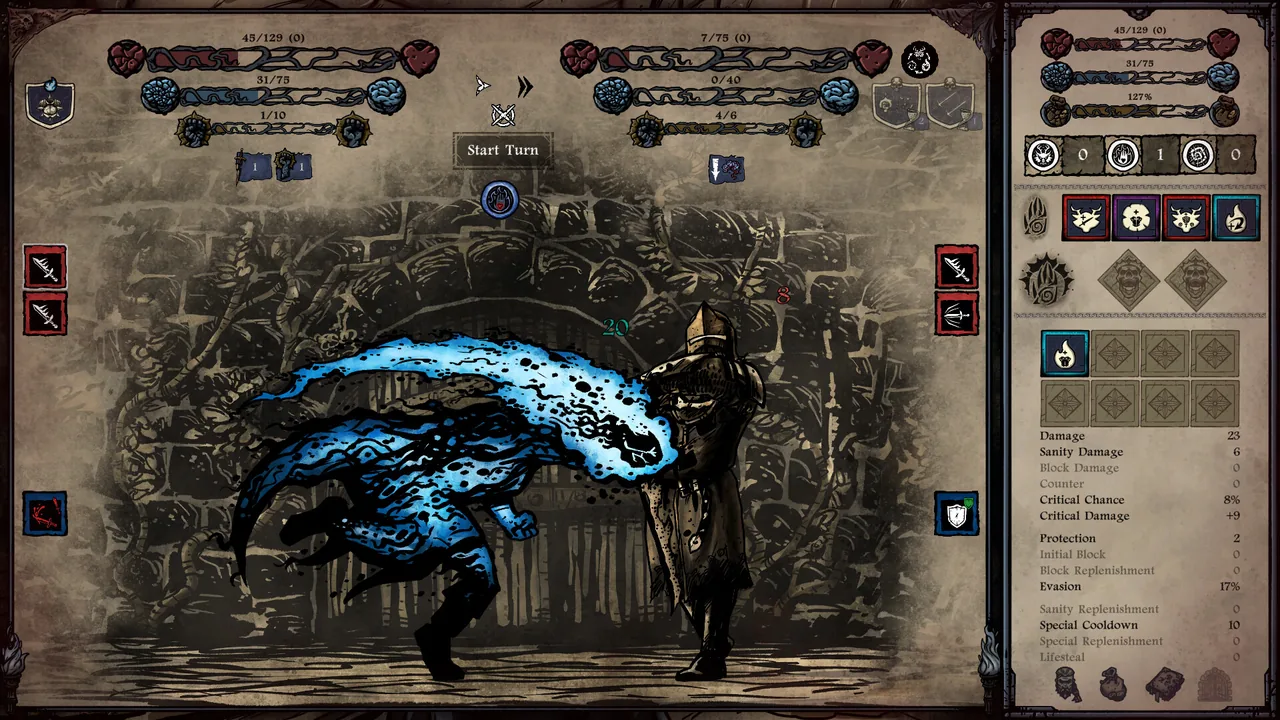
Combat draws the second cluster of complaints, and they're sharper than simple difficulty grumbling. Reviewers describe fights as "incredibly bland," accuse the resource management of being boring rather than tense, and — most specifically — call out evasion percentages that don't appear to behave the way the displayed numbers suggest they should. When a tactical RPG's own players start distrusting its combat math, that's a harder thing to shrug off than a difficulty complaint, because it undermines the reason to engage with the tactical layer at all rather than just clicking through it.
A handful of concrete technical issues round out the negative side: a load-in crash some players report as consistently reproducible on certain hardware, and a specifically nasty bug where tabbing out of the game in windowed mode can corrupt the current session. Neither is universal, but both are the kind of thing that shouldn't still be a live risk well into a game's post-launch life.
Weighing it up
None of this erases what the game gets right, and it's worth being precise about the shape of the disagreement: this isn't a game with a shallow, unfinished feel — the achievement data shows a small but real slice of players pushing all the way into deep, specifically-named late-game content (the "Fate's Mirror" achievement tier sits below half a percent completion, the mark of genuine endgame depth rather than a game that runs dry early). It's a game whose best ideas — the villain framing, the atmosphere, the lore — are consistently strong enough to pull players through a genuinely frustrating first several hours, and whether that trade is worth it depends heavily on how much patience a given player has for fighting a UI rather than an enemy.
At NZ$28.99, Whispers of the Eyeless sits at a fair mid-tier indie price for what's on offer, and the purely cosmetic soundtrack and artbook add-ons don't complicate that picture at all. The recommendation here comes with a real condition attached: go in expecting to spend real time figuring out systems the game won't clearly explain, and treat the strong art and writing as the reason to push through that, not evidence it won't be necessary. Players who bounce hard off unclear mechanics and RNG they can't audit should wait and watch whether a future patch addresses the tutorial specifically — the developer's post-launch track record so far suggests that's a real possibility, just not one that's landed yet.
Pros and cons
Pros
- The art direction and atmosphere are consistently singled out as the game's strongest asset, even in otherwise negative reviews
- Playing the cult rather than the defenders is a genuinely fresh inversion of the Darkest Dungeon formula, and the writing, lore and voice acting built around it land well
- Post-launch support has been real rather than nominal — a Patch 1.1 major update landed in May 2026, two months after the 1.0 release, alongside a hotfix days later
- The achievement list's steep tail-end completion rates suggest genuine late-game and new-game-plus-style depth for players who push all the way through, rather than the game running out of content early
Cons
- Multiple reviewers report still being confused about core mechanics after ten or more hours, and this complaint appears in reviews dated well after the March 2026 1.0 launch, not just during Early Access
- Combat is repeatedly described as RNG-heavy and unbalanced rather than tactically rewarding, with specific complaints about evasion math not behaving as displayed
- At least two distinct, reproducible technical issues are reported post-launch: a load-in crash tied to certain hardware and a bug where tabbing out of the game corrupts the session
- One reviewer who finished the campaign on Normal difficulty describes the available content as thinner than expected once the main campaign ends
Screenshots
-
Whispers of the EyelessImage: Anshar Publishing via Steam -
Whispers of the EyelessImage: Anshar Publishing via Steam -
Whispers of the EyelessImage: Anshar Publishing via Steam -
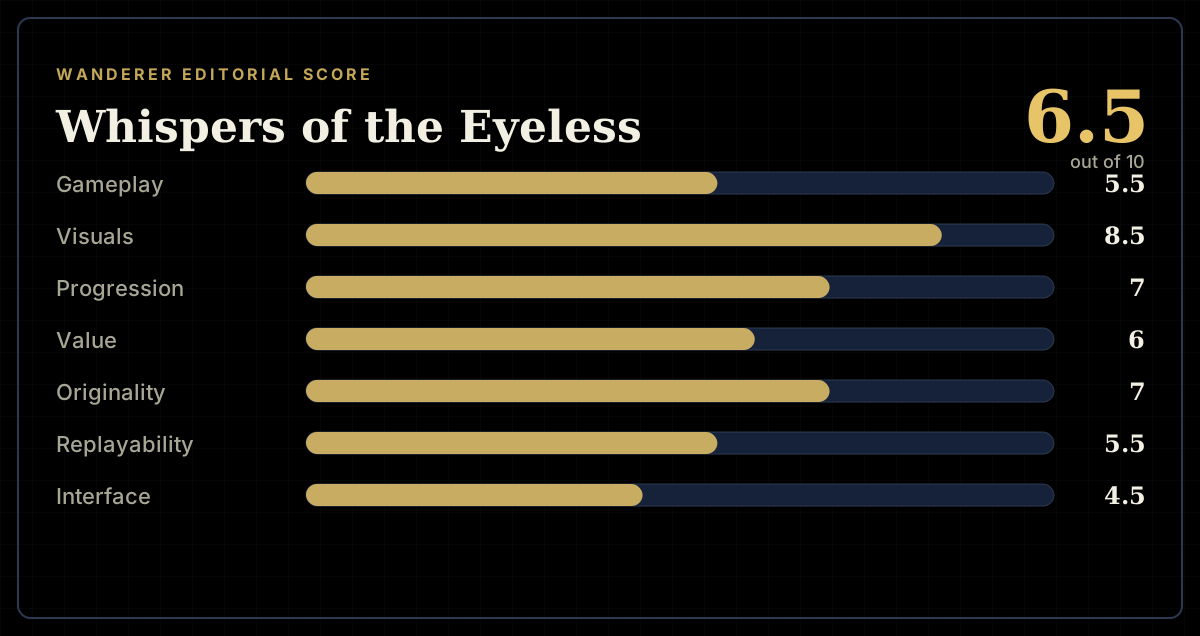
How the review scores each part of the gameWanderer Editorial -
The short versionWanderer Editorial