Game review
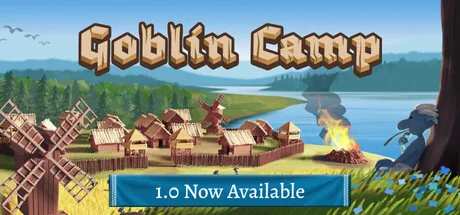
Goblin Camp
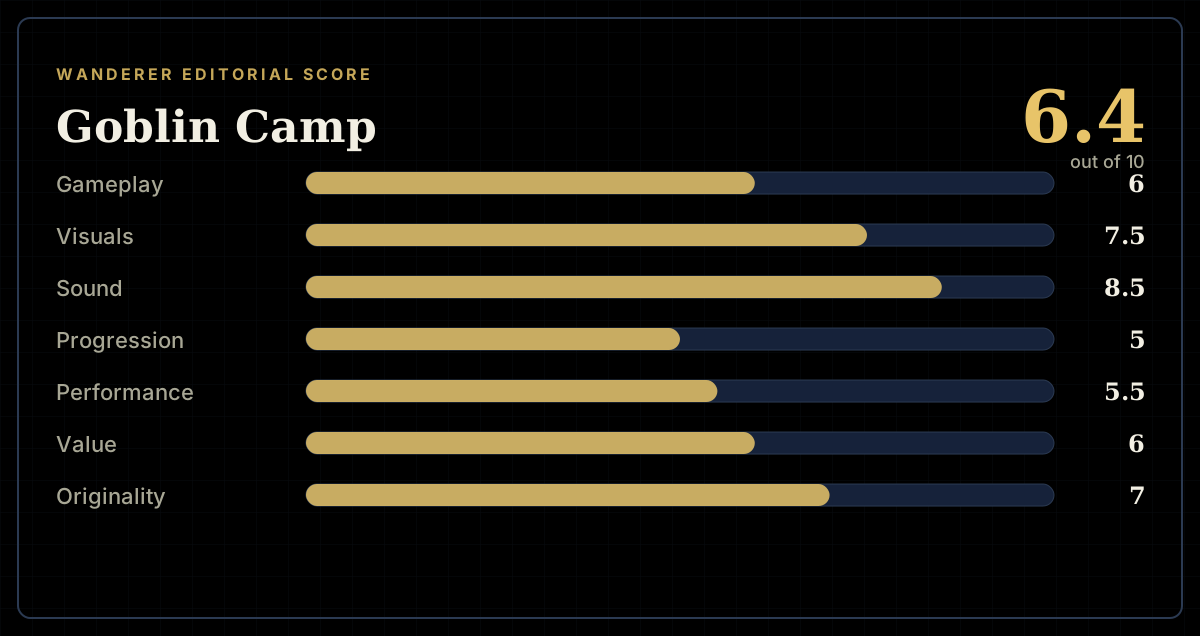
6.4 / 10
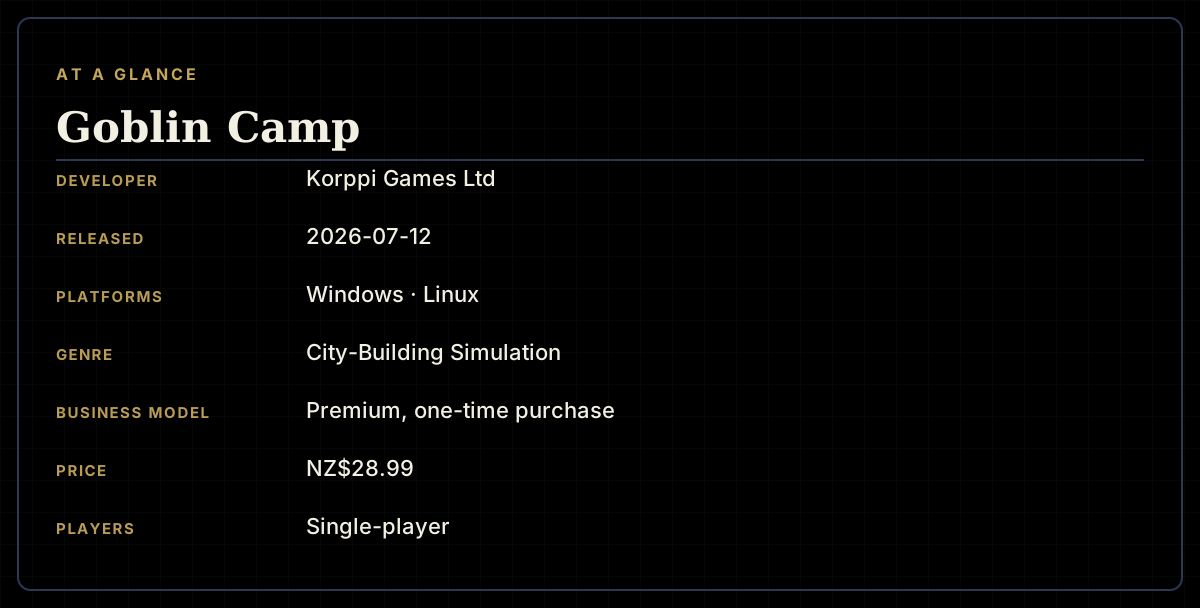
- Developer
- Korppi Games Ltd
- Publisher
- Korppi Games Ltd
- Released
- 12 July 2026
- Platforms
- Windows, Linux
- Genre
- City-Building Simulation
- Monetisation
- Premium, one-time purchase
- Players
- Single-player
The short version
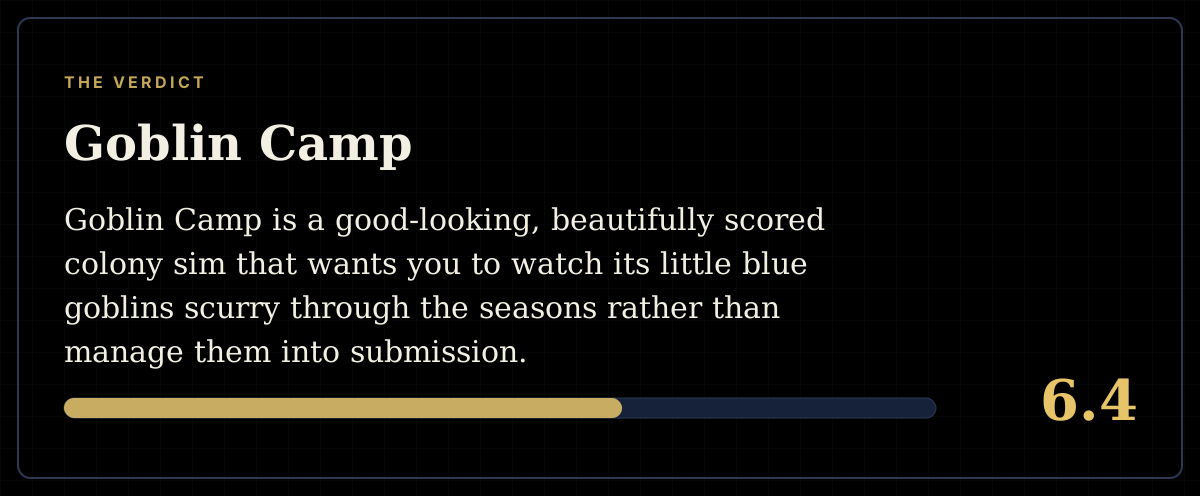
Goblin Camp is a good-looking, beautifully scored colony sim that wants you to watch its little blue goblins scurry through the seasons rather than manage them into submission. That's a genuinely appealing pitch, and the Finnish-mythology dressing gives it a personality most city-builders don't bother with. The trouble is that a full year in the genre-defining loop — build, survive, watch the tech tree tick over — runs out of new things to show you well before the campfire sacrifices start to feel like a ritual instead of a checklist.
A month after 1.0, the pattern in the public feedback is consistent enough to trust: Early Access buyers who were promised more content by launch are the ones giving it a thumbs down, and everyone else is largely charmed by the mood and frustrated by the UI.
Biggest strengths
- A genuinely striking, moody soundtrack from composer Henri Sorvali, tuned to each season
- Finnish folklore setting (spirits, ancestor spooks, seasonal sacrifice) gives it real flavour other colony sims lack
- Declarative, hands-off management style suits players who don't want to micromanage every goblin
Biggest weaknesses
- Tech tree and progression consistently described as thin — several EA-era reviewers say 1.0 launched with the same content gap they'd been waiting out
- Job-priority and stockpile UI reportedly hides why basic needs (like food) aren't being met
- Multiple reports of performance dropping into a "lagfest" by in-game year four
Who it's for: Players who want a slow, ambient management game to half-watch rather than a systems-deep survival city-builder with a hard difficulty curve.
Our recommendation: Wait for a sale and a patch or two, unless the seasonal-mood pitch alone is enough to sell you.
6.4 / 10
Introduction
Goblin Camp spent nearly two years in Early Access — it opened for business on 17 September 2024 — before Finnish developer Korppi Games Ltd took the "Early Access" tag off on 12 July 2026. This review is a snapshot taken a month after that 1.0 launch: at the time of writing the Steam listing carries 96 reviews (77 positive, 19 negative), enough to register a "Very Positive" tag but not enough for a settled long-term verdict. Wanderer covers colony and management sims because their progression ladders sit close to what our own readers care about, and Goblin Camp's premise — a band of goblins building a settlement in a procedurally generated northern forest, watched over by the spirits of Finnish myth — is exactly the kind of slow-burn management game this section exists to take seriously.
Everything below is drawn from Korppi Games' own store page and press materials and from reading the pattern across Goblin Camp's public Steam reviews, not from a play session.
Premise and setting
The pitch is straightforward and well-executed on paper: you're steering a small band of goblins who want to turn a "little encampment" into a "bustling city," inside a fantasy northern forest inspired by Finnish folklore. Korppi Games lists 60 unique structures, over 100 items, more than 80 crafting recipes and 31 unlockable technologies on the store page — a reasonably large content inventory for a studio this size. The mythological dressing is the thing that separates it from a generic Banished-alike: goblins meet ghosts and the walking dead, a shaman channels spirits to help with camp tasks, and once a year you light a midsummer bonfire to make sacrifices to the "Keepers of the Woods and Waters." It's a specific, well-researched flavour of fantasy that most city-builders don't bother reaching for, and it's the single thing reviewers across the spectrum — positive and negative alike — tend to compliment without reservation.
Gameplay and progression
Goblin Camp is built around a "declarative rather than imperative" style of management, as one reviewer put it: you set priorities, stockpile rules and work assignments, and the goblins carry them out on their own rather than being issued individual orders. Paired with a real water simulation — camp planning has to account for spring floods — and a slash-and-burn soil-fertility system for farming, that's a more systems-driven foundation than the cosy art style suggests.
The recurring complaint, though, is that the ladder above that foundation is short. A player who logged roughly 50 hours across three restarts described the first 40 hours as "not particularly deep or immersive," useful mainly as something to let run in the background. Another got to "just about half" of the 31-technology tree after twelve in-game years and questioned whether finishing it was worth the wait. A third took only fifteen hours in fast-forward to clear the entire tech tree and found the enemies "never a real threat," calling the loop a weaker copy of Dawn of Man. Read together, that's a tech tree wide on paper but thin in the middle: content enough to open the game, not obviously enough to sustain a full year of the in-game calendar it's built around.
That gap matters more than it would for a newer release, because the same shortfall was being reported by Early Access players well before 1.0. One post-launch review is blunt about it: "The game was pretty good for Early Access... Then suddenly, 1.0 was released, the game remained just as content-poor." Whether or not that's fair to the amount of work Korppi Games actually shipped, it's the shape of the negative-review cluster on the store page right now, and it's worth going in with eyes open rather than expecting a finished-feeling endgame.
Difficulty and threats
Combat is opt-in in spirit — the store page advertises a Peaceful Mode with no combat at all, and a broad set of customisation options covering terrain, mechanics and individual enemy behaviour. For players who do leave it on, the feedback is that the threat curve is uneven rather than escalating fairly. One reviewer described geared, armoured goblins losing one or two fighters to wolves and the undead without much drama, only for a scripted "Angry Creatures" event to kill nine goblins in one wave and eight more three minutes later. That's the kind of spike that reads as a design event rather than an emergent consequence of the player's choices, and it sits oddly against a game whose main selling point is a low-pressure, ambient pace.
Art and presentation
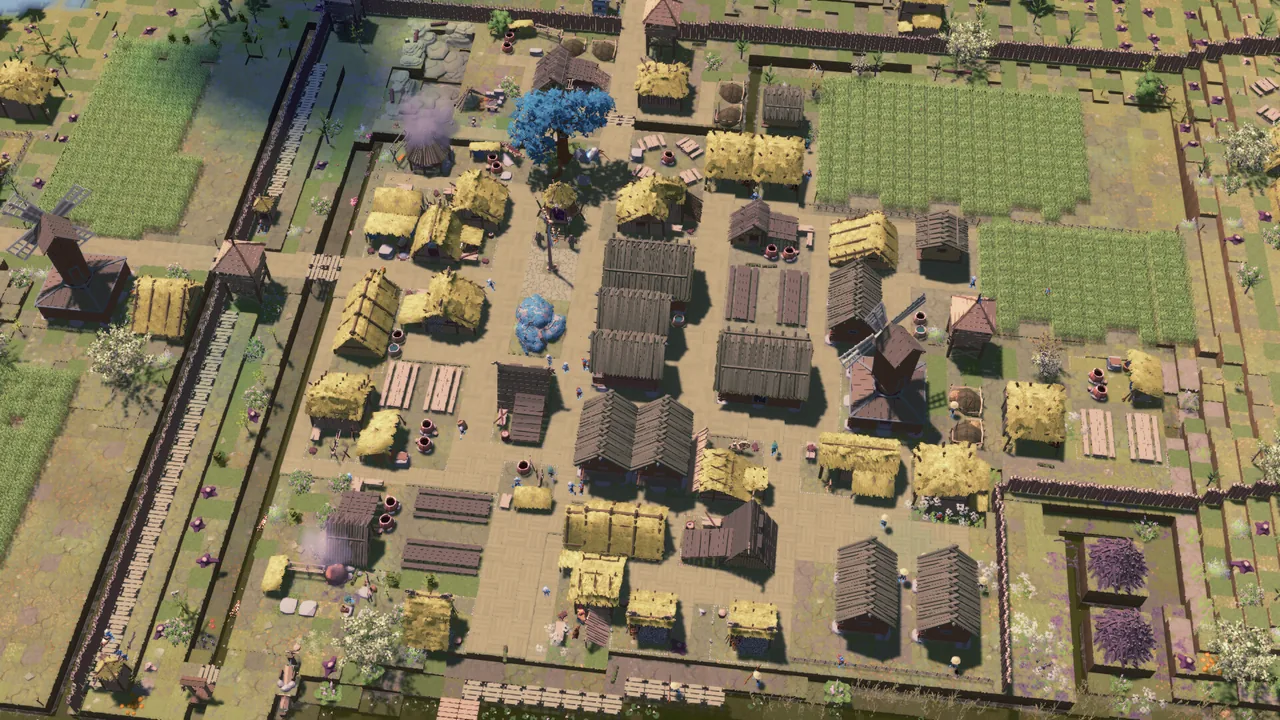
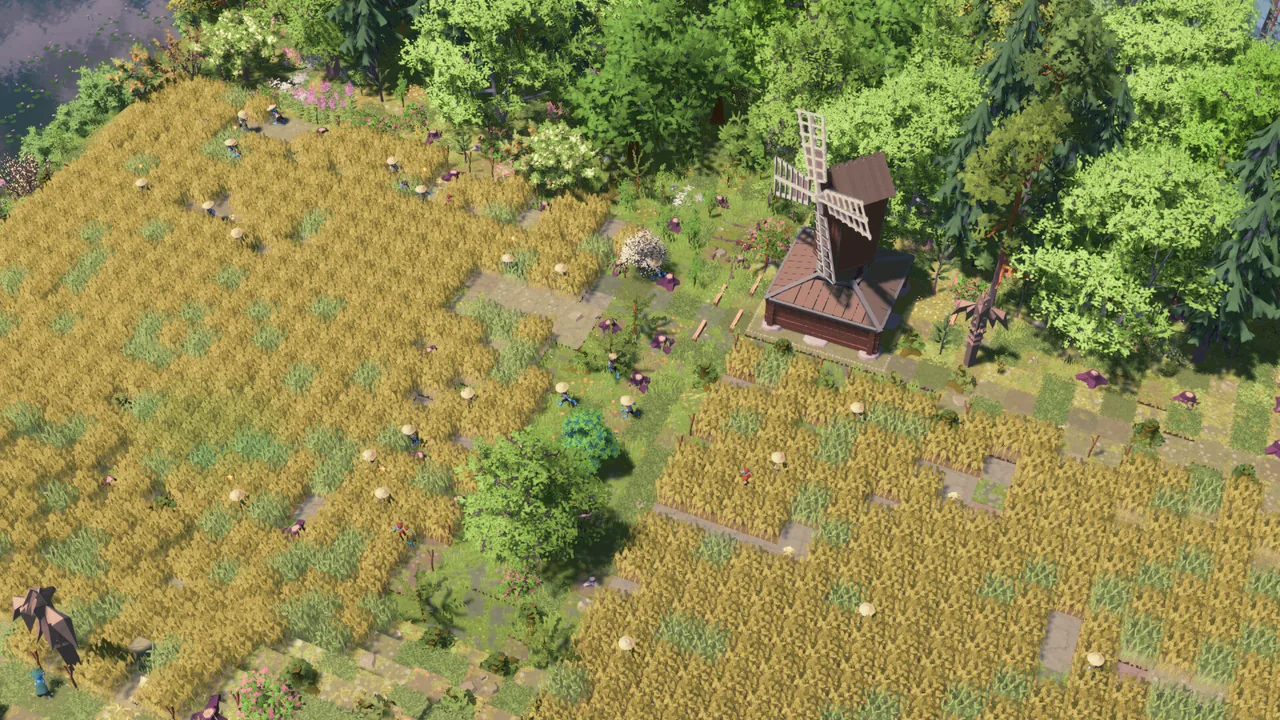
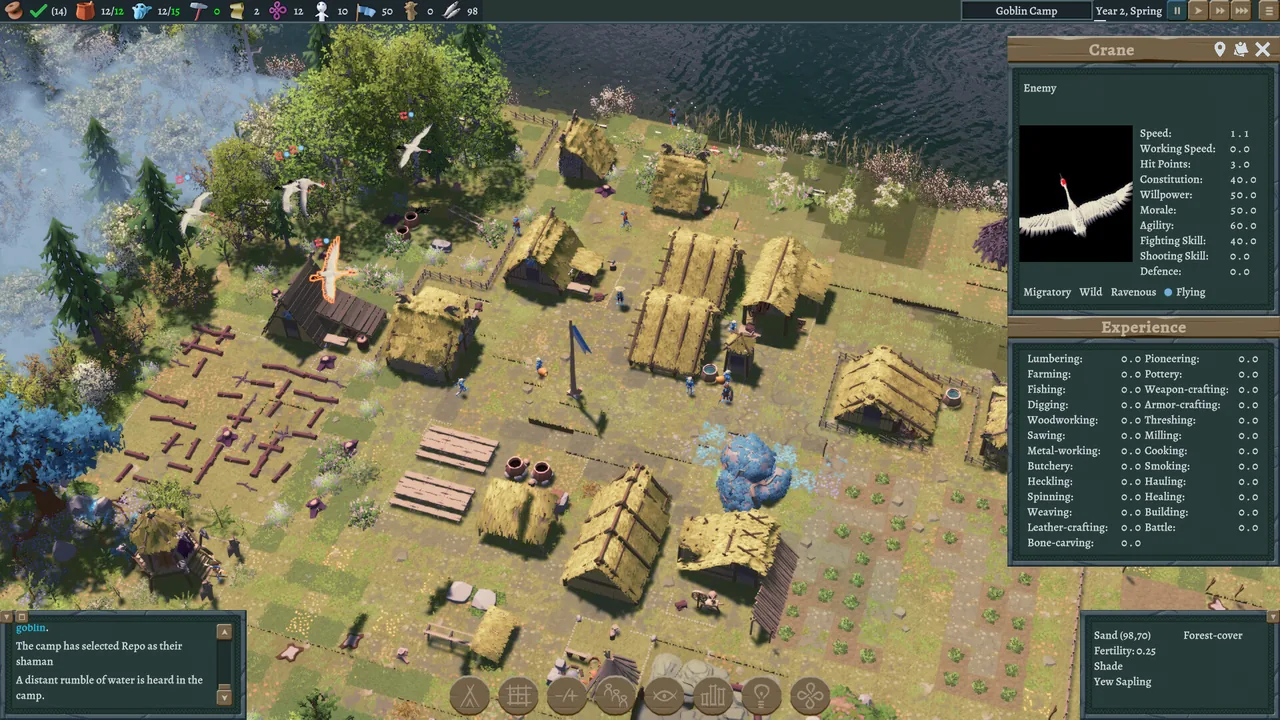
Between the game's own screenshots and the tone of the reviews, Goblin Camp reads as visually calm rather than showy — warm, painterly forest tones and a top-down camp view that leans on the same "charming detail" other cosy builders trade in (one reviewer specifically calls out feeling sorry for the goblins hauling logs). The most consistent complaint on the visual side isn't the art style itself but legibility: several reviewers flag a cluttered ground layer that makes claimable objects hard to pick out once a camp gets busy, and a build menu that gets harder to navigate as more structures unlock.
Sound and music
This is the category the review corpus agrees on without qualification. The soundtrack comes from Henri Sorvali — better known from Finnish folk-metal acts like Moonsorrow and Finntroll — and it's built to shift with the in-game seasons rather than loop flat across the whole year. Multiple reviewers single out the music by name as a reason to keep the game running even when the systems underneath it aren't holding their attention, which is a rare thing for a genre where the score is usually background wallpaper.
Interface
The interface is the sharpest recurring criticism outside the content-depth complaint. More than one reviewer describes hitting a food shortage with no obvious way to see why — a fishing hut simply sitting idle, with the actual cause buried somewhere in job priorities, stockpile settings or work queues rather than surfaced anywhere near the building itself. Terrain flattening and other terraforming tools are separately called out as slow and fiddly. For a game whose whole appeal rests on being able to "half-watch" rather than actively manage, an interface that hides the reason your colony is starving is a real problem, not a cosmetic one.
Performance
Performance reports split by how long a save has been running. Early seasons are generally fine, but several reviewers report camera movement and general responsiveness degrading into a "framey lagfest" by around in-game year four, alongside occasional crashes to desktop. That's consistent enough across independent reviews to treat as a genuine late-save issue rather than an isolated hardware problem, and it's worth watching for a patch before committing to a long single save.
Value
At NZ$28.99 with no discount at review time, Goblin Camp sits in line with other mid-tier single-developer colony sims, and the feature list — 60 structures, 80-plus recipes, a real water simulation, a full seasonal cycle and a licensed-feeling folk score — is a fair amount of game for that price on paper. Whether it's a fair amount of game in practice depends heavily on how much you value atmosphere over a long progression curve: reviewers who came in wanting to watch goblins live their lives to good music seem satisfied; reviewers who came in wanting fifty-plus hours of escalating systems mostly don't.
Final verdict
Goblin Camp does one thing very well — an unhurried, myth-flavoured colony sim with a score good enough to be the actual reason you keep a save open — and does the rest of the job at a level that a month-old 1.0 release should probably have moved past by now. The water and soil systems are more ambitious than most genre peers attempt, but the tech tree that's supposed to carry a full year of play empties out early, the UI hides the information you need most (why your goblins are starving), and long saves reportedly slow to a crawl by their fourth year. None of that is fatal, and Korppi Games has two years of steady Early Access development behind it to suggest more content is plausible rather than hoped-for. But right now, a month after launch, the honest read of the public feedback is a well-dressed, well-scored game that hasn't yet solved the "then what?" problem every colony sim eventually has to answer.
Pros and cons
Pros
- A genuinely striking, moody soundtrack from composer Henri Sorvali, tuned to each season
- Finnish folklore setting (spirits, ancestor spooks, seasonal sacrifice) gives it real flavour other colony sims lack
- Declarative, hands-off management style suits players who don't want to micromanage every goblin
- Water simulation and slash-and-burn soil fertility add a layer most city-builders skip entirely
Cons
- Tech tree and progression consistently described as thin — several EA-era reviewers say 1.0 launched with the same content gap they'd been waiting out
- Job-priority and stockpile UI reportedly hides why basic needs (like food) aren't being met
- Multiple reports of performance dropping into a "lagfest" by in-game year four
- Combat and "Angry Creatures" events described as spiky and undertelegraphed rather than a fair challenge
Screenshots
-
Goblin CampImage: Korppi Games Ltd via Steam -
Goblin CampImage: Korppi Games Ltd via Steam -
Goblin CampImage: Korppi Games Ltd via Steam -
How the review scores each part of the gameWanderer Editorial -
The game at a glanceWanderer Editorial -
The short versionWanderer Editorial