Game review
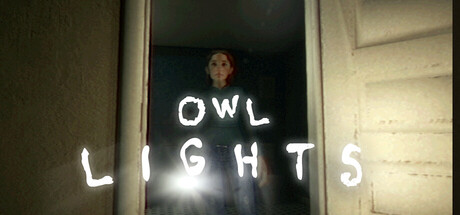
Owl Lights
5.2 / 10
- Developer
- Grumpi
- Publisher
- Grumpi
- Released
- 27 September 2025
- Platforms
- Windows
- Genre
- Adventure, Horror
- Monetisation
- Paid
- Players
- Single-player only, no online or local co-op modes.
The short version
Owl Lights has real atmosphere and a handful of genuinely unsettling set pieces built on dream logic rather than jump scares, but it ships rough. Between a story that some players find hauntingly ambiguous and others find simply incoherent, and bugs severe enough to force a full restart with no in-game way to exit or adjust settings, this is one for horror fans willing to tolerate some friction for a short, strange night.
Biggest strengths
- Strong, consistently unsettling atmosphere built on quiet dread rather than jump scares
- A standout dream-logic sequence that riffs on Twin Peaks' Black Lodge, singled out by several reviewers
- Short, focused runtime that most players finish in two to three hours
Biggest weaknesses
- Reports of severe bugs, including a black-screen crash that some players hit around the two-hour mark
- No in-game way to exit to a menu or adjust settings, forcing a force-quit to recover from a stuck state
- Several players got stuck in level geometry, needing to restart a chapter to continue
Who it's for: Horror fans who enjoy "Fears to Fathom"-style found-footage dread and don't mind rough edges or an ambiguous ending.
Our recommendation: Recommended
5.2 / 10
A Quiet Night That Doesn't Stay Quiet
Owl Lights puts you in the shoes of Paul, a sixteen-year-old left alone for the night in the small town of Windville, where rumours of a cult have been circulating. His parents are away, his phone loses signal almost immediately, and what should be an uneventful evening at home quickly tips into something stranger. The setup is familiar ground for anyone who has played "Fears to Fathom"-style found-footage horror, and several reviewers name-check that comparison directly, but the sample is clear that Owl Lights carves out its own identity once it gets going, leaning harder into dream logic and cosmic unease than into conventional jump scares.
That choice is the game's clearest strength. Reviewers consistently praise the atmosphere: a scary entity that stalks rather than lunges, ambient touches like a radio show and television news bleeding dread into the ordinary, and a standout sequence late in the game that recreates the Black Lodge from Twin Peaks, described by one reviewer as genuinely fun to walk through. The horror here is less about being startled and more about a slow accumulation of wrongness, which several players single out as more effective than "a lot of horror games" they'd recently played.
Dream Logic as Both Feature and Frustration
Owl Lights' story deliberately resists a clean throughline. Events contradict earlier information, timelines blur, and the plot is described by more than one reviewer as dream-like in a way that "somehow still makes a strange sort of sense." For a chunk of the sample, that's the whole appeal — one reviewer specifically credits the willingness to forget about "familiar assets" and get absorbed into the story as the difference between a mediocre horror game and something worth playing.
That same ambiguity is exactly what sinks the game for its detractors. The negative reviews in the sample describe the plot as disjointed, incoherent, and "all over the place," with one player calling the whole experience "a mess" once the dream sequences stack up. A specific complaint recurs across several reviews: a mid-game puzzle hinges on understanding a voice recording that multiple players describe as nearly impossible to parse, which stalls progress for reasons that have nothing to do with the story's intentional ambiguity. The ending draws similar mixed reactions — several reviewers call it abrupt, with one speculating there may be a "true ending" tied to collecting hidden tapes throughout the game, though they admit the prospect of replaying to find them wasn't tempting enough to try. Even reviewers who landed on the positive side of that split are candid about still "unpacking the story" after the credits roll, which suggests Owl Lights is more interested in leaving an impression than in resolving every thread it opens.
An Unfinished Feel Around the Edges
The most serious complaints in the sample are technical rather than narrative. Multiple reviewers report a black-screen crash that tends to hit right around the two-hour mark, effectively ending a playthrough outright for at least one player. Several others describe getting physically stuck in the environment — inside a fridge, on a porch, in front of a cabinet — each requiring a manual restart from the last checkpoint. Compounding this, reviewers note there is no in-game pause menu or way to exit cleanly; getting unstuck means force-quitting the game from the desktop rather than backing out through any menu, and settings can't be adjusted once you're in a level. One reviewer notes the developer has been pushing bugfixes since launch, which tracks with a spread of reports across the review timeline rather than all of them clustering at release, but the underlying issues were clearly still present for players well after launch week. One player who received a free copy still found little to complain about beyond the bugs, describing the experience as "short & sweet" and appreciating that it "doesn't waste any time," which suggests the pacing itself isn't the problem so much as the technical stumbles layered on top of it.
Is a Short, Strange Night Worth the Asking Price
At its current price, reviewers who got a clean run out of Owl Lights tend to think it's a fair trade for two to three hours of genuinely creepy atmosphere, with one reviewer explicitly recommending it "for five dollars" despite the game's rough patches. The runtime is short enough that even a mixed experience doesn't overstay its welcome, and the achievement structure gives players a reason to dig back into the story's more obscure corners if the first pass leaves them curious rather than satisfied. The risk, and it's a real one based on the sample, is landing in a playthrough where a black-screen crash or a stuck-in-geometry bug cuts the experience short before the story has a chance to land its stranger ideas.
Verdict
Owl Lights is a small, ambitious horror game that mostly succeeds at what it's trying to do: build dread out of dream logic rather than cheap scares, and leave players unsettled rather than merely startled. The Black Lodge-inspired stretch alone makes a case for playing it. But the bugs reported across the sample — game-halting crashes, no clean way to back out of a stuck state, and a puzzle that's reportedly unclear rather than just cryptic — are serious enough that going in with patience, and maybe a saved walkthrough on hand, is a reasonable precaution rather than an overreaction.
Pros and cons
Pros
- Strong, consistently unsettling atmosphere built on quiet dread rather than jump scares
- A standout dream-logic sequence that riffs on Twin Peaks' Black Lodge, singled out by several reviewers
- Short, focused runtime that most players finish in two to three hours
- A genuinely strange, ambiguous story that rewards players willing to piece it together themselves
Cons
- Reports of severe bugs, including a black-screen crash that some players hit around the two-hour mark
- No in-game way to exit to a menu or adjust settings, forcing a force-quit to recover from a stuck state
- Several players got stuck in level geometry, needing to restart a chapter to continue
- A key audio-recording puzzle is reported as nearly impossible to parse due to poor clarity
Screenshots
-
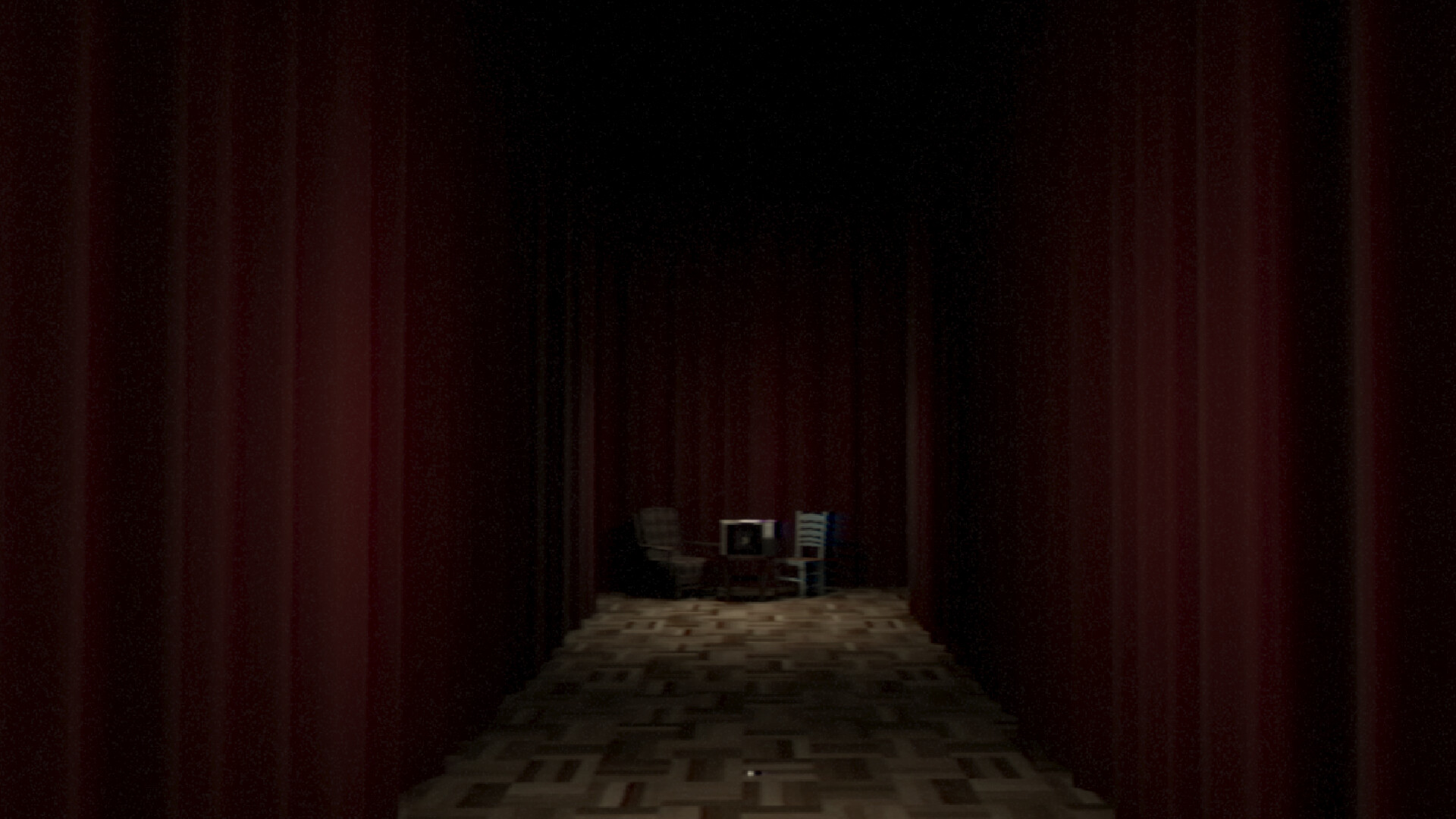
The Black Lodge-inspired sequence several reviewers singled outGrumpi -
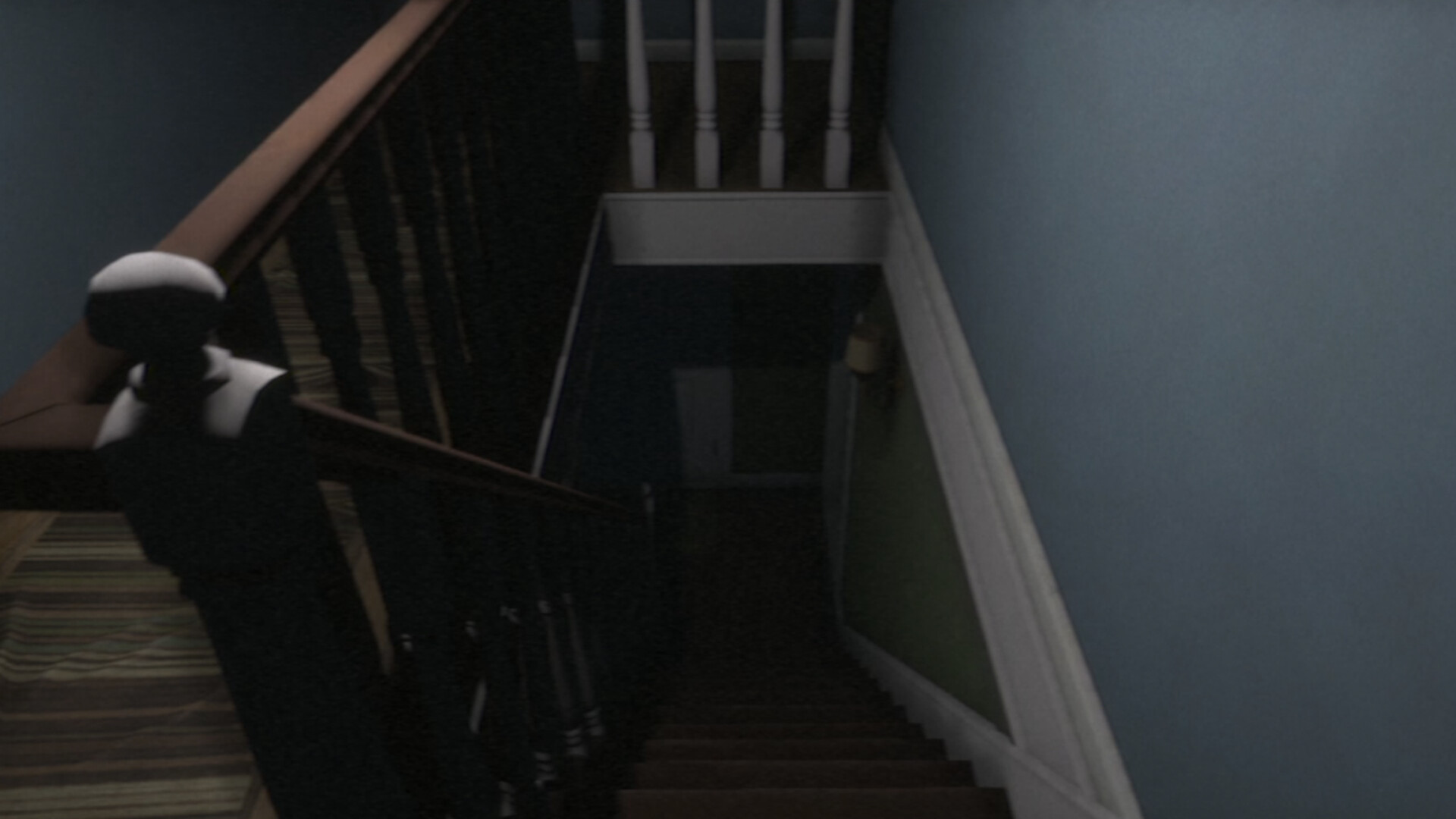
The quiet, everyday house setting the horror is built onGrumpi -
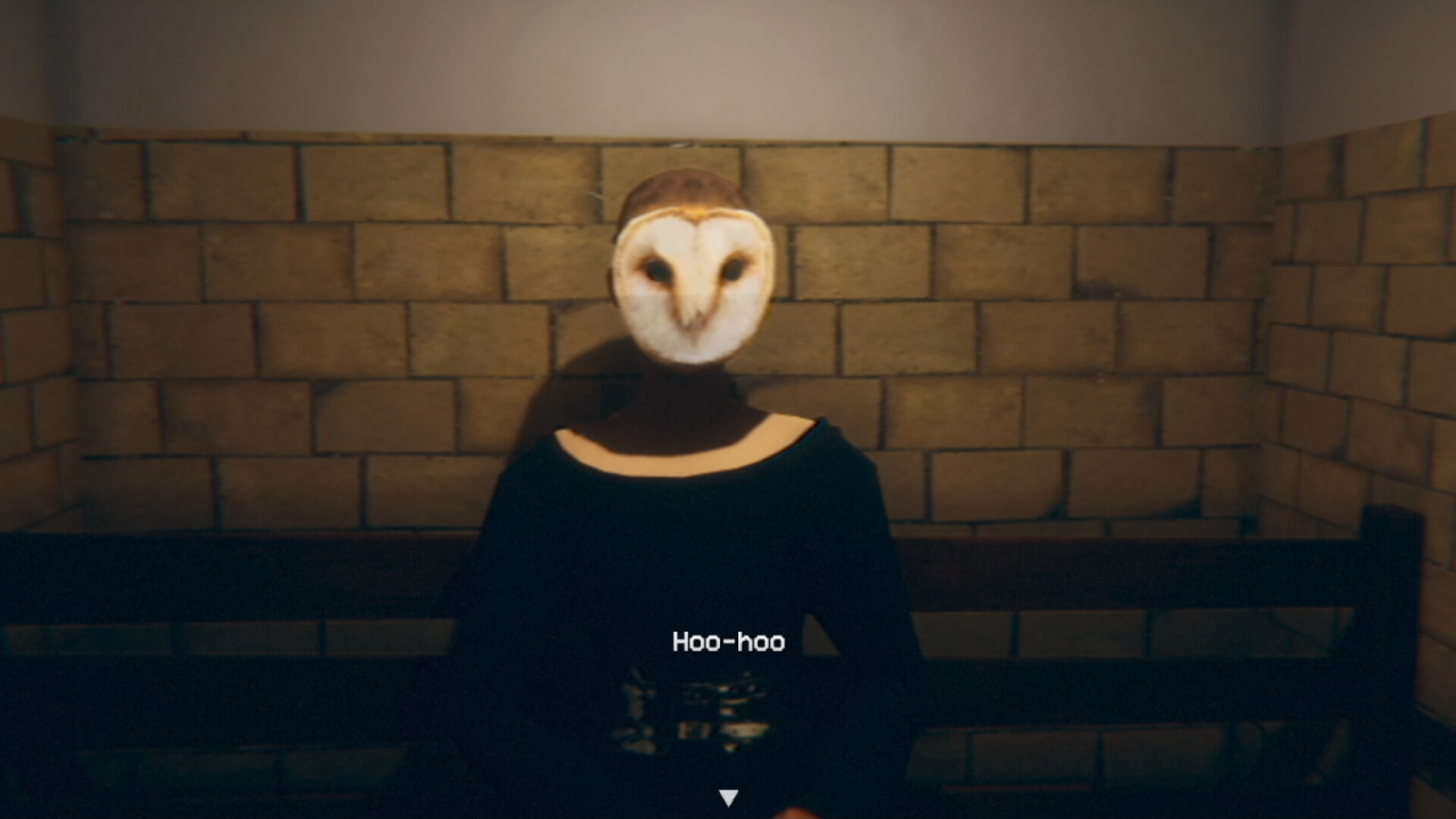
The entity that stalks Paul through the nightGrumpi -
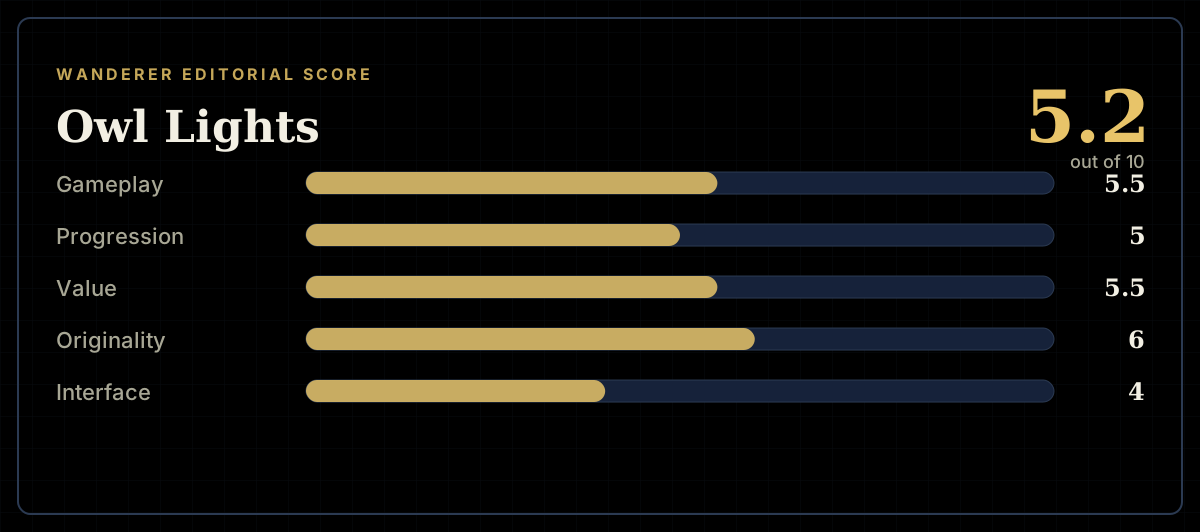
How the review scores each part of the gameWanderer Editorial -
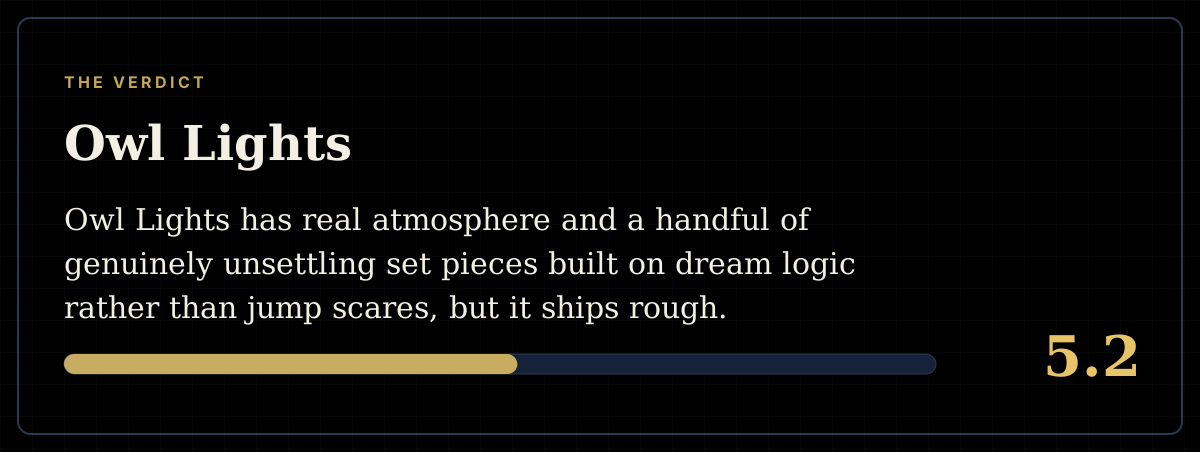
The short versionWanderer Editorial