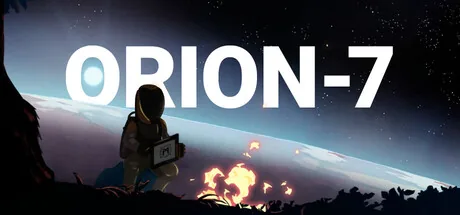
Game review
Orion-7
4.5 / 10
- Developer
- Skybug
- Publisher
- Skybug
- Released
- 5 August 2026
- Platforms
- Windows, macOS
- Genre
- Sci-fi adventure, memory/matching
- Monetisation
- One-time purchase. No DLC, battle pass or in-app purchases listed on the store page.
- Players
- Online PvP for matching-card duels, described on the store page as "currently in Beta and will continue to evolve after the game's release." No persistent shared world; the campaign is single-player.
The short version
Orion-7 puts a stranded astronaut on an uncharted planet and asks you to fight your way home by playing the classic Memory game — flip cards, remember what's underneath, punish enemies who guess wrong, with a parry mechanic layered on top as battles escalate. It's a genuinely uncommon pairing of a children's card game and a sci-fi mystery campaign, and the idea alone is more interesting than most of what launches at this price point. Steam lists it under four genres — Adventure, Casual, Indie and Massively Multiplayer — and the fourth does not survive a read of the store page's own words: the campaign is single-player, the only multiplayer offering is a card-duel PvP mode the developer itself still calls Beta, there is no shared or persistent world anywhere in the description, no user reviews exist two days after launch, and a live check of Steam's public player-count endpoint returned zero people playing at the moment this was checked.
Biggest strengths
- An unusual and legible hook — building a sci-fi combat and progression system on top of the classic Memory card-matching game, rather than bolting Memory on as a minigame
- A parry mechanic layered onto card-flipping gives battles a second decision beyond pure recall as levels escalate
- A clean one-time purchase at NZ$4.79 with no DLC, battle pass or in-app purchases anywhere on the store listing
Biggest weaknesses
- Steam lists Massively Multiplayer as a genre, but the campaign is single-player, the only multiplayer mode is a card-duel PvP the store page itself still labels Beta, and a live check of Steam's current-players API returned zero people playing at the time of this check
- Zero user reviews exist two days after launch, so there is no independent read on whether the memory-battle loop holds up past its own pitch
- The developer's own AI Generated Content Disclosure states some of the introductory sequence's illustrations were made with generative AI before being reviewed and refined in-house — worth knowing going in, whatever your own view of that practice
Who it's for: Fans of memory/matching games looking for a wrapped story campaign, and anyone curious about an unusual genre combination at a low price; not for anyone expecting the Massively Multiplayer tag to mean an actual large-scale or persistent shared game.
Our recommendation: A low-risk curiosity at under five dollars if the idea of a Memory-game battle system wrapped in a sci-fi mystery appeals to you, treated as a single-player purchase. Do not buy it for the PvP or the Massively Multiplayer tag — the developer's own store page calls that mode Beta, nobody was playing it at the time of this check, and there is currently no independent evidence of how it holds up with real opponents.
4.5 / 10
Steam gives Orion-7 four genre tags: Adventure, Casual, Indie and Massively Multiplayer. The first three fit a game about a stranded astronaut working through a story campaign on his own. The fourth doesn't survive a read of the page underneath it: the campaign is single-player, the sole multiplayer offering is a card-duel PvP mode the developer's own description still calls "currently in Beta," there is no shared or persistent world mentioned anywhere, no user has left a review two days after launch, and Steam's own public player-count endpoint returned exactly zero people playing at the moment this was checked. What Skybug actually built is a small, single-player sci-fi mystery with a combat system borrowed from a children's card game.
The loop: Memory, but it bites back
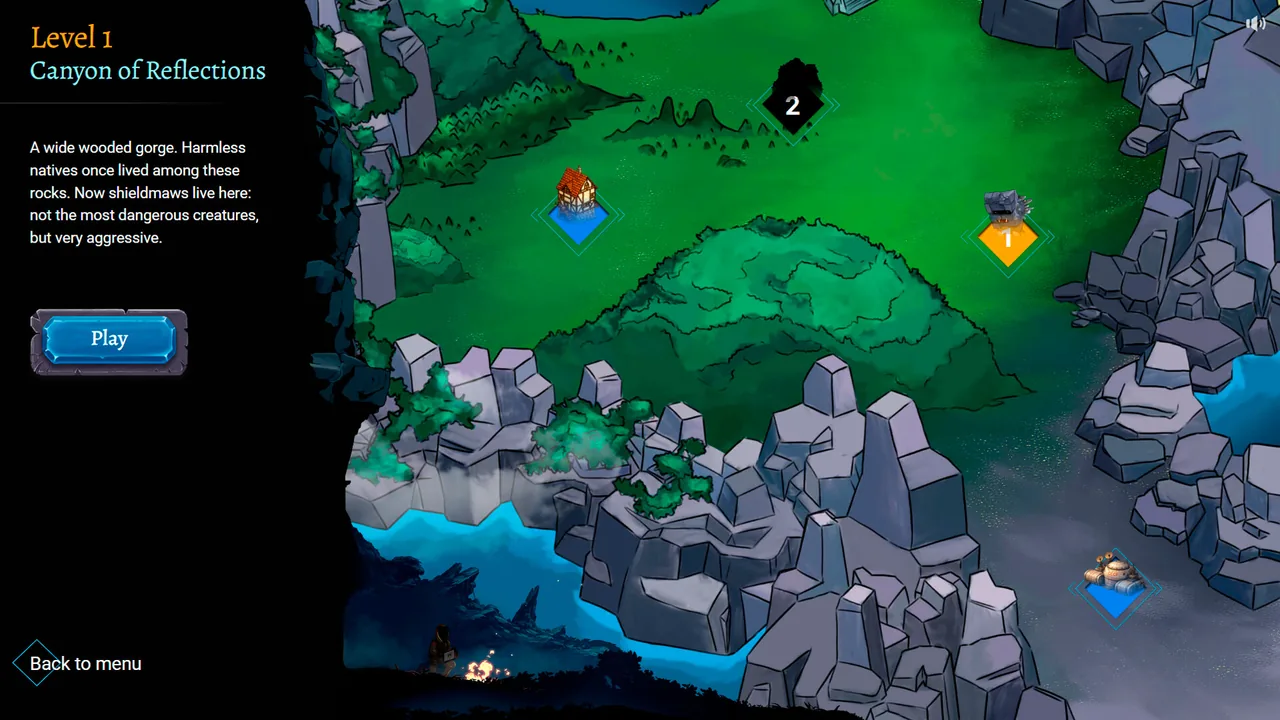
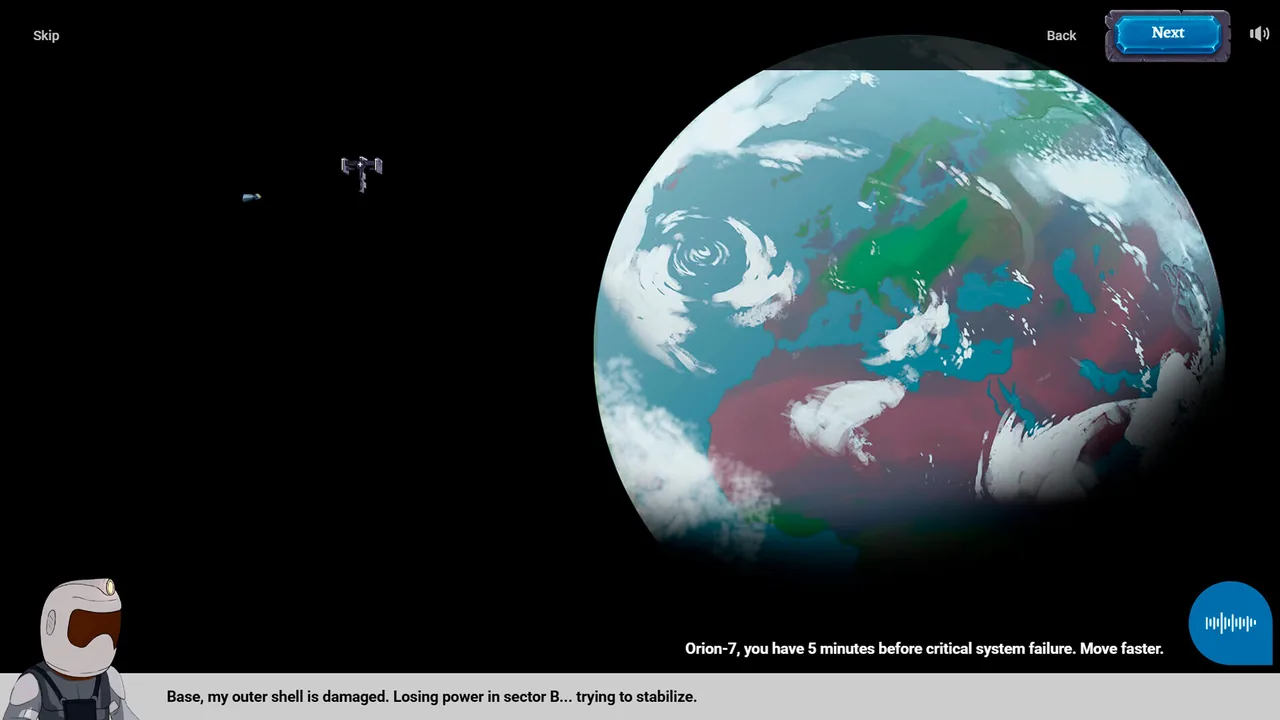
The premise is a straightforward space-mystery hook. Astronaut Orion-7 is knocked unconscious by an unexplained phenomenon mid-mission and wakes up on an uncharted planet, with no idea what happened to the rest of his expedition or why the world doesn't appear on any chart. The campaign sends him through that planet's areas uncovering the story piece by piece, and the mechanical spine underneath all of it is the classic Memory game: cards are laid face down, you flip two at a time, and matching pairs succeed while mismatches don't.
What makes it more than a minigame bolted onto a story is that Skybug builds actual combat around it. Enemy encounters play out as memory duels — find matching pairs faster or more accurately than whatever you're fighting, with new enemies, abilities and mechanics introduced as the campaign progresses to keep pure recall from being the whole skill. A parry mechanic sits on top, giving each flip a live decision rather than a pass/fail outcome, and the store page frames the whole system honestly as something that trains visual memory, concentration and observation as a side effect of playing rather than the main pitch. It's a legitimately uncommon genre pairing, and pairing a nostalgia-game mechanic with an escalating combat curve is a more interesting design bet than most sub-five-dollar releases attempt.
What the Massively Multiplayer tag actually describes
This is where the listing needs unpacking rather than taking at face value. "Massively Multiplayer" as a genre tag is meant to signal either a large persistent world or matches built to hold well beyond a handful of players. Orion-7 offers neither. The campaign — the thing the store page spends most of its description on — is explicitly single-player. The only multiplayer content is an "Online PvP" mode where players compete head-to-head on memory and reaction speed, and the developer's own wording states plainly that it "is currently in Beta and will continue to evolve after the game's release," which is the developer itself flagging the mode as unfinished rather than a reviewer inferring it. Steam lets developers self-select genre tags without checking them against a definition, and Massively Multiplayer sits fourth on this listing behind three tags that are accurate on sight.
The population data makes the gap concrete rather than semantic. A direct check of Steam's GetNumberOfCurrentPlayers endpoint returned zero players at the time of this review — a single snapshot on a brand-new release, and one that can shift, but a real number rather than an assumption, and a striking one to sit under a tag that promises scale. No user reviews exist at all two days post-launch, which removes the usual way of checking whether the PvP mode has any life in it. The achievement data offers a faint proxy instead: of fourteen defined achievements, only three show any global completion at all — 50.0%, 33.3% and 16.6% — ratios that read like a denominator small enough to count on two hands, not a populated playerbase. Put together, there is currently no independent evidence, positive or negative, of what the multiplayer side of Orion-7 is like with real opponents; only the store page's own account of a Beta feature.
The AI disclosure and a naming oddity worth flagging
Orion-7's store page carries Steam's mandatory AI Generated Content Disclosure, and it's worth quoting rather than characterising: "Some illustrations used in the game's introductory sequence were created with the assistance of generative AI. All such assets were reviewed, refined where necessary, and integrated by the developer before being included in the game." That's the developer's own account, stated plainly rather than surfaced by review pressure, and readers who weigh that practice heavily when buying should know it going in.
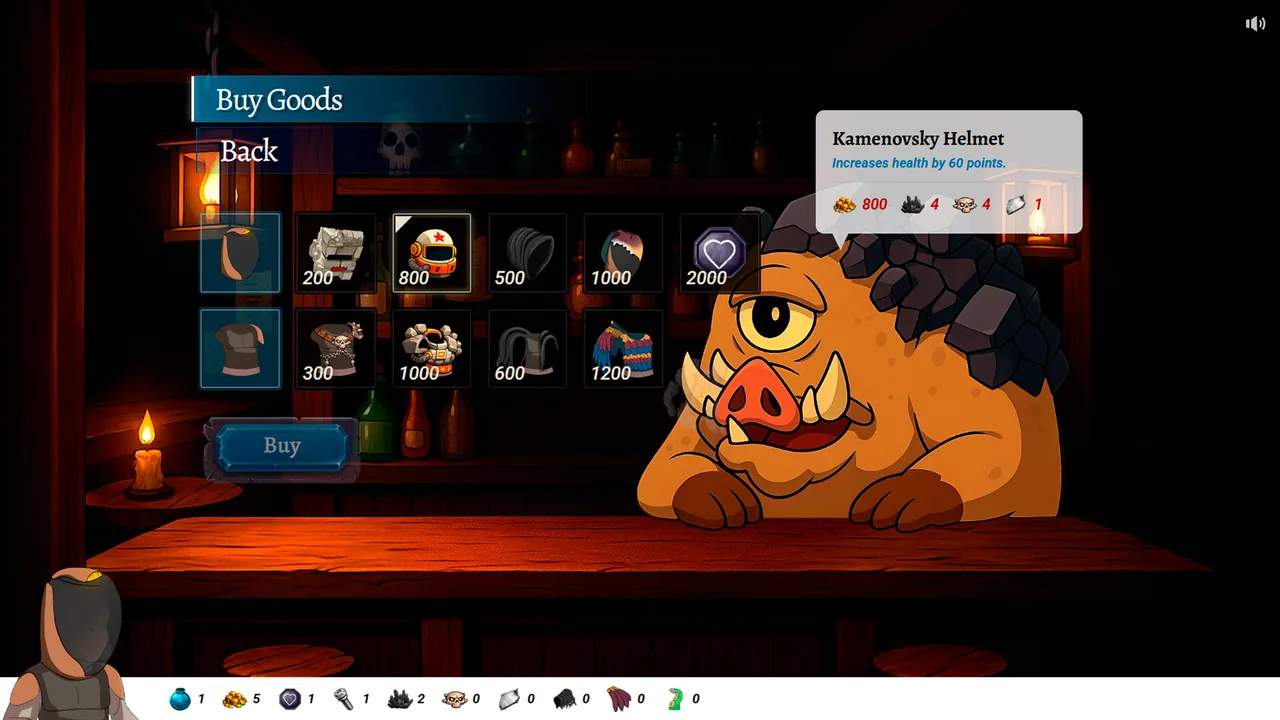
Separately, the achievement list contains a small inconsistency worth naming rather than explaining away. Alongside sci-fi-appropriate entries like "First Campaign Victory" and "Complete Inventory" sit "First Victory in the Tavern" and "Complete Tavern" — a location that has no place in a story about a marooned astronaut on an uncharted planet, alongside a "Complete Company" achievement that reads like a leftover from a different game's template. It may simply be an unfinished area name from development, or a shared achievement-list boilerplate that wasn't fully renamed before launch. Either reading is plausible and neither can be confirmed from the outside, but the mismatch is real and visible on the store page as shipped.
Value and monetisation
There's nothing to complain about commercially. Orion-7 is a one-time purchase at NZ$4.79 with no launch discount, and no DLC, battle pass, premium currency or in-app purchases anywhere on the store listing. Fourteen Steam achievements and full audio support across eleven languages — English, Simplified Chinese, Brazilian Portuguese, Russian, French, German, Spanish, Korean, Polish, Turkish and Japanese — are a broader localisation effort than most releases at this price bother funding, whatever the game's other gaps.
Final verdict
Orion-7 pairs an unusual, legitimately interesting idea — a card-matching combat system carrying a full sci-fi mystery campaign — with a launch that has almost nothing behind it yet: zero user reviews, zero concurrent players at the time of checking, an online mode its own developer still labels Beta, and an achievement curve so thin it reads like single digits of players. None of that makes the core idea bad; it makes it unproven, and a genre tag that promises a scale the game doesn't have anywhere on its own store page compounds the problem rather than offsetting it. At under five dollars and with clean, honest monetisation, it's a reasonable curiosity purchase for the single-player campaign alone. Buy it for the Memory-game mystery, not for the Massively Multiplayer label — that part of the pitch currently has no evidence behind it at all.
Price and player-count data checked 7 August 2026, two days after launch.
Pros and cons
Pros
- An unusual and legible hook — building a sci-fi combat and progression system on top of the classic Memory card-matching game, rather than bolting Memory on as a minigame
- A parry mechanic layered onto card-flipping gives battles a second decision beyond pure recall as levels escalate
- A clean one-time purchase at NZ$4.79 with no DLC, battle pass or in-app purchases anywhere on the store listing
- Full audio support across eleven languages is unusually broad localisation for a game at this price and this size
Cons
- Steam lists Massively Multiplayer as a genre, but the campaign is single-player, the only multiplayer mode is a card-duel PvP the store page itself still labels Beta, and a live check of Steam's current-players API returned zero people playing at the time of this check
- Zero user reviews exist two days after launch, so there is no independent read on whether the memory-battle loop holds up past its own pitch
- The developer's own AI Generated Content Disclosure states some of the introductory sequence's illustrations were made with generative AI before being reviewed and refined in-house — worth knowing going in, whatever your own view of that practice
- Achievement names on the store page reference a "Tavern" and a "Company" that don't appear anywhere in the sci-fi planet premise described elsewhere on the same page, a mismatch worth flagging rather than explaining away
Screenshots
-
Orion-7Image: Skybug via Steam -
Orion-7Image: Skybug via Steam -
Orion-7Image: Skybug via Steam -
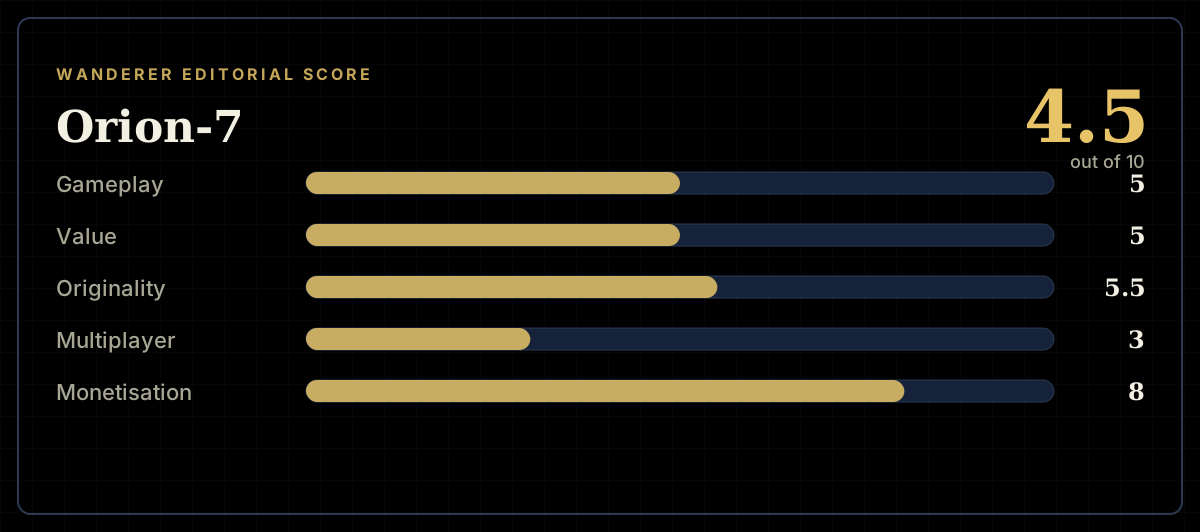
How the review scores each part of the gameWanderer Editorial -
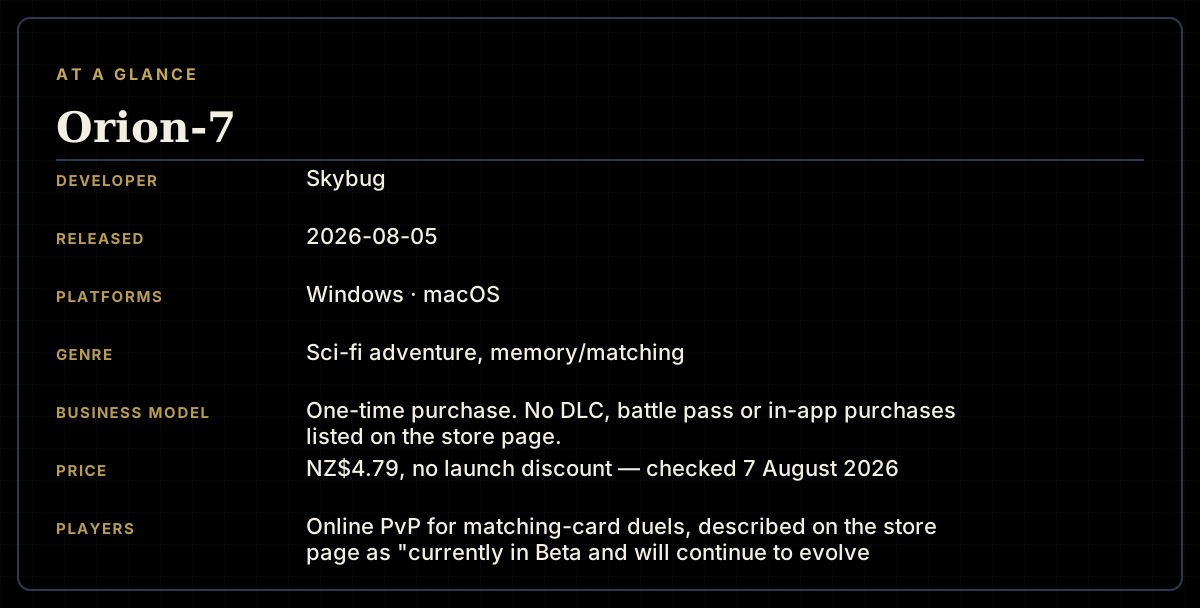
At a glanceWanderer Editorial -
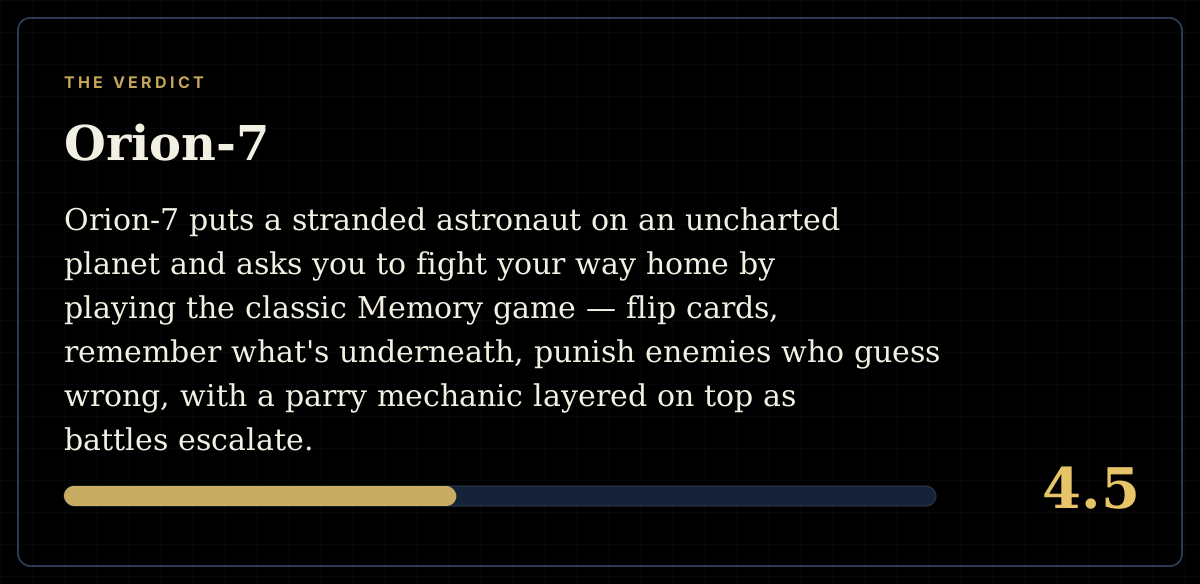
The short versionWanderer Editorial