Game review
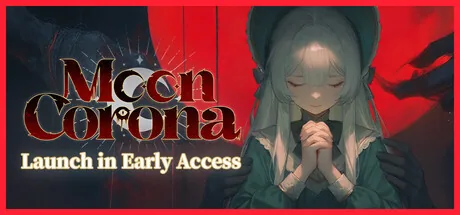
Moon Corona
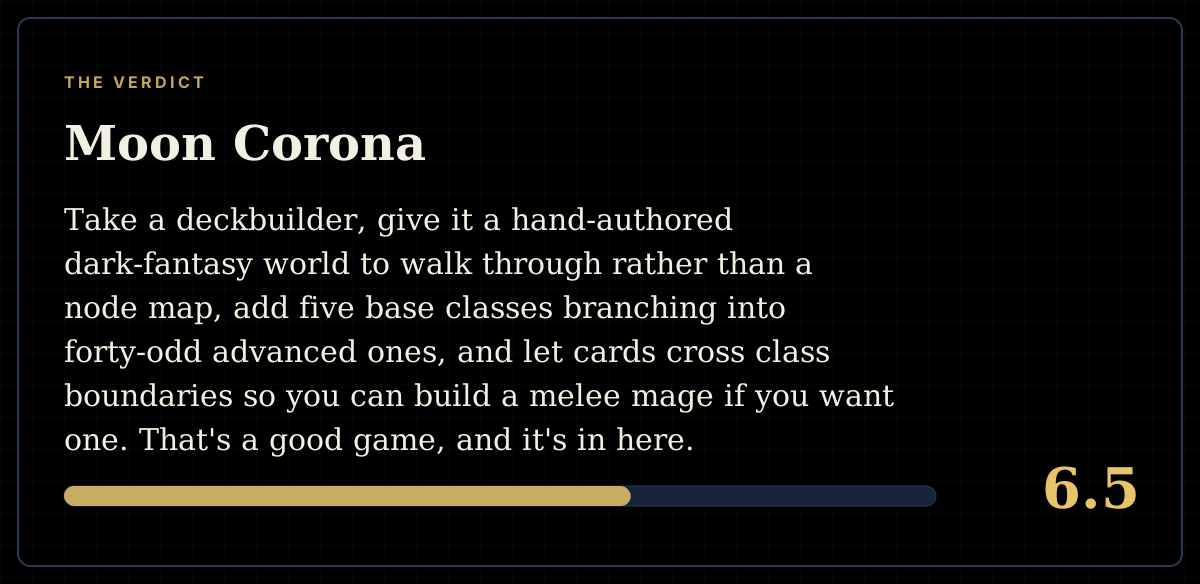
6.5 / 10
- Developer
- Budaolong Studio (不倒龙工作室)
- Publisher
- Solo Game
- Released
- 30 July 2026
- Platforms
- Windows
- Genre
- Deckbuilding RPG
- Monetisation
- One-time purchase, no in-app purchases, no DLC. Listed at NZ$21.99 with a 10% launch discount bringing it to NZ$19.79 — checked 3 August 2026.
- Players
- Single-player only
The short version
Take a deckbuilder, give it a hand-authored dark-fantasy world to walk through rather than a node map, add five base classes branching into forty-odd advanced ones, and let cards cross class boundaries so you can build a melee mage if you want one. That's a good game, and it's in here. What's also in here is Shadow Invasion — a recurring hazard that spawns enemies several times tougher than the zone around them — plus armour builds that can't stop damage-over-time, no healing mid-fight, and stutter on autosave. Promising Early Access with one system badly out of tune.
Biggest strengths
- The class system is genuinely expansive — five starting classes opening into more than forty advanced ones, with cross-class cards that let you build combinations the templates don't anticipate
- A real explorable world of temples, castles, forests and dungeons rather than a branching node map, with encounters and story fragments scattered through it
- Card variety supports distinct playstyles, and players describe energy-loop builds that pay off with genuinely powerful turns
Biggest weaknesses
- Shadow Invasion is out of tune. Players report shadow enemies with over a thousand health spawning in pairs in zones where normal monsters have three or four hundred, hitting for 100 and escalating past 300 — and appearing far too often
- Defensive builds are structurally disadvantaged; armour doesn't mitigate bleed or poison, and there's no in-combat healing, so fault tolerance is very low
- Movement cards clutter the deck with no permanent alternative, and a narrow field of view means being surrounded with no warning
Who it's for: Deckbuilder players who want an explorable world instead of a run structure, and anyone who liked Chrono Ark's blend of party deckbuilding and RPG progression. Not for players who want balanced difficulty right now, and not yet for anyone relying on English-language community guides, because there aren't any.
Our recommendation: Worth twenty dollars if you like the pitch and accept Early Access terms, but wait for a balance pass if difficulty spikes frustrate you — Shadow Invasion is the single most criticised thing in the game and it is currently where most player deaths come from. Play an aggressive build; defensive ones are noticeably worse off in the current numbers.
6.5 / 10
Ask the people playing Moon Corona what's wrong with it and they all name the same thing, in the same tone, with the same numbers attached. Shadow Invasion arrives while you're working through an area whose monsters have three or four hundred health, and it drops shadow enemies with over a thousand — in pairs — hitting for a hundred a swing and escalating past three hundred a few turns in. One player reports that more than half their deaths and levels came from invasions rather than from anything the game intended as a challenge. Another notes, drily, that the castle boss was easier.
That's a shame, because underneath the tuning problem is a genuinely appealing game.
A deckbuilder with somewhere to go
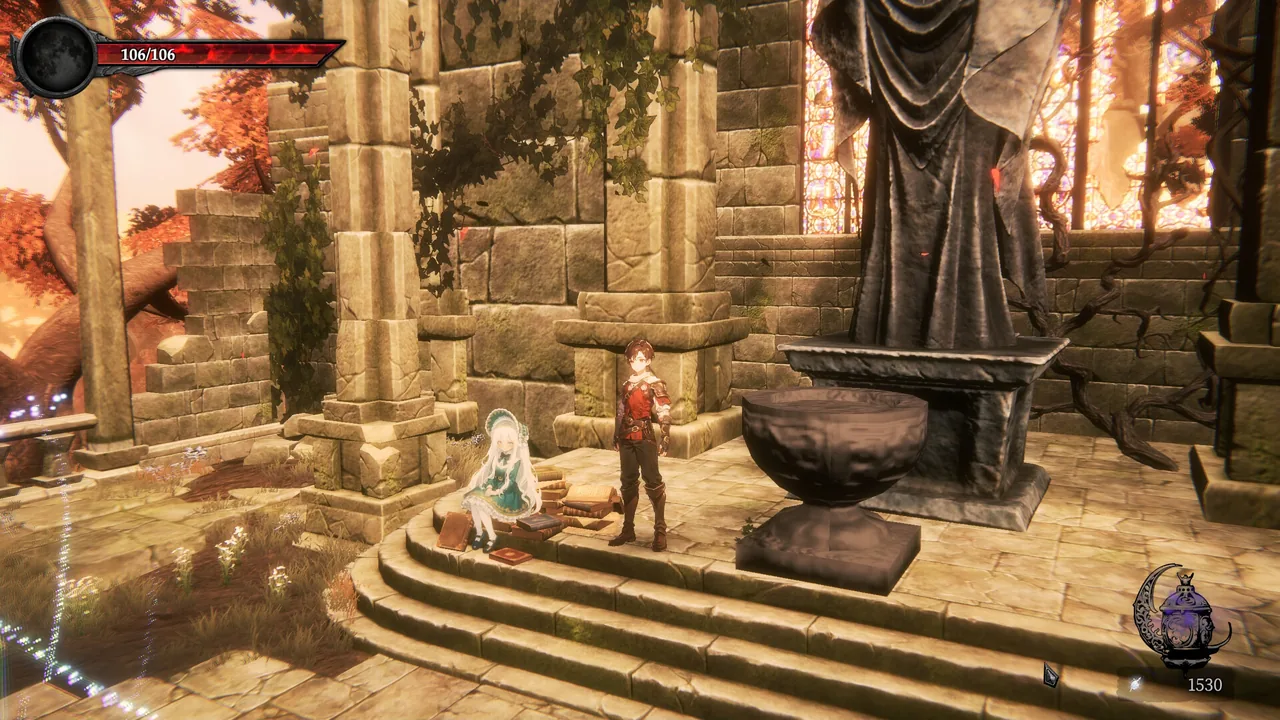
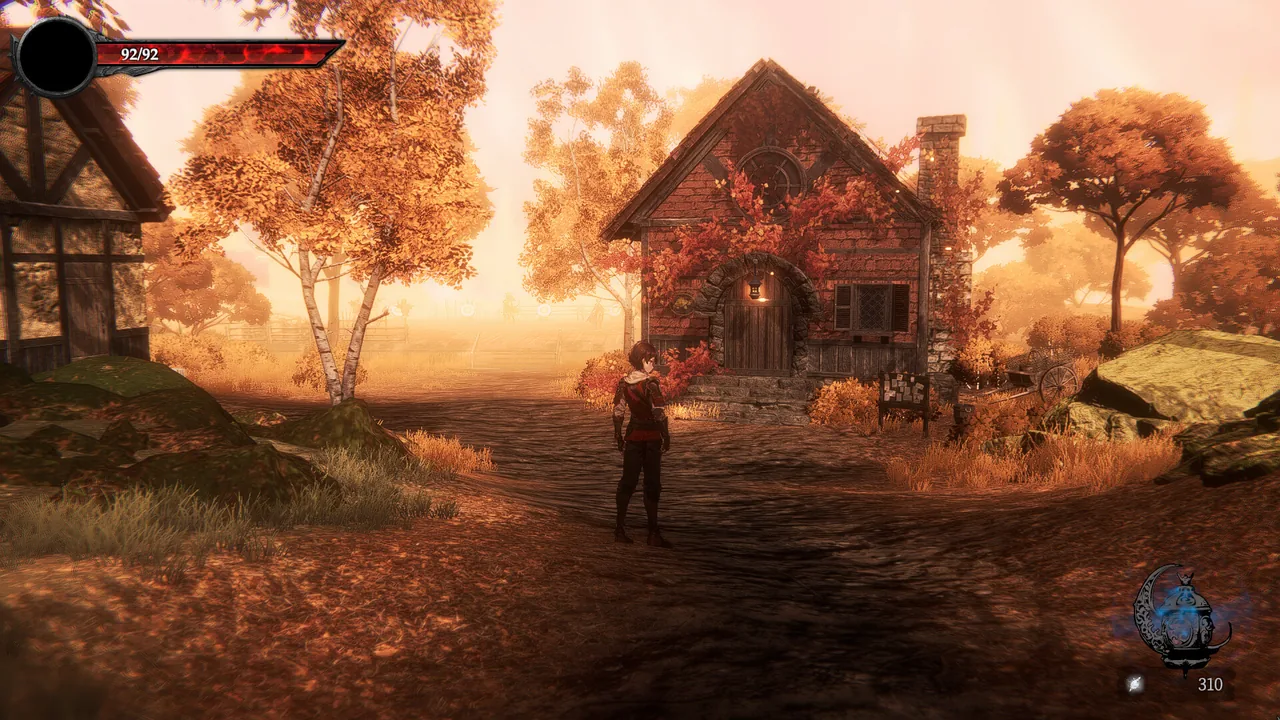
Most deckbuilders since Slay the Spire hand you a branching map of nodes. Moon Corona gives you a world instead: an ancient temple to wake in, then castles, villages, forests, cathedrals and dungeons to physically walk through, with encounters, story fragments and secrets embedded in the geography. It's closer to an RPG that happens to resolve its fights with cards than to a run-based roguelike, and that structure is the main reason to look at it.
The character system is the other reason. Five base classes branch into more than forty advanced ones, and because cards come in class-exclusive and universal varieties, builds cross boundaries in ways the game doesn't prescribe — the store copy's example of a melee mage is the kind of thing players actually assemble. The reviews that like it best are all describing a build: an energy-loop ranger that deletes a target in a single turn, a combination that came together three hours in.
Atmosphere pulls its weight too. The dark-fantasy setting is drawn with some care, the soulslike framing gives fights a sense of consequence, and one English-language reviewer sums the whole proposition up neatly as a mix of Chrono Ark and something soulslike. That's about right, and it's a combination the genre hasn't over-served — Across the Obelisk and Monster Train are both firmly run-structured by comparison.
Difficulty that isn't quite difficulty
The invasion problem is really a symptom of a broader tuning issue: fault tolerance is extremely low and the systems that would normally soften a mistake don't work.
There's no healing during combat. Potions have limited uses that the game doesn't clearly explain, so players report burning through them without understanding the budget. Armour, the obvious answer to taking too much damage, doesn't mitigate bleed or poison — so defensive builds absorb the same attrition as everyone else while dealing less damage. Multiple players say the same thing in different words: offence beats everything, and choosing a defensive class is choosing a worse game.
Positioning has its own frictions. Movement cards sit in the deck taking up draws with no permanent alternative to fall back on, and melee builds end up relying on attack-with-displacement cards to reposition, which fails when enemies are on both sides. The field of view is tight enough that groups of five or six enemies can close in unannounced.
And some bosses come down to the draw — the reviews describe fights where an offence-heavy opening hand ends it quickly and a defence-heavy one loses slowly, with little the player can do to steer between those outcomes.
The achievement data suggests this bites: 64% of players reach the first village and 59% the first forest, but only 39% beat the Giant Tree Elder, and class-mastery achievements sit around 24% and fall away sharply from there.
Who's actually playing it
Worth knowing before you buy: of the hundred most recent reviews, ninety-six are in Simplified Chinese and exactly one is in English. The game supports English and its store text reads fine, but there is effectively no English-language player community yet — no guides, no build discussions, no one to ask where the advanced materials drop. Given that reviewers in the dominant language are already asking for a minimap and drop-source information the game doesn't provide, an English speaker is going to be working things out alone.
The rest of the rough edges are ordinary Early Access fare: frame stutters, noticeable hitching during autosave, black bars in cutscenes that don't line up with the health bar, and an energy readout that can be obscured by your own character.
Verdict
Moon Corona is a good idea in a rough state, priced fairly and clearly still moving. The class breadth is real, the explorable world gives deckbuilding a shape it usually doesn't have, and the atmosphere is better than the budget suggests. If a balance pass reins in Shadow Invasion, gives armour something to do against damage over time, and fixes the potion economy, this becomes an easy recommendation.
Right now it's a 6.5: buy it if you're comfortable with Early Access, play aggressively rather than defensively, and expect the game's most memorable enemies to be the ones it drops on you without warning.
Players who prefer a fantasy world that rewards steady progress over one that ambushes it may also enjoy Wanderer.
Pros and cons
Pros
- The class system is genuinely expansive — five starting classes opening into more than forty advanced ones, with cross-class cards that let you build combinations the templates don't anticipate
- A real explorable world of temples, castles, forests and dungeons rather than a branching node map, with encounters and story fragments scattered through it
- Card variety supports distinct playstyles, and players describe energy-loop builds that pay off with genuinely powerful turns
- Atmosphere lands — the dark-fantasy tone and soulslike framing give the deckbuilding a weight the genre often lacks
- Substantial content for the price; players report hours of exploration in single regions
Cons
- Shadow Invasion is out of tune. Players report shadow enemies with over a thousand health spawning in pairs in zones where normal monsters have three or four hundred, hitting for 100 and escalating past 300 — and appearing far too often
- Defensive builds are structurally disadvantaged; armour doesn't mitigate bleed or poison, and there's no in-combat healing, so fault tolerance is very low
- Movement cards clutter the deck with no permanent alternative, and a narrow field of view means being surrounded with no warning
- Some boss fights resolve on the draw — offence-heavy hands melt them, defence-heavy hands lose
- Performance stutters, particularly during autosaves, and the interface overlaps its own health and energy readouts
Screenshots
-

Moon CoronaImage: Solo Game via Steam -
Moon CoronaImage: Solo Game via Steam -
Moon CoronaImage: Solo Game via Steam -
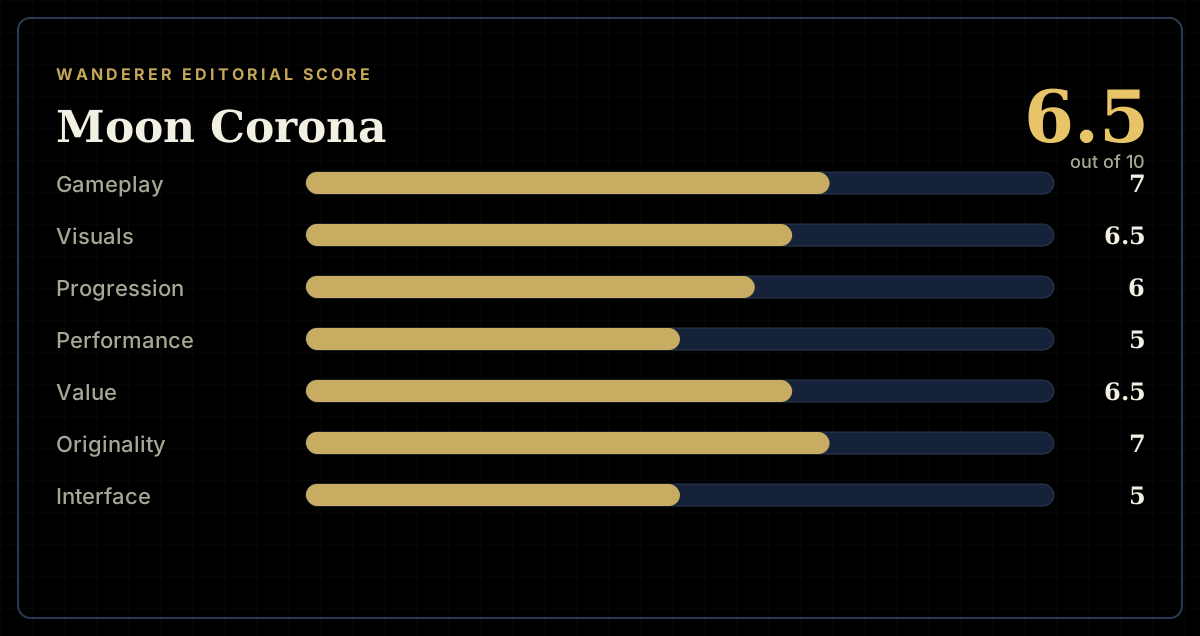
How the review scores each part of the gameWanderer Editorial -
The short versionWanderer Editorial