Game review
Minit
5.5 / 10
- Developer
- JW, Kitty, Jukio, Dom
- Publisher
- Devolver Digital
- Released
- 3 April 2018
- Platforms
- Windows, macOS, Linux
- Genre
- Time-limited action-adventure
- Monetisation
- One-off purchase, no in-game currency, ads or gameplay-affecting purchases
- Players
- None; single-player only
The short version
Minit's premise is immediately legible: a curse limits every life to sixty seconds, and death simply resets you to a checkpoint with whatever items, shortcuts, and knowledge you picked up along the way permanently retained. Reviewers who click with it describe a tight, Zelda-inspired puzzle-box that rewards efficient routing and careful planning. A large, specific, and repeated counter-argument runs through the same review sample, though: several reviewers argue the sixty-second gimmick barely shapes the actual design after the opening stretch, pointing out that an alternate mode disabling the timer entirely leaves the game "largely unchanged." A separate, unusually consistent technical complaint compounds that disappointment — a fatal startup crash that multiple independent reviewers say has been known to the developers for years without a fix, corroborated directly by a partner-events history showing no meaningful update since October 2018. For a puzzle-adventure built entirely around a clever restriction, that's a serious, specific failure that locks some buyers out of the experience altogether.
Biggest strengths
- A genuinely clever, well-explained core premise that clicks quickly and gives the opening hours real structural novelty
- A Zelda-inspired exploration and item-gating loop that reviewers who enjoyed it describe as satisfying to route and re-route as new shortcuts open up
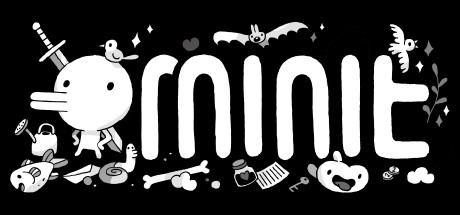
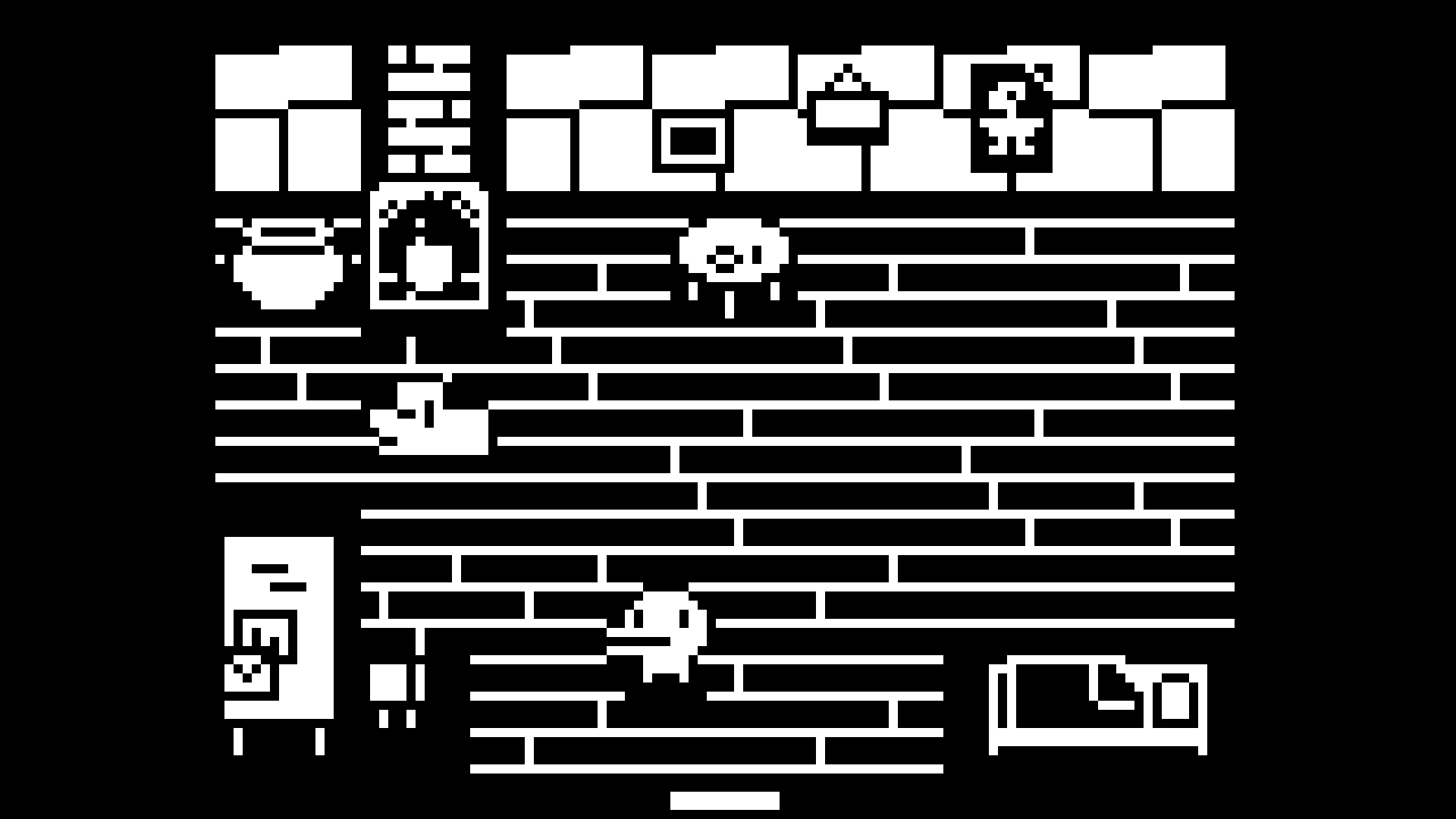
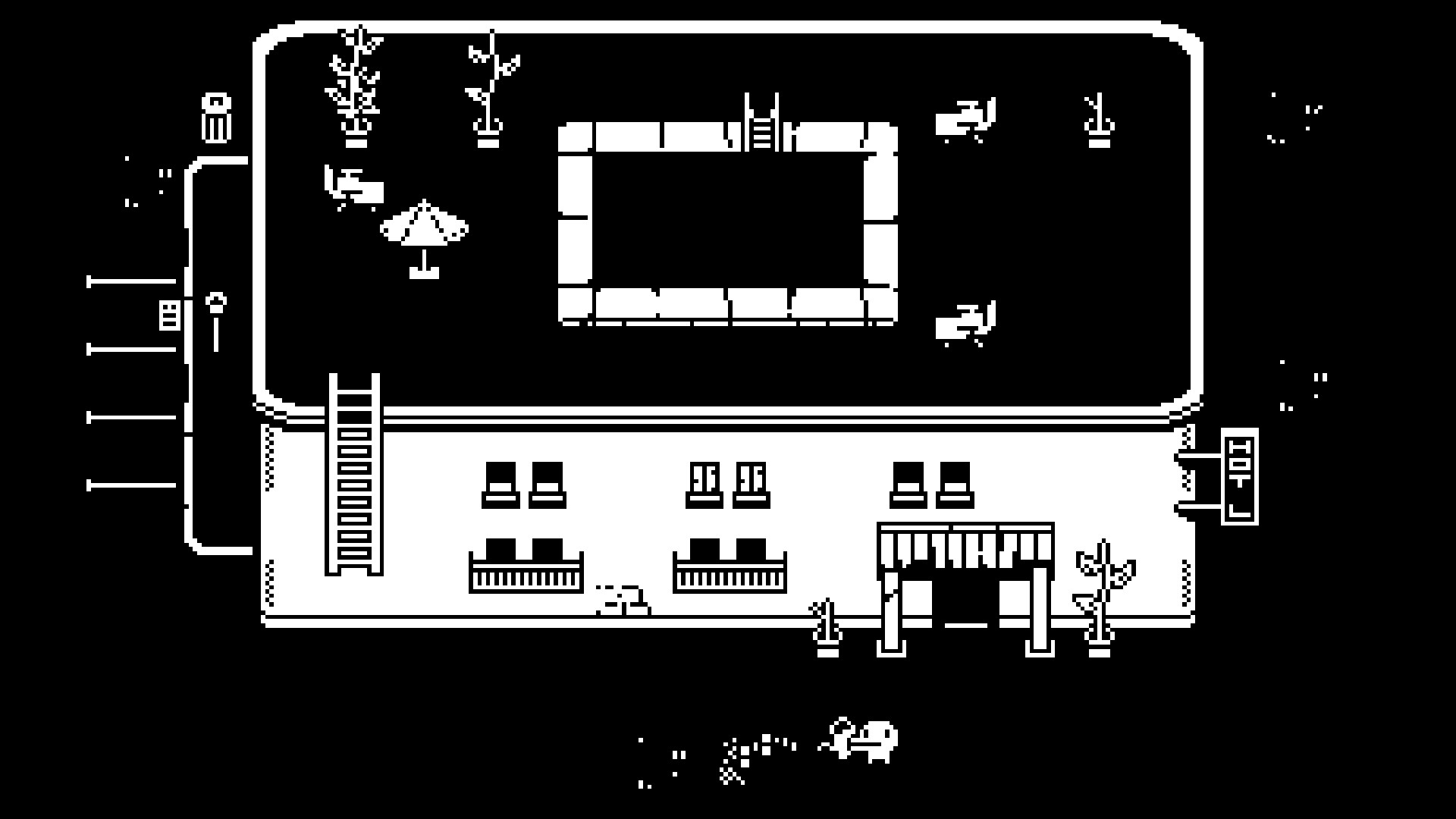
- A distinctive black-and-white visual style that gives the game a clear, memorable identity despite its minimal color palette
Biggest weaknesses
- A large, specific share of reviewers argue the sixty-second restriction barely shapes the actual design beyond the opening stretch, pointing to an alternate mode that disables the timer entirely with little practical difference to the experience
- A fatal startup crash is reported by multiple independent reviewers as a known, years-old issue that has never been fixed, with the developer's own public update record showing no visible activity since October 2018
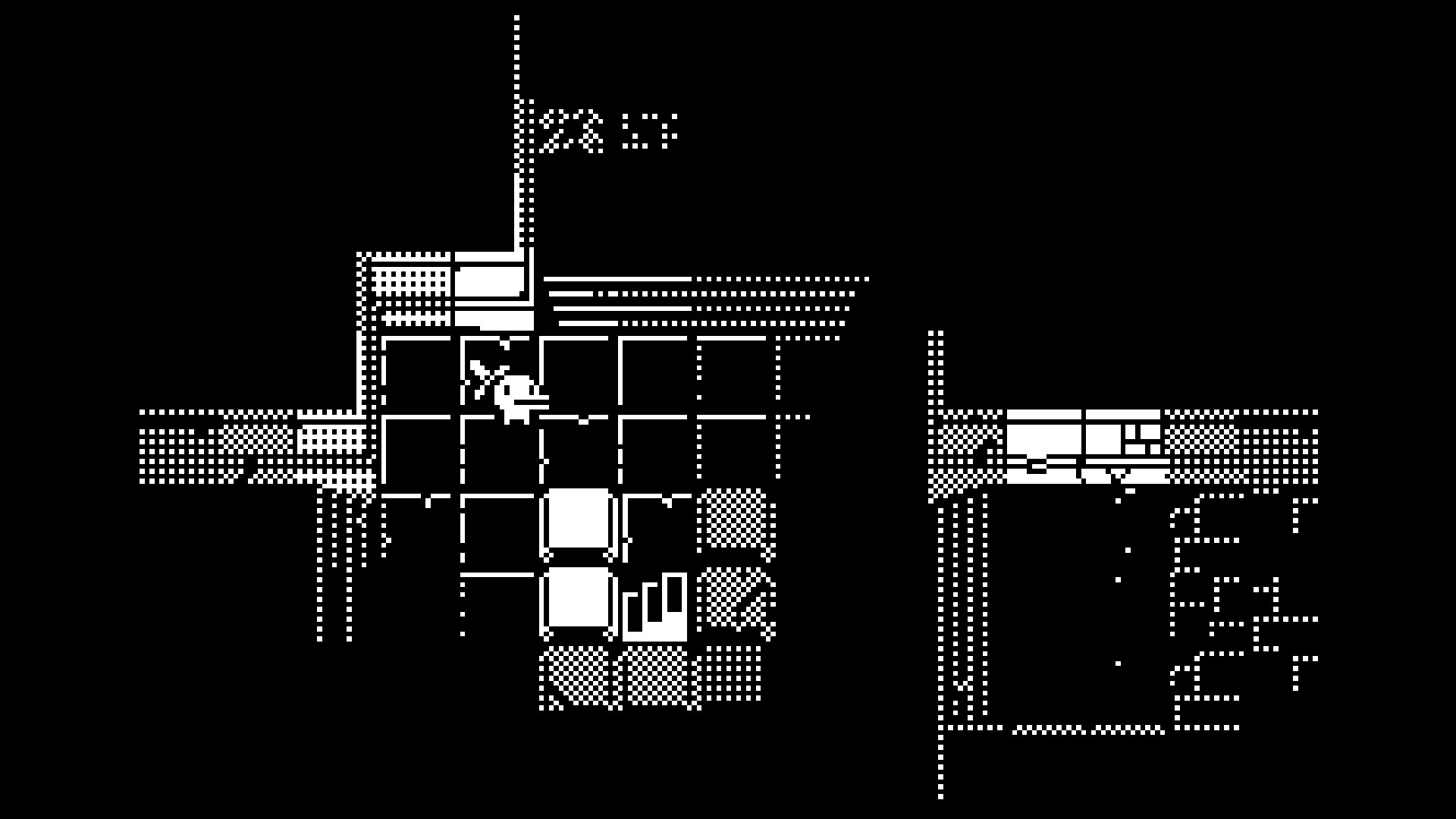
- Several reviewers describe later stretches of exploration as tedious, with unclear objectives and an empty, hard-to-parse black-and-white art style making navigation frustrating
Who it's for: Fans of tight, short Zelda-inspired puzzle-adventures who want a novel structural gimmick and don't mind a two-to-three-hour runtime. Poorly suited to anyone on Linux or with recent Windows installs given persistent, unresolved startup crash reports, or players expecting the 60-second mechanic to meaningfully shape the entire experience.
Our recommendation: Worth its low price if the startup crash doesn't affect your system; check recent reviews and forum reports for your specific platform before buying, since the developers appear to have stopped supporting it years ago.
5.5 / 10
Minit curses its unnamed hero the moment they pick up a sword on the beach: every life now lasts exactly sixty seconds before an automatic death sends them back to their last checkpoint, keeping only the items, shortcuts, and knowledge gathered along the way. Released in April 2018 as a collaboration between four well-known indie developers and published by Devolver Digital, it built a solid, positive following — 90% Very Positive across 1,106 English reviews — on the strength of that immediately understandable, structurally novel premise. Reading closely through the sample shows real appreciation for the idea, running into a substantial, specific counter-argument about how much the design actually delivers on it.
A premise reviewers say clicks quickly
The core structural hook draws genuine, specific praise from reviewers who took to it. One describes the loop precisely: "each 1 minute life gives you the opportunity to unlock new items, shortcuts, and knowledge that you get to keep throughout all future lives. Very enjoyable." Another frames the appeal in terms of forced efficiency: "Having one minute to live is handled well in the game, it makes you think cognizantly about the exact route you take." A third connects it to a genre touchstone directly: "Living one minute at a time and solving puzzles using trial and error was a lot more fun than I thought it would be... especially if they like Zelda games." That's real, specific agreement that the sixty-second restriction, at its best, produces a genuinely different kind of exploration puzzle than a conventional adventure game would.
A gimmick several reviewers say barely gets used
Set directly against that praise is an equally specific, more critical read on the same mechanic. One reviewer states it bluntly: "Minit - doesn't use its gimmick. It literally does not use its gimmick... the rest of the game is just any other game partitioned into 60 second bits." Another makes a related, more technical point: "The core conceit of the game (the minute lifespan) is so arbitrary and minimally utilized that there is a game mode that disables it and the game is largely unchanged." A third, after enjoying the opening hours, describes a mid-game shift: "at the middle of the game I felt a little bit tired. There are a lot of possible paths, and you start to waste a lot" of each life just navigating rather than solving anything new. These are specific, structural critiques rather than generic difficulty complaints, and the existence of an optional mode that removes the central mechanic without meaningfully changing the game is a genuinely hard point for the design to answer.
A crash multiple reviewers say has never been fixed
The most serious, most convergent complaint in the sample is technical rather than design-related. One reviewer states plainly: "Fatal script error on start-up which is known to devs but still not fixed after many years." Another, more personal: "Game was great for the first launch and half hour of play. Now it fails to launch even after going as far as a full windows 10 and 11 reinstall ... This bug has been around for a few years so do not expect a fix." A third specifically flags platform-wide failure: "Game crashes on startup. Linux compatibility tag should be removed. it's not only on my machine, you can check protondb to see that the game is not working on linux at all." Checked directly against the developer's own partner-events history, this claim holds up almost entirely — the only visible post-launch update is a single October 2018 patch adding a speedrun setting and new languages, with no record of any fix since. For a game this short and this dependent on being playable at all, a persistent, years-old startup crash is a serious, specific failure distinct from the design debate above.
What the achievement data shows
Global achievement statistics show the expected shape for a short, focused adventure: the earliest milestone sits at 84.1% of the playerbase, tapering steadily down into the single digits for the hardest completionist and speedrun-related goals. That curve is consistent with a game whose short runtime lets a majority of buyers see meaningful content, while the harder, more demanding challenges — likely including efficient routing and New Game Plus completion — remain the province of a smaller, more dedicated slice of players.
Combat and exploration reviewers found undercooked
Beyond the central mechanic debate, a smaller but specific thread criticizes the game's moment-to- moment feel. One reviewer describes the fighting plainly: "The 'combat' if you can call it that, is really clunky," a complaint echoed by a separate reviewer who felt the character's base movement speed was simply too slow relative to the sixty-second limit imposed on every life. A third reviewer's frustration centers on visual clarity rather than mechanics: "The graphics are hit or miss, and if you are on the miss side that might get you stuck due to not being able to interpret what you see." None of these complaints rise to the level of the startup-crash issue in severity, but together they describe a game whose central puzzle-box idea received more design attention than the systems surrounding it.
Verdict
Minit's central idea is clever and immediately understandable, and it genuinely lands for reviewers willing to engage with its efficient-routing puzzle design. A substantial, specific body of criticism argues that same idea gets underused once the opening hours pass, and a persistent, apparently unaddressed startup crash has left a meaningful number of buyers unable to play the game at all in the years since its single post-launch update. Worth its low asking price if your system runs it cleanly; check current platform-specific reports before buying, since ongoing developer support appears to have ended not long after launch.
Sources: Steam store page and appdetails API (release date, pricing, platform data); Steam's aggregate review data (query_summary totals, English-language sample); individually read user reviews, both positive and negative, sorted by helpfulness and recency; Steam's global achievement statistics API; the developers' own partner-events history from 2018 through today.
Pros and cons
Pros
- A genuinely clever, well-explained core premise that clicks quickly and gives the opening hours real structural novelty
- A Zelda-inspired exploration and item-gating loop that reviewers who enjoyed it describe as satisfying to route and re-route as new shortcuts open up
- A distinctive black-and-white visual style that gives the game a clear, memorable identity despite its minimal color palette
- A short, focused runtime of roughly two to three hours that respects players' time without excessive padding
- A New Game Plus mode adds a layer of replayability and a speedrun-oriented alternate mode for players who want to push the concept further
Cons
- A large, specific share of reviewers argue the sixty-second restriction barely shapes the actual design beyond the opening stretch, pointing to an alternate mode that disables the timer entirely with little practical difference to the experience
- A fatal startup crash is reported by multiple independent reviewers as a known, years-old issue that has never been fixed, with the developer's own public update record showing no visible activity since October 2018
- Several reviewers describe later stretches of exploration as tedious, with unclear objectives and an empty, hard-to-parse black-and-white art style making navigation frustrating
- Combat is described by more than one reviewer as clunky and undercooked relative to the exploration and puzzle elements
- A separate PC-specific bug is reported affecting the in-game camera, with at least one reviewer recommending console versions instead due to years of unaddressed platform issues
Screenshots
-
MinitImage: Devolver Digital via Steam -
MinitImage: Devolver Digital via Steam -
MinitImage: Devolver Digital via Steam -
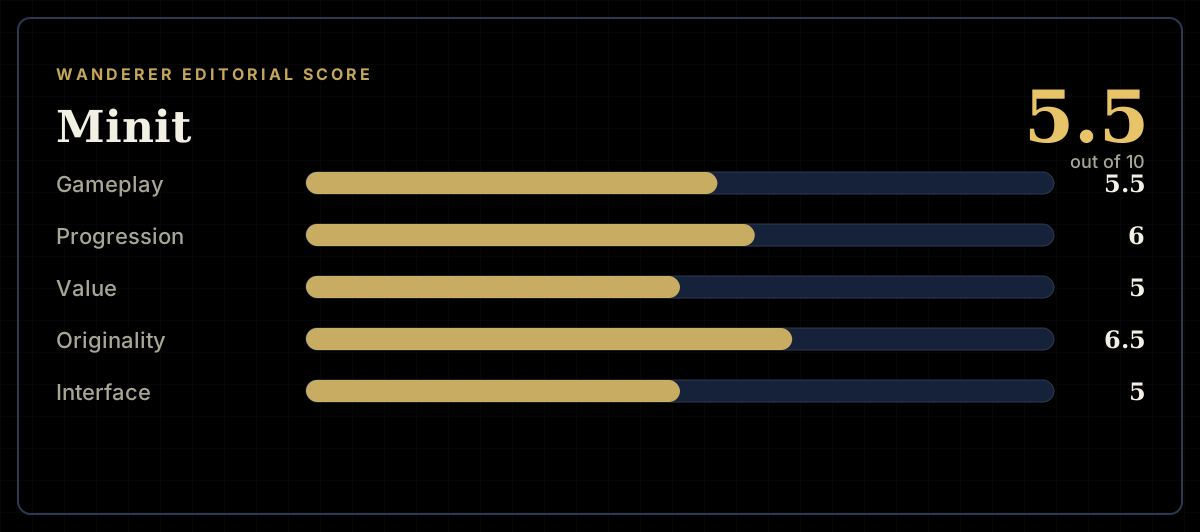
How the review scores each part of the gameWanderer Editorial -
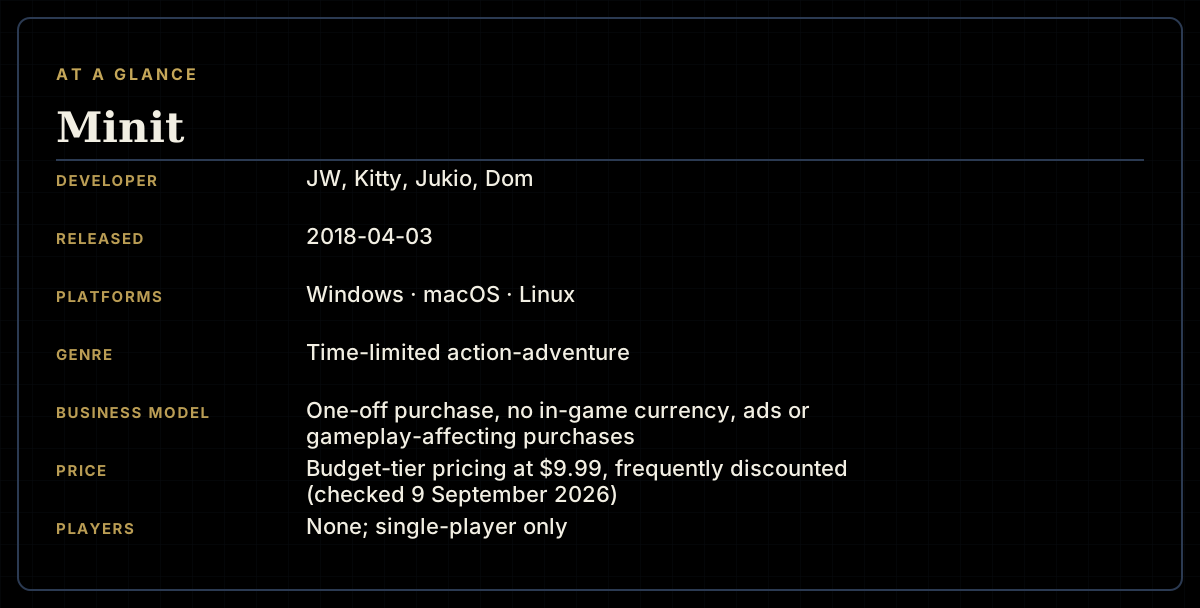
The specsWanderer Editorial -
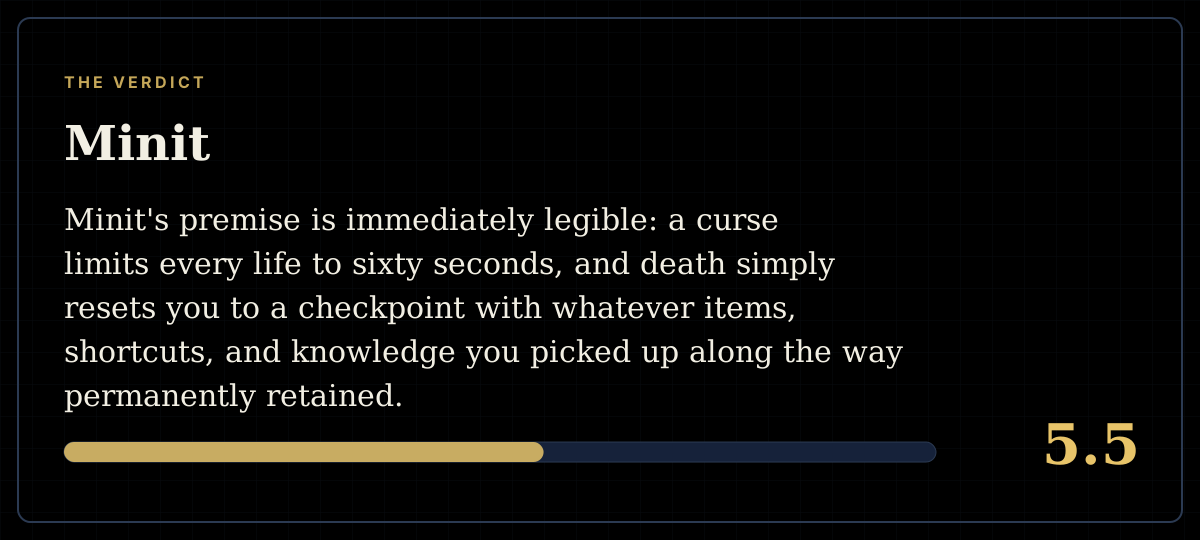
The short versionWanderer Editorial