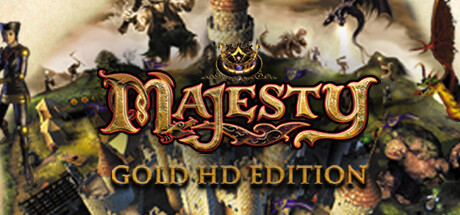
Game review
Majesty Gold HD
7.5 / 10
- Developer
- Cyberlore Studios
- Publisher
- Paradox Interactive
- Released
- 21 March 2000
- Platforms
- Windows
- Genre
- Fantasy Kingdom Sim
- Monetisation
- One-time premium purchase; no DLC, no in-app purchases
- Players
- Base game is single-player; at least one reviewer reports Steam multiplayer was added via a later community update, which this review could not independently confirm
The short version
Majesty Gold HD is a quarter-century-old strategy game that reviewers still describe, without exaggeration, as having no real successor or equivalent. You rule a fantasy kingdom, but you never directly command your heroes — you post bounties and rewards and watch autonomous, personality-driven adventurers decide for themselves whether a threat is worth the money. That single design choice, reviewers say repeatedly, still hasn't been meaningfully copied by anything since.
A detailed, well-argued critique complicates the nostalgia: one reviewer lays out specifically how the game's late-game difficulty relies on scripted enemy waves that behave inconsistently with the simulation logic the core design is built on — creatures given artificial, difficulty- driven targeting behavior rather than the emergent, personality-driven choices the rest of the game promises. It's a real tension between what makes Majesty special and how its hardest content is actually built.
Biggest strengths
- A genuinely unique core design — indirect hero control through bounties and incentives rather than direct commands — that reviewers across decades consistently describe as unmatched by anything released since
- Charming, satirical dark-fantasy writing and worldbuilding that reviewers say holds up well, with a real sense of personality given to autonomous heroes making their own greedy, brave, or cowardly choices
- Strong nostalgic pull for players who encountered the original as children, with multiple reviewers describing decades-long personal history with the game and still finding it rewarding today
Biggest weaknesses
- A detailed, specific critique argues the late-game difficulty relies on scripted enemy waves that behave inconsistently with the game's own simulation logic — creatures targeting specific buildings with artificial precision rather than the emergent, personality-driven behavior the core design otherwise promises
- Several important mechanics are reported as poorly explained in-game, with reviewers recommending external guides or the manual to understand systems the tutorial doesn't adequately cover
- Reviewers describe heavy reliance on save-scumming and repeated attempts to learn scripted "surprise" events on harder missions, undercutting the emergent, hands-off feel the game is otherwise known for
Who it's for: Strategy fans curious about a genuinely unique, hard-to-replicate design that few games have attempted since, and anyone with fond memories of the original 2000 release. Less suited to players who want consistent, fair difficulty scaling or clear in-game guidance without outside help.
Our recommendation: A must-try for strategy fans specifically because nothing else plays quite like it — just be ready to consult outside guides for its harder missions, and expect some late-game difficulty spikes that don't always play fair.
7.5 / 10
Few strategy games from the year 2000 are still discussed in the present tense on Steam's own review page, let alone with this much specificity. Majesty bills itself as a "Fantasy Kingdom Sim," and reviewers consistently point to the one design decision that makes the label accurate rather than marketing: you never directly control your heroes. Instead, you build structures, post bounties on monsters and dungeons, and offer rewards for exploration — and then watch as autonomous, personality-driven adventurers decide for themselves whether the money's worth the risk. One detailed review calls this "one of a kind," and that's not hyperbole reviewers offer lightly; a quarter-century after release, multiple reviewers independently note that nothing since has really attempted the same thing.
A design nobody else has copied
The praise for this core idea is remarkably consistent across a review sample spanning literal decades of players. "Why isn't there a proper successor to this masterpiece? I grieve!" one review states, calling it "esoteric game design" worth experiencing for any PC historian. Another describes rediscovering the game as an adult and finding it "still just as good as I remembered." The heroes themselves are the mechanism that makes this work — greedy rogues who'll chase treasure into danger, cowardly wizards who'll flee a fight not worth the reward, paladins driven by genuine conviction — giving the kingdom a sense of a living, self-interested population rather than a set of units waiting for orders.
A specific critique about how the difficulty actually works
Set against that near-universal praise is one of the most detailed, carefully argued reviews in the sample, which makes a real case worth engaging with directly rather than dismissing as one frustrated player. The reviewer loves the core idea but argues its execution on harder missions undermines it: "Majesty enjoys sending hordes of tough enemies at you 30 seconds after mission start... eagles primarily attacking buildings? Well, in Majesty you will." The specific complaint is about consistency — since heroes act autonomously based on simulated incentives, but attacking enemy waves are scripted with artificial, difficulty-driven targeting rather than following the same simulation logic, the two halves of the game's design don't actually match. That's a sophisticated critique of internal coherence, not just "the game is too hard," and it's paired with practical advice from the same reviewer: read outside guides, since several mechanics aren't well-explained in-game, and expect to repeat expert missions at least once just to learn what scripted "surprise" events happen when.
An unconfirmed but striking claim of continued support
One reviewer makes an unusual claim worth reporting carefully: that the original developer has periodically returned to add mod support and Steam multiplayer to this 25-year-old release. This review could not independently corroborate that claim — Steam's own partner-events feed for this listing shows no posts at all, which per this fleet's established understanding doesn't disprove continued development so much as indicate the developer, if this is accurate, simply isn't using Steam's own announcement tools to publicize it. It's reported here as one reviewer's specific, detailed account rather than confirmed fact, but it's a striking enough claim about a game this old that it's worth flagging rather than silently omitting.
A satirical fantasy setting that earns real affection
Beyond the mechanics, reviewers consistently credit the game's tone as a genuine part of its appeal — a lovingly satirical version of high fantasy that doesn't take itself too seriously without becoming pure parody either. One review describes the setting in its own atmospheric terms, quoting the game's opening narration about "epic heroes, some motivated by treasure and greed... others by honour, and righteous ideals" — and the humor cuts through consistently in how heroes react to the player's bounty offers, refusing obviously bad trades or grumbling about low pay in ways that reinforce the simulation fantasy rather than undercutting it. It's a smaller strength than the core mechanical hook, but reviewers return to it often enough to treat it as a real, deliberate part of why the game has stuck with people this long.
A quarter-century of genuine nostalgia, not manufactured hype
What's striking about this review sample, more than most games covered in this lane, is how many reviewers describe multi-decade personal histories with this specific game rather than a recent discovery — bought as a child at a book fair, played on an old family computer, returned to repeatedly across adulthood. That's a meaningfully different signal than typical retrospective praise: this is a game whose reputation has been tested against actual nostalgia over 25 years rather than built up quickly on a wave of recent rediscovery, and the consistency of that long-term affection across so many independent accounts is itself worth weighing as real evidence the design holds up rather than just being remembered fondly through rose-tinted glasses.
Where it lands
Majesty Gold HD remains a genuinely singular design a quarter-century after release, and the consistency with which reviewers across generations describe it as unmatched is itself meaningful evidence the core idea holds up. The detailed critique of how its late-game difficulty contradicts its own simulation logic is a real, specific weakness worth knowing about rather than a matter of taste, and newcomers should expect to lean on outside guides for its harder content. But for a strategy fan who's never experienced indirect hero control done this well, this remains close to essential — there's genuinely nothing else quite like it.
Pros and cons
Pros
- A genuinely unique core design — indirect hero control through bounties and incentives rather than direct commands — that reviewers across decades consistently describe as unmatched by anything released since
- Charming, satirical dark-fantasy writing and worldbuilding that reviewers say holds up well, with a real sense of personality given to autonomous heroes making their own greedy, brave, or cowardly choices
- Strong nostalgic pull for players who encountered the original as children, with multiple reviewers describing decades-long personal history with the game and still finding it rewarding today
- Cheap and packed with content for the price, including the Northern Expansion bundled into this "Gold" release
- At least one reviewer reports the original developer periodically returning to add mod support and Steam multiplayer to a 25-year-old release, a remarkable show of continued investment if accurate
Cons
- A detailed, specific critique argues the late-game difficulty relies on scripted enemy waves that behave inconsistently with the game's own simulation logic — creatures targeting specific buildings with artificial precision rather than the emergent, personality-driven behavior the core design otherwise promises
- Several important mechanics are reported as poorly explained in-game, with reviewers recommending external guides or the manual to understand systems the tutorial doesn't adequately cover
- Reviewers describe heavy reliance on save-scumming and repeated attempts to learn scripted "surprise" events on harder missions, undercutting the emergent, hands-off feel the game is otherwise known for
- The claim of an original developer periodically returning with mod support and multiplayer updates could not be corroborated through Steam's own announcement feed, which shows no posts for this listing at all — reported here as one reviewer's account rather than confirmed fact
- No Steam achievement schema exists for this release, predating the feature entirely, removing one of the usual ways to independently corroborate completion or engagement patterns
Screenshots
-
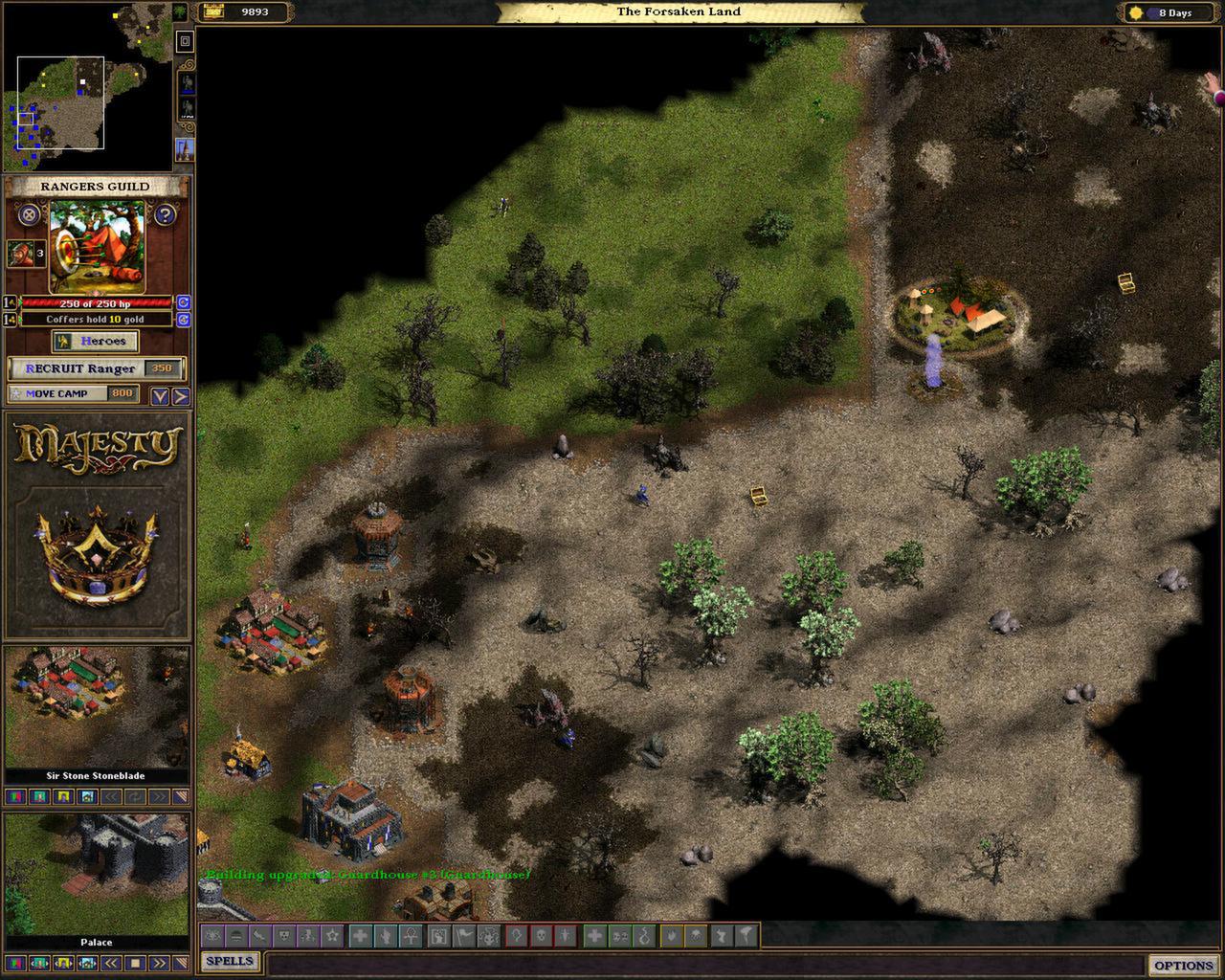
Majesty Gold HDImage: Paradox Interactive via Steam -
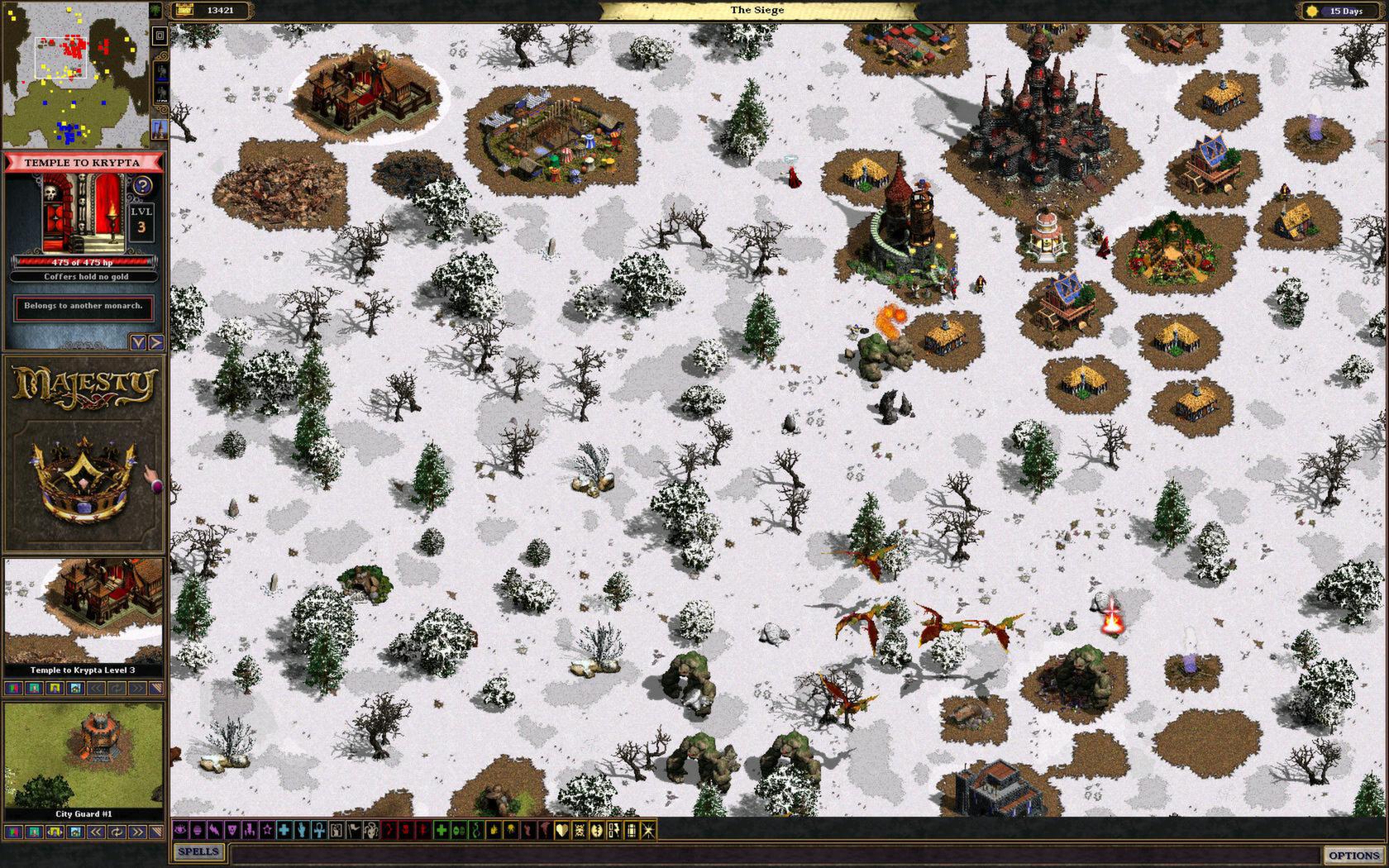
Majesty Gold HDImage: Paradox Interactive via Steam -
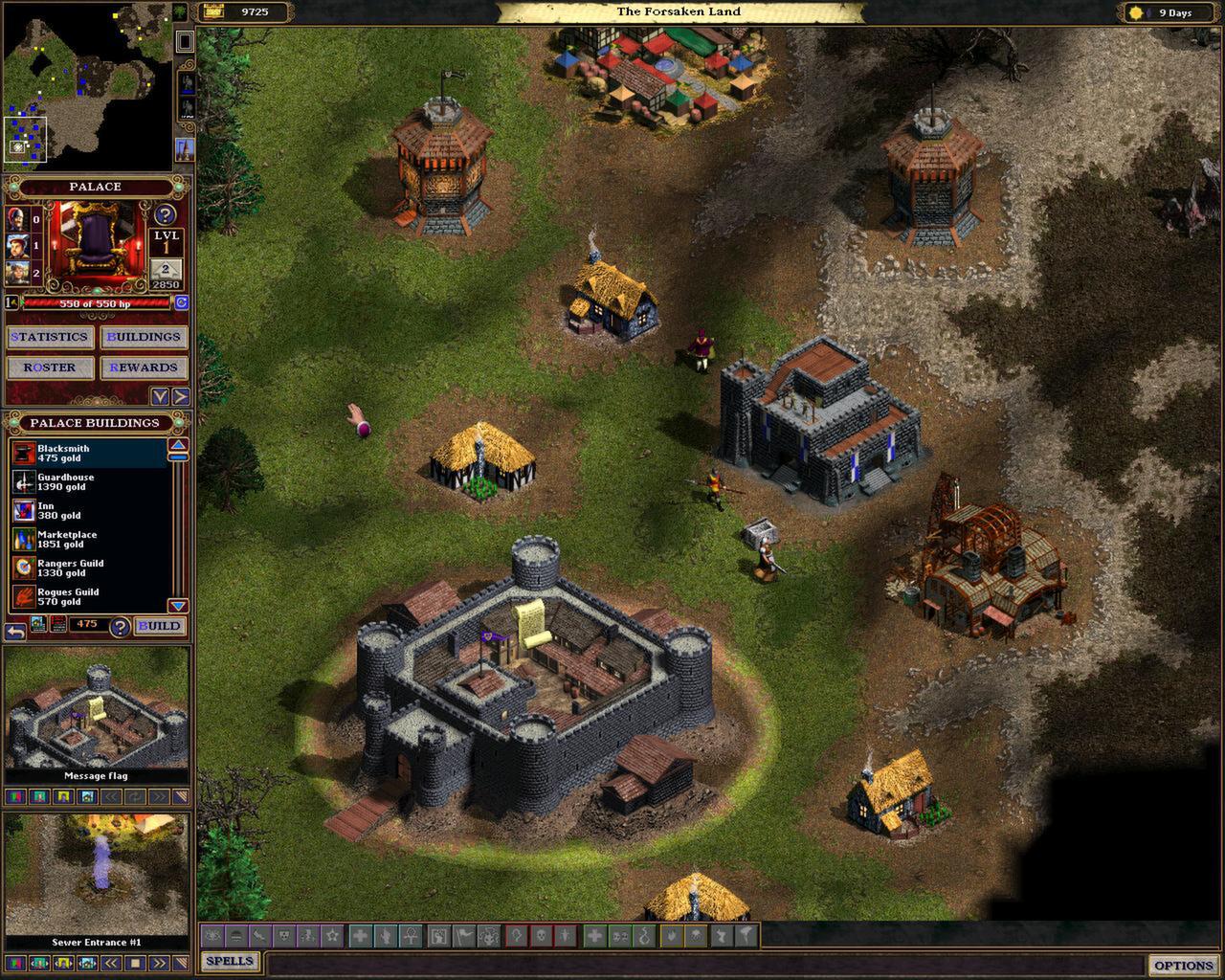
Majesty Gold HDImage: Paradox Interactive via Steam -
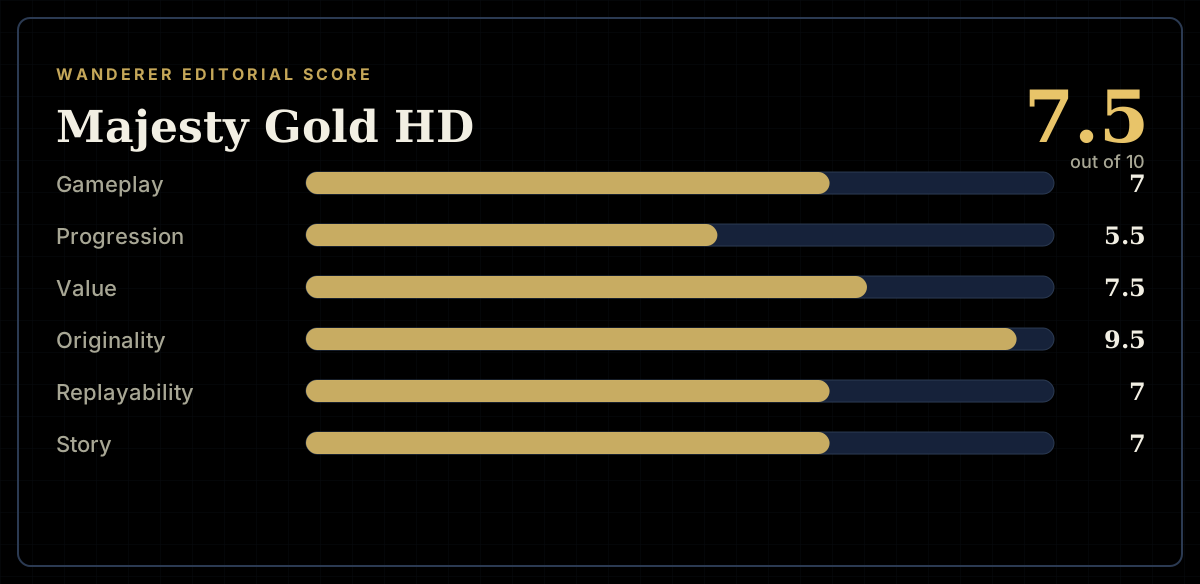
How the review scores each part of the gameWanderer Editorial -
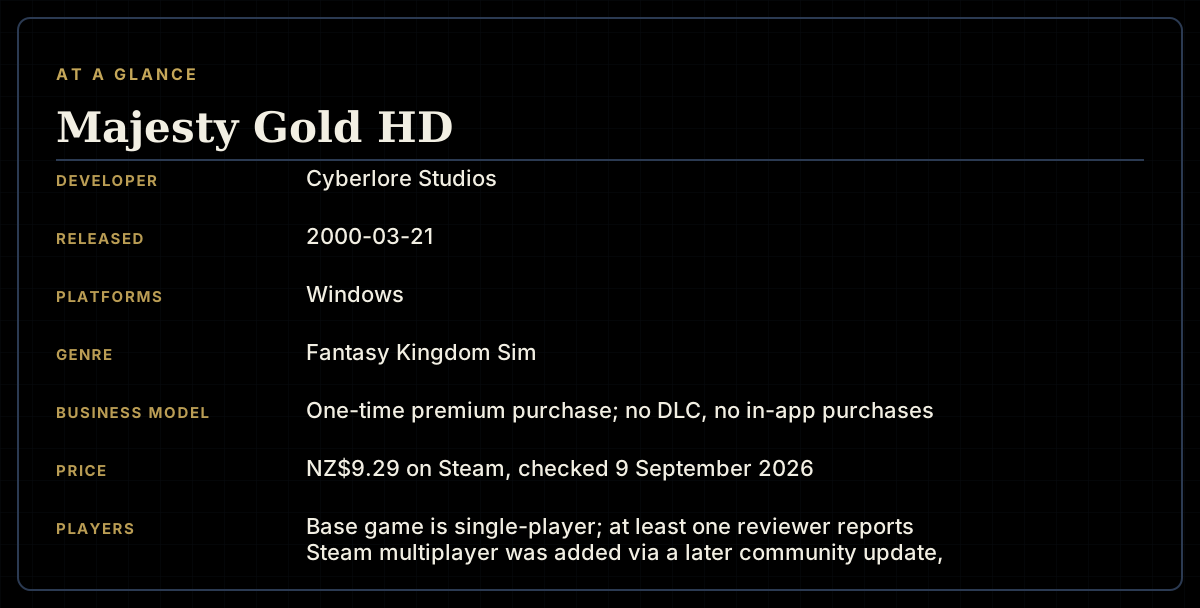
The specsWanderer Editorial -
The short versionWanderer Editorial