
Game review
From the Depths
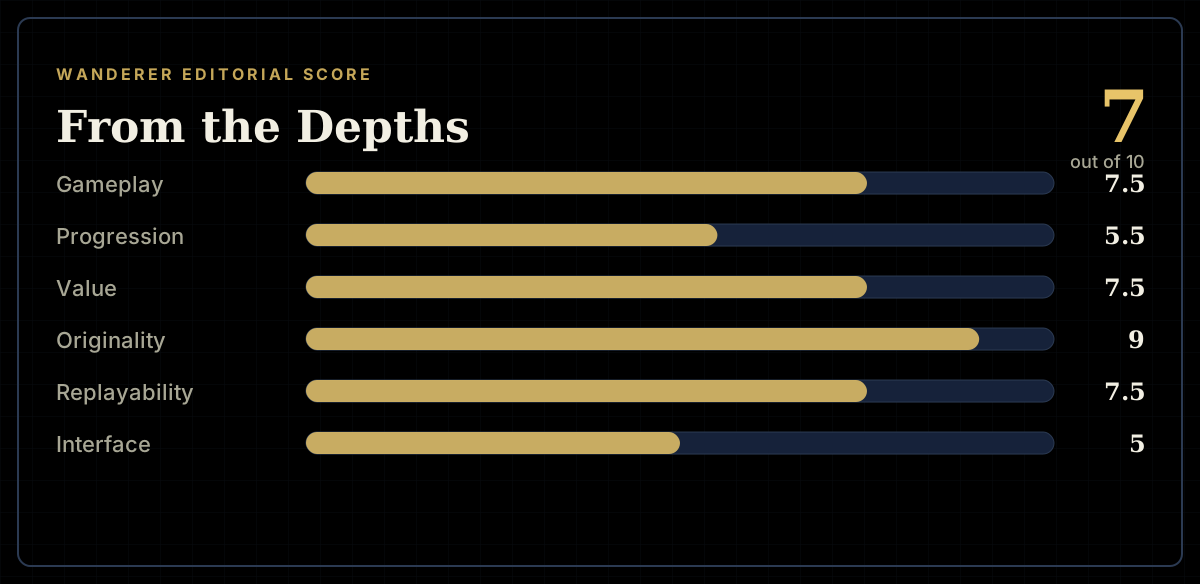
7 / 10
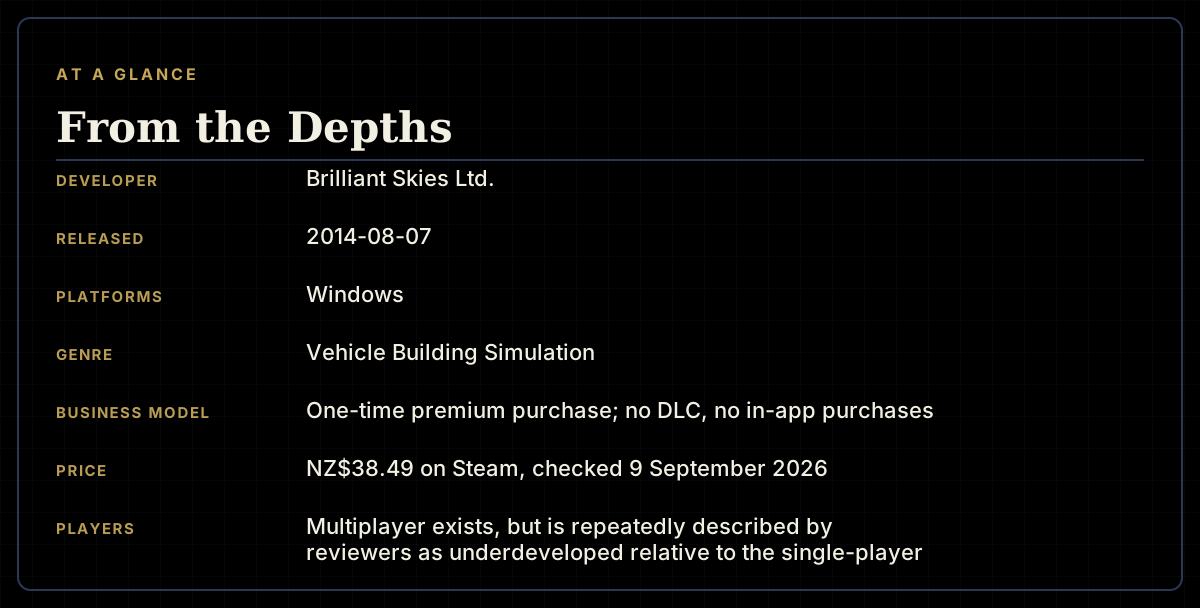
- Developer
- Brilliant Skies Ltd.
- Publisher
- Brilliant Skies Ltd.
- Released
- 7 August 2014
- Platforms
- Windows
- Genre
- Vehicle Building Simulation
- Monetisation
- One-time premium purchase; no DLC, no in-app purchases
- Players
- Multiplayer exists, but is repeatedly described by reviewers as underdeveloped relative to the single-player campaign
The short version
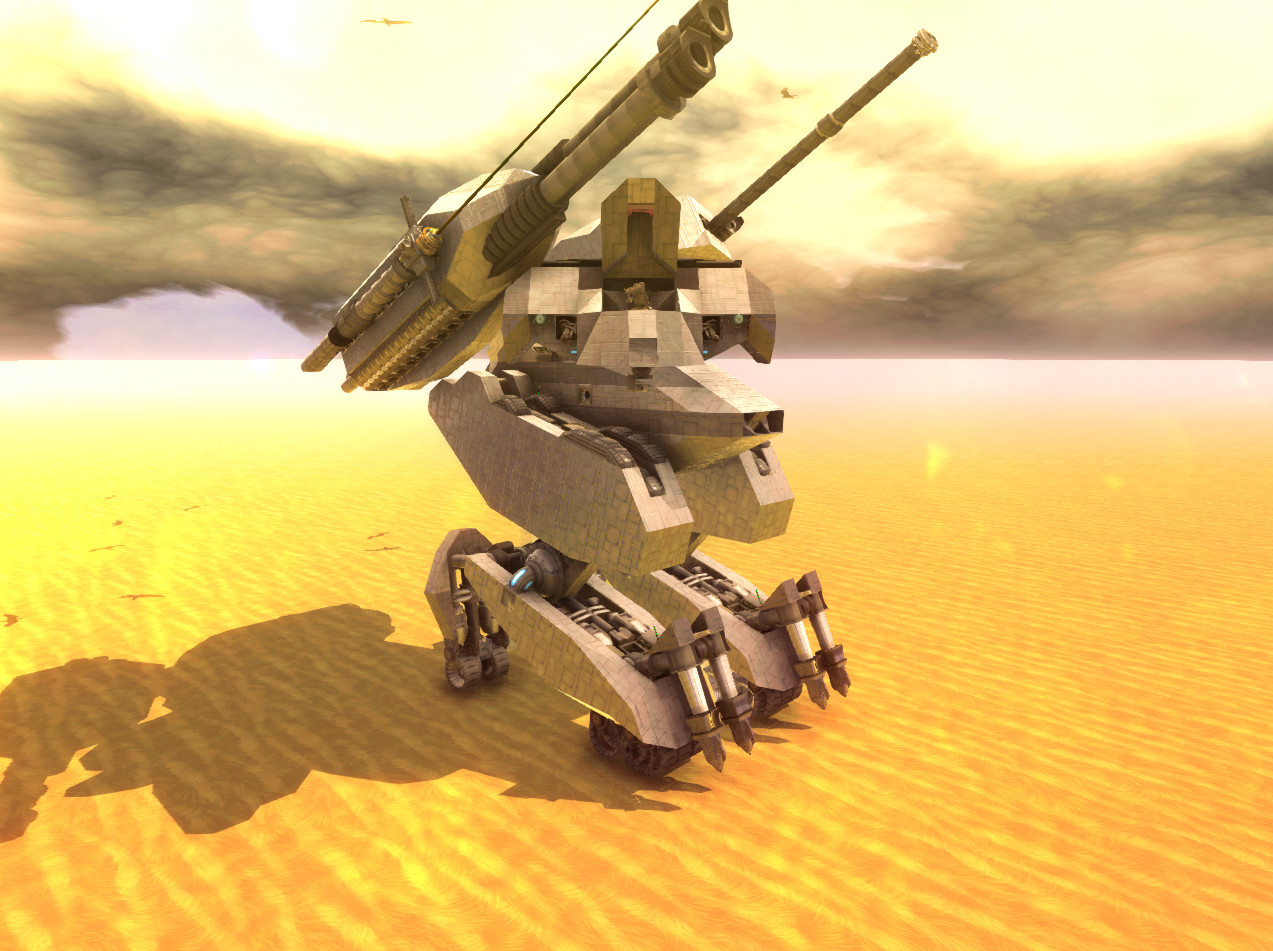
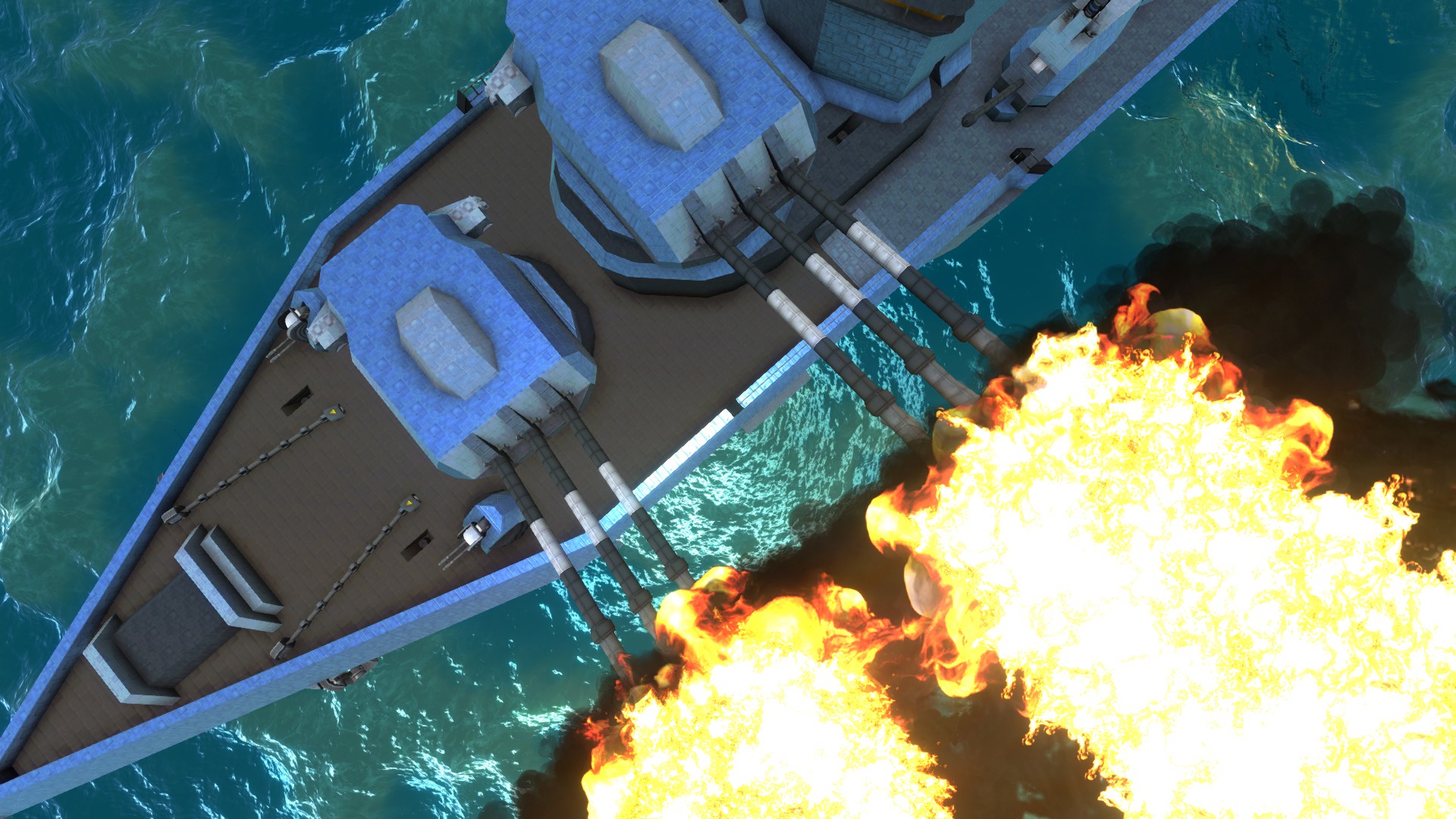
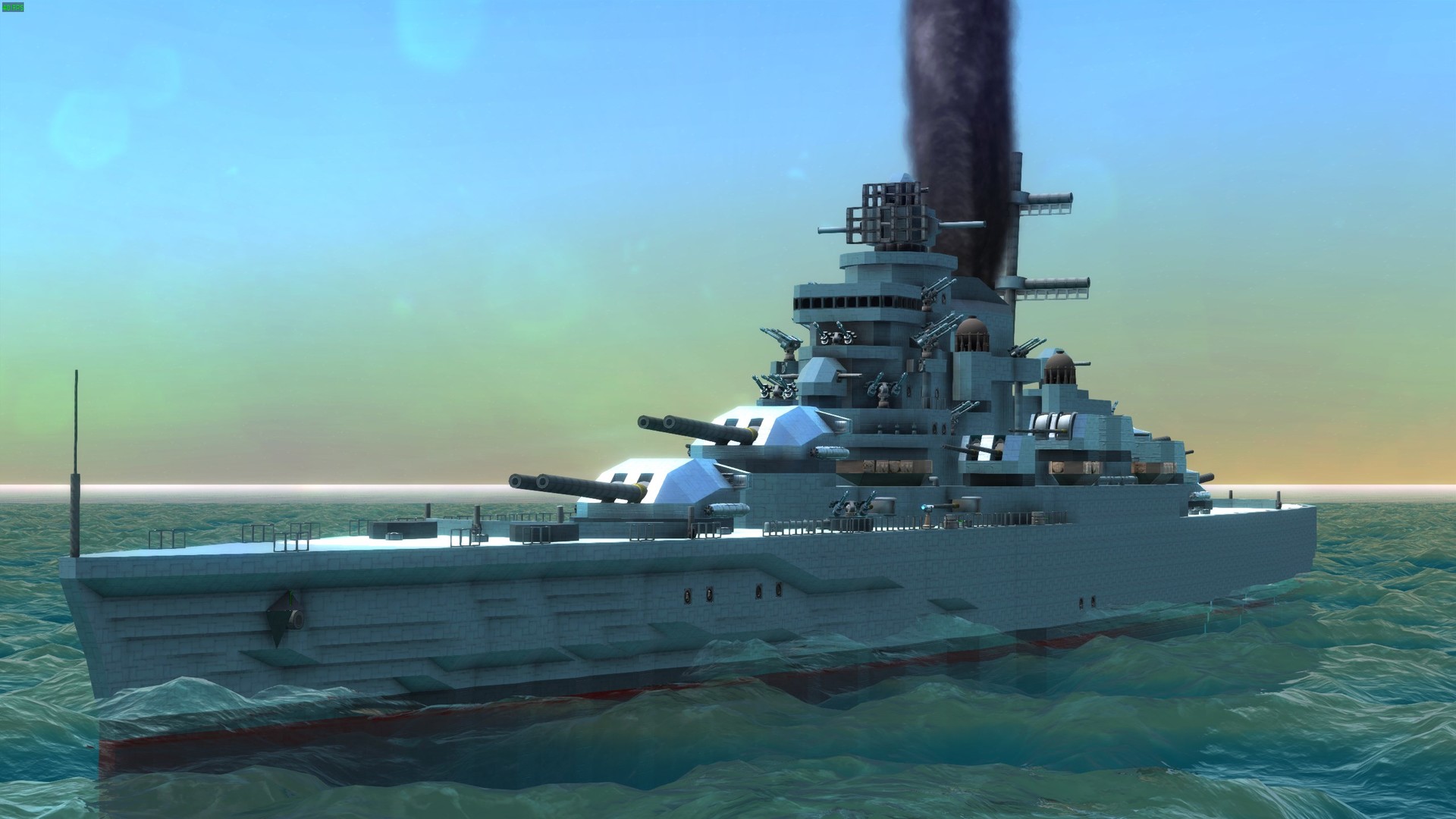
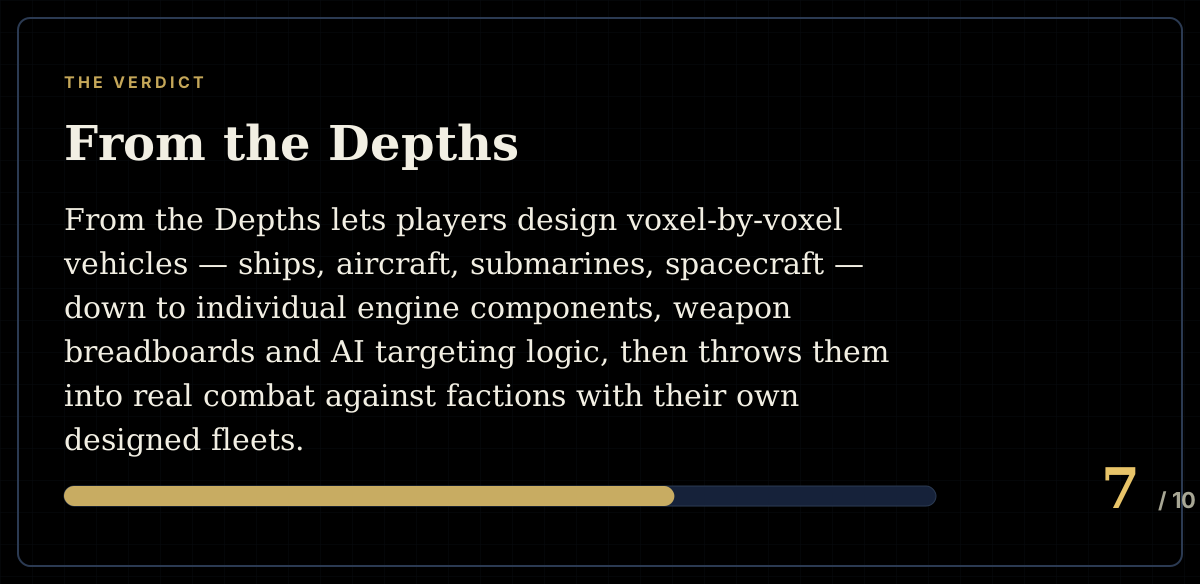
From the Depths lets players design voxel-by-voxel vehicles — ships, aircraft, submarines, spacecraft — down to individual engine components, weapon breadboards and AI targeting logic, then throws them into real combat against factions with their own designed fleets. Nothing else on Steam offers this specific depth of creative control, and reviewers who commit to the brutally steep learning curve consistently describe the payoff as unmatched.
That same depth is also this game's biggest liability: the most-voted review in its entire history is a detailed, specific account of a 2020 controversy where new hired developers overhauled core systems (replacing separate ammo and fuel resources with a single unified "materials" system) against vocal community objection, reportedly handling criticism poorly in the process. This review reports that account as a specific, attributed reviewer claim rather than settled fact, and notes that recent-year review sentiment (89% positive) closely tracks the game's long-run average, suggesting the community has broadly settled since.
Biggest strengths
- A genuinely unmatched creative sandbox — voxel-level vehicle design covering engines, weapons, armor, and custom AI logic, with real combat consequences for design choices
- Still receiving substantive updates as recently as mid-2026, twelve years after its true 2014 Early Access start — a rare degree of sustained, active development for a game this old
- A tutorial system multiple reviewers specifically credit as essential and well-built, given how complex the underlying systems are
Biggest weaknesses
- The single most-voted review in this game's entire nine-year Steam history is a detailed, specific account of a 2020 controversy: new hired developers reportedly overhauled the ammo/fuel resource system into a single "materials" pool against vocal community objection, with quoted developer/community-manager responses to critics described as dismissive — this review reports the account as attributed rather than independently verified
- A second, independently written high-voted review from the same period corroborates the broader narrative shift: describing the original lead developer as unusually receptive to community feedback, and newer team members as considerably less so
- Achievement data confirms one of the steepest learning curves seen across this whole review session — even the most basic tracked milestone sits under half the playerbase, and deep combat/design achievements sit well under 1%
Who it's for: Players who want the deepest vehicle-design sandbox available and are willing to spend dozens of hours on tutorials and trial and error before it clicks. Not for anyone wanting a quick, accessible building game, or anyone specifically burned by the 2020 systems overhaul who hasn't checked back in since.
Our recommendation: A genuinely essential purchase for engineering-minded creative players who commit to the learning curve, with a real, still-active decade-plus track record of updates behind it — just go in aware of its most-documented controversy before assuming today's version matches what a five-year-old negative review describes.
7 / 10
From the Depths asks players to design their own war machines from first principles: place individual armor blocks, wire up custom weapon systems on a visual logic editor, choose engine and fuel configurations, and program the AI that controls how it all behaves in combat — then send the result against factions that build and adapt their own fleets in response. Few games on Steam offer this level of granular creative control over a functioning vehicle, and reviewers who push through the learning curve consistently describe the payoff as one of the deepest, most personally expressive sandboxes available in any genre. Nearly six years after its official 1.0 release, and twelve since it genuinely started life in Early Access, the developer is still shipping real content updates — the most recent as recently as mid-2026.
A creative depth that earns its reputation
The praise this game receives is specific rather than generic. One reviewer with over 2,400 hours logged describes it as an outlet "to not only be creative, but to also try to put together new and interesting mechanical functions and systems," and that sentiment recurs across the review sample: players don't just build ships, they build governing philosophies for entire factions, iterating on design failures the way an actual engineer would. The tutorial system is specifically credited by multiple reviewers as essential and well-constructed given how genuinely complex the underlying systems are — a rare case of a notoriously steep game also being praised for how it tries to teach itself.
Steam's own achievement data confirms just how steep that curve really is. Even the most basic tracked milestone sits at under half the playerbase, and deep combat and design achievements sit well under 1% — among the steepest completion curves seen across a full session of reviews this fleet has covered. That's consistent with reviewers' own accounts (one jokes about needing "a degree in engineering and naval architecture just to build a tiny sail boat") and it's clearly by design rather than an accident of poor balancing — the entire appeal for its core audience is the depth that curve represents.
A specific, well-documented 2020 controversy
The single most-voted review in this game's entire Steam history — by a wide margin — isn't generic praise or generic complaint, but a detailed account of a specific event around the official 1.0 launch in November 2020. The reviewer describes a shift from the game's original solo-leaning development, under a developer the community regarded as unusually responsive, to a larger hired team that reportedly overhauled the resource system — replacing separate ammunition and fuel tracking with a single, unified "materials" pool — against vocal community pushback. The review quotes what it presents as direct developer and community-manager responses to critics during that period, including language it characterizes as dismissive toward the concerns being raised. A second, independently written, separately high-voted review from the same window corroborates the broader shift in tone, describing a contrast between the original lead developer's openness to feedback and what it characterizes as a less receptive newer team, alongside a claim that the community forum was eventually closed following the friction.
This review reports both accounts as specific, attributed reviewer claims rather than independently verified fact — the underlying developer/community-manager quotes are presented by the reviewers themselves rather than sourced directly here, and this review did not attempt to verify them against original forum threads that may no longer be accessible. What's independently checkable is the timing: both of these reviews were posted in November and December 2020, squarely coinciding with the 1.0 launch and the systems change they describe, rather than being a recent complaint.
A pattern, not just a one-time event
Notably, this isn't purely a 2020 story. At least one review posted within the past year describes a further significant, disruptive change — the removal of a ship-boarding resource mechanic from the campaign — as another example of the developers making a major, debated systems decision without full community buy-in. Taken together with the 2020 account, this suggests large, sometimes-contested overhauls are a recurring feature of this game's long development history rather than an isolated incident that's safely in the past. At the same time, review sentiment over the last twelve months (89% positive) sits almost exactly where the game's long-run average does, which is a meaningfully different picture than a community in ongoing crisis — most current buyers appear satisfied with where the game has landed, even if specific changes along the way have drawn real, documented pushback.
A rare degree of technical performance strain, honestly acknowledged
Several reviewers, both critical and positive, independently flag performance as a real cost of the game's depth: large battles between complex, densely-built fleets can bring frame rates down sharply, a direct consequence of simulating every individual block, weapon and AI decision in real time rather than abstracting combat the way most strategy games do. This isn't presented as a bug so much as an inherent trade-off of the simulation's granularity — the same voxel-level detail that makes designing a ship so satisfying is what makes rendering a battle between a dozen of them genuinely demanding. Reviewers who accept this trade-off tend to build around it (smaller, more efficient designs, fewer simultaneous combatants); reviewers who don't tend to bounce off it entirely, which is worth knowing going in rather than discovering during a first large battle.
Where it lands
From the Depths remains one of the most genuinely distinctive creative sandboxes on Steam, and its Very Positive reputation across nearly 9,700 reviews reflects real, sustained satisfaction rather than hype. Its extraordinary depth comes with an equally extraordinary learning curve that's a deliberate design choice rather than a flaw, backed up precisely by achievement data. The 2020 controversy over its resource-system overhaul is real, well-documented by detailed reviewer accounts, and worth knowing about — but it's also specifically dated, and the game's continued, active development and steady recent-year sentiment suggest it's a chapter in a longer, still ongoing story rather than the final word on where this game stands today.
Pros and cons
Pros
- A genuinely unmatched creative sandbox — voxel-level vehicle design covering engines, weapons, armor, and custom AI logic, with real combat consequences for design choices
- Still receiving substantive updates as recently as mid-2026, twelve years after its true 2014 Early Access start — a rare degree of sustained, active development for a game this old
- A tutorial system multiple reviewers specifically credit as essential and well-built, given how complex the underlying systems are
- Recent-year review sentiment (89% positive across the last year) closely tracks the game's long-run 90% average, indicating broad satisfaction has held up well past its most controversial period
- Enormous replay value built into the format itself — no two players' fleets or design philosophies look alike, and the game rewards genuinely creative engineering thinking
Cons
- The single most-voted review in this game's entire nine-year Steam history is a detailed, specific account of a 2020 controversy: new hired developers reportedly overhauled the ammo/fuel resource system into a single "materials" pool against vocal community objection, with quoted developer/community-manager responses to critics described as dismissive — this review reports the account as attributed rather than independently verified
- A second, independently written high-voted review from the same period corroborates the broader narrative shift: describing the original lead developer as unusually receptive to community feedback, and newer team members as considerably less so
- Achievement data confirms one of the steepest learning curves seen across this whole review session — even the most basic tracked milestone sits under half the playerbase, and deep combat/design achievements sit well under 1%
- At least one recent review reports a further disruptive change (removal of a ship-boarding resource mechanic) within the past year, suggesting large, contested balance overhauls are a recurring pattern rather than a one-time 2020 event
- Multiplayer is repeatedly described as underdeveloped and secondary to the single-player campaign and sandbox modes
Screenshots
-
From the DepthsImage: Brilliant Skies Ltd. via Steam -
From the DepthsImage: Brilliant Skies Ltd. via Steam -
From the DepthsImage: Brilliant Skies Ltd. via Steam -
How the review scores each part of the gameWanderer Editorial -
The specsWanderer Editorial -
The short versionWanderer Editorial