Game review
Kiosk
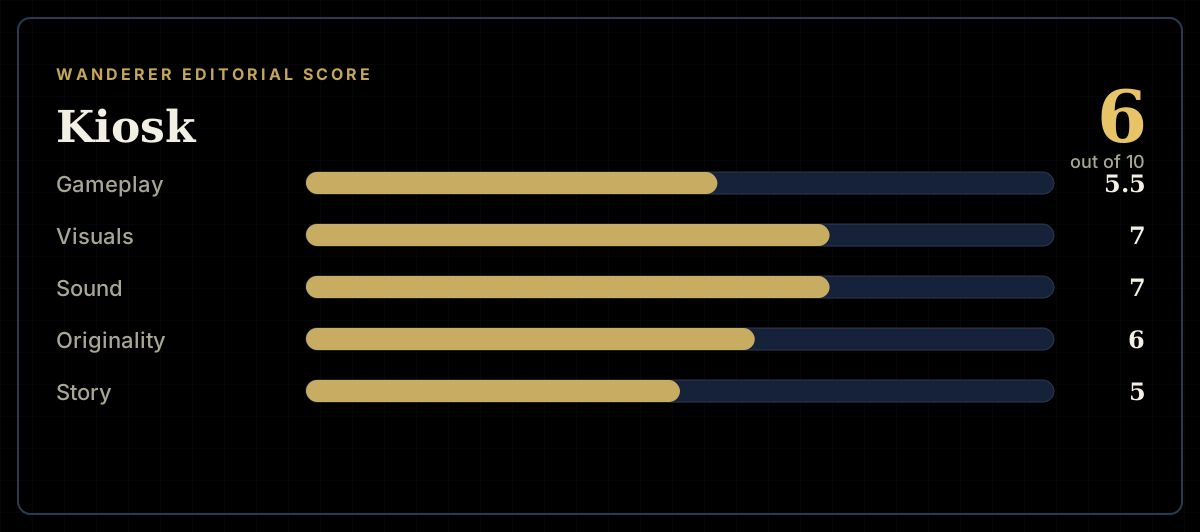
6 / 10
- Developer
- Vivi
- Publisher
- Vivi
- Released
- 29 January 2025
- Platforms
- Windows
- Genre
- Adventure, Indie, Simulation
- Players
- Single-player
The short version
Biggest strengths
- Strong, distinctive atmosphere — a rain-soaked, unsettling late-night kiosk — that reviewers consistently praise even when critical of everything built on top of it
- Memorable, appropriately weird character designs for the mysterious late-night customers, which reviewers say suit the tone well
- Cheap enough that even reviewers who found it disappointing rarely call it a poor value for its very low asking price
Biggest weaknesses
- Widely and specifically described as lacking identity — marketed and tagged as horror, but functioning for most of its runtime as a repetitive cooking simulator with only a handful of jumpscares layered on top
- Novelty is reported to wear off around twenty minutes in, as multi-ingredient food orders become a repetitive chore rather than an escalating challenge
- Only six total achievements, a notably shallow structure even relative to other short games this lane has covered
6 / 10
A cozy, rain-soaked premise with real atmosphere
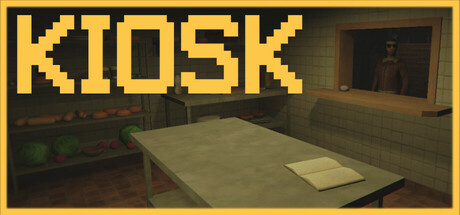
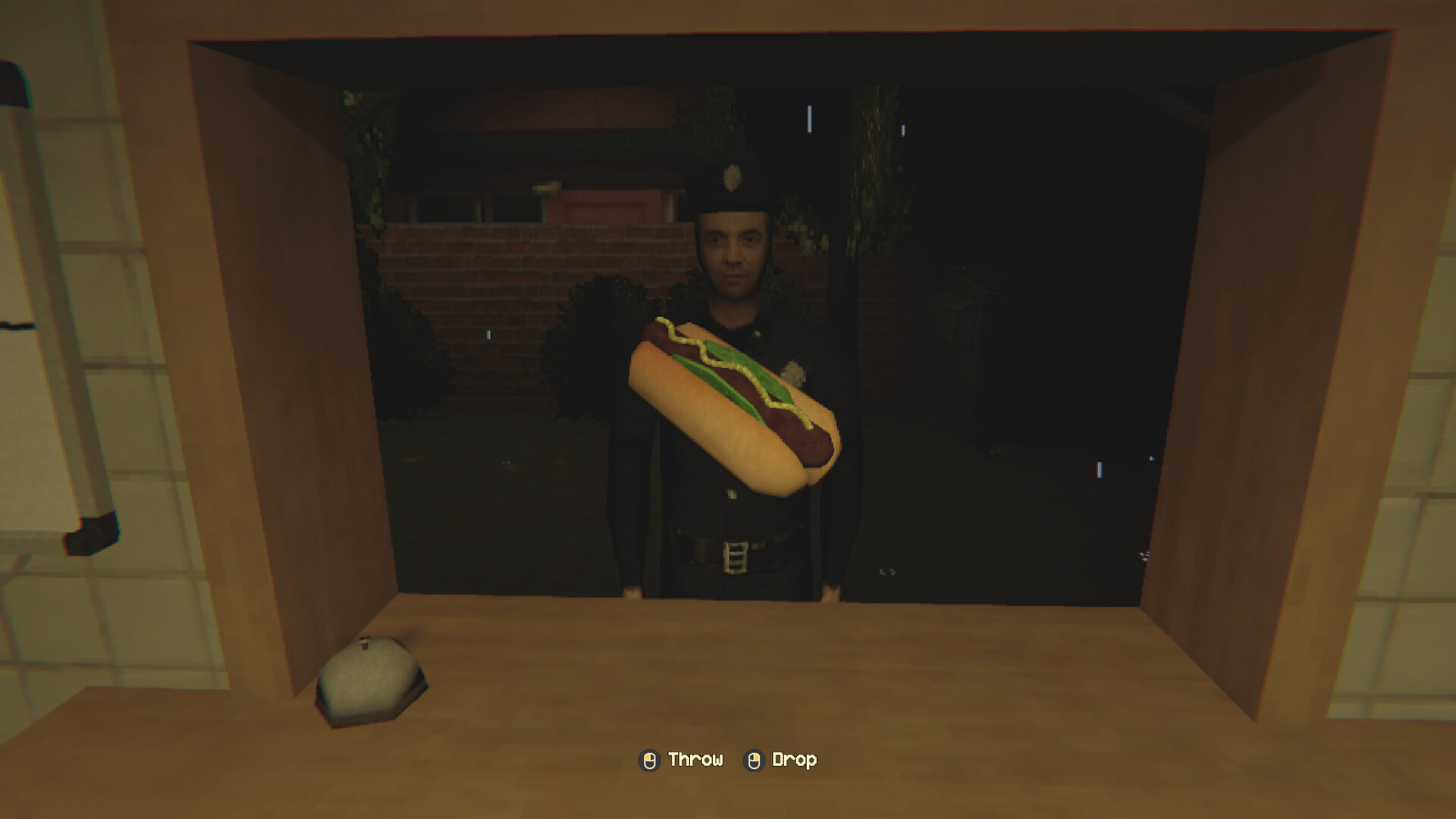
Kiosk puts you behind the counter of a small, isolated late-night food stand, taking orders from a rotating cast of strange, unsettling customers while rain falls steadily outside. The atmosphere is, by wide agreement, the game's clearest success — reviewers across the entire spectrum of the review sample, positive and negative alike, credit the mood and character design even when they have serious reservations about everything else. "The atmosphere is pretty good, and the characters are the right kind of weird for this kind of game," one otherwise critical reviewer writes, a sentiment echoed consistently enough to be treated as a genuine, settled strength rather than a matter of taste.
That atmospheric groundwork clearly connected with a large audience — Kiosk has amassed nearly a thousand English-language reviews, a substantial number for a five-dollar indie horror-cooking hybrid, and its most enthusiastic fans describe genuine, memorable enjoyment of its goofy tone. "Some stupid moron killer decided to target the most unhinged fry cook in the world, who filled the entire kitchen with food and knives. Poor killer didn't stand a chance," one reviewer writes, capturing the specific brand of dark comedy that's clearly landed for a meaningful share of buyers.
A game that can't decide what it wants to be
The single most consistent, most specifically worded criticism across the negative review sample concerns genre identity. "This game lacks identity. On one hand, the game markets itself as a horror game; however, once you start playing, you realize it's a cooking simulator with a forced, shoehorned narrative that doesn't fit the gameplay at all," one detailed review states, and a separate reviewer arrives at the identical structural complaint independently: "if this game was just a cooking simulator instead of a horror game it'd be cool." That's not a complaint about difficulty or bugs — it's a specific critique that the game's two halves, the cooking mechanics and the horror framing, don't actually reinforce each other, leaving each half feeling thinner than it might if the game had committed fully to one direction.
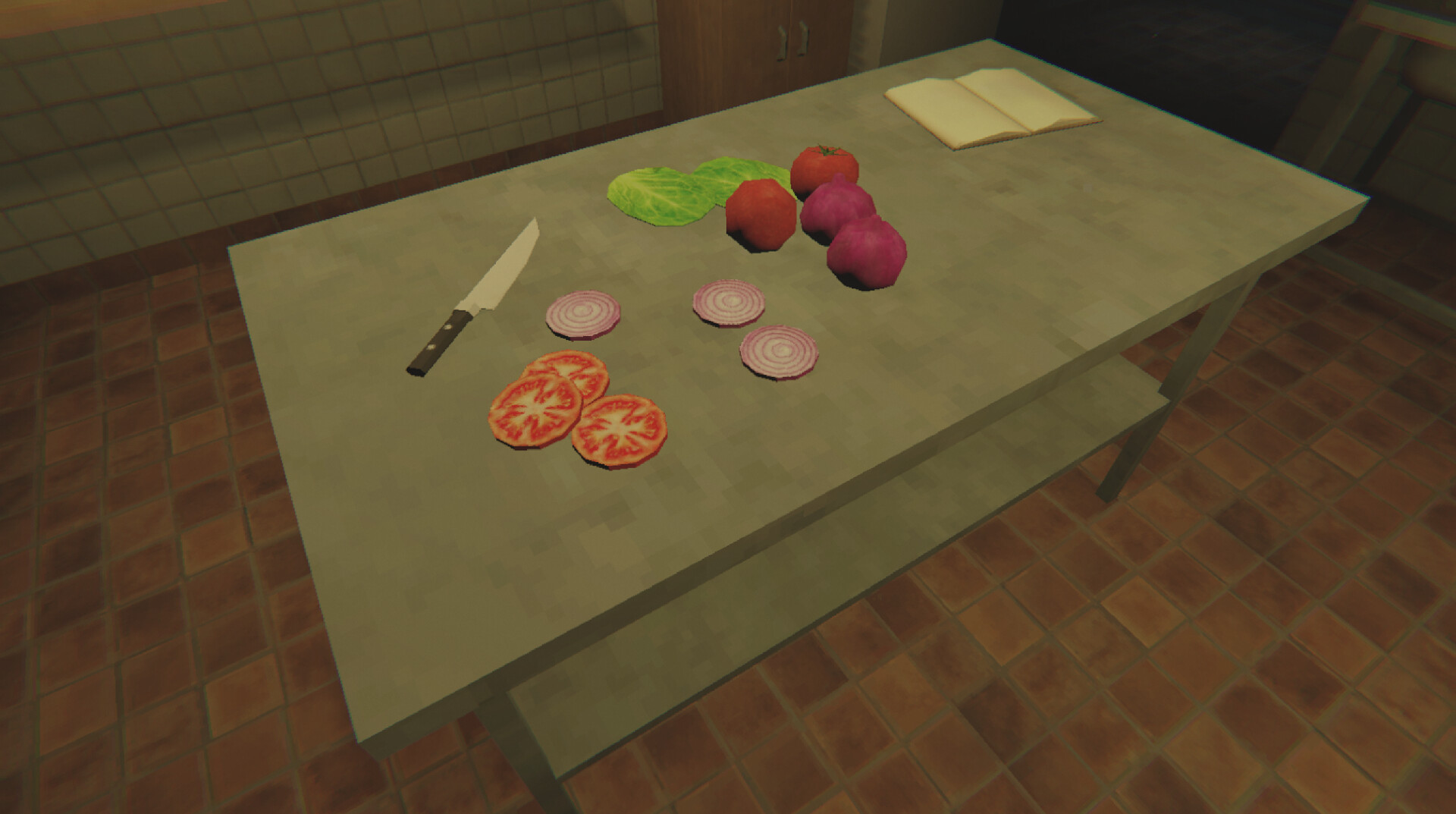
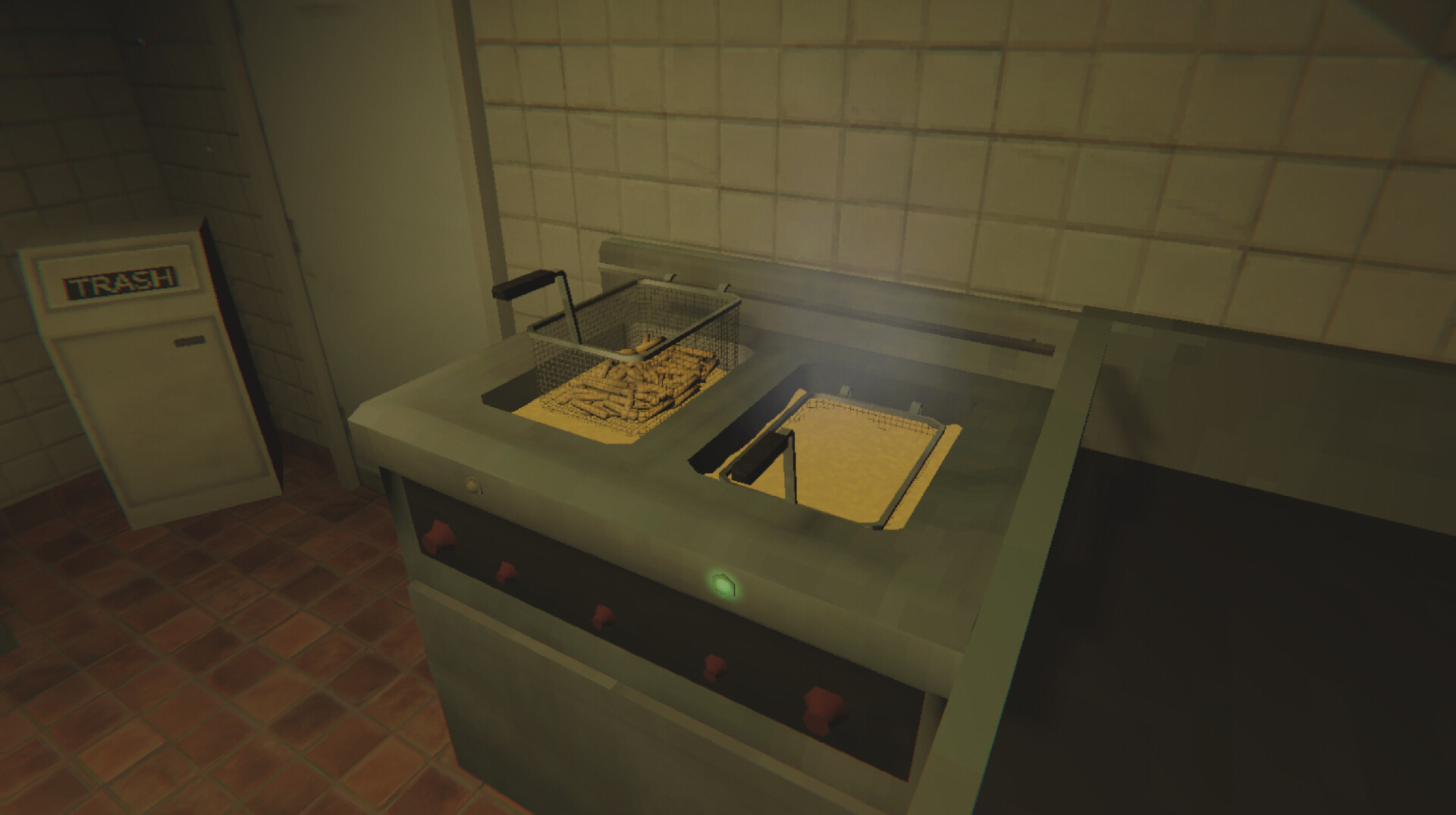
The cooking side draws its own specific fatigue complaint once the initial novelty fades. "The biggest problem with the game is how mind-numbingly repetitive everything about it is. Making food is fun at first but very quickly becomes a chore. Every customer wants four items and usually those are multi-ingredient items. Even the 'scares' are repetitive and predictable," one reviewer writes, directly connecting the cooking fatigue to a parallel fatigue with the horror elements. A separate reviewer times the drop-off precisely: "the novelty wears out around 20 minutes of gameplay and then it's just really unengaging." When multiple reviewers independently identify the same rough timestamp for when a game's core hook stops working, it's a specific, useful data point about pacing rather than a vague impression.
Scares that work once, then don't
The horror elements themselves draw a consistent, specific assessment: functional but shallow. "The scares did work on me, but at the cost of becoming predictable and disappointing," one reviewer writes, capturing a common arc across the sample — an effective first jumpscare followed by diminishing returns as the same techniques repeat. "Not much 'horror' involved, not much story, and the cooking mechanics are pretty meh as well," a separate reviewer summarises more bluntly. Several reviewers who specifically played the earlier free demo report a related disappointment: the paid release didn't expand meaningfully on what the demo already delivered in either the horror or narrative departments. "I was so excited about this game because the demo was scary... I expected more horror and longer story than the demo was," one reviewer writes, a specific comparison between the taste and the full product that argues for underdelivered ambition rather than a simple quality gap.
The achievement data is consistent with this picture of a compact, shallow experience: only six total achievements exist, running from 55.2% for an early milestone down to 12.0% for the hardest, a structure notably smaller than most other games this lane has covered, reinforcing the sense that Kiosk was built and scoped as a short, single-session experience rather than one with meaningful depth to uncover on repeat plays.
What "achievements for cheating" and small touches say about the craft
Even among reviewers who ultimately land on a negative verdict, small, specific details of craft draw approving mention, which is worth including because it complicates a simple "bad game" reading. One reviewer's playful account of causing chaos in the kitchen — deliberately filling every surface with food and knives before an intruder arrives — suggests the physics and prop systems underlying the cooking mechanic have more texture than the core loop's repetitiveness complaints might imply on their own. Another reviewer specifically credits added dish variety in the full release compared to the earlier demo: "you get some spooks, some customers that want to get served several dishes (more got added to this full version which is great!)" — a genuine, if modest, expansion of content between the free demo and the paid release, distinct from the disappointment other reviewers express about the story and horror content specifically not expanding in the same way.
That distinction is worth drawing out precisely: the criticism in this review sample isn't that the developer added nothing between demo and release, it's that what was added skewed toward more of the same cooking content rather than the deeper horror and narrative experience several reviewers were specifically hoping for after playing the demo.
Where this leaves it
Kiosk succeeds completely at establishing a specific, memorable atmosphere and a cast of characters reviewers consistently enjoy, and at its very low price, a large audience has found that enough to be worth a short evening's play. Where it falls short, by wide and specific consensus, is delivering meaningfully on either half of its own horror-cooking premise: the cooking becomes repetitive within minutes, the scares grow predictable quickly, and the story doesn't develop far enough to justify the tension the setup builds. Worth a look for the atmosphere and the goofy tone at its price point, with realistic expectations that this is a mood piece with light scares rather than a substantial horror or cooking experience in its own right.
Pros and cons
Pros
- Strong, distinctive atmosphere — a rain-soaked, unsettling late-night kiosk — that reviewers consistently praise even when critical of everything built on top of it
- Memorable, appropriately weird character designs for the mysterious late-night customers, which reviewers say suit the tone well
- Cheap enough that even reviewers who found it disappointing rarely call it a poor value for its very low asking price
- A large, dedicated fanbase who enjoy the goofy, cozy-horror tone and light scares for exactly what they are, without expecting more
Cons
- Widely and specifically described as lacking identity — marketed and tagged as horror, but functioning for most of its runtime as a repetitive cooking simulator with only a handful of jumpscares layered on top
- Novelty is reported to wear off around twenty minutes in, as multi-ingredient food orders become a repetitive chore rather than an escalating challenge
- Only six total achievements, a notably shallow structure even relative to other short games this lane has covered
- Multiple reviewers who played the earlier free demo report the paid full release doesn't meaningfully expand on the horror or story elements they were hoping to see more of
- The story is repeatedly described as thin or underweight relative to the atmosphere and setup, ending on what one reviewer calls an anticlimactic note
Screenshots
-
KioskImage: Vivi via Steam -
KioskImage: Vivi via Steam -
KioskImage: Vivi via Steam -
How the review scores each part of the gameWanderer Editorial -

At a glanceWanderer Editorial -
The short versionWanderer Editorial