Game review
Kingsvein
7 / 10
- Developer
- Rad Codex
- Publisher
- Rad Codex
- Released
- 16 January 2024
- Platforms
- Windows
- Genre
- Tactical RPG, Turn-Based, Strategy
- Monetisation
- One-time purchase, no in-game store
- Players
- Single-player only
The short version
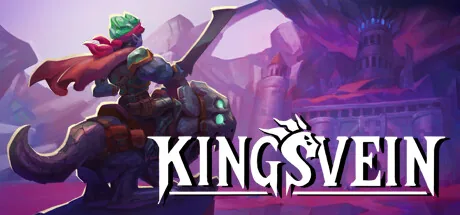
Kingsvein sends a customisable party of Knights and Mystics, mounted on a trusty wyvern, into an infested castle-city for deep tactical combat and light exploration. It's the newest release from Rad Codex, the small studio behind the cult favourites Voidspire Tactics and Horizon's Gate, and it released on 16 January 2024. Its 287 English-language Steam reviews sit at Very Positive, roughly 91.3%, and this review reads all 25 of the game's available negative reviews alongside its top 100 positives to find the studio's own back catalogue is, overwhelmingly, the lens both sides use to judge it: newcomers and veterans alike frame Kingsvein as a more streamlined, focused take on the developer's tactics formula, and split sharply on whether that focus is a refinement or a loss.
Biggest strengths
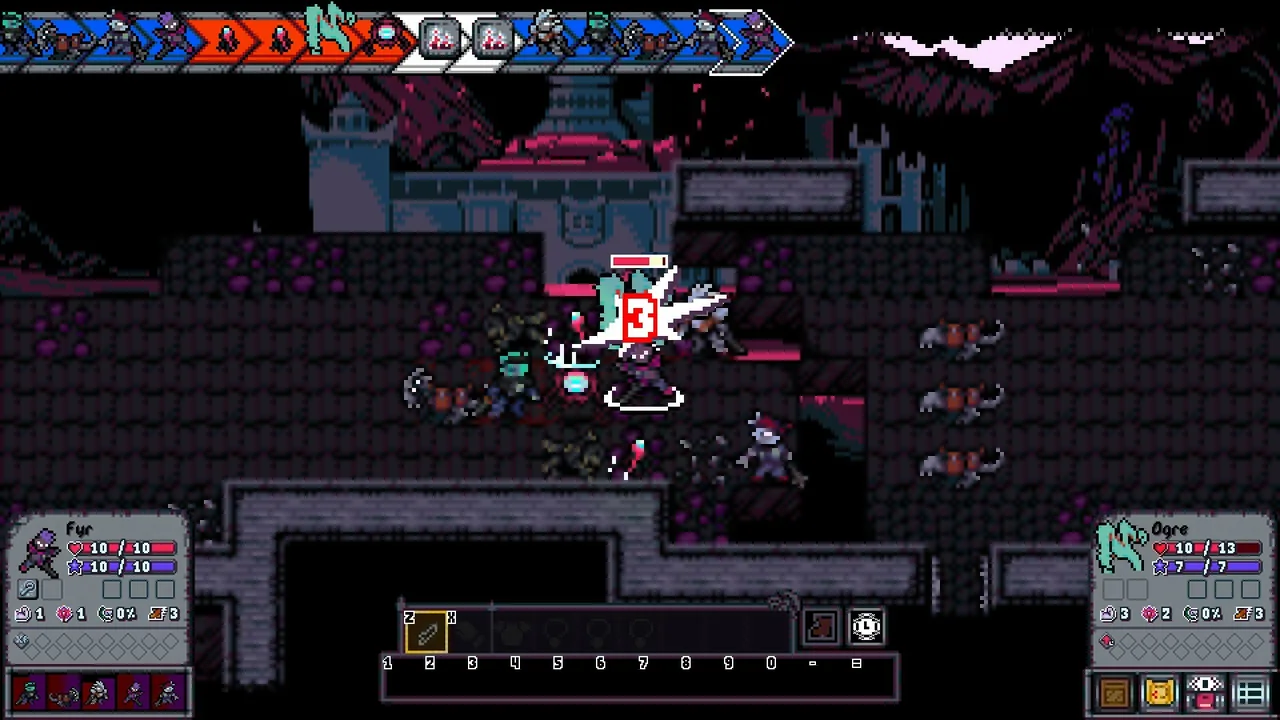
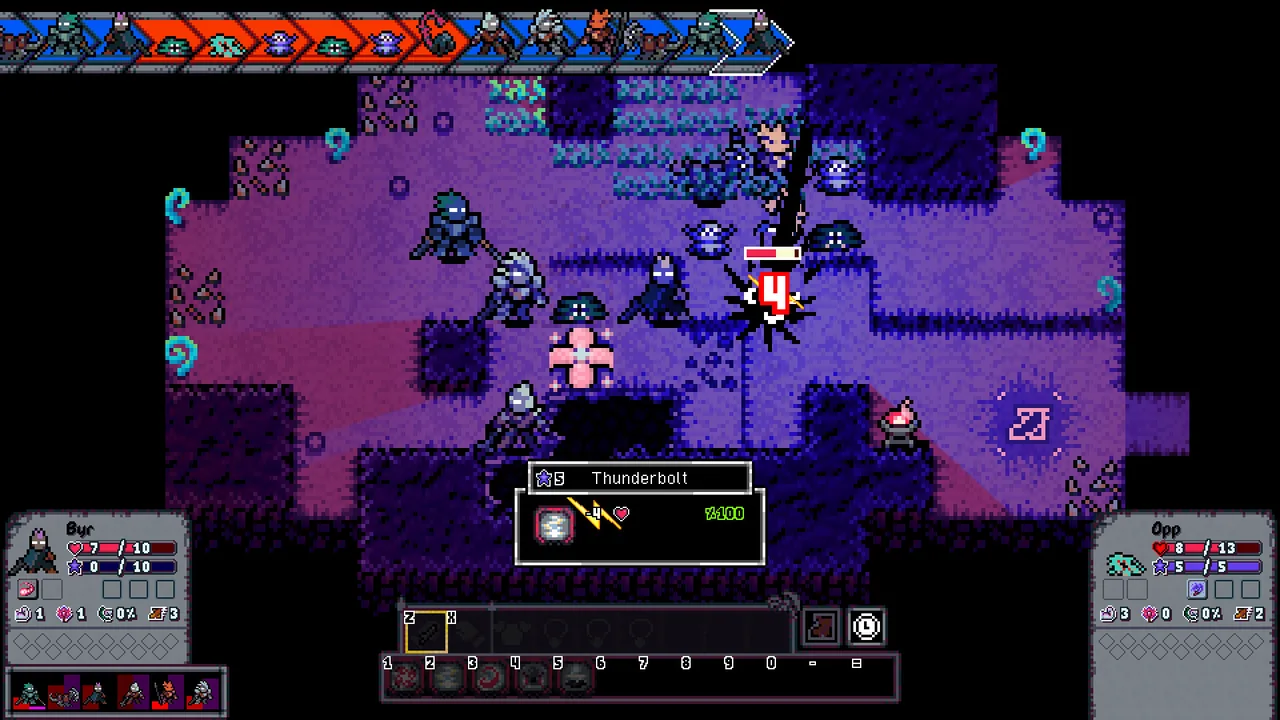
- Combat draws real, specific praise for battlefield-control-focused tactics that reward positioning and status effects over simple stat checks, with reviewers favourably invoking Tactics Ogre, Final Fantasy Tactics and XCOM
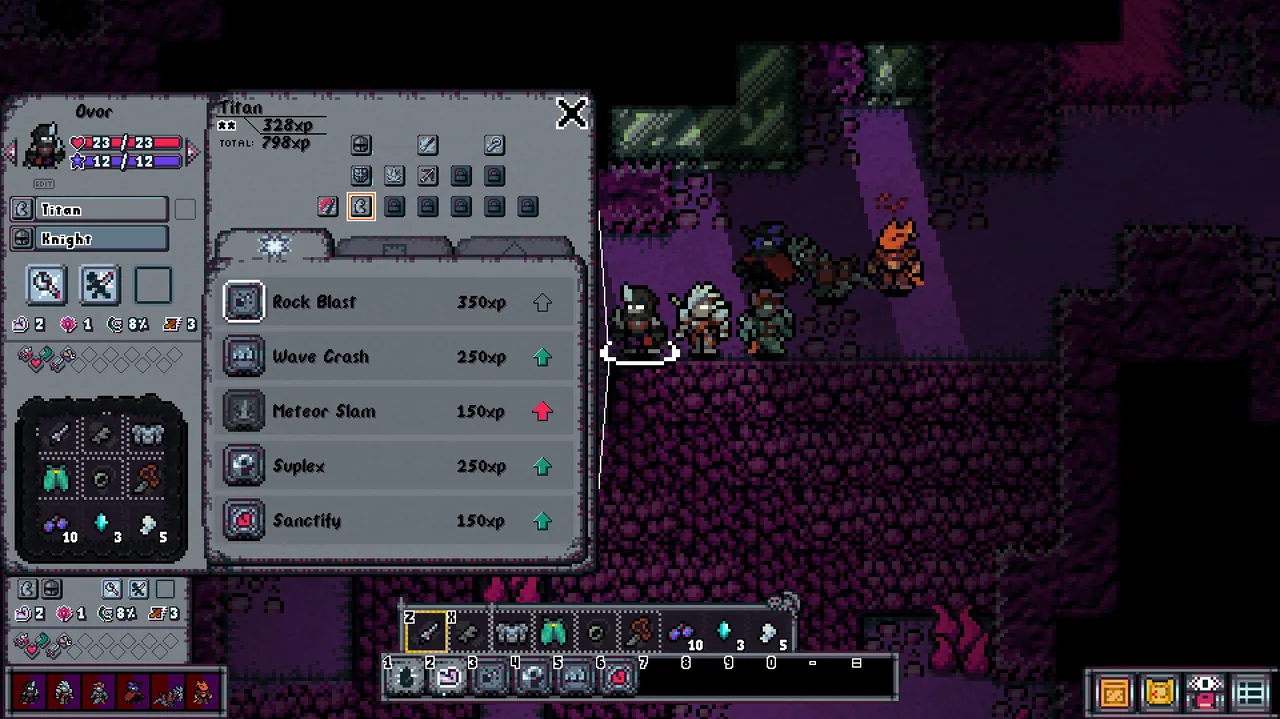
- A customisable party system with a meaningful job/class structure gives reviewers real long-term build variety to dig into, several describing genuine "unhinged devotion" once its systems click
- Presentation and sound direction draw specific praise as more polished and visually striking than the developer's earlier work, with a more restrained colour palette several reviewers call a deliberate improvement
Biggest weaknesses
- The developer's own returning fanbase raises the most detailed, specific criticism in the sample: several core mechanics from Horizon's Gate and Voidspire Tactics — a facing system, a wait/delay option, and faster-resolving spellcasting — were removed or slowed, which multiple veteran reviewers describe as a genuine mechanical downgrade rather than a stylistic change
- Readability draws real, repeated criticism: darker visuals, less distinctive character sprites and flatter map layouts leave several reviewers struggling to tell allied units from enemies at a glance
- A cluster of reviews raises basic informational gaps — no early visibility into skills or class trees, unclear consequences for battle decisions, and no adjustable text size — that read as avoidable rather than intentional difficulty
Who it's for: Tactical RPG fans drawn to Final Fantasy Tactics, Tactics Ogre or Golden Sun-style puzzle-and-combat design; existing Voidspire Tactics or Horizon's Gate fans should temper expectations for the same scale and depth those games offered.
Our recommendation: A genuinely strong, tightly-built tactical RPG on its own terms, best judged without direct comparison to the developer's larger, deeper previous games if you've played them.
7 / 10
Introduction
Kingsvein is the newest tactical RPG from Rad Codex, a small studio whose earlier games — Voidspire Tactics and, more recently, the open-world Horizon's Gate — built a genuinely loyal following in the tactics-RPG space. This one drops a customisable party of Knights and Mystics into the infested castle-city of Kingsvein, exploring its depths on wyvern-back between deep tactical encounters. It released on 16 January 2024. Reading all 25 of the game's available English-language negative reviews alongside the top 100 positives, out of a Very Positive corpus (roughly 91.3% across 287 reviews), turns up a review base whose entire conversation runs through one comparison: the developer's own back catalogue. "Horizon" and "Voidspire" appear across both positive and negative reviews at a striking rate, and the split isn't really about whether Kingsvein is good — it's about whether streamlining an established formula is refinement or loss.
A tighter, more focused version of a proven formula
Judged on its own terms, Kingsvein earns real, specific praise for its combat. Reviewers reach for strong company — Tactics Ogre, Final Fantasy Tactics, XCOM and Shining Force all come up independently — crediting a battlefield-control-focused system that rewards positioning and status effects over pure stat-checking. One reviewer described the class and job system revealing "unhinged devotion" once its systems clicked, and several praise the exploration puzzles layered on top of combat, comparing them to 2D Zelda and Ultima design. Presentation draws its own specific credit: multiple reviewers, including some direct veterans of the developer's earlier titles, call this the studio's most visually polished work yet, singling out a more restrained colour palette and Kevin Phetsomphu's soundtrack as deliberate, successful refinements over the busier presentation of Horizon's Gate.
When the fans are the toughest critics
The negative sample tells a more specific, more interesting story than simple nostalgia bias would suggest. Multiple detailed reviews from self-identified veterans of Voidspire Tactics and Horizon's Gate lay out precise mechanical losses rather than vague disappointment: the removal of a facing system that let units choose which direction to defend, the loss of a wait/delay option that gave players more tactical flexibility on their turn, and spells that now cost a full turn to resolve rather than resolving faster, which multiple reviewers say makes magic-based builds meaningfully weaker than they were in the studio's previous games. One reviewer who loved the earlier titles put it bluntly: "Combat and character customisation are the bread and butter of tactical RPGs like this, but it seems like the developers took all the good ideas from Horizon's Gate out." This is a more substantive complaint than typical "the sequel changed things" grumbling — it's detailed, mechanically specific, and repeated independently across reviewers who otherwise clearly respect the developer's work, which gives it real weight even as a minority position in the overall score.
Positive reviewers who've also played the earlier games largely acknowledge the same trade-offs without treating them as fatal. One veteran reviewer, while still recommending Kingsvein, wrote plainly that Horizon's Gate and Voidspire Tactics were "better IMO" and that Kingsvein has "less classes, less weapons, less weapon types, less armor tiers, just less everything" — while crediting the streamlining as being in service of "a more focused gameplay experience." That's a useful, honest framing for a prospective buyer already familiar with this developer: Kingsvein trades some of its predecessors' scale for tighter focus, and whether that's a good trade depends entirely on what you valued about the earlier games.
Readability and information design
A separate, more straightforwardly critical thread concerns how legible the game is moment to moment. Several reviewers report genuine difficulty distinguishing allied units from enemies at a glance, citing darker overall visuals, less distinctive character sprites and flatter map compositions than the studio's earlier work. A related cluster raises basic information-design gaps: no early visibility into full skill and class trees, unclear numerical consequences for battle decisions, and no adjustable text size, which one recent reviewer specifically cited as a refund reason. These read as fixable rough edges rather than fundamental design problems, but they recur often enough across independent reviewers to be worth flagging plainly.
Final Verdict
Kingsvein is a genuinely strong tactical RPG that happens to be judged, by nearly everyone who reviews it, against the excellent games its own developer made before it. Taken on its own terms, its battlefield-control combat, class system and exploration puzzles earn real, specific praise and draw flattering comparisons to some of the genre's best-loved names. Where it comes up short of a higher score is in the specific, detailed mechanical losses veteran fans of Rad Codex's earlier work keep independently identifying, and in readability rough edges that have nothing to do with that comparison at all. If you haven't played Voidspire Tactics or Horizon's Gate, Kingsvein stands on its own as a well-built tactics game worth your time; if you have, go in knowing this is a narrower, more focused game than what came before, not a straightforward step up.
Pros and cons
Pros
- Combat draws real, specific praise for battlefield-control-focused tactics that reward positioning and status effects over simple stat checks, with reviewers favourably invoking Tactics Ogre, Final Fantasy Tactics and XCOM
- A customisable party system with a meaningful job/class structure gives reviewers real long-term build variety to dig into, several describing genuine "unhinged devotion" once its systems click
- Presentation and sound direction draw specific praise as more polished and visually striking than the developer's earlier work, with a more restrained colour palette several reviewers call a deliberate improvement
- Exploration puzzles and environmental interaction layered on top of combat draw comparisons to 2D Zelda and Ultima, giving the game identity beyond its tactics layer alone
Cons
- The developer's own returning fanbase raises the most detailed, specific criticism in the sample: several core mechanics from Horizon's Gate and Voidspire Tactics — a facing system, a wait/delay option, and faster-resolving spellcasting — were removed or slowed, which multiple veteran reviewers describe as a genuine mechanical downgrade rather than a stylistic change
- Readability draws real, repeated criticism: darker visuals, less distinctive character sprites and flatter map layouts leave several reviewers struggling to tell allied units from enemies at a glance
- A cluster of reviews raises basic informational gaps — no early visibility into skills or class trees, unclear consequences for battle decisions, and no adjustable text size — that read as avoidable rather than intentional difficulty
- Several reviewers report early-game battles that feel steeply unbalanced in either direction depending on when they're attempted, since the open, non-linear structure doesn't scale encounters to the player's current level
Screenshots
-
KingsveinImage: Rad Codex via Steam -
KingsveinImage: Rad Codex via Steam -
KingsveinImage: Rad Codex via Steam -
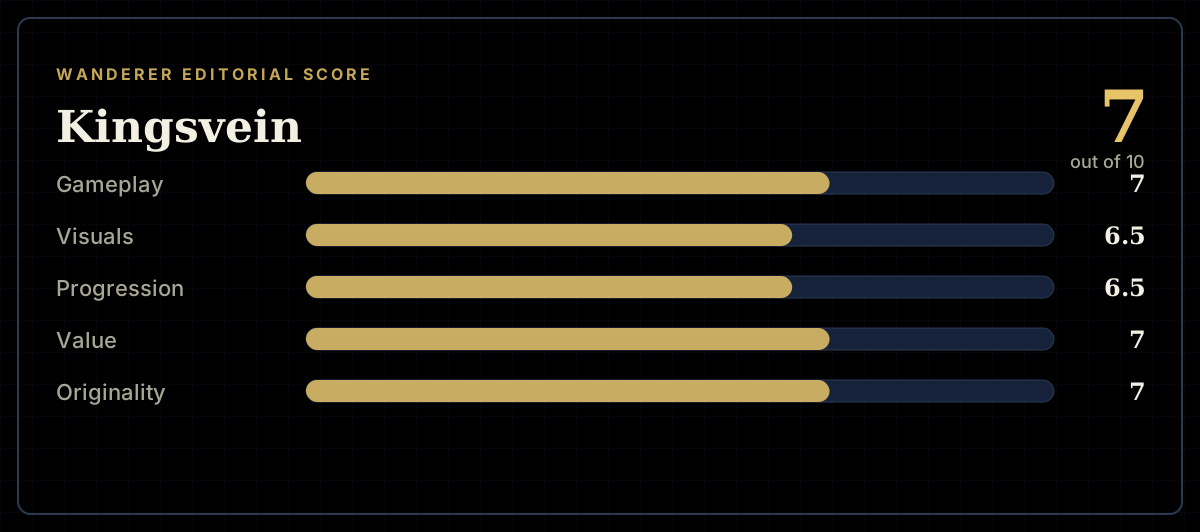
How the review scores each part of the gameWanderer Editorial -
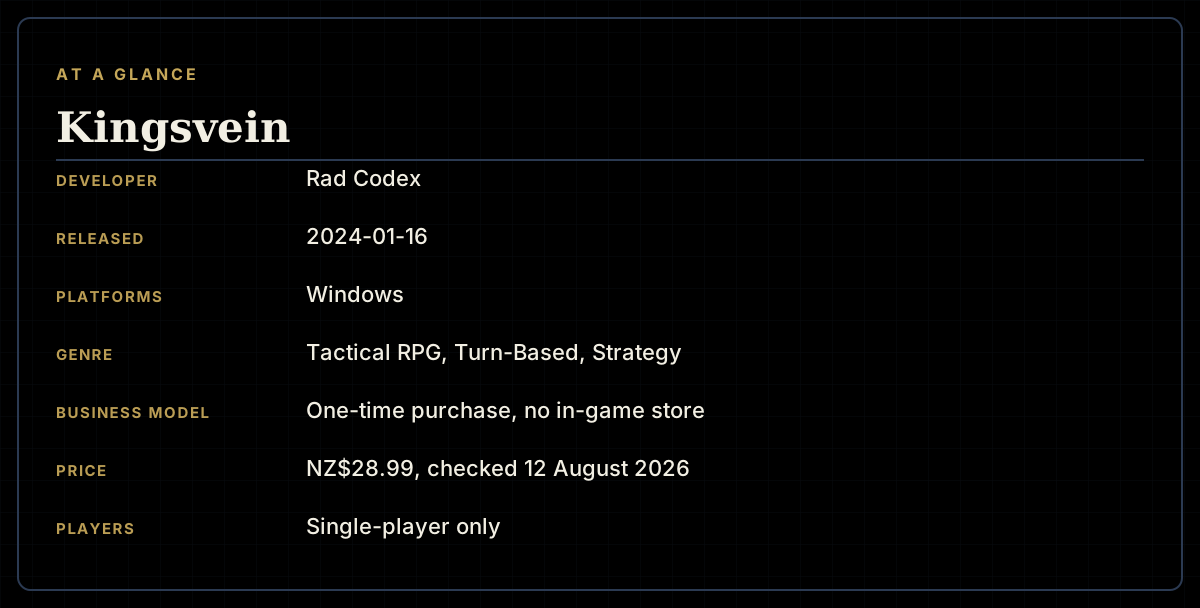
The essentials at a glanceWanderer Editorial -
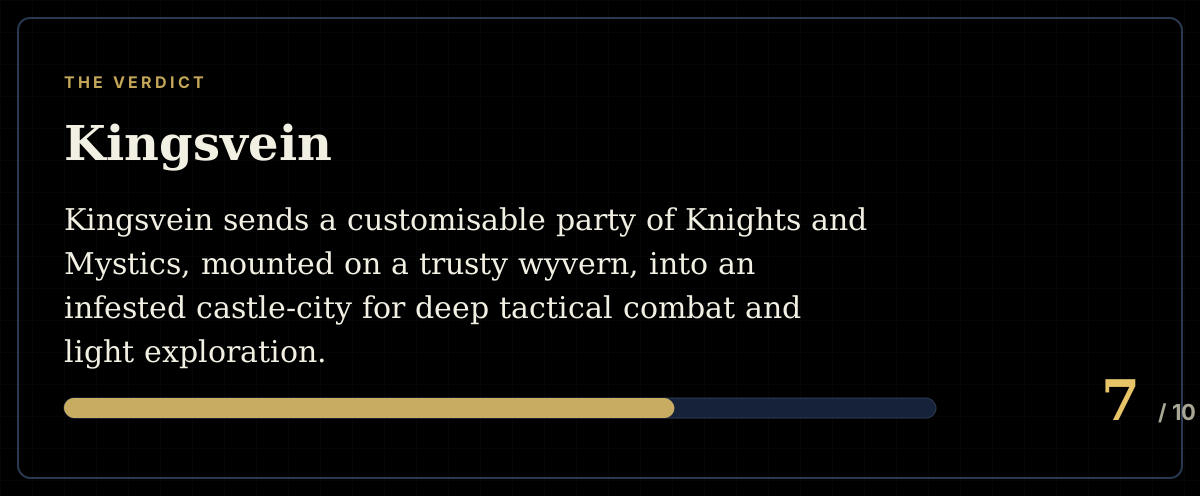
The short versionWanderer Editorial