Game review
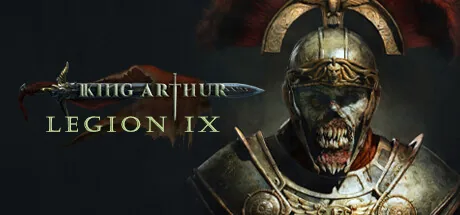
King Arthur: Legion IX
6 / 10
- Developer
- NeocoreGames
- Publisher
- NeocoreGames
- Released
- 9 May 2024
- Platforms
- Windows
- Genre
- Tactical RPG, Dark Fantasy, Strategy
- Monetisation
- One-time purchase, no DLC beyond cosmetic packs, no in-app purchases
- Players
- Single-player only
The short version
King Arthur: Legion IX puts a Roman tribune, Gaius Julius Mento, and a squad of undead legion soldiers through turn-based tactical battles across a dark-fantasy Avalon. Made by NeocoreGames and released 9 May 2024, it sits at Mostly Positive across 823 English-language reviews — a real, substantial corpus this review draws on through the negative sample, top positives and recent-sentiment tracking. The dominant, overwhelmingly consistent thesis running through both the praise and the criticism is a direct comparison to its immediate predecessor, King Arthur: Knight's Tale, which sits at a noticeably healthier 84.1% positive. Simplified morality systems, reused level layouts, reduced content and a campaign several detailed reviews finish in around eight hours all recur independently across dozens of reviews.
Biggest strengths
- The core turn-based tactical combat remains genuinely well-regarded, with even many critical reviewers specifically praising the fights as "intense" and the abilities as "cool"
- A distinctive dark-fantasy Roman setting — undead legionaries fighting through Avalon — that several reviewers say still carries real atmosphere despite a smaller overall scope
- Priced and positioned closer to a DLC-scale release than a full sequel, which several positive reviews argue is the fairer way to judge it rather than measuring it against the original game directly
Biggest weaknesses
- An overwhelming, highly consistent pattern across dozens of independently-written reviews describes specific, comparable systems as simplified relative to King Arthur: Knight's Tale — a four-quadrant morality system reduced to a basic good/evil scale, fewer cinematics, reused level layouts, and what several reviewers call noticeably weaker voice acting
- Multiple detailed reviews report finishing the entire main campaign in around eight hours, with no further characters, levels or meaningful loot to pursue afterward
- King Arthur: Knight's Tale currently sits at 84.1% positive across 3,703 English-language reviews, a substantially healthier reception than Legion IX's 72.9% — a checkable, not just anecdotal, gap in how the two games have been received
Who it's for: Fans of King Arthur: Knight's Tale who want more of the same world at a lower cost and scope; a poor fit for newcomers expecting a full-scale sequel, or for returning fans hoping for genuine expansion rather than a smaller, cheaper follow-up.
Our recommendation: A solid turn-based tactics game on its own systems, best understood and priced as a DLC-scale spin-off rather than a true sequel — worth it for genre fans at a discount, best approached with expectations calibrated against its own predecessor.
6 / 10
Introduction
King Arthur: Legion IX puts the player in command of Gaius Julius Mento, a Roman tribune leading a squad of undead legionaries through turn-based tactical battles across a dark-fantasy version of Avalon. Made by the established studio NeocoreGames and released 9 May 2024, it carries a substantial 823 English-language reviews and sits at Mostly Positive — a genuinely solid score on its own. What that score doesn't show on the surface, and what emerges clearly reading through this game's negative sample, top positives and recent sentiment together, is that this reception is being measured against a very specific, very present yardstick: its own immediate predecessor, King Arthur: Knight's Tale, which this review's own comparison check finds sitting at a healthier 84.1% positive across 3,703 reviews.
The same combat, a smaller scope
Judged purely on its own mechanics, the turn-based tactical combat that made NeocoreGames' earlier King Arthur game well liked is genuinely still here and still works. Even the game's most detailed critical reviews concede this directly — "The turn-based combat is great!" one writes, in a review that otherwise argues the game is too short to fully recommend. Positive reviews describe fights as "intense" with "cool" abilities, and the deep character-building systems — skill trees, equipment, party composition — remain present in a reduced form. Several reviewers frame this generously: "this is basically DLC, and priced accordingly, but packaged as a standalone to be accessible to more players," one writes, arguing it "shouldn't be directly compared to the main game as such," and should instead be judged as "a more streamlined, and much better balanced series of tactical" encounters in its own right.
A comparison the fanbase keeps making anyway
Whatever the fairest framing, an overwhelming share of this game's most detailed, highest-voted reviews make the direct predecessor comparison unprompted and specifically. The single most-upvoted negative review — 137 votes — opens by describing exactly what it expected and didn't get: "Generally when you play a DLC or a second game in a series... you expect the original idea to be expanded upon and improved, not dumbed down." A separate review lists the specific systems affected: "The 4 quadrant morality chart is gone, replaced with a simple Good/Evil scale that has no character unlocks," alongside a reduction from roughly six cinematics in the original to zero in this release. A third, more measured review that still recommends the game notes reused level layouts made worse rather than better, including a maze level the reviewer says they "actually got lost" in the same way as before — evidence the complaint is about specific, comparable content rather than vague disappointment. That pattern repeats across dozens of reviews independently: reduced content, simplified systems, and noticeably weaker voice acting are named again and again by people who state upfront that they loved the original.
A short campaign with little after it
A distinct, more practical complaint concerns length. One detailed review that otherwise praises the combat and character progression states plainly: "I finished the main campaign in 8 hours! After that there are no more characters to be found, no more levels to be gained and almost all the loot you found becomes obsolete." That's a specific, checkable claim rather than a vague "too short" complaint, and it recurs in less detail across several other reviews making the same basic point — this is a tightly scoped release with limited reason to continue once the story concludes, which sits uneasily against its full NZ$28.99 asking price for players expecting a sequel-length experience.
Final Verdict
King Arthur: Legion IX is a competent, well-built turn-based tactics game on its own mechanical terms, and its combat and character systems hold up to real scrutiny even from unhappy reviewers. What genuinely holds it back is not a flaw in what's there, but a consistent, overwhelming, independently-corroborated pattern of what isn't: systems simplified relative to its own immediate predecessor, reused content, and a campaign several detailed reviews finish in well under ten hours with little reason to continue afterward. Priced and expected as the DLC-scale spin-off several of its own defenders argue it actually is, it's a reasonable pick for fans of the setting; priced and marketed as this game's full retail listing suggests, it's a harder sell than its 72.9% score alone would indicate — and King Arthur: Knight's Tale remains the better starting point for anyone new to this world.
Pros and cons
Pros
- The core turn-based tactical combat remains genuinely well-regarded, with even many critical reviewers specifically praising the fights as "intense" and the abilities as "cool"
- A distinctive dark-fantasy Roman setting — undead legionaries fighting through Avalon — that several reviewers say still carries real atmosphere despite a smaller overall scope
- Priced and positioned closer to a DLC-scale release than a full sequel, which several positive reviews argue is the fairer way to judge it rather than measuring it against the original game directly
- Retains the deep character-building systems — skill trees, gear, party composition — that made the predecessor well liked, even in a reduced form
Cons
- An overwhelming, highly consistent pattern across dozens of independently-written reviews describes specific, comparable systems as simplified relative to King Arthur: Knight's Tale — a four-quadrant morality system reduced to a basic good/evil scale, fewer cinematics, reused level layouts, and what several reviewers call noticeably weaker voice acting
- Multiple detailed reviews report finishing the entire main campaign in around eight hours, with no further characters, levels or meaningful loot to pursue afterward
- King Arthur: Knight's Tale currently sits at 84.1% positive across 3,703 English-language reviews, a substantially healthier reception than Legion IX's 72.9% — a checkable, not just anecdotal, gap in how the two games have been received
- Several reviewers argue the game was marketed and sold as a standalone full release despite functioning, in scope and price relative to content, more like an expansion pack for the original
Screenshots
-
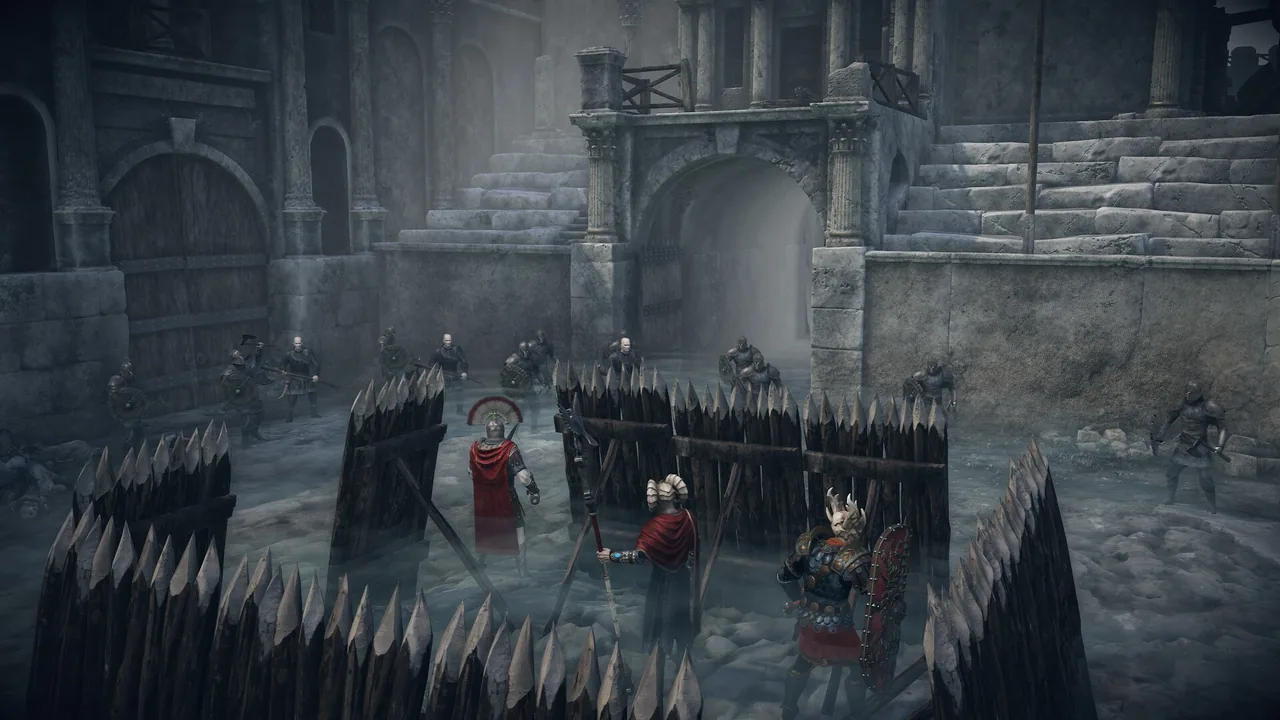
King Arthur: Legion IXImage: NeocoreGames via Steam -
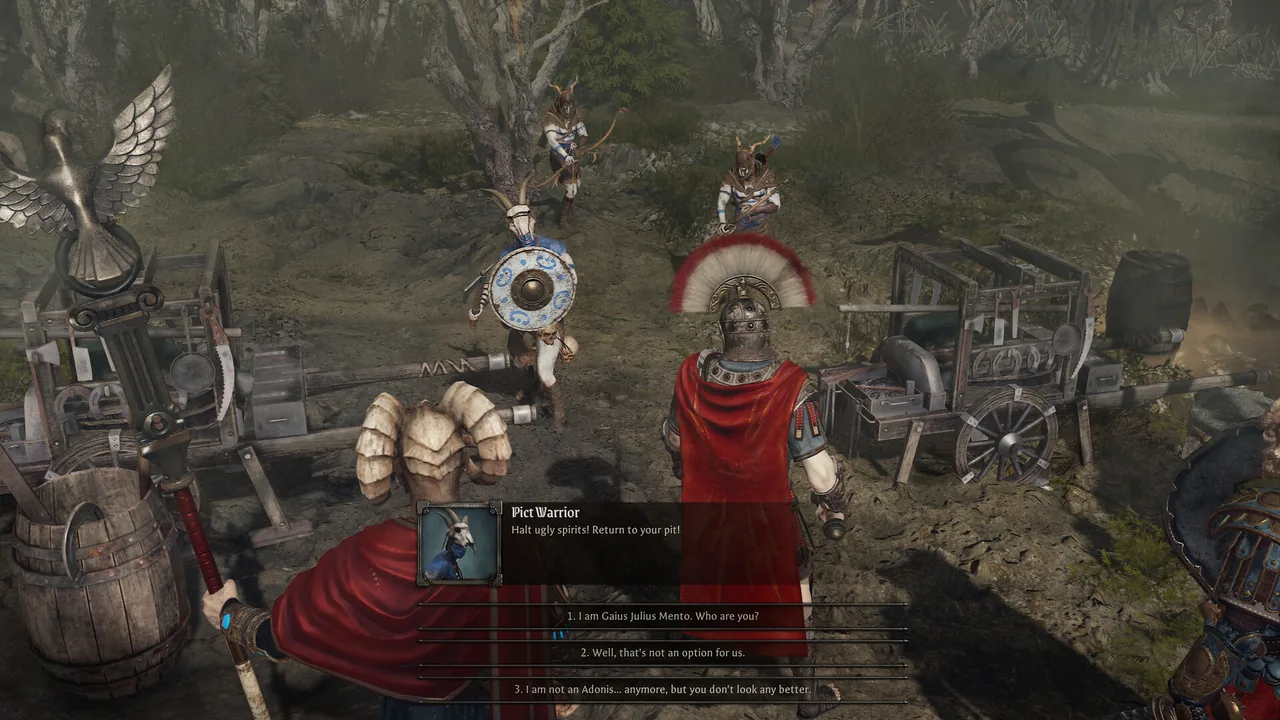
King Arthur: Legion IXImage: NeocoreGames via Steam -
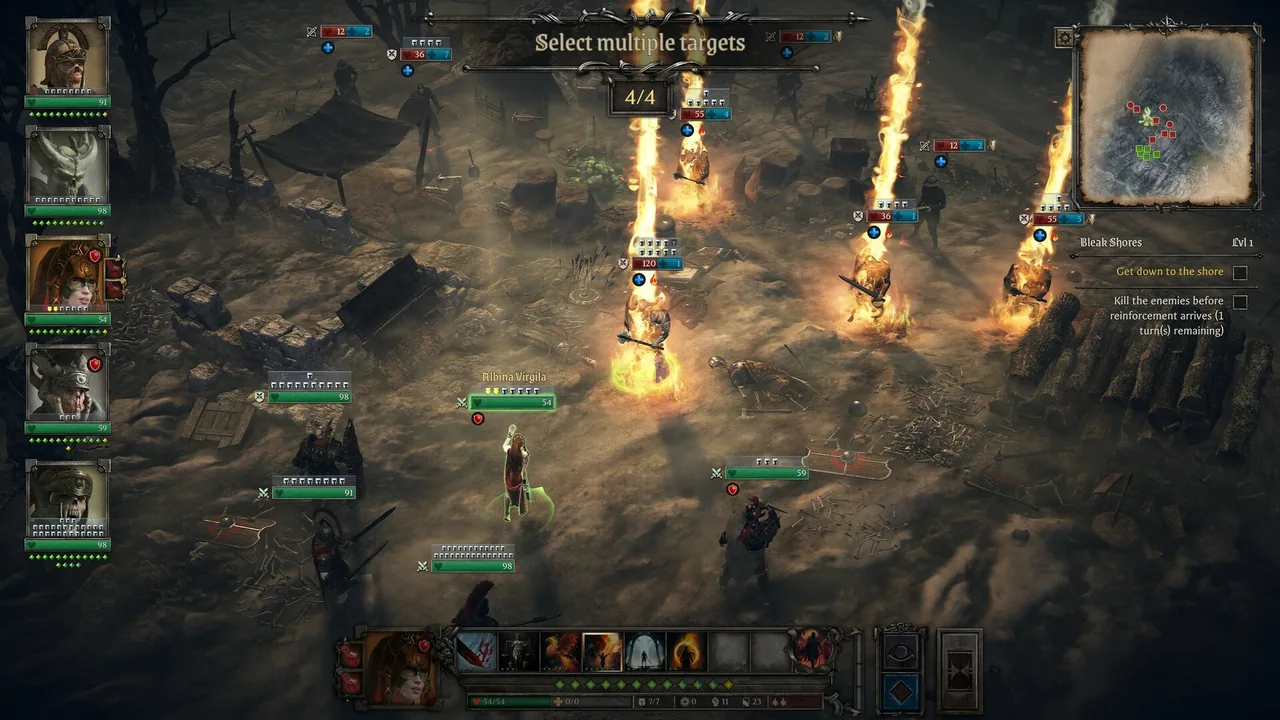
King Arthur: Legion IXImage: NeocoreGames via Steam -
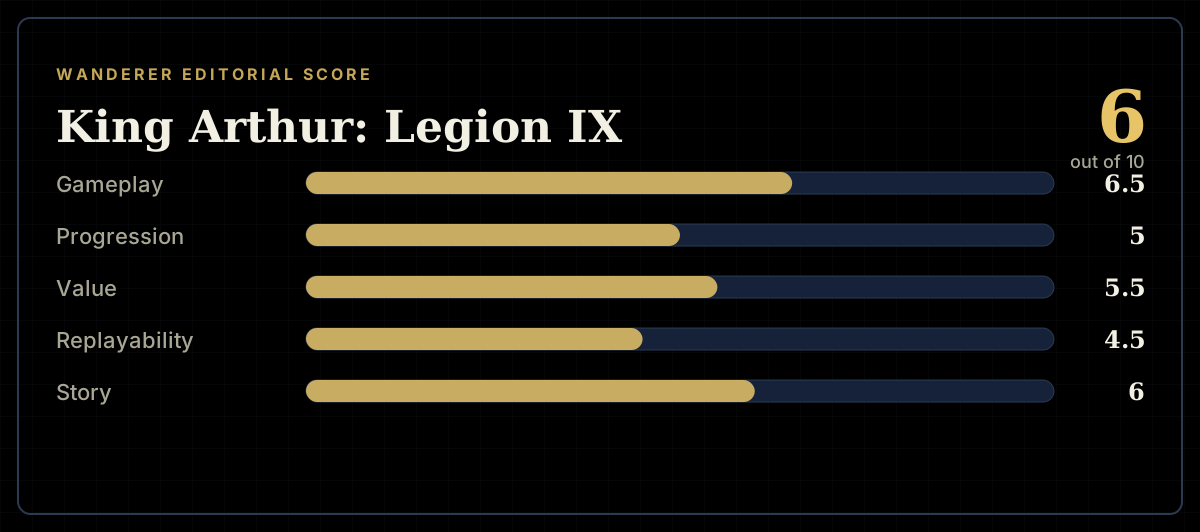
How the review scores each part of the gameWanderer Editorial -
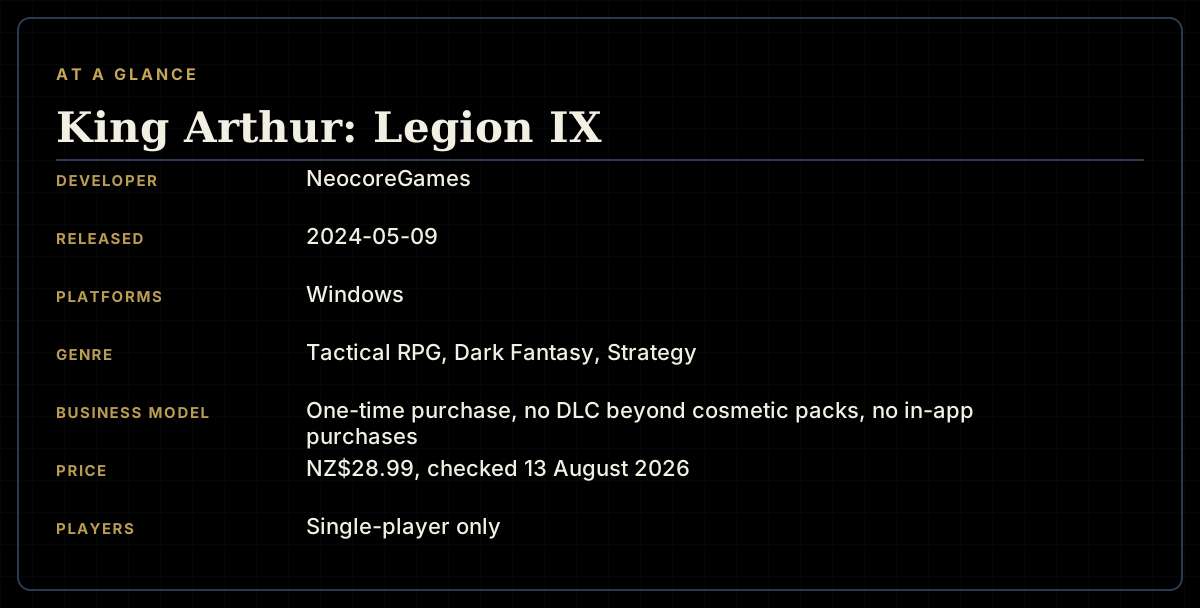
The essentials at a glanceWanderer Editorial -
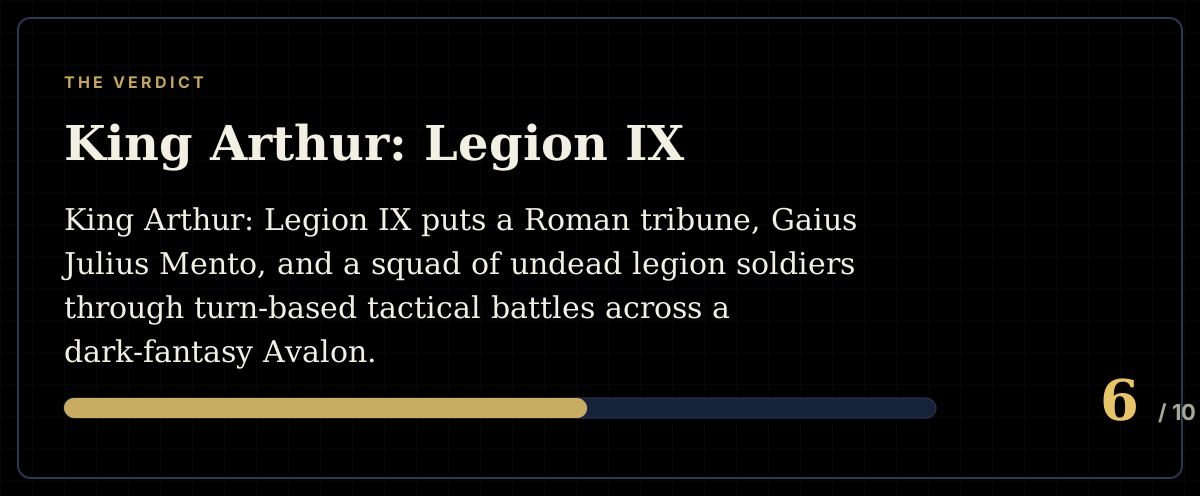
The short versionWanderer Editorial