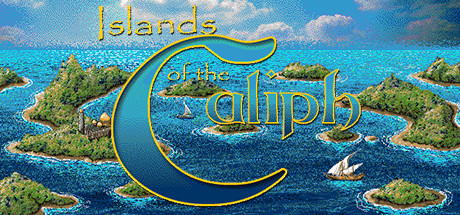
Game review
Islands of the Caliph
7 / 10
- Developer
- Schmidt Workshops
- Publisher
- Schmidt Workshops
- Released
- 29 September 2023
- Platforms
- Windows
- Genre
- Old-School Dungeon Crawler
- Monetisation
- One-time premium purchase; no ads, DLC or in-game store found
- Players
- Single-player only; no online, co-op or PvP modes
The short version
Islands of the Caliph resurrects a very specific era of first-person dungeon crawling — Wizardry, Ultima, Dungeon Master — and sets it in a sincerely researched Middle Eastern and Islamic world, complete with prayer, fasting, pilgrimage and a flooded, post-cataclysmic geography. Reviewers who share that cultural background repeatedly single out the representation as respectful and meaningful in a way medieval-fantasy games almost never attempt, and even reviewers without that background praise the setting as genuinely fresh.
That distinctiveness sits on top of old-school mechanics that split opinion sharply: eating, sleeping, torch management and a genuinely shallow, repetitive combat loop that several reviewers describe as block-then-attack regardless of the enemy. More seriously, the game's default save behaviour — an automatic overwrite on death, with a misleadingly labelled "Continue" option — has cost multiple reviewers real, unrecoverable progress. The solo developer has maintained an unusually long, transparent patch record since 2022, but this specific danger doesn't appear to have been redesigned as of this review.
Biggest strengths
- A sincerely researched, respectfully rendered Middle Eastern and Islamic setting that multiple Muslim and Arab reviewers specifically praise as meaningful, accurate representation rarely attempted in fantasy RPGs
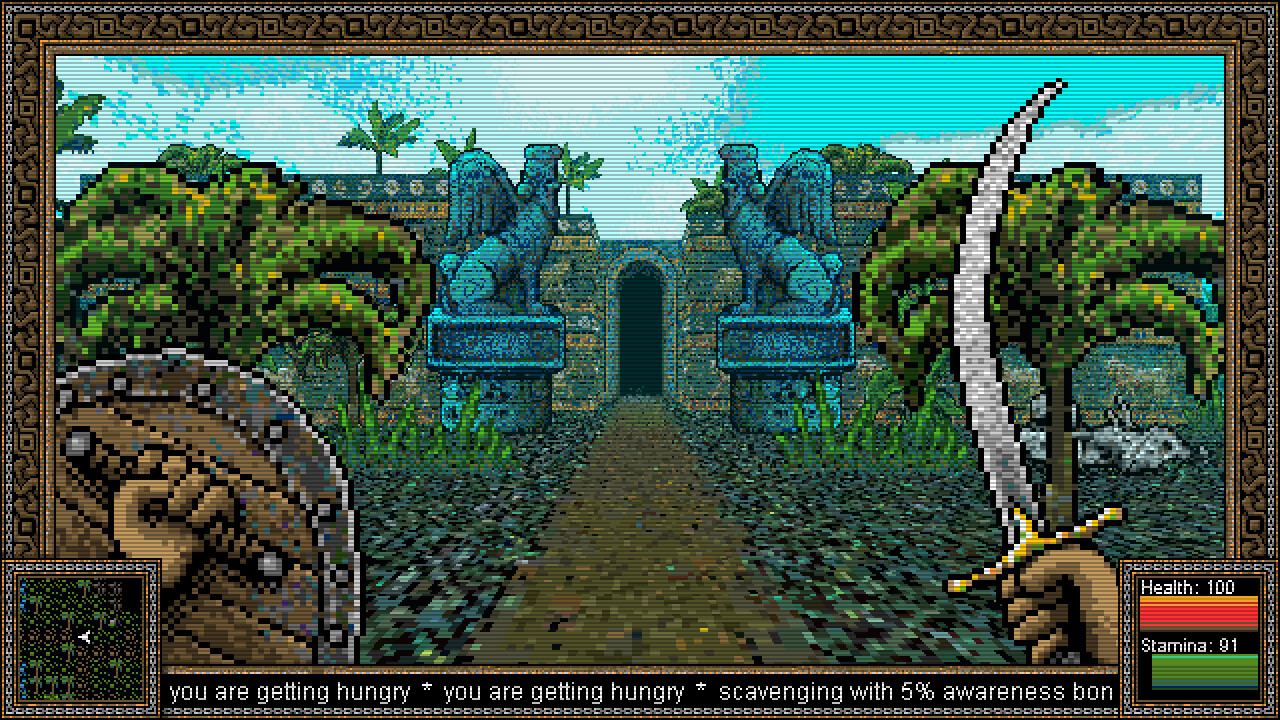
- Genuine old-school dungeon-crawler atmosphere reviewers compare favourably to Wizardry, Ultima and Dungeon Master, backed by real-time ship travel between islands that several single out as a highlight
- An impressive scope for a single developer, with dozens of islands, a full day/night cycle, and deep systemic detail across survival, religious practice, and exploration mechanics
Biggest weaknesses
- Combat is described by multiple reviewers as fundamentally repetitive regardless of enemy type — block, take no damage, then attack — offering little tactical variety across an entire playthrough
- The game's default save behaviour can overwrite a player's only save slot automatically on death, with a "Continue" option reviewers say is misleadingly labelled since choosing it can permanently lose part of an inventory with no way to recover it
- No mouse support is offered despite controller functionality having been added post-launch, and several reviewers describe basic UI actions (including closing a help screen) as unintuitive without it
Who it's for: Fans of genuinely old-school, survival-inflected dungeon crawlers who want a setting unlike anything else in the genre, and who are prepared to manage save files carefully. Less suited to anyone wanting fluid combat or expecting mouse support.
Our recommendation: A worthwhile, distinctive pickup for old-school RPG fans specifically, provided you back up your save file manually before risking a death — the game's own save system won't protect you from losing real progress.
7 / 10
Very few fantasy RPGs step outside medieval Western Europe for their setting, fewer still do so with genuine cultural research behind the attempt, and almost none earn direct praise from the community they're representing for getting it right. Islands of the Caliph, a solo-developed throwback to first-person dungeon crawlers like Wizardry and Ultima, manages exactly that: a flooded, post-cataclysmic archipelago steeped in Islamic spiritual practice and Middle Eastern folklore, rendered with enough sincerity that multiple Muslim and Arab reviewers describe seeing themselves reflected in a game for what they say is the first time in their gaming lives.
A setting reviewers say gets it right
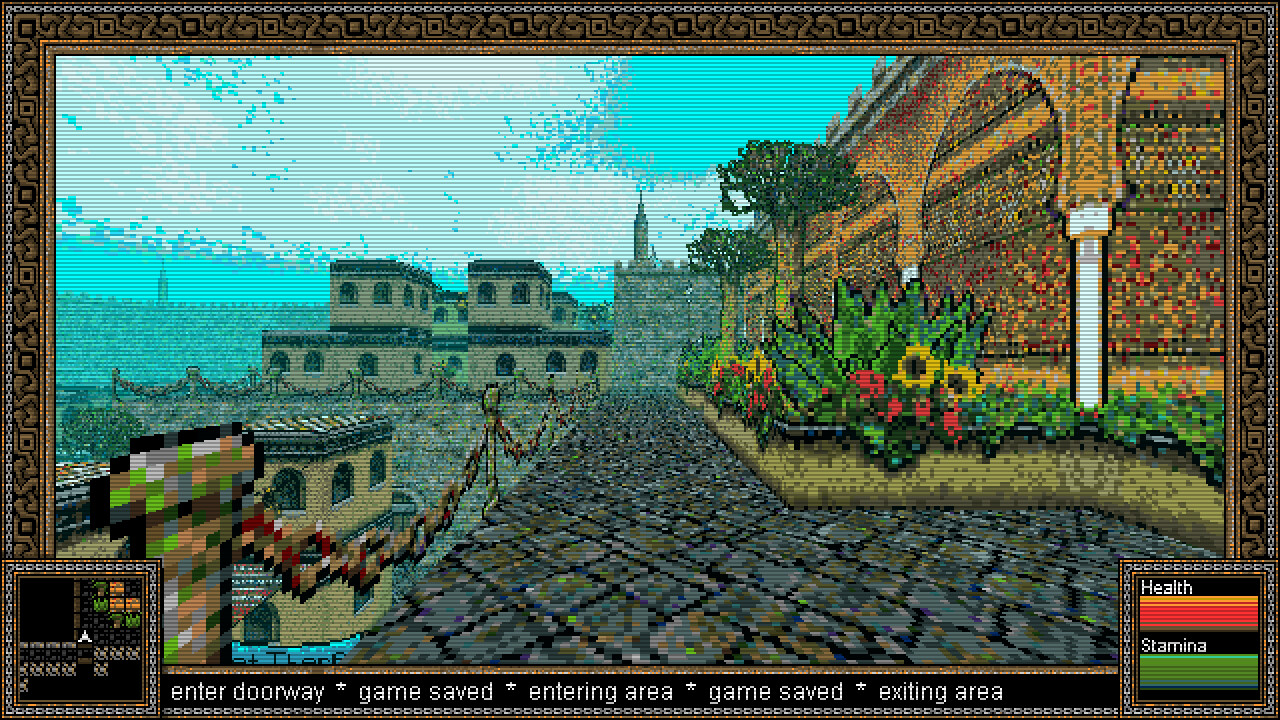
The world is built around genuine religious and cultural texture rather than surface decoration: mosques, daily prayer, Ramadan-style fasting, and pilgrimage rituals are woven directly into the game's systems rather than treated as background flavor, and achievement data confirms these aren't cosmetic — prayer, fasting and pilgrimage-adjacent achievements are all tracked alongside combat and exploration milestones. Reviewers repeatedly credit the developer with handling this material "without the feeling of orientalism some other pieces of media have," a specific and meaningful distinction from games that borrow aesthetic signifiers without engaging with what they represent. Real-time ship travel between the archipelago's islands draws separate, specific praise as a standout moment-to-moment pleasure, and the overall atmosphere — day/night cycles, torch-lit dungeons, a sense of genuine scale across dozens of islands — earns comparisons to genre classics that reviewers say the game mostly lives up to.
Old-school mechanics that split the room
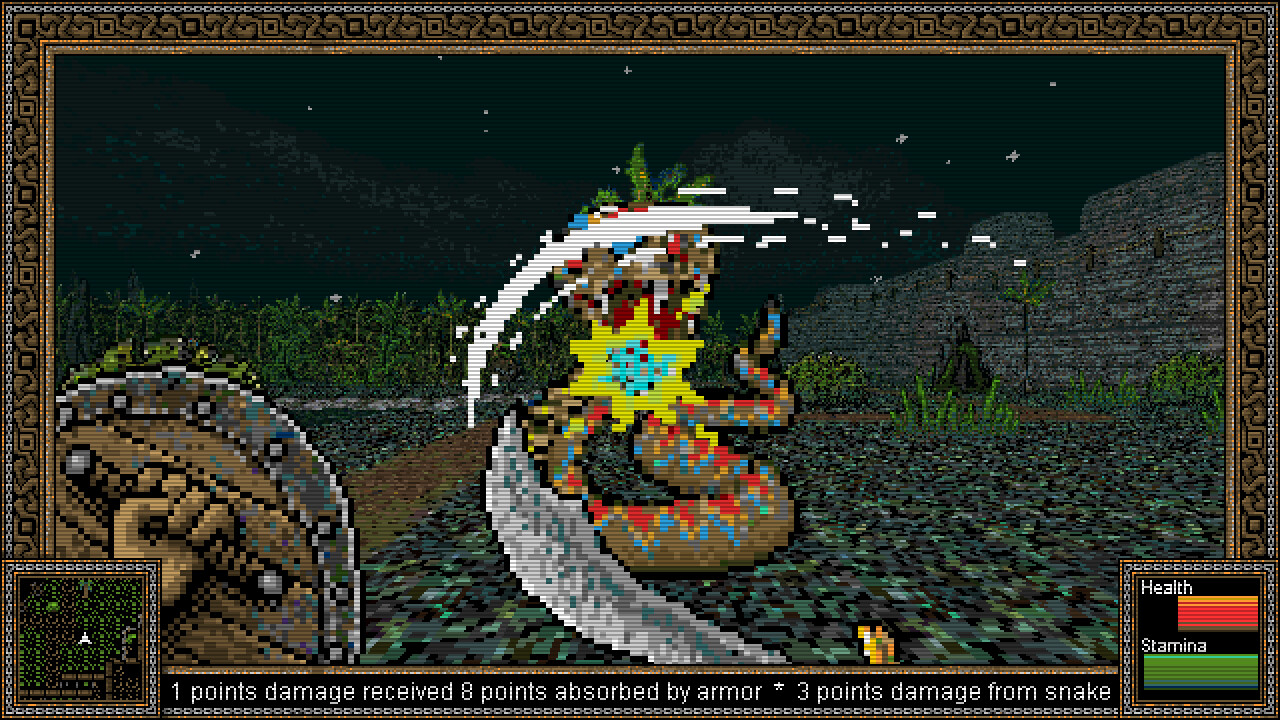
Where reviewers diverge is on how well the game's throwback survival mechanics — managing hunger, sleep, torches, and a range of specific health afflictions like poison and fever — actually serve the experience. Fans describe these systems as essential to the atmosphere the game is chasing; a significant share of critical reviews describe the same systems as tedious busywork, particularly inventory management strained by how much food, medicine and light sources a player needs to carry simultaneously. Combat draws the most consistent specific criticism of all: multiple reviewers independently describe every encounter resolving the same way regardless of enemy type — block to take no damage, then attack — offering little of the tactical variety the setting's ambition might suggest. Maze-like town and dungeon layouts, paired with map icons several reviewers call unclear, compound the friction with backtracking that isn't always the deliberate kind classic dungeon crawlers are known for.
A save system that has cost players real progress
The single most serious, concrete complaint in this review's research concerns how the game handles death. By default, dying triggers an automatic save, and the post-death menu's "Continue" option is reported by multiple reviewers as misleadingly labelled — choosing it can permanently remove part of a player's inventory with no way to recover it, since the autosave has already overwritten the only save slot available. This isn't a vague complaint: reviewers describe it in specific, first-hand terms, including one account of losing hours of accumulated progress on their first death simply by clicking what appeared to be the obvious, safe option. A separate, dated report describes a full softlock triggered by praying at a specific mosque immediately after learning prayers, wiping out further progress entirely. The developer's patch history shows a related bug — accidentally saving into the wrong save slot — was specifically fixed in an earlier update, but the broader "Continue after death overwrites your only save" behaviour doesn't appear to have been redesigned as of this review, and remains a real risk worth planning around.
An exceptionally long, honest solo-developer record
Whatever its rough edges, Islands of the Caliph has one of the most sustained and transparent development histories this review has documented in this lane: continuous, detailed patch notes from private testing in early 2022 through a full public release in September 2023 and ongoing updates as recently as June 2026. The developer's own devlogs are unusually candid, including public apologies for save-breaking updates, detailed postmortems on specific bugs (a map-corruption issue tied to picking up certain quest items was tracked down and fixed across two separate attempts), and continued responsiveness to player-reported issues years after launch. Controller support, notably absent at launch given the game's "keyboard only" framing, was added in a 2023 update — though mouse support, which several reviewers specifically request, still isn't present.
A minority pushback on the religious framing
Worth noting fairly: not every reviewer responds to the game's religious integration the way its most enthusiastic reviewers do. A smaller number describe specific narrative consequences — particularly a story branch where choosing a piratical path forces a jail sequence with full loss of items and money as narrative punishment — as heavy-handed rather than meaningful, framing the game's moral and religious systems as feeling imposed rather than optional. This is a genuine difference in how individual players read the same content rather than a factual dispute: the religious and cultural material is real and central to the design either way, and reviewers largely agree on that; where they differ is whether its non-optional consequences land as thoughtful design or as the game "pushing an agenda," in the words of one critical review. Both readings are represented in this review's research, and neither invalidates the other.
Where it lands
Islands of the Caliph earns its distinctiveness honestly: a setting reviewers from the culture it represents describe as meaningful and rare, wrapped in old-school dungeon-crawling that will delight genre purists and frustrate anyone hoping for more tactical combat variety. Its most serious flaw isn't a matter of taste — a save system that can silently cost a player real, unrecoverable progress on an ordinary death is a genuine risk any prospective buyer should know about and plan around, ideally by backing up save files manually. For old-school RPG fans willing to work around that risk, this remains one of the more genuinely original settings the genre has produced in years.
Pros and cons
Pros
- A sincerely researched, respectfully rendered Middle Eastern and Islamic setting that multiple Muslim and Arab reviewers specifically praise as meaningful, accurate representation rarely attempted in fantasy RPGs
- Genuine old-school dungeon-crawler atmosphere reviewers compare favourably to Wizardry, Ultima and Dungeon Master, backed by real-time ship travel between islands that several single out as a highlight
- An impressive scope for a single developer, with dozens of islands, a full day/night cycle, and deep systemic detail across survival, religious practice, and exploration mechanics
- An unusually long and transparent development record, with the solo developer posting detailed, honest patch notes and continuing meaningful updates from 2022 through mid-2026
- Minimal hand-holding that rewards attentive, exploratory play, which a number of reviewers specifically recommend experiencing without guides for the intended effect
Cons
- Combat is described by multiple reviewers as fundamentally repetitive regardless of enemy type — block, take no damage, then attack — offering little tactical variety across an entire playthrough
- The game's default save behaviour can overwrite a player's only save slot automatically on death, with a "Continue" option reviewers say is misleadingly labelled since choosing it can permanently lose part of an inventory with no way to recover it
- No mouse support is offered despite controller functionality having been added post-launch, and several reviewers describe basic UI actions (including closing a help screen) as unintuitive without it
- Town and dungeon layouts are frequently described as maze-like with unclear map icons, leading to significant backtracking and "where do I go next" confusion that isn't always intentional old-school design
- Some reviewers who don't share the game's cultural and religious framing describe specific story beats and consequence systems (such as story branches that force full inventory loss as narrative punishment) as heavy-handed rather than meaningful
Screenshots
-
Islands of the CaliphImage: Schmidt Workshops via Steam -
Islands of the CaliphImage: Schmidt Workshops via Steam -
Islands of the CaliphImage: Schmidt Workshops via Steam -
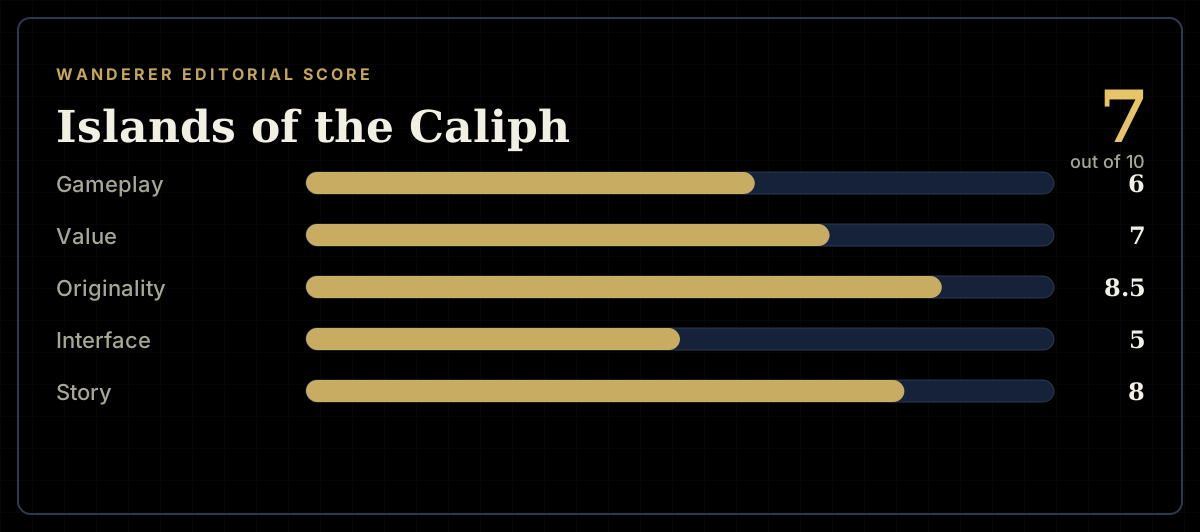
How the review scores each part of the gameWanderer Editorial -
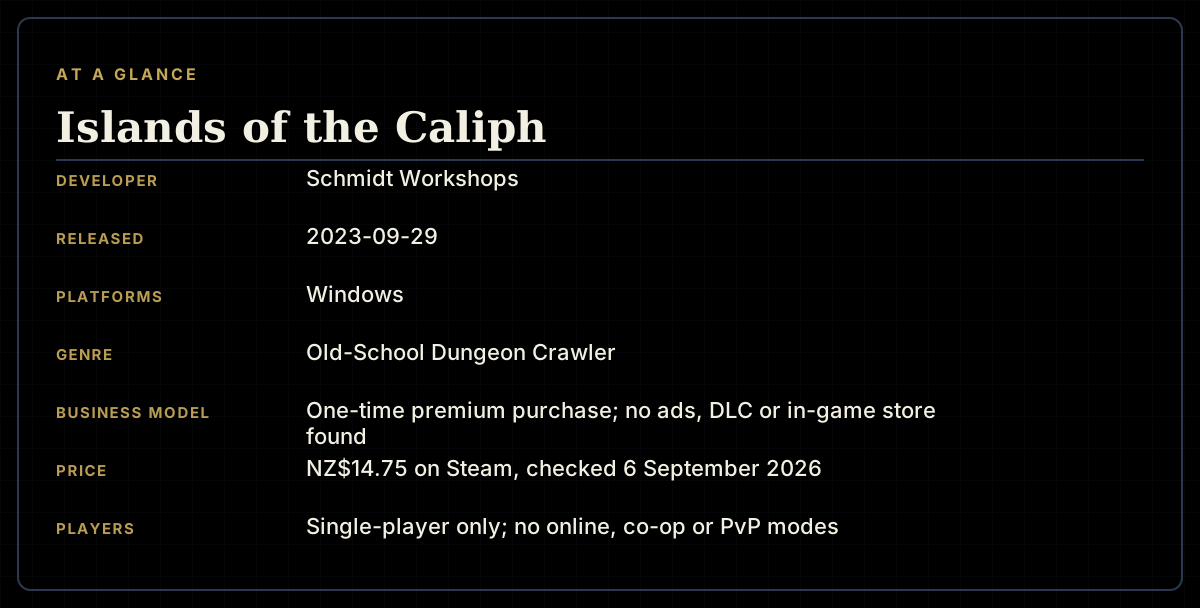
The specsWanderer Editorial -
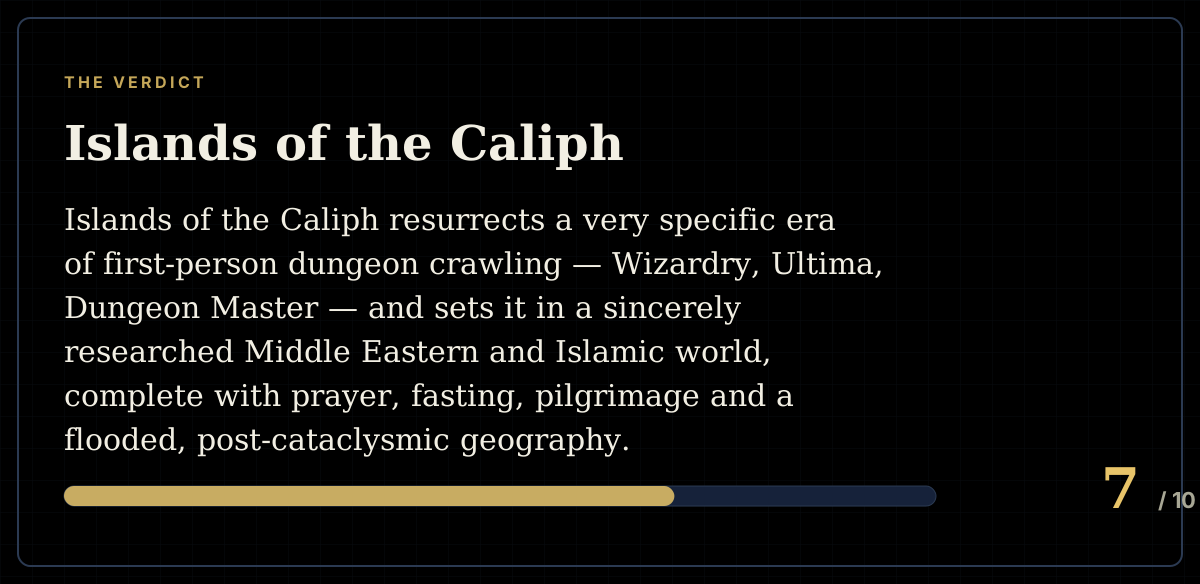
The short versionWanderer Editorial