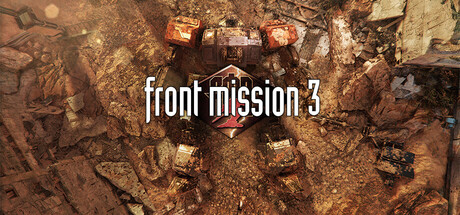
Game review
FRONT MISSION 3: Remake
6.5 / 10
- Developer
- MegaPixel Studio S.A.
- Publisher
- Forever Entertainment S. A.
- Released
- 30 January 2026
- Platforms
- Windows
- Genre
- Action, RPG, Strategy
- Monetisation
- One-time purchase
- Players
- Single-player only
The short version
FRONT MISSION 3: Remake rebuilds Square Enix's beloved 1999 mecha tactics RPG for modern platforms, preserving its branching two-campaign structure, in-game internet subplot, and turn-based Wanzer combat while overhauling the visuals from the ground up. Steam's Mostly Positive rating reflects a genuinely split but lopsided reception: a large base of returning fans and newcomers says the underlying tactics game is as absorbing as ever and calls it good value at around 120 hours across two stories, while a smaller but unusually detailed and heavily upvoted critical contingent argues the remake's own presentation actively undermines what made the original work, pointing to AI-assisted art assets, redesigned mech silhouettes that lost their personality, and combat animation many call weightless compared to the PS1 version.
Biggest strengths
- The turn-based tactical combat and wanzer customisation system reviewers repeatedly say still holds up on its own merits, offering deep part-by-part mech building across arms, legs, body, and backpack loadouts
- Both of the original's branching campaigns preserved intact, giving reviewers who finish both story paths 100-plus hours of content, widely cited as strong value at the asking price
- Meaningful quality-of-life additions reviewers welcome, including dialogue and tutorial skipping, automatic password logging for the in-game internet subplot, faster loading and scene transitions, and an option to toggle the original PS1 soundtrack
Biggest weaknesses
- Multiple detailed reviews allege generative AI use in character portraits, location backgrounds, and some script or cutscene content, describing melted or blob-like facial detail and inconsistent quality that a significant share of the sample treats as the remake's core failing
- Wanzer and vehicle redesigns drawing sustained, specific criticism for losing the silhouette distinctiveness and personality of the originals, with reviewers repeatedly describing mechs as "plastic toys" that blend into each other and look bloated or overly blocky
- Combat animation widely called weightless compared to the 1999 version: reduced weapon recoil, no miss indicators, no bullet-hole decals, abrupt camera cuts in place of the original's smoother transitions, and a smaller number of distinct defeat animations
Who it's for: Turn-based tactics and mecha fans willing to accept a visual and presentational downgrade from the original's charm in exchange for QoL improvements, rather than longtime FRONT MISSION fans expecting the remake to visually honour the wanzer designs and combat feel they remember.
Our recommendation: A worthwhile way to experience a genuinely strong tactical RPG for newcomers or fans without access to the PS1 original, but longtime fans attached to the specific look and feel of 1999's FRONT MISSION 3 should sample reviews and gameplay footage carefully before buying at full price.
6.5 / 10
FRONT MISSION 3: Remake rebuilds the third entry in Square Enix's mecha tactics RPG series, originally released on PlayStation in 1999, for modern hardware. Developer MegaPixel Studio and publisher Forever Entertainment preserve the original's core hook: two mercenary pilots, Kazuki and Ryogo, caught up in a geopolitical conflict between rival Asian power blocs, told across two branching campaigns that diverge early and offer substantially different companions and story beats depending on which path players choose. It's the third FRONT MISSION remake from this team, following entries covering the first two games in the series, and Steam's Mostly Positive rating on launch suggests a reception that is broadly favourable but carries an unusually detailed and specific undercurrent of criticism running through it.
A tactics game the sample agrees still works
Strip away the presentation debate entirely and the sample is close to unanimous on one point: the turn-based combat and wanzer customisation at FRONT MISSION 3's core remains genuinely absorbing. Reviewers across both recommended and not-recommended reviews describe deep part-by-part mech building, where swapping arms, legs, torsos, and backpacks meaningfully changes a unit's role, and where positioning, range, and part-targeting decisions carry real tactical weight. Multiple reviewers who finished both of the game's branching campaigns describe well over 100 hours of content, and several specifically call the underlying design a match for or improvement on the genre's better-known names, even when they have serious complaints about everything layered on top of it.
The AI-art allegation running through the sample
The single most consistent and pointed criticism in the sample concerns the remake's art assets. A large number of reviewers, including several of the most detailed and heavily upvoted negative reviews, describe character portraits, location backgrounds, and in some cases script or cutscene content as showing clear signs of generative AI involvement, citing melted or blob-like facial detail, inconsistent quality between characters, and backgrounds that look subtly wrong in ways reviewers struggle to pin down precisely. It's worth noting this is an allegation made repeatedly and in detail across many independent reviews rather than a single unverified claim, which sets it apart from a typical one-off accusation, though this review has not independently confirmed the assets' origin. Whatever the exact cause, the visual inconsistency it describes is corroborated widely enough across the sample to treat as a real and significant point of concern for prospective buyers who care about it.
Redesigned wanzers divide long-time fans
Closely tied to the art criticism is a separate, equally consistent complaint about the wanzers themselves. Longtime fans repeatedly describe the redesigned mech models as losing the silhouette distinctiveness that let players identify a Kasel from a Rexon at a glance in the original, with several reviewers using near-identical language to call the new designs "plastic toys" that look bloated, overly blocky, and difficult to tell apart. Specific fan-favourite designs draw name-checked criticism for looking unrecognisable compared to their PS1 counterparts. Not every reviewer agrees; a meaningful number describe the same redesigns as a reasonable, if imperfect, modernisation, and newcomers without nostalgia for the originals are considerably less bothered. But among reviewers who know the source material well, this is close to a consensus complaint rather than a minority view.
Combat feel, status effects, and interface friction
Beyond art and design, the sample repeatedly flags a cluster of feel-related regressions. Combat animation draws consistent criticism for lacking the weapon recoil, camera transitions, miss indicators, and bullet-hole decals present in the original, leaving exchanges that several reviewers describe as visually flat despite the tactical decisions behind them still mattering. Status effects, particularly stun and forced ejection, are reported by a large number of reviewers as noticeably more frequent than in 1999's version, with some describing wanzers stunlocked for three or four consecutive turns and calling it a balance oversight rather than an intended change. On the interface side, the absence of control remapping for keyboard, mouse, or controller is raised repeatedly, alongside an internet-subplot password system that requires manually selecting letters on an in-game keyboard rather than typing directly, and a quit function restricted to intermission screens rather than available mid-mission.
Where the remake earns its keep
Set against those complaints, the sample credits the remake with real, specific improvements. Quality-of-life additions draw consistent praise: the ability to skip lengthy tutorials and dialogue on repeat playthroughs, automatic logging of internet-subplot passwords once discovered, meaningfully faster loading and scene transitions, and the option to toggle between the remade soundtrack and the original PS1 music, with a clear majority of reviewers who mention it preferring the latter. Technical stability is another recurring positive, with multiple reviewers reporting smooth performance on Steam Deck and via Proton on Linux, out-of-the-box ultrawide monitor support, and few remaining crashes after early post-launch patches addressed a rockier initial release. Several reviewers also specifically recommend the remake to newcomers who never played the original, describing it as a legitimately accessible entry point into a series otherwise difficult to access in the West.
Final Verdict
FRONT MISSION 3: Remake lands in a genuinely interesting position: a Mostly Positive Steam rating built on a tactical RPG foundation that reviewers overwhelmingly agree still works, undercut by presentation choices that a large, detailed, and vocal portion of the same sample considers a step backwards from the game it's remaking. The AI-art allegations and wanzer redesign complaints aren't fringe nitpicks; they're specific, repeated, and corroborated across dozens of independent reviews, and they matter more to reviewers with strong memories of the original than to newcomers. For anyone coming to FRONT MISSION 3 for the first time, or without particular attachment to its 1999 visual identity, this remake offers a substantial, well-regarded tactics RPG at a fair price. For longtime fans who care deeply about how their favourite wanzers look and sound, the sample's message is consistent: temper expectations, and know what you're buying before you do.
Pros and cons
Pros
- The turn-based tactical combat and wanzer customisation system reviewers repeatedly say still holds up on its own merits, offering deep part-by-part mech building across arms, legs, body, and backpack loadouts
- Both of the original's branching campaigns preserved intact, giving reviewers who finish both story paths 100-plus hours of content, widely cited as strong value at the asking price
- Meaningful quality-of-life additions reviewers welcome, including dialogue and tutorial skipping, automatic password logging for the in-game internet subplot, faster loading and scene transitions, and an option to toggle the original PS1 soundtrack
- Strong technical stability for many reviewers, including reports of smooth performance on Steam Deck and via Proton on Linux, ultrawide monitor support out of the box, and few reports of crashes after early patches
- A geopolitical, character-driven story multiple reviewers say remains genuinely engaging and unexpectedly relevant, with several newcomers to the franchise specifically recommending it as an accessible entry point into the series
Cons
- Multiple detailed reviews allege generative AI use in character portraits, location backgrounds, and some script or cutscene content, describing melted or blob-like facial detail and inconsistent quality that a significant share of the sample treats as the remake's core failing
- Wanzer and vehicle redesigns drawing sustained, specific criticism for losing the silhouette distinctiveness and personality of the originals, with reviewers repeatedly describing mechs as "plastic toys" that blend into each other and look bloated or overly blocky
- Combat animation widely called weightless compared to the 1999 version: reduced weapon recoil, no miss indicators, no bullet-hole decals, abrupt camera cuts in place of the original's smoother transitions, and a smaller number of distinct defeat animations
- Status-effect frequency, particularly stun and forced ejection, reported by many reviewers as far more common than the original, with some describing wanzers stunlocked for several turns in a row and calling it a balance regression rather than a deliberate difficulty change
- Interface friction including no control remapping for keyboard, mouse, or controller, an on-screen-only password entry system for the internet subplot, and the ability to quit only from intermission screens rather than mid-mission
Screenshots
-
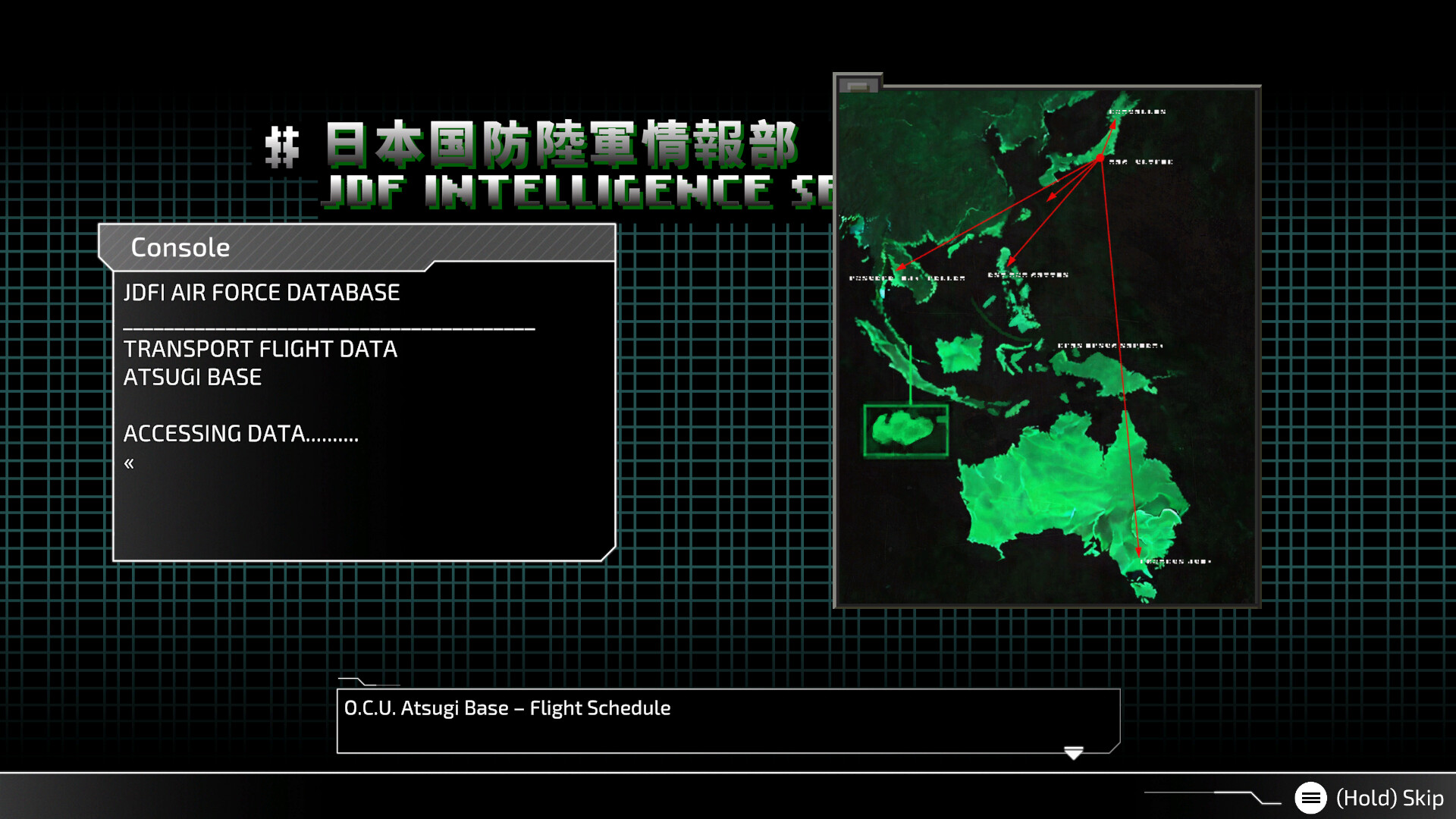
FRONT MISSION 3: RemakeImage: MegaPixel Studio S.A. via Steam -
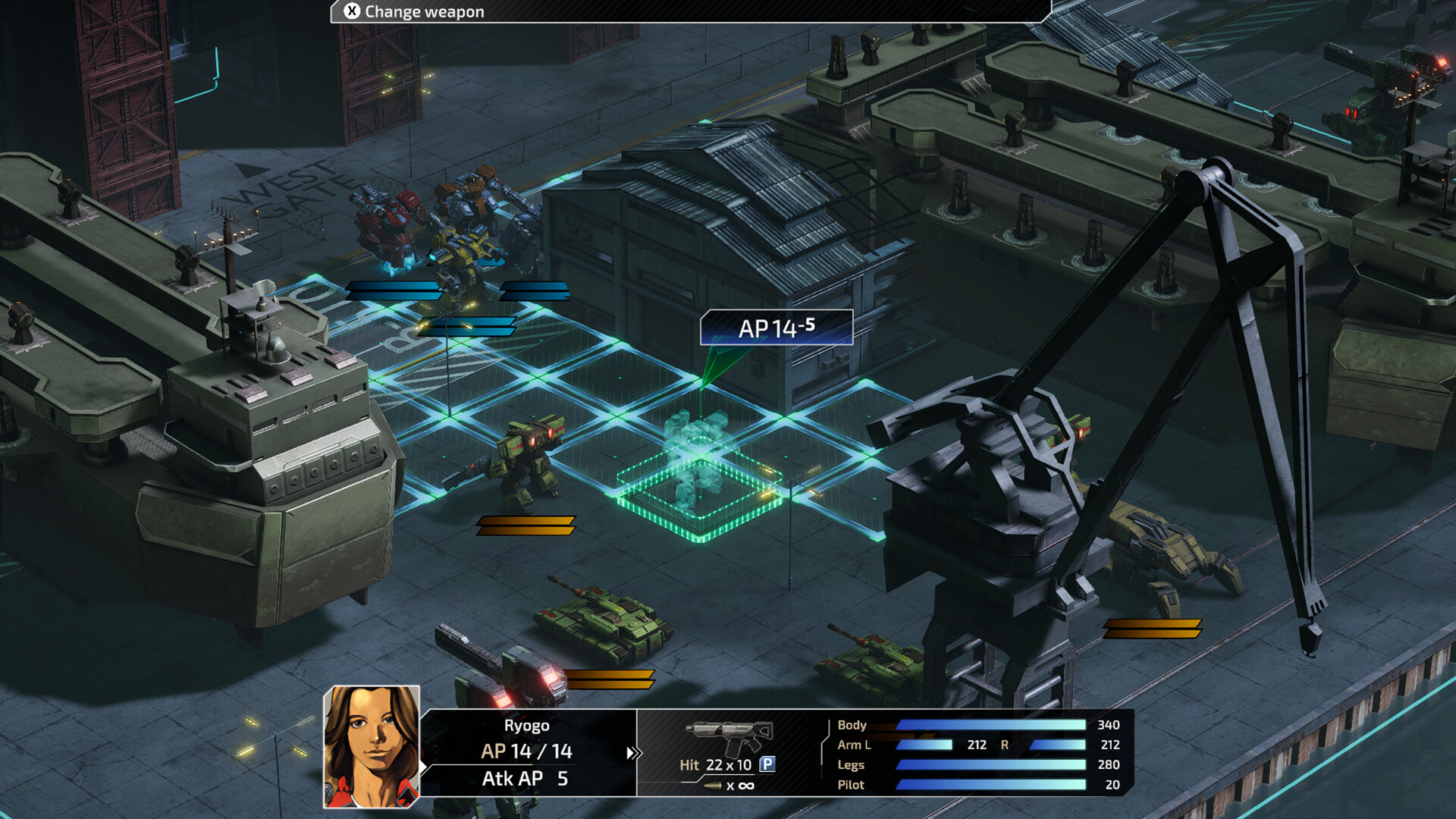
FRONT MISSION 3: RemakeImage: MegaPixel Studio S.A. via Steam -
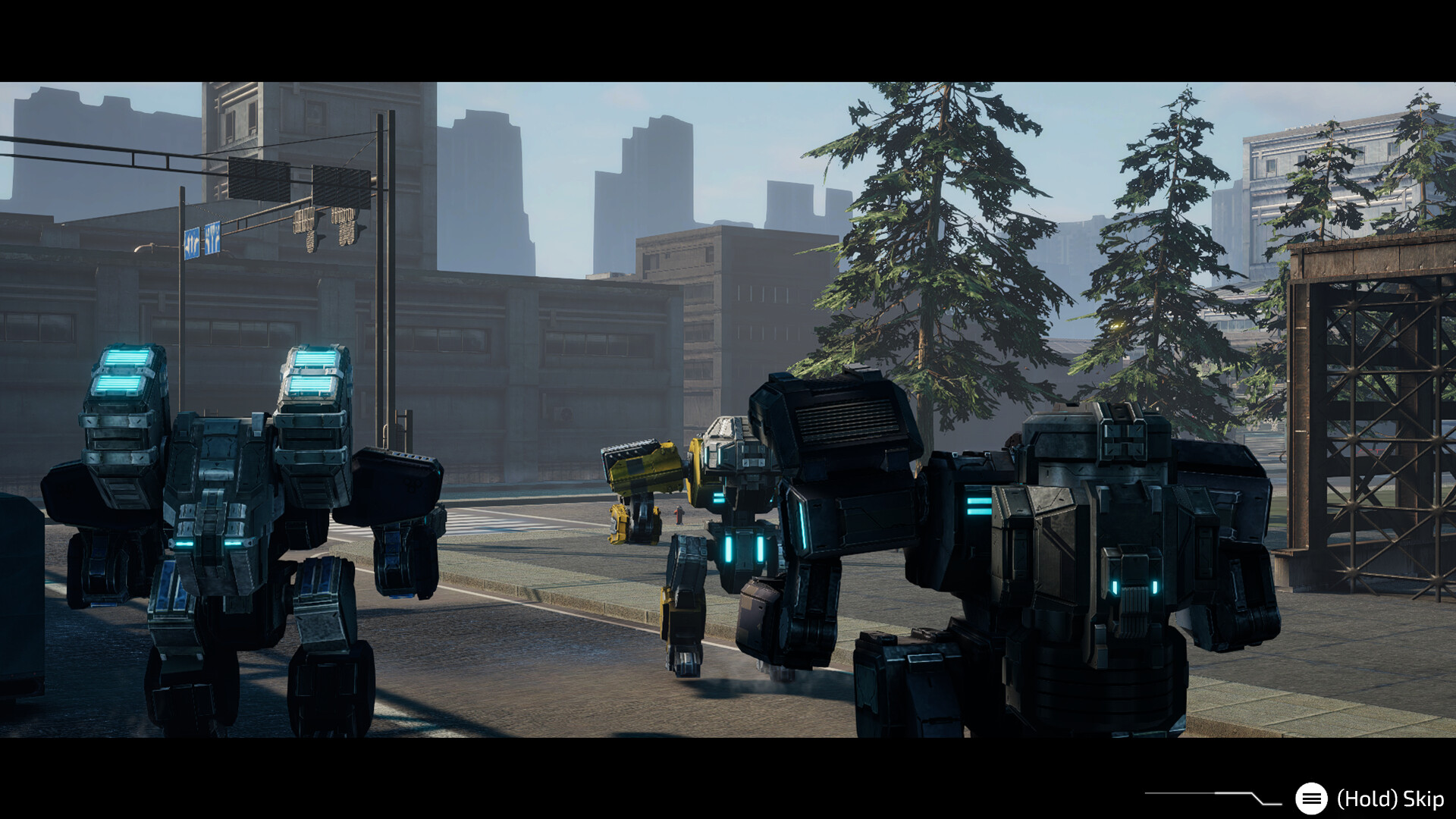
FRONT MISSION 3: RemakeImage: MegaPixel Studio S.A. via Steam