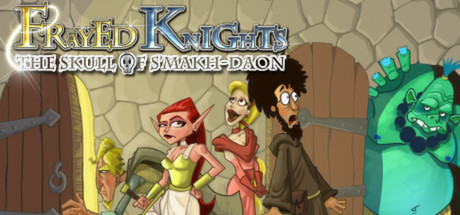
Game review
Frayed Knights: The Skull of S'makh-Daon
6.5 / 10
- Developer
- Rampant Games
- Publisher
- Rampant Games
- Released
- 28 September 2011
- Platforms
- Windows
- Genre
- Comedic CRPG
- Monetisation
- One-time premium purchase; no DLC, no in-app purchases
- Players
- Single-player only; no online, co-op or PvP modes
The short version
Frayed Knights sends a party of self-aware, jaded adventurers through a first-person, blob-style dungeon crawler in the tradition of Wizardry, Eye of the Beholder and Pools of Radiance, and reviewers consistently praise its writing as the real standout: genuinely funny dialogue that mocks the genre's own conventions rather than playing them straight. One reviewer, who discovered it as "a modern version of Pools of Radiance," specifically credits the developer with strong, sustained support.
The most detailed critical review in this small sample makes a precise, structural argument worth engaging directly: a "Drama star" system built specifically to discourage save-scumming also discourages ordinary, legitimate saving, meaning a fix for one problem introduced a new one. The same review adds a list of smaller, specific complaints — a town that takes too long to navigate for what it offers, underwhelming NPCs, and unclear perk descriptions — that together paint a game whose sharp writing outpaces some of its surrounding systems.
Biggest strengths
- Genuinely funny, well-regarded writing that reviewers consistently praise for mocking common CRPG tropes rather than repeating them earnestly
- An interesting, D&D-influenced combat system built around feats, skills and "metamagic" that reviewers say adds real tactical texture beyond simply attacking until an enemy dies
- A recognizable homage to specific, beloved genre touchstones (Pools of Radiance, Wizardry, Eye of the Beholder) that reviewers with real history in those games say lands accurately
Biggest weaknesses
- A detailed, structurally precise critique argues the game's "Drama star" system, built to discourage save-scumming, also discourages legitimate saving for other reasons — solving one problem by creating a related new one
- The same detailed review lists several smaller but specific complaints: a town that takes too long to navigate relative to what it offers, NPCs far less interesting than the player characters, and perk and upgrade effects that aren't clearly explained
- A separate reviewer reports specific item and spell description bugs, with certain effects described as "totally wrong" relative to what they actually do
Who it's for: Fans of old-school, first-person party-based CRPGs who want genuinely funny writing and don't mind dated, late-90s-tier visuals. Less suited to players who want modern production values or who dislike systems designed around limiting how freely they can save.
Our recommendation: A worthwhile purchase for old-school CRPG fans specifically drawn to genre-parody humor — just accept the dated presentation and the Drama star system's real friction going in.
6.5 / 10
Comedic takes on serious genres are a difficult balance to strike — lean too hard into the jokes and the underlying game stops mattering, lean too little and the humor feels bolted on. Frayed Knights sends a party of self-described misfits — jaded, unglamorous adventurers rather than storybook heroes — through a first-person, grid-based dungeon crawl clearly modeled on genre touchstones like Wizardry, Eye of the Beholder, and Pools of Radiance. One reviewer discovered it specifically through that last comparison, calling it "a modern version of Pools of Radiance," with "similar gameplay" and "more humor." That humor is where this small but detailed review sample consistently lands its strongest praise.
Writing that mocks the genre rather than just imitating it
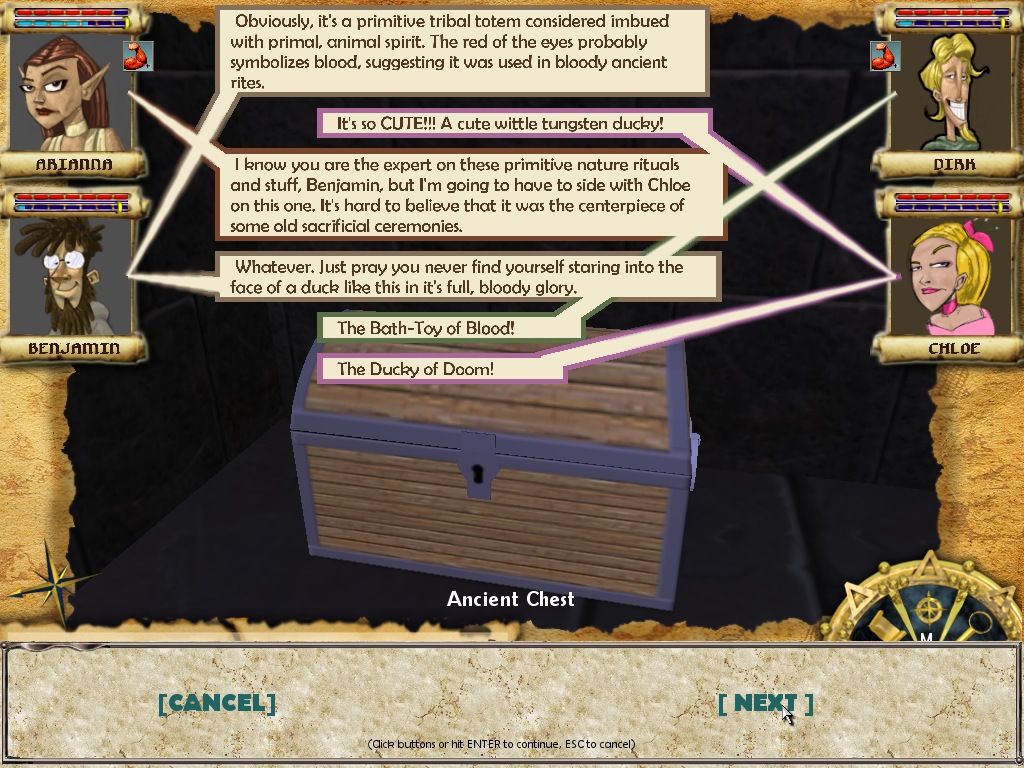
Reviewers who know the classic blobber-CRPG format well describe Frayed Knights as doing something more specific than nostalgia: "it not only takes itself lightly, it mocks some of the common tropes of the genre," one review states, going on to call the dialogue "hilarious and riveting." Another reviewer, more measured overall, still opens with unqualified praise: "genuinely funny dialogue and an interesting combat system." The combat itself draws real, specific credit too — built on D&D-influenced feats, skills and "metamagic" options that reviewers say add tactical texture beyond simple attrition, and a risk-reward loop around when to press deeper into a dungeon versus retreat to town that several reviewers describe as genuinely tense.
A precise, structural critique of the Drama star system
The most detailed review in this sample makes an argument worth engaging with directly rather than folding into generic complaint. Frayed Knights includes a "Drama star" system specifically designed to discourage save-scumming — reloading a save repeatedly to avoid bad outcomes. The problem, this reviewer argues, is that the same system "also misses the point of saving for reasons other than save scumming," concluding plainly: "In fixing one problem, they created another." That's a precise, mechanically literate critique of a specific design tradeoff, not a vague complaint about difficulty. The same review lists several further specific issues in quick succession: the game seems "deliberately designed to push you back to town on a regular basis," yet the town itself "takes too long to wander around it compared to the amount of stuff to do"; supporting NPCs are "nowhere near as interesting as the protagonist PCs"; and "the effects of many of the perks & upgrades are not well explained."
Specific technical rough edges
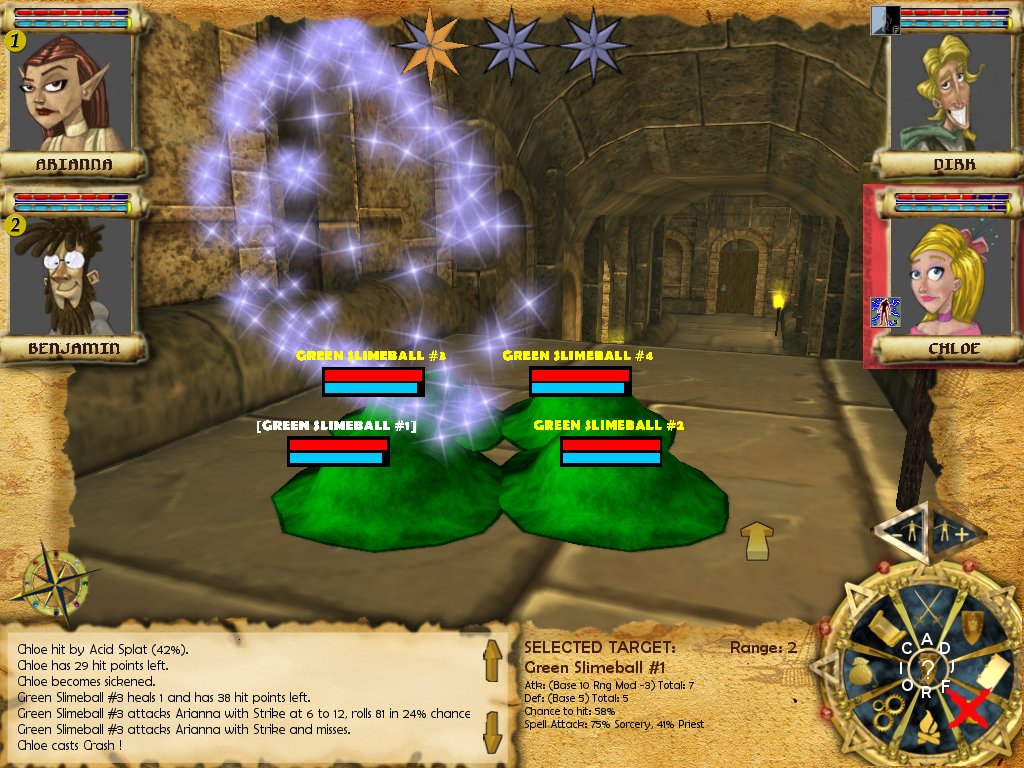
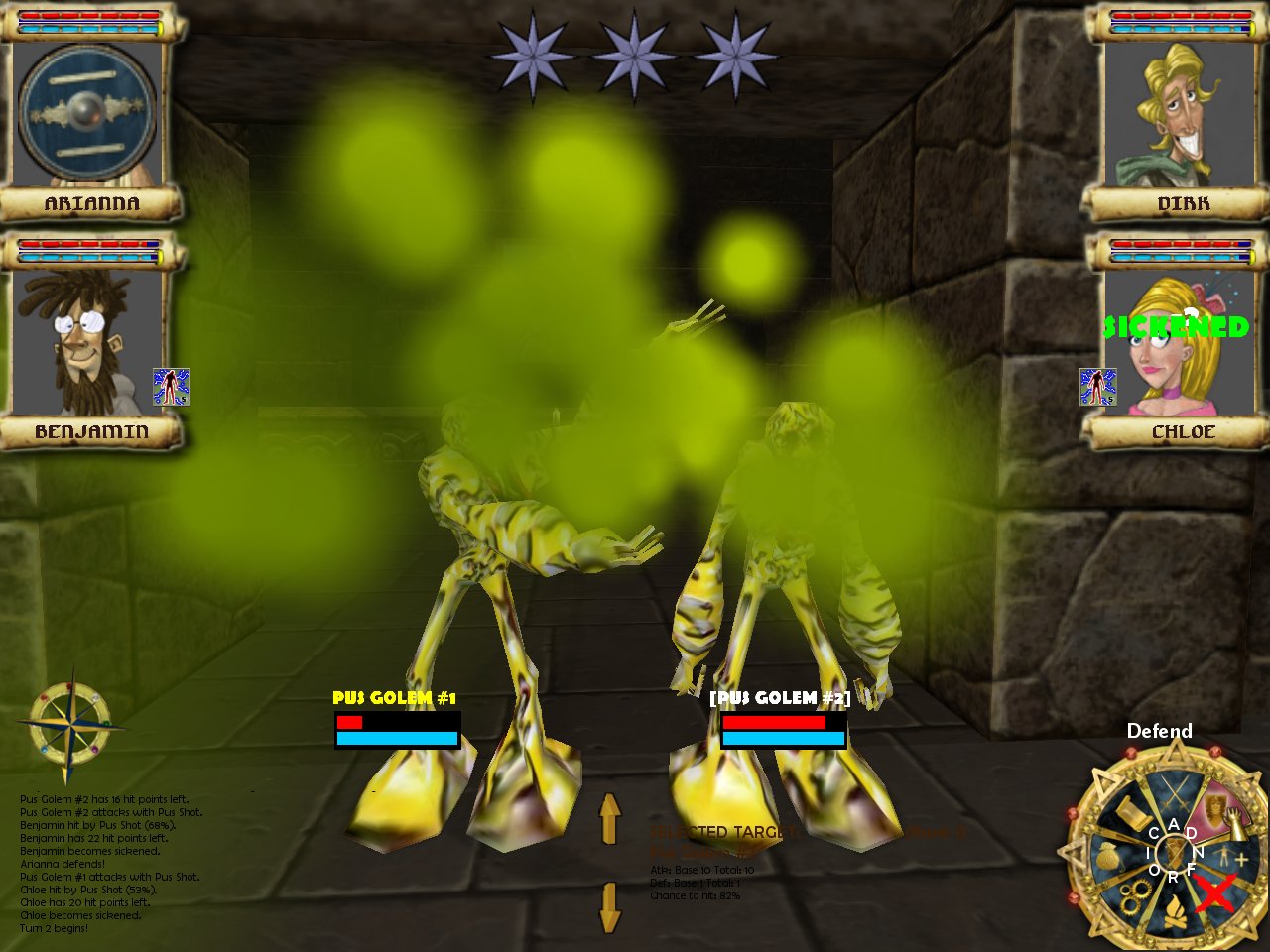
Beyond that structural critique, a separate detailed reviewer reports concrete bugs rather than vague dissatisfaction — certain item and spell descriptions are "totally wrong" relative to what they actually do in play, naming specific examples the reviewer encountered directly. A different reviewer flags a persistent UI annoyance: the mouse cursor automatically repositions itself to a default location whenever a menu opens, a small but "driving me up the wall" frustration reported early into their playtime. Visual presentation draws a consistent, honest assessment across the sample — "about on par with Might & Magic 6-8," in one reviewer's specific comparison, "mediocre by late 90s standards" even at the time of that game's own release, let alone by today's.
What the achievement curve shows
Steam's achievement data offers a useful independent read on how the game's difficulty actually plays out. Early milestones like reaching a first level-up sit around 40% of the tracked playerbase, but the curve declines from there in a way consistent with a genuinely demanding, old-school design — a "total party kill" achievement sits at over a quarter of the playerbase, suggesting the risk-reward tension reviewers describe around town retreats is a real, frequently encountered part of play rather than a rare edge case. That lines up with the game's own stated throwback ambitions: this isn't a game that shies away from the genre's traditionally punishing difficulty, and the data confirms most players who engage with it seriously do run into real consequences along the way.
A long life before it ever reached Steam
Worth noting for context: Frayed Knights was already a three-year-old, actively developed game by the time it reached Steam in 2014, having launched originally in 2011 through direct sale from developer Rampant Games. The Steam release itself came with dedicated developer blog posts covering the game's classic CRPG and tabletop origins and its approach to humor, suggesting a studio that cared about explaining its design choices to a new audience rather than simply porting the game over with no framing. That history is worth keeping in mind when weighing this small, mixed review sample against the game's much longer overall life and its dedicated original fanbase from before its Steam debut.
Where it lands
Frayed Knights earns real, specific praise for writing that genuinely lands as clever, self-aware genre parody rather than surface-level nostalgia, backed by a combat system reviewers say offers real tactical depth. The detailed critique of the Drama star system's unintended side effects, the reported item-description bugs, and the consistently acknowledged dated visuals are concrete enough to weigh seriously rather than dismiss as one small sample's outlier complaints. For old-school CRPG fans specifically drawn to sharp, self-mocking humor, this remains a worthwhile pickup — just go in with clear eyes about the friction sitting underneath the jokes. This is a small, independently made game with real, well-documented history behind it, and its most engaged reviewers clearly value what it's trying to do even where they're willing to name exactly where it falls short.
Pros and cons
Pros
- Genuinely funny, well-regarded writing that reviewers consistently praise for mocking common CRPG tropes rather than repeating them earnestly
- An interesting, D&D-influenced combat system built around feats, skills and "metamagic" that reviewers say adds real tactical texture beyond simply attacking until an enemy dies
- A recognizable homage to specific, beloved genre touchstones (Pools of Radiance, Wizardry, Eye of the Beholder) that reviewers with real history in those games say lands accurately
- Handmade, distinctive environments that reviewers credit with making exploration feel like a real adventure rather than repeated dungeon tiles
- A genuine sense of risk-and-reward pacing, with reviewers describing real tension around when to push deeper versus retreat to town
Cons
- A detailed, structurally precise critique argues the game's "Drama star" system, built to discourage save-scumming, also discourages legitimate saving for other reasons — solving one problem by creating a related new one
- The same detailed review lists several smaller but specific complaints: a town that takes too long to navigate relative to what it offers, NPCs far less interesting than the player characters, and perk and upgrade effects that aren't clearly explained
- A separate reviewer reports specific item and spell description bugs, with certain effects described as "totally wrong" relative to what they actually do
- Visual presentation is consistently described as dated, on par with late-1990s CRPGs like Might & Magic 6-8, which several reviewers say they can look past but flag directly for anyone expecting modern graphics
- A specific UI complaint recurs: the mouse cursor automatically jumps to a default position when opening menus, described by one reviewer as actively frustrating during play
Screenshots
-
Frayed Knights The Skull of S'makh-DaonImage: Rampant Games via Steam -
Frayed Knights The Skull of S'makh-DaonImage: Rampant Games via Steam -
Frayed Knights The Skull of S'makh-DaonImage: Rampant Games via Steam -
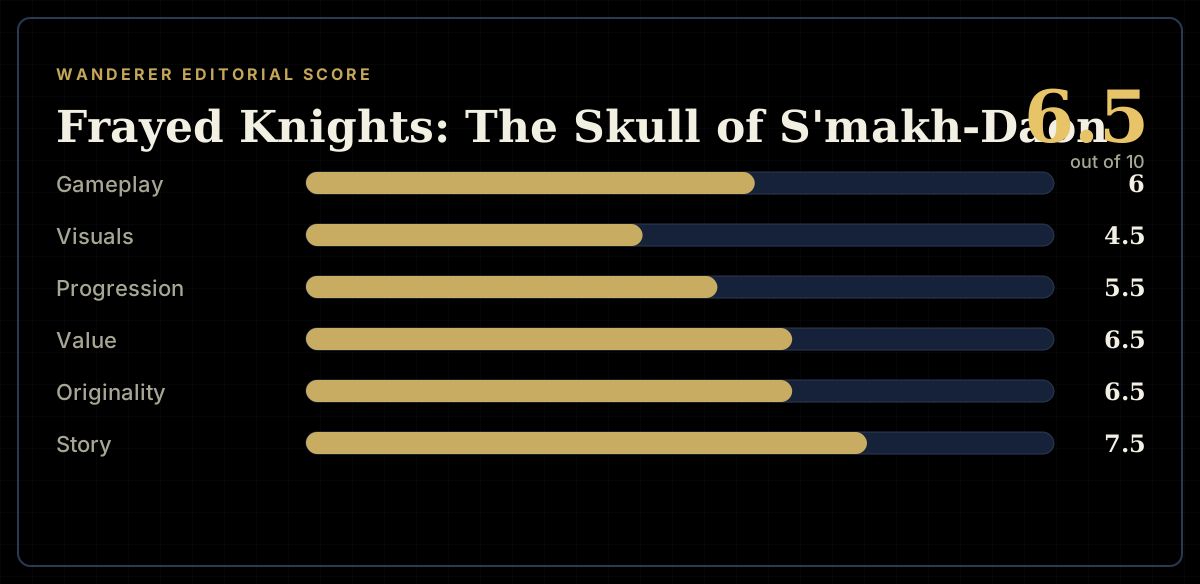
How the review scores each part of the gameWanderer Editorial -
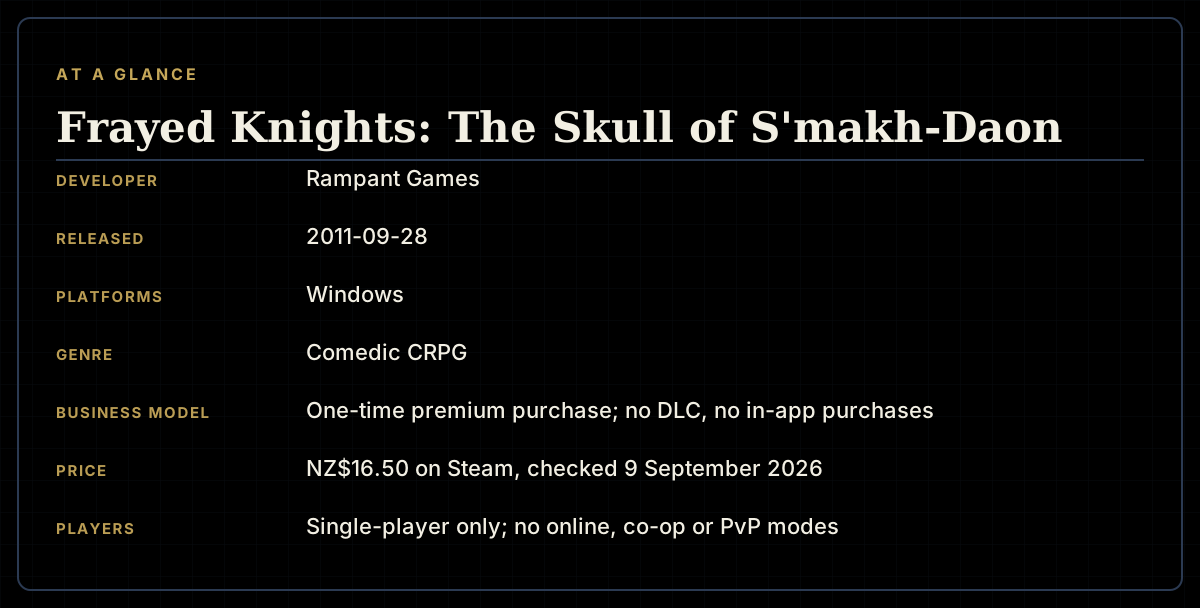
The specsWanderer Editorial -
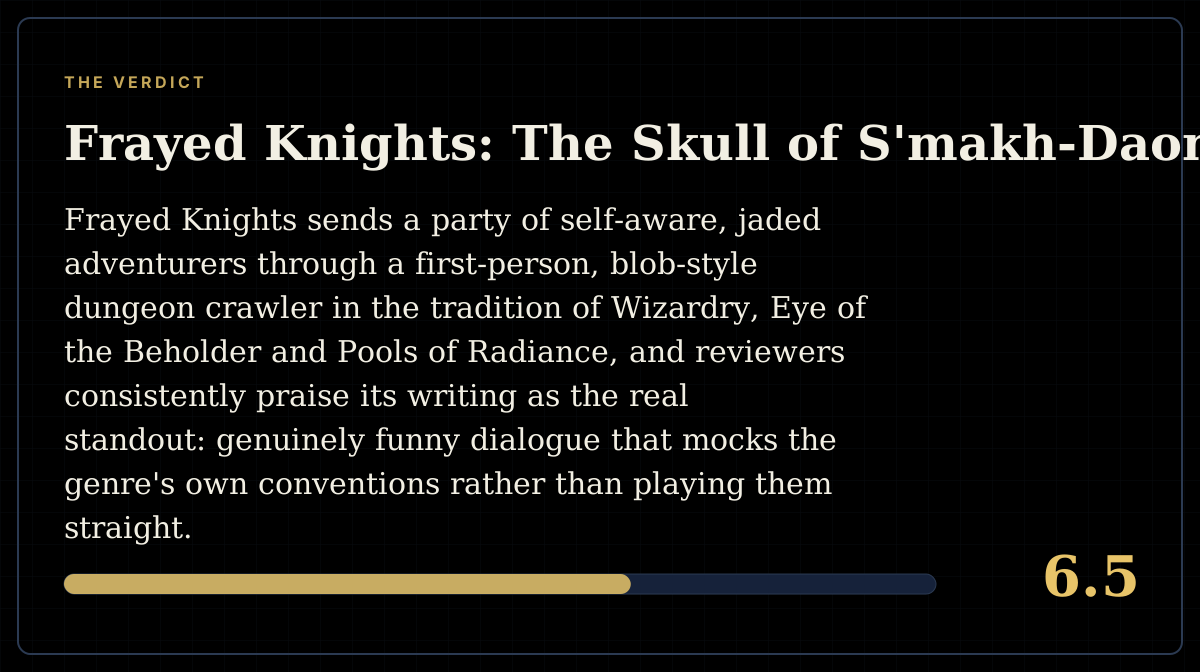
The short versionWanderer Editorial