Game review
Fights in Tight Spaces
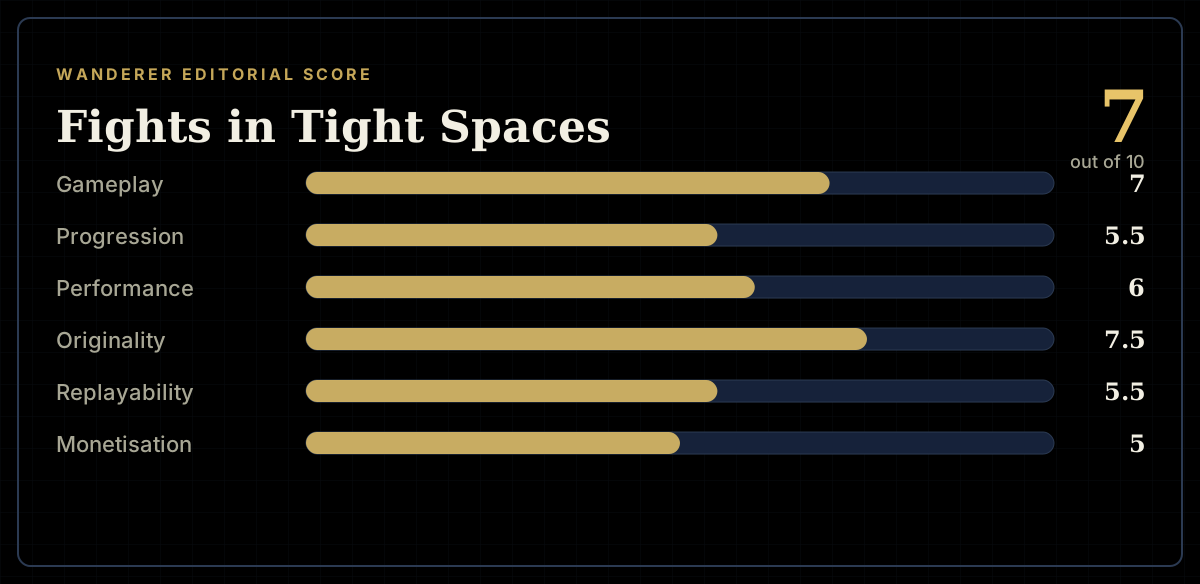
7 / 10
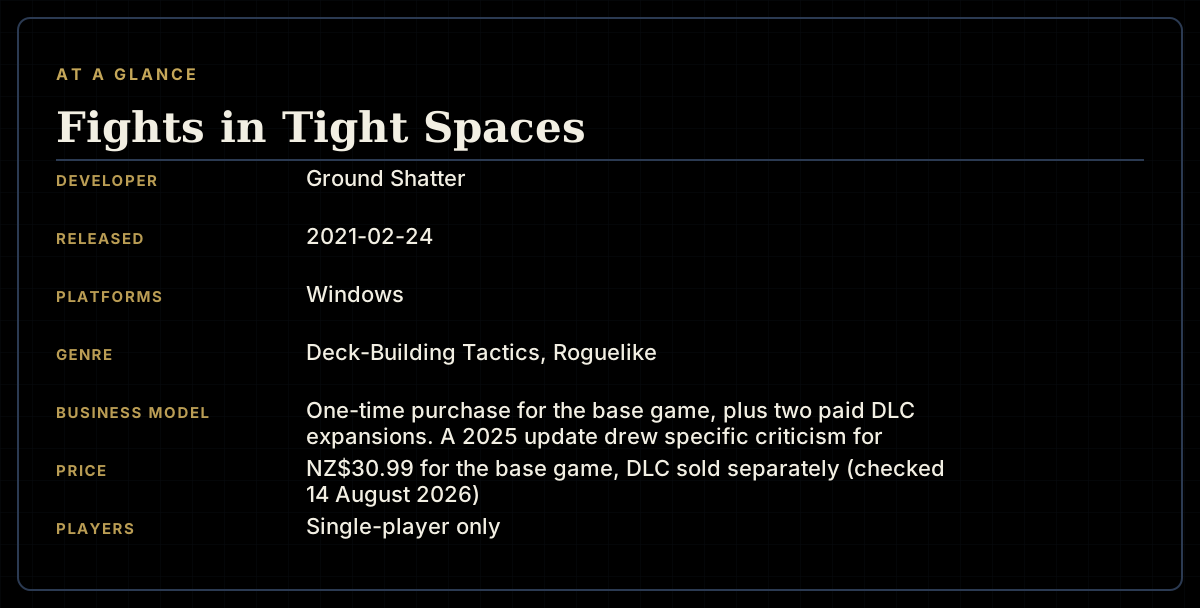
- Developer
- Ground Shatter
- Publisher
- Balor Games
- Released
- 24 February 2021
- Platforms
- Windows
- Genre
- Deck-Building Tactics, Roguelike
- Monetisation
- One-time purchase for the base game, plus two paid DLC expansions. A 2025 update drew specific criticism for adding DLC-linked content players couldn't disable without owning the DLC.
- Players
- Single-player only
The short version
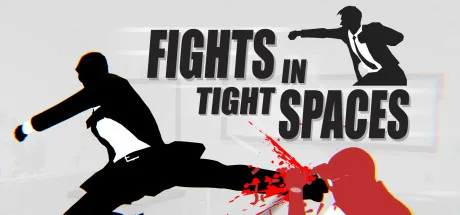
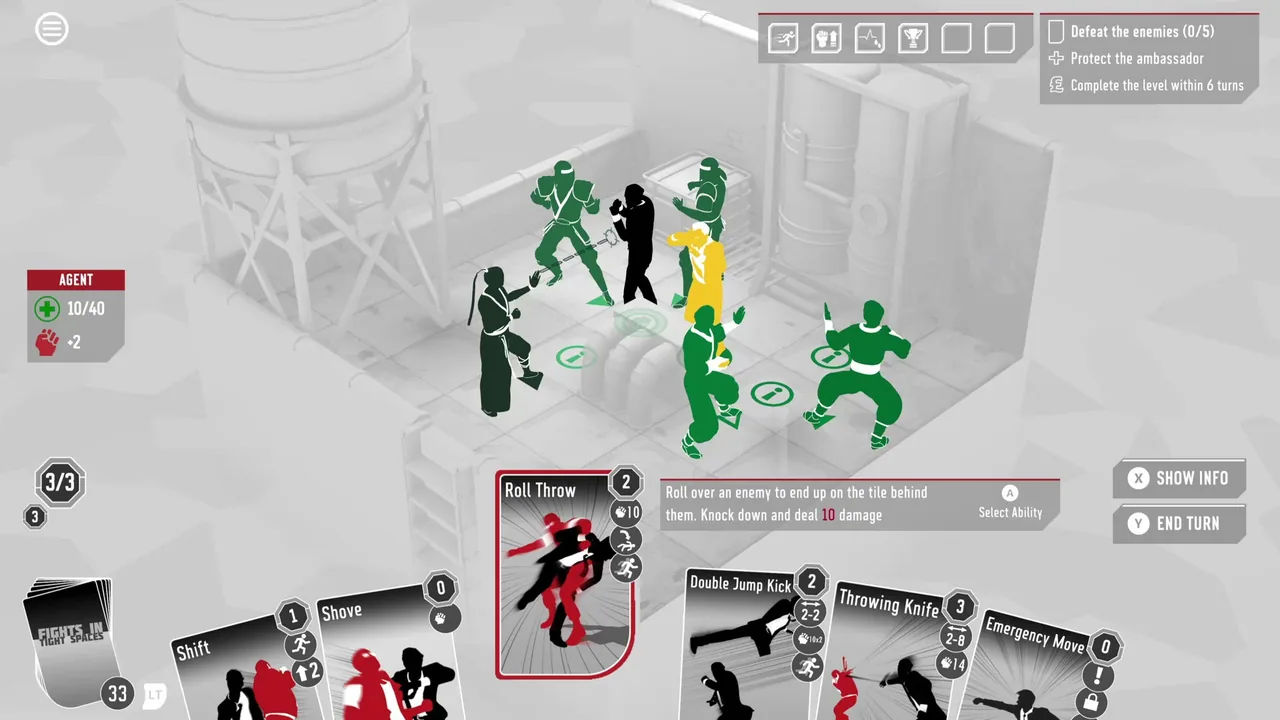
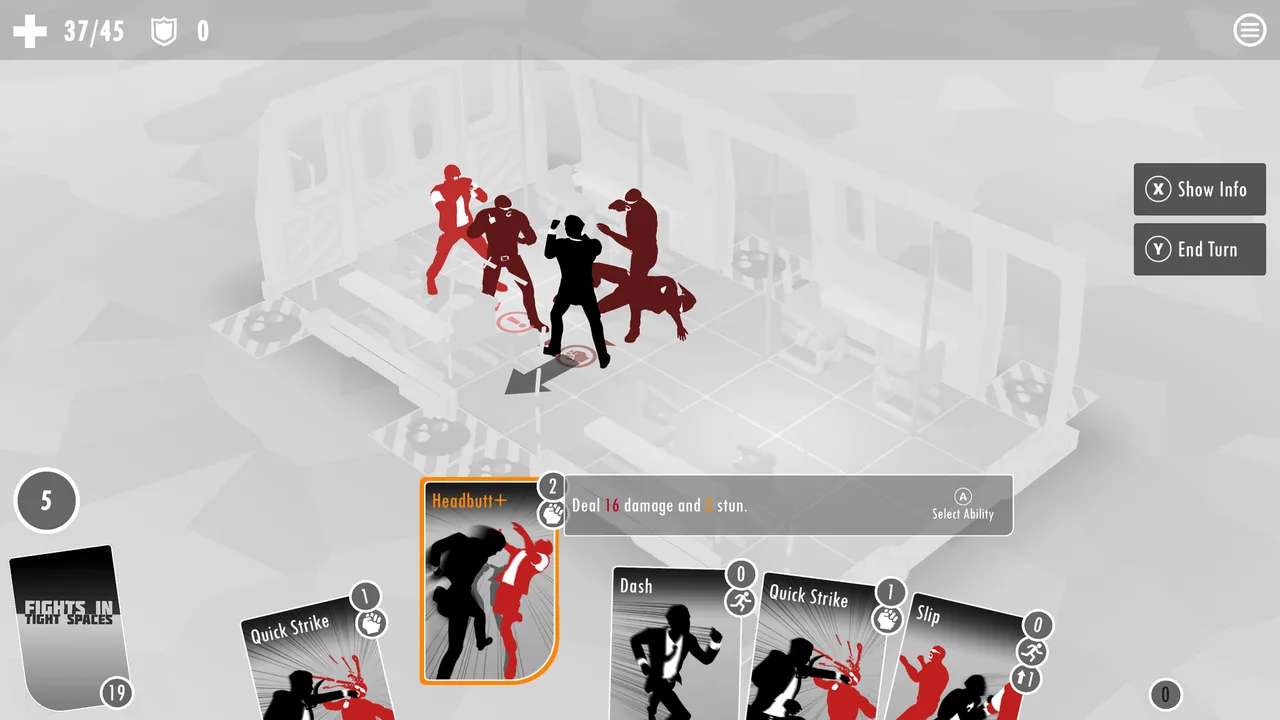
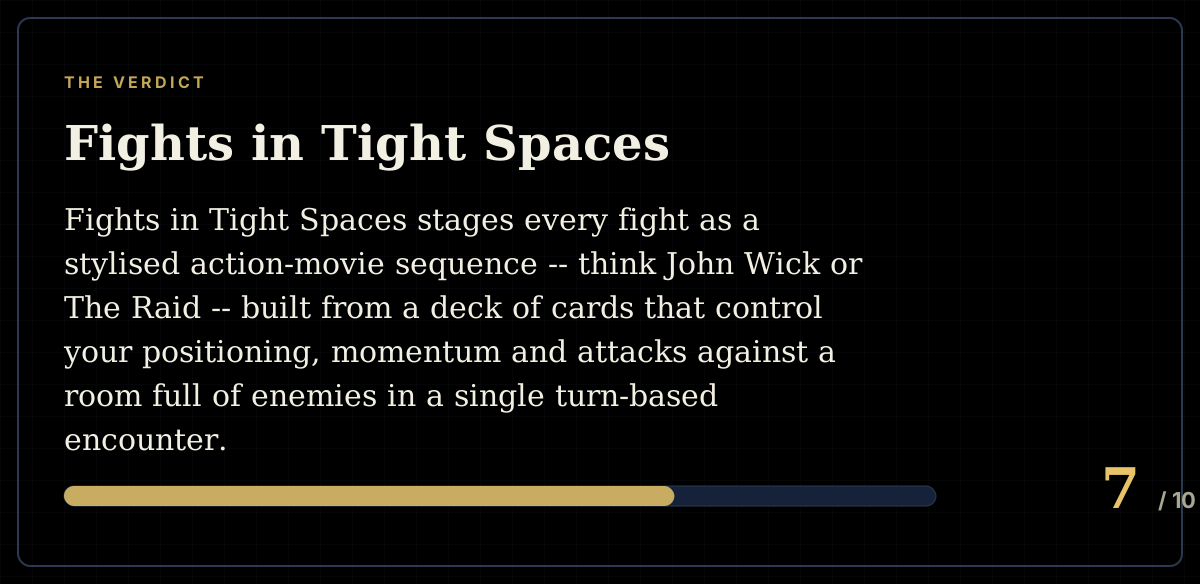
Fights in Tight Spaces stages every fight as a stylised action-movie sequence -- think John Wick or The Raid -- built from a deck of cards that control your positioning, momentum and attacks against a room full of enemies in a single turn-based encounter. It entered Early Access on 24 February 2021 and left it that December, and sits today at Very Positive, roughly 90% of 3,917 Steam reviews, on the strength of its genuinely novel premise.
The negative sample converges on two separate, specific complaints. The first, present since launch, is balance and replayability: reviewers who've played the genre's giants -- Slay the Spire, Monster Train -- consistently say Fights in Tight Spaces doesn't offer comparable build diversity between runs, and several describe RNG spikes that can end a run through no real player mistake. The second, more recent, is a 2025 update that added DLC-linked content players couldn't turn off without buying the DLC -- a specific monetisation grievance from some of the game's most invested players, several with 300-500-plus hours logged.
Biggest strengths
- A genuinely original hybrid concept -- deck-building combined with grid-based tactical positioning, staged as stylised action-movie fight choreography -- that reviewers consistently credit even when critical of the execution
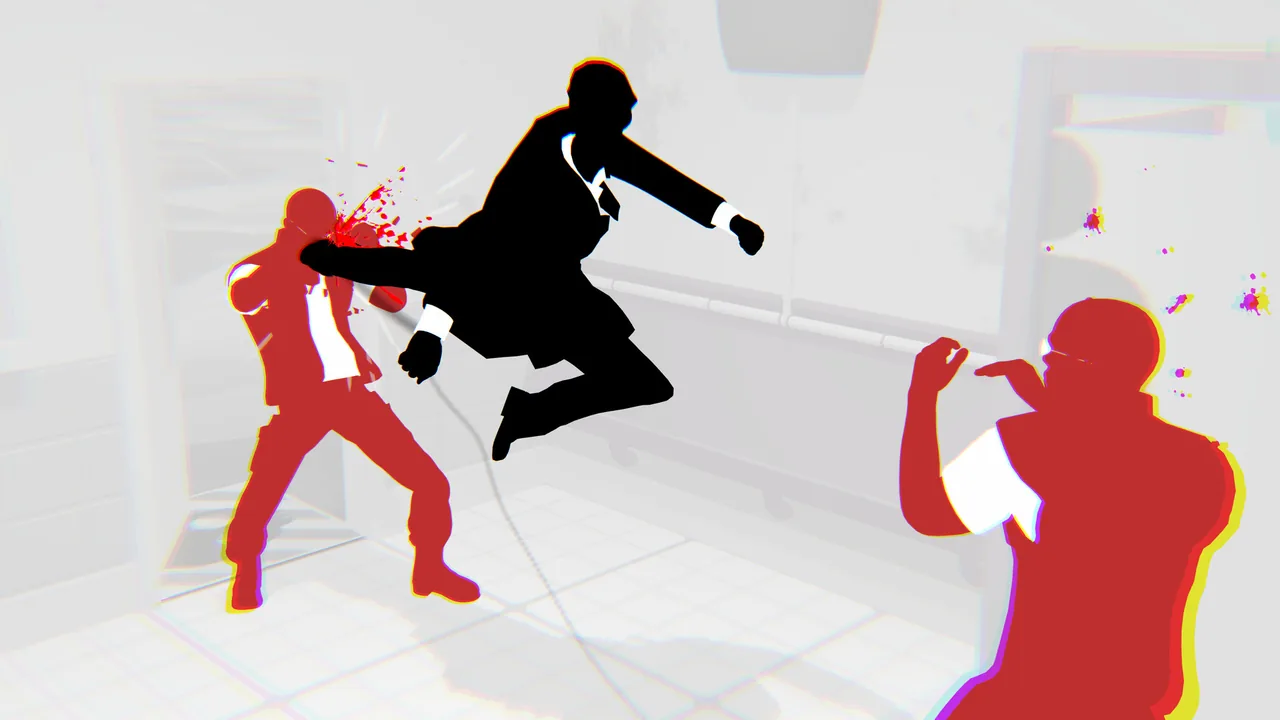
- Strong presentation: sleek minimalist visual style, a well-liked soundtrack, and satisfying animated fight sequences that sell the action-movie premise
- A genuine hardcore fanbase with real staying power -- several reviews in the sample log 300 to over 500 hours, describing the core loop as something they returned to for years
Biggest weaknesses
- A consistent complaint, present since launch, that runs don't diversify as much as genre touchstones like Slay the Spire or Monster Train -- starter decks and card pools overlap heavily run to run, and several reviewers say that undercuts the replayability a roguelike needs
- RNG and difficulty balance draw sustained criticism, especially in the late game, where several reviewers describe encounters that feel like unwinnable "death spirals" regardless of skill
- A specific 2025 monetisation complaint from long-time players: an update added DLC-linked content to the base experience that couldn't be disabled without purchasing the DLC
Who it's for: Tactics and deck-building fans who want a genuinely fresh hybrid concept and don't need the build diversity of the genre's most replayed titles. Less suited to players who want Slay the Spire-level run-to-run variety, or who are sensitive to DLC-adjacent monetisation friction in an otherwise premium, one-time-purchase game.
Our recommendation: Worth playing for a concept nothing else in the genre quite matches -- turning tactical positioning and card-based combat into choreographed action-movie sequences -- with realistic expectations about run variety and difficulty spikes late in the campaign. Check recent reviews before buying the DLC specifically, given the 2025 complaint about content being pushed into the base game behind a paywall.
7 / 10
Fights in Tight Spaces stages every fight as a piece of choreographed action-movie violence — think John Wick or The Raid — built entirely from a deck of cards that dictate your positioning, momentum and attacks against a room full of armed opponents in a single turn-based encounter. Developed by Ground Shatter, it entered Steam Early Access on 24 February 2021 and left it for a full 1.0 release that December. Five years on, it sits at Very Positive, roughly 90% of 3,917 total reviews, a strong standing built on a genre hybrid reviewers consistently describe as something they haven't quite seen executed this way before.
A genuinely novel concept, well-liked on its own terms
The core loop draws real, specific praise across the review sample: rather than a straightforward deck-builder or a straightforward tactics game, Fights in Tight Spaces fuses the two — cards determine not just damage but positioning, pushing enemies into hazards or off ledges, chaining moves together into single-turn combos that play out as slick animated sequences. "A mixture of card and tactical strategy wrapped in a roguelike shell with a compelling theme. Great mechanics, stylized visuals, flowy soundtrack, and enemy variety," reads a representative 2026 review. Several long-time players describe genuine, sustained obsession with the core loop — one review logging over 500 hours calls the underlying game "actually really good," and another with 319 hours describes becoming "low-key OBSESSED" after discovering it during a broader roguelike binge that included Hades and Slay the Spire.
The comparison to Slay the Spire that keeps coming up
Set against that praise, the most consistent complaint across the negative sample is one of comparison: reviewers who've spent real time with the genre's most replayed titles — Slay the Spire and Monster Train specifically — describe Fights in Tight Spaces as falling short on run-to-run variety. "There isn't enough systems in place to justify more than one playthrough, unlike STS or Monster Train. Starter decks don't vastly change gameplay because you have access to all cards on every run, there's no different [starting conditions]," reads one review. This complaint recurs independently across the sample from launch week through recent years, and it's specific rather than vague — it isn't that the deck-building is bad, reviewers consistently say, it's that successive runs don't feel meaningfully different from each other the way the genre's best examples manage.
A related complaint concerns balance and difficulty, especially in the back half of runs. "The basic idea is sound for the first four levels and then on the final board the fun murder just begins and doesn't let up until the end. Every enemy is a hit point sink, every enemy does an absurd amount of damage," reads one review. A more recent 2026 review makes a similar point about difficulty spikes feeling less like a fair challenge and more like enforced randomness: "Especially on higher difficulties you need to play perfectly, but the game has apparently zero balance. You can enter death spirals on runs where you know you're not winning." The achievement data supports how steep this curve gets — a median completion rate of just 3.3% across 70 achievements, notably lower than several other genre titles, consistent with a game that a real core audience masters deeply while a much larger share bounces off well before the hardest content.
A specific, recent monetisation complaint
The most notable recent thread in the review sample, distinct from the balance and replayability complaints that have followed the game since launch, is a 2025 grievance from some of the game's most invested long-time players. "Recently, they've added (poor, annoying) content from a DLC to the game which you can't disable without first buying the DLC. In other words, they've made the game worse and you need to shell out [more money] to get back to the experience you already paid for," reads a 525-hour review from December 2025. The achievement data offers indirect corroboration that the DLC content itself has landed poorly regardless: DLC-specific achievements sit at or near 0.0-0.1% completion, an unusually low figure even by this game's already steep curve, suggesting very few players engage with the paid expansion content at all. This is worth flagging specifically to anyone considering the DLC: the complaint isn't about the base game's price or design, it's a specific, recent decision that affected existing owners of a game they'd already paid for once.
How it has aged
Fights in Tight Spaces' core reputation has held steady since its Early Access days — the specific balance and replayability complaints in the sample read almost identically whether written in 2021 or 2026, suggesting the fundamental design tension between "tightly authored, stylish encounters" and "genre-standard run variety" was never fully resolved across years of updates. What has changed is a fresh, more concrete grievance from the game's most dedicated fans about how its DLC has been integrated into the base experience — a different kind of complaint from a design debate, and one worth taking seriously given it comes specifically from reviewers with hundreds of hours of investment rather than newcomers bouncing off the concept.
7 out of 10. Fights in Tight Spaces remains a genuinely original, stylish hybrid that earns its Very Positive standing through a concept few other games have attempted this way — even if it never quite matches the genre's best examples for run-to-run variety, and even if a recent DLC-integration decision has given some of its most loyal players real reason for complaint. Play it for the fight choreography and tactical puzzle-solving it does well, keep expectations realistic about replayability against the genre's biggest names, and read recent reviews before buying into the DLC.
Pros and cons
Pros
- A genuinely original hybrid concept -- deck-building combined with grid-based tactical positioning, staged as stylised action-movie fight choreography -- that reviewers consistently credit even when critical of the execution
- Strong presentation: sleek minimalist visual style, a well-liked soundtrack, and satisfying animated fight sequences that sell the action-movie premise
- A genuine hardcore fanbase with real staying power -- several reviews in the sample log 300 to over 500 hours, describing the core loop as something they returned to for years
- Meaningful difficulty options and challenge modes that reward mastering the tactical positioning system once its mechanics click
Cons
- A consistent complaint, present since launch, that runs don't diversify as much as genre touchstones like Slay the Spire or Monster Train -- starter decks and card pools overlap heavily run to run, and several reviewers say that undercuts the replayability a roguelike needs
- RNG and difficulty balance draw sustained criticism, especially in the late game, where several reviewers describe encounters that feel like unwinnable "death spirals" regardless of skill
- A specific 2025 monetisation complaint from long-time players: an update added DLC-linked content to the base experience that couldn't be disabled without purchasing the DLC
- A steep achievement completion curve -- a median of just 3.3% across 70 achievements, with DLC- specific achievements sitting near 0% -- suggesting most buyers don't push far into the harder or paid content
Screenshots
-
Fights in Tight SpacesImage: Balor Games via Steam -
Fights in Tight SpacesImage: Balor Games via Steam -
Fights in Tight SpacesImage: Balor Games via Steam -
How the review scores each part of the gameWanderer Editorial -
The essentialsWanderer Editorial -
The short versionWanderer Editorial