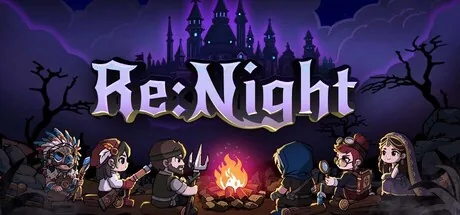
Game review
Re:Night
7.5 / 10
- Developer
- Seahorse Games
- Publisher
- HARRISONWORLD CO.,LTD
- Released
- 4 August 2026
- Platforms
- Windows, macOS
- Genre
- Strategy
- Monetisation
- One-time purchase, no in-game store, no IAP
- Players
- None; fully single-player
The short version
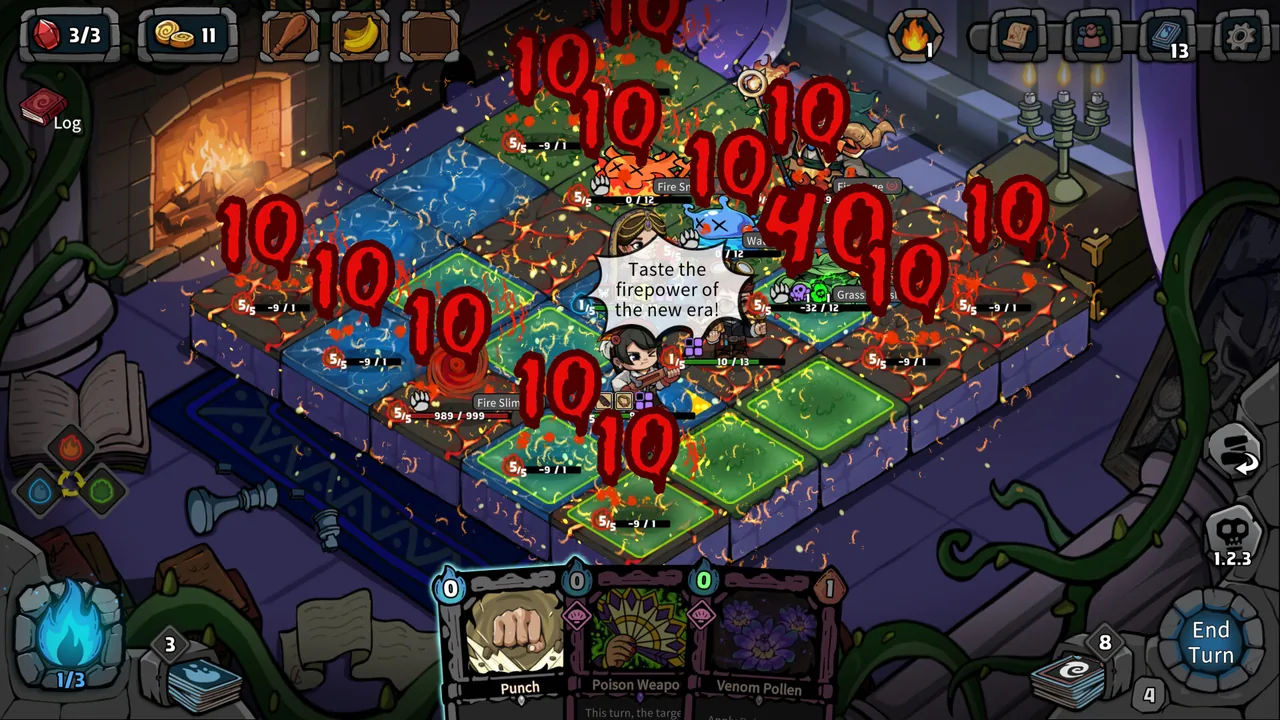
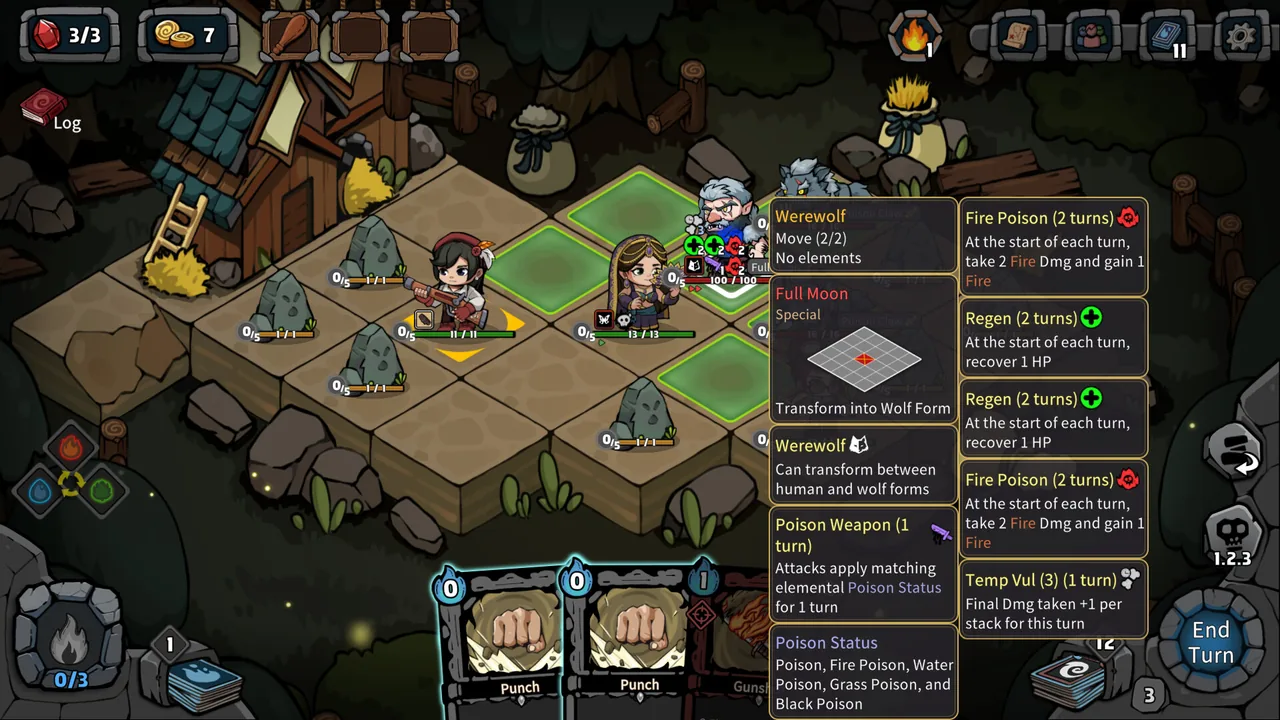
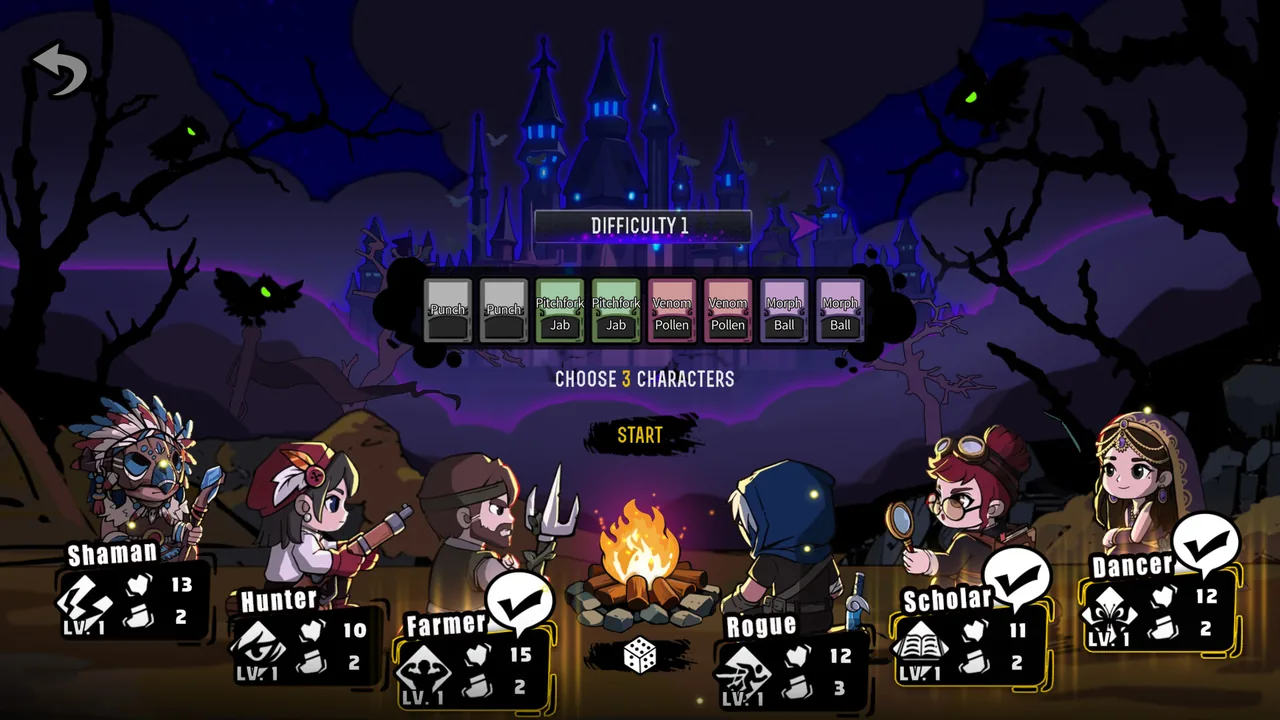
Re:Night fuses turn-based tactics with roguelike deckbuilding: pick three characters, manage their frontline and backline positions, and exploit a fire/water/grass elemental counter system while building a run's deck out of a pool of over 300 cards and 200 pieces of equipment. It launched to a genuinely tiny review sample — twelve to fourteen reviews depending on how Steam counts them, every single one written in a language other than English, almost entirely Simplified Chinese.
This review translated and read all of them in full rather than relying on the aggregate score, and the praise is detailed and consistent: reviewers single out how tightly positioning, elemental counters, and turn order interact, and repeatedly call out a generous rewind/undo system that lets players freely experiment without punishing mistakes. The most substantive complaint is just as specific — one reviewer's frustration with shop refreshes offering nothing but unusable cards, naming Slay the Spire 2 and Hearthstone as examples of the kind of curated shop design they'd rather see.
Biggest strengths
- A tactics/deckbuilding fusion reviewers repeatedly describe as more than the sum of its parts — positioning, elemental counters, and turn order are described as tightly interwoven rather than bolted together
- A genuinely generous rewind system, letting players undo their last move or restart an entire battle at will, singled out by multiple reviewers as the standout quality-of-life feature and central to how comfortable the game is to experiment in
- Real content depth for the price: over 300 cards and 200 pieces of equipment, with reviewers noting any combination of three characters produces meaningfully different runs
Biggest weaknesses
- A specific, credible complaint from one reviewer: shop refreshes can offer three unusable cards with no way to influence the pool, with the reviewer explicitly wishing for a more curated system closer to Slay the Spire 2 or Hearthstone
- English localization is present but at least one French-language reviewer found the experience difficult to invest in without a native-language option and is waiting for further localization
- Widely described as hardcore, with a noticeably steep early barrier to entry; multiple reviewers frame it as a niche title that rewards persistence rather than an easy pick-up
Who it's for: Fans of tactical roguelike deckbuilders — Into the Breach, Slay the Spire, or Monster Train players specifically — who don't mind a hardcore difficulty curve and are comfortable playing a game with no English-language review community yet to lean on.
Our recommendation: A cautious but genuine recommendation for tactics and deckbuilding fans — the systems this review's translated sample describes sound deep and well-considered, but go in aware that its review base is currently tiny and almost entirely non-English, so there's very little English-speaking community feedback to check against yet.
7.5 / 10
Tactics games and deckbuilding roguelikes each have crowded, well-defined audiences, and combining them well is harder than it sounds — get the balance wrong and one system swallows the other. Re:Night, a Kickstarter-funded release from Seahorse Games, launched on 4 August to a genuinely tiny review sample: a dozen-plus reviews, nearly all of them written in Simplified Chinese, with a single French review alongside them. This review translated and read every one of them in full rather than leaning on the raw "Positive" label, because with a sample this small and this far outside the usual English-language review pool, the detail underneath the score matters more than usual.
A fusion reviewers say actually fuses
The most detailed review in the sample makes the case directly. Translated: "Tactics plus roguelike deckbuilding — this combination really is fresh. What makes this game so addictive is that it doesn't just stitch the two genres together — frontline-backline positioning, the fire/water/grass elemental counter system, and the three characters' turn order are all woven into one thread. Getting flanked and taking a critical hit by accident, versus a carefully calculated one-shot counter-kill, are completely different experiences." The same reviewer praises the card pool directly: "300-plus cards paired with 200-plus pieces of equipment, and grabbing any three characters lets you cook up plenty of variety."
A separate, shorter review backs up the systems-interaction point from a different angle, translated: "This should count as one of the more promising tactical roguelikes this year. The balance is solid: the elemental system is simple and easy to understand for players with some roguelike-deckbuilder experience already, and the tactics side isn't too difficult either. The rich variety of cards and formation strategies lets you keep trying new builds — whether chasing burst-damage clears or a tanky sustained-damage lineup — without locking you into one archetype."
The feature reviewers keep bringing up unprompted
If there's one system this small sample agrees on above all else, it's the rewind function. "This game has a particularly player-friendly design: you can undo your last move at any time, or even restart the whole battle. This means you can experiment freely with no fear of mistakes, working out the optimal solution repeatedly — extremely comfortable for strategy players," reads the same detailed review quoted above. A separate, much shorter review makes the same point almost as a joke, translated: "The thing I click most isn't playing cards or moving characters — it's the undo button." Read together with the game's acknowledged hardcore difficulty, the rewind system reads less like a crutch and more like a deliberate design choice to let a genuinely difficult tactics layer stay fair.
A specific, well-argued complaint
The sharpest criticism in the sample is worth quoting in full for how precise it is, translated: "Every time I hit a shop refresh that shows three unusable cards, I want to swear — such a letdown after getting my hopes up. Could you look at Slay the Spire 2 or Hearthstone for a more curated system instead?" That's a real, specific design complaint from a reviewer clearly familiar with how other deckbuilders handle shop randomness, not a vague dissatisfaction — and it's worth passing on plainly to anyone considering the game, since shop RNG frustration in a card-based roguelike tends to compound the longer a run goes.
Difficulty comes up often enough to be treated as a real, consistent trait rather than one reviewer's experience. "The game overall leans difficult, there are lots of cards, and the playstyle combinations are rich. This game is destined to be a niche title, but it's a genuine gem worth playing within niche games," reads one early review from someone who had already played the demo and closed playtest. Another, after an afternoon session: "The biggest thing I noticed is that once one of your three characters dies, things get noticeably harder to manage — especially if a positional role dies, since damage output basically gets cut in half. Positioning really matters."
A language gap worth naming directly
One review in this small sample isn't Chinese at all, and it flags something worth taking seriously: a French-language reviewer, translated, writes: "Honestly not bad, but clearly complicated when you don't speak English well. I'd rather wait for a French version before really investing in this game." The store page lists English, Simplified Chinese, Traditional Chinese, and Japanese support — no French yet — and this reviewer's hesitation is a useful, concrete data point for any non-English, non-Chinese-speaking buyer weighing whether the current localization is enough to get a tactics game's systems across clearly.
Final verdict
Re:Night's launch sample is too small to draw sweeping conclusions from, and this review won't pretend otherwise — but reading it in full rather than trusting a single aggregate number turned up a genuinely coherent picture: a tactics-deckbuilding fusion multiple reviewers independently describe as tightly interwoven rather than bolted together, a rewind system that turns a hardcore difficulty curve into something reviewers call comfortable to learn from, real content depth for the price, and one specific, credible complaint about shop randomness that's worth knowing before a long run gets ruined by it.
Recommended for tactics and deckbuilding fans specifically, with the honest caveat that its English-language review community barely exists yet — this is a game worth checking back on in a few weeks once more English-speaking players have weighed in.
Players who want that same sense of a deep, interlocking system worth taking the time to master, built on a world designed to reward mastery over the long term rather than a single run, may also want to look at Wanderer.
Pros and cons
Pros
- A tactics/deckbuilding fusion reviewers repeatedly describe as more than the sum of its parts — positioning, elemental counters, and turn order are described as tightly interwoven rather than bolted together
- A genuinely generous rewind system, letting players undo their last move or restart an entire battle at will, singled out by multiple reviewers as the standout quality-of-life feature and central to how comfortable the game is to experiment in
- Real content depth for the price: over 300 cards and 200 pieces of equipment, with reviewers noting any combination of three characters produces meaningfully different runs
- A Kickstarter-backed, multi-playtest development history (closed playtests, leaderboard challenges, convention showings at BitSummit and ChinaJoy) suggesting real pre-launch iteration rather than a rushed release
- Praised balance from at least one detailed reviewer, who calls the elemental system easy to learn for experienced roguelike deckbuilders while still supporting multiple viable playstyles
Cons
- A specific, credible complaint from one reviewer: shop refreshes can offer three unusable cards with no way to influence the pool, with the reviewer explicitly wishing for a more curated system closer to Slay the Spire 2 or Hearthstone
- English localization is present but at least one French-language reviewer found the experience difficult to invest in without a native-language option and is waiting for further localization
- Widely described as hardcore, with a noticeably steep early barrier to entry; multiple reviewers frame it as a niche title that rewards persistence rather than an easy pick-up
- The review base is extremely small and, as of this review, contains no English-language reviews at all, so English-speaking buyers have essentially no community feedback in their own language to check against yet
- No Linux support listed, macOS support present but untested by this review's translated sample
Screenshots
-
Re:NightImage: HARRISONWORLD CO.,LTD via Steam -
Re:NightImage: HARRISONWORLD CO.,LTD via Steam -
Re:NightImage: HARRISONWORLD CO.,LTD via Steam -
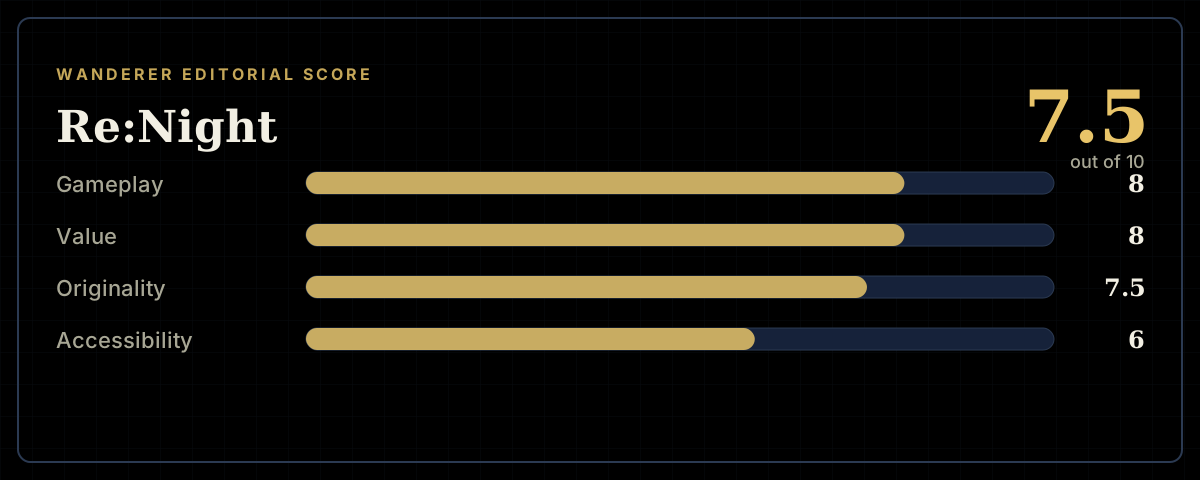
How the review scores each part of the gameWanderer Editorial -
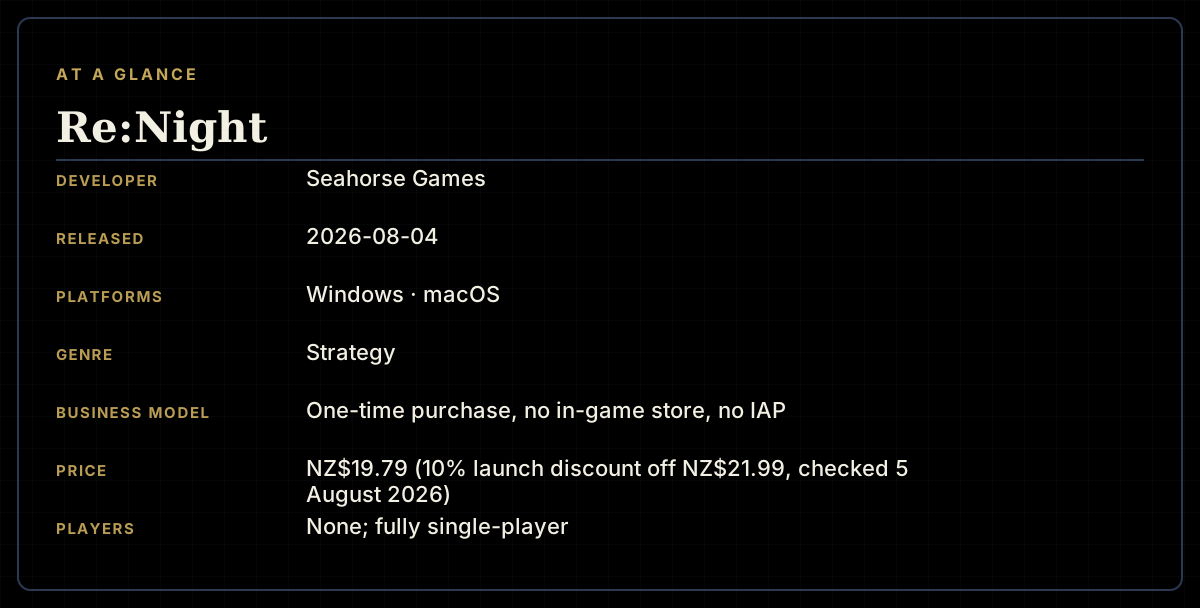
The game at a glanceWanderer Editorial -
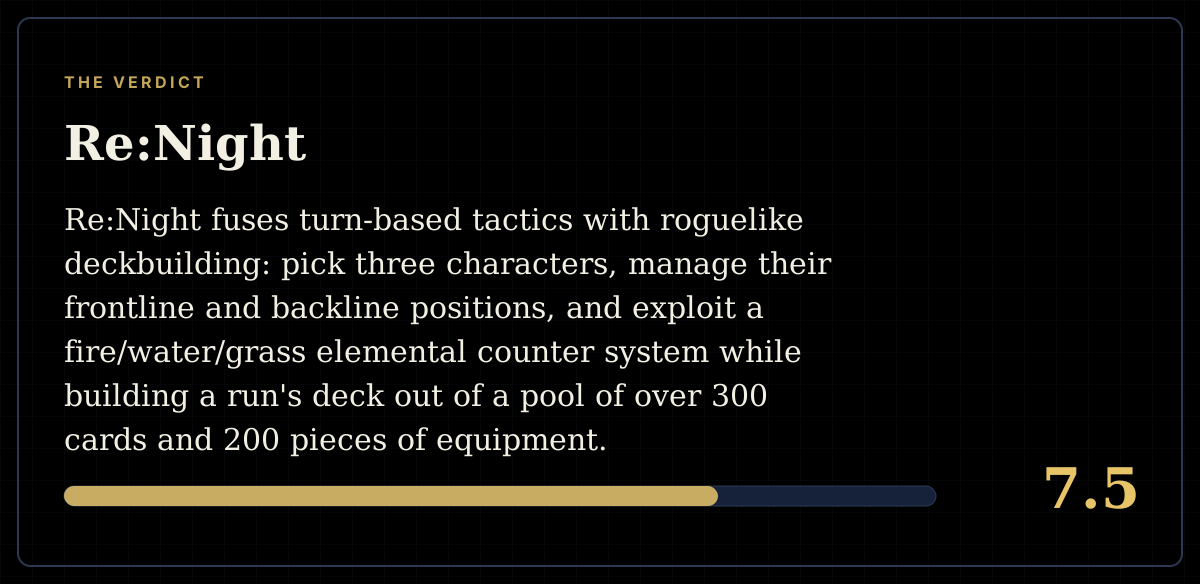
The short versionWanderer Editorial