
Game review
EarWorm
6.5 / 10
- Developer
- TOR2
- Publisher
- TOR2
- Released
- 17 April 2025
- Platforms
- Windows
- Genre
- Adventure
- Monetisation
- Premium
- Players
- Single-player
The short version
EarWorm is over almost as soon as it begins, but for its brief 30-to-40-minute runtime it commits fully to a strange, memorable premise: hacking into other people's memories as a rogue contractor in a crumbling cerebral underworld. The atmosphere, sound design, and central puzzle-through-a-mind conceit land well above what the asking price would suggest, even if the experience ends just as it's finding its footing.
Biggest strengths
- A genuinely distinct premise, executed with real style rather than as a gimmick
- Strong, consistently praised soundtrack and sound design that reviewers describe as staying with them after finishing
- Surreal, glitchy visual identity that reviewers compare favourably to cyber-noir and dream-therapy aesthetics
Biggest weaknesses
- Extremely short; several reviewers explicitly compare the experience to a demo rather than a full game
- Limited replay value once the twist and puzzles are known
- No difficulty or content beyond the single playthrough; there is nothing here for players seeking a longer campaign
Who it's for: Fans of short, atmosphere-first narrative games, memory-hacking or mind-diving fiction in the vein of Observer or Cyberpunk 2077's braindances, and anyone who wants a strange, stylish hour rather than a long commitment.
Our recommendation: Recommended, especially at its price point, provided brevity doesn't put you off.
6.5 / 10
A Contractor in the Cerebral Underworld
EarWorm opens with a premise that does a lot of heavy lifting for such a short game: players take on the role of an earworm, not the catchy-song kind but a parasitic contractor who burrows into other people's minds to extract secrets, in this case the security questions guarding a victim's bank account. It's a pulpy, faintly ridiculous hook, and the game leans into that tone rather than playing it straight. Reviewers consistently single out the premise itself as the game's strongest asset, praising how confidently it commits to its own weirdness rather than treating the mind-hacking conceit as a throwaway justification for a puzzle box.
Mechanically, EarWorm plays out as a first-person exploration of a victim's "memoryscape" — a surreal, glitch-riddled environment stitched together from fragments of someone else's inner life. Reviewers describe multi-step puzzles that require players to piece together clues scattered through these fractured environments, comparing the structure favourably to detective-logic games and to the memory-diving sequences in Cyberpunk 2077 and Observer. The puzzles aren't especially difficult by most accounts, but they're well-integrated into the environment rather than feeling bolted on, and more than one reviewer notes a satisfying late twist that recontextualises what's been happening.
Style Over Substance, and Style Wins
Where EarWorm most consistently earns its praise is atmosphere. The visual identity is repeatedly described as a collision of styles — cyber-noir dread crossed with the shimmering, slightly broken aesthetic of dream-therapy software, with data-moshing effects and degraded, VHS-adjacent visuals that reinforce the sense of trespassing somewhere you shouldn't be. The soundtrack draws just as much attention, with reviewers describing synthesized, vocoder-processed audio that oscillates between ominous drone and genuinely catchy melody — an audio identity that, fittingly for a game about earworms, several players say stuck with them well after finishing.
This is a game clearly built by people with a strong sense of tone, and it shows in how consistently reviewers reach for comparisons to prestige, slightly unhinged media — animated late-night television, arthouse cyberpunk, Twin Peaks-adjacent dream logic — rather than to other short indie horror titles. For a game with an asking price under five New Zealand dollars, that level of stylistic confidence is genuinely uncommon.
The Trouble With Being This Short
The catch, and it's a significant one, is length. EarWorm runs roughly 30 to 40 minutes for most players, and the review sample is blunt about what that means in practice: multiple reviewers describe it as feeling more like a polished demo than a complete game, and the single most common piece of feedback across the sample — positive reviews included — is a wish that it had been longer. One reviewer frames this directly as unrealised potential, suggesting the memory-hacking concept could sustain a game several hours long rather than well under one.
It's worth being clear that this isn't really a complaint about pacing within the experience itself; nobody in the sample describes EarWorm as dragging or padded. It's a complaint about scope. The game introduces a rich central idea, a distinct visual and audio language, and a satisfying structural twist, and then ends before any of that has much room to develop further. There's no second victim to hack, no escalation in complexity, and nothing resembling a campaign — just one tightly constructed vignette. Several reviewers explicitly ask for a sequel, which says as much about the strength of the concept as it does about the thinness of what's currently on offer.
A Puzzle Box, Not a Straight Line
It's worth dwelling a little longer on how EarWorm structures its one memoryscape, since this is where the design earns most of its goodwill. Rather than a single linear corridor, reviewers describe something closer to a detective puzzle: clues are scattered through the fractured environment, and progress comes from following threads to their conclusion rather than executing a fixed sequence of actions. One reviewer describes it explicitly as "an Obra Dinn-like," a comparison that says a lot about the kind of attention the game rewards — noticing, connecting, and revisiting rather than reacting. Another highlights getting genuinely stuck at one point, with the eventual solution requiring the player to "follow some things through to the end" rather than search for a hidden mechanic, which suggests the puzzle logic is more about patience and observation than trial and error.
That structure extends to the game's sense of humour, which is stranger than the pitch suggests. At least one reviewer wrote their entire review in the voice of the game itself — glitchy system messages, mock error logs, a "GAMEPLAY MODULE LOADED" framing device — which, while obviously a stylistic flourish on the reviewer's part, reflects just how strongly EarWorm's tone imprints on players in a short space of time. A recurring detail from that same review, the "dark silhouette and creepy eyes at the end of the hallway" that the game insists is "your friend," captures the way EarWorm undercuts its own dread with a wink rather than playing the horror completely straight.
Worth the Ear Worm
At NZ$4.49, EarWorm is priced honestly for what it delivers: a short, stylish, well-crafted vignette rather than a full game, and the review sample treats it accordingly. Nearly every reviewer frames their recommendation around value for money specifically, rather than judging it against longer, pricier narrative games. Taken on those terms — a single strange, atmospheric hour, not a substitute for a full evening — EarWorm delivers confidently on a genuinely interesting premise, even if its greatest weakness is simply that it stops just as it's getting going.
Pros and cons
Pros
- A genuinely distinct premise, executed with real style rather than as a gimmick
- Strong, consistently praised soundtrack and sound design that reviewers describe as staying with them after finishing
- Surreal, glitchy visual identity that reviewers compare favourably to cyber-noir and dream-therapy aesthetics
- Multi-step puzzle design within each memory that rewards attention without becoming obtuse
Cons
- Extremely short; several reviewers explicitly compare the experience to a demo rather than a full game
- Limited replay value once the twist and puzzles are known
- No difficulty or content beyond the single playthrough; there is nothing here for players seeking a longer campaign
Screenshots
-

The surreal, glitch-riddled memoryscapes are where EarWorm's style does its best workTOR2 -
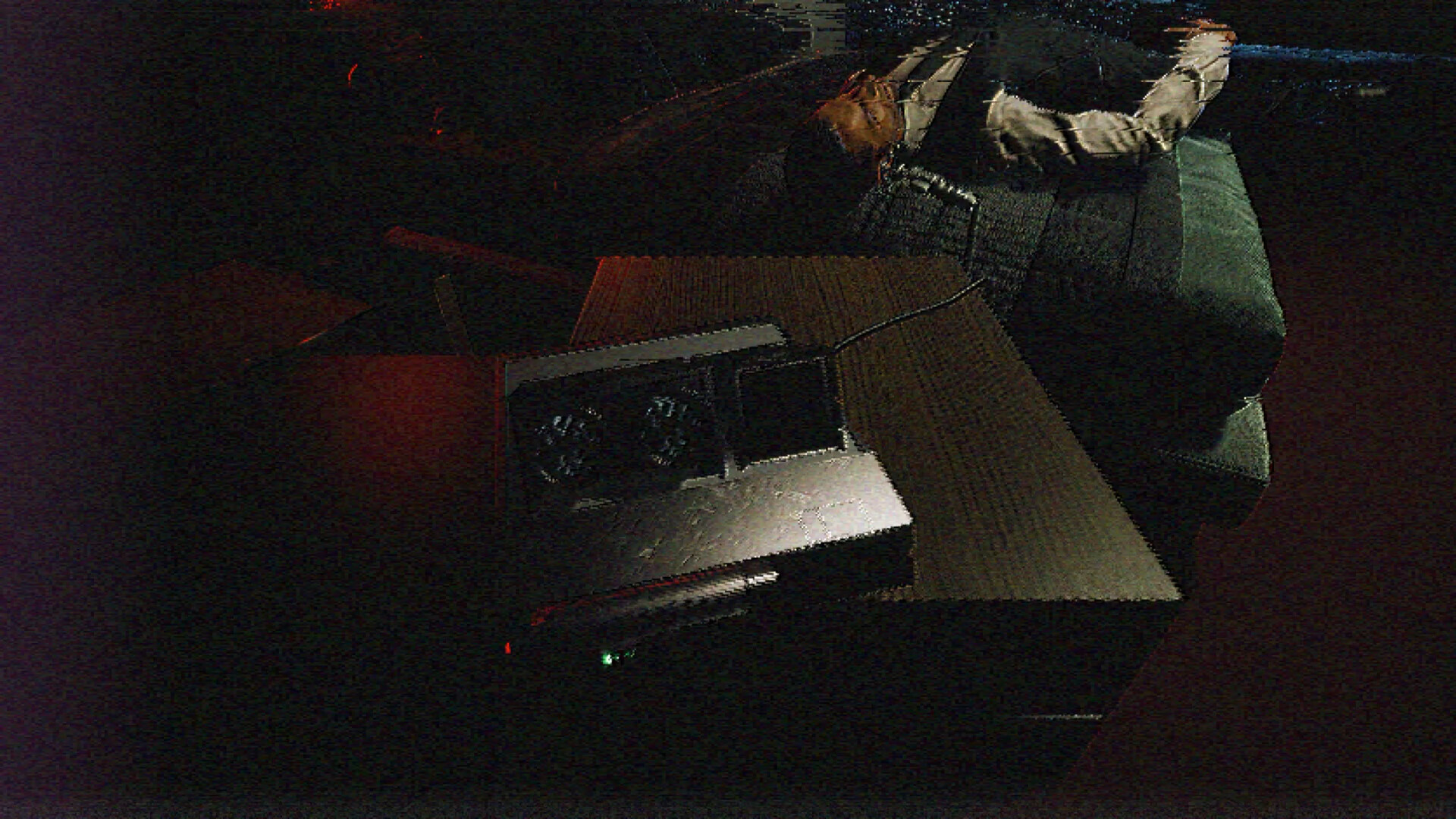
The degraded, cyber-noir visual treatment recurs throughout each memoryTOR2 -

The central hook made literal — hacking a memory to answer a bank's security questionTOR2 -
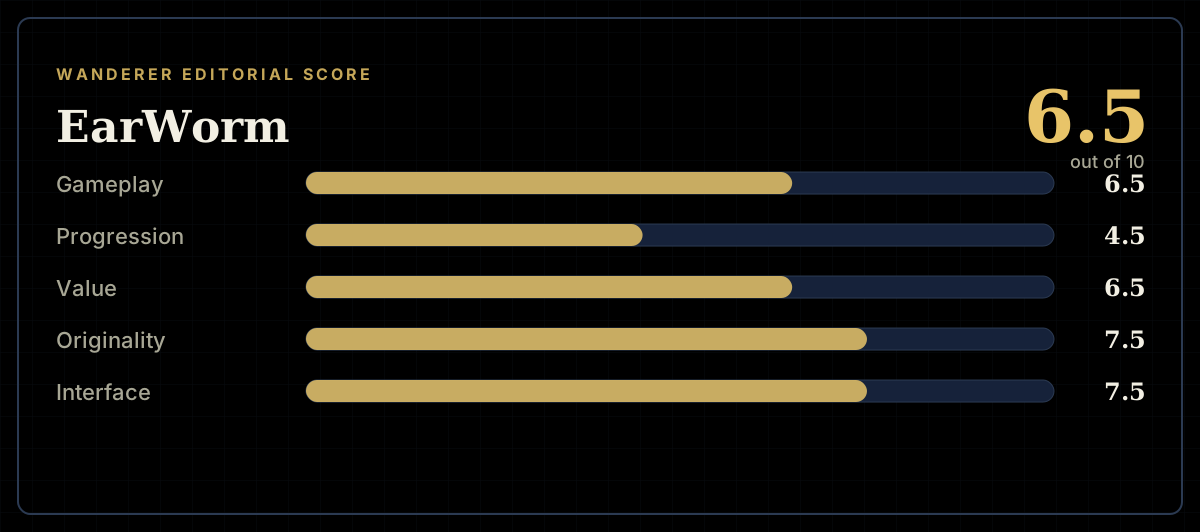
How the review scores each part of the gameWanderer Editorial -
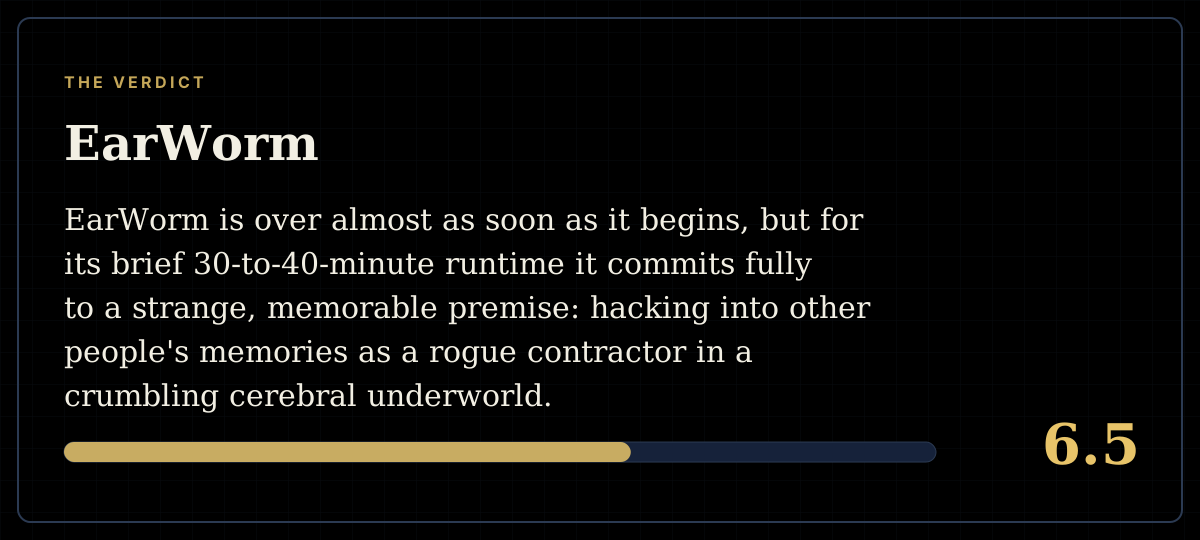
The short versionWanderer Editorial