
Game review
Dungeon Village
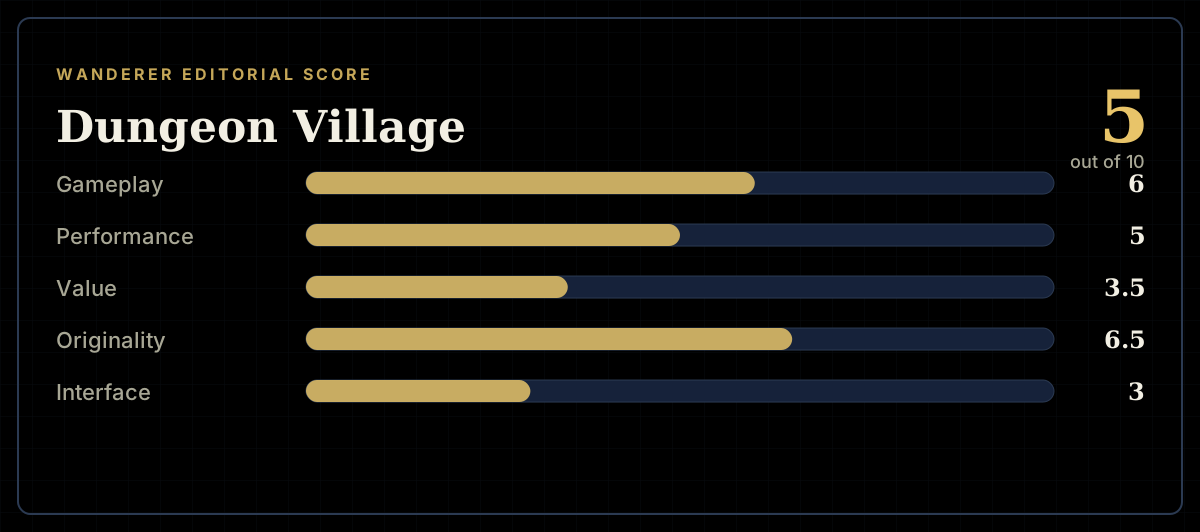
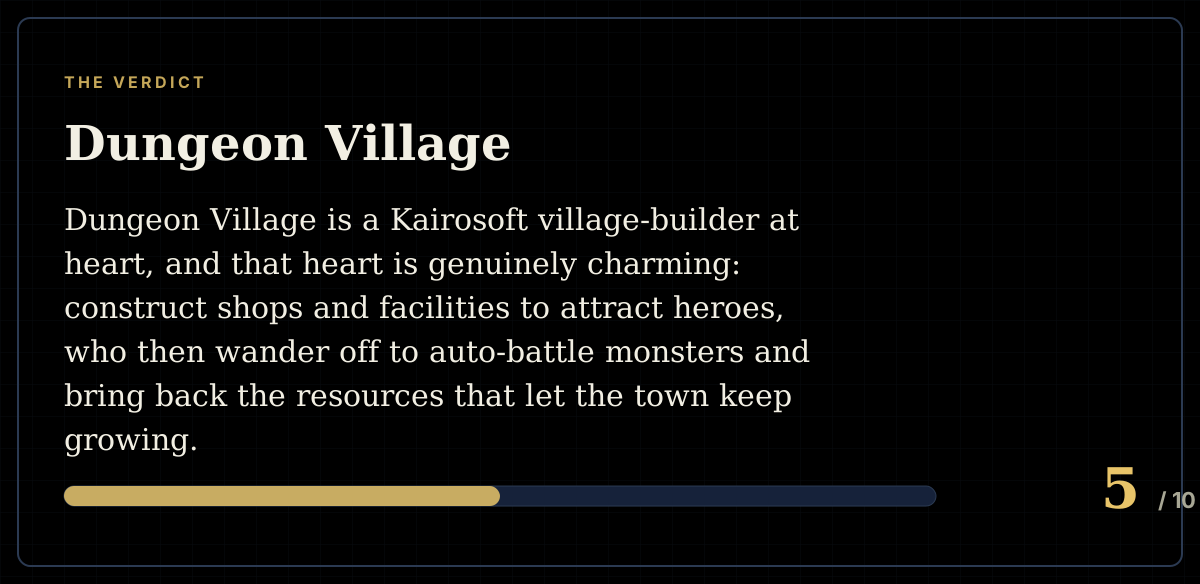
5 / 10
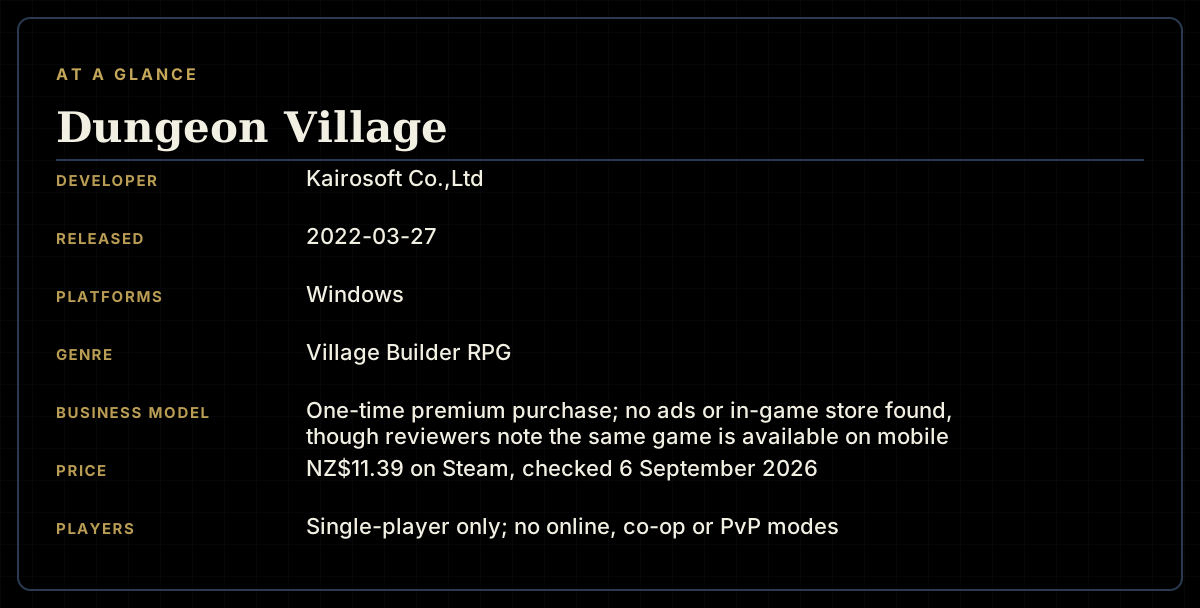
- Developer
- Kairosoft Co.,Ltd
- Publisher
- Kairosoft Co.,Ltd
- Released
- 27 March 2022
- Platforms
- Windows
- Genre
- Village Builder RPG
- Monetisation
- One-time premium purchase; no ads or in-game store found, though reviewers note the same game is available on mobile app stores for substantially less
- Players
- Single-player only; no online, co-op or PvP modes
The short version
Dungeon Village is a Kairosoft village-builder at heart, and that heart is genuinely charming: construct shops and facilities to attract heroes, who then wander off to auto-battle monsters and bring back the resources that let the town keep growing. Reviewers with mobile-era nostalgia for Kairosoft's catalogue consistently describe real, relaxing enjoyment once they adapt to the interface.
The trouble is almost entirely the adaptation itself. This is, by wide reviewer agreement, an essentially unmodified mobile port — keyboard and mouse support reviewers call "utter garbage," a specific job-changing mechanic reported as broken, screen flicker on modern high-refresh monitors, and a Steam asking price reviewers say sits at roughly double what the same game costs on mobile app stores. A launch-week patch added basic keyboard remapping and volume controls; the public record shows nothing further since.
Biggest strengths
- A genuinely charming, relaxing core loop of building a town and watching recruited heroes auto-battle their way through nearby dungeons, praised by longtime Kairosoft fans as true to the mobile original they remember fondly
- Enough long-term structure to occupy dozens of hours for players willing to work around the interface, with one reviewer reporting around 74 hours to fully develop a town
- Straightforward enough to run alongside another game or activity without demanding constant attention, a shape of "idle-adjacent" management sim some reviewers specifically value
Biggest weaknesses
- Keyboard and mouse controls are described by a wide majority of reviewers as barely functional, with several stating a controller or Steam Deck is effectively required to play comfortably
- A specific mechanic — changing a hero's job/class — is reported as broken in the Steam version, a concrete functional regression rather than a design complaint
- Reviewers who compare current mobile app store pricing say the same game costs roughly half what Steam charges for what appears to be the identical, unmodified release
Who it's for: Existing Kairosoft fans with real nostalgia for this specific game from its mobile release, ideally playing with a controller or on Steam Deck rather than keyboard and mouse. Not recommended at full price for anyone without that prior attachment.
Our recommendation: Wait for a steep sale, use a controller rather than keyboard and mouse, and adjust expectations for a functional but visibly unadapted decade-old mobile game rather than a PC release built with this platform in mind.
5 / 10
Kairosoft has built a small empire out of simple, charming management sims, and Dungeon Village is a fair example of the formula at its most relaxing: build up a fledgling village's shops and facilities, recruit heroes who move in and auto-battle nearby monsters on their own initiative, and use what they bring back to keep expanding. Reviewers with existing affection for Kairosoft's catalogue consistently describe genuine enjoyment once they push past the interface — and that qualifier is doing a lot of work in this review, because the interface is where almost every substantive complaint about this specific release originates.
A relaxing loop, once you fight past the controls
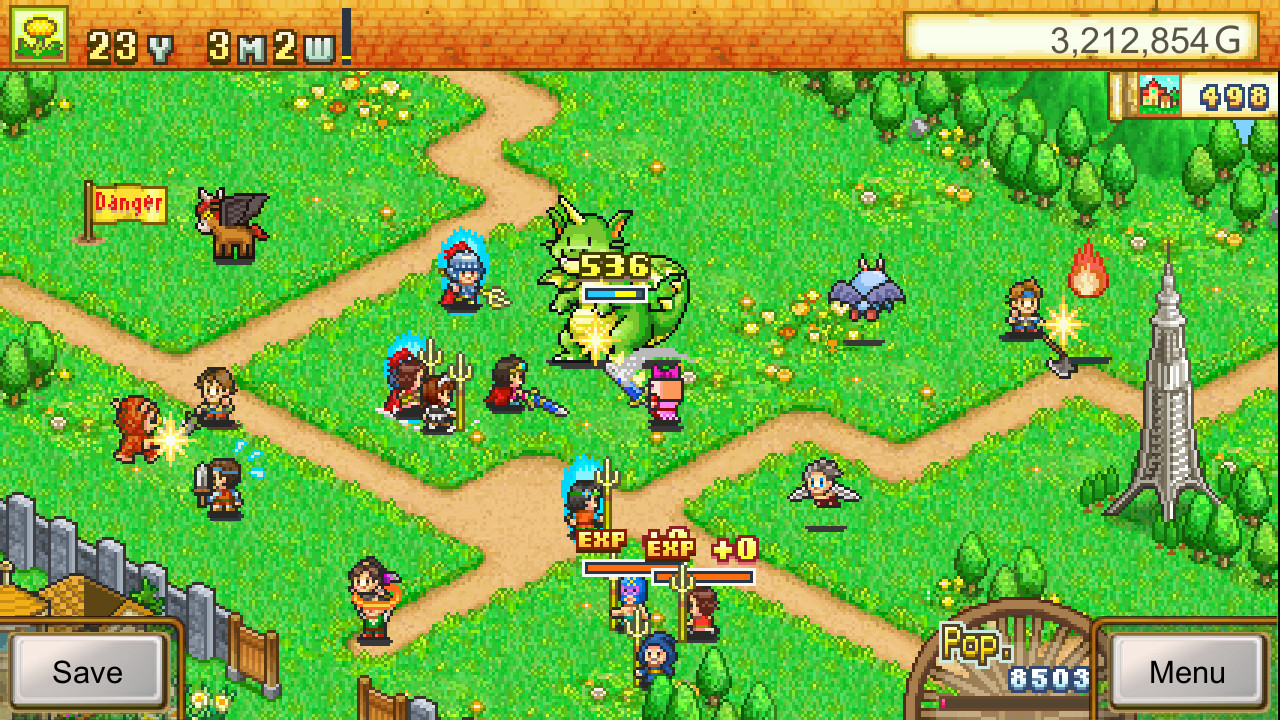
The core gameplay draws real, consistent praise: assign build orders, watch heroes wander off and return with loot and experience, and gradually shape a town that runs with only occasional input required. Several reviewers describe this as ideal to run alongside another game or activity, checking in periodically rather than demanding constant attention — a genuinely appealing shape for players who want management-sim structure without needing to babysit it. One reviewer reports roughly 74 hours invested fully developing a town, a meaningful amount of content for a genre built on incremental, low-pressure growth.
The genre framing matters here too: this sits closer to idle-adjacent management than active simulation, since heroes make most of their own decisions about which quests and monsters to pursue once recruited. That hands-off structure is exactly what its fans praise and exactly what its detractors call thin — there's genuinely very little for the player to directly control beyond placing buildings and waiting for numbers to move, which is either a relaxing feature or a design limitation depending on what a given player wants from the genre.
Getting to that enjoyment, though, is by wide reviewer agreement a fight with the interface itself. Keyboard and mouse controls are repeatedly described as close to non-functional, to the point that multiple reviewers recommend plugging in a controller or playing on Steam Deck specifically because the game reverts to something closer to its original touchscreen-native design in that configuration. Basic quality-of-life features reviewers expect from a PC release — naming towns or characters, for instance — are reported as missing or broken entirely for some players.
A specific broken mechanic, not just old-game jank
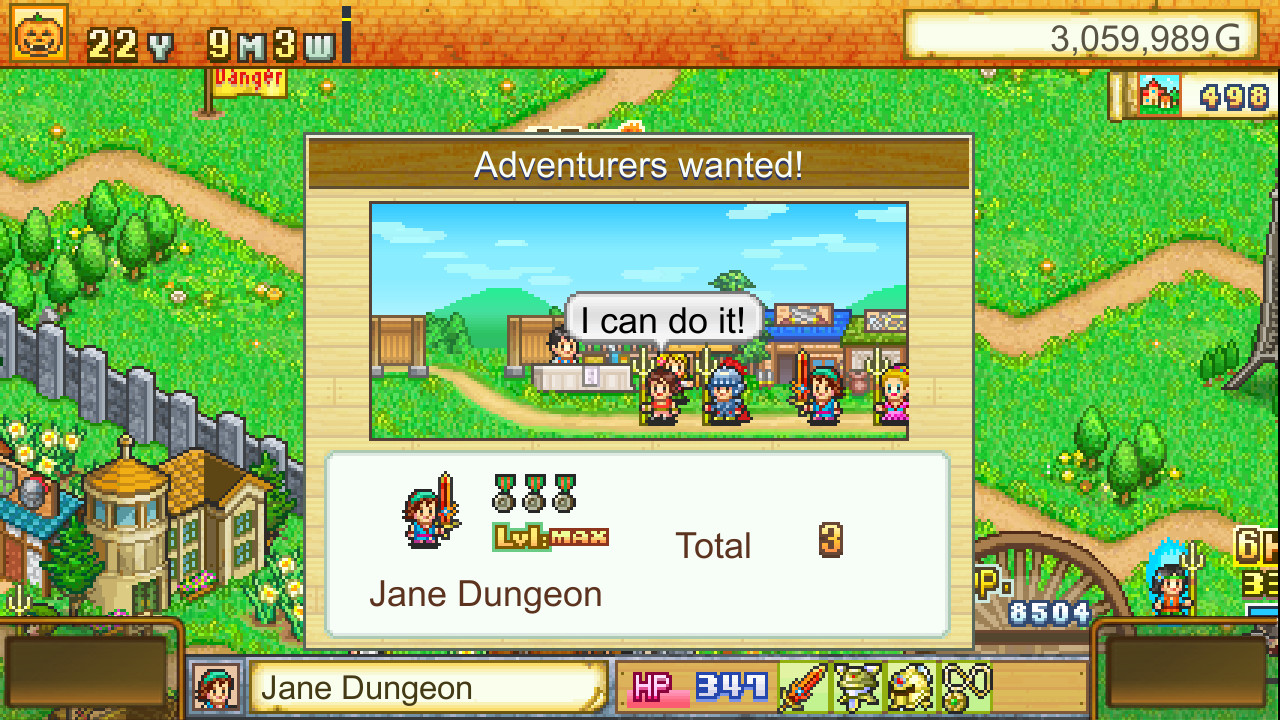
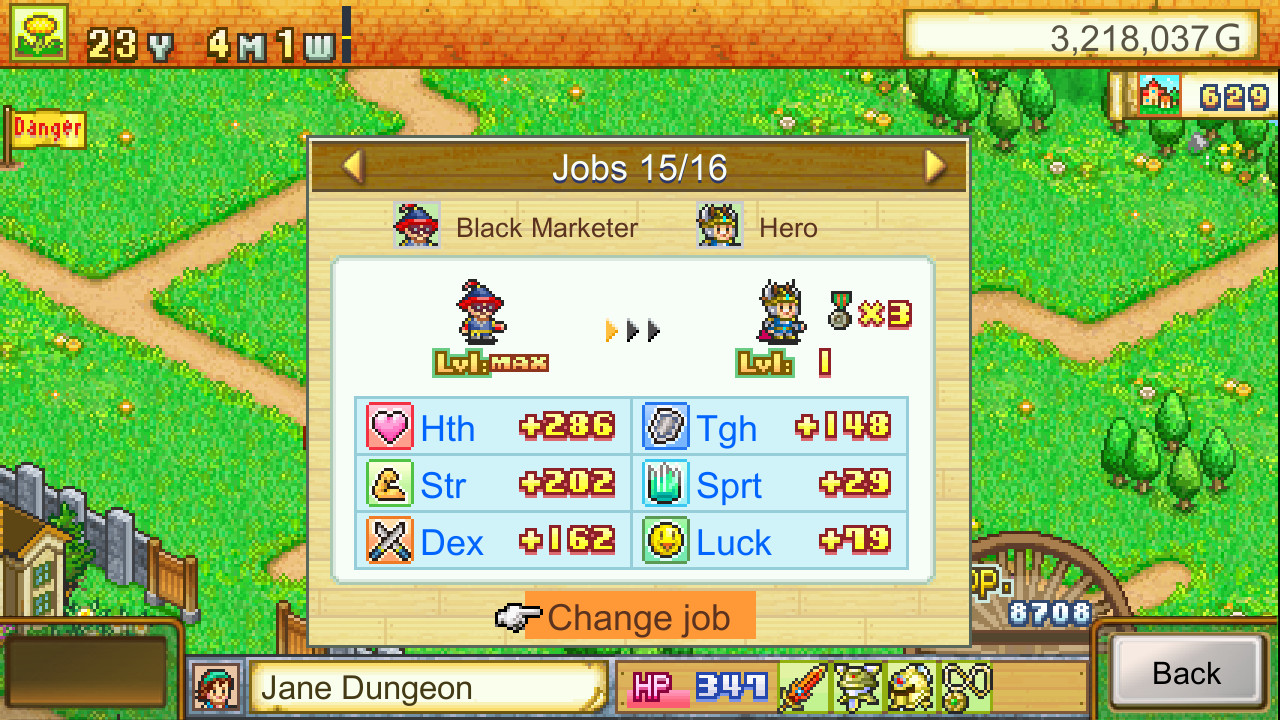
Beyond general control friction, at least one specific mechanical regression is worth flagging on its own: multiple reviewers report that changing a hero's job or class doesn't work correctly in this release, a concrete functional bug rather than a subjective complaint about dated design. Add to this reports of screen flicker on modern high-refresh-rate monitors, translation and interface text reviewers describe as unclear about how core systems actually function, and a single repeating music track several find grating over extended sessions, and the overall picture is one of a release that hasn't been meaningfully adapted or quality-checked for its new platform.
A mobile game's mobile price, charged on a different storefront
The single most consistently repeated complaint in this review's research isn't about mechanics at all — it's price. Multiple reviewers independently report that the same game remains available on mobile app stores for roughly half what Steam currently charges, with more than one reviewer explicitly checking and confirming this before posting their review. Combined with a public patch history showing essentially nothing beyond launch-week fixes — a keyboard remapping option, a volume adjustment, and achievement support added in the days immediately following release, with nothing further logged since March 2022 — the overall pattern reviewers describe as a "lazy port" or "cash grab" is a fair, well-corroborated characterization rather than an unfairly harsh one.
A familiar pitch, done better elsewhere
More than one reviewer draws a direct comparison to Majesty, the older PC strategy game built around a nearly identical hook — you build structures, and autonomous heroes make their own decisions about which monsters to fight and which quests to pursue, rather than being directly controlled. One reviewer states the comparison bluntly, recommending Majesty instead "for everything Dungeon Village does, but better." That's a useful frame for evaluating Dungeon Village's actual design ambitions on their own terms, separate from the port-quality complaints above: even judged purely as a "build a town and let heroes handle the fighting" sim, reviewers who know the wider genre don't rate its systems as best-in-class, just charming and simple, which matters when weighing whether its asking price is justified by design merit alone rather than nostalgia for the mobile original.
Steam's own achievement data offers a small supporting data point about the game's scope: only six achievements exist in total, a notably thin schema even for a low-key management sim, and consistent with reviewer accounts that most of the game's structure is open-ended town growth rather than discrete, trackable goals.
Where it lands
Dungeon Village's actual game design holds up reasonably well as a piece of Kairosoft's catalogue — reviewers with a real history with the mobile original consistently find genuine relaxation and depth in it once they route around the interface problems. But this review has to weigh the product as sold on this storefront, at this price, in this state, and on those terms the picture is considerably less forgiving: unadapted controls, at least one confirmed broken mechanic, and a price reviewers say meaningfully exceeds what the identical game costs elsewhere, with no indication the developer intends to address any of it. Existing fans on a steep sale may still find what they're looking for; everyone else has a harder case made for them here than the underlying game itself deserves.
Pros and cons
Pros
- A genuinely charming, relaxing core loop of building a town and watching recruited heroes auto-battle their way through nearby dungeons, praised by longtime Kairosoft fans as true to the mobile original they remember fondly
- Enough long-term structure to occupy dozens of hours for players willing to work around the interface, with one reviewer reporting around 74 hours to fully develop a town
- Straightforward enough to run alongside another game or activity without demanding constant attention, a shape of "idle-adjacent" management sim some reviewers specifically value
- Achievements were added shortly after Steam launch, giving completionist players concrete goals beyond the open-ended town growth
Cons
- Keyboard and mouse controls are described by a wide majority of reviewers as barely functional, with several stating a controller or Steam Deck is effectively required to play comfortably
- A specific mechanic — changing a hero's job/class — is reported as broken in the Steam version, a concrete functional regression rather than a design complaint
- Reviewers who compare current mobile app store pricing say the same game costs roughly half what Steam charges for what appears to be the identical, unmodified release
- No meaningful post-launch support beyond a launch-week patch adding basic keyboard remapping, volume controls and achievements — nothing further is on the public record since March 2022
- Reported screen flicker on modern high-refresh-rate monitors, translation and UI text reviewers describe as unclear about core mechanics, and a single looping music track several reviewers find grating over long sessions
Screenshots
-
Dungeon VillageImage: Kairosoft Co.,Ltd via Steam -
Dungeon VillageImage: Kairosoft Co.,Ltd via Steam -
Dungeon VillageImage: Kairosoft Co.,Ltd via Steam -
How the review scores each part of the gameWanderer Editorial -
The specsWanderer Editorial -
The short versionWanderer Editorial