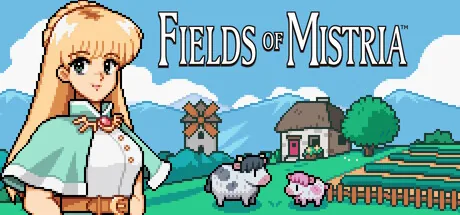
Game review
Fields of Mistria
8 / 10
- Developer
- NPC Studio
- Publisher
- NPC Studio
- Released
- 5 August 2024
- Platforms
- Windows, Linux
- Genre
- Farming and Life-Sim RPG
- Monetisation
- One-off premium purchase, no DLC, no in-app purchases and no premium currency
- Players
- None currently. Single-player only; save files are per-device rather than per-user, which has caused specific problems for households sharing one PC
The short version
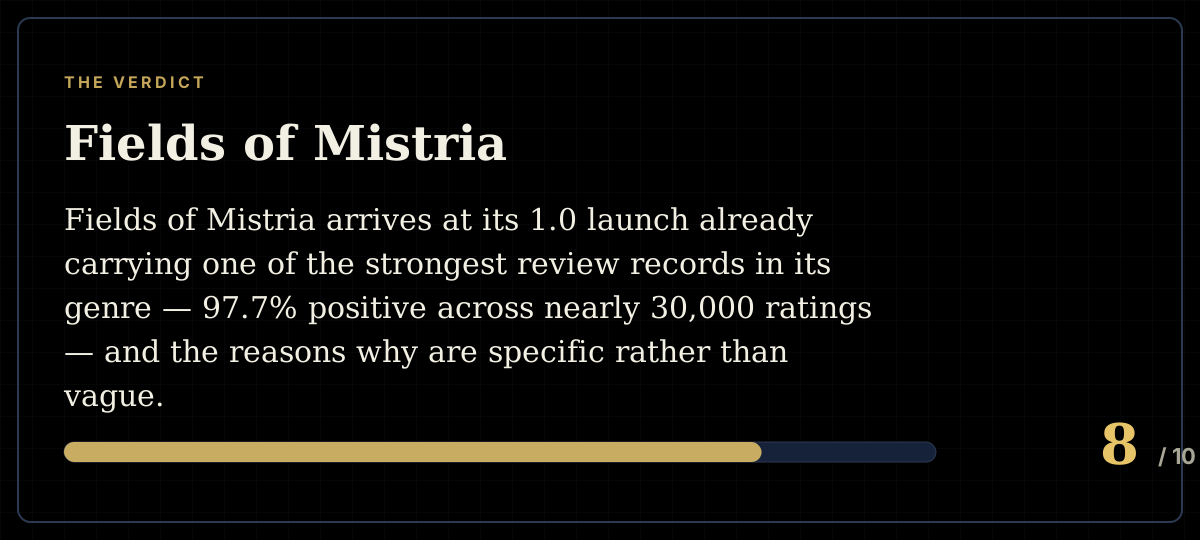
Fields of Mistria arrives at its 1.0 launch already carrying one of the strongest review records in its genre — 97.7% positive across nearly 30,000 ratings — and the reasons why are specific rather than vague. It borrows Stardew Valley's basic shape and then adds things that shape was missing: a jump button, real combat instead of a token minigame, weekly tabletop nights at the tavern, and character writing sharp and varied enough that even players who came in expecting a soulless clone frequently report changing their mind. What keeps it from a higher score is a real split among its own most invested players over whether the later game sustains that early momentum, alongside specific, still-unresolved complaints about accessibility options and stability that a two-year Early Access run should have had more time to address by now.
Biggest strengths
- Real combat and platforming — a working jump button among them — give Mistria mechanical texture that most cozy farm sims don't attempt
- Character writing is repeatedly singled out as a genuine strength, with diverse personalities and romance options that win over players specifically expecting genre-standard filler
- Quality-of-life design is thoughtful throughout: a shared inventory, items that don't despawn, and museum-donation tracking that removes the genre's usual bookkeeping friction
Biggest weaknesses
- A real and recurring split exists among veteran players over whether the later stretches of the game sustain the quality of its opening hours, with several long-time reviewers describing diminishing returns after dozens of hours invested
- No option to adjust the colour palette or disable motion blur, a specific and repeated accessibility complaint for players sensitive to bright colours or visual motion
- Save files are tied to the device rather than the player, which has caused real, reported save-corruption problems for households where more than one person plays on the same PC
Who it's for: Farm-sim and life-sim fans who've already worn a groove into Stardew Valley and want a genuine evolution of the formula rather than a reskin, plus newcomers who want the genre's best current entry point.
Our recommendation: A confident recommendation heading into 1.0, with two honest caveats worth knowing beforehand — some longtime players find the back half less compelling than the opening, and the current accessibility options (fixed colour palette, motion blur that can't be disabled) are a real gap for sensitive players.
8 / 10
Every pixel-art farming game released since 2016 gets compared to Stardew Valley, and most of them lose that comparison quickly. Fields of Mistria is the rare entry that's spent two years in Early Access actively winning it — not by copying Stardew Valley's homework, but by asking what that formula never quite delivered and building those pieces in from the start. It launches to 1.0 the day after this review is written, carrying 97.7% positive reviews across nearly 30,000 ratings into that launch, a number few games in any genre reach and even fewer sustain across a Early Access period this long.
What Mistria adds to the formula
The single detail that shows up again and again in player accounts, almost as shorthand for everything else the game gets right, is that you can jump. It sounds trivial, and it isn't: alongside a genuine combat system rather than a token dungeon-crawling minigame, it gives Mistria a sense of physical movement and stakes that Stardew Valley's own farming loop never really offered. One reviewer with over 1,600 hours in Stardew Valley and a full completion behind them put it directly: Mistria isn't just "another farm sim," it's what the genre looks like when someone builds forward from the template instead of just filling it in.
The writing is the other pillar reviewers keep returning to. Villager personalities read as distinct rather than interchangeable, romance options draw specific praise for range and characterization, and more than one player describes going in expecting a hollow Early Access cash-grab and coming out genuinely invested in the cast. Small systemic touches back that up: weekly tabletop game nights at the tavern, a card game on Fridays, moments that make Mistria's town feel like it has a schedule and a social life rather than existing purely to sell the player seeds and tools.
Quality-of-life design rounds out the strong first impression. A shared inventory, items that don't quietly despawn, and museum-donation tracking that tells players exactly what they've already given — these are small things, individually, but they remove exactly the kind of bookkeeping friction that makes long-running farm sims start to feel like chores rather than games.
Where the reviews genuinely split
It would be dishonest to present this as unanimous. A real, specific disagreement exists among Mistria's own most dedicated players over whether the back half of the game holds up. Several long-time reviewers — the kind with thousands of hours logged, who've returned across multiple updates specifically to give the game a fair ongoing chance — describe enjoying the opening dozens of hours and then finding the later game's content thinner or less compelling by comparison. This isn't a small, drive-by complaint; it comes from players who clearly want to love the game and are describing something they've watched happen across real, sustained play time, which makes it worth taking seriously rather than dismissing as one bad session.
There's also a persistent thread of character-writing criticism sitting alongside the praise — one detailed review argues that "a dedication to coziness has robbed Fields of Mistria of any sense of humanity," a sharper version of the more common complaint that side characters can feel thinner than the game's best-written romance options. Both things being true at once — genuinely excellent writing in its strongest moments, inconsistent depth elsewhere — is a believable and specific picture rather than a contradiction.
The accessibility and stability gaps worth knowing about
Two more concrete issues deserve direct mention because they're the kind of thing a buyer should know before purchasing rather than discover afterward. First, there is currently no way to adjust the game's colour palette or disable its motion blur, and multiple reviewers specifically describe eyestrain from the bright default colour scheme with no in-game remedy available. For a game this visually saturated, that's a real accessibility gap rather than a cosmetic nitpick. Second, save files are tied to the device rather than to an individual player profile, which has caused actual reported save corruption in households where more than one person plays the game on a shared PC — a structural design choice rather than a bug, but one with real consequences for anyone in that situation. Scattered crash reports round out the technical picture; one recent review specifically describes crashes becoming more frequent over time rather than resolving, though this doesn't appear to be the majority experience.
Heading into 1.0
None of this diminishes what NPC Studio has built over two years of consistent, visible Early Access development — weekly patches through the first half of 2026, a dedicated engine overhaul completed in July, and a 1.0 release that reportedly expands the game's marriage content among other additions, all leading up to a launch the developers themselves have been openly excited about. At NZ$20.49, a nearly-30,000-review track record this strong, for a genre this competitive, is not something to take lightly.
The honest recommendation: Fields of Mistria earns its comparisons to the genre's best rather than merely inviting them, and heading into 1.0 it's positioned as one of the strongest farm-sim launches in years. Go in aware that its late-game pacing draws real disagreement even from its biggest fans, and that its current accessibility options have specific, known gaps — but for players who've exhausted Stardew Valley and want to know what comes next, this is very likely it.
Pros and cons
Pros
- Real combat and platforming — a working jump button among them — give Mistria mechanical texture that most cozy farm sims don't attempt
- Character writing is repeatedly singled out as a genuine strength, with diverse personalities and romance options that win over players specifically expecting genre-standard filler
- Quality-of-life design is thoughtful throughout: a shared inventory, items that don't despawn, and museum-donation tracking that removes the genre's usual bookkeeping friction
- Weekly tabletop game nights and other social systems at the tavern give the world a sense of a living community rather than a static backdrop for farming
- Nearly two years of consistent Early Access patches, including a dedicated engine overhaul through mid-2026, show a developer genuinely finishing the game rather than abandoning it
Cons
- A real and recurring split exists among veteran players over whether the later stretches of the game sustain the quality of its opening hours, with several long-time reviewers describing diminishing returns after dozens of hours invested
- No option to adjust the colour palette or disable motion blur, a specific and repeated accessibility complaint for players sensitive to bright colours or visual motion
- Save files are tied to the device rather than the player, which has caused real, reported save-corruption problems for households where more than one person plays on the same PC
- Scattered but real crash reports appear across the review history, described by at least one player as becoming more frequent over time rather than resolving
- Early Access day-length pacing drew sustained criticism for moving too fast to comfortably manage a full day's activities, a complaint present from shortly after launch onward
Screenshots
-
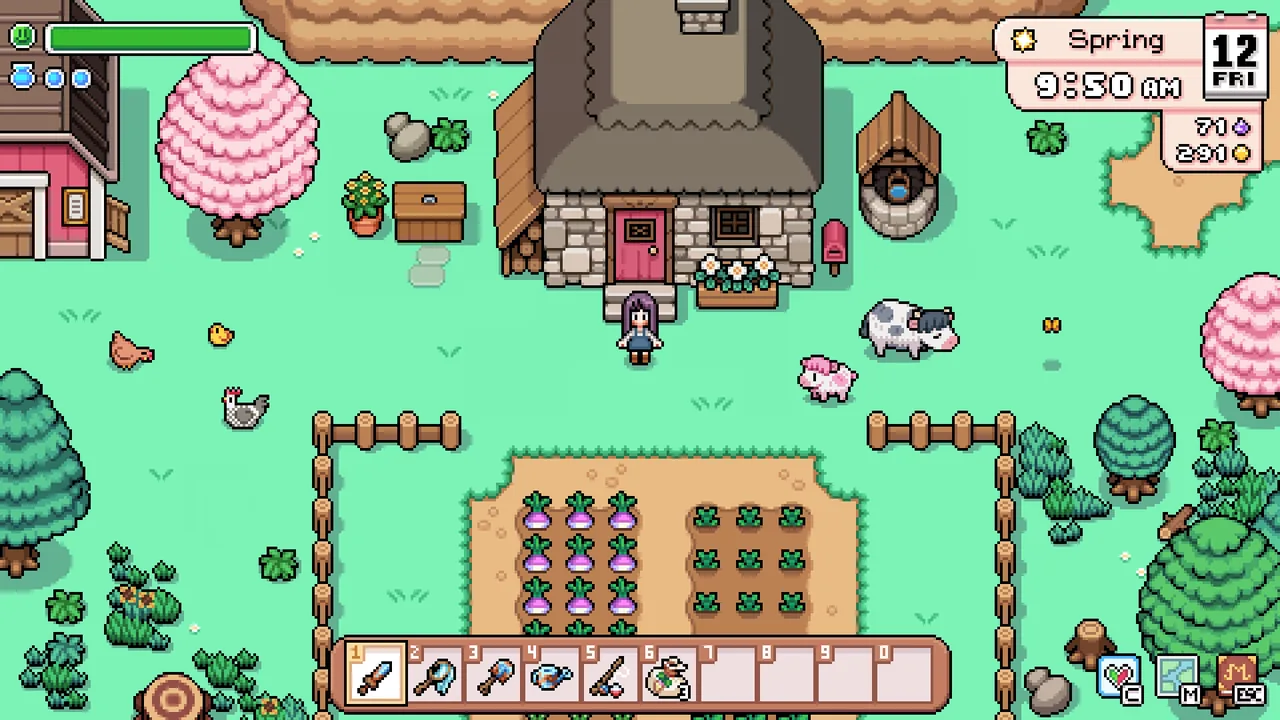
Fields of MistriaImage: NPC Studio via Steam -
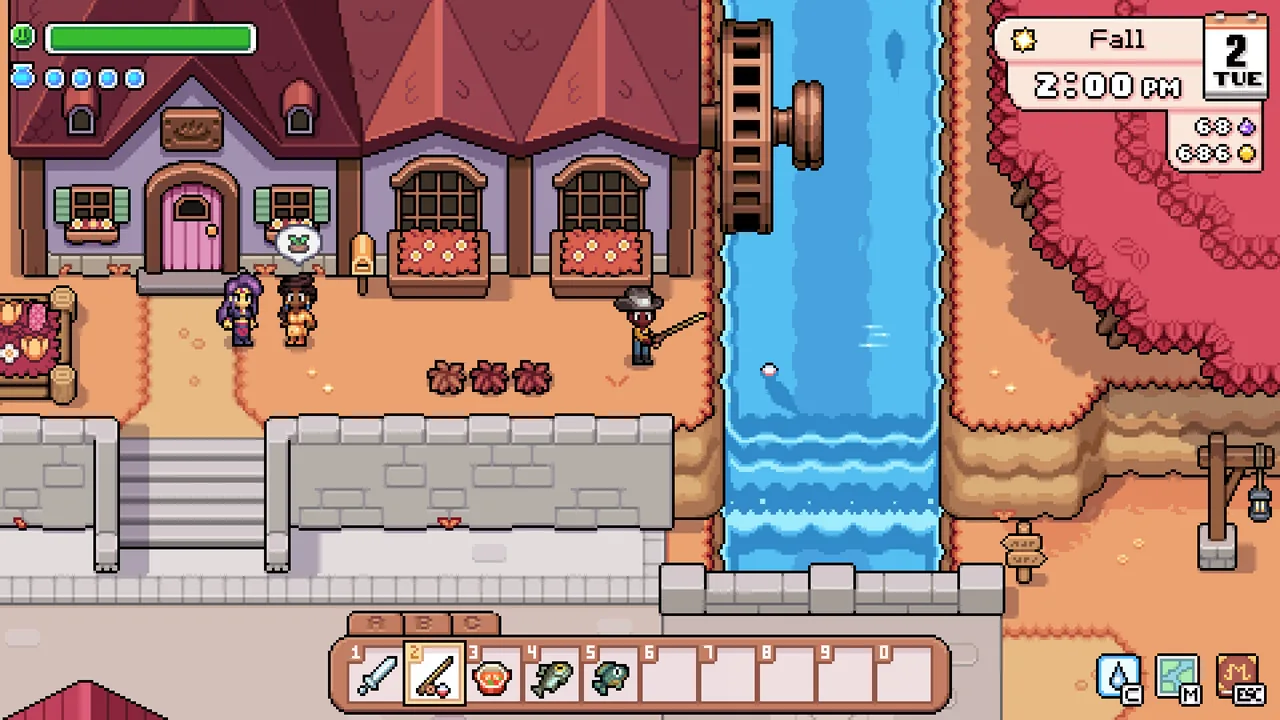
Fields of MistriaImage: NPC Studio via Steam -
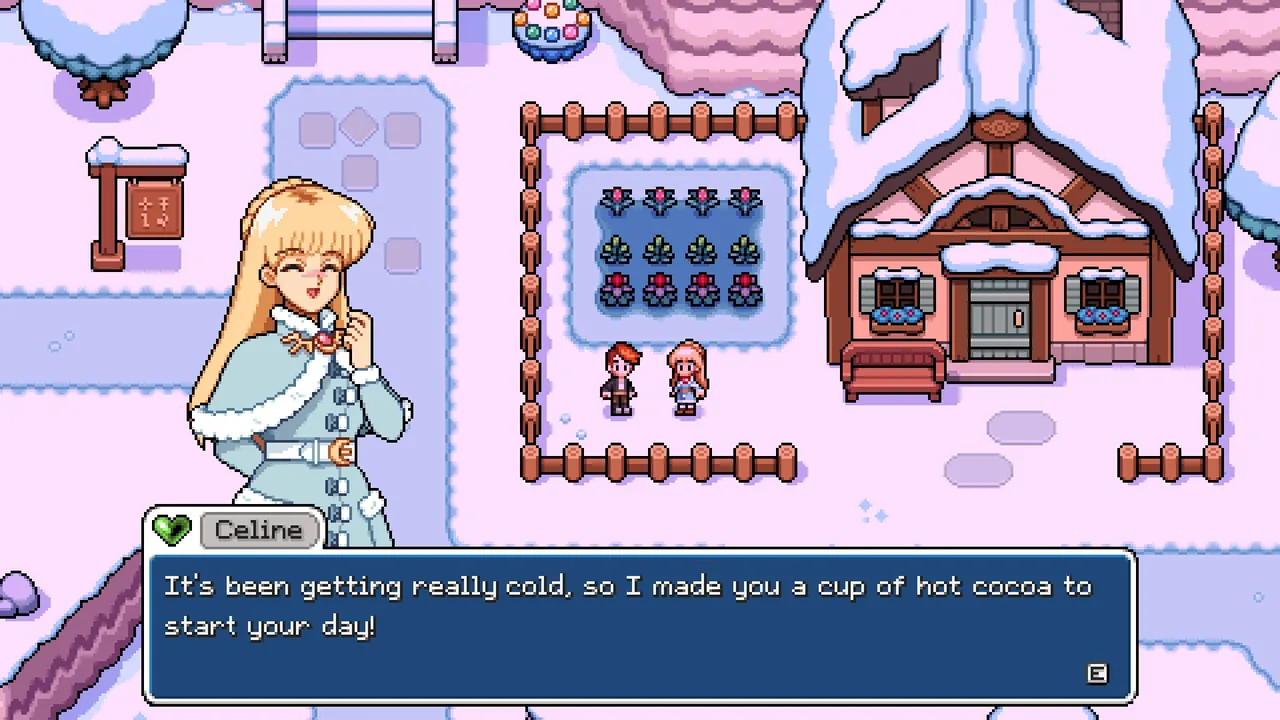
Fields of MistriaImage: NPC Studio via Steam -
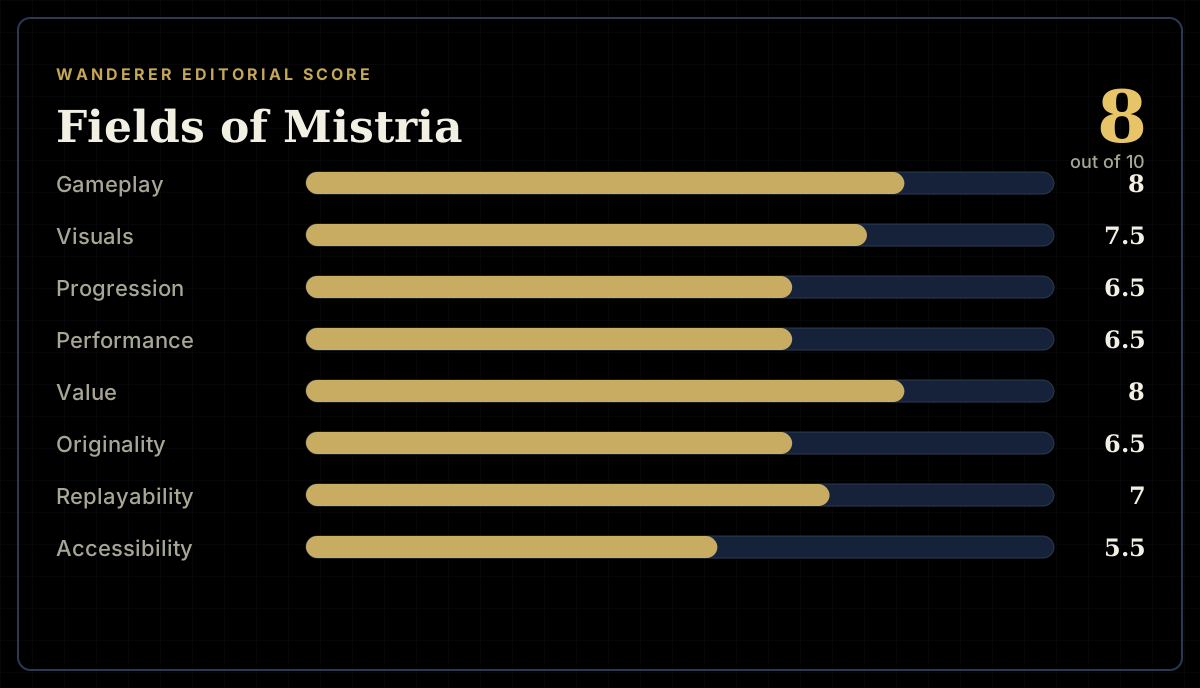
How the review scores each part of the gameWanderer Editorial -
The short versionWanderer Editorial