Game review
Dordogne
6.5 / 10
- Developer
- UN JE NE SAIS QUOI, UMANIMATION
- Publisher
- Focus Entertainment
- Released
- 13 June 2023
- Platforms
- Windows
- Genre
- Narrative Adventure
- Monetisation
- One-time purchase, no in-game store
- Players
- Single-player only
The short version
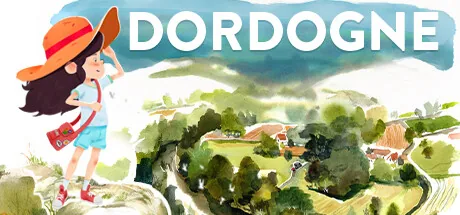
Dordogne is UN JE NE SAIS QUOI and UMANIMATION's narrative adventure, published by Focus Entertainment, following Mimi as she revisits her late grandmother's home in the French countryside and relives childhood summers to uncover family secrets. Released 13 June 2023, it holds 1,602 Steam reviews at Very Positive, roughly 91.5%, with recent sentiment holding close at 88%. This review's read of a substantial share of both samples finds near-universal praise for its watercolour art and nostalgic, heartfelt story, set against a consistent, specific complaint — voiced by fans and critics alike — that the interactivity underneath is shallow and clunky, with a short, linear runtime that leaves several reviewers wishing it had simply been a visual novel instead.
Biggest strengths
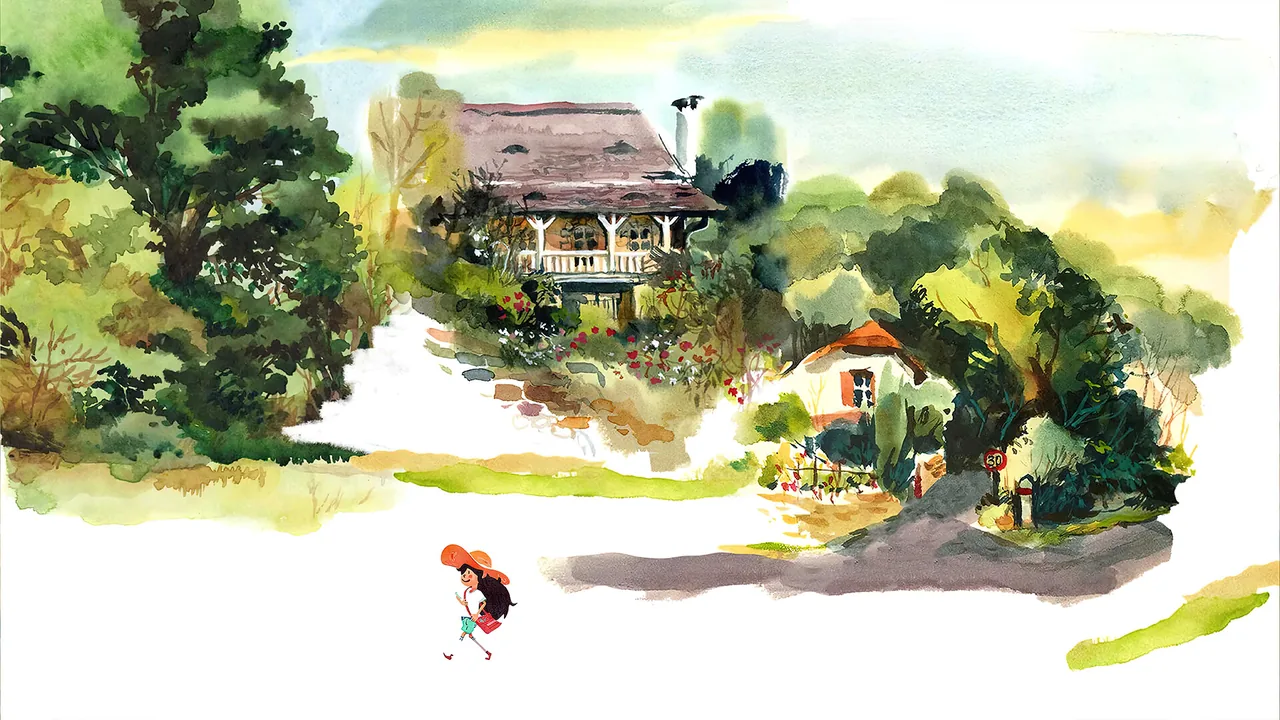
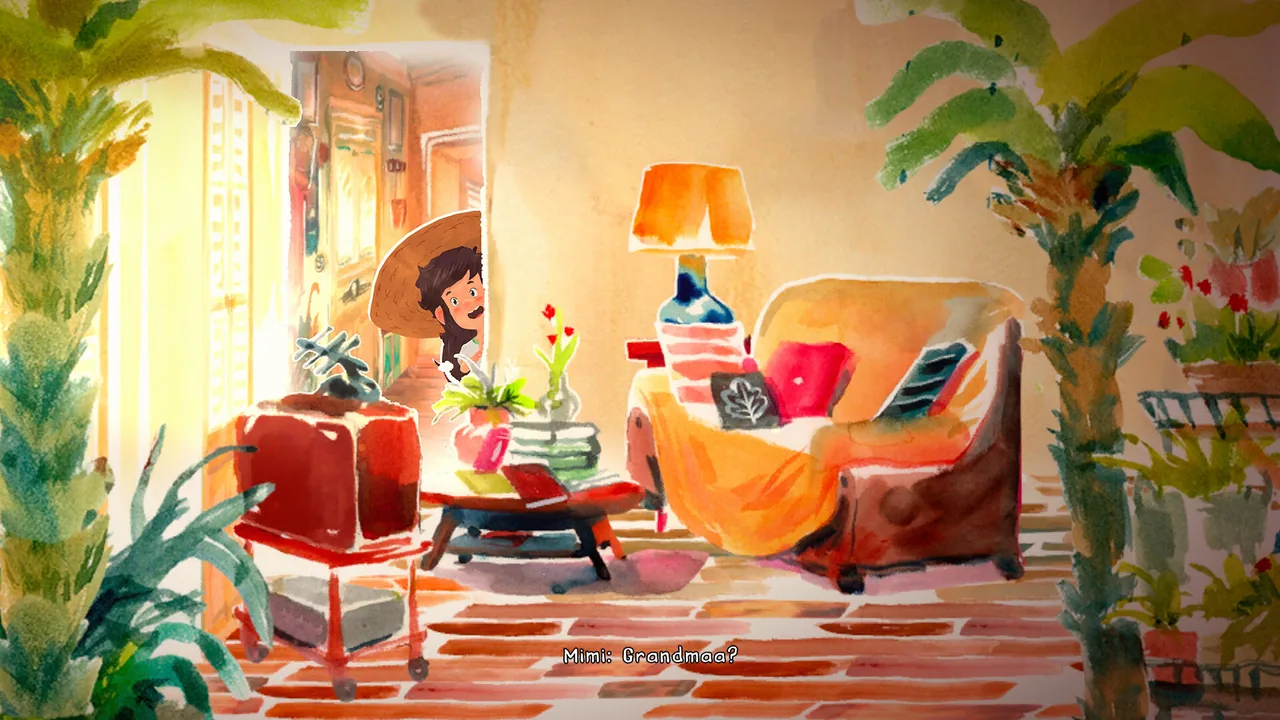
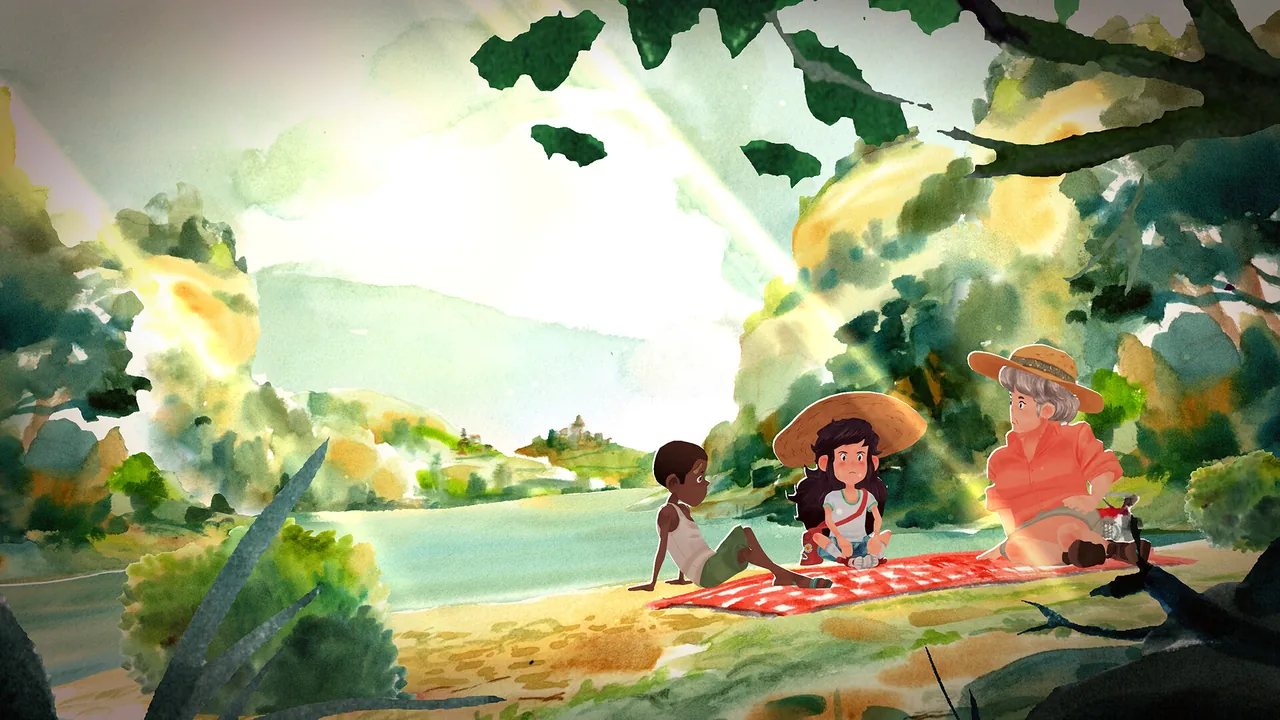
- Watercolour art direction draws close to unanimous, specific praise, with reviewers describing it as genuinely distinctive within the genre rather than a stylistic gimmick
- The story's handling of childhood memory, grief and family secrets lands as heartfelt and nostalgic for a large share of reviewers, several describing real emotional resonance
- Voice acting and music draw consistent, positive credit for reinforcing the game's warm, reflective tone
Biggest weaknesses
- Interactivity is this review's most dominant, consistently repeated complaint, with reviewers describing controls as clunky and the various mini-games, quick-time events and collectibles as adding time rather than meaningful engagement
- Several detailed reviewers argue the game would have worked better as a straightforward visual novel, since the interactive segments rarely require thought or carry consequence
- The story is criticised by a meaningful share of reviewers as basic and heavily telegraphed, with plot beats signposted well before they arrive rather than allowed to unfold
Who it's for: Players who want a short, emotionally warm, visually distinctive story about memory and family, and can accept minimal interactive challenge; less suited to anyone wanting the "adventure" and "exploration" the store page's tags advertise, or gameplay with real consequence.
Our recommendation: A beautifully painted, heartfelt short story best approached as a visual novel with light interactive dressing, rather than the exploratory adventure its marketing suggests.
6.5 / 10
Introduction
Dordogne follows Mimi, an adult woman returning to her late grandmother's home in the French countryside, alternating between her present-day visit and memories of childhood summers spent there, gradually uncovering family history along the way. Developed by UN JE NE SAIS QUOI and UMANIMATION and published by Focus Entertainment, it released 13 June 2023 for NZ$24.99. Over two years on, it holds 1,602 Steam reviews sitting at Very Positive, roughly 91.5%, with recent sentiment holding close at 88% across its most recent 100 English reviews. This review reads a substantial share of both the negative and positive samples, and finds a game whose visual presentation draws close to unanimous acclaim, wrapped around an interactivity complaint this review's sample repeats with real consistency — including from reviewers who otherwise recommend the game.
A watercolour world reviewers love unreservedly
Start with the clearest point of agreement across this review's entire sample: Dordogne's art is genuinely beautiful, and reviewers describe it in specific, enthusiastic terms rather than vague approval. The hand-painted watercolour aesthetic draws credit as distinctive within a genre that often defaults to more conventional visual styles, and it holds up as the game's strongest, least-disputed asset across both the positive and negative samples. The story itself — Mimi's reckoning with childhood memory, family loss and the complicated feelings of returning to a formative place — lands as genuinely heartfelt for a large share of reviewers, several describing real emotional resonance with its themes of nostalgia and reconnecting with the past. Voice acting and music draw consistent, matching praise for reinforcing that warm, reflective tone throughout.
An interactivity complaint that crosses the recommend line
Set against that praise, this review's sample shows unusually strong, specific agreement on where Dordogne falls short: what the player actually does. Reviewers repeatedly describe the controls as clunky and the game's mix of light mini-games, quick-time events and collectibles as adding time to the experience without adding meaningful engagement, several noting every interactive prompt tells the player exactly what to do rather than requiring any real thought. A notable share of detailed reviewers make the same specific suggestion independently: the game would have worked better as a straightforward visual novel, since its interactive layer rarely does anything the story itself couldn't accomplish alone. This isn't confined to the negative sample — several positive reviews specifically flag it too, recommending the game for its story and visuals while explicitly warning prospective buyers not to expect meaningful gameplay. The story itself draws a smaller, related complaint from a portion of reviewers who find it basic and heavily telegraphed, with major beats signposted well ahead of when they land rather than allowed to unfold with real surprise.
A specific, unfavourable comparison worth naming
One comparison recurs often enough in this review's sample to be worth naming directly: reviewers who've also played Season: A Letter to the Future, a game built around a similar memory-scrapbooking mechanic, consistently describe Dordogne as the clearly weaker execution of a similar idea. That's a useful data point for any reader deciding between the two, since it isn't an isolated opinion but a comparison several independent reviewers reach for on their own.
Final Verdict
Dordogne succeeds unambiguously on presentation — watercolour art that reviewers across this review's entire sample agree is genuinely distinctive, wrapped around a heartfelt story about memory and family that lands for a large share of players. What keeps this from a stronger recommendation is a consistent, specific complaint about the game underneath that presentation: clunky, shallow interactivity that a meaningful number of reviewers — fans and critics alike — say adds length without adding engagement. For players who want a short, visually striking story and can treat the interactive elements as light dressing rather than the main event, Dordogne delivers something genuinely lovely. Anyone expecting the exploration and adventure its marketing promises should temper that expectation before buying.
Pros and cons
Pros
- Watercolour art direction draws close to unanimous, specific praise, with reviewers describing it as genuinely distinctive within the genre rather than a stylistic gimmick
- The story's handling of childhood memory, grief and family secrets lands as heartfelt and nostalgic for a large share of reviewers, several describing real emotional resonance
- Voice acting and music draw consistent, positive credit for reinforcing the game's warm, reflective tone
- Its short length is treated as a feature rather than a flaw by reviewers who specifically want a compact, low-commitment emotional experience
Cons
- Interactivity is this review's most dominant, consistently repeated complaint, with reviewers describing controls as clunky and the various mini-games, quick-time events and collectibles as adding time rather than meaningful engagement
- Several detailed reviewers argue the game would have worked better as a straightforward visual novel, since the interactive segments rarely require thought or carry consequence
- The story is criticised by a meaningful share of reviewers as basic and heavily telegraphed, with plot beats signposted well before they arrive rather than allowed to unfold
- Reviewers who also played Season: A Letter to the Future, which shares a similar memory-scrapbooking mechanic, describe Dordogne as the clearly weaker execution of a similar idea
Screenshots
-
DordogneImage: Focus Entertainment via Steam -
DordogneImage: Focus Entertainment via Steam -
DordogneImage: Focus Entertainment via Steam -
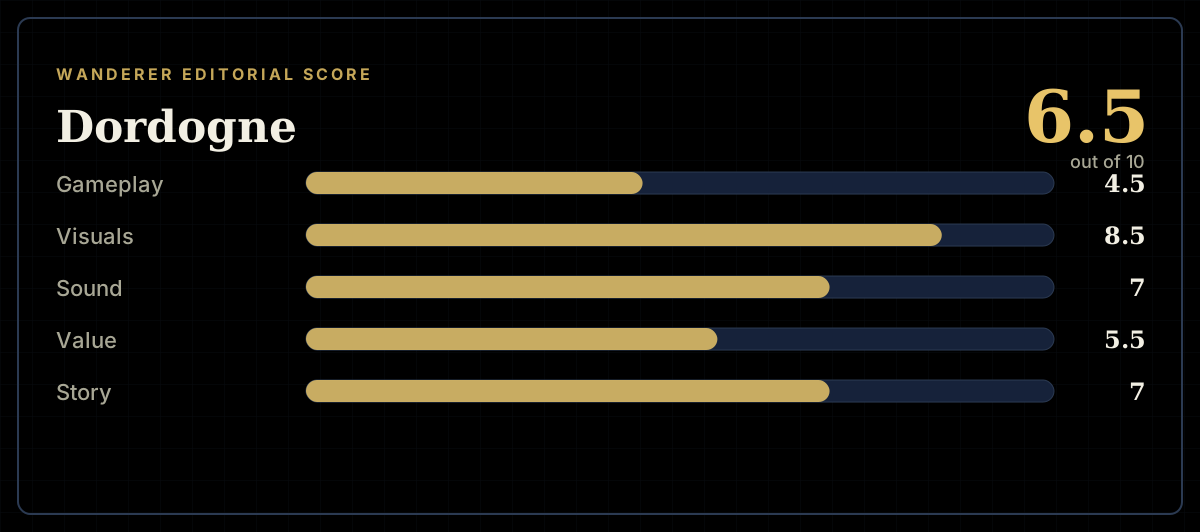
How the review scores each part of the gameWanderer Editorial -
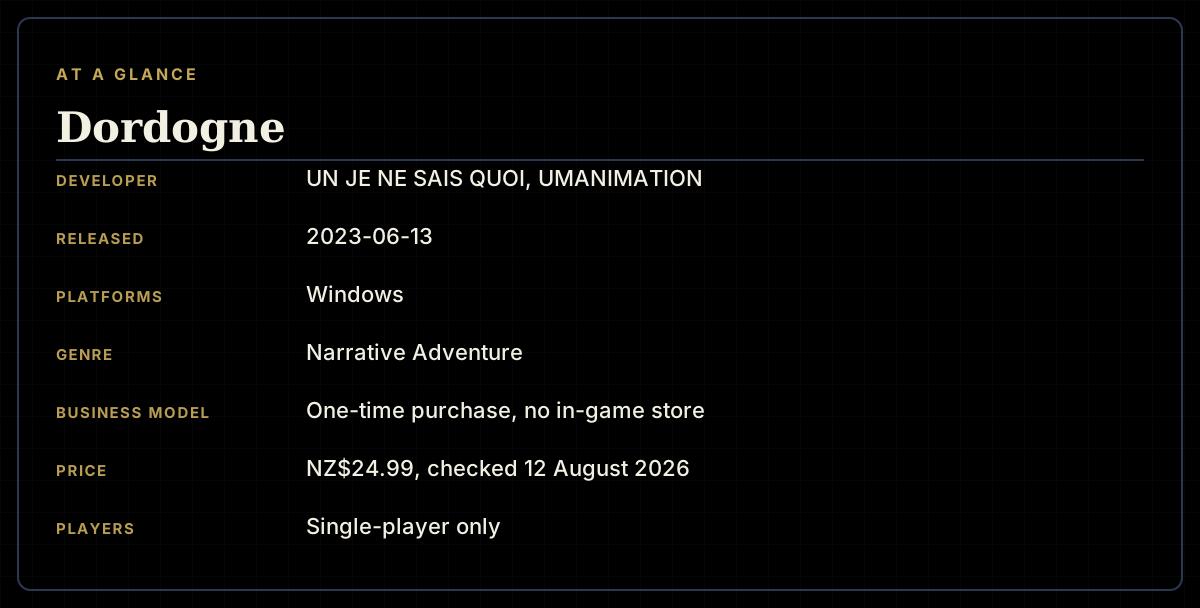
The essentials at a glanceWanderer Editorial -
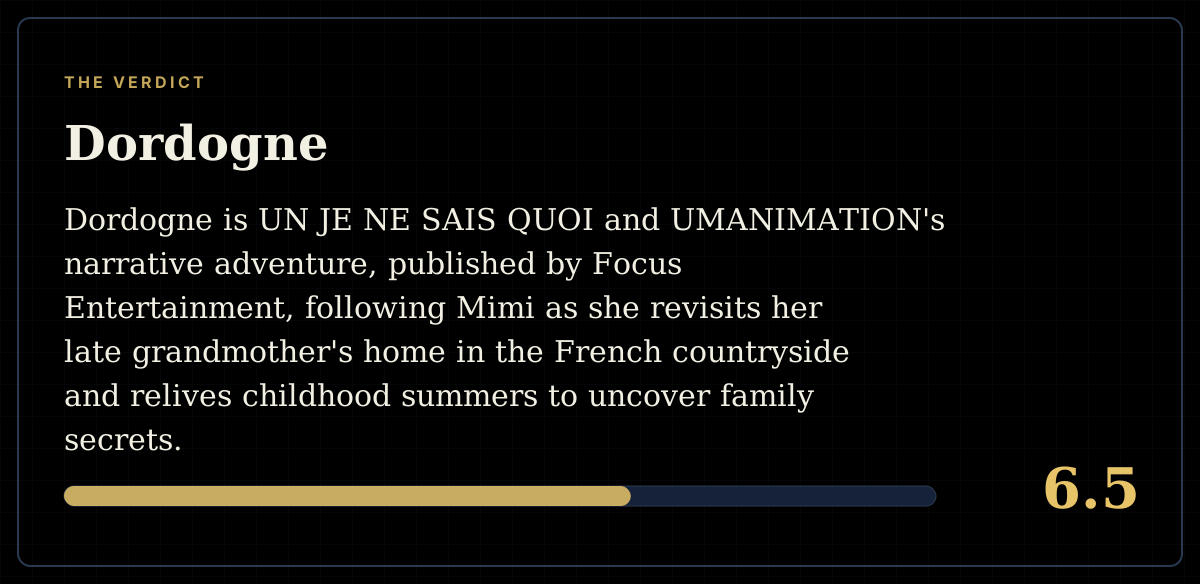
The short versionWanderer Editorial