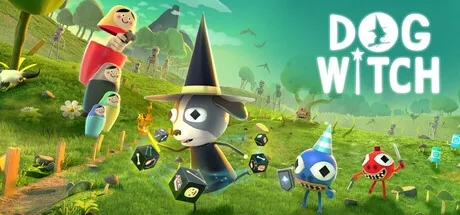
Game review
DOG WITCH
7.5 / 10
- Developer
- Heckmouse
- Publisher
- Mystic Forge
- Released
- 5 November 2025
- Platforms
- Windows
- Genre
- Roguelike Deckbuilder
- Monetisation
- One-time purchase, no in-game store
- Players
- Single-player only
The short version
DOG WITCH is a roguelike deckbuilder from solo developer Heckmouse, published by Mystic Forge, built around six-sided dice rather than cards — spells, summons and items all draw power from what a run's dice roll, in a lineage that traces back to Dicey Dungeons. Released 5 November 2025 for NZ$14.75, it holds a strong, healthy review base: 92.9% positive across 368 English-language Steam reviews, 91.1% across its 416-review all-language corpus. This review reads all 26 of the game's English negative reviews and finds a focused, specific disagreement running through the whole sample — whether the game gives players real tools to steer around bad dice luck, or leaves them mostly at randomness's mercy. Fifteen of the 26 negatives raise RNG or luck directly, several arguing runs can be lost through no real fault of the player's own decisions. A meaningful share of the positive sample argues the opposite just as specifically, crediting the dice-upgrade system with giving genuine agency over what a run becomes. Sustained, substantial free content updates through mid-2026 suggest the developer is still actively shaping the balance this disagreement centres on.
Biggest strengths
- The core hook — building spells, summons and combat options entirely around six-sided dice that can be upgraded face-by-face between fights — draws specific, enthusiastic praise as a genuine, still-underused twist on the roguelike deckbuilder formula
- Presentation earns wide, warm credit: reviewers on both sides of the RNG debate agree the art, music and overall "dog witch" concept are charming rather than merely cute set-dressing
- Sustained free post-launch support is real and substantial — a Major Content Update in March 2026 followed by dedicated Werewolf and Vampire content updates through May 2026 — showing continued investment well past a solo developer's initial launch window
Biggest weaknesses
- Fifteen of the 26 negative reviews read for this piece raise RNG or luck directly as a core problem, several describing runs lost to unfavourable dice draws with limited ability to recover through skilled play alone
- The specific complaint under the RNG label concerns agency: multiple reviewers argue the game's reroll mechanic is too limited and too costly to meaningfully offset bad luck, unlike genre peers with more generous selection tools
- A smaller cluster of reviews describe the base game as too short and too easy, with one reviewer completing it in under an hour and several others finishing well within the refund window before the 2026 content updates existed
Who it's for: Fans of Dicey Dungeons or Slay the Spire looking for a smaller-scale, dice-driven spin on the formula, with a genuinely cute presentation; a tougher sell for players who need consistent control over their build rather than embracing swingy randomness.
Our recommendation: A charming, distinctive dice-deckbuilder with real fans and real critics arguing the same specific question about player agency versus luck. Worth trying the free demo first if randomness-heavy roguelikes have burned you before.
7.5 / 10
Introduction
DOG WITCH follows the pup of an evil mastermind who accidentally gains sentience and sets off to foil their former master's plans, fighting through a roguelike deckbuilder built on six-sided dice rather than the genre's usual playing cards. Solo developer Heckmouse, published by Mystic Forge, released it 5 November 2025 for NZ$14.75, and it holds a strong, healthy review base: 92.9% positive across 368 English-language Steam reviews, 91.1% across its wider 416-review all-language corpus. This review reads all 26 of the game's English negative reviews in full, and finds something this library values highly when it appears: a specific, well-argued disagreement running through the whole sample, rather than vague dissatisfaction on one side and vague enthusiasm on the other.
A genuinely distinctive dice-driven hook
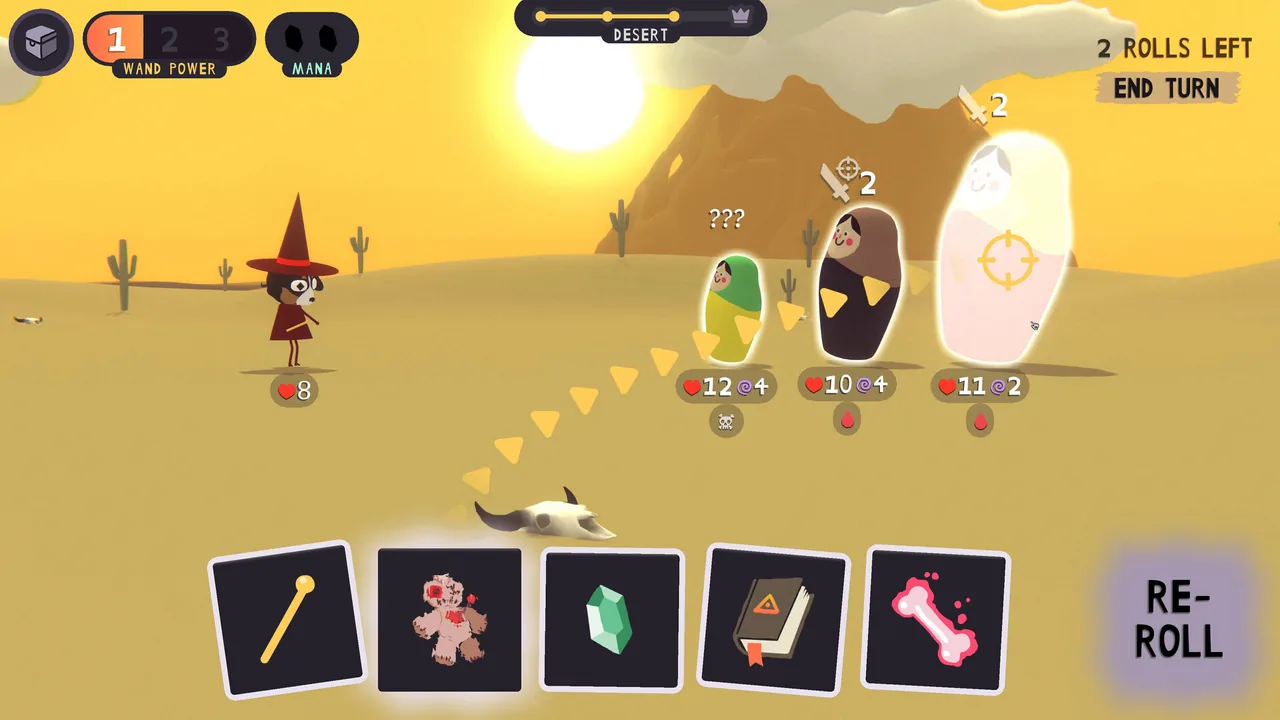
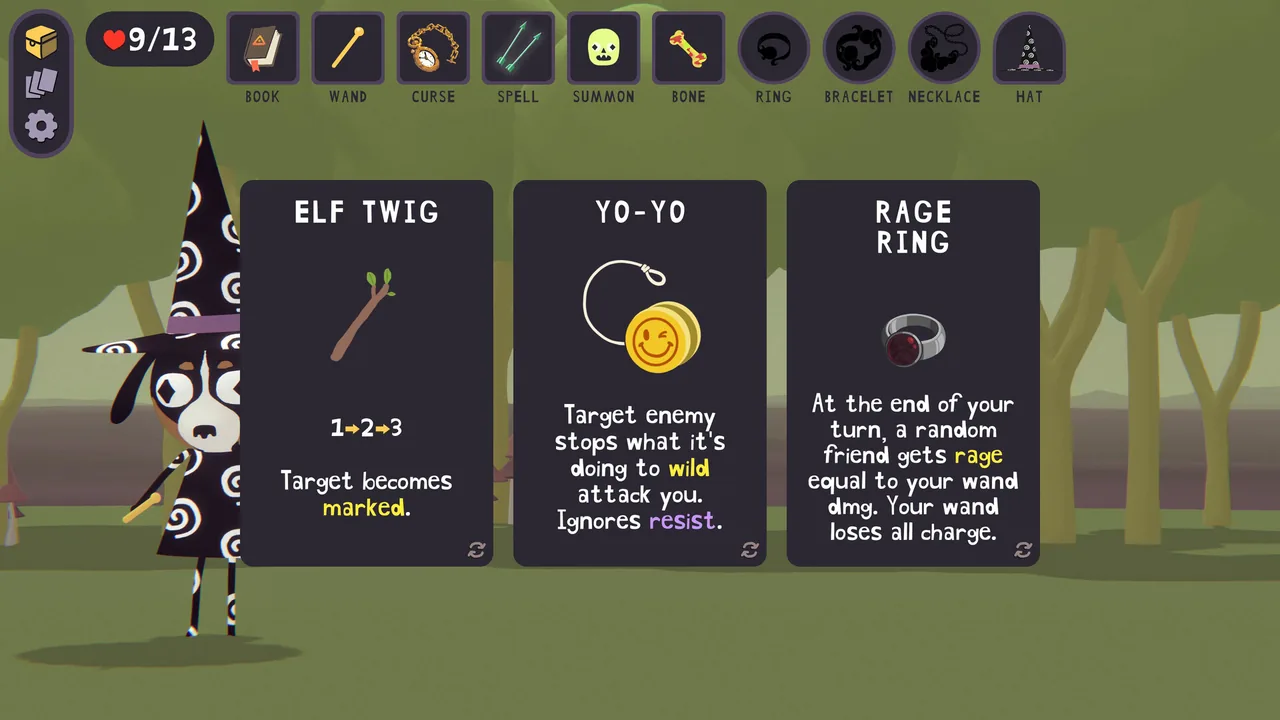
The core idea earns real, specific credit across this review's sample. Rather than drafting a deck of cards, players build out a set of dice, upgrading individual faces between fights toward specialised effects — wands, summons, spells — with over 150 items available to combine into a run's build. "It's the dice are what really make it fun," reads one review from a self-described Dicey Dungeons fan who says nothing else has scratched quite the same itch since. Another, describing 40 hours of beta and post-launch play, still reports "finding cool combos" — a good sign for a game's depth this far past initial impressions. Presentation is the other point of near-total agreement: the "dog witch" concept itself, the art and the music draw consistent warmth from reviewers on both sides of every other disagreement in this review's sample.
The question this outlet always asks — argued on both sides
This library has learned to check, for any randomised-builder roguelike, whether growing content comes paired with real tools to steer toward what a player wants, or whether the game just gets more random as it grows. DOG WITCH's own review corpus is arguing precisely that question, in detail, on both sides — which is a genuinely useful thing for a review to report rather than settle.
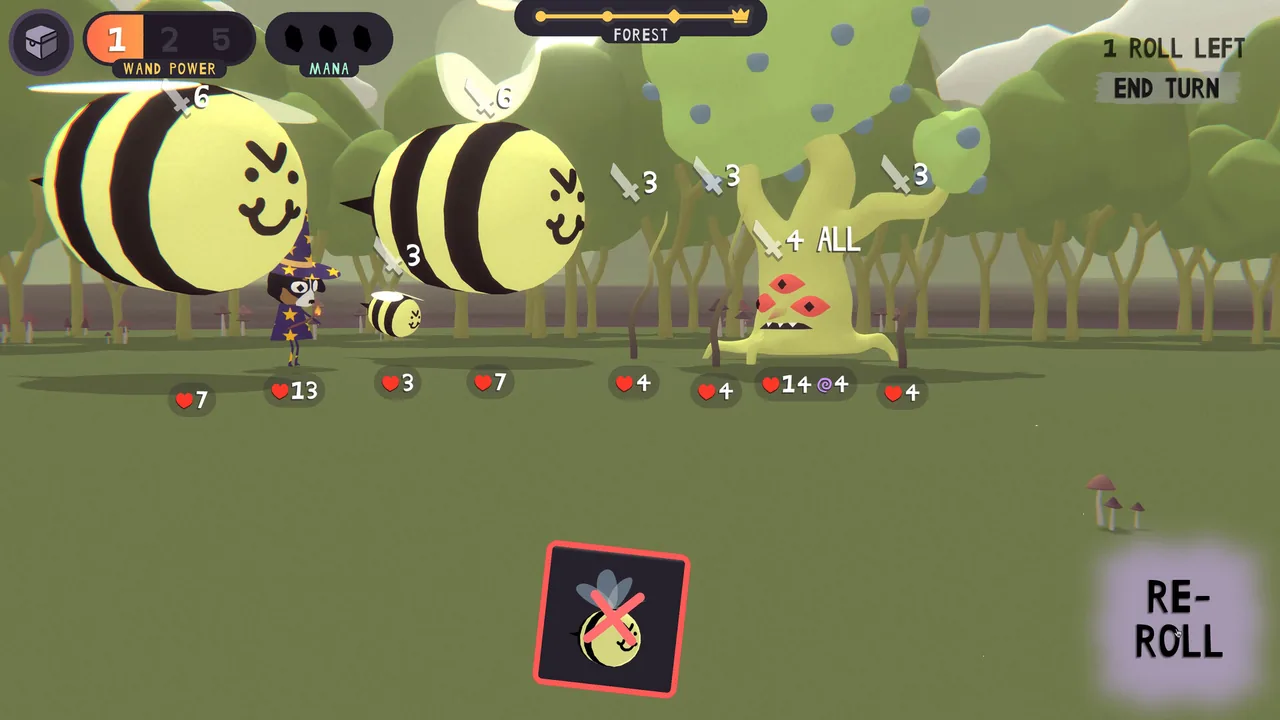
On the critical side, 15 of the 26 negative reviews read for this piece raise RNG or luck directly, and the sharper versions of the complaint are specific about mechanism rather than just venting about bad rolls: the game's reroll system, several argue, is too limited and too costly to meaningfully rescue a run once the dice turn unfavourable. "The RNG in this game is brutal and there's no real way to skew it in your favor except through more re-rolls (which are at [a real cost]," reads one measured, otherwise-positive review. Another puts it more bluntly: "results are ultimately dictated by RNG, not skill... When I lose, I mostly [feel it wasn't my fault]." A handful of reviews go further, describing specific unwinnable-feeling scenarios — arriving at a boss fight with minimal health and no realistic way to have prevented it through earlier decisions.
The positive sample answers this directly rather than ignoring it. "A lot of the negative reviews are saying there's too much RNG," reads one 10-vote review, "and as someone who has bounced off of card games and roguelikes with too much RNG, I don't think this is true for Dog Witch. This game feels more about using your choices to fill holes in your character" — arguing the dice-upgrade system, read correctly, is itself the mitigation tool critics say is missing. That's a genuine, substantive disagreement about how the same system reads to different players, not one side simply being wrong, and it's worth a prospective buyer trying the free demo specifically to see which camp they land in before spending money.
Shorter than some expected, and one unresolved report
A smaller complaint cluster concerns length and difficulty balance separate from the RNG debate. Several reviewers describe the base game as finishable quickly — one completed it in under an hour — and easy enough that a handful of early reviews specifically ask for more challenge and variety. Given these reviews predate the 2026 content updates discussed below, some of that complaint may already be addressed by since-added material this review hasn't independently verified against. Separately, one review reports a softlock occurring after every win or loss, and states the issue persisted across multiple patches despite being noted in patch notes as addressed — this review could not confirm independently whether that specific bug remains present today, and flags it as a documented but unverified report rather than a settled fact.
Real, sustained support from a solo developer
Whatever the balance of the RNG argument, DOG WITCH hasn't sat still since launch. Steam's news feed shows a free Major Content Update in March 2026 (after a couple of announced delays), followed by dedicated Werewolf and Vampire content updates running through April and May 2026 — substantial, named content drops rather than small bug-fix patches, and a genuinely active cadence for a solo-developed project six months past release. Steam Deck Verified status, confirmed shortly after launch, and a reasonably healthy achievement completion curve — a median of 41.5% across 13 achievements — both suggest a technically solid, engaging game for the players who stick with it.
Final Verdict
DOG WITCH succeeds at being genuinely distinctive in a crowded genre, building real, specific enthusiasm around its dice-driven core and its charming presentation, backed by a solo developer who has kept adding substantial free content well past launch. Its one real point of contention — whether the game gives players enough agency to fight bad luck, or leaves runs too often at the mercy of the dice — is argued specifically and thoughtfully on both sides of this review's sample, which is a healthier sign for the game's design conversation than either side simply being right. Try the free demo to see which side of that argument your own experience lands on, because this review's read of the evidence suggests it's a genuine matter of taste rather than a settled flaw.
Pros and cons
Pros
- The core hook — building spells, summons and combat options entirely around six-sided dice that can be upgraded face-by-face between fights — draws specific, enthusiastic praise as a genuine, still-underused twist on the roguelike deckbuilder formula
- Presentation earns wide, warm credit: reviewers on both sides of the RNG debate agree the art, music and overall "dog witch" concept are charming rather than merely cute set-dressing
- Sustained free post-launch support is real and substantial — a Major Content Update in March 2026 followed by dedicated Werewolf and Vampire content updates through May 2026 — showing continued investment well past a solo developer's initial launch window
- Steam Deck Verified status and a healthy completion curve (achievement median of 41.5% across 13 achievements) suggest the game runs well and holds attention for a meaningful share of buyers who start it
Cons
- Fifteen of the 26 negative reviews read for this piece raise RNG or luck directly as a core problem, several describing runs lost to unfavourable dice draws with limited ability to recover through skilled play alone
- The specific complaint under the RNG label concerns agency: multiple reviewers argue the game's reroll mechanic is too limited and too costly to meaningfully offset bad luck, unlike genre peers with more generous selection tools
- A smaller cluster of reviews describe the base game as too short and too easy, with one reviewer completing it in under an hour and several others finishing well within the refund window before the 2026 content updates existed
- One review reports a softlock occurring after every win or loss, and states it persisted across multiple patches despite being acknowledged in patch notes — this review could not independently confirm whether it has since been resolved
Screenshots
-
DOG WITCHImage: Mystic Forge via Steam -
DOG WITCHImage: Mystic Forge via Steam -
DOG WITCHImage: Mystic Forge via Steam -
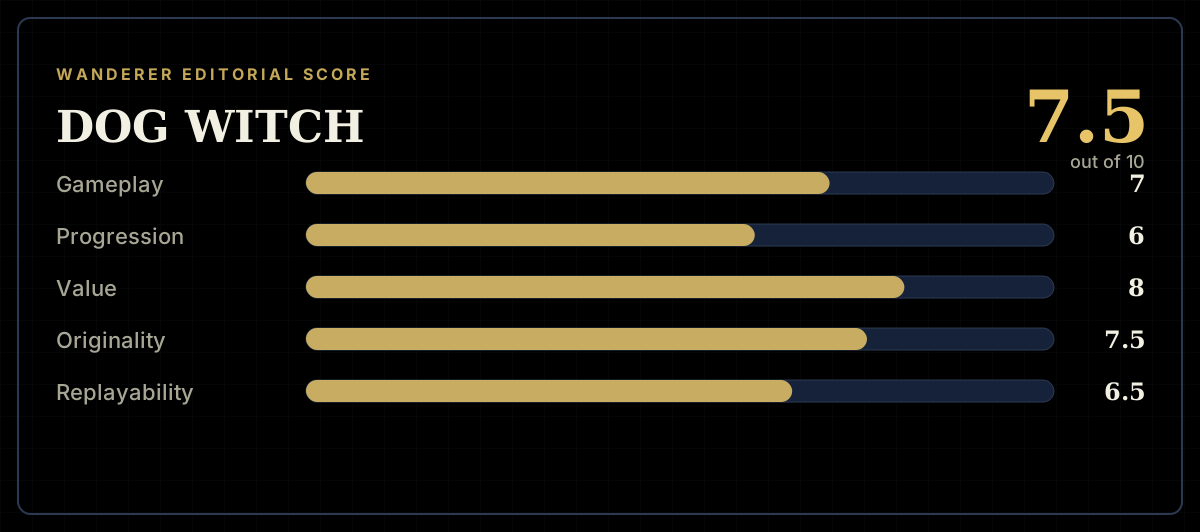
How the review scores each part of the gameWanderer Editorial -
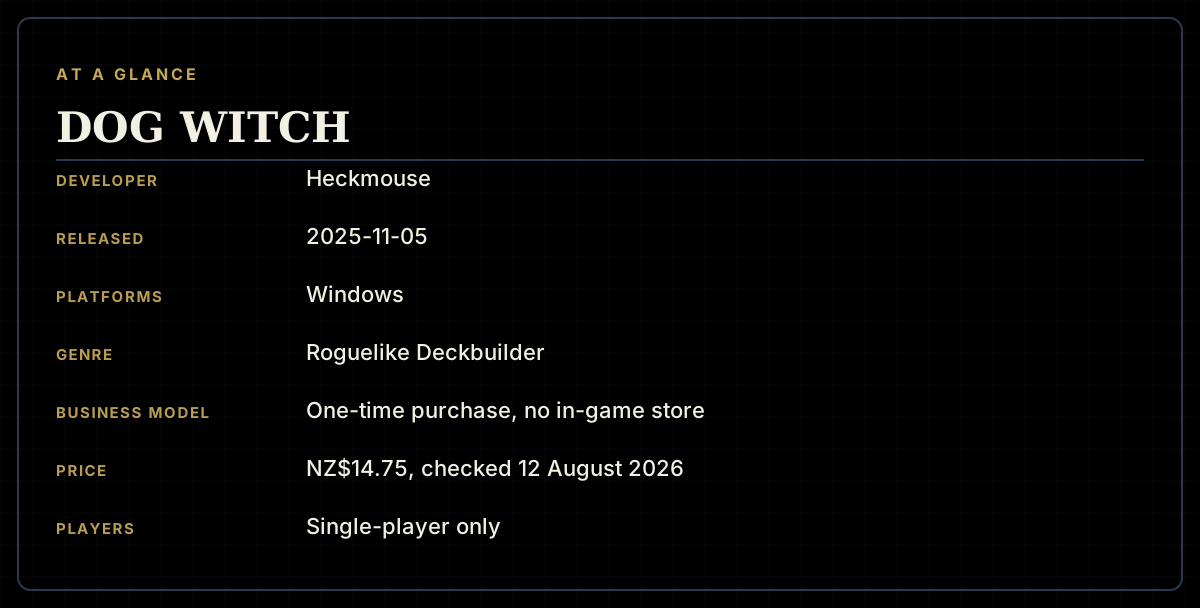
The essentials at a glanceWanderer Editorial -
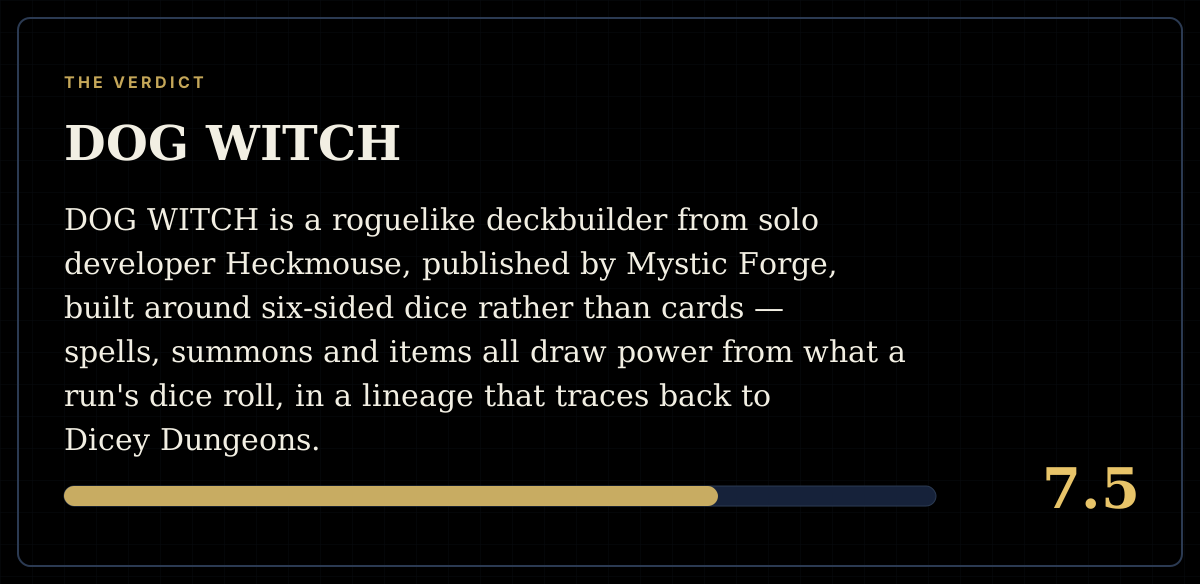
The short versionWanderer Editorial