Game review
Divine Divinity
7 / 10
- Developer
- Larian Studios
- Publisher
- cdv Software Entertainment
- Released
- 13 September 2002
- Platforms
- Windows
- Genre
- Action RPG
- Monetisation
- One-time premium purchase; no DLC, no in-app purchases
- Players
- Single-player only; no online, co-op or PvP modes
The short version
Divine Divinity is where Larian Studios' now-legendary run began: a sprawling, genuinely freeform action-RPG released in 2002, packed with dense lore, dark humor, and the kind of go-anywhere ambition that reviewers consistently compare to a 2D Skyrim two decades before that comparison became a cliché for other games. It's the direct root of the Divinity franchise that led to Original Sin, Original Sin 2, and — through the same studio's continued growth — Baldur's Gate 3.
What a real, independently corroborated pattern of reviewers describes, though, is a genuinely serious technical reliability problem running this specific engine on modern hardware: frequent crashes, quest-breaking bugs, and at least one detailed account of losing a 92-hour save file outright to a bug that deleted it. This isn't a minor annoyance reported by one unlucky player — it recurs across multiple independent reviews with specific, actionable warnings ("save often," "expect crashes opening bookshelves") that a buyer needs to take seriously before committing real time.
Biggest strengths
- A genuinely huge, freeform open world for a 2002 release, with reviewers consistently comparing its go-anywhere design and quest density favorably to far more modern open-world RPGs
- Rich, frequently funny writing and worldbuilding that holds up according to reviewers decades later, despite some story beats reading as familiar by now
- Extremely cheap and frequently discounted further, for what reviewers describe as 50-70+ hours of content on a first playthrough alone
Biggest weaknesses
- A genuinely serious, independently corroborated pattern of crashes on modern PCs, with multiple separate reviewers offering specific, practical warnings ("save often," expect a crash "opening random books on bookshelves") rather than a single unlucky player's story
- One detailed reviewer reports a bug that deleted an entire 92-hour save file outright, framing the game as too risky to invest serious time into "at the moment" as a direct result
- No official fixes appear to be forthcoming for these issues — the developer's own public activity on this specific game's Steam page consists of a single post, unrelated to technical support
Who it's for: Fantasy RPG fans and Larian completionists curious about the franchise's origins, who are willing to save obsessively and accept real crash risk as the cost of playing a 2002 engine on modern hardware. Less suited to anyone who can't tolerate losing hours of progress to a technical failure.
Our recommendation: A historically important, genuinely ambitious classic worth experiencing for fantasy RPG fans and Larian's own fanbase — but save constantly, back up your save files manually, and go in with real expectations about this specific release's technical stability.
7 / 10
Before Larian Studios became synonymous with Divinity: Original Sin and, more recently, Baldur's Gate 3, the studio's real breakthrough was a 2002 action-RPG called Divine Divinity — a sprawling, darkly funny open world that let players wander freely from the first town onward, picking fights they weren't ready for and stumbling into quests in whatever order they liked. More than two decades later, it's still earning genuine praise for exactly that ambition, and its own Steam listing carries a small but real piece of gaming history: the single announcement post on its partner-events feed is Larian confirming, in 2019, that it was making Baldur's Gate 3.
An ambitiously open world, decades ahead of its time
Reviewers reach for modern comparisons constantly when describing what Divine Divinity actually offers: "Skyrim in 2D," one calls it, pointing to a genuinely huge, non-linear world dense with subquests and free of the corridor-like structure a lot of 2002-era RPGs settled for. Another detailed review breaks down the appeal specifically — rich lore, "plenty of content" across a 70-hour first playthrough, and "funny little gameplay gimmicks" layered throughout dungeons and towns that reward curiosity rather than punishing it. The difficulty curve is real and front-loaded, with one reviewer warning that the opening hours can be "very difficult and quite frankly, a little boring" before the game's systems open up — but multiple reviewers frame this as an honest, fair challenge rather than an unfair one, consistent with the era's harder RPG conventions.
A serious, well-documented technical risk
Set against that praise is a real, specific and independently corroborated pattern this review takes seriously rather than treats as one unlucky player's story. The most detailed critical review in the sample reports the game as "almost unplayable" on a modern PC specifically because of "a large number of bugs — some of them even break quests," and describes losing an entire 92-hour save file to a bug that deleted it outright, concluding bluntly that the game "has the potential to be a 9/10, but in its current state, it's a 4/10." That account isn't isolated: separate reviewers independently offer nearly identical practical warnings — "be careful of game crashes if you play for too long or save too often," and specifically, "game might crash while opening random books on bookshelves. Always save first" — the kind of specific, repeatable advice that only comes from reviewers who've genuinely hit the same failure points themselves. One reviewer sums up their overall experience by calling it "one of the most crash-prone games I've ever played" even while recommending it.
This is worth weighing carefully rather than dismissing as expected jank from an old game. A genuine risk of losing dozens of hours of progress to save corruption is a materially more serious problem than typical old-engine quirks like resolution scaling or font size, both of which reviewers note require community-made fixes to properly address on this release. There's no indication in the developer's public activity that a fix is coming — the game's own Steam page has exactly one post in its history, and it's about a different, much newer Larian project entirely.
The direct line to Baldur's Gate 3
That single Steam-page post is worth dwelling on briefly, because it captures something real about this game's place in Larian's history: the studio chose Divine Divinity's own store page, specifically, as the place to announce it was making Baldur's Gate 3 in 2019. It's a small but telling gesture from a studio that clearly still sees this 2002 debut as the true root of everything that followed — Beyond Divinity, Divinity II, the Original Sin duology, and eventually one of the most acclaimed RPGs of the 2020s all trace back to the world and systems this specific game established first.
Writing that still lands, mostly
Beyond scope and freedom, several detailed reviewers specifically credit Divine Divinity's tone — a mix of genuine dark fantasy atmosphere and self-aware humor that doesn't take itself too seriously, illustrated by one reviewer's pull-quote from the game's own writing: "If it waddles like a duck and quacks like a duck, then you can probably surmise it's an imp in disguise." That kind of dry, slightly absurd humor recurs throughout NPC dialogue and quest text, and reviewers who finished the campaign consistently rank the writing above what they expected from a game this old, even while acknowledging some plot beats read as more familiar now than they would have in 2002 — genre tropes that Divine Divinity helped popularize have since become commonplace elsewhere.
No achievement data to lean on
Because Divine Divinity predates Steam Achievements entirely, there's no completion-curve data to independently corroborate how far the typical buyer actually gets — one reviewer notes explicitly that, lacking achievements, they can only claim their own careful cross-referencing against online guides as evidence of a full completion. That's a genuine limitation on how confidently this review can characterize typical engagement beyond what reviewers report directly, and it's worth naming rather than pretending a data source exists that simply doesn't for a game this old.
Where it lands
Divine Divinity earns its reputation as a genuine landmark, not just an old game riding on nostalgia — its scope, freedom and writing hold up well enough that reviewers two decades later still recommend it in detail rather than out of obligation. But the well-corroborated pattern of crashes and, in at least one detailed case, outright save-file loss is a real and serious risk that a modern buyer needs to plan around rather than discover the hard way. Save constantly, keep manual backups, and go in understanding you're getting a piece of RPG history that the studio itself clearly still values — running on an engine that, on today's hardware, doesn't always cooperate.
Pros and cons
Pros
- A genuinely huge, freeform open world for a 2002 release, with reviewers consistently comparing its go-anywhere design and quest density favorably to far more modern open-world RPGs
- Rich, frequently funny writing and worldbuilding that holds up according to reviewers decades later, despite some story beats reading as familiar by now
- Extremely cheap and frequently discounted further, for what reviewers describe as 50-70+ hours of content on a first playthrough alone
- Real replayability through different character builds and largely non-linear quest paths, with several reviewers reporting multiple playthroughs
- Direct, documented historical significance: the founding entry of the franchise that led through Divinity Original Sin and Original Sin 2 to Larian's work on Baldur's Gate 3, a connection the developer's own Steam page for this game explicitly announced
Cons
- A genuinely serious, independently corroborated pattern of crashes on modern PCs, with multiple separate reviewers offering specific, practical warnings ("save often," expect a crash "opening random books on bookshelves") rather than a single unlucky player's story
- One detailed reviewer reports a bug that deleted an entire 92-hour save file outright, framing the game as too risky to invest serious time into "at the moment" as a direct result
- No official fixes appear to be forthcoming for these issues — the developer's own public activity on this specific game's Steam page consists of a single post, unrelated to technical support
- Getting the game running comfortably on a modern display often requires community-made fixes (compatibility settings, unofficial patches for resolution and font scaling) rather than anything built into the Steam release itself
- No Steam achievement schema exists for a game this old, removing one of the usual independent ways to corroborate engagement or completion patterns
Screenshots
-
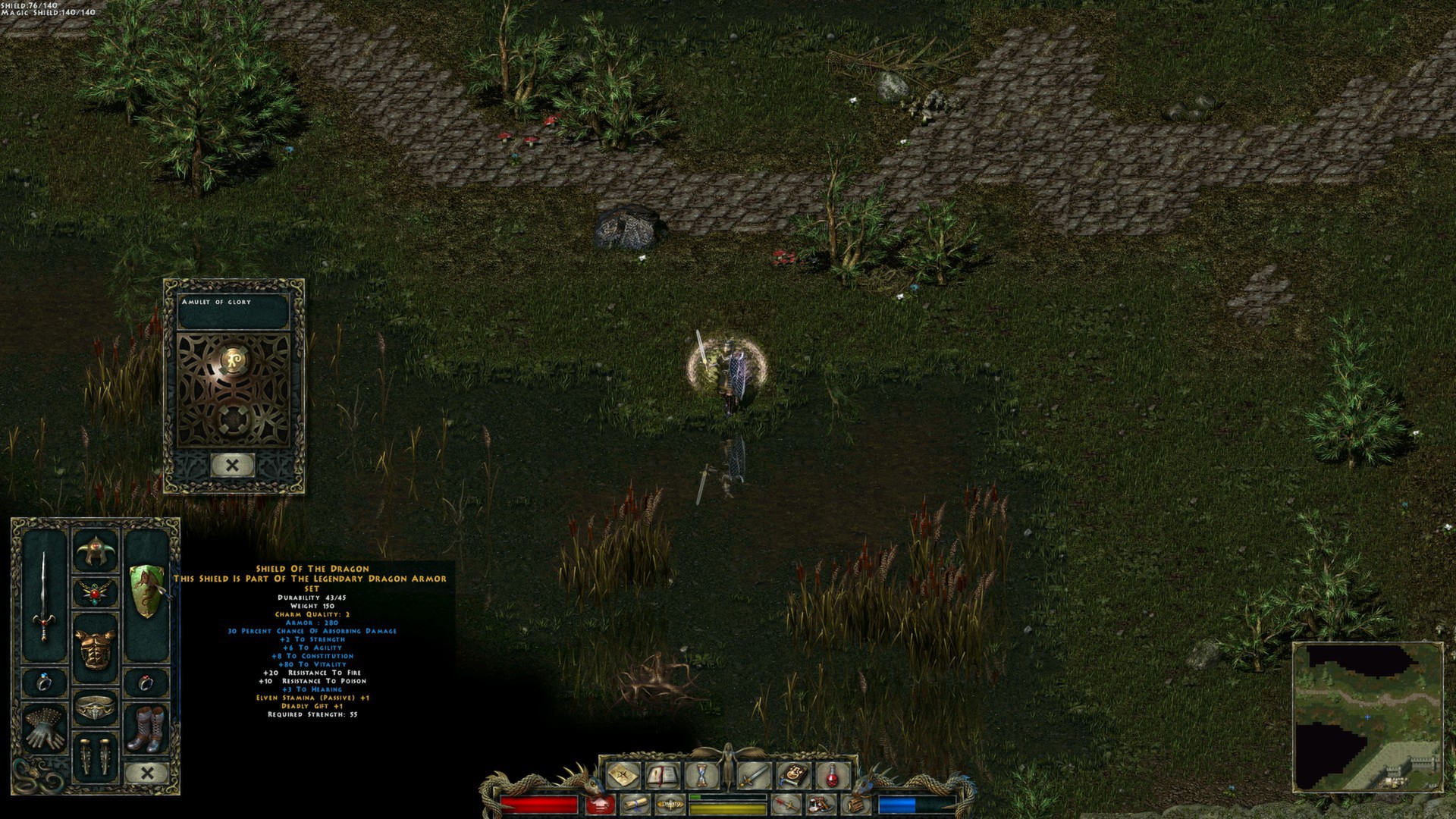
Divine DivinityImage: cdv Software Entertainment via Steam -
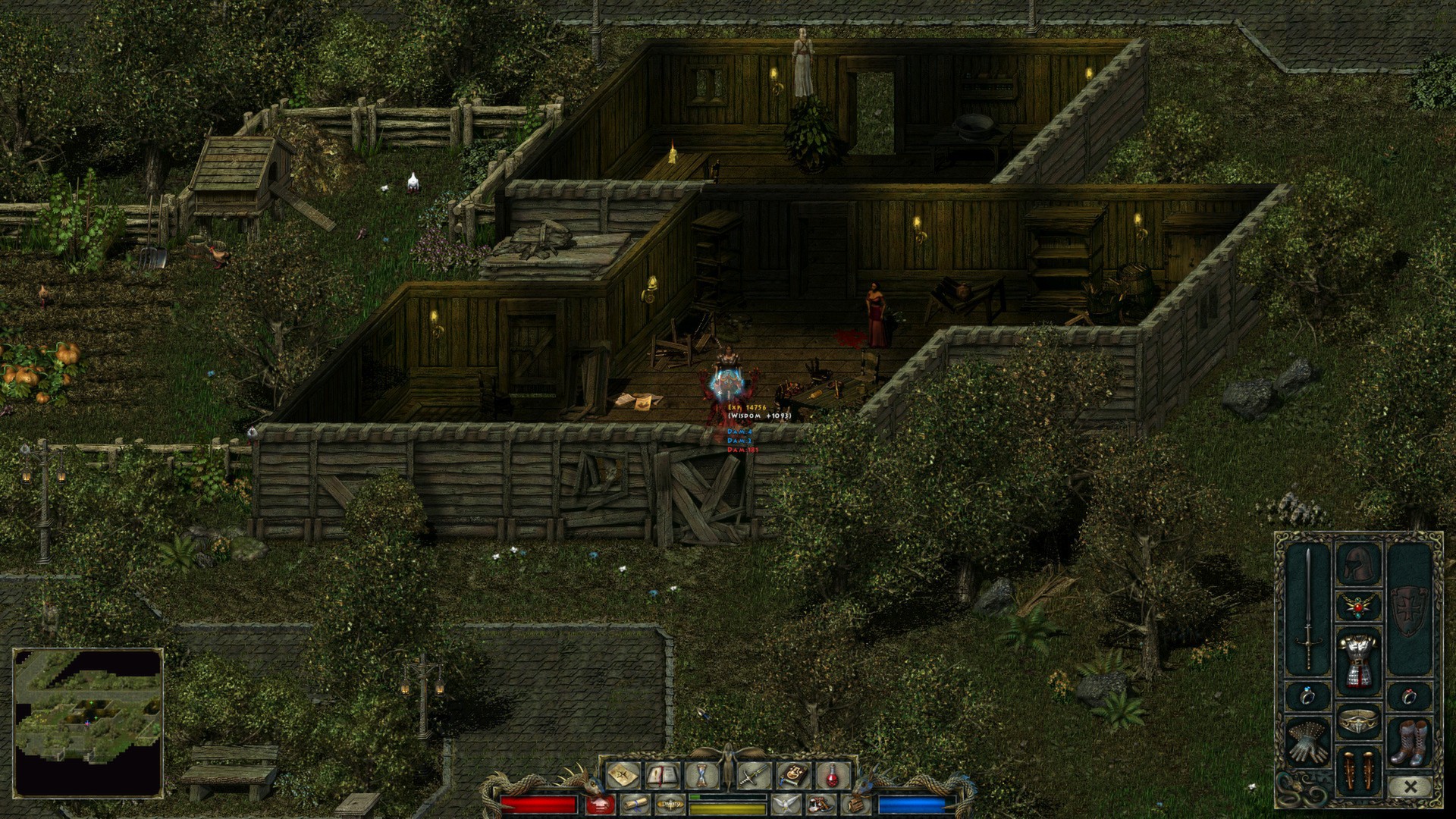
Divine DivinityImage: cdv Software Entertainment via Steam -
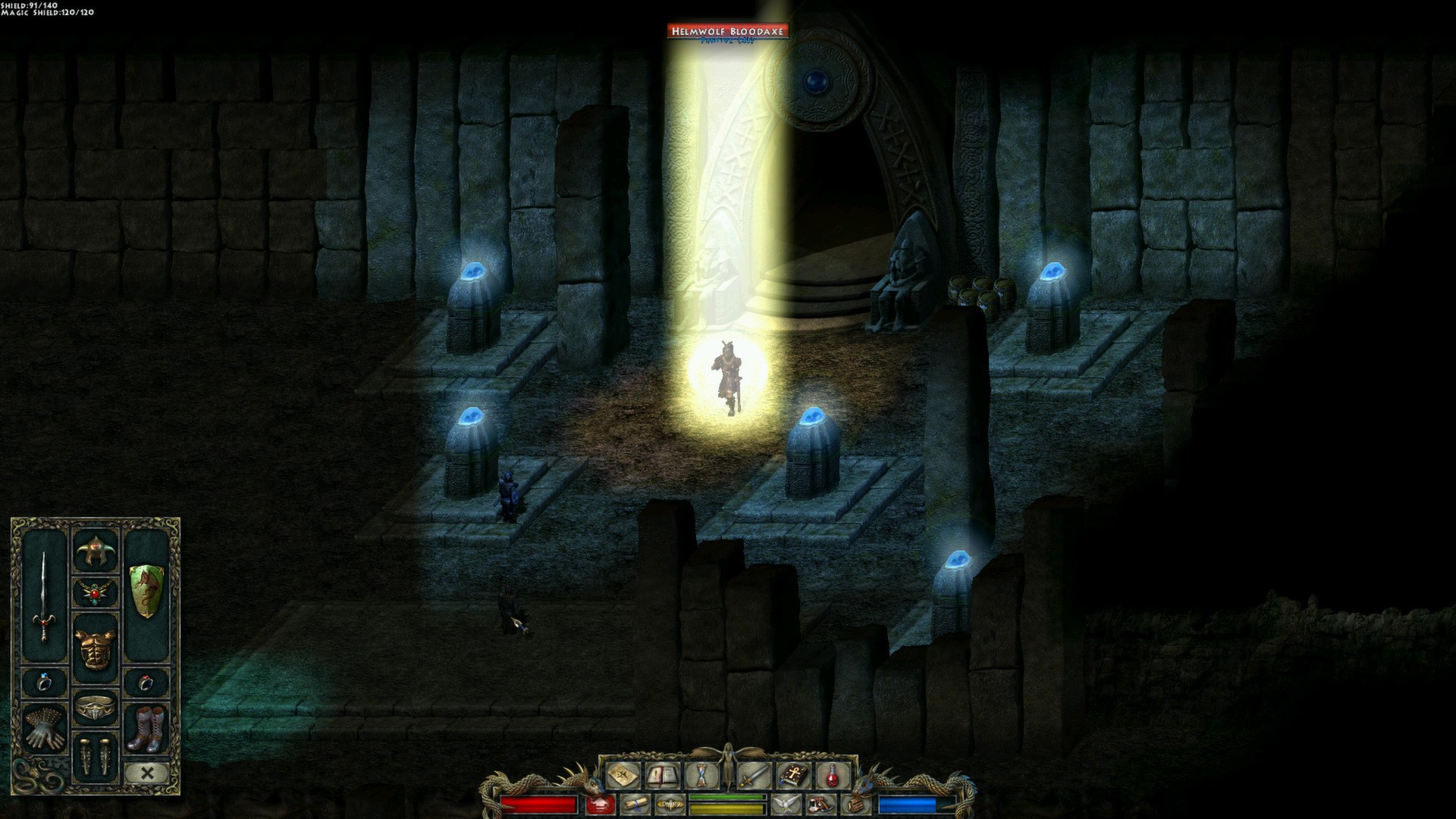
Divine DivinityImage: cdv Software Entertainment via Steam -
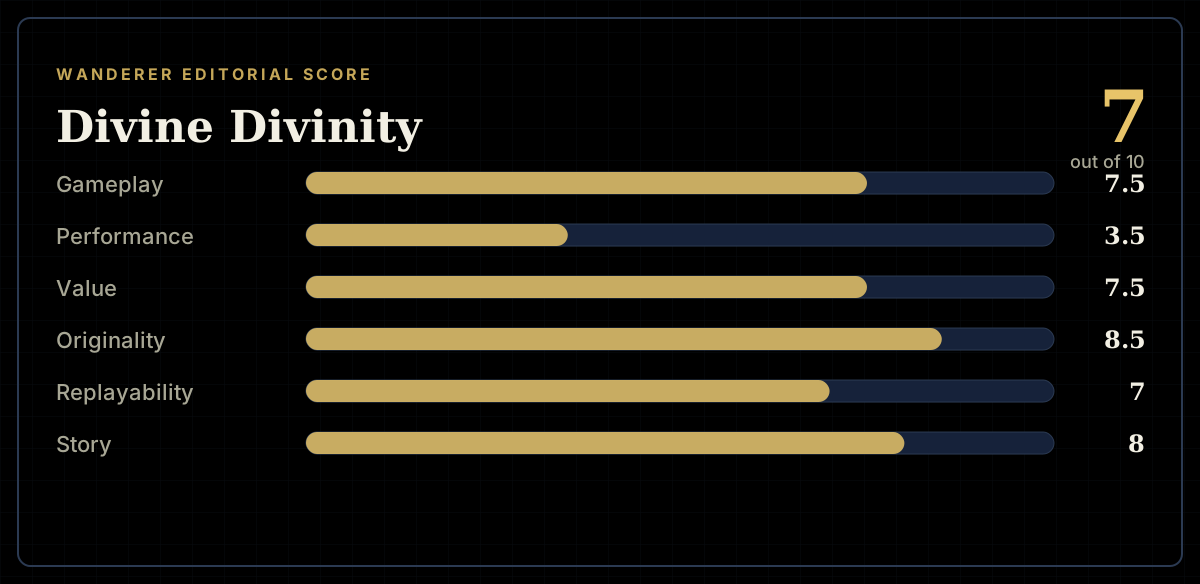
How the review scores each part of the gameWanderer Editorial -
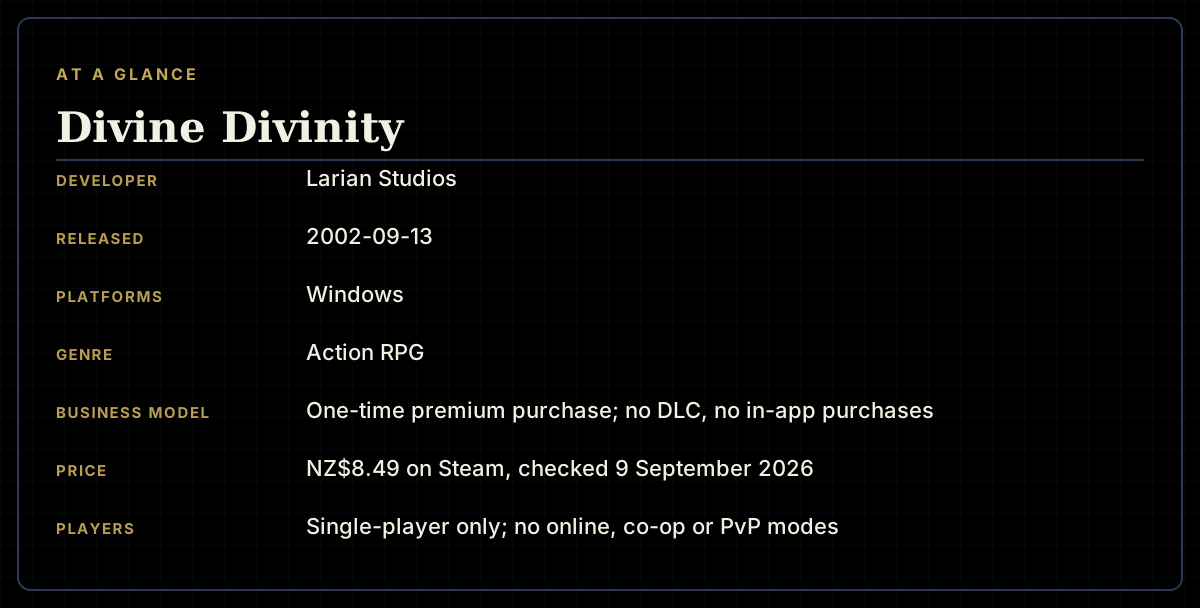
The specsWanderer Editorial -
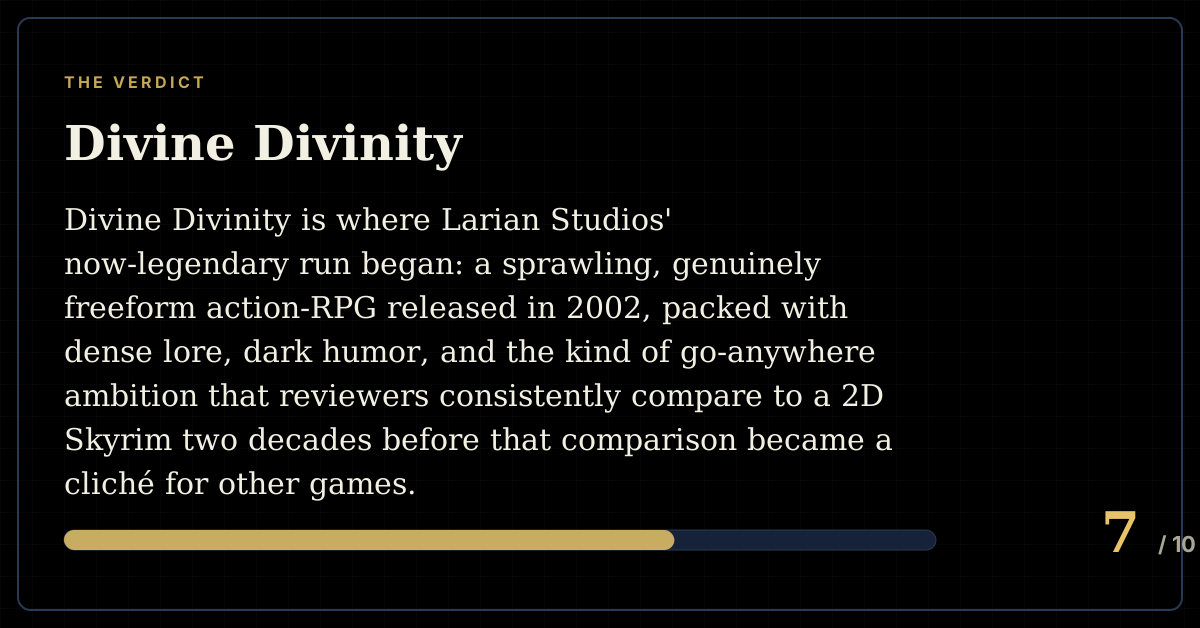
The short versionWanderer Editorial