
Game review
Destiny Spire Review
6.8 / 10
- Developer
- r1kGAMES, celestial-moonlight games
- Publisher
- r1kGAMES, celestial-moonlight games
- Released
- 10 September 2026
- Platforms
- ["Windows"]
- Genre
- RPG
An Old-School JRPG Homage That Leans Into Exploration
Destiny Spire wears its influences openly: a party-based fantasy RPG built around active-time-battle combat, hand-placed dungeon puzzles, and a world map meant to be wandered rather than fast-traveled through. Reviewers consistently reach for the same comparison point — Final Fantasy's earlier, more text-light entries — and the game clearly aims for exactly that register rather than trying to modernize the formula with quest markers or hand-holding. Talking to NPCs and paying attention to the environment isn't optional flavor here; it's how players find the secrets, switches, and hidden paths the reviewers describe hunting for across dozens of hours.
That exploration focus extends into the game's dungeons, which draw specific praise for their puzzle design — one reviewer singles out the back half of the game for stepping up the puzzle complexity meaningfully, while another describes needing an actual notebook to track switch interactions across a single dungeon. It's a deliberately old-fashioned kind of difficulty, asking players to keep track of information themselves rather than leaning on modern UI conveniences, and reviewers who came in expecting that specific flavor of retro friction describe it as a feature rather than an oversight.
A demo preceded the full release by over a year, giving the small but enthusiastic review pool time to form real opinions before launch day — several reviewers reference having played that demo, and the "Full Game Out Now!" release itself arrived on schedule with a cluster of quick patch notes in the days immediately following, suggesting a developer still actively tuning the game rather than one who shipped and walked away.
Combat and Character Building Carry Real Depth
The ATB combat system draws the most consistent specific praise across the review pool. Reviewers describe it as fast-paced without being punishing about reaction time, with an adjustable game-speed option letting players slow the pace to something more deliberate if the default feels too hectic — one reviewer specifically mentions dropping the speed to half and finding that the sweet spot for staying engaged without feeling rushed. It's a small but meaningful concession to a wider range of playstyles than the genre's classic-era originals typically offered.
Character building goes a step further than the nostalgia pitch might suggest. Players assemble a four-person party from eight available classes, and characters additionally choose from a pool of traits as they level up, layering a real strategic choice on top of the automatic stat growth players expect from the genre. One reviewer specifically calls out this trait system as adding "a bit more progression choice" than a straightforward class-and-level structure would offer on its own, and it's the kind of detail that rewards players who care about optimizing a party composition rather than just picking a favorite class and forgetting about it.
Difficulty options extend that same flexibility to the broader campaign: reviewers mention independent sliders for enemy strength, enemy spawn rate, and experience gain, plus the ability to toggle off a recurring puzzle type entirely for players who'd rather focus on combat and story. That level of granular control is unusual for a budget-priced indie RPG and gives Destiny Spire a wider potential audience than its old-school presentation might initially suggest.
A Deliberately Light Story, By Design Rather Than Accident
Where Destiny Spire pulls back is narrative. Multiple reviewers independently describe the story as "light" or "bare bones," with one directly comparing it to the famously minimal plotting of the earliest Final Fantasy games — enough narrative thread to justify moving from place to place, but nothing approaching a dense, character-driven plot. Crucially, none of the reviewers treat this as a flaw; it reads across the pool as an intentional, genre-appropriate choice rather than an underdeveloped one, consistent with a game that's clearly more interested in exploration and combat systems than cutscenes.
The tradeoff shows up more as a pacing question than a storytelling one. A couple of reviewers note that the world map can feel like it demands more aimless wandering than the game's sparse, sometimes unclear directions account for — one specifically flags that a location required to leave the starting zone isn't marked on the map at all, leaving players to stumble onto it. It's a small, specific complaint rather than a pervasive one, but it's a real point of friction for a game that otherwise rewards attentive exploration.
A Handful of Rough Edges Around a Well-Loved Core
The most-repeated concrete complaint in the review pool is mundane but persistent: there's no run button, and the default walk speed is slow enough that more than one reviewer calls it out directly as a frustration during long stretches of map traversal. A related, smaller gripe is that players can't open menus while waiting for a character's ATB gauge to fill, which one reviewer specifically wishes they could do to stay primed for their next action rather than reacting after the fact.
None of these complaints rise to the level of undermining the game's reception — every review in the pool is a recommendation, several logged well over 20 hours before writing, and one reviewer specifically praises the developer for watching their playthrough directly and shipping small quality-of-life fixes in response. For a five-review pool this early in a game's life, that's an unusually direct and reassuring signal about ongoing support, even if the review count itself is too small to call the reception a broad consensus just yet.
Verdict
Destiny Spire is a well-crafted throwback to an older style of JRPG, built around fast ATB combat, genuinely puzzling dungeons, and a party-building system with more strategic depth than its retro presentation lets on. Its light, functional story and slow default walk speed are the clearest points of friction, but neither stops reviewers — all of them, so far — from recommending it enthusiastically, and a developer visibly tuning the game in direct response to player feedback bodes well for where it goes from here. At $14.99, it's an easy recommendation for anyone nostalgic for classic-era JRPGs and willing to do a little of their own exploring, though the tiny review pool means some of that praise still needs time to be tested by a wider audience.
Pros:
- Fast, adjustable-speed ATB combat that rewards quick thinking without punishing slower play
- Party-building system with eight classes and a meaningful trait layer beyond automatic leveling
- Dungeon puzzles praised specifically for getting more complex and engaging later in the game
- Granular difficulty sliders for enemy strength, spawn rate, and experience gain
- A developer actively watching playthroughs and shipping quick, targeted fixes post-launch
Cons:
- No run button, with a default walk speed multiple reviewers call frustratingly slow
- Story is intentionally minimal, which won't appeal to players wanting a plot-driven RPG
- World map directions can be sparse, occasionally hiding required paths entirely
- Can't queue actions from the menu while waiting for a character's ATB gauge to fill
- Review pool is still very small, so its early acclaim hasn't yet been tested at scale
Screenshots
-
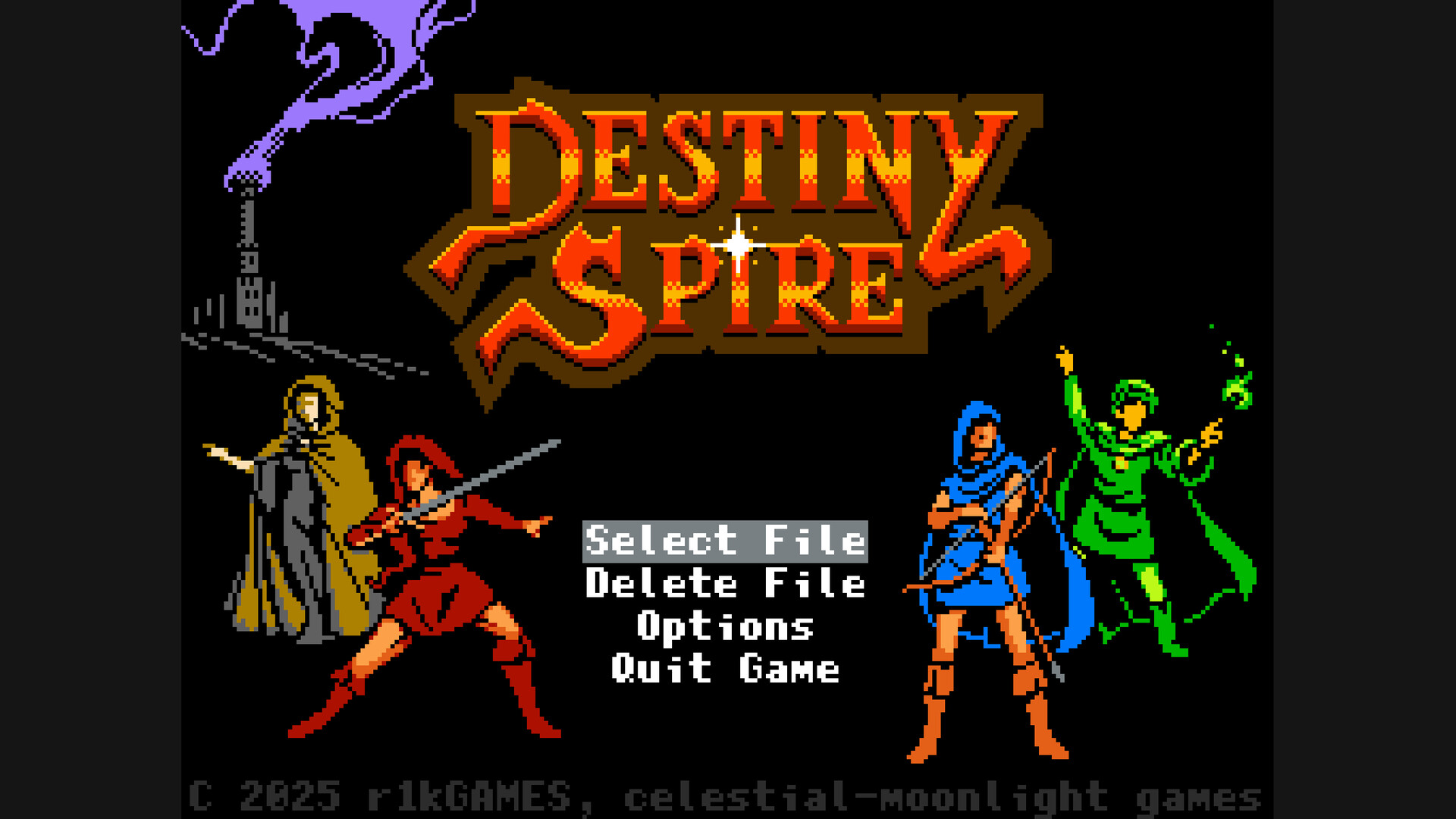
The retro-styled title screen sets the tone before the first dungeon even loadsImage: r1kGAMES, celestial-moonlight games via Steam -
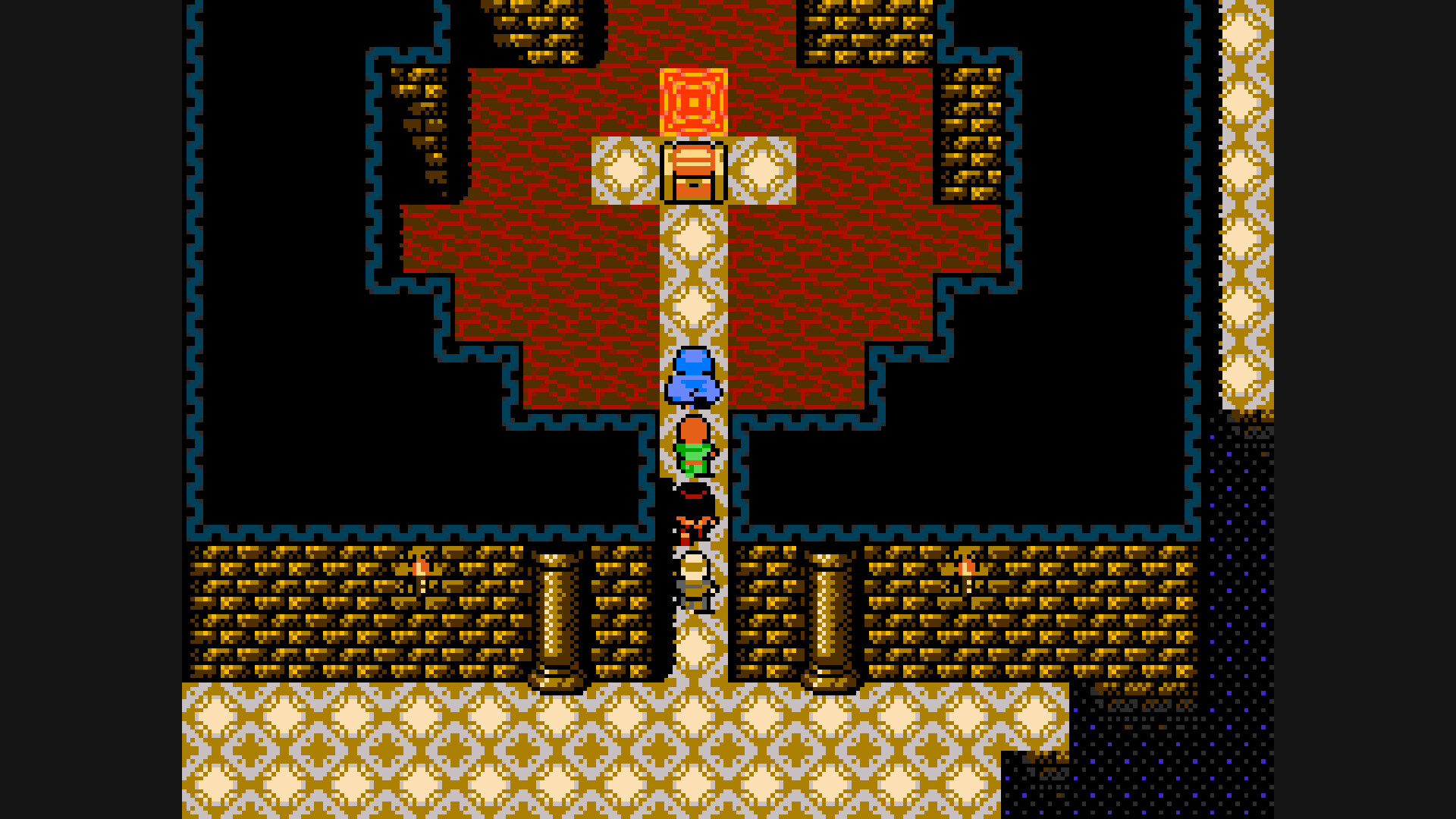
Dungeons mix chest-hunting with the switch puzzles reviewers say demand real attentionImage: r1kGAMES, celestial-moonlight games via Steam -
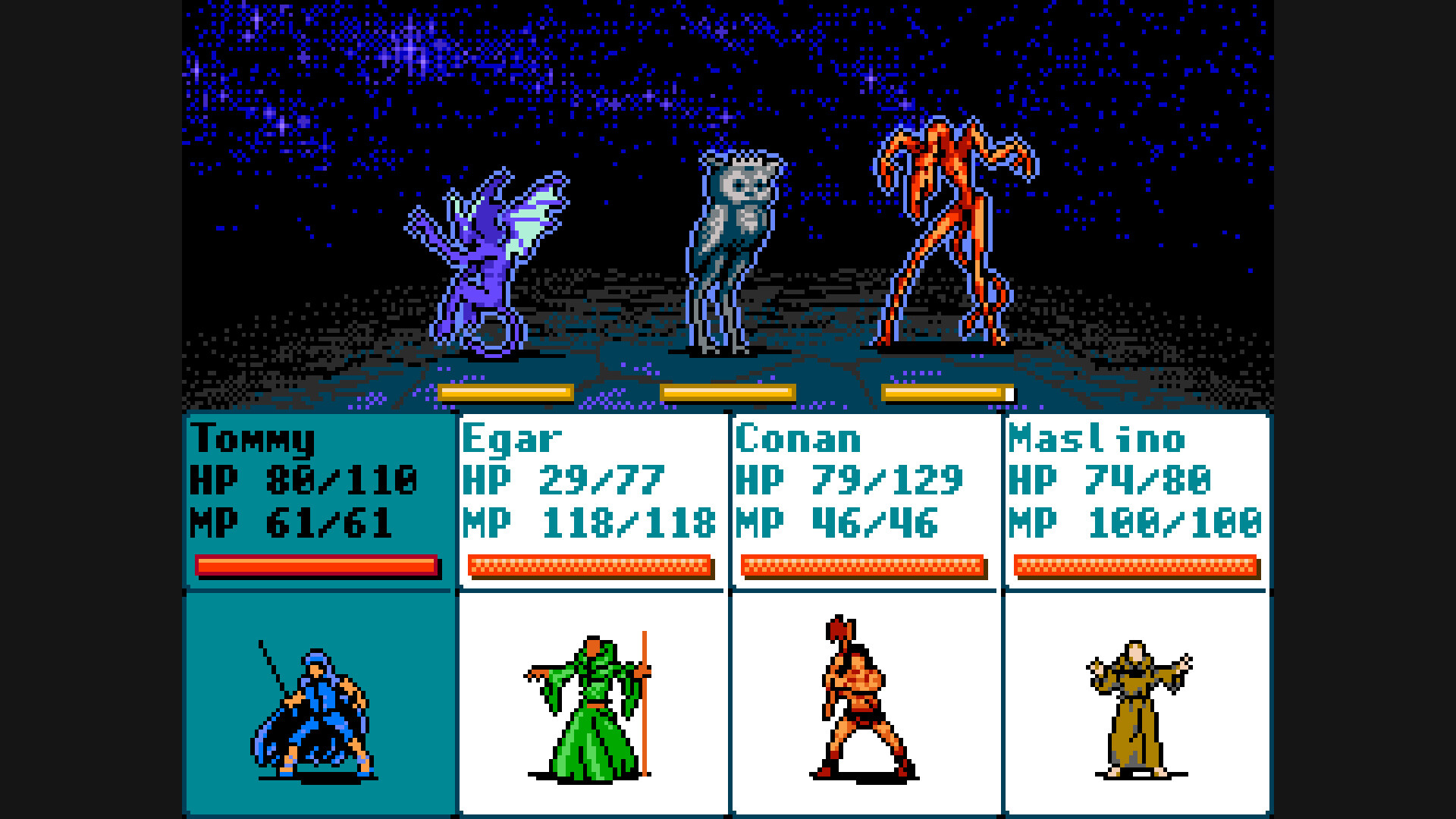
The ATB battle screen tracks each party member's gauge alongside their HP and MPImage: r1kGAMES, celestial-moonlight games via Steam -
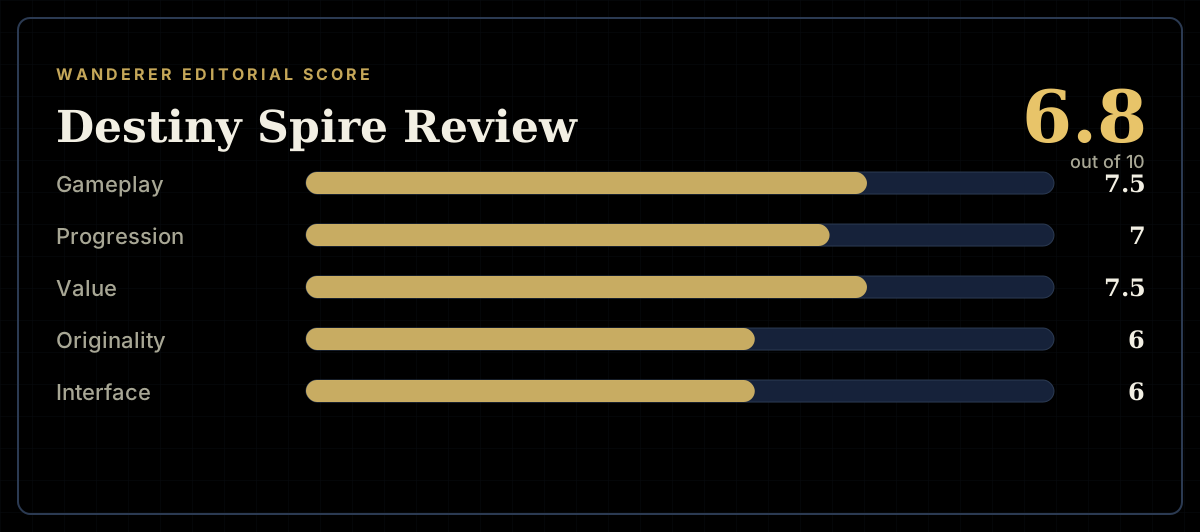
How the review scores each part of the gameWanderer Editorial -
The short versionWanderer Editorial