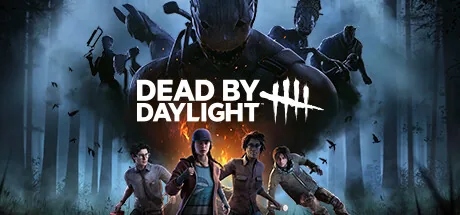
Game review
Dead by Daylight
7 / 10
- Developer
- Behaviour Interactive Inc.
- Publisher
- Behaviour Interactive Inc.
- Released
- 14 June 2016
- Platforms
- Windows, PlayStation 5, Xbox Series X|S, Nintendo Switch
- Genre
- Asymmetric Multiplayer Horror
- Monetisation
- One-time purchase, plus an extensive paid chapter and cosmetic catalogue — 38 DLC entries, many carrying licensed horror characters.
- Players
- Online only — one killer against four survivors, plus custom games
The short version
I expected to write about the store. Dead by Daylight has 38 DLC entries, a licensed roster spanning most of horror cinema, and a decade of chapter releases — the obvious target. Then I counted: DLC appears in nine of the hundred most-helpful English negative reviews. Killer appears in 51, survivor in 48, community in 37 and toxic in 31.
The complaint about Dead by Daylight is Dead by Daylight's players. Ten years of asymmetric competition has produced an ecosystem where camping, tunnelling and deliberate provocation are strategies, and the reviews describing it come from people with a median of 1,378 hours. The design that makes it unique is the same design that makes it exhausting.
Biggest strengths
- The one-against-four asymmetric design is still distinctive a decade on and defined its genre
- An enormous licensed roster covering most of horror cinema's recognisable names
- Ten years of continuous development, now at version 10.x with regular balance and bugfix patches
Biggest weaknesses
- The community is the dominant complaint — toxicity, camping and tunnelling appear across the critical corpus
- Balance arguments between killer and survivor players have run for a decade without resolution
- A September 2025 privacy-policy change triggered the sharpest negative spike in the game's history
Who it's for: Horror fans who want the genre's defining multiplayer game and can handle a competitive community with a difficult reputation. The cheap base price makes it easy to test that tolerance.
Our recommendation: Worth buying at NZ$23.99 — the core asymmetric loop is genuinely singular and a decade of support has kept it alive. Expect the community to be the hard part, and be aware the licensed roster is mostly sold separately.
7 / 10
Dead by Daylight sells Michael Myers, Pyramid Head, the Xenomorph, Chucky and most of the rest of horror cinema, across 38 separate DLC entries, on top of a base game. It is the most obvious monetisation target in this library.
So I counted. Across the hundred most-helpful English negative reviews: DLC appears nine times. Killer appears 51 times, survivor 48, community 37, perk 35, bug 31, toxic 31.
Nobody's main problem with Dead by Daylight is the shop. Their main problem is the other four people in the match.
The design, and what it does to people
One killer hunts four survivors. The survivors repair generators to escape; the killer hooks them to win. It's a beautifully simple asymmetry and it remains genuinely distinctive ten years on — Lethal Company and Phasmophobia share the horror-with-friends space, but nothing else has sustained one-versus-four this long.
The trouble is that asymmetry creates incentives that aren't fun to be on the wrong end of. Camping — a killer guarding a hooked survivor — appears in 18 of the hundred negatives. Tunnelling, chasing one survivor out of the match early, appears in 17. Both are optimal play. Both feel like being bullied.
That produces the corpus's real subject. A 1,878-hour reviewer puts it more sadly than angrily: the game is hard to recommend "mostly due to the vast majority of its player base, survivors and killers alike, trying to get under your skin to make you as angry as they are." And then, tellingly: "I don't blame them. This game is so flawed in many aspects."
Behaviour are working on it — recent patch notes include anti-camp penalties and perk adjustments — but ten years of balance patches haven't resolved an argument that is structural rather than numerical.
Who's complaining
The playtimes are the thing to hold onto. The median across those hundred negative reviews is 1,378 hours, and the highest is 10,740 — a reviewer who says they played since the 2016 beta.
That's the pattern I've seen repeatedly this year in long-running games, and it's worth stating plainly for readers: on a decade-old live-service title, the negative reviews are not written by people who didn't like it. They're written by people who organised years of their leisure time around it and want it to be better. Weight them accordingly — they know the game, and they're also the least likely to leave.
The 2025 spike, and what caused it
Bucket the negatives by year and Dead by Daylight looks stable for most of its life: two to ten per year from 2016 through 2024. Then 32 in 2025 and 17 so far in 2026.
The cause is identifiable and it isn't gameplay. In September 2025, two reviews with 2,805 and 2,004 votes — from players with 3,969 and 691 hours — appeared within a day of each other, both quoting a new privacy policy and listing the categories of personal data it permits Behaviour to collect, including date of birth, telephone number, delivery address, gender, browser information and information stored on the player's device.
I'm reporting what those reviews say rather than adjudicating a privacy policy I haven't audited — readers should read the current policy themselves. But the timing is unambiguous: the sharpest negative wave in this game's decade wasn't about killers, perks or the store. It was about terms.
Sentiment has since recovered. Of the 100 most recent English reviews, 77 are positive, essentially level with the 78.5% lifetime figure.
Ten years, and something genuinely new
Credit where it's due. Dead by Daylight is at version 10.x, still shipping killers, still patching bugs, still running community streams and publishing global stats.
The most interesting thing they've done lately is Chorus of Sin — the game's first community-created chapter, developed with players over more than a year through a program called The Grimoire, which entered early access in July 2026 alongside a new killer on the test build. Handing chapter design to the playerbase after a decade is an unusual move for a licensed live-service game, and it's a more meaningful gesture toward a frustrated community than another balance pass.
On the 38 DLC
It deserves a paragraph even though the reviews mostly don't give it one. The base game is NZ$23.99, which is cheap, and an enormous amount of content has been added free over ten years. But the licensed characters — the reason many people arrive — are individual purchases, and buying into the roster properly costs multiples of the base price.
That's a defensible model for licensed content nobody could bundle cheaply, and it's also why the sticker price understates what this game costs an invested player. The reviews' relative silence on it suggests the audience has made its peace; new buyers should still do the arithmetic.
The verdict
Dead by Daylight earns a 7. The asymmetric design is a genuine original that created a genre and outlasted every imitator, the licensed roster is a remarkable feat of rights-wrangling, and a decade of support has kept it in Steam's top sellers.
It doesn't score higher because the experience of playing it is inseparable from the community around it, and by the testimony of players with a thousand-plus hours each, that community is the hardest part of the game. Camping and tunnelling are rational; being on the receiving end is miserable; and no patch has squared that circle in ten years.
Buy it cheap, play with friends where you can, and treat the licensed roster as an optional long-term expense rather than part of the purchase.
Pros and cons
Pros
- The one-against-four asymmetric design is still distinctive a decade on and defined its genre
- An enormous licensed roster covering most of horror cinema's recognisable names
- Ten years of continuous development, now at version 10.x with regular balance and bugfix patches
- Chorus of Sin, a first-ever community-created chapter built with players over a year, arrived in 2026
- Cheap base game that regularly goes on sale, with a huge amount of free content added over time
Cons
- The community is the dominant complaint — toxicity, camping and tunnelling appear across the critical corpus
- Balance arguments between killer and survivor players have run for a decade without resolution
- A September 2025 privacy-policy change triggered the sharpest negative spike in the game's history
- 38 DLC entries mean the roster you actually want is largely a series of separate purchases
- Bugs are cited in nearly a third of negative reviews, ten years in
Screenshots
-
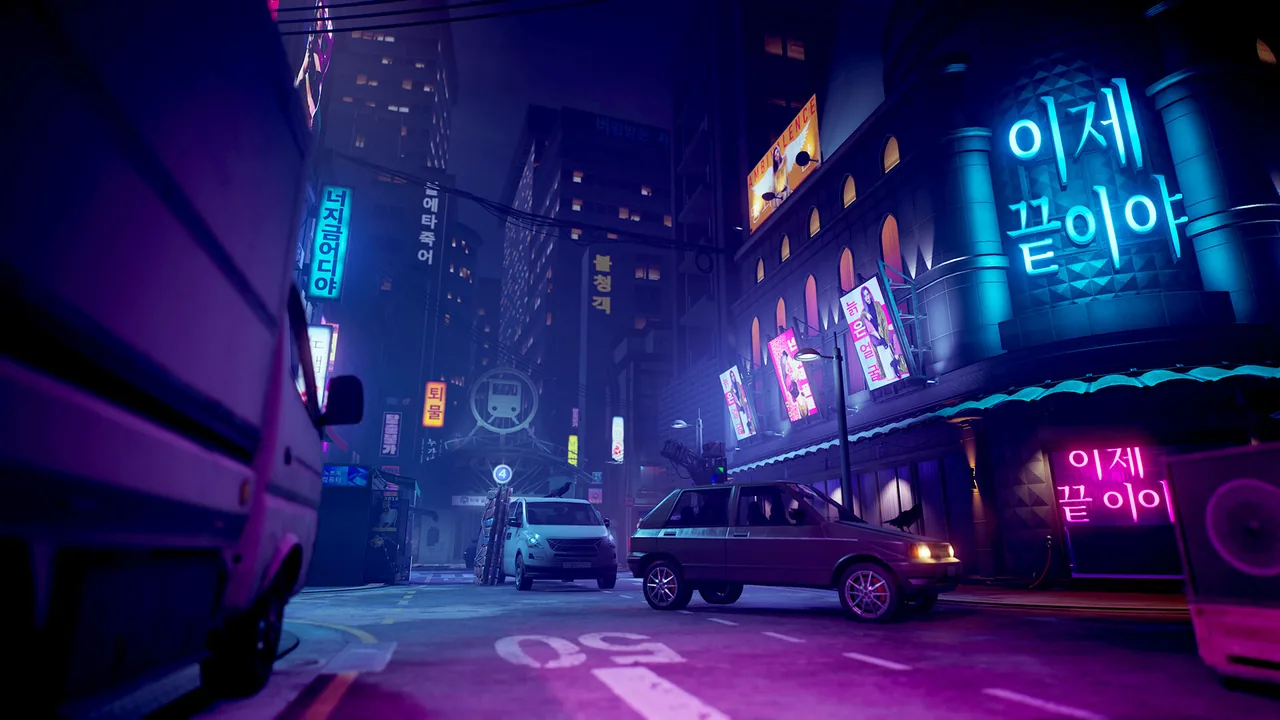
Dead by DaylightImage: Behaviour Interactive Inc. via Steam -
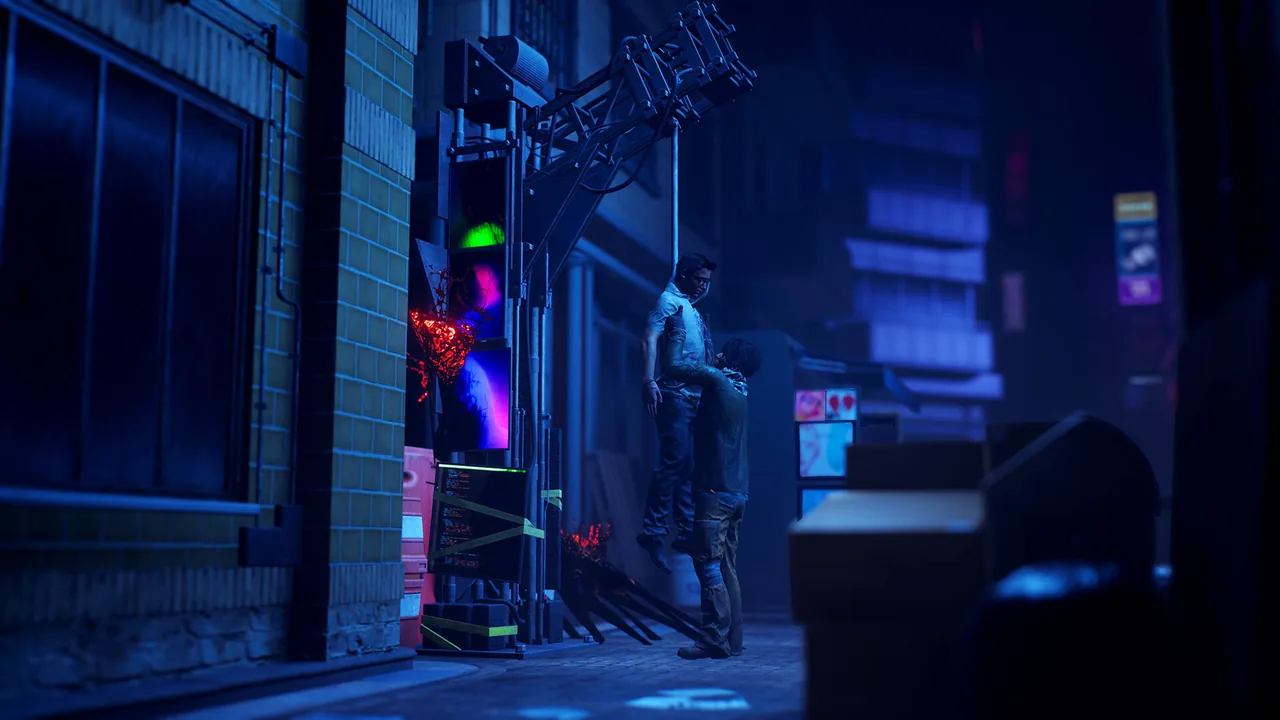
Dead by DaylightImage: Behaviour Interactive Inc. via Steam -
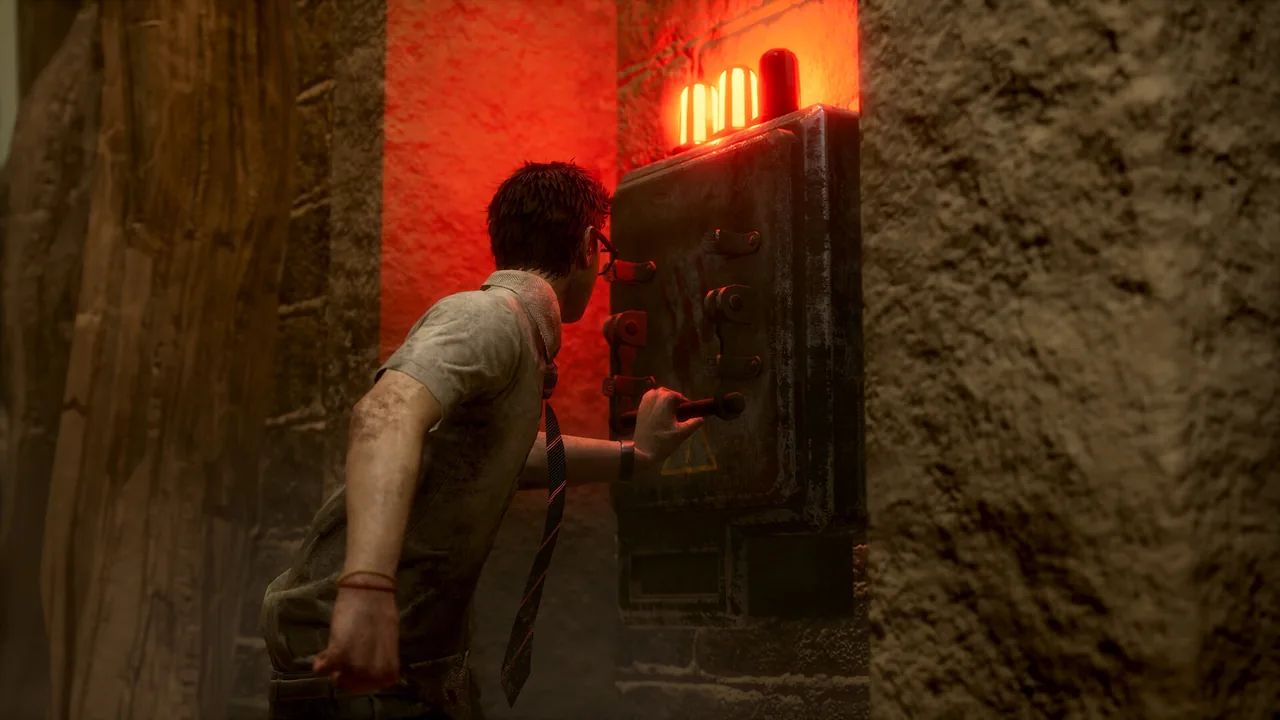
Dead by DaylightImage: Behaviour Interactive Inc. via Steam -
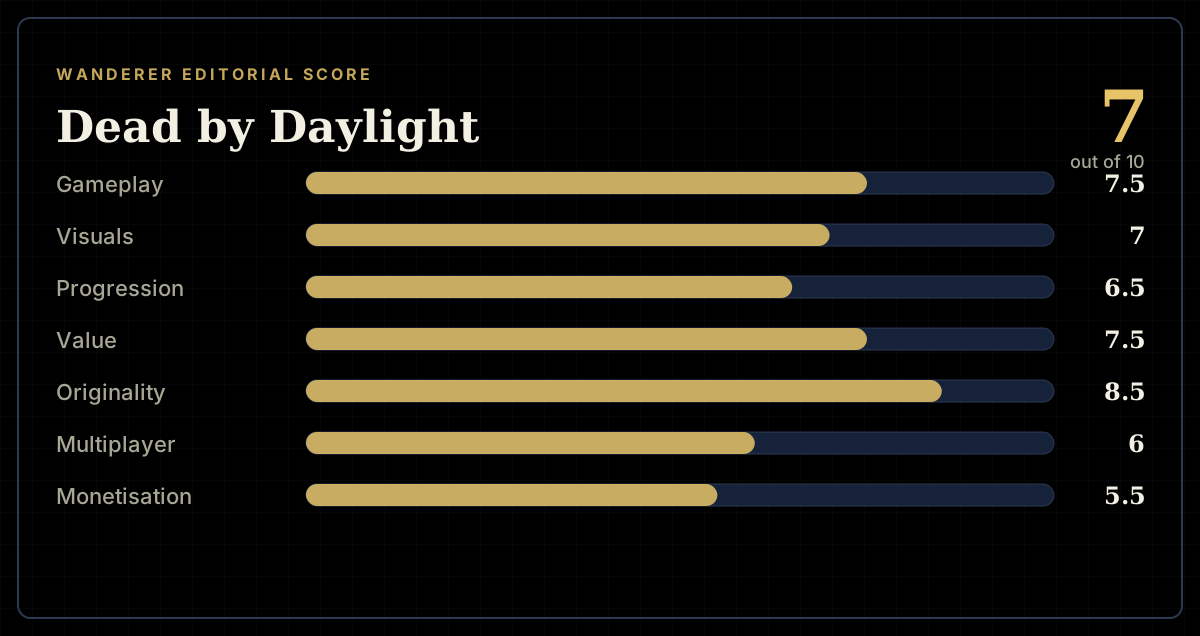
How the review scores each part of the gameWanderer Editorial -
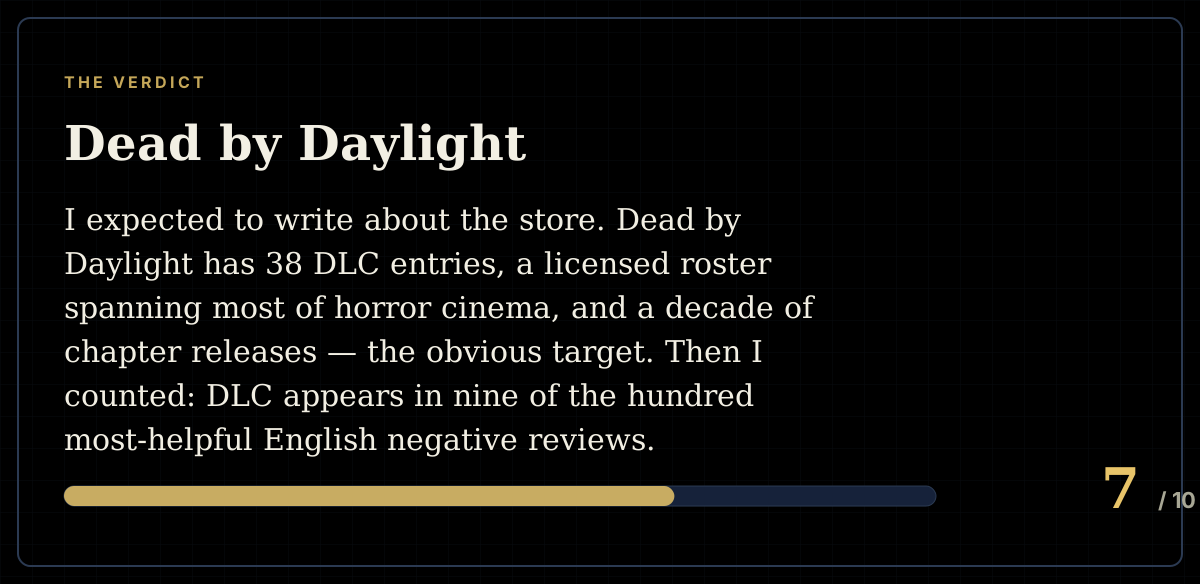
The short versionWanderer Editorial