Game review
Crown of Greed Review
6.5 / 10
- Developer
- BLUM Entertainment
- Publisher
- PlayWay S.A., ConsoleWay
- Released
- 31 March 2026
- Platforms
- ["Windows"]
- Genre
- RPG
Majesty's Indirect-Rule Formula, Revived for Rodovia
Crown of Greed wears its influence openly: it is a fantasy kingdom-sim built entirely around the same "indirect control" hook that made Cyberlore's 2000 classic Majesty a cult favourite — the ruler cannot issue direct orders to their subjects, only incentivise them with gold. The store page frames the pitch bluntly: "Forget direct orders you know from other games of the genre. Master an unusual, indirect management system in which you must skillfully bend your subjects and heroes to your will." Reviewers overwhelmingly recognised the lineage immediately, and many treated that recognition as the entire selling point. "As a huge Majesty fan from the release of the first original one and waiting for 25 some years for anything credibly similar, Crown of Greed is awesome! I want more!" wrote one. Another summarised it more evenly: "It's Majesty, but modern and honestly it's pretty great."
Bounties, Not Orders — Building an Economy Around Motivated Greed
The core loop asks players to raise a settlement in the folklore-steeped land of Rodovia, then grow its population by constructing buildings that attract different classes of heroes and citizens, each with a price tag attached to their services. Want a monster den cleared or a haunted ruin explored? A bounty gets posted, and it's up to the (randomly generated, individually flawed) heroes wandering the map to decide whether the reward is worth the risk. One reviewer described the appeal of that unpredictability directly: "Basically you kinda vaguely set objectives for your minions to complete and they do it given the proper... motivation is key. It actually injected its own spin on the Majesty gameplay." Heroes carry randomised positive and negative traits — a Devout Warrior who excels against the undead but has fragile health, a Rogue who hides a costly vice — meaning managing a kingdom becomes as much about reading your subjects' quirks as it is about stacking gold.
Basilisks, Drowners, and Baba Yaga — A Genuinely Distinct Folklore Setting
Where Crown of Greed distinguishes itself from a straight Majesty clone is its setting: rather than generic high fantasy, Rodovia draws from European folk mythology, populating its forests, swamps, and deathlands with Basilisks, Drowners, and Baba Yaga herself, backed by what several reviewers singled out as an unusually strong soundtrack from its Polish composers. A Heritage Points system lets permanent kingdom upgrades carry over between missions, softening the sting of a failed campaign and giving structure to a game that otherwise leans on emergent chaos. Several long-time strategy fans found this combination hit a real gap in the market: "Even though i clicked 'recommend', it's more of a 'do so at your own leasure, and at a big discount.' If you enjoyed the Majesty game series, you'll probably enjoy this."
Bugs, Balance Complaints, and a Stalled Update Cadence
The negative side of Crown of Greed's Mixed rating is dominated by one recurring complaint: instability. "Truly awful bug ridden game," reads one blunt one-star review, while a more detailed critique described "Missions bug out, objectives don't trigger, and progress can get stuck for no reason. Too many issues to enjoy the game properly." Several reviewers specifically flagged a lack of post-launch support, with more than one noting roughly four months without a meaningful patch: "4 months with no updates and tons of bugs are telling me the game is not gonna survive." Balance drew its own criticism too — one player described "mega-strong boss units come trounce your base every 7 minutes" without commensurate counterplay, and others found difficulty swung unpredictably between trivially easy missions and unfair spikes. None of this reads as a fundamentally broken game — most negative reviews still acknowledge real potential underneath the jank — but it's a clear step down in polish from the genre touchstone it's chasing.
A Campaign-First Structure With Requests for More
Crown of Greed ships as a single, story-driven campaign rather than the open-ended skirmish sandboxes that defined the genre's earlier entries, and that structural choice split opinion among reviewers who came in expecting something closer to a full-fledged simulation. "Like it, but looking for skirmish mode and other play modes, campaign is stacked on the Creed missions," wrote one, while another put the same wish more plainly: "Beautifully built game! Please add more missions!" The Arcane spell system, unlocked as strongholds grow, gives the campaign a sense of escalation mission to mission, and the randomised trait pool on recruitable heroes means no two playthroughs assemble quite the same roster — but with the entire experience gated behind a linear story rather than a repeatable mode, its replay value depends heavily on how much a player enjoys revisiting the same maps with a fresh set of quirky subjects.
A Flawed but Worthwhile Successor for a Starved Niche
What ultimately carries Crown of Greed is how few games have attempted the Majesty formula in the last two decades, and how faithfully — if imperfectly — this one executes it. Reviewers who came in as long-time fans of the indirect-command subgenre were consistently more forgiving of the bugs than newcomers with no nostalgia to draw on, several explicitly comparing it favourably against its closest modern competitor, Legend of Keepers-style "Lesaria." At NZ$34.75 with no premium currency or live-service monetisation involved, this is a straightforward, if pricey, one-time purchase rather than anything designed to extract ongoing spend.
Verdict
Crown of Greed is a legitimately faithful revival of a formula few developers have dared touch since Majesty's heyday, delivering a genuinely different kind of fantasy strategy game where bribery, not orders, wins the day. The Mixed rating is earned honestly, through a real backlog of bugs and an update cadence that several long-time fans found frustratingly slow rather than any flaw in the underlying design. Anyone nostalgic for Majesty, or simply curious about a kingdom-builder where you can't tell your own soldiers what to do, will find real substance here — just be prepared to tolerate some jank along the way.
Screenshots
-
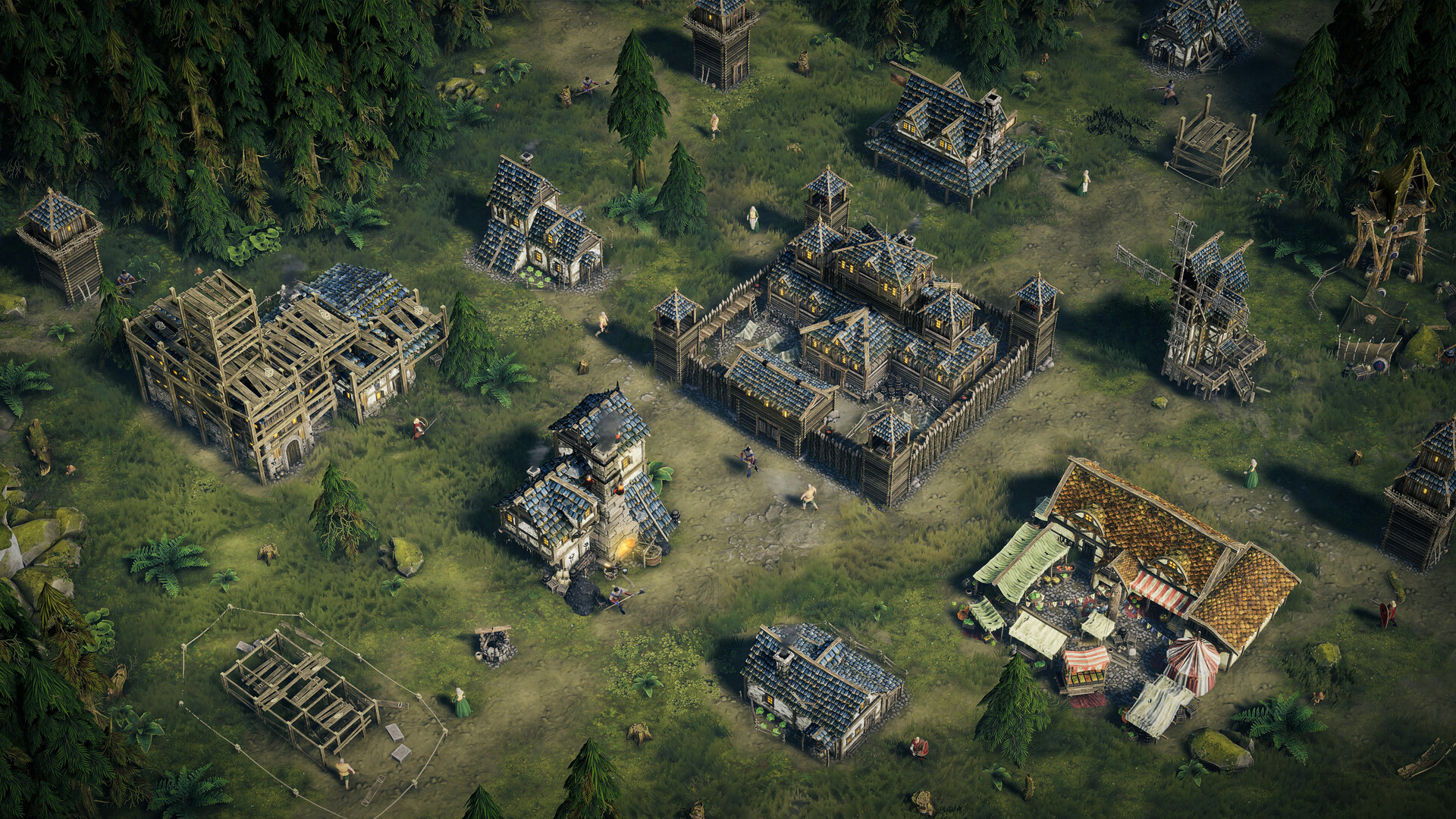
The kingdom of Rodovia grows building by building, with each new structure attracting different classes of heroes and citizensImage: BLUM Entertainment via Steam -
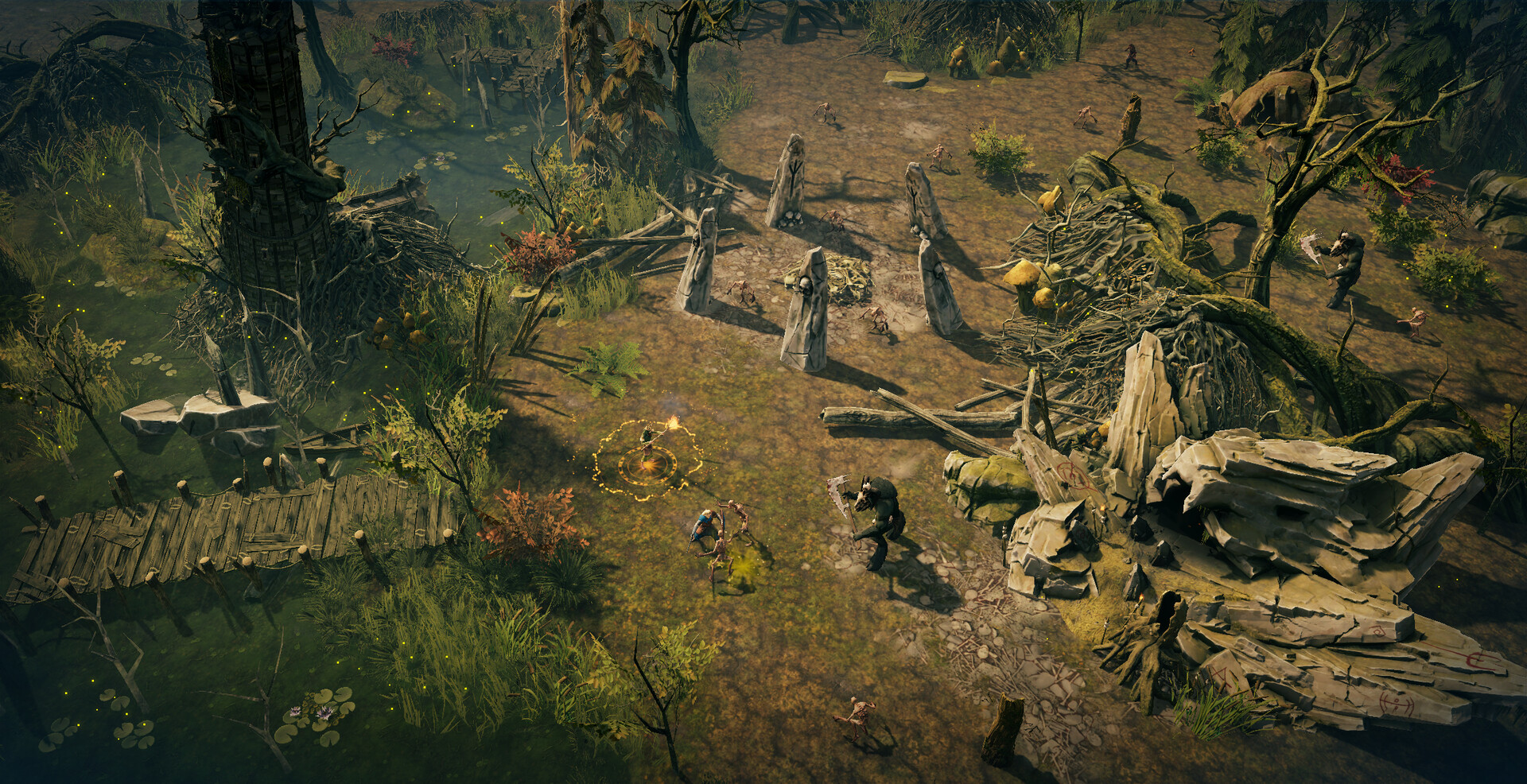
Bounty-driven heroes venture into Rodovia's folklore-inspired wilds to fight monsters for a priceImage: BLUM Entertainment via Steam -
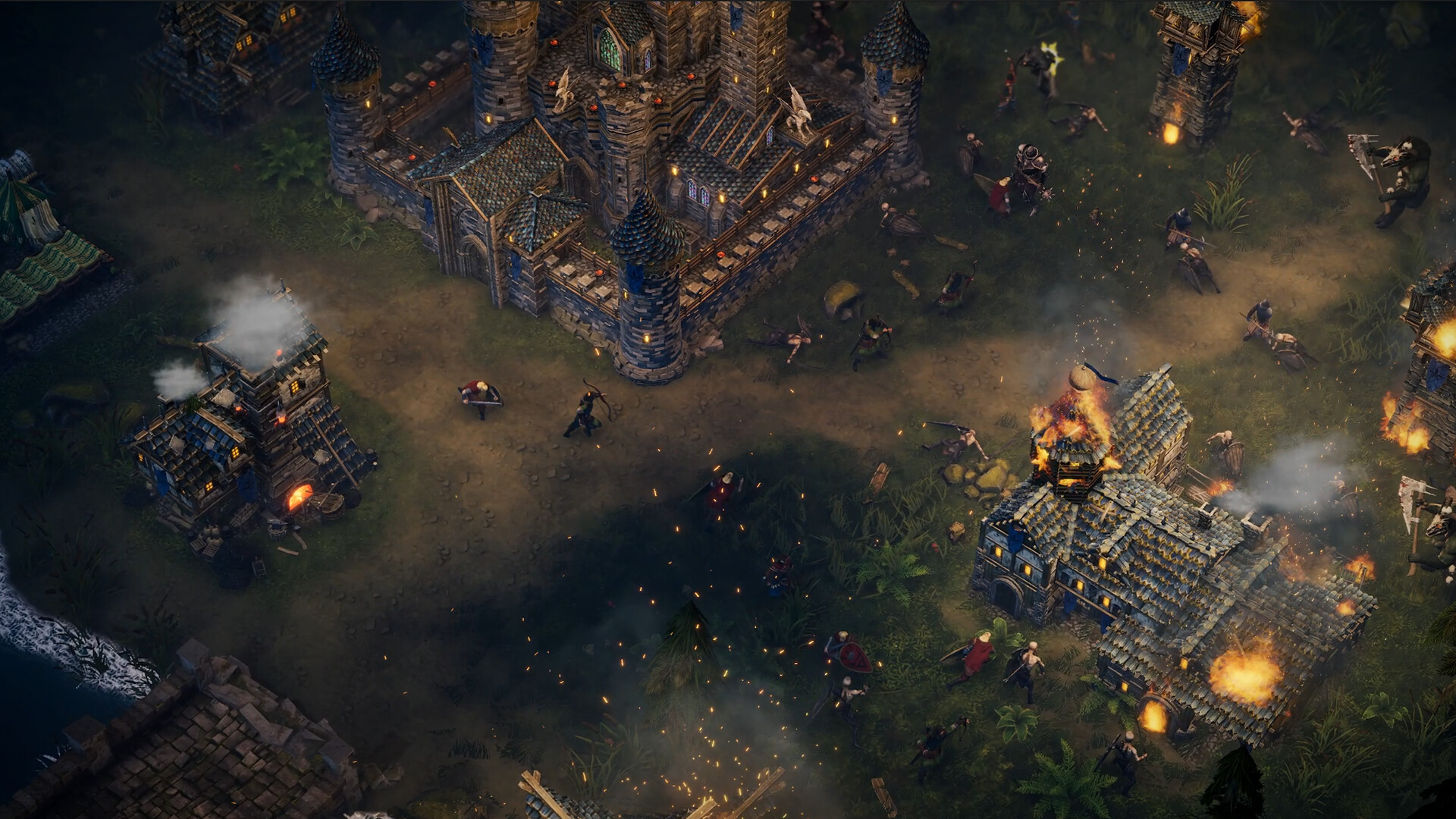
Larger battles see the kingdom's own defences tested as enemies breach the wallsImage: BLUM Entertainment via Steam