Game review
Cognition Method
6.5 / 10
- Developer
- Team Cognition
- Publisher
- Team Cognition
- Released
- 1 September 2026
- Platforms
- Windows
- Genre
- Action, Adventure, Indie
- Monetisation
- One-time purchase, no in-game purchases listed
- Players
- Single-player
The short version
Cognition Method, released 1 September 2026 by Team Cognition, is a story-driven, first-person gravity-puzzle game openly channeling 2001: A Space Odyssey and Solaris, sending players through a surreal, brutalist artifact to uncover an unusual, emotionally-weighted story. It sits Mostly Positive with a sample of 26 reviews, released after years of anticipation from players who'd wishlisted the game after trying its earlier public demo, and reading widely through it reveals genuine, specific admiration for its visual design and story sitting alongside a detailed, credible minority critique this review found worth taking seriously. Reviewers consistently praise striking minimalist, brutalist level design and an audio design several describe as genuinely unsettling despite the game not being horror, alongside a touching sci-fi story built around a real moral question. Set against that praise, this review found one especially detailed negative review from a self-described puzzle-genre veteran arguing the game derivatively pastiches better-known touchstones, including Portal, The Talos Principle, Soma and Superliminal, without matching their depth or originality. A separate detailed reviewer describes the game's cerebral logic-puzzle identity broken by a jarring dexterity-based platforming section over a bottomless pit, reporting they lacked the manual precision to complete it despite genuine investment in the story. This review also found specific, reproducible reports of late-game crashes tied to non-Euclidean geometry failing to load, compounded by lengthy, unskippable dialogue sequences that turned each crash into a serious setback rather than a minor inconvenience.
Biggest strengths
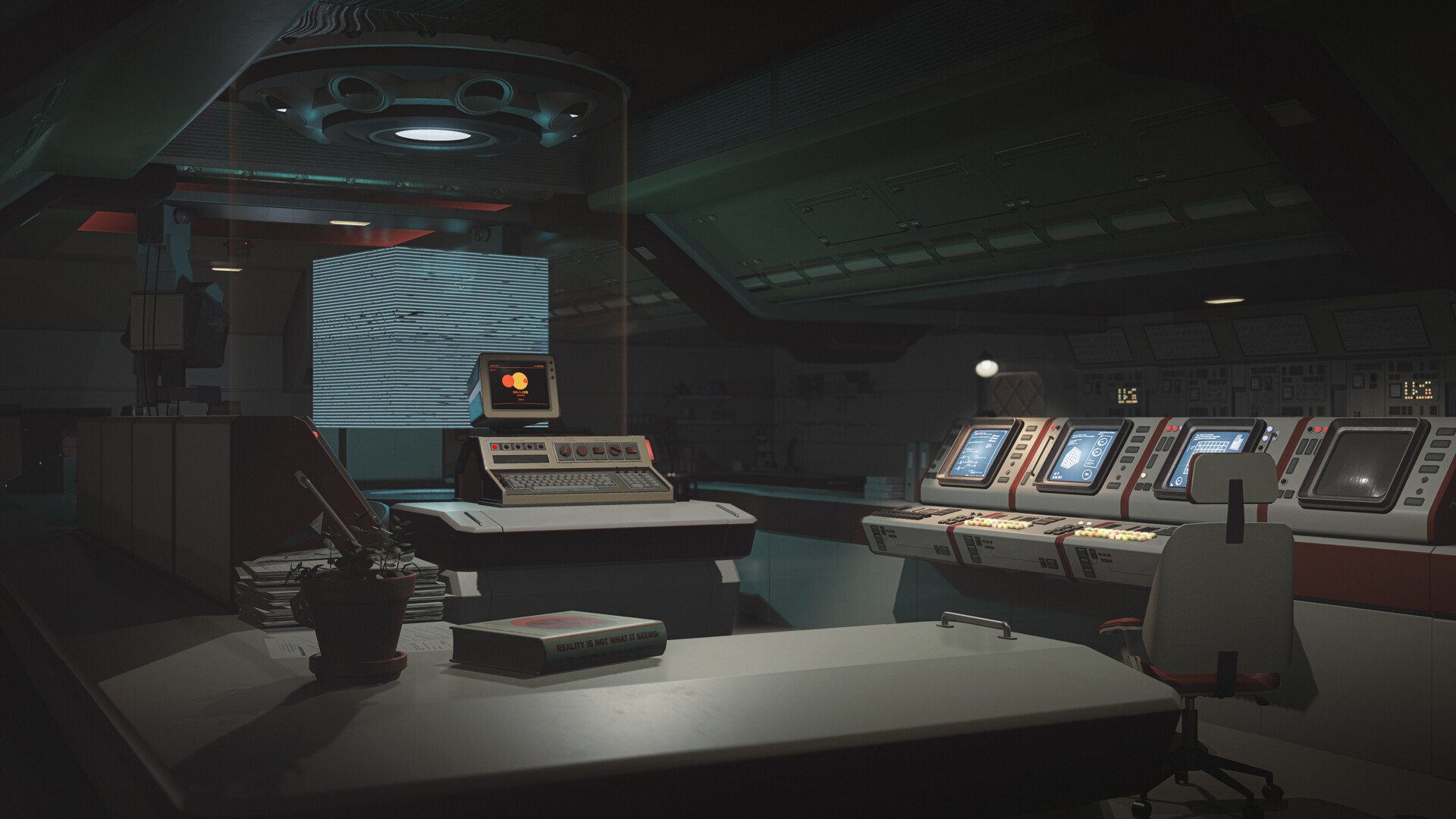
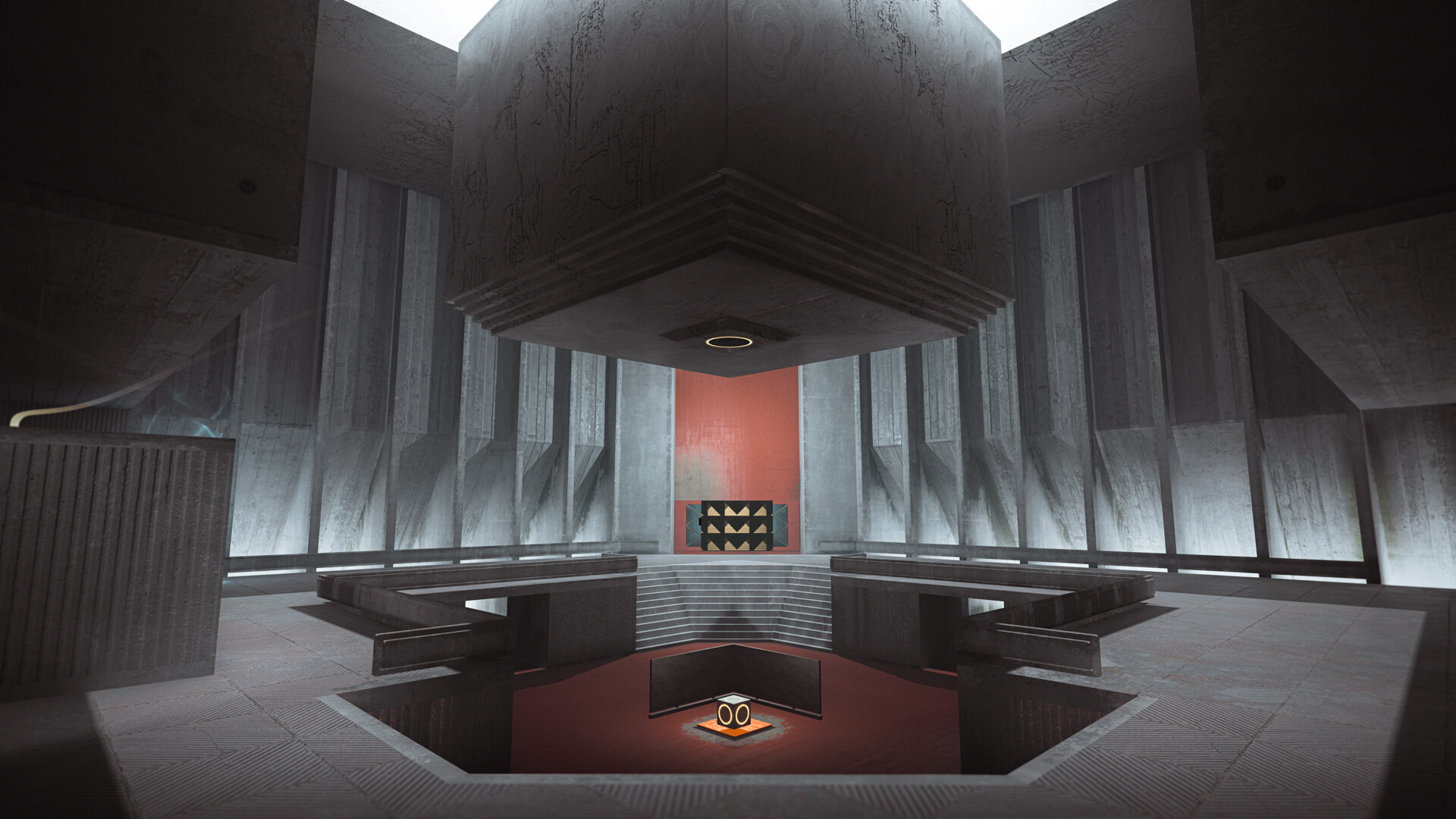
- Level design and visual presentation draw consistent, enthusiastic praise, with reviewers describing striking minimalist, brutalist architecture and shifting gravity mechanics that genuinely capture the intended 2001: A Space Odyssey atmosphere
- The story draws specific, emotional praise, with reviewers describing a genuinely touching science-fiction narrative wrapped around a real moral question, and meaningful worldbuilding delivered through collectible lore logs placed fairly throughout the game
- Audio design draws consistent, specific praise, with reviewers describing genuinely unsettling atmosphere despite the game not being a horror title, contributing significantly to the overall sense of scale and mystery
Biggest weaknesses
- At least one highly detailed, self-described puzzle-genre veteran argues the game derivatively pastiches better-known touchstones, including Portal, The Talos Principle, Soma and Superliminal, without matching the depth, originality or thematic coherence of the games it draws from
- A separate detailed reviewer reports the game's cerebral logic-puzzle identity is broken by a jarring dexterity-based platforming section over a bottomless pit, describing genuine investment in the story undermined by a manual-precision challenge that reviewer couldn't complete despite many attempts
- This review found specific, reproducible reports of late-game crashes tied to non-Euclidean geometry failing to load correctly, with at least one detailed reviewer describing two separate instances requiring a level reset and a third resulting in a hard crash to desktop
Who it's for: Fans of narrative-driven first-person puzzle games and 2001: A Space Odyssey-inspired science fiction, who can tolerate some derivative elements, real stability issues, and at least one dexterity-based puzzle that breaks from the game's otherwise cerebral design.
Our recommendation: Worth it for genre fans specifically drawn to the sci-fi setting and story; save before long dialogue sequences given reported crashes, and go in aware some detailed critics find the puzzle design derivative rather than genuinely inventive.
6.5 / 10
Introduction
Cognition Method, released 1 September 2026 by Team Cognition, is a story-driven, first-person gravity-puzzle game openly channeling 2001: A Space Odyssey and Solaris, sending players through a surreal, brutalist artifact to uncover an unusual, emotionally-weighted story. It sits Mostly Positive with a sample of 26 reviews, released after years of anticipation from players who'd wishlisted the game after trying its earlier public demo, and reading widely through it reveals genuine, specific admiration for its visual design and story sitting alongside a detailed, credible minority critique this review found worth taking seriously rather than dismissing as outnumbered noise.
Striking, atmospheric level design
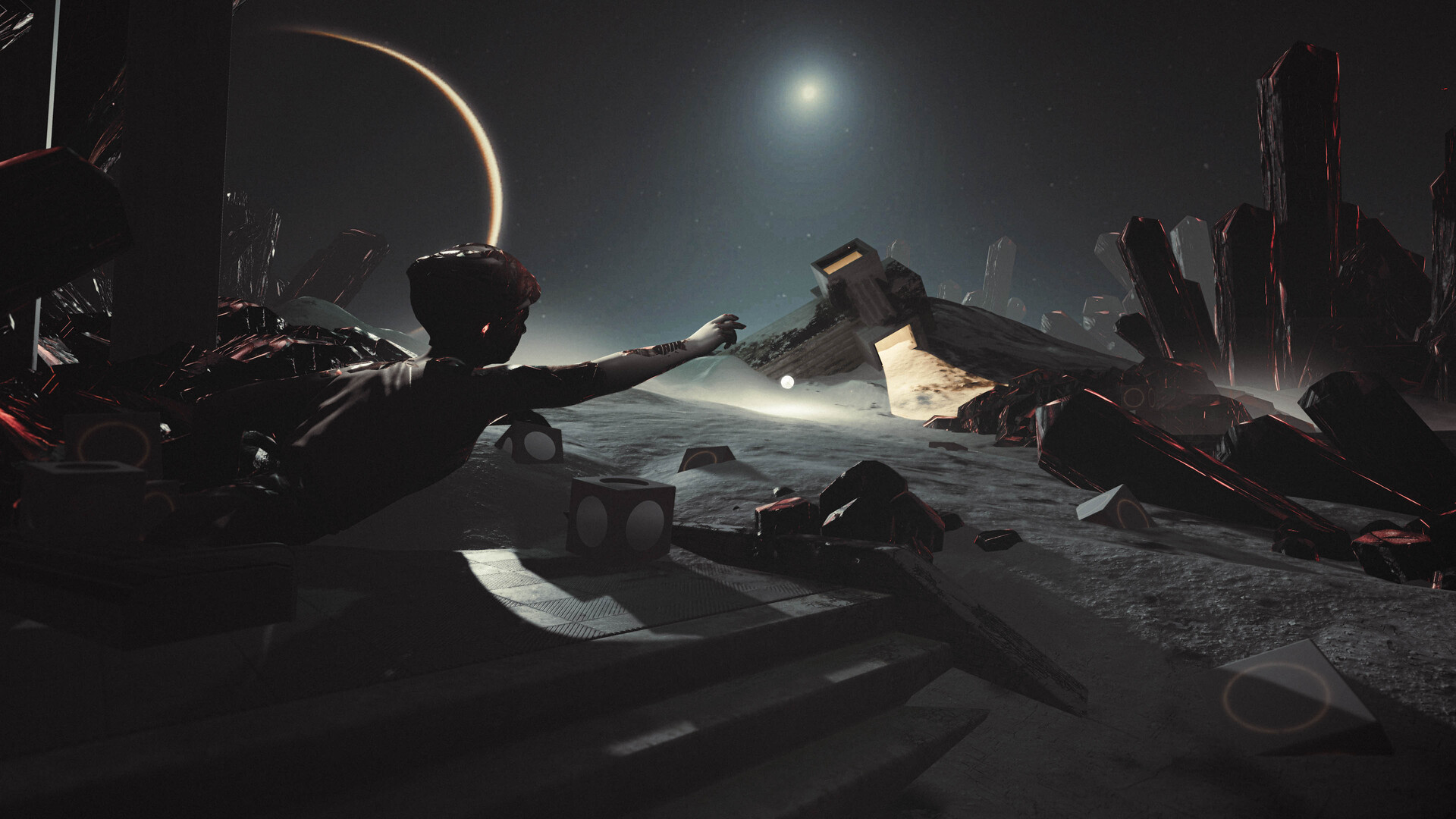
The clearest, most consistent praise across this sample concerns visual presentation. Reviewers repeatedly describe striking minimalist, brutalist architecture and shifting gravity mechanics that genuinely capture the intended 2001: A Space Odyssey atmosphere, with multiple reviewers specifically describing the sensation of exploring a genuinely alien megastructure. Audio design draws its own consistent, specific praise, with reviewers describing genuinely unsettling atmosphere despite the game not being a horror title, several noting this tension contributes significantly to the overall sense of scale and mystery even during quieter exploration segments.
A story reviewers describe as genuinely touching
Beyond presentation, this review found specific, emotional praise for the narrative itself. Reviewers describe a genuinely touching science-fiction story wrapped around a real moral question, with meaningful worldbuilding delivered through collectible lore logs multiple reviewers specifically praise for being placed fairly throughout the game rather than hidden in ways that punish thorough exploration. Several reviewers describe years of anticipation after playing an earlier public demo, with genuine satisfaction that the final release lived up to that demo's atmosphere and quality.
A detailed argument that the game is derivative rather than inventive
Set against that praise, this review found one especially detailed, methodical negative review from a self-described puzzle-genre veteran who'd played most major names in the field before trying this one. That reviewer argues the game derivatively pastiches better-known touchstones, specifically naming Portal, The Talos Principle, Soma, Superliminal, Observer and several others, without matching the depth, originality or thematic coherence of the games it draws from. That reviewer frames the comparison memorably, likening the experience to fantasy novels that copy Tolkien's surface elements, elves, dwarves, magic, without the underlying skill or depth that made the original meaningful. This review reads that critique as a genuinely informed, comparative assessment from someone with real expertise in the specific genre being evaluated, rather than a casual dismissal.
A dexterity puzzle that breaks the game's own identity
A separate, detailed reviewer reports a more specific structural complaint: partway through, the game's cerebral logic-puzzle identity is interrupted by a dexterity-based platforming section requiring precise jumps across floating blocks above a bottomless pit. That reviewer, who describes genuine investment in the unfolding story up to that point, reports being unable to complete this specific section despite many attempts, ultimately resorting to watching the remainder of the story on video rather than continuing to play. This is a specific, concrete design-mismatch complaint distinct from general difficulty, since it points to a section requiring an entirely different skill set than the logical, exploratory puzzle-solving the rest of the game is built around.
Reproducible crashes tied to unskippable dialogue
This review found specific, reproducible technical complaints worth reporting in detail. At least one detailed reviewer describes genuinely effective atmosphere in a late-game sequence, undermined by non-Euclidean geometry failing to load correctly on two separate occasions, forcing a walk into the void and a full level reset each time, followed by a hard crash to desktop on a third attempt. That same reviewer specifically criticises the lengthy, unskippable dialogue sequences preceding each of these crash-prone sections, arguing this turned what should have been minor technical hiccups into serious, repeated setbacks significant enough that they ultimately stopped playing entirely.
Voice acting and late-game puzzle fairness
Beyond the headline complaints above, this review found separate reports of questionable voice acting quality, and separate reviewers describe puzzle fairness declining in the game's later sections, with unclear internal logic causing genuine progression blocks rather than intentional, fair challenge.
Two valid readings of the same influences
It's worth engaging directly with the tension between the "derivative" critique and the reviewers who specifically praise how effectively the game channels its stated inspirations, since both readings draw on the same underlying observation, that the game wears its influences openly, while reaching opposite conclusions about whether that's a flaw. Reviewers who love the game generally frame the 2001: A Space Odyssey and Solaris homage as a deliberate, well-executed tribute, arguing the specific combination and interpretation of those influences produces something that works on its own terms even without claiming total originality. The detailed critical reviewer instead argues that assembling recognisable elements from stronger, better-known games doesn't automatically produce something of comparable depth, regardless of how sincerely those elements are deployed. This review treats both positions as legitimate critical frameworks rather than a simple disagreement about quality, and reads the overall Mostly Positive reception as reflecting a genuine, real split between players for whom homage and atmosphere are sufficient on their own terms, and players who specifically weight originality more heavily in their overall judgment.
What a patch would most need to fix first
Reading across this sample, this review can identify the specific, most urgent priority a future update would need to address. Making the late-game non-Euclidean geometry sections load reliably, or at minimum adding the ability to skip dialogue after a crash has already forced a restart, would directly resolve the single most serious technical complaint documented here, one severe enough that at least one invested, sympathetic reviewer stopped playing entirely because of it. Revisiting the specific dexterity-based platforming section over the bottomless pit, either by adding an alternative solution path or tuning its precision requirements, would address the second most consequential complaint without requiring the game's broader puzzle design philosophy to change.
Final Verdict
Cognition Method delivers genuinely striking brutalist level design and an emotionally affecting science-fiction story that a meaningful share of this sample had anticipated for years after trying an earlier demo. What holds this score back is a detailed, credible argument from an experienced genre veteran that the game's puzzle design and influences are more derivative than inventive, a specific dexterity-based section that breaks from the rest of the game's cerebral identity, and reproducible late-game crashes compounded by unskippable dialogue. Worth it for sci-fi and puzzle fans specifically drawn to its 2001: A Space Odyssey inspiration; save often before long dialogue sequences, and temper expectations for genuinely inventive puzzle design.
Pros and cons
Pros
- Level design and visual presentation draw consistent, enthusiastic praise, with reviewers describing striking minimalist, brutalist architecture and shifting gravity mechanics that genuinely capture the intended 2001: A Space Odyssey atmosphere
- The story draws specific, emotional praise, with reviewers describing a genuinely touching science-fiction narrative wrapped around a real moral question, and meaningful worldbuilding delivered through collectible lore logs placed fairly throughout the game
- Audio design draws consistent, specific praise, with reviewers describing genuinely unsettling atmosphere despite the game not being a horror title, contributing significantly to the overall sense of scale and mystery
- Multiple reviewers specifically describe years of anticipation after playing an earlier public demo, with several expressing genuine satisfaction that the final release lived up to that demo's atmosphere and quality
Cons
- At least one highly detailed, self-described puzzle-genre veteran argues the game derivatively pastiches better-known touchstones, including Portal, The Talos Principle, Soma and Superliminal, without matching the depth, originality or thematic coherence of the games it draws from
- A separate detailed reviewer reports the game's cerebral logic-puzzle identity is broken by a jarring dexterity-based platforming section over a bottomless pit, describing genuine investment in the story undermined by a manual-precision challenge that reviewer couldn't complete despite many attempts
- This review found specific, reproducible reports of late-game crashes tied to non-Euclidean geometry failing to load correctly, with at least one detailed reviewer describing two separate instances requiring a level reset and a third resulting in a hard crash to desktop
- The same detailed reviewer specifically criticises lengthy, unskippable dialogue sequences preceding each crash-prone section, turning what should have been minor technical hiccups into serious, repeated setbacks that ultimately caused them to stop playing
- Multiple reviewers separately report questionable voice acting quality, and separate reviewers describe puzzle fairness declining later in the game, with unclear internal logic causing genuine progression blocks rather than intended challenge
Screenshots
-
Cognition MethodImage: Team Cognition via Steam -
Cognition MethodImage: Team Cognition via Steam -
Cognition MethodImage: Team Cognition via Steam -
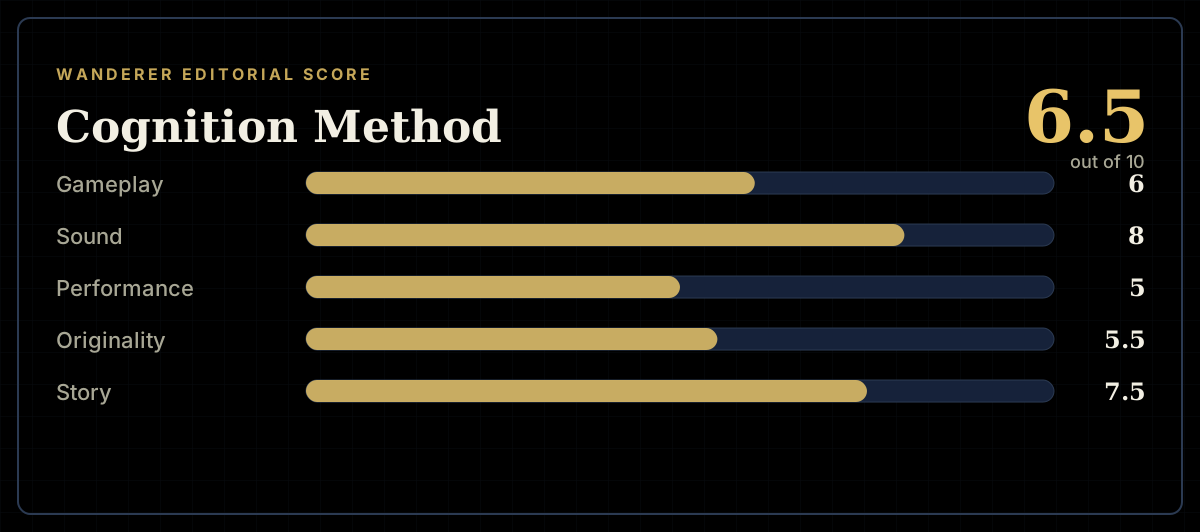
How the review scores each part of the gameWanderer Editorial -
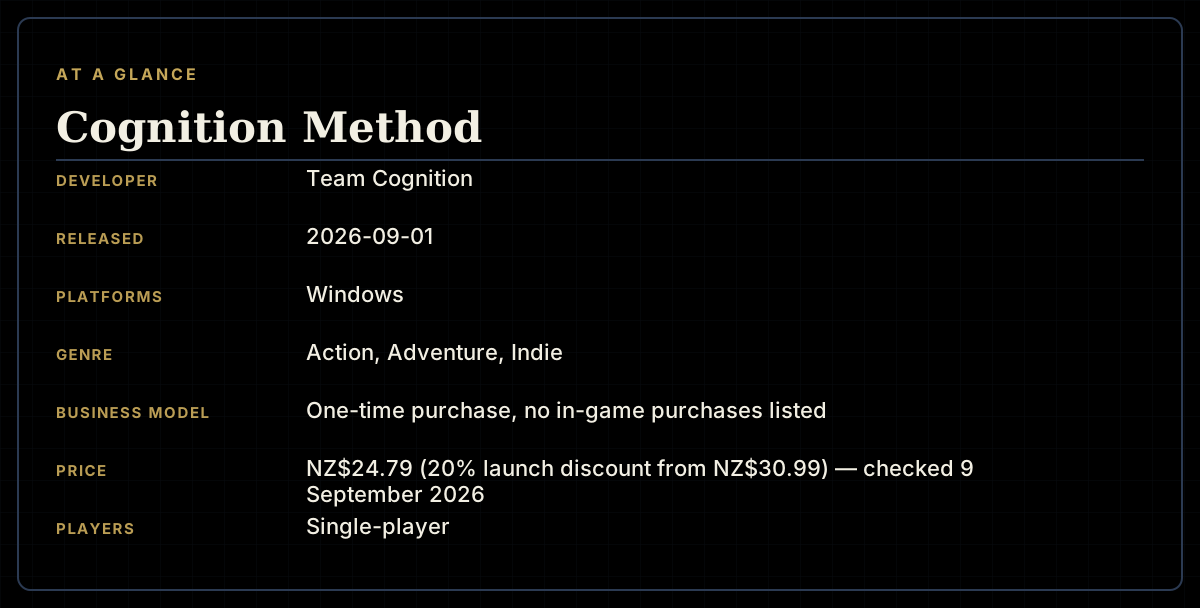
The essentials at a glanceWanderer Editorial -
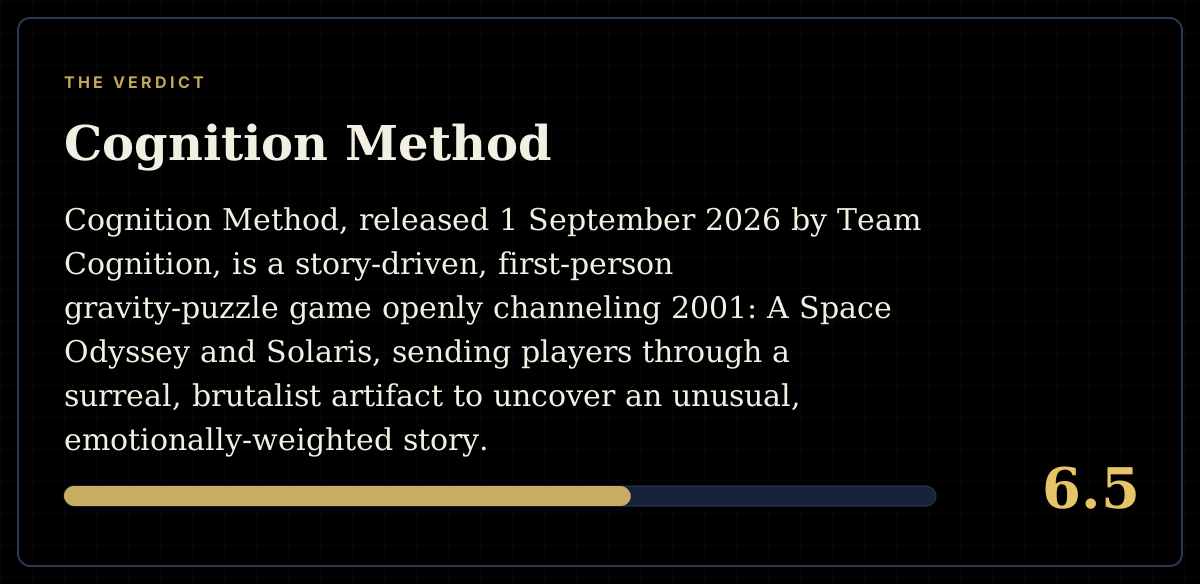
The short versionWanderer Editorial