
Game review
Cobalt Core
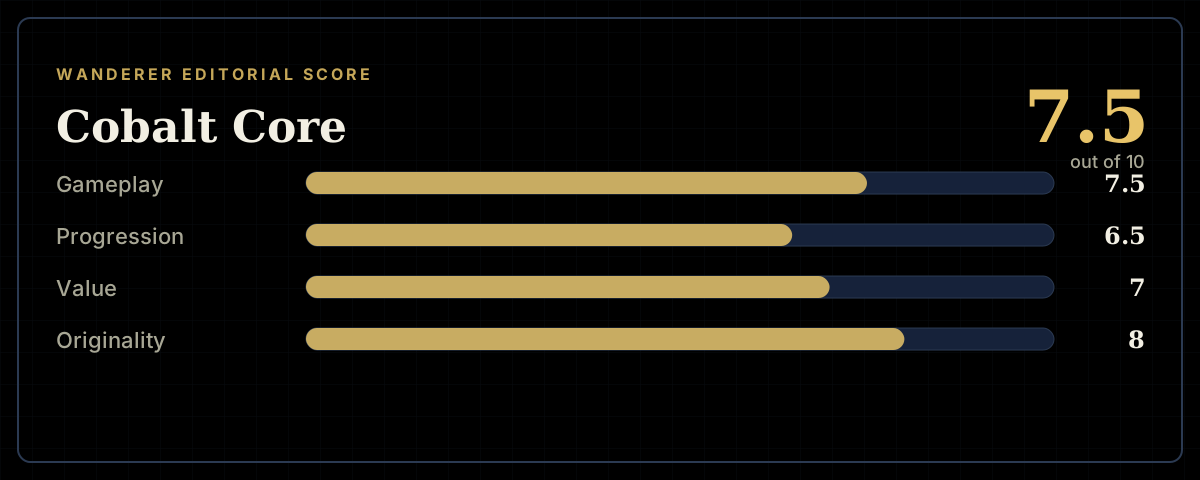
7.5 / 10
- Developer
- Rocket Rat Games
- Publisher
- Brace Yourself Games
- Released
- 8 November 2023
- Platforms
- Windows, macOS, Linux
- Genre
- Roguelike Deckbuilder
- Monetisation
- Premium, one-off purchase — no in-game purchases
- Players
- Single-player
The short version
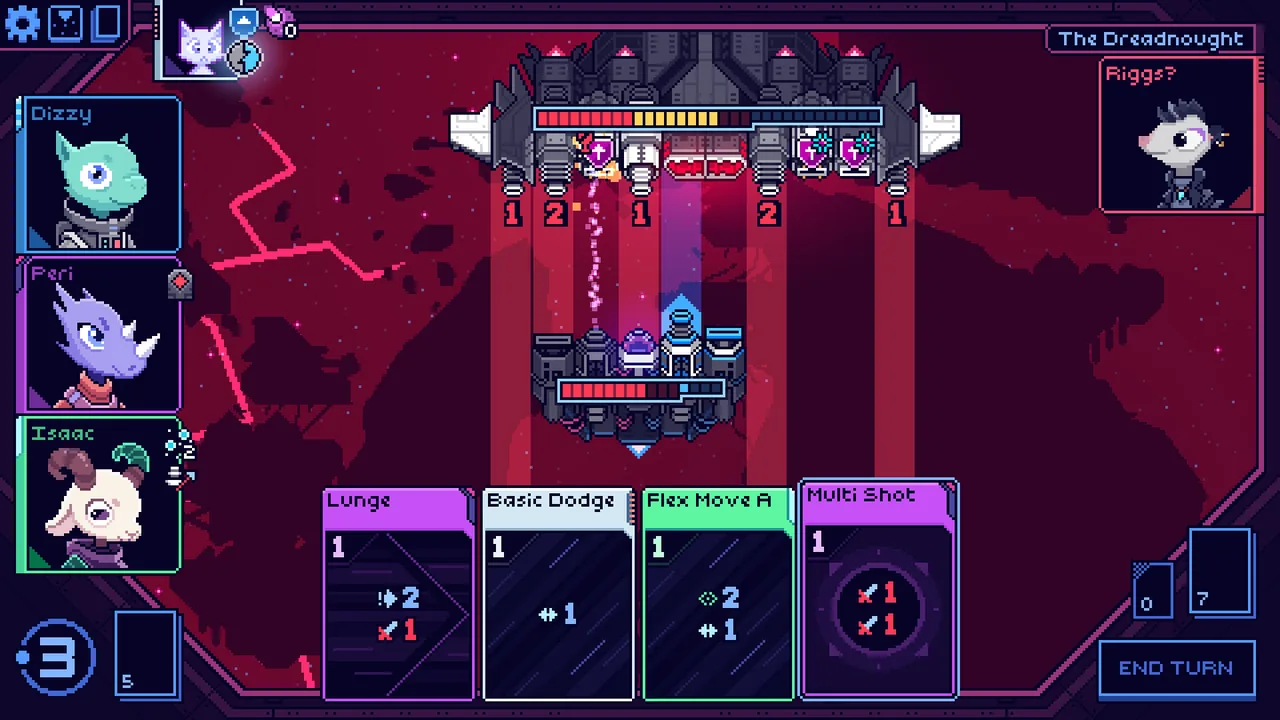
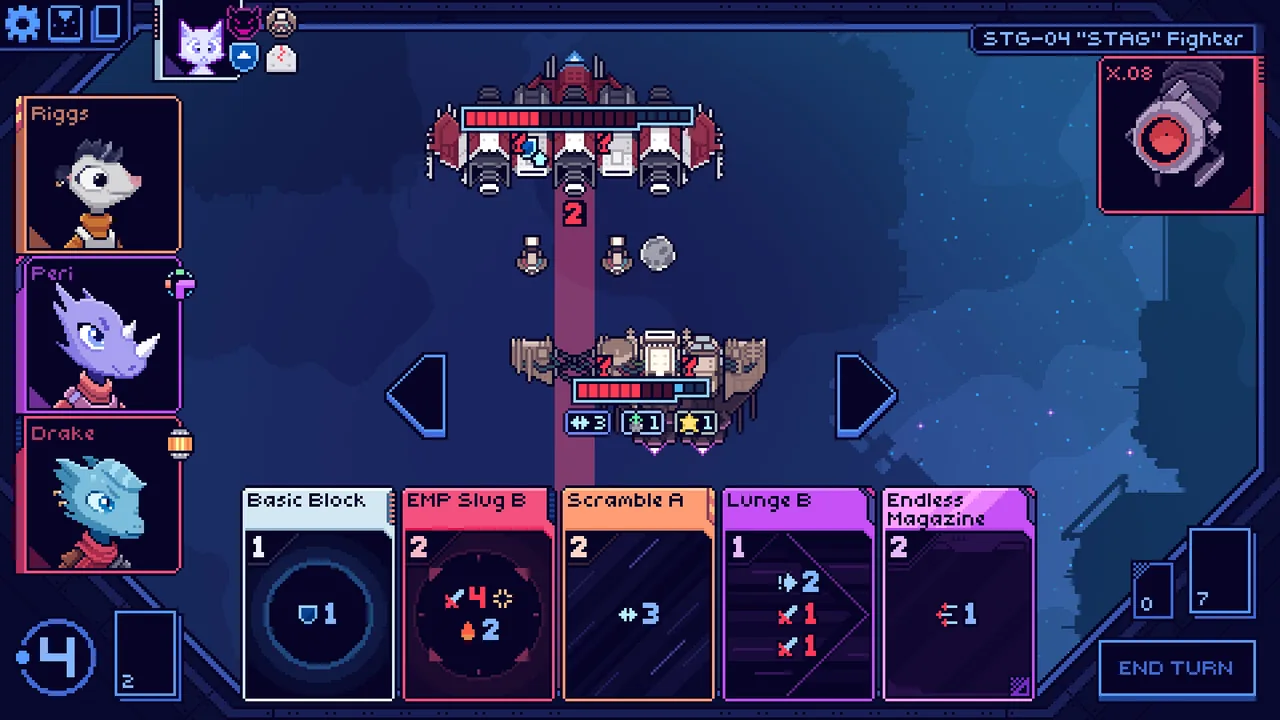
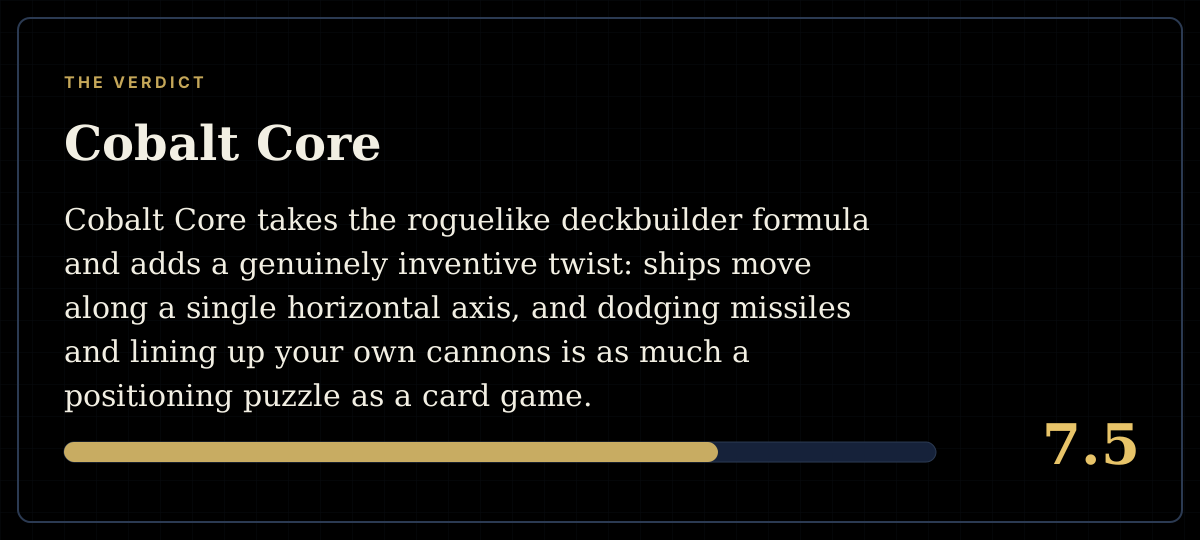
Cobalt Core takes the roguelike deckbuilder formula and adds a genuinely inventive twist: ships move along a single horizontal axis, and dodging missiles and lining up your own cannons is as much a positioning puzzle as a card game. Warm writing, real charm and accessibility options that reviewers specifically praise round out a package that's earned an outstanding reception.
What's notable is how consistently even the most enthusiastic reviews name the same honest limitation: less content and build variety than genre leaders like Slay the Spire or FTL, with runs beginning to feel similar after enough hours and an optimal strategy that some describe as emerging a little too clearly. This isn't a fringe criticism from unhappy players — it shows up inside glowing reviews just as often as critical ones.
Biggest strengths
- A genuinely novel single-axis positioning system that makes movement and dodging as central to strategy as the cards themselves
- Warm, funny writing and characters that reviewers consistently single out for praise
- Meaningful accessibility options, specifically credited by reviewers for making the game more approachable without compromising its design
Biggest weaknesses
- Even many of the game's most enthusiastic reviews name the same limitation: less content and build variety than genre leaders like Slay the Spire or FTL
- Runs can begin to feel similar to each other after enough hours, with an optimal strategy that some reviewers describe as becoming clear too quickly
- Considerably less mechanically complex than its closest genre comparisons, which some experienced deckbuilder fans find makes mastery less rewarding over time
Who it's for: Roguelike deckbuilder fans, especially newcomers to the genre looking for a gentler, more approachable entry point than Slay the Spire or Monster Train — go in aware that long-term replay depth is more limited than those genre leaders.
Our recommendation: A genuinely charming, well-designed buy, and a great recommendation specifically for players newer to the genre. Veterans chasing dozens of hours of build diversity should temper expectations; this is a tighter, shorter experience than the genre's deepest entries.
7.5 / 10
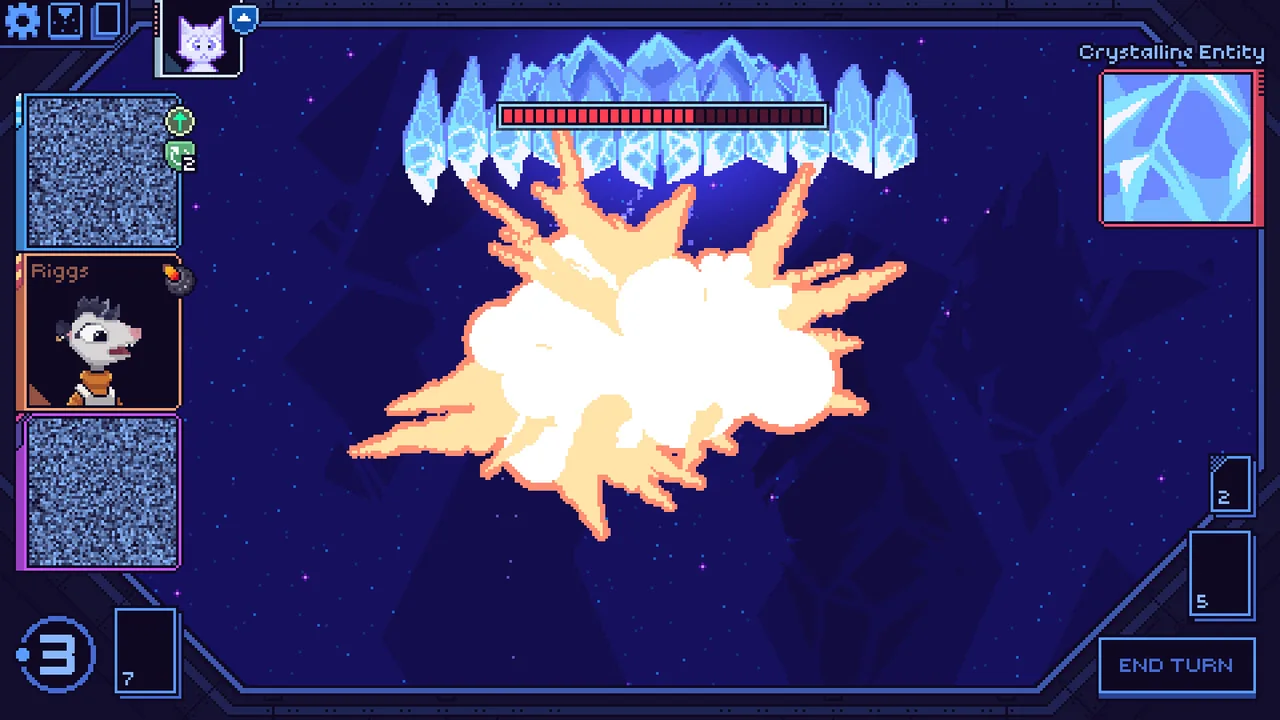
Cobalt Core wears its influences openly — a card-battling roguelike with the tension of FTL's ship management layered underneath — but its central idea is genuinely its own: ships move and fight along a single horizontal axis, so dodging incoming missiles and lining up your own cannons becomes as much a spatial puzzle as a question of which card to play. It's a smart, tightly designed twist on a familiar genre, and reviewers have responded warmly. What's more interesting than the acclaim itself is how consistently even the fondest reviews name the same specific limitation.
A positioning puzzle that earns its novelty
The single-axis movement system is Cobalt Core's clearest achievement, turning what would otherwise be a straightforward card-battler into something that demands spatial thinking alongside deck strategy — where you position your ship changes what attacks land and what you can dodge, and that layer genuinely changes how you approach every encounter. Warm, funny writing and characters give runs real personality, and reviewers specifically credit the game's accessibility options for making its systems approachable without watering down the design underneath them.
A limitation named by fans as often as critics
What's genuinely notable, reading through the reviews, is how the same honest complaint shows up inside glowing recommendations as often as critical ones. Even one of the most-upvoted positive reviews opens by naming the game's lack of content and variety directly before going on to recommend it anyway. The specific shape of the complaint is consistent: fewer cards, ships and build paths than genre leaders like Slay the Spire or FTL, runs that start to feel similar to each other after enough hours, and an optimal strategy that some experienced players describe as becoming clear faster than the genre's deepest entries typically allow. This isn't reviewers talking past each other — it's the same observation appearing on both sides of the recommendation line, which makes it worth taking seriously as a genuine, shared limitation rather than a matter of taste.
Where that limitation actually helps
The flip side, worth stating plainly, is that this same tightness makes Cobalt Core a genuinely good entry point for players newer to roguelike deckbuilders. Several reviewers specifically recommend it to players who bounced off Slay the Spire or Monster Train's steeper complexity, framing the smaller scope as approachable rather than thin. Which side of that trade matters more to you depends entirely on whether you're looking for a long-term mastery project or a well-crafted few dozen hours.
Final verdict
Cobalt Core earns its outstanding reception through a genuinely novel positioning mechanic, warm writing, and real accessibility care, and it's an easy recommendation for players newer to the genre specifically. It settles at 7.5 rather than higher because its own most enthusiastic fans consistently name the same limitation the critical reviews do — less content and build variety than the genre's deepest entries — and that's worth weighing honestly rather than letting the overall score speak for itself. Buy it for a tightly designed, charming few dozen hours; look elsewhere if you're chasing hundreds of hours of build diversity.
Price and review data checked 5 August 2026.
If you'd rather your strategic experimentation continued indefinitely without a content ceiling, Wanderer keeps its own progression open-ended by design.
Pros and cons
Pros
- A genuinely novel single-axis positioning system that makes movement and dodging as central to strategy as the cards themselves
- Warm, funny writing and characters that reviewers consistently single out for praise
- Meaningful accessibility options, specifically credited by reviewers for making the game more approachable without compromising its design
- A great entry point for players newer to roguelike deckbuilders who might bounce off harder, more complex genre leaders
Cons
- Even many of the game's most enthusiastic reviews name the same limitation: less content and build variety than genre leaders like Slay the Spire or FTL
- Runs can begin to feel similar to each other after enough hours, with an optimal strategy that some reviewers describe as becoming clear too quickly
- Considerably less mechanically complex than its closest genre comparisons, which some experienced deckbuilder fans find makes mastery less rewarding over time
- Enemy and boss variety is comparatively limited, a specific complaint echoed across several otherwise positive reviews
Screenshots
-
Cobalt CoreImage: Brace Yourself Games via Steam -
Cobalt CoreImage: Brace Yourself Games via Steam -
Cobalt CoreImage: Brace Yourself Games via Steam -
How the review scores each part of the gameWanderer Editorial -
The short versionWanderer Editorial